Εφηβική Φάση του Shiba Inu: Οδηγός Επιβίωσης για τους Επαναστατικούς Μήνες
Η εφηβική φάση του Shiba Inu διαρκεί συνήθως από 6 έως 18 μήνες και χαρακτηρίζεται από επιλεκτική ακοή, δοκιμή ορίων και εκρήξεις του «Shiba 500». Επιβιώστε την ενισχύοντας την υπακοή, διπλασιάζοντας την πνευματική ενασχόληση, προστατεύοντας την ιδιοκτησία σας από απόπειρες διαφυγής και παραμένοντας ψύχραιμοι και σταθεροί — τα περισσότερα Shiba ηρεμούν αισθητά στα 2 έως 3 χρόνια.
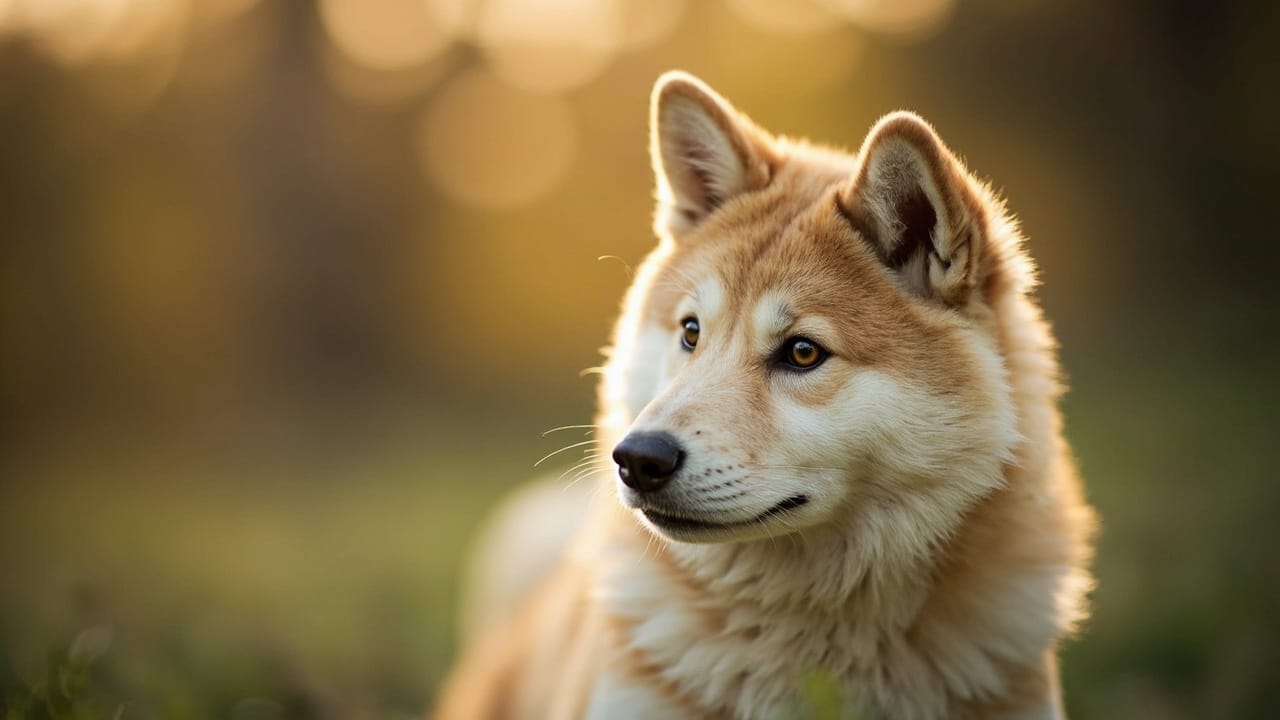
Η εφηβεία σε ένα Shiba Inu δεν είναι μύθος — είναι ένα πραγματικό, μερικές φορές εξαντλητικό αναπτυξιακό παράθυρο που συνήθως ξεκινά γύρω στους 6 μήνες και μπορεί να διαρκέσει έως τους 18 με 24 μήνες, με την πλήρη συναισθηματική ωριμότητα να φτάνει συχνά μεταξύ 2 και 3 ετών. Κατά τη διάρκεια αυτής της περιόδου, το προηγουμένως συνεργάσιμο κουτάβι σας μπορεί ξαφνικά να αγνοεί γνωστές εντολές, να πεταχτεί έξω από την εξώπορτα, να σκαρφαλώσει στον πάγκο της κουζίνας, να φυλάει το φαγητό του ή να αρνείται πεισματικά να υπακούσει στην ανάκληση στην αυλή. Αυτό είναι φυσιολογικό για τη φυλή. Τα Shiba αναπτύχθηκαν ως ανεξάρτητα κυνηγόσκυλα που εργάζονταν μακριά από τον εκπαιδευτή τους, οπότε η εφηβική αντίσταση είναι καταγεγραμμένη στα γονίδια, όχι ένδειξη ότι η εκπαίδευσή σας απέτυχε.
Ο πιο γρήγορος τρόπος να το περάσετε είναι να σταματήσετε τις κλιμακώσεις και να ξεκινήσετε να διαμορφώνετε το περιβάλλον, και στη συνέχεια να ενισχύσετε τις συμπεριφορές που θέλετε με πολύ υψηλότερο ρυθμό.
Γιατί η Εφηβεία Πλήττει τα Shiba τόσο Σκληρά
Τρία πράγματα συγκρούονται κατά τη διάρκεια αυτής της φάσης:
- Η ορμονική έξαρση, ειδικά μεταξύ 6 και 12 μηνών, εντείνει την ορμή για λεία, το ένστικτο περιπλάνησης και την αντιδραστικότητα προς άλλους σκύλους.
- Η ανάπτυξη του εγκεφάλου είναι ημιτελής — ο προμετωπιαίος φλοιός (έλεγχος παρορμήσεων) ωριμάζει ακόμη, οπότε ο σκύλος σας κυριολεκτικά δεν μπορεί να «επιλέξει» να ακούσει με τον τρόπο που μπορεί ένα Shiba 3 ετών.
- Η ανοχή στην πλήξη μειώνεται καθώς η ενέργεια ενηλίκου αντικαθιστά την ενέργεια του κουταβιού, αλλά η εστίαση δεν έχει ακόμη προλάβει.
Περιμένετε υποτροπές στη σπιτική καθαριότητα, την άνεση στο κλουβί, τη συμπεριφορά στο λουρί και ειδικά στην ανάκληση. Προγραμματίστε το αντ' αυτού, αντί να εκπλαγείτε.
Ενισχύστε τα Τρία Σωσίβια: Ανάκληση, Λουρί, Ηρεμία
Αυτές οι τρεις δεξιότητες κάνουν τη βαριά δουλειά κατά την εφηβεία. Εξασκώντας τες καθημερινά θα αποτρέψετε τα περισσότερα έκτακτα περιστατικά.
- Ανάκληση — Πληρώστε ένα τζάκποτ υψηλής αξίας (αληθινό κοτόπουλο, τυρί, αποξηραμένο συκώτι) κάθε φορά που το Shiba σας επιλέγει να επιστρέψει, ακόμη και από 3 μέτρα μακριά. Ποτέ μη φωνάζετε τον σκύλο σας για να τον τιμωρήσετε, να τον κάνετε μπάνιο ή να τον βάλετε στο κλουβί. Προσθέστε δουλειά με μακρύ λουρί σε ανοιχτούς χώρους ώστε να μπορείτε να ανταμείψετε σε απόσταση. Πολλοί ιδιοκτήτες δεν αποκτούν ποτέ αξιόπιστη ανάκληση επειδή εξασκούνται μόνο μέσα στο σπίτι.
- Λουρί — Αλλάξτε σε μπροστινή ζώνη ή σε head halter αν το τράβηγμα έχει γίνει επικίνδυνο. Ενισχύστε την οπτική επαφή και τις στιγμές χαλαρού λουριού κάθε 3 με 5 βήματα. Κρατήστε τις βόλτες κοντές και επιτυχημένες αντί μακριές και απογοητευτικές.
- Ηρεμία σε στρωματάκι — Διδάξτε ένα σήμα χειρονομίας-στόχου ή πλατφόρμας και ενισχύστε την ηρεμία μέσα στο σπίτι. Μια σταθερή εντολή «πήγαινε στο κρεβάτι σου» αποτρέπει την εφηβική χάος κατά τα γεύματα, όταν έρχονται καλεσμένοι ή κατά τη διάρκεια των zoomies.
Διαχειριστείτε το Περιβάλλον, Όχι Μόνο τον Σκύλο
Τα Shiba είναι καλλιτέχνες της διαφυγής και τα εφηβικά είναι ακόμη χειρότερα. Πριν κατηγορήσετε τον σκύλο σας, ελέγξτε τη διάταξή σας:
- Ύψος φράχτη: ελάχιστο 1,5 μέτρο, χωρίς κενά· τα Shiba σκαρφαλώνουν και στριμώχνονται.
- Έλεγχος αυλής: γεμίστε τρύπες, μπλοκάρετε την πρόσβαση σε ζώνες σκαψίματος με πέτρες ή πλάκες, κλειδώστε τις πόρτες με καραμπίνερ.
- Πρωτόκολλο εξώπορτας: βάλτε λουρί πριν ανοίξετε, ή τοποθετήστε παιδική πόρτα ώστε μια γρήγορη έξοδος να μην είναι ποτέ επιλογή.
- Σκαρφάλωμα στον πάγκο: μην αφήνετε ποτέ φαγητό χωρίς επίβλεψη, ούτε για 30 δευτερόλεπτα. Χρησιμοποιήστε πόρτες για κατοικίδια για να αποκλείσετε την πρόσβαση στην κουζίνα κατά το μαγείρεμα.
- Σκουπίδια: αλλάξτε σε κάδο με καπάκι ή αποθηκεύστε τον σε ντουλάπα. Τα εφηβικά Shiba θα τον ερευνήσουν.
Η διαχείριση δεν είναι αποτυχία της εκπαίδευσης — είναι εκπαίδευση.
Ασκήστε το Μυαλό Περισσότερο από το Σώμα
Ένα κουρασμένο σώμα δεν σημαίνει απαραίτητα ένα ήρεμο Shiba. Η πνευματική κόπωση είναι αυτή που ρίχνει πραγματικά τη διέγερση. Εναλλάξτε αυτά καθημερινά:
- Χαλάκια μυρωδιάς ή σκόρπισμα γευμάτων στην αυλή.
- Δουλειά με flirt pole σε ξεσπάσματα 5 λεπτών (εξαιρετική διέξοδος για την ορμή λείας).
- Εκπαίδευση κόλπων, 5 λεπτά, δύο φορές την ημέρα, τελειώνοντας με νίκη.
- Βόλτες με καινούργιες μυρωδιές — αφήστε τη μύτη να κάνει τη δουλειά.
- Παγωμένα Kong ή χαλάκια γλειψίματος όταν χρειάζεστε 20 λεπτά ηρεμίας.
Στοχεύστε σε 60 με 90 λεπτά συνδυασμένης σωματικής και πνευματικής εργασίας, κατανεμημένα κατά τη διάρκεια της ημέρας.
Κρατήστε τη Γραμμή στα Όρια (Χωρίς Φωνές)
Τα Shiba δεν ανταποκρίνονται στη βία, αλλά ανταποκρίνονται απόλυτα σε δίκαιους, προβλέψιμους κανόνες. Επιλέξτε τα μη διαπραγματεύσιμα — όχι καναπές, όχι ορμητική είσοδος, όχι πήδημα σε καλεσμένους — και εφαρμόστε τα ήρεμα κάθε φορά. Χρησιμοποιήστε ένα κλουβί time-out (όχι το κανονικό κλουβί) για 30 με 60 δευτερόλεπτα όταν παραβιάζουν ένα όριο. Μην κυνηγάτε, μη φωνάζετε, μην επαναλαμβάνετε εντολές πάνω από δύο φορές.
Επιβραβεύστε το αντίθετο του προβλήματος. Ο σκύλος πηδάει; Επιβραβεύστε τα τέσσερα πόδια κάτω. Ο σκύλος ορμάει στην πόρτα; Επιβραβεύστε το κάθισμα ενώ ανοίγετε. Το μήνυμα γίνεται: «η ήρεμη συμπεριφορά πληρώνει, το χάος όχι».
Τι να Περιμένετε Μήνα προς Μήνα
- 6 έως 9 μήνες — Πρώτη μεγάλη δοκιμή. Τα ορμονικά ανεβαίνουν, τα βρεφικά δόντια πέφτουν, πιθανές περίοδοι φόβου. Κρατήσ
Συνεχίστε την ανάγνωση
 Μπορώ να αφήσω το Shiba Inu μου χωρίς λουρί νόμιμα σε όλη την Ευρώπη; (Οδηγός 2024)
 Εφαρμοζόταν ο ελβετικός νόμος εκπαίδευσης σκύλων στους ιδιοκτήτες Shiba Inu;
 Χρειάζεται ένα Shiba Inu Άδεια Σκύλου Hundeführerschein στη Γερμανία;
 Πώς να Σταματήσετε ένα Κουτάβι Shiba Inu από το να Δαγκώνει και να Τσιμπάει