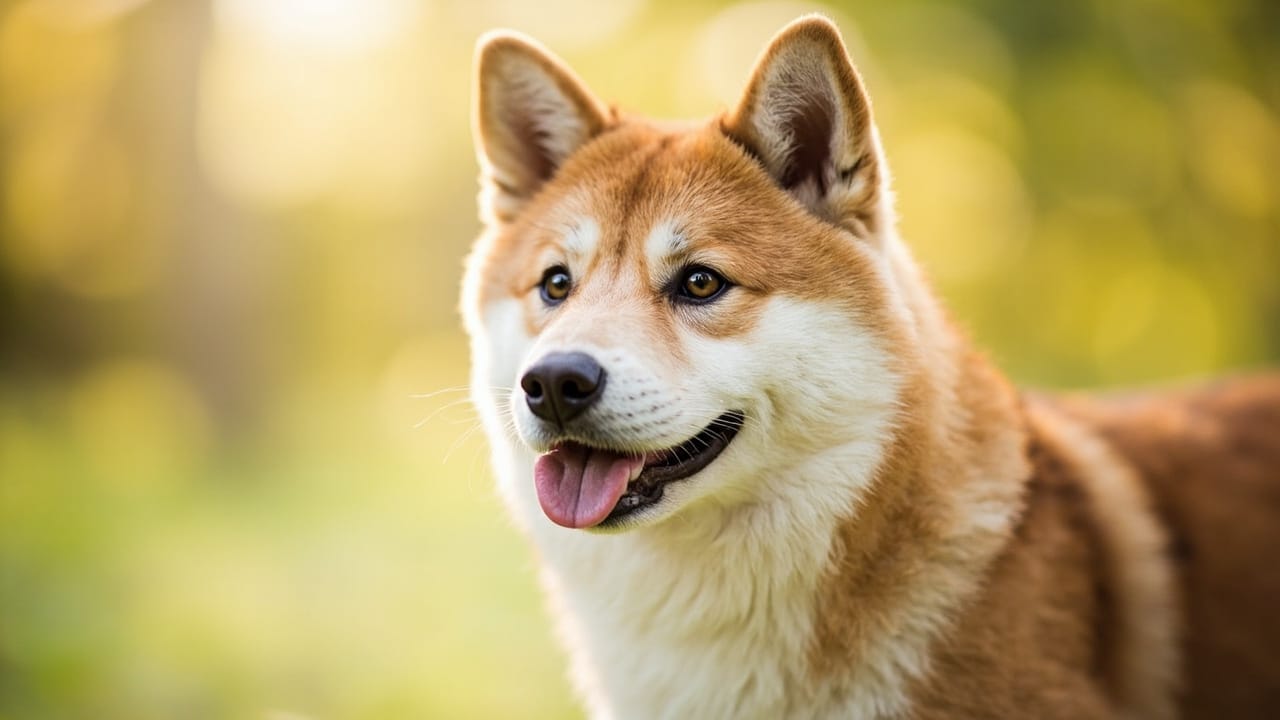
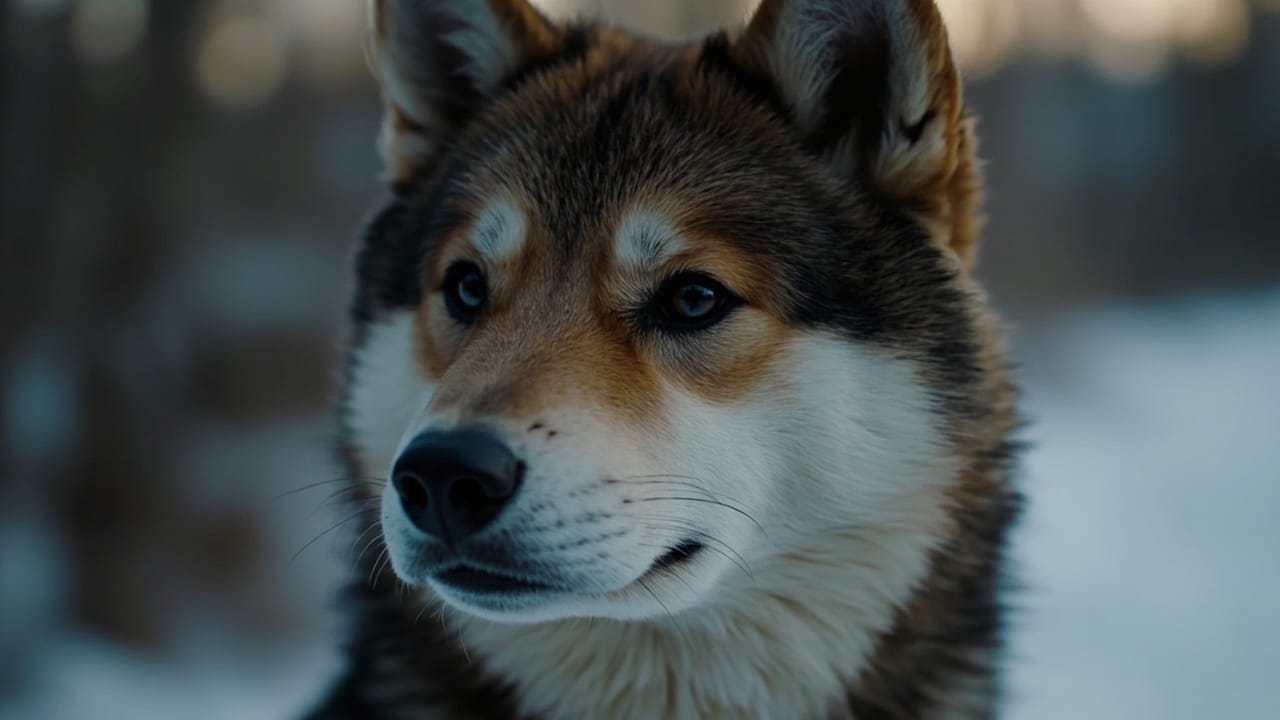
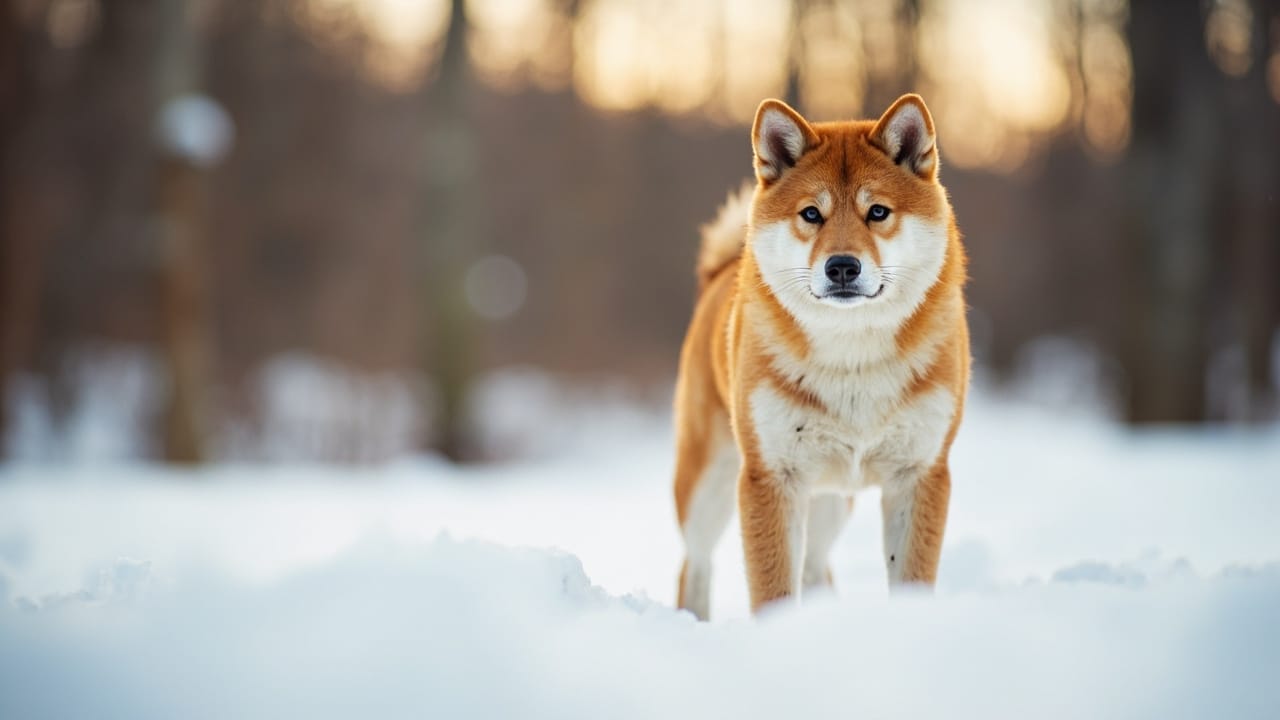
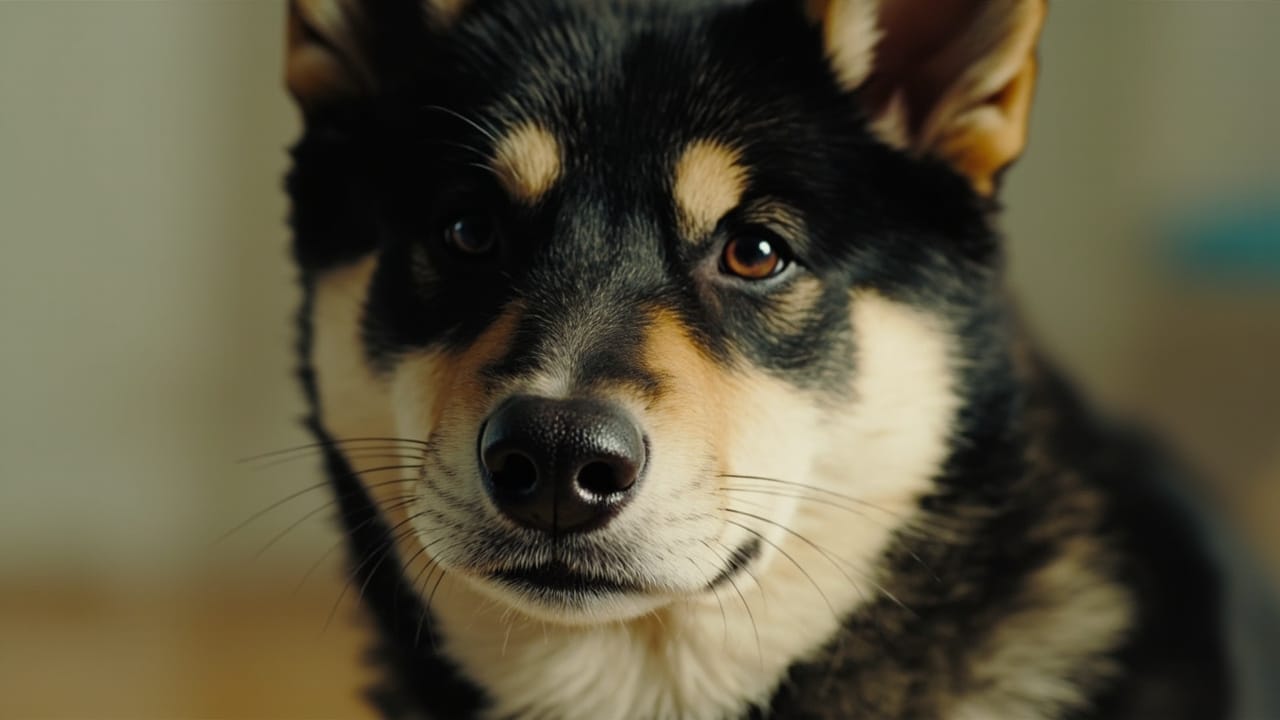
Είναι το Shiba Inu καλός σύντροφος για πεζοπορία στις Ευρωπαϊκές Άλπεις;
Ναι — με σωστή προετοιμασία, σταδιακή εγκλιματισμό και βασικές προφυλάξεις για το υψόμετρο, το χιόνι και την άγρια φύση, ένα υγιές ενήλικο Shiba Inu μπορεί να είναι εξαιρετικός συνοδοιπόρος στις Άλπεις. Το μικρό του μέγεθος, η στιβαρή του σωματική διάπλαση και το αδιάβροχο διπλό τρίχωμα αντεπεξέρχονται καλά στο αλπικό έδαφος, αν και δεν είναι φτιαγμένο για ακραίες αλπικές διαδρομές πάνω από 2.500 μ. ή για τεχνικές αναρριχήσεις.
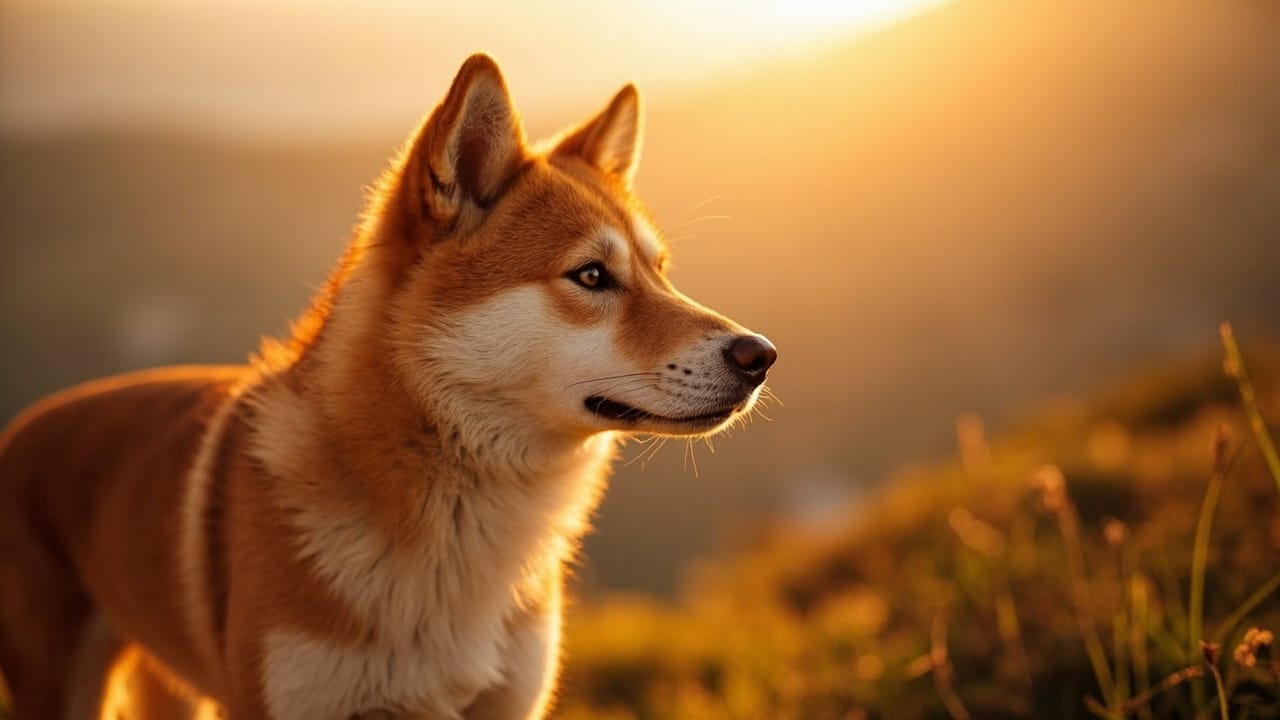
Σύντομη Απάντηση
Ένα Shiba Inu μπορεί κάλλιστα να είναι ικανός σύντροφος πεζοπορίας στις Ευρωπαϊκές Άλπεις — αρκεί να σεβαστείτε τα όρια της φυλής. Το σώμα των 8–10 κιλών, η μυώδης διάπλαση και το πυκνό διπλό τρίχωμα το καθιστούν εκπληκτικά κατάλληλο για μέτριας δυσκολίας αλπικά μονοπάτια μεταξύ άνοιξης και όψιμου φθινοπώρου. Είναι έξυπνα, σε εγρήγορση και εκ φύσεως ευκίνητα. Ωστόσο, τα Shiba δεν είναι σχεδιασμένα για πεζοπορίες μεγάλου υψομέτρου (πάνω από περίπου 2.500–2.800 μ.), τεχνικές via ferrata, πολυήμερες διαδρομές από καταφύγιο σε καταφύγιο μεταφέροντας βάρος, ή συνθήκες υπαίθριου διανυκτέρευσης σε θερμοκρασίες κάτω του μηδενός. Ταιριάξτε την πεζοπορία στον σκύλο, όχι τον σκύλο στην πεζοπορία.
Χαρακτηριστικά της Φυλής που Βοηθούν στα Αλπικά Μονοπάτια
Το Shiba Inu δημιουργήθηκε αρχικά ως σκύλος κυνηγιού σε θαμνώδεις περιοχές στα ορεινά της Ιαπωνίας, και πολλά χαρακτηριστικά του μεταφράζονται άμεσα στην αλπική πεζοπορία:
- Συμπαγής, αθλητική σωματική διάπλαση: Τα αρσενικά έχουν ύψος 35–43 εκ. και ζυγίζουν περίπου 10 κιλά· τα θηλυκά 33–41 εκ. στα περίπου 8 κιλά. Αυτό είναι αρκετά ελαφρύ για να το μεταφέρετε πάνω από εμπόδια, αλλά αρκετά στιβαρό για βραχώδες έδαφος.
- Αδιάβροχο διπλό τρίχωμα: Το σκληρό εξωτερικό τρίχωμα και το μαλακό υπόστρωμα απωθούν τη βροχή, το χιόνι και τον αέρα. Τα Shiba ευδοκιμούν στον δροσερό, ξηρό αέρα των Άλπεων.
- Ισχυρό ένστικτο θηράματος: Αρχικά χρησιμοποιούνταν για το ξετρύπωμα μικρών θηραμάτων, είναι σε εγρήγορση, γρήγορα και ατελείωτα περίεργα — ιδανικά για ποικίλα μονοπάτια σε δάση και κορυφογραμμές.
- Ευκινησία σαν γάτας: Εξαιρετική ισορροπία, ικανότητα αναρρίχησης σε βράχους και ευέλικτα πόδια σε χαλαρό πέτρωμα.
- Μακροζωία: Διάρκεια ζωής 13–16 ετών σημαίνει ότι ένα fit Shiba μπορεί να είναι ο συνοδοιπόρος σας στα μονοπάτια για πάνω από μια δεκαετία.
Πού Δυσκολεύονται τα Shiba στις Άλπεις
Οι ειλικρινείς περιορισμοί μετράνε περισσότερο από τον ενθουσιασμό:
- Υψόμετρο: Ανησυχίες που αφορούν βραχυκεφαλικές ράτσες δεν ισχύουν, αλλά ως μικρόσωμος τύπος spitz, το Shiba δεν είναι φυσιολογικά βελτιστοποιημένο για παρατεταμένη προσπάθεια πάνω από 2.500 μ. Παρατηρήστε βαριά λαχάνιασμα, μαλακό βλέμμα ή άρνηση κίνησης — πρώιμα σημάδια πίεσης από το υψόμετρο.
- Ζέστη: Παρά το χειμερινό τρίχωμα, οι καλοκαιρινές αλπικές κοιλάδες μπορούν να φτάσουν τους 30 °C. Αποφύγετε τη μεσημεριανή προσπάθεια· ξεκινήστε πεζοπορία με το χάραμα.
- Βαθύ χιόνι: Τα κοντά πόδια και ο τύπος σώματος χωρίς χαρακτηριστικά σκύλου έλκηθρου σημαίνουν ότι το βούλιαγμα στο χιόνι είναι κουραστικό. Πάνω από 20–30 εκ. φρέσκου χιονιού, το Shiba σας θα κουραστεί γρήγορα.
- Αξιοπιστία χωρίς λουρί: Το ισχυρό ένστικτο θηράματος σε συνδυασμό με την άγρια πανίδα των Άλπεων (αγριοκάτσικα, μαρμότες, ελάφια, αίγαγροι) μπορεί να υπερνικήσει αμέσως την εκπαίδευση. Πολλά Shiba είναι ταχυδακτυλουργοί της διαφυγής και θα τρέξουν μακριά.
- Γάβγισμα και η «Shiba scream»: Ένα Shiba που αγχώνεται από τελεφερίκ, κουδουνίσματα αγελάδων ή αλεξίπτωτα πλαγιάς μπορεί να εκφραστεί δυνατά.
Πλάνο Προετοιμασίας και Εγκλιματισμού
Μην πάρετε ένα Shiba του καναπέ κατευθείαν σε ανάβαση 1.500 μ. Χτίστε σταδιακά μέσα σε 6–10 εβδομάδες:
- Εβδομάδες 1–3: 30–60 λεπτά επίπεδοι δασικοί περίπατοι, αυξάνοντας σταδιακά στις 2 ώρες.
- Εβδομάδες 4–6: Εισαγωγή υψομετρικής ανόδου — 300–600 μ. επαναλαμβανόμενες ανηφόρες δύο φορές την εβδομάδα.
- Εβδομάδες 7–8: Μισοήμερες πεζοπορίες με 800 μ. ανόδου σε πραγματικό αλπικό έδαφος.
- Εβδομάδα 9+: Ολοήμερες πεζοπορίες έως 1.500 μ. ανόδου, και στη συνέχεια προσεκτική πρόοδος σε διαδρομές 2.000–2.500 μ.
- Κανόνας εγκλιματισμού: Κοιμηθείτε ένα βράδυ σε υψόμετρο πριν ανέβετε ψηλότερα. Πηγαίνετε οδικώς στα 1.500–2.000 μ. την προηγούμενη ημέρα μιας πεζοπορίας στα 2.500 μ.
Απαραίτητος Εξοπλισμός και Ασφάλεια στο Μονοπάτι
Ετοιμάστε ένα μικρό σακίδιο ημέρας ειδικά για σκύλο:
- Ελαφρύ σαμάρι με επάνω χειρολαβή για ανύψωση πάνω από βραχώδη σκαλοπάτια
- 1,5–2 λίτρα νερό μαζί με πτυσσόμενο μπολ (τα αλπικά ρυάκια είναι συχνά πολύ κρύα για άμεση κατανάλωση)
- Παπούτσια σκύλου για τον καυτό γρανίτη τον Ιούλιο και τα παγωμένα μονοπάτια στις εποχές μετάβασης
- Γιλέκο υψηλής ορατότητας ή κουδουνάκι στο κολάρο — κρίσιμο σε περιοχές με αγριοκάτσικα και κατά τη διάρκεια κυνηγετικών περιόδων (φθινόπωρο στην Ελβετία, Αυστρία, Βαυαρία)
- Πρόληψη κατά των τσιμπουριών: Τα αλπικά τσιμπούρια μεταφέρουν Babesia και Anaplasma· ελέγχετε καθημερινά
- Ανακλαστική κουβέρτα για έκτακτες ανάγκες
- Εμβολιασμός και ταυτοποίηση: Απαιτούνται διαβατήριο κατοικιδίου ΕΕ, μικροτσίπ και πιστοποιητικό λύσσας για διασυνοριακά ταξίδια στον χώρο Σένγκεν
Εθιμοτυπία Μονοπατιού και Νομικές Σημειώσεις
Οι αλπικοί κανονισμοί διαφέρουν ανά καντόνι και χώρα. Στην Ελβετία, οι σκύλοι πρέπει να είναι δεμένοι με λουρί από 15 Απριλίου έως 15 Ιουνίου κατά την περίοδο ανατροφής της άγριας ζωής. Στο Τιρόλο της Αυστρίας και στο Berchtesgaden της Γερμανίας, η χρήση λουριού κοντά σε βοσκόμενα βοοειδή είναι υποχρεωτική και επιβάλλονται πρόστιμα. Ορισμένα φυσικά καταφύγια — συμπεριλαμβανομένων τμημάτων των Hohe Tauern — απαγορεύουν εντελώς τους σκύλους. Να ελέγχετε πάντα τους τοπικούς κανονισμούς πριν ξεκινήσετε.
Τελική Ετυμηγορία
Για ημερήσιες πεζοπορίες έως 1.500 μ. ανόδου μεταξύ Μαΐου και Οκτωβρίου, ένα Shiba Inu είναι πραγματικά εξαιρετικό: ανθεκτικό