Πώς να Αντιμετωπίσετε τη Δερματοφυτία (Ringworm) σε ένα Shiba Inu: Ένας Πρακτικός Οδηγός
Αντιμετωπίστε τη δερματοφυτία σε ένα Shiba Inu επισκεπτόμενοι κτηνίατρο για διάγνωση, στη συνέχεια εφαρμόζοντας τοπικά αντιμυκητιασικά (πλύσεις με μικοναζόλη ή χλωρεξιδίνη), χορηγώντας από του στόματος φαρμακευτική αγωγή όπως ιτρακοναζόλη για 4-8 εβδομάδες, και απολυμαίνοντας το σπίτι σας. Η ανάρρωση συνήθως διαρκεί 6-12 εβδομάδες και η θεραπεία πρέπει να συνεχίζεται μέχρι δύο αρνητικές καλλιέργειες να επιβεβαιώσουν ότι έχει εξαλειφθεί.
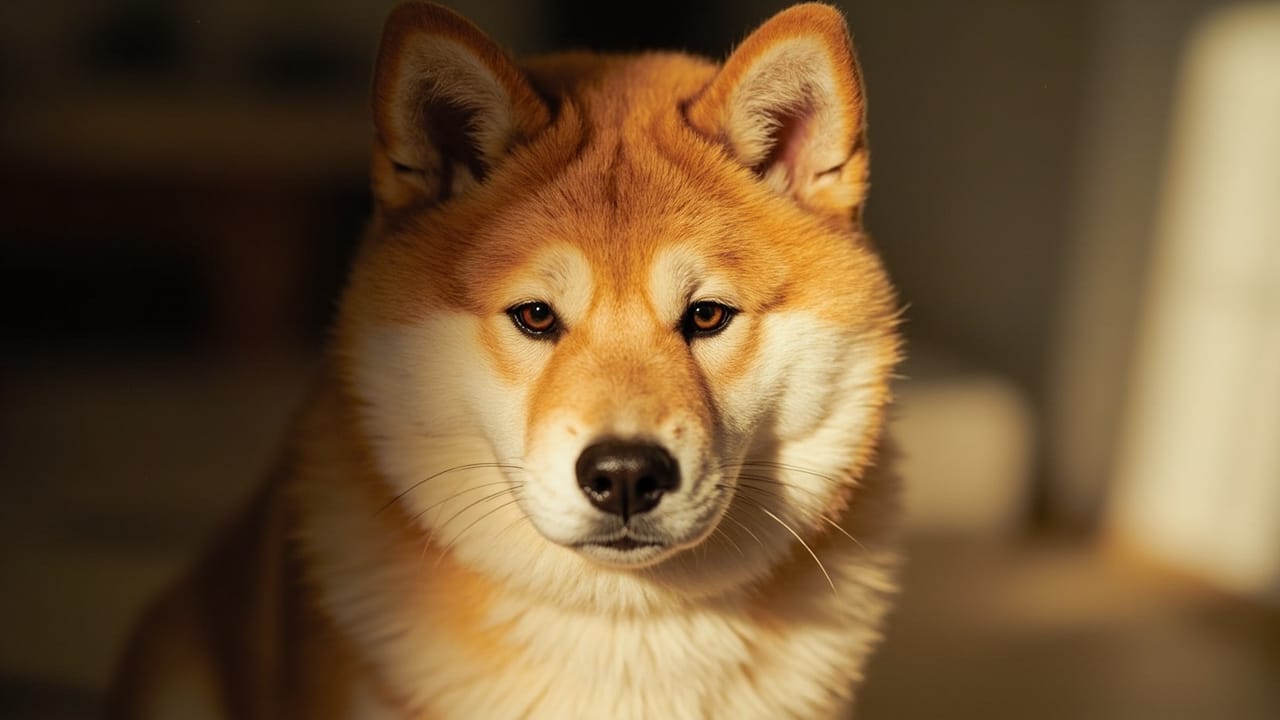
Η δερματοφυτία σε ένα Shiba Inu είναι μια μυκητιασική λοίμωξη (όχι σκουλήκι) που χρειάζεται άμεση, ενδελεχή θεραπεία. Παρά το πυκνό διπλό τρίχωμα που φέρουν τα Shibas, ο μύκητας Dermatophytes — συνήθως Microsporum canis — ευδοκιμεί σε ζεστά, υγρά περιβάλλοντα που παγιδεύονται κάτω από το τρίχωμα. Αναμένετε μια θεραπευτική πορεία 6–12 εβδομάδων και μην σταματήσετε νωρίς· η λοίμωξη μπορεί να παραμείνει σιωπηλά και να επανεμφανιστεί.
Ένας κτηνίατρος πρέπει να επιβεβαιώσει τη δερματοφυτία με λάμπα Wood, μυκητιακή καλλιέργεια ή PCR πριν ξεκινήσετε τη θεραπεία. Πολλές δερματικές παθήσεις στα Shibas — ατοπική δερματίτιδα, ψώρα, τριχόπτωση σχετιζόμενη με υποθυρεοειδισμό — μοιάζουν απόλυτα με δερματοφυτία αλλά απαιτούν εντελώς διαφορετική θεραπεία.
Επιβεβαιώστε ότι Πρόκειται για Δερματοφυτία (Κτηνιατρική Διάγνωση)
Συνηθισμένα σημεία στα Shibas περιλαμβάνουν κυκλικές περιοχές τριχόπτωσης, σπασμένες κοντές τρίχες, λεπιδώδεις ή κρούστες βλάβες και σκούρο, φλεγμένο δέρμα (συχνά στο πρόσωπο, τα αυτιά, τα πέλματα και την ουρά). Επειδή τα Shibas αλλάζουν τρίχωμα δύο φορές το χρόνο, η δερματοφυτία μπορεί να εξαπλωθεί αόρατα κάτω από όλο αυτό το χαλαρό υπόστρωμα, γι' αυτό η επίσκεψη σε κτηνίατρο είναι απαραίτητη. Τα διαγνωστικά βήματα συνήθως περιλαμβάνουν:
- Εξέταση με λάμπα Wood (ορισμένα στελέχη φθορίζουν πράσινα)
- Μυκητιακή καλλιέργεια (χρυσό πρότυπο, διαρκεί 7–21 ημέρες)
- Ξέσμα δέρματος ή PCR για ταχύτερα αποτελέσματα
- Έλεγχος άλλων κατοικιδίων και μελών του νοικοκυριού — η δερματοφυτία είναι ζωονόσος
Τοπική Θεραπεία (Πρώτη Γραμμή)
Τα τοπικά σκευάσματα σκοτώνουν τον μύκητα στο τρίχωμα και μειώνουν την περιβαλλοντική αποβολή σπόρων. Για τα Shibas, το κόψιμο του τριχώματος γύρω από τις βλάβες (όχι ξύρισμα ολόκληρου σώματος) βοηθά τα προϊόντα να φτάσουν στο δέρμα. Αποτελεσματικές επιλογές περιλαμβάνουν:
- Φαρμακευτικό σαμπουάν μικοναζόλης/χλωρεξιδίνης — μπάνιο 2 φορές την εβδομάδα για 8+ εβδομάδες
- Κρέμες μικοναζόλης ή τερβιναφίνης — εφαρμογή στις βλάβες καθημερινά
- Εμβαπτίσεις θείου-ασβεστίου (lime sulfur dips) — πολύ αποτελεσματικές αλλά μυρίζουν σαν σάπια αυγά· αραιώστε σύμφωνα με τις οδηγίες του κτηνιάτρου
- Ξέπλυμα με ενιλκοναζόλη — συνηθισμένο στην Ευρώπη
Φοράτε γάντια. Επειδή τα Shibas είναι διαβόητα ως «σκασιαρκοί», ασφαλίστε τα κατά τη διάρκεια των εμβαπτίσεων και εμποδίστε το γλείψιμο οποιουδήποτε τοπικού σκευάσματος.
Από του Στόματος Αντιμυκητιασικά (Για Εκτεταμένες Περιπτώσεις)
Εάν οι βλάβες είναι εκτεταμένες, σε πολλά μέλη της οικογένειας ή επίμονες, χρειάζεται από του στόματος φαρμακευτική αγωγή. Οι πιο συνηθισμένες επιλογές:
- Ιτρακοναζόλη (Sporanox) — παλμική θεραπεία, συχνά 1 εβδομάδα χορήγησης / 1 εβδομάδα διακοπής
- Τερβιναφίνη — καθημερινά, γενικά καλά ανεκτή
- Γκριζεοφουλβίνη — παλαιότερο φάρμακο, περισσότερες παρενέργειες, χρησιμοποιείται λιγότερο πλέον
Διάρκεια θεραπείας: τουλάχιστον 4–8 εβδομάδες, συνεχίζοντας μέχρι δύο αρνητικές μυκητιακές καλλιέργειες που λαμβάνονται με μεσοδιάστημα 2–3 εβδομάδων να επιβεβαιώσουν την εκρίζωση. Οι ηπατικές τιμές πρέπει να παρακολουθούνται σε μακροχρόνια από του στόματος χρήση.
Απολυμάνετε το Σπίτι σας (Κρίσιμο Βήμα)
Τα σπόρια της δερματοφυτίας επιβιώνουν στις επιφάνειες για 12–18 μήνες. Με μια φυλή με βαρύ τρίχωμα όπως το Shiba, τα σπόρια εισχωρούν σε κλινοσκεπάσματα, χαλιά και έπιπλα. Για την απολύμανση:
- Σκουπίζετε καθημερινά· πετάξτε αμέσως τη σακούλα ή αδειάστε τον κάδο έξω
- Πλένετε όλα τα κλινοσκεπάσματα, κουβέρτες και αφαιρούμενα καλύμματα σε καυτό νερό (60°C/140°F) εβδομαδιαίως
- Χρησιμοποιήστε διάλυμα χλωρίνης-νερού 1:10 ή καθαριστικά με επιταχυνόμενο υπεροξείδιο του υδρογόνου σε σκληρές επιφάνειες
- Καθαρίστε με ατμό χαλιά και ταπετσαρίες
- Αντικαταστήστε ή καταψύξτε βούρτσες, κολάρα και λούτρινα παιχνίδια
- Περιορίστε το μολυσμένο Shiba σε ένα εύκολο στον καθαρισμό δωμάτιο κατά τη διάρκεια της θεραπείας
Προσέξτε για Επαναμόλυνση και Αποτρέψτε την Εξάπλωση
Τα σπόρια της δερματοφυτίας αποβάλλονται για ~3 εβδομάδες μετά την έναρξη των από του στόματος φαρμάκων, γι' αυτό απομονώστε από άλλα κατοικίδια και παιδιά μέχρι οι καλλιέργειες να είναι αρνητικές. Το ισχυρό κυνηγετικό ένστικτο και η τάση περιπλάνησης του Shiba σημαίνει ότι πρέπει επίσης να τα κρατάτε σε εσωτερικό χώρο — ένα εμβολιασμένο, αναρρώνον Shiba που δραπετεύει μπορεί να διασπείρει σπόρια σε όλη τη γειτονιά.
Μετά τη θεραπεία, επαναλάβετε τις μυκητιακές καλλιέργειες με μεσοδιάστημα 2–3 εβδομάδων. Δύο συναπτές αρνητικές σημαίνουν ότι το Shiba σας έχει καθαρίσει. Διατηρήστε μηνιαία φαρμακευτικά μπάνια για μερικούς μήνες εάν το Shiba σας είχε στο παρελθόν εξάρσεις ατοπικής δερματίτιδας, καθώς το κατεστραμμένο δέρμα είναι πιο ευάλωτο.
Τα καλά νέα: τα Shibas είναι γενικά υγιή, μακρόβια σκυλιά (συχνά 13–16 χρόνια) και με έγκαιρη κτηνιατρική φροντίδα, η δερματοφυτία υποχωρεί πλήρως. Το κλειδί είναι η υπομονή — οι περισσότεροι ιδιοκτήτες σταματούν τη θεραπεία πολύ νωρίς και η λοίμωξη επιστρέφει.
Εκτίμηση Κόστους
Οι ιδιοκτήτες στις ΗΠΑ θα πρέπει να προϋπολογίσουν περίπου $200–$600 συνολικά, συμπεριλαμβανομένης της επίσκεψης στον κτηνίατρο ($60–$150), της μυκητιακής καλλιέργειας ($40–$80), των από του στόματος φαρμάκων ($30–$150/μήνα), των φαρμακευτικών σαμπουάν ($20–$40) και των ανταλλακτικών ειδών καθαρισμού. Η θεραπεία άλλων κατοικιδίων και ανθρώπων στο νοικοκυριό προσθέτει σ
⚕️ This article is researched from the AKC and NIPPO breed standards, OFA/CHIC health data and veterinary sources. It is for general information only and is not a substitute for advice from your own veterinarian.