Are Shiba Inus Cuddly and Affectionate? A Honest Guide
Shiba Inus are affectionate with their family but rarely cuddly in the traditional sense. They show love through proximity, loyalty, and quiet companionship rather than constant lap time, earning them the nickname 'cat-like dog.' Expect a devoted bond, not a velcro dog.

The Short Answer
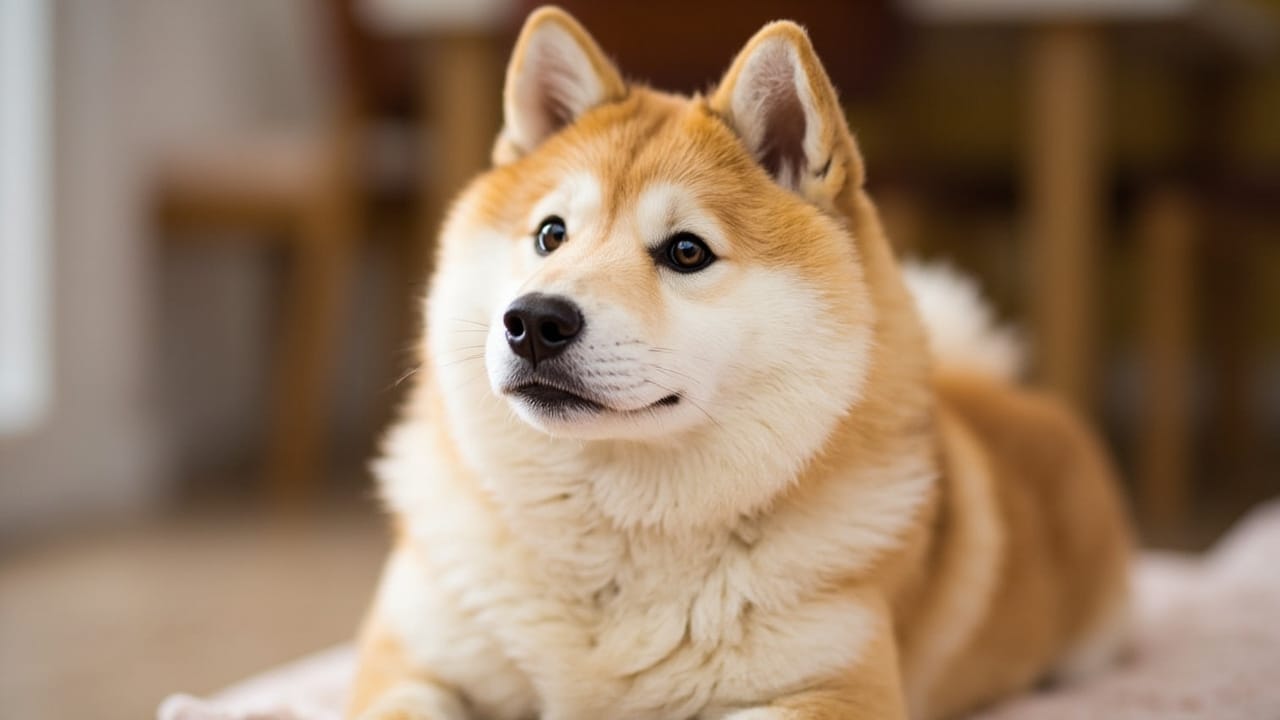
Shiba Inus are affectionate with their people, but cuddly in the conventional sense? Not really. Most Shibas show love by choosing to be in the same room as you, following you from a respectful distance, greeting you at the door, and sleeping nearby on their own terms. They are intensely loyal and form deep bonds with their family, yet they reserve physical contact and tend to walk away when hugging or lap-sitting becomes too much. This reserved, dignified style is one reason the breed is so often described as cat-like.
If you are looking for a dog that lives in your lap, melts into every embrace, and wants to be touching you 24/7, a Shiba Inu will likely frustrate you. If you want a dog whose quiet devotion, alert presence, and selective affection feel like a genuine gift, a Shiba is one of the most rewarding companions you can choose.
How Shibas Actually Show Affection
Shiba Inu affection is real, it just looks different from a Labrador's. Common signs your Shiba loves you include:
- The Shiba lean or sit-touch: pressing the side of their body against your leg
- Sleeping in your bedroom or at your feet rather than alone
- Greeting you at the door with the signature Shiba smile and tail flag
- Soft eye contact and slow blinks, a canine trust signal
- Following you room to room while keeping a few feet of distance
- Gentle face licks, offered but rarely forced
- Choosing you as their preferred human over guests
Many owners call this the "honor system" of affection: the Shiba decides when, how long, and on what terms contact happens. Respect that system and the bond deepens; violate it and your Shiba will simply disengage.
Why Shibas Aren't Lap Dogs
Three core breed traits shape this temperament:
- Independence. Shibas were originally Japanese brushwood hunting dogs ("brushwood" = shiba) bred to work alone in mountainous terrain flushing small game. Self-reliance was selected for, not against.
- Dignity and reserve. The NIPPO standard, written in 1934, describes the ideal Shiba spirit as kan-i (courage and composure) and ryosei (good nature with dignity). Eager-to-please lap behavior contradicts the breed's character.
- Sensitivity to handling. Many Shibas are physically sensitive. Restrained hugs, forced cuddles, or rough handling can trigger stress, the famous "Shiba scream," or withdrawal.
This is not coldness. A 2014 study on canine attachment placed Shibas in the "independently attached" group alongside Akitas and Basenjis, bonded but autonomous, similar to how cats relate to trusted humans.
Affection Across Life Stages and Individuals
Affection levels vary considerably within the breed:
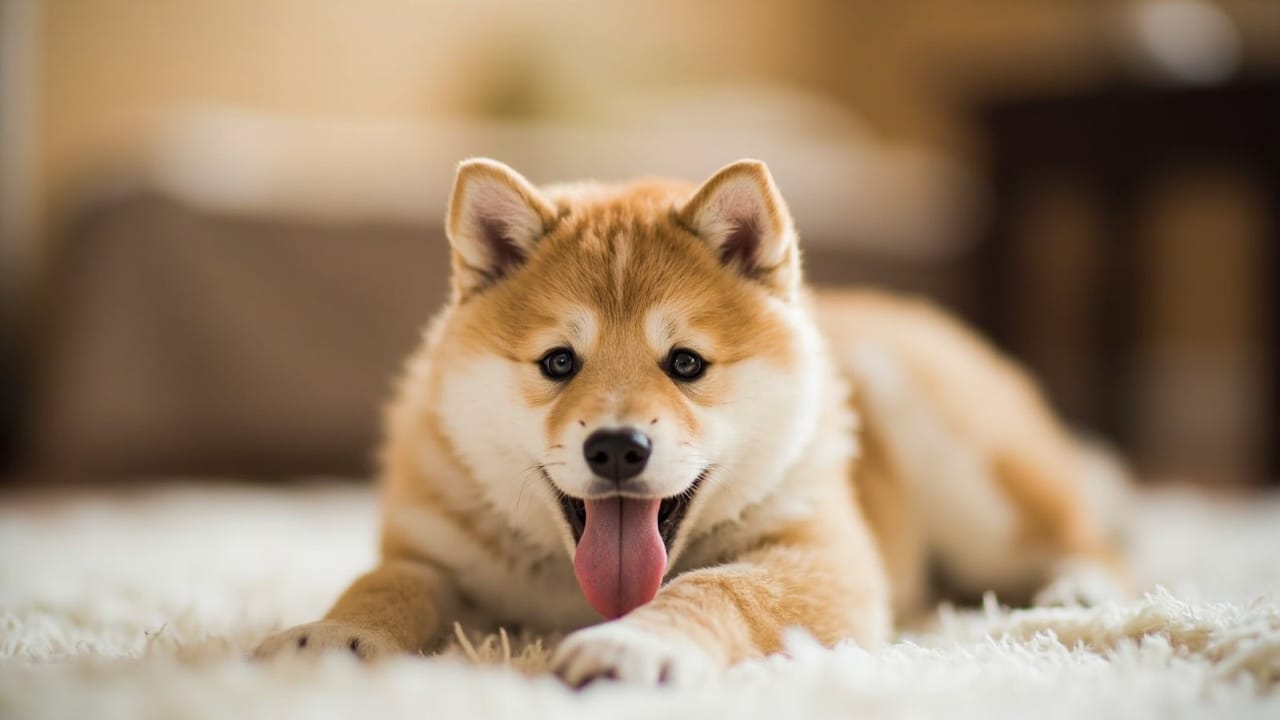
- Puppies tend to be more openly snuggly, especially when sleepy. This often fades during adolescence (roughly 6–18 months) when the "teenage Shiba" emerges with strong opinions and personal space needs.
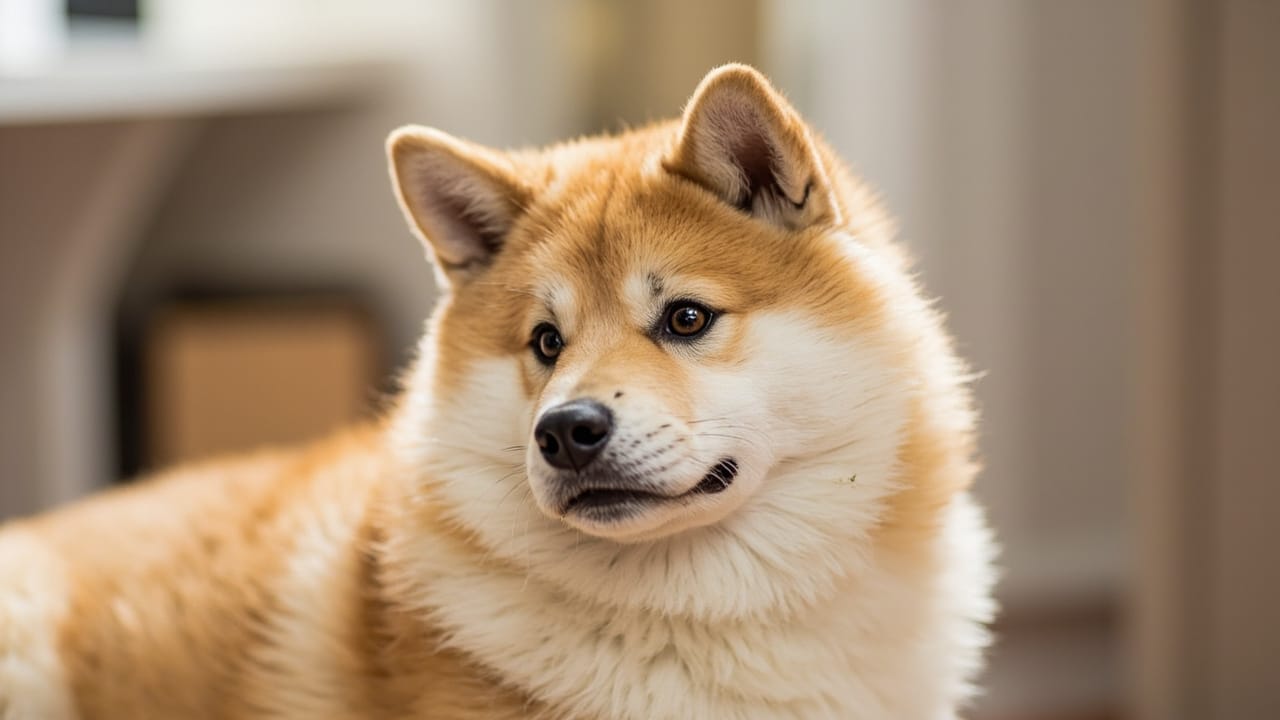
- Adults stabilize into the classic dignified pattern, affectionate on their terms.
- Seniors (Shibas commonly live 13–16 years) often become noticeably cuddlier as energy drops and trust deepens.
Individual personality matters more than breed averages. Some Shibas are genuine snugglers; many are not. Genetics, early socialization (especially between 3–14 weeks), and how often you respect their boundaries all shape the outcome.
Building a Stronger Bond With Your Shiba
You cannot train affection, but you can make your Shiba want to be close:
- Respect the opt-out. If your Shiba walks away from a cuddle, let them. Forced contact backfires.
- Use positive reinforcement training. Shibas shut down with punishment but thrive on treats, play, and verbal praise. Training sessions are bonding sessions.
- Provide physical outlets. A well-exercised Shiba (45–60 minutes daily) is calmer and more willing to relax near you. The post-walk flop is real.
- Groom together. Brushing during the twice-yearly coat blow is uncomfortable, but calm, gentle handling builds trust over time.
- Sleep near them. Many Shibas eventually choose to sleep against their owner, but only if you never invade that space.
- Be the source of good things. Meals, walks, play, and safety all come from you. Shibas are pragmatic and notice.
A Final Word on Expectations
A Shiba's love is not less than a Golden Retriever's, it is just quieter. You will not be smothered. You will be chosen, again and again, by a small, fox-like dog who considers your presence the safest place in the world. For the right owner, that feels like the deepest affection of all.
FAQ
Do Shiba Inus like to be held or hugged?
Most Shibas tolerate brief handling but do not enjoy prolonged hugs or being held. Forced cuddling typically causes them to squirm, scream, or walk away. They prefer petting on the floor, on their own terms.
Are Shiba Inus good emotional support dogs?
They can be, but they are not ideal. Their independent nature and low tolerance for forced contact make them poor choices for handlers who need a constant physical-support dog. They do provide strong companionship and a calming presence for owners who respect their boundaries.
Are male or female Shibas more affectionate?
There is no strong, consistent difference. Individual personality, socialization, and trust with the owner matter far more than sex. Spayed or neutered dogs of either sex tend to be slightly calmer and more people-oriented.
Will my Shiba get more cuddly with age?
Often, yes. Many owners report their Shiba becomes noticeably more affectionate in the senior years (typically 10+), when high energy and adolescent boundary-testing fade. Puppies are usually the cuddliest life stage, but adults and seniors often settle into a comfortable, gentle closeness.