Why Shiba Inus Are Often Compared to Cats: 7 Feline-Like Traits
Shiba Inus are compared to cats because they share strikingly feline behaviors: they groom themselves obsessively, display aloof independence, leap into sudden zoomies, prefer elevated perches, and demand affection strictly on their own terms. Beneath the cat-like exterior, however, they remain loyal, alert, and deeply bonded to their people.

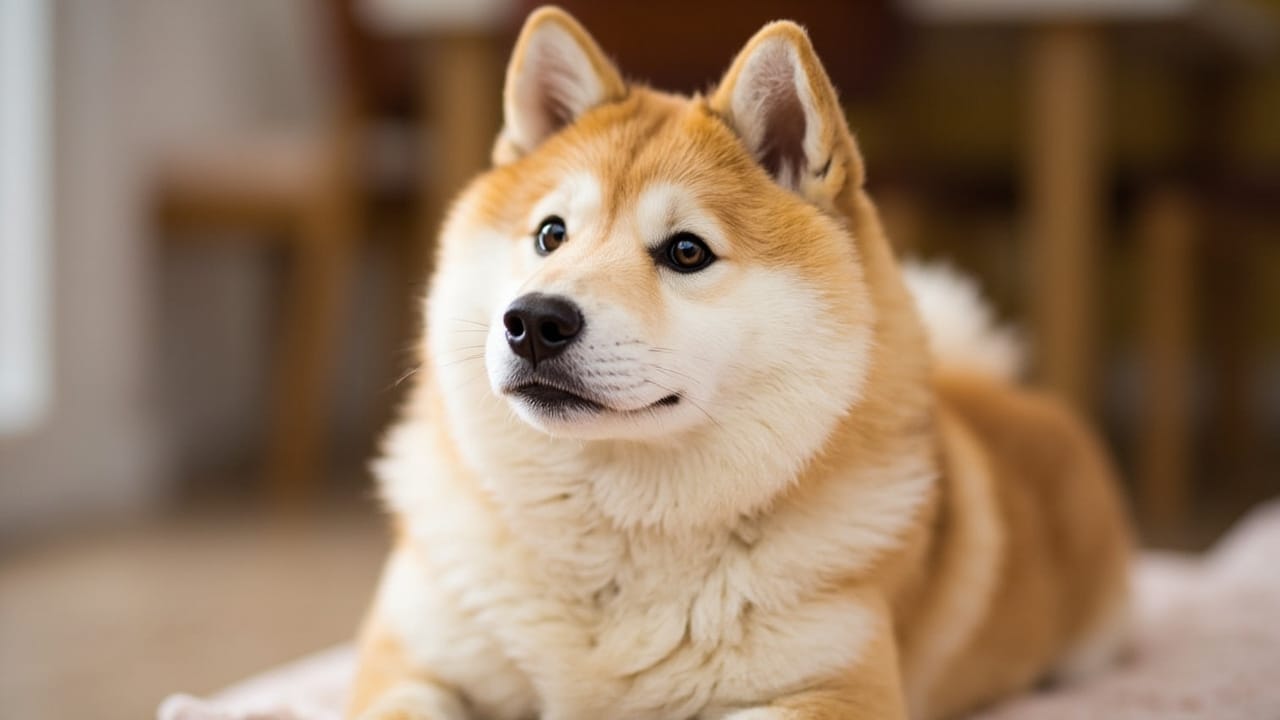
If you have ever watched a Shiba Inu wash its own face, claim the highest pillow on the bed, or stalk a squirrel with silent, focused intensity, the cat comparison practically writes itself. The reason Shiba Inus are often compared to cats is that the breed bundles a remarkable number of feline traits into a dog-shaped body: obsessive self-grooming, independent decision-making, territorial aloofness, a tendency to perch in high places, fastidious cleanliness, sudden bursts of acrobatic activity, and affection delivered strictly on their own schedule. Yet Shibas are still very much dogs, complete with deep pack loyalty and a watchdog's vigilance, which is exactly what makes the comparison so entertaining.
Below are the seven feline-like behaviors most Shiba owners will recognize instantly.
1. They Groom Themselves Like Cats
Shibas are famously clean. They will lick their paws, rub their faces, and meticulously clean their coats the way a cat does. Many owners report that their Shiba hardly ever needs a bath because the dog handles daily hygiene on its own. This fastidiousness also extends to the litter box and the yard: Shiba puppies housetrain unusually fast for a primitive breed, partly because they instinctively prefer to keep their living space tidy.
2. Aloofness and Independent Decision-Making
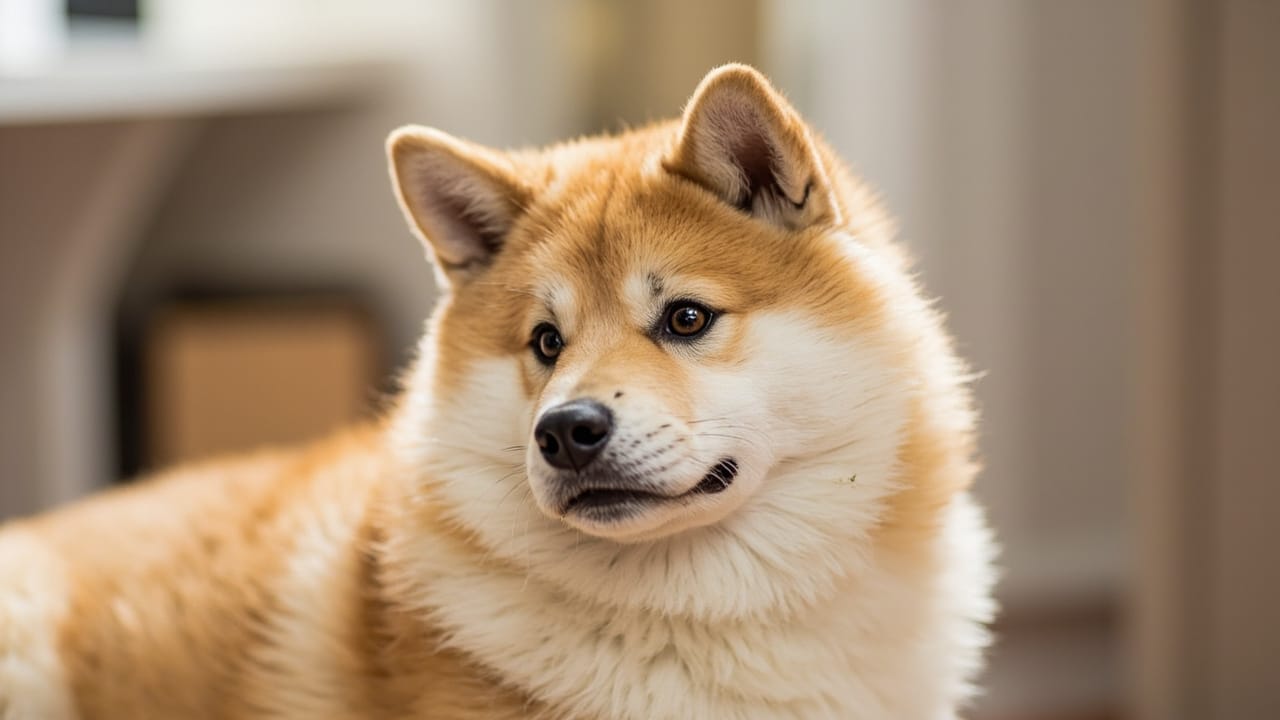
The Shiba is not a Lab. Where many breeds live to please, the Shiba evaluates whether your request is worth its effort. This is a primitive trait shared with cats: both species are solo hunters by evolution, so they were never bred to look to a handler for direction. Expect a Shiba to ignore a recall command if something more interesting is happening. Owners often describe their dogs as "cat-like" simply because the Shiba will stare at them, weigh the options, and walk away.
3. The "Shiba 500" Looks Like Feline Zoomies
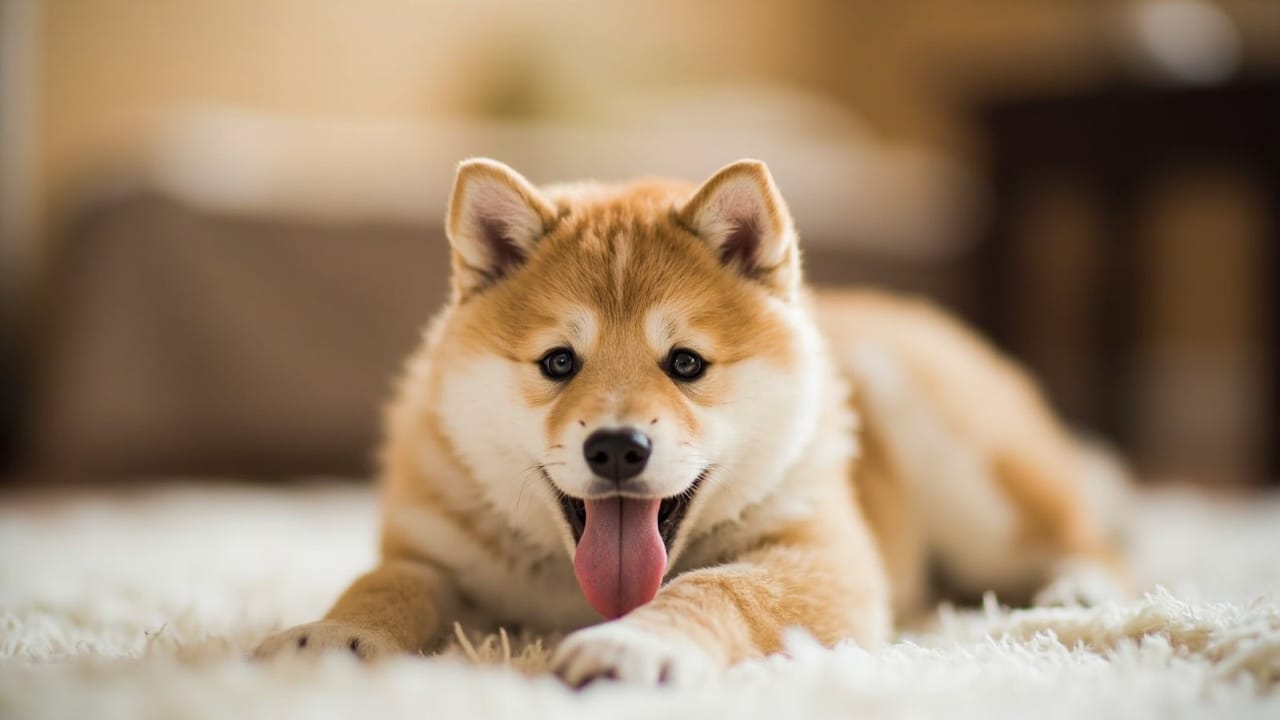
The infamous "Shiba 500" — a sudden, explosive sprint through the house or yard — mirrors the random activity bursts cats throw at 2 a.m. The dog lowers its head, butt goes up, eyes widen, and it tears around the room at full speed before collapsing as if nothing happened. Same behavior, same zero-warning trigger, same exhausted aftermath.
4. They Love High Places
Back of the sofa, top of the cat tree (yes, really), kitchen counter, your pillow stack — Shibas want elevation. Cats climb to survey territory and feel safe, and Shibas do exactly the same. This is also why Shiba-proofing means looking up, not just down: anything on a high shelf is at risk.
5. Quiet and Watchful Rather Than Loud
Shibas are not barkers. They reserve their voice (most famously the high-pitched "Shiba scream") for moments that genuinely matter to them. Most of the time they sit and observe, the way a cat watches a window. This makes them excellent apartment dogs and surprisingly polite neighbors.
6. Prey Drive Tuned Like a Cat's
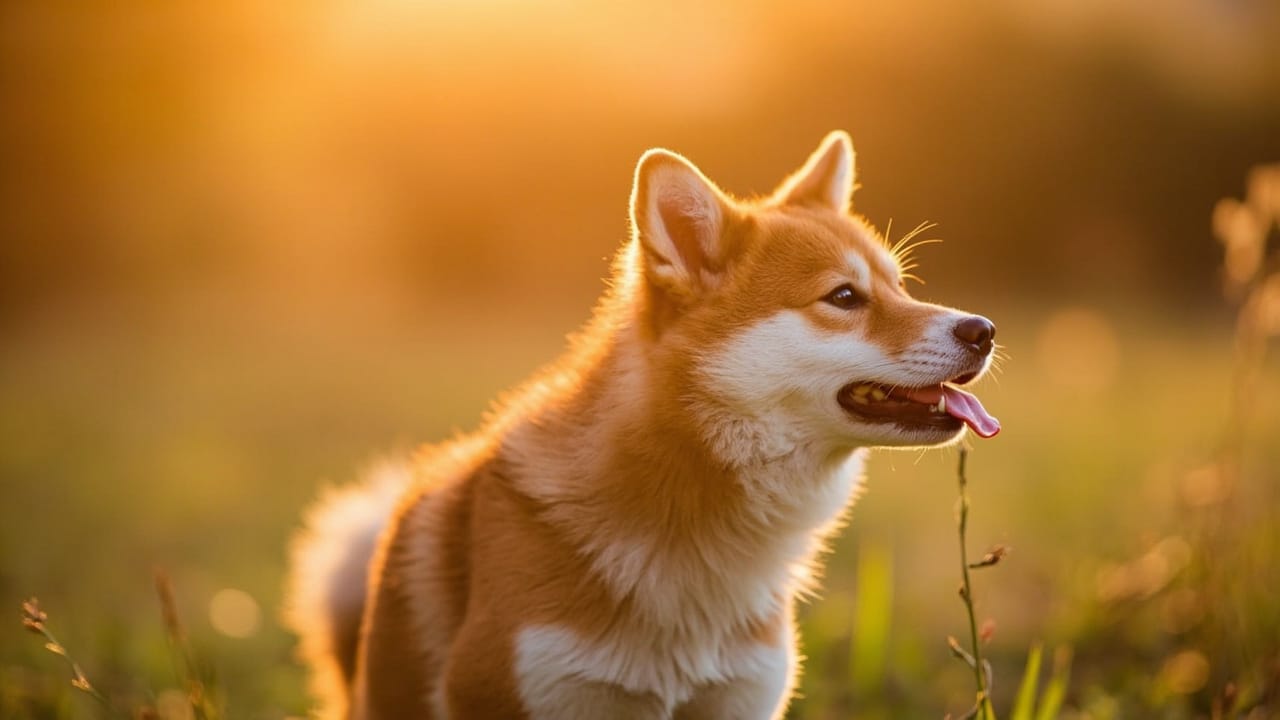
Shibas were bred to flush small game and birds in Japan's mountainous terrain. Their hunting style is visual, silent, and stalk-like, far closer to a cat's pounce-and-pounce-again pattern than to a retriever's chase. Squirrels, lizards, moths, and cats themselves will trigger an instant frozen-pointer stance followed by a lightning pounce.
7. Affection on Their Own Terms
A Shiba will choose when to cuddle, when to sit near you, and when to leave the room. They often follow their owner from room to room at a distance, much like a cat shadowing its person from across the room. The love is genuine and intense — but it is offered, not requested.
Why the Comparison Works (and Where It Breaks Down)
The cat comparison holds because both species evolved as solitary, self-sufficient hunters rather than as pack-cooperative workers like retrievers or herders. Japan's brushwood dog heritage kept those primitive instincts largely intact. The comparison breaks down the moment a Shiba defends its family or alerts to a stranger — those are pure dog behaviors, delivered with the seriousness of a much larger breed.
If you want a dog that behaves like a cat but guards like a watchdog and lives 13 to 16 years, the Shiba Inu is the closest match you will find in the canine world.
FAQ
Are Shiba Inus part cat?
No. Shibas are 100% dog and share no genetics with cats. The comparison is purely behavioral, driven by their primitive, solitary-hunter heritage.
Do Shiba Inus groom themselves like cats really do?
Yes. Shibas lick their paws, clean their faces, and keep their coats tidy without help, which is why they need fewer baths than most breeds.
Why does my Shiba Inu ignore me like a cat?
Shibas were bred as independent hunting dogs, not as team-oriented workers. They evaluate commands on their own terms and often choose something more interesting instead.
Are Shiba Inus good for people who like cats?
Usually yes. Owners who appreciate a quiet, clean, low-affection-demanding pet often thrive with a Shiba, while owners wanting an eager-to-please dog typically struggle.