Shiba Inu Exercise Needs: How Much Activity Per Day?
A healthy adult Shiba Inu needs 45–60 minutes of structured exercise per day, split into two sessions, plus off-leash freedom in a secure area when possible. Puppies require short, careful sessions (5 minutes per month of age) to protect growing joints, while seniors still need 20–30 minutes of low-impact movement to stay mobile and lean.
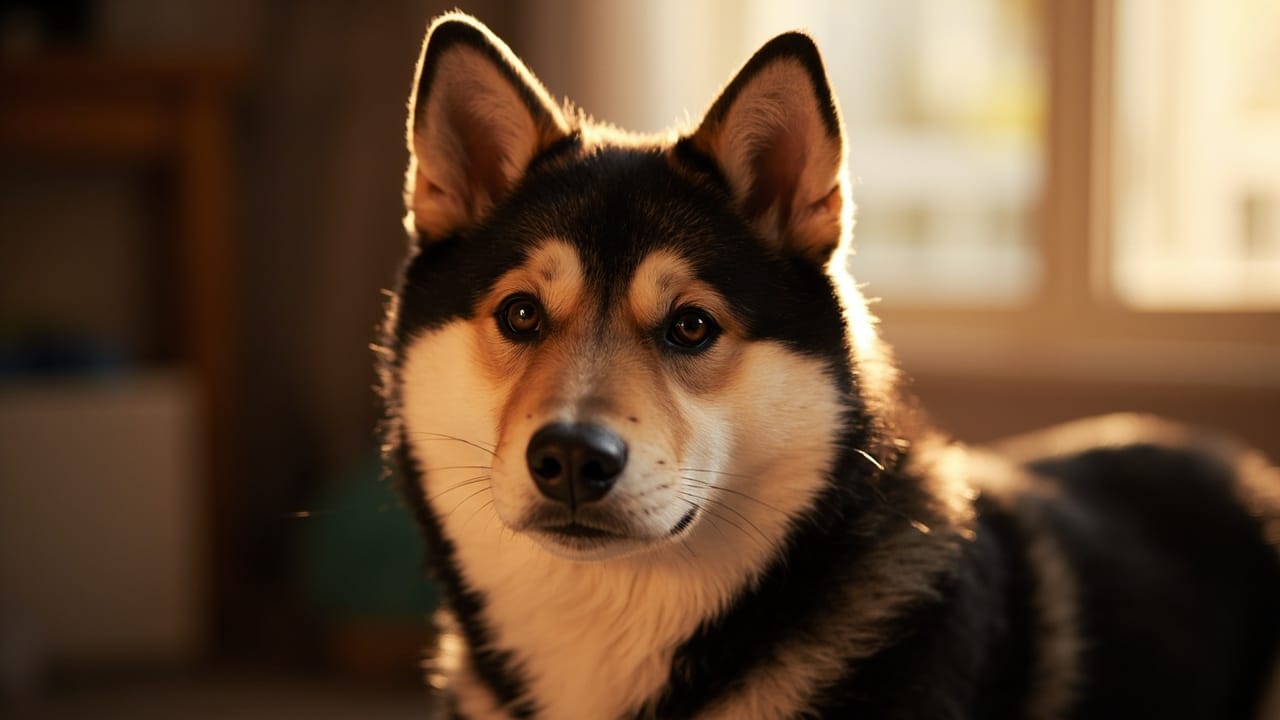
Shiba Inu Exercise Needs: How Much Activity Per Day?
A healthy adult Shiba Inu needs roughly 45 to 60 minutes of purposeful exercise per day, ideally split into two sessions (a brisk morning walk and a longer evening walk or training session). Add 10–20 minutes of mental enrichment such as scent games, puzzle feeders, or obedience drills, and most Shibas will settle into a calm, well-mannered house dog. Without that daily outlet, you can expect the legendary "Shiba 500" — frantic zoomies, destructive chewing, and escape attempts.
Because Shibas are a small but athletic spitz breed (males 10 kg, females 8 kg), they don’t need marathon runs like a Husky, but they absolutely need more than a casual stroll around the block. Their working-dog heritage as brushwood hunters means they are built for short bursts of speed, agile climbing, and sharp problem-solving — not endless endurance.
Exercise Guidelines by Life Stage
Puppies (8 weeks – 12 months)
Joints and growth plates are still developing, so skip the jogging and jumping. A reliable rule is 5 minutes of structured exercise per month of age, twice a day. So a 4-month-old puppy gets about 20 minutes total, a 6-month-old gets 30 minutes, and so on. Prioritize sniffy walks, short recall games in a safe area, and puppy socialisation. Avoid stairs, high-impact fetch on hard ground, and forced running until at least 12–18 months to reduce the risk of hip dysplasia (around 7.6% in the breed per OFA data) and luxating patella.
Adults (1 – 7 years)
This is prime Shiba territory. Aim for:
- 30–45 minutes of brisk walking (leashed or in a secure fenced area)
- 15–20 minutes of higher-intensity activity such as flirt-pole, tug, agility, or off-leash sprinting
- Daily mental work: 10–15 minutes of training, snuffle mats, or hide-and-seek
Shibas have a strong prey drive, so on-leash walks in wildlife areas are non-negotiable — once a Shiba spots a squirrel, recall usually goes out the window.
Seniors (8+ years)
Shibas are one of the longest-lived breeds at 13–16 years, and staying active is what gets them there. Drop the intensity but not the duration. Two 15–20 minute sniffy walks, gentle hill work, or swimming keeps muscle mass and joint mobility without overloading arthritic hips. Watch for slowing down, stiffness after rest, or reluctance to jump — common signs of hip dysplasia or patellar luxation that warrant a vet check.
Best Activities for Shibas
Shibas thrive when exercise engages both body and mind. The best options:
- Hiking on-leash: 60–90 minutes on varied terrain is Shiba paradise
- Flirt pole: a 5-minute flirt-pole session tires a Shiba faster than a 30-minute walk
- Scent work / nose games: hides, treat trails, or formal tracking classes
- Agility or rally: low-impact, mentally demanding, builds handler bond
- Secure off-leash sprinting: a fenced yard or dog park (with a confident, well-matched play style — many Shibas dislike rude dogs)
- Trick training: a Shiba who learns 20 tricks is far less likely to redecorate your sofa
Avoid repetitive ball-throwing on concrete, long-distance running under 18 months, and forced swimming in deep/cold water.
Warning Signs of Under-Exercise and Over-Exercise
Too little exercise in a Shiba looks like: the Shiba 500 (frantic zoomies), nuisance barking, escape artistry (climbing 6-foot fences is a known Shiba hobby), reactivity on leash, and weight gain. Shibas are notoriously food-driven, so an under-exercised Shiba becomes an overweight Shiba fast, which worsens hip and patella issues.
Too much exercise looks like: limping after activity, reluctance to get up the next morning, "down in the pasterns," excessive panting, or a sudden disinterest in the next walk. Puppies especially can’t self-regulate and will run until they’re sore — keep sessions short and end on a calm note.
Weather and Seasonal Adjustments
Shibas are double-coated and built for cold, but they overheat quickly in summer. In hot weather, walk at dawn or dusk, stick to shaded trails, and consider a cooling vest. The coat blow (twice a year) burns extra calories, so a Shiba in full coat drop will be a little lazier and hungrier than usual — a great time to lean on mental exercise and brushing sessions to release coat and stress simultaneously.
Building a Sustainable Routine
A realistic weekday routine for an adult Shiba: 25-minute morning sniff walk, 10 minutes of training or a stuffed Kong before work, and a 30–45 minute evening walk or hike. Add one longer weekend adventure (90 minutes to 2 hours) and rotate enrichment on rest days. Within two to three weeks, most owners see a calmer, more focused dog — and a lot less of the chaos Shibas are famous for.
FAQ
Can a Shiba Inu be left home alone if exercised well?
Yes. A properly exercised adult Shiba can comfortably rest 4–6 hours alone, especially with a stuffed Kong or toppler puzzle. Puppies under 6 months need more frequent potty breaks and shorter absences.
Do Shiba Inus need a yard?
No, a yard is helpful but not required. Apartment-living Shibas do perfectly well with two daily walks plus mental enrichment, provided the owner commits to consistent outdoor time and weather-appropriate gear.
How much walking is too much for a Shiba puppy?
Stick to the 5-minutes-per-month-of-age rule, split into two sessions. A 5-month-old should not walk more than about 25 minutes of structured on-leash walking per day to protect growing joints.
Are Shiba Inus good running partners?
Only after 18–24 months of age, once growth plates close, and only for short to moderate distances (3–5 km). Shibas are sprinters, not endurance athletes, and many self-regulate better than forced runs.