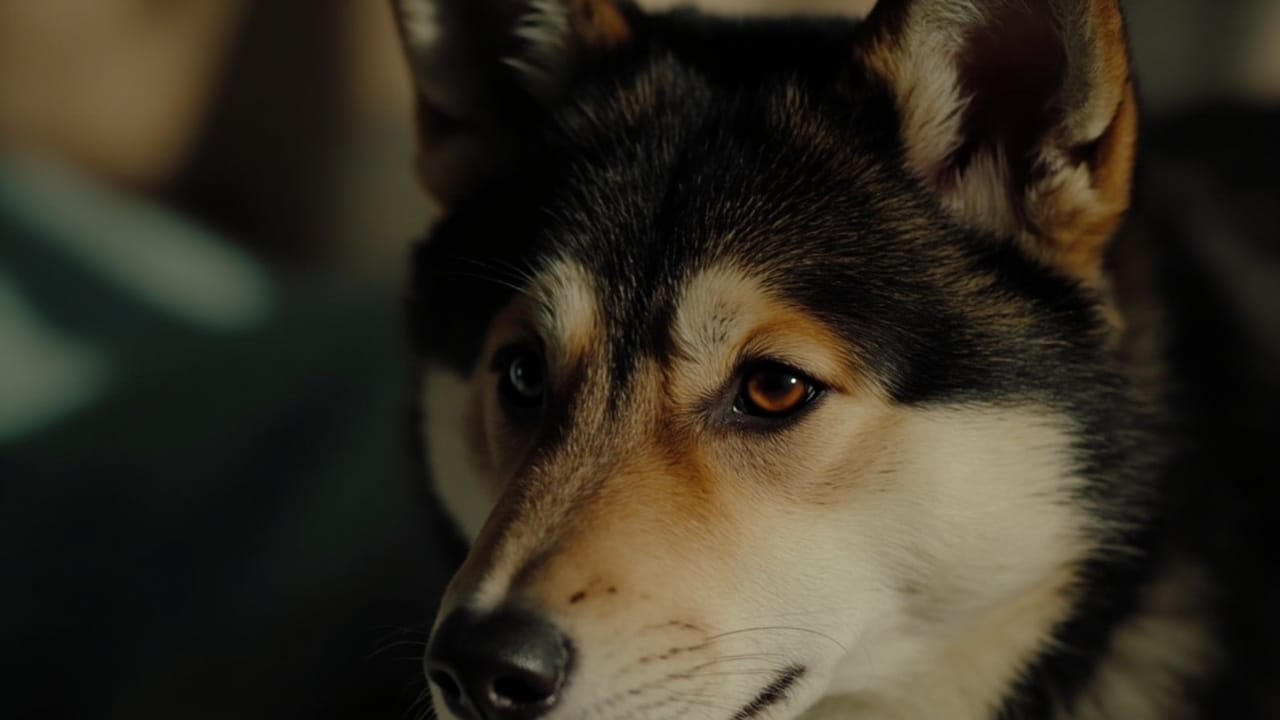
Mame Shiba Lifespan: Do They Live as Long as Standard Shibas?
Mame Shibas live 13–16 years on average, the same range as standard Shiba Inu. Their smaller size does not significantly extend or shorten lifespan, and they benefit from the same health screening protocols, including OFA hips, patella evaluation, and annual eye exams.

The Mame Shiba shares the same expected lifespan as a standard Shiba Inu: roughly 13 to 16 years, with many individuals reaching 14 or 15. Despite being a third to half the size of a regular Shiba, the Mame variety is not a separate breed and does not enjoy a documented longevity advantage from miniaturization. If anything, the breeding practices used to produce the smaller frame can introduce health risks that owners should monitor carefully, so a Mame Shiba's "long life" depends more on genetics, screening, and care than on its compact stature.
Mame Shiba vs. Standard Shiba: Size and Lifespan Compared
The standard Shiba Inu stands 33–43 cm at the shoulder and weighs 8–10 kg. The Mame Shiba (Japanese for "bean-sized Shiba") is bred smaller, typically under 4–6 kg and around 25–32 cm tall. Many buyers assume smaller dogs live longer, and the rule of thumb is partly true across breeds, but it applies between species and size classes, not within a single breed. Both Mame and standard Shibas fall in the same 13–16 year bracket, and there is no reliable evidence that a Mame Shiba will outlive a well-bred standard Shiba from healthy lines.
Why the Lifespan Is Similar
The Mame Shiba is not a true miniature breed like the toy poodle or miniature dachshund, both of which were developed as separate populations over many generations. Most Mame Shibas are produced by selecting the smallest individuals from standard Shiba lines, sometimes across multiple generations. Because the gene pool is essentially the same, the inherited longevity factors overlap heavily. Both varieties benefit from the Shiba's natural hardiness, low incidence of life-limiting genetic disease, and the breed's historical background as a robust hunting dog from mountainous Japan.
Health Issues That Affect Lifespan in Both Variants
Whether standard or Mame, Shibas face the same core health concerns that can shorten a dog's life if unmanaged:
- Luxating patella – the kneecap slips out of place, common in small and toy breeds. Should be screened through OFA.
- Hip dysplasia – about 7.6% of Shibas evaluated by OFA show some degree; more important in Mame lines where breeding pairs are limited.
- Primary closed-angle glaucoma – painful and can lead to blindness; requires CERF/CAER eye exams.
- Progressive retinal atrophy (PRA) and cataracts – degenerative eye conditions that can be detected early through annual exams.
- Hypothyroidism – manageable with medication but requires lifelong monitoring.
- Atopic dermatitis and severe allergies – quality-of-life issue that, in chronic cases, can shorten lifespan through secondary infections.
For the Mame Shiba, two extra concerns apply because of how the size is achieved:
- Reproductive and whelping complications – very small females often require C-sections, and breeding them carries real risk.
- Dental crowding – smaller jaws mean overcrowded teeth, faster tartar buildup, and a higher risk of periodontal disease that can stress the heart and kidneys over time.
How to Maximize a Mame Shiba's Lifespan
- Buy from a breeder who performs CHIC-recommended testing on both parents: OFA hips, OFA patella, and a CAER eye exam. Mame breeders are not always required to do this, so ask for documentation.
- Maintain a healthy weight. A 5 kg Mame Shiba that becomes 7 kg is clinically obese, and joint, heart, and metabolic issues follow.
- Brush teeth regularly and schedule professional cleanings. Dental disease is one of the most common silent lifespan reducers in small Japanese breeds.
- Keep up with annual eye exams after age 5, and watch for squinting, cloudiness, or redness.
- Skip extreme miniaturization. The smallest "teacup" Shibas (under 3 kg) are not a recognized category and tend to come with fragile bones, hypoglycemia, and shorter lives.
Common Misconceptions
- "Mame Shibas live 18–20 years." Not supported by data. Realistic maximums are 16–17, same as standards.
- "Smaller always means longer-lived." Within a single breed, the effect is negligible; the dog's individual genetics matter far more.
- "Mame Shibas are healthier because they are rare." Rarity in this case usually means a smaller gene pool, which can concentrate rather than dilute genetic disease.
Bottom Line
A well-bred Mame Shiba will live about as long as a well-bred standard Shiba, generally 13 to 16 years. The keys to reaching the upper end of that range are the same for both: screened parents, a stable weight, good dental care, annual vet checks, and prompt attention to eyes, skin, and joints. Choose health over size, and your Mame Shiba has every chance of a long, healthy life.
FAQs on Mame Shiba Lifespan
Are Mame Shibas prone to more health problems than standard Shibas? Not categorically, but breeding for very small size can introduce issues like dental crowding, fragile bones, and whelping complications. Health screening is more important than for standard-sized Shibas.
Do Mame Shibas live shorter lives than standard Shibas? There is no reliable evidence that Mame Shibas live shorter lives, but "teacup" extremes (under 3 kg) often do, due to fragility and metabolic instability. Reputable Mame Shibas match the standard 13–16 year range.
What is the oldest a Mame Shiba has lived? There are no verified records specific to Mame Shibas that exceed the standard Shiba record of around 16–17 years. Most well-cared-for Mame Shibas reach 14–15 years.
How can I tell if my Mame Shiba breeder is prioritizing health? Ask for OFA hip and patella scores, CAER eye exam results for both parents, and a multi-generation pedigree. If the breeder cannot produce these, look elsewhere regardless of price.
FAQ
What is the average lifespan of a Mame Shiba?
A Mame Shiba lives on average 13 to 16 years, essentially the same as a standard Shiba Inu. There is no documented longevity bonus from the smaller size.
Do Mame Shibas have more health problems than standard Shibas?
Mame Shibas share the same core health issues as standards, but breeding for very small size can add risks such as dental crowding, fragile bones, and whelping complications.
What is the oldest age a Mame Shiba can reach?
There are no verified Mame Shiba records above the standard Shiba maximum of roughly 16–17 years. Well-cared-for Mame Shibas commonly reach 14–15 years.
How can I help my Mame Shiba live longer?
Choose a breeder who performs OFA hip, OFA patella, and CAER eye screening, keep the dog at a healthy weight, brush its teeth regularly, and schedule annual vet and eye exams after age 5.
⚕️ This article is researched from the AKC and NIPPO breed standards, OFA/CHIC health data and veterinary sources. It is for general information only and is not a substitute for advice from your own veterinarian.