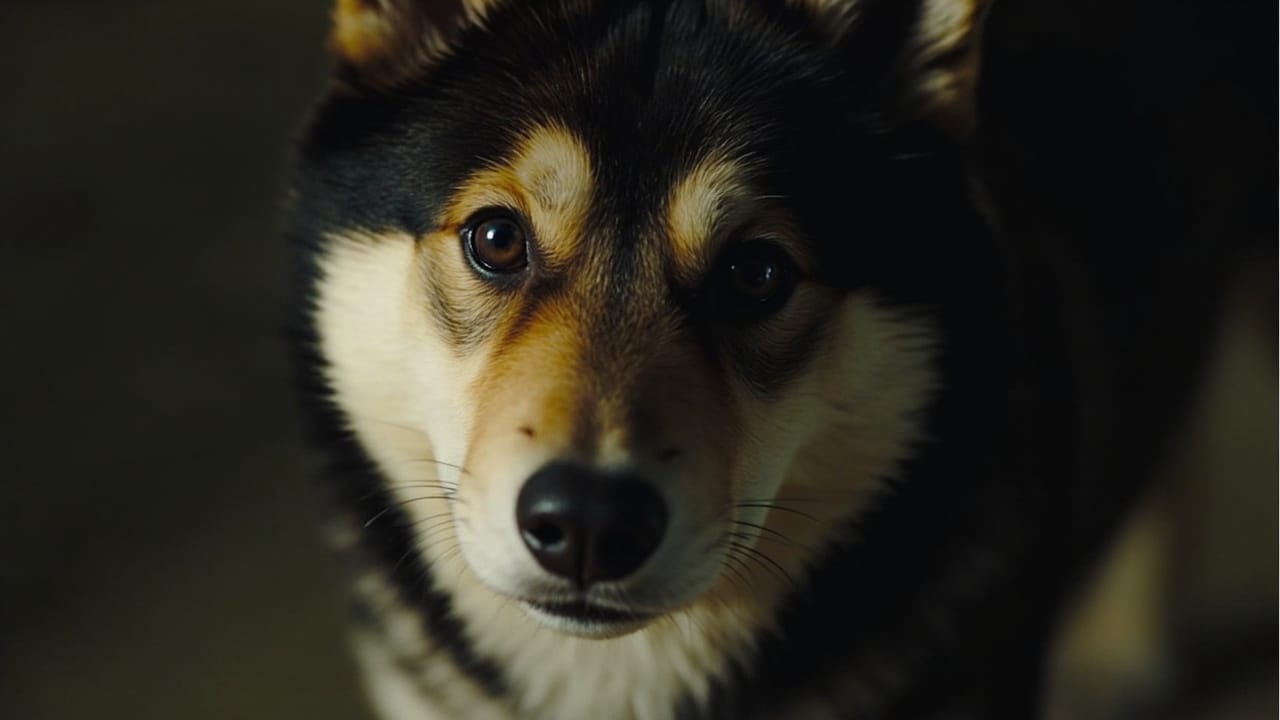
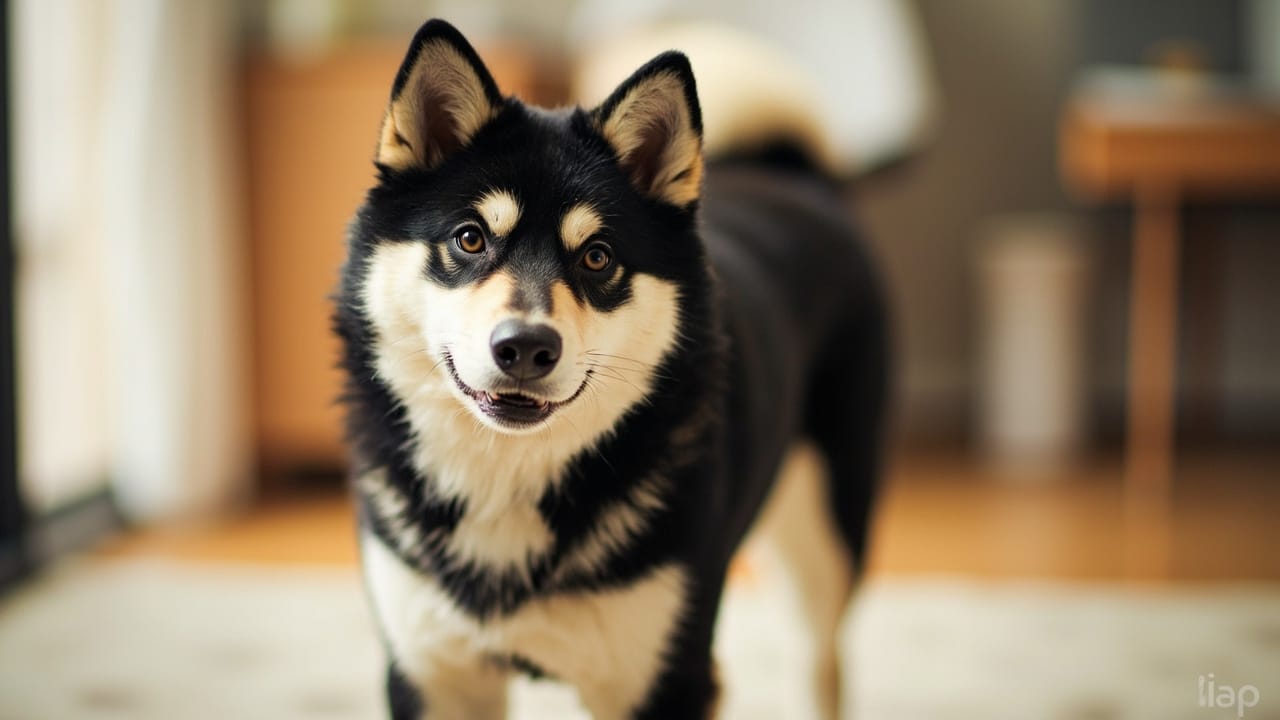
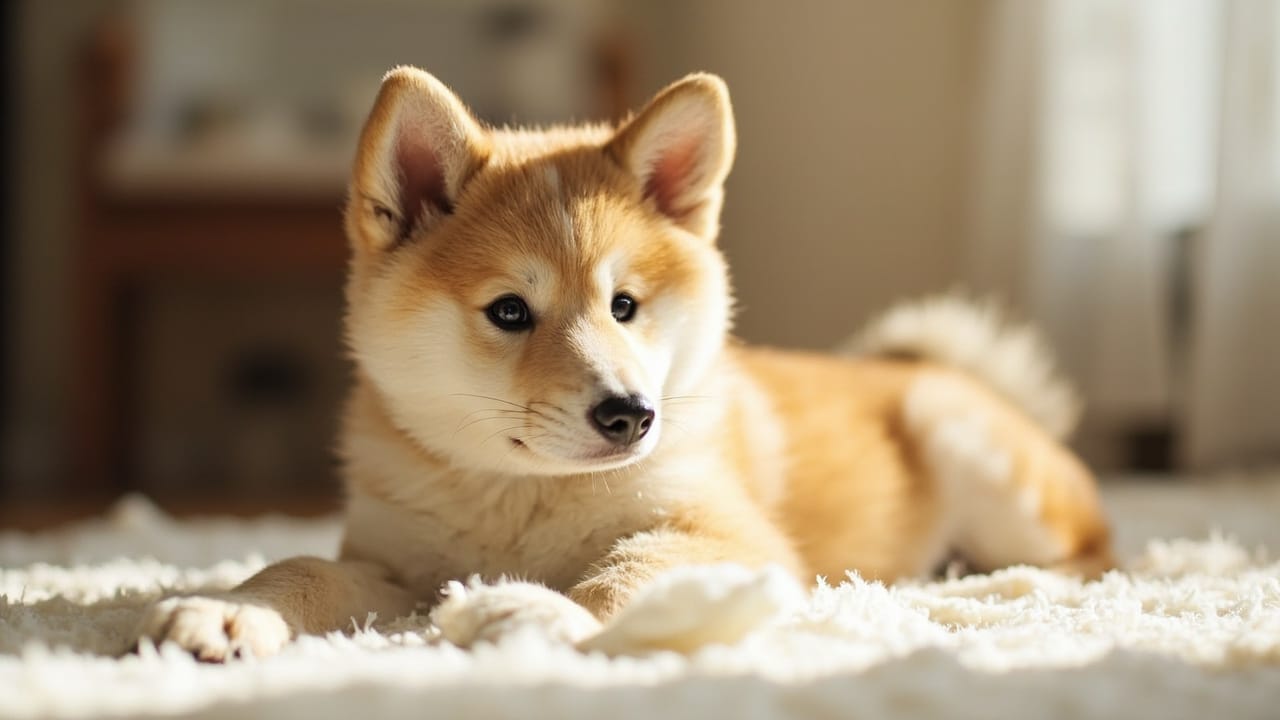
Can a Shiba Inu Live Happily in a Small European City Apartment?
Yes, a Shiba Inu can thrive in a small European city apartment, provided you meet their exercise, mental stimulation, and socialization needs. Their compact size, quiet nature, and cat-like cleanliness make them better urban flatmates than most spitz breeds, though their tendency to scream and escape requires extra management.
The Short Answer: Yes — With the Right Setup
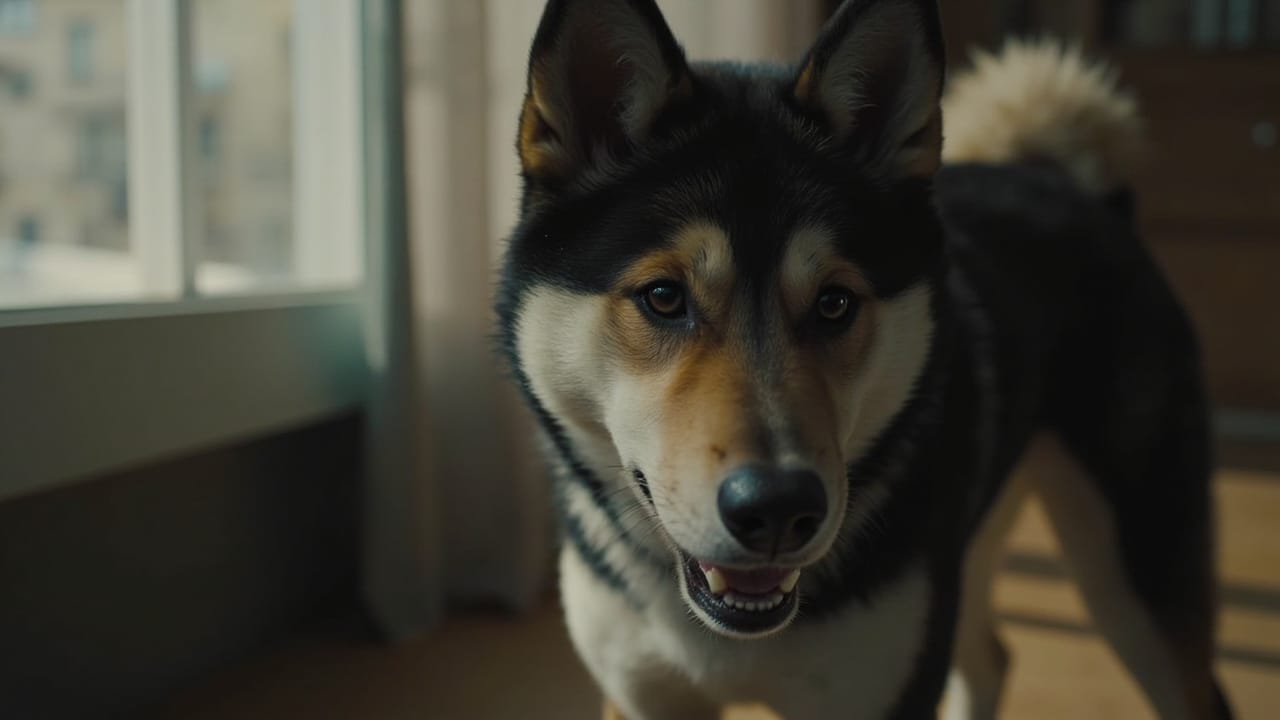
A Shiba Inu can absolutely live happily in a small European city apartment. In many ways, the breed is better suited to flat life than larger spitz cousins like the Akita or Husky. Adults stand only 35–43 cm tall and weigh around 8–10 kg, they rarely bark without reason, they groom themselves like cats, and they adapt to modest square footage as long as two non-negotiables are met: around 60–90 minutes of daily exercise and reliable mental enrichment. A bored, under-walked Shiba in a studio will destroy your sofa. A well-exercised Shiba in 35 m² in central Lisbon, Prague, or Lyon will sleep contentedly on the windowsill all afternoon.
Why Shibas Fit European Apartment Living
Size and footprint. At roughly 8–10 kg, a Shiba takes up less floor space than a Labrador but offers the presence of a real dog. They curl into surprisingly small balls on chair corners or dog beds.
Quiet temperament. Compared to other primitive breeds, Shibas are notably reserved. They do not yap at hallway footsteps or every passing tram. Neighbours in dense immeubles or Mietshaus buildings will rarely hear them — except, famously, during a "Shiba scream," which only happens in genuine distress or protest (nail trimming, baths, vet manipulation).
Clean, low-odour coat. Shibas self-groom like felines, rarely smell "doggy," and stay tidy between walks — a real plus in European buildings with shared courtyards, lifts, and strict landlord rules.
Independence. They were bred as hunting dogs in mountainous rural Japan, but they do not suffer from separation anxiety the way companion breeds do. A Shiba left alone for a normal working day (6–8 hours) generally copes well, provided they have been exercised beforehand.
The Real Challenges in a Small Flat
The escape artist problem. Shibas are notorious escape artists. European apartments usually have Juliet balconies, low windows, and open inner courtyards. Every window above ground level must have a secure screen. Doorways need a routine — leash before the lift door opens, because a loose Shiba on a busy Amsterdam bike lane or Rome viale is a tragedy waiting to happen.
Blow-out shedding. Twice a year (autumn and spring), a Shiba "blows coat" and will fill your apartment with tumbleweed fur for 2–3 weeks. Daily brushing with an undercoat rake, a robot vacuum, and tile or hardwood floors (not carpet) make this manageable. Shibas are not hypoallergenic.
Stairs and joints. Many European flats are walk-ups. Carrying an 8–10 kg dog up four flights twice a day is fine, but repetitive stair use on growing puppies can stress developing joints. Watch for signs of luxating patella (slipping kneecap) and hip dysplasia, which affect roughly 7.6% of the breed per OFA data. Use ramps where possible and keep puppies under 12 months from repetitive stair climbs.
The "Shiba 500." Expect 5–10 minute bouts of frantic zoomies — running figure-eights around the sofa. This is normal and releases pent-up energy, but in a tiny studio it means moving fragile items off low shelves.
Daily Routine That Makes It Work
A workable weekday schedule in a European city:
- Morning (30–40 min): brisk on-leash walk before work, plus a 10-minute sniff session or short training game.
- Midday (optional, 20–30 min): dog walker, or a partner popping home. Shibas cope without this if mornings and evenings are solid.
- Evening (30–45 min): longer walk, ideally in a green space (Prater, Bois de Boulogne, Hampstead Heath, Parc Güell — wherever you are). Mix on-leash heel work with off-leash time in a secured cani-parc or Hundeauslaufzone if available.
- Enrichment at home: stuffed Kongs, snuffle mats, scatter feeding, flirt pole, or 10 minutes of scent games. A tired Shiba brain > a tired Shiba body.
Practical European Apartment Tips
- Choose a ground-floor or lift-accessible building; stair-heavy walk-ups are workable but limit your future housing.
- Confirm building rules — many EU rentals restrict pets over 10 kg, but a Shiba at 8–10 kg usually slips under.
- Tile, laminate, or sealed wood floors handle the shedding season far better than carpet.
- A covered balcony or loggia is gold: a Shiba will spend hours watching the street below, but it must be fully enclosed with mesh — no gaps, no climbable furniture nearby.
- Soundproofing: a single rug and decent door seals dramatically reduce the rare Shiba scream reaching neighbours.
- Climate: Shibas handle cold European winters well thanks to their dense double coat, but they overheat above 25 °C — common in southern European summers. AC or a cool tiled bathroom is essential in Madrid, Athens, or Rome.
Conclusion
A Shiba Inu in a small European city apartment is a realistic, even ideal, match for the right owner: someone active, present enough to provide real daily exercise, and willing to secure windows, accept seasonal fur, and respect the breed's independent streak. In return you get a clean, quiet, cat-like flatmate with the soul of a samurai and a lifespan of 13–16 years — one of the longest-lived dog breeds anywhere in your building.
FAQ
How much exercise does a Shiba Inu need in an apartment?
Around 60–90 minutes of physical activity per day, split into two sessions, plus 10–15 minutes of mental enrichment such as training, scent games, or a stuffed Kong. Without this, even a small flat will feel like a cage to a Shiba.
Do Shiba Inus bark a lot in apartments?
No. Shibas are generally quiet and rarely bark without reason, making them well suited to dense European housing. They do, however, produce a loud, high-pitched 'Shiba scream' when truly stressed, restrained for nail trimming, or protesting a bath.
Are Shiba Inus good with stairs in European walk-up flats?
Adult Shibas handle stairs fine, but puppies under 12 months should avoid repetitive stair climbing because their joints, hips, and patellas are still developing. Use a carrier for puppies and watch adults for any sign of limping or skipping.
Can a Shiba Inu be left alone in an apartment while I work?
Yes. Shibas are an independent primitive breed and tolerate 6–8 hours alone well, provided they have been exercised before and left with enrichment. They are not prone to separation anxiety like companion breeds, but a dog walker mid-day is a plus in a small flat.