European Dog Show: How Shiba Inu Compete on Europe's Biggest Stage
The European Dog Show (EDS) is an annual FCI-sanctioned championship held in a different European city each year, where over 15,000 dogs compete for continental titles. Shiba Inu are shown in Group 5 (Spitz and Primitive Types) and evaluated against the FCI breed standard, with the best of each sex advancing to Best of Breed and Group competition.
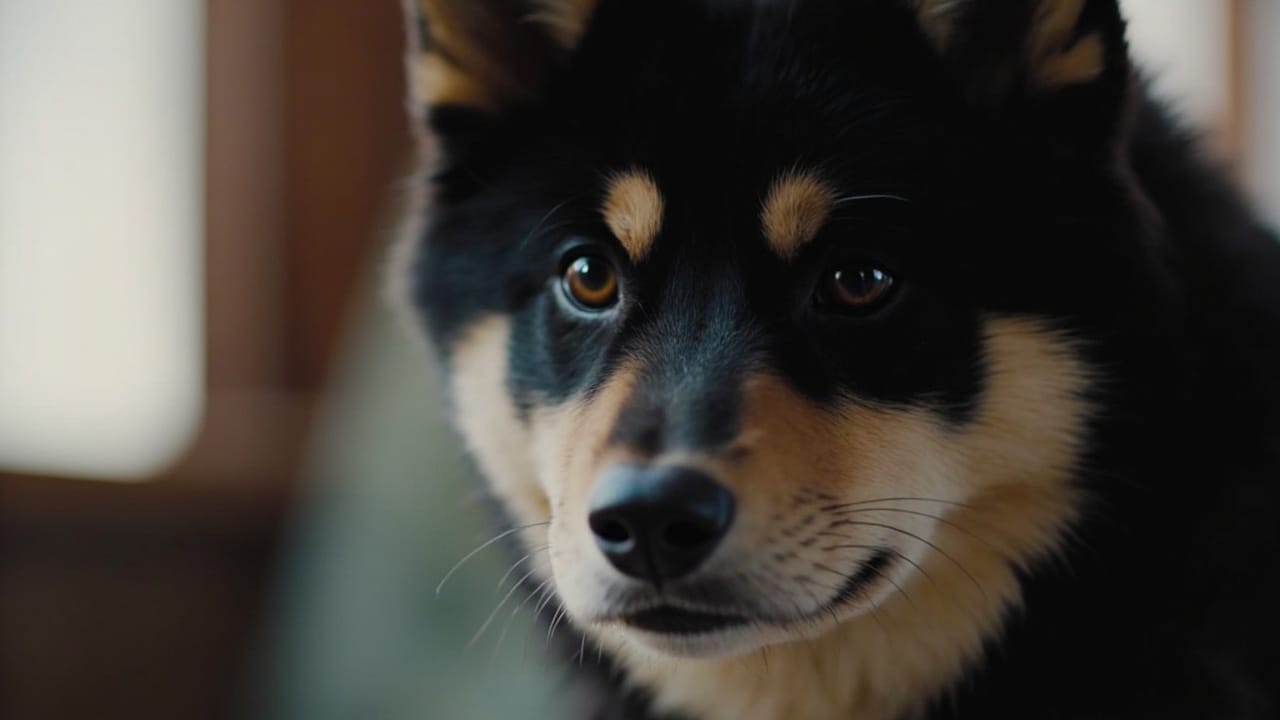
The European Dog Show is the largest annual canine event in Europe, organized under the Fédération Cynologique Internationale (FCI) and hosted by a different European kennel club each year. It is the continental counterpart to the World Dog Show and regularly draws 15,000–25,000 entries from dozens of countries across a single weekend. For Shiba Inu exhibitors, the EDS is one of the most prestigious venues outside Japan, where the breed has its spiritual home as one of the six native Japanese breeds protected as a Natural Monument since 1936.
How the FCI System Works for Shiba Inu
Under the FCI, the Shiba Inu is classified in Group 5: Spitz and Primitive Types, Section 5 (Asian Spitz and related breeds), with the Japanese breed standard assigned to FCI Standard No. 257, originating from Japan and adopted by NIPPO before global recognition. There is no separate working class; the breed is shown in Champion, Open, Intermediate, Junior, Puppy, Veteran, and Baby Puppy classes, with winners of each class competing for the CAC (Certificat d'Aptitude au Championnat) and the CACIB (International Champion title certificate) on the day.
Male and female Shibas are judged separately. Within each sex, the class winners, the best male/female from each intermediate and open class, and any champions entered in the champion class all return to the ring. The judge selects a male CAC and female CAC, then a male CACIB and female CACIB (the latter going to the dog that best represents the standard regardless of class). These four dogs return, and the judge awards Best of Breed (BOB), Best of Opposite Sex (BOS), and Best of Variety (a Japanese concept occasionally used at FCI shows as well).
What Judges Are Looking For
Because the FCI standard is effectively the JKC standard translated and approved by NIPPO, judges at the EDS are looking for the same essentials prized in Japan: the correct double coat with a hard, straight outer layer and soft undercoat; required urajiro (the cream-to-white shading on the cheeks, muzzle, chest, belly, and inner legs) on red, sesame, and black-and-tan dogs; the upright triangular ear set; the round, deep-set aigami (the small upturned portion at the outer corner of the eye that gives the Shiba its characteristic expression); and a compact, well-balanced body with the deep brisket, tucked-up loin, and confident kaen (alert, dignified bearing). Size is judged against the standard — males 39.5 cm (35–43), females 36.5 cm (33–41) — though the FCI allows a 1.5 cm tolerance above the upper limit for otherwise excellent specimens.
Faults such as missing or insufficient urajiro, light or off-color eyes, oversize or undersize frames, and visible aggression are all considered serious. A cream Shiba, while popular in the United States, is disqualified for show in FCI rings because the standard requires visible urajiro contrast. The EDS judge — typically a Japanese all-rounder or a FCI-recognized breed specialist from Europe — evaluates each dog against this written standard in roughly 8–12 minutes per class, often with hands-on examination of bite, coat, and testicle descent in males.
Shiba Inu at the EDS in Practice
The entry size for Shibas at the EDS has grown steadily since the breed's international expansion in the 1990s, and rings of 30 to 60 dogs per sex are now common. Major countries of origin for EDS entries include Russia, France, Italy, the Czech Republic, Poland, Germany, and the Nordic nations, with growing contingents from the United States, Japan, and South Korea. Many exhibitors travel as part of national breed clubs or under handlers specializing in Asian breeds.
A BOB win at the EDS places a Shiba directly in the Group 5 final, judged later the same day against winners of the other Spitz and primitive breeds — usually Finnish Spitz, Akita, American Akita, Samoyed, Alaskan Malamute, and a deep field of European Nordic breeds. The Group 5 winner advances to the Best in Show lineup of ten group winners, with a chance to take overall top honors on a Sunday afternoon in front of several thousand spectators.
Practical Tips for Shiba Owners Considering an EDS Entry
If you want to exhibit, the most useful first step is to contact your national FCI-affiliated kennel club for individual registration of your dog and confirmation of your country's entry procedure. Most member clubs run online pre-registration four to six months before the show, and closing dates are strict. Vaccinations must be current (rabies, distemper, parvovirus, and leptospirosis) and documented in an EU-format pet passport or your country's equivalent export certificate.
Ring conditioning matters more at this level than at a local match. The Japanese-bred Shiba has a particular grooming routine involving a blower to remove loose undercoat, a metal comb to check the furnishings, and finger-rubbing of the urajiro area to keep it bright. Movement training in a 30-meter ring at the correct brisk, light-footed gait is essential, and Shibas that have only learned to trot in a small ring often look off-pace at the EDS. Finally, the strong prey drive and the noise of a 20,000-dog show mean that even the most socialized Shiba should be conditioned in advance — many European exhibitors use desensitization sessions at crowded pet expos before the show.
Titles and What They Mean in Context
A CACIB win is a meaningful step toward the title of International Champion (C.I.B. or C.I.E.), but the EDS itself does not award a standalone breed championship the way the American National Specialty does. Instead, a strong EDS result is a reputation event: it connects your dog's name to a specific date, place, and judge, and it counts toward the breed records published annually in FCI partner clubs' studbooks. For the Shiba, a breed whose global population is built from a relatively narrow post-war foundation of three bloodlines (Shinshu, Mino, and San'in), the long-term record of EDS results is one way the international community tracks breed type and progress.
A BOB at the EDS does not confer a special championship, but it is widely treated by breeders as a proof of type. For the European Shiba community, that moment — when the judge points to a Shiba that embodies the standard published in Japan — is what the entire weekend is for.
FAQ
Is the European Dog Show the same as the World Dog Show?
No. The World Dog Show is also an FCI event but rotates globally and is considered the top annual title. The European Dog Show is a separate FCI championship restricted to FCI member countries and held in a different European city each year, typically in late summer or autumn.
How many Shiba Inu usually compete at the EDS?
Entry sizes vary by year, but modern European Dog Shows typically draw 30 to 60 Shibas per sex, making it one of the largest single-show turnouts of the breed outside Japan.
Why are cream Shiba Inu not judged at the EDS?
The FCI standard for the Shiba (No. 257) requires visible urajiro, the cream-to-white shading on the cheeks, chest, and legs. Cream Shibas lack this contrast, so they cannot be shown in FCI-affiliated conformation events in Europe.
Can a Shiba Inu from the United States be entered in the European Dog Show?
Yes, but only through an FCI member country. US dogs must hold an FCI-recognized pedigree (AKC registration is accepted through reciprocal agreements) and be entered via a European partner kennel club; FCI will not accept direct entries from non-member countries.