How Are Shiba Inu Judged at the FCI World Dog Show? A Complete Guide
At the FCI World Dog Show, Shiba Inu are judged against the FCI Standard No. 257 (Japanese breed standard adopted from NIPPO) by an FCI-approved breed specialist judge. Dogs are evaluated on type, conformation, movement, coat color and urajiro markings, then placed Best of Breed before advancing through the Group 5 (Spitz and Primitive Types) competition.
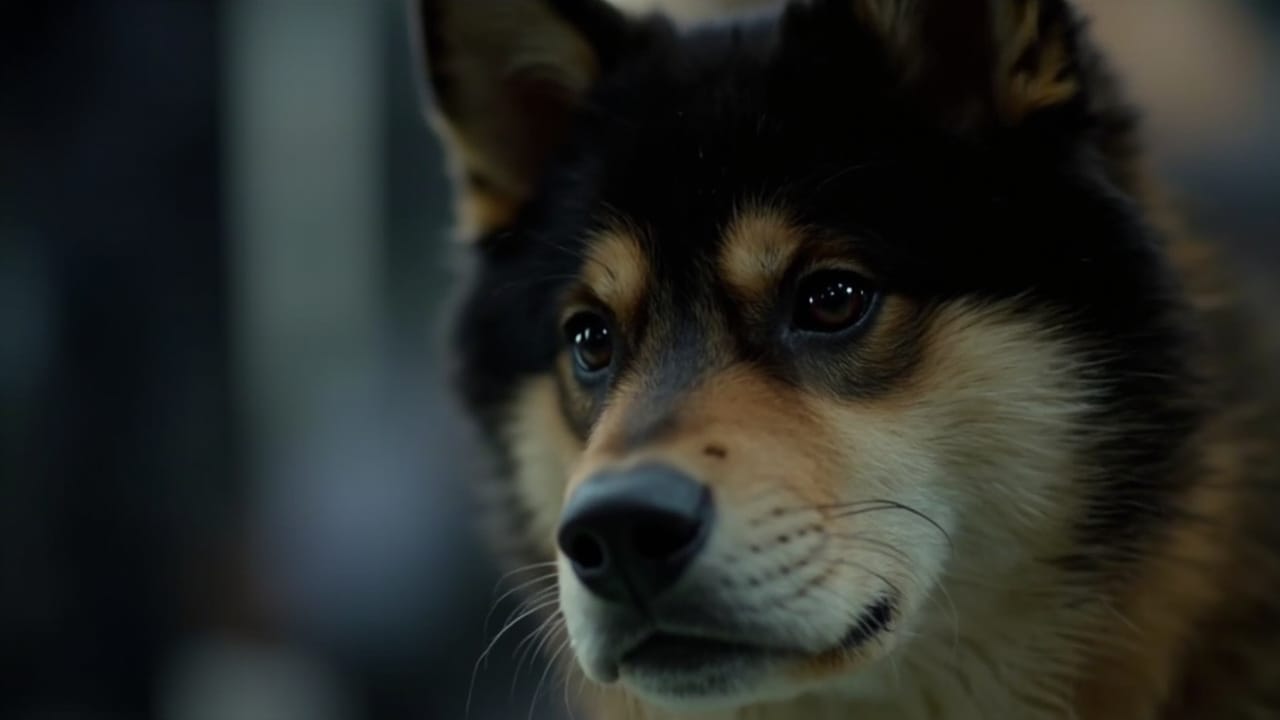
What "Judged" Actually Means at the WDS
At the FCI World Dog Show, Shiba Inu are evaluated individually against FCI Standard No. 257, the international standard originally written by NIPPO (the Japanese parent club) in 1934. Each dog is handled by its owner or a professional handler, gaited on a triangular pattern, and physically examined by a breed specialist judge appointed by FCI. Winners progress from Best of Breed, to Best of Sex (Dog/Bitch), to placements in Group 5 (Spitz and Primitive Types), and finally compete for the prestigious Best in Show title.
The Breed Standard: FCI No. 257
The FCI standard describes the Shiba as the smallest of Japan's six native breeds: males 39.5 cm (with a tolerance of 38–41.5 cm), females 36.5 cm (35–38.5 cm), with a sturdy, well-balanced build. The judge's primary reference is always this text, not personal preference. The standard breaks down into several weighted sections.
General Appearance, Type, and Proportions
Judges look for a balanced dog that is neither coarse nor refined, with a body length-to-height ratio of roughly 110:100. The classic silhouette shows a broad chest, strong loin, tucked-up belly, and the high-set curled or sickle tail that signals alertness.
Head, Expression, and Temperament
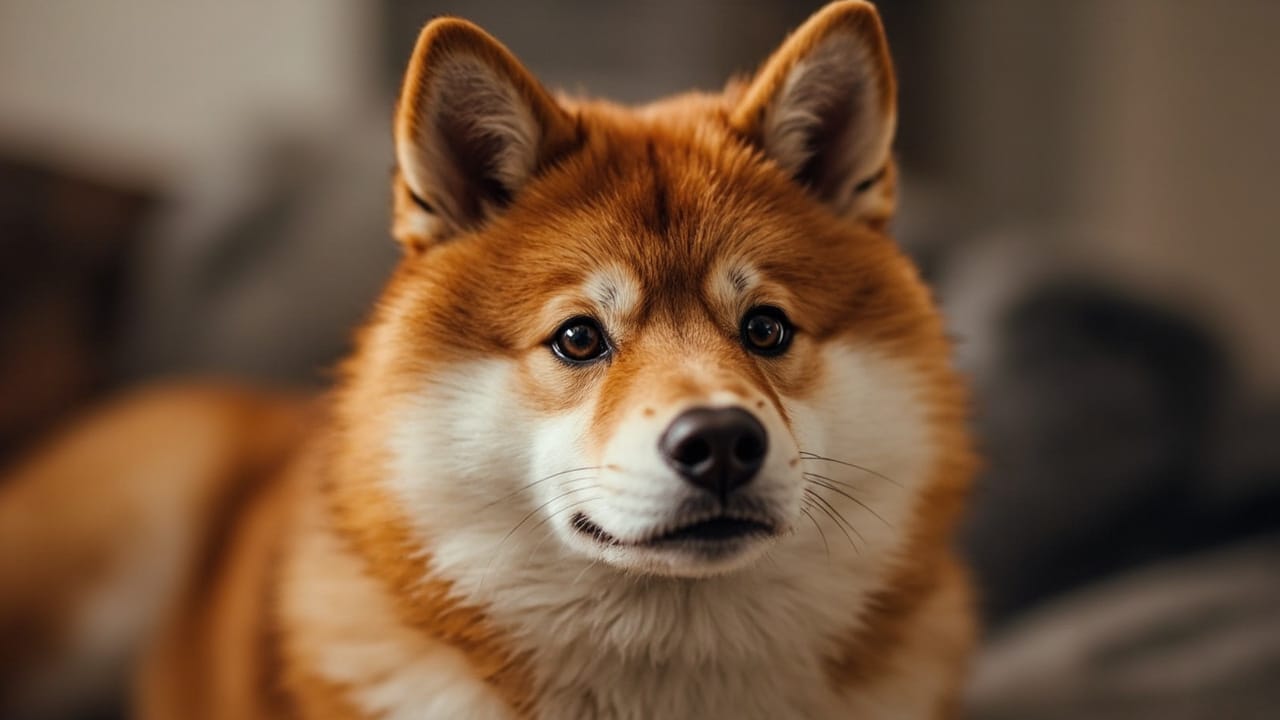
The Shiba head is one of the most breed-typical features. Judges examine:
- Broad skull with a defined stop
- Wedge-shaped muzzle, slightly shorter than the skull
- Small, triangular, forward-set eyes with a confident, calm gaze
- Small, firm, triangular ears that tilt slightly forward
- A gentle but dignified expression — never shy, never aggressive
A Shiba must stand willingly for examination. Excessive resistance or aggression is severely penalized; a judge may excuse an unmanageable dog.
Coat, Color, and Urajiro
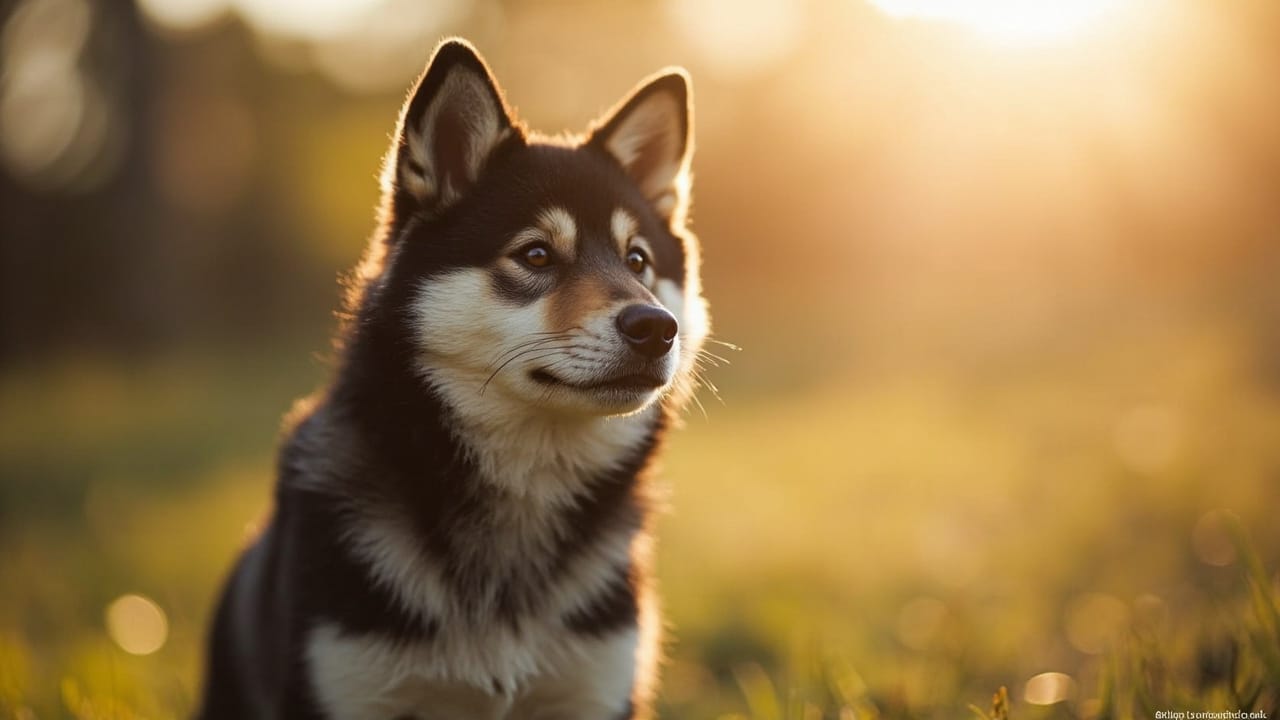
The standard allows four colors: red, black and tan, sesame (red with black-tipped hairs), and white/cream. At the WDS level, judges expect:
- A harsh, straight outer coat with a soft, dense undercoat
- The mandatory urajiro (cream to white shading) on the cheeks, underside of jaw, neck, chest, belly, and inner legs
- Crisp color demarcation, especially on black-and-tan dogs
- A clean coat without trimming, sculpting, or chalk — only natural presentation is permitted
Movement and Gait
The judge watches the dog move away, across, and back. Correct Shiba movement is light, quick, and energetic with strong drive from the rear and reach in front. The topline stays level on the trot. Pacing, heavy rolling, or paddling front action all indicate structural faults.
What's Penalized or Disqualifying
According to FCI No. 257, the following are disqualifying faults:
- Aggressive or overly shy behavior
- Overshot or undershot bite (level bite is tolerated but not preferred)
- Drop ears or any ear shape other than small, triangular, and erect
- Long or woolly coat
- Lack of urajiro in red, sesame, and black-and-tan dogs
- Colors not listed in the standard
Serious but non-disqualifying faults include loose skin, round eyes, ring tail, and disproportionate body ratios.
The Show Day Routine for a Shiba
Handlers typically arrive hours before ring time to allow the dog to settle. Crate training is essential because Shibas can be vocal or stressed in busy benching areas. A quick brush-out restores the coat's natural lift before entering the ring. Handlers should bring bait, a small spritz bottle for finishing, and patience: judges may take several minutes per dog, especially at a WDS where class numbers can exceed 50 per sex.
How a Shiba Wins the Group
Best of Breed winners from the day's Shiba judging stay ringside for Group 5, judged by a separate specialist. Only the top-performing dogs of each breed advance, so consistency in type, condition, and handling matters as much as raw quality. Group winners then compete for Best in Show in the evening.
Practical Tips for Exhibitors
- Train stacking on a table and on the ground from puppyhood
- Practice gaiting on varied surfaces — show rings vary
- Socialize extensively to reduce stress and protect the calm temperament the standard requires
- Keep the coat natural; never use chalk, dye, or trim edges
- Study the standard in its original NIPPO Japanese form if possible, since translation nuances matter
Common Owner Questions
Most Shibas shown in Europe are registered with their national FCI member kennel club (VDH, KC, ENCI, SCC, etc.). Dogs from AKC lines can be shown but only if registered with an FCI-contracted partner. Puppies from titled parents typically cost $2,500–$5,000, and a serious show campaign can add several thousand more in entry fees, travel, and handling.
FAQ
Which FCI breed standard number applies to the Shiba Inu?
FCI Standard No. 257, originally drafted by the Japanese NIPPO society in 1934 and adopted internationally by FCI, governs how Shibas are judged worldwide.
Is cream a fault at the FCI World Dog Show?
Cream (white) coats are permitted under FCI No. 257 but are heavily penalized in the show ring because they lack the required urajiro markings and were historically considered a serious fault by Japanese breeders.
How many Shiba Inu are typically entered at the WDS?
Entry numbers vary by host country, but a popular venue like the 2024 Helsinki show saw several dozen Shibas split by sex and class, with the Best of Breed winner advancing to Group 5.
Can an American (AKC) Shiba compete at the FCI World Dog Show?
Yes, but the dog must be registered with an FCI-contracted kennel club such as the AKC's reciprocal agreement partners. Many American show Shibas also hold dual AKC-FCI registration.