How Do Shiba Inus Cope in Hot Weather? A Climate Guide
Shiba Inus can live in hot countries, but they are double-coated dogs built for cold Japanese mountains, so they need active cooling management. Expect heavy year-round shedding in the tropics, plus summer coat blow-outs, and always provide shade, fresh water, and air conditioning during heatwaves above 32°C (90°F).

Shiba Inus are originally "brushwood dogs" from Japan's mountainous regions, and their thick double coat is built for snow, not for equatorial humidity. That said, tens of thousands of Shibas thrive in places like Singapore, Florida, Texas, and Queensland. The breed copes well in hot countries when owners actively manage four things: ambient temperature, hydration, exercise timing, and coat care. A Shiba left in a non-air-conditioned home in 35°C (95°F) heat is at serious risk of heatstroke; one with climate control, shaded outdoor access, and adjusted routines handles tropical life just fine.
The Double Coat: Friend and Foe
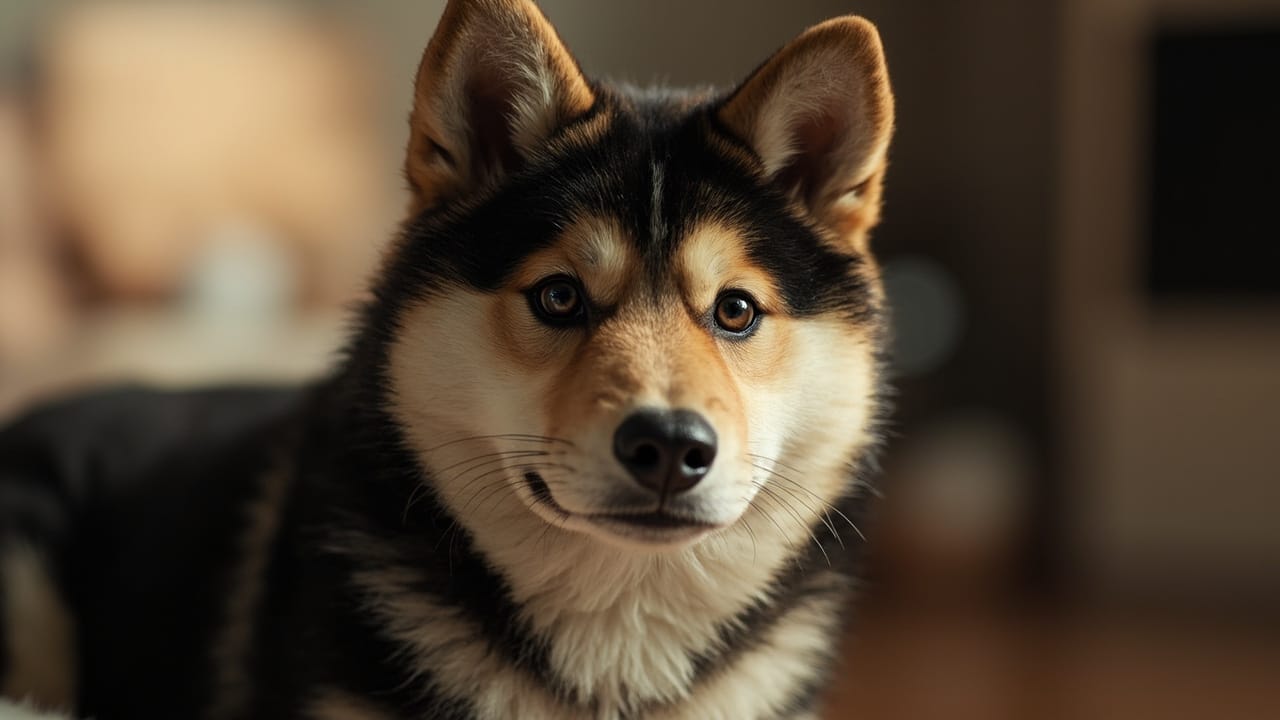
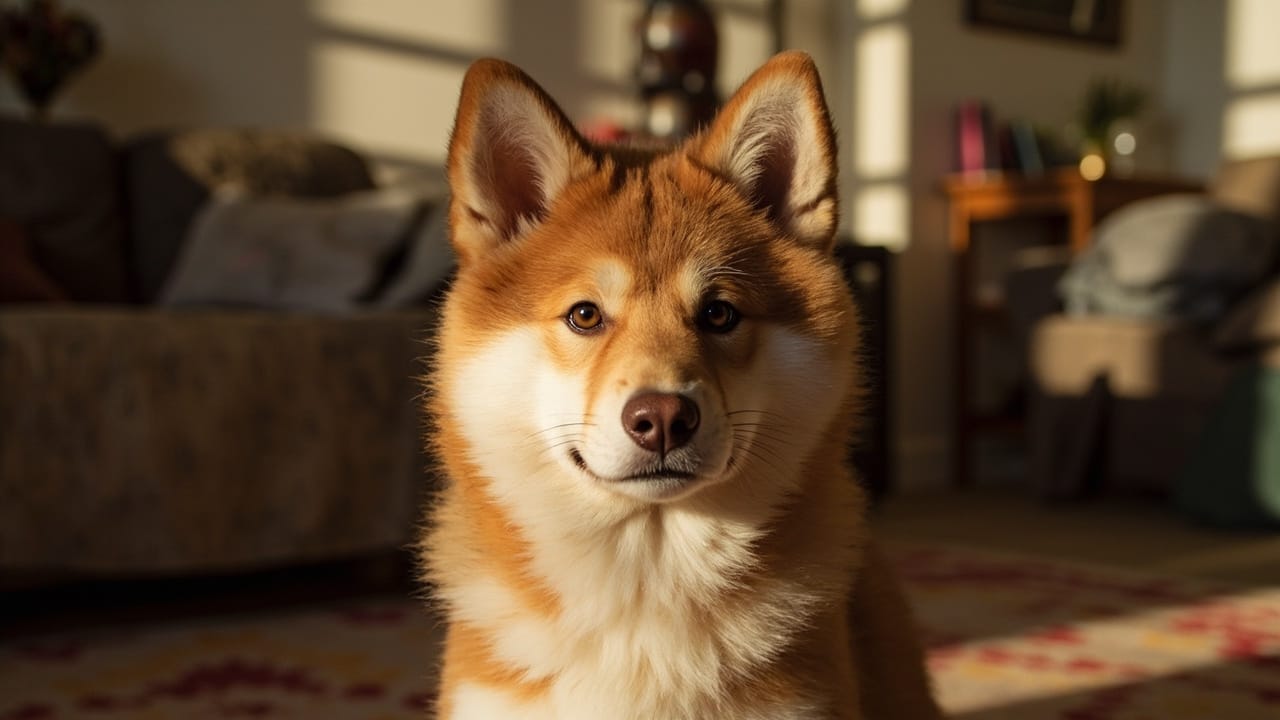
A Shiba's coat has two layers: a stiff, straight outer coat and a soft, dense undercoat. This insulation traps body heat in summer exactly the way it traps warmth in winter. Many new owners in tropical climates consider shaving their Shiba. Do not shave a Shiba. The coat actually protects against sunburn and helps regulate temperature by insulating the skin from direct heat. Shaving permanently damages coat texture and removes the natural cooling system. Instead, expect heavy shedding year-round and two massive coat "blows" per year, typically around the spring and fall equinoxes.
Ideal Temperature Range for Shibas
Shibas are most comfortable between 5°C and 25°C (40–77°F). Above 28°C (82°F) they begin to visibly slow down, seeking cool tile floors and panting. Above 32°C (90°F) the risk of heatstroke rises sharply. Most veterinary heat-index guidelines recommend keeping any brachycephalic-adjacent or double-coated breed in air-conditioned environments when the humidex (heat index) exceeds 38°C (100°F). Plan for cooling in three settings: indoor (air conditioning or fans plus tile access), outdoor (shade canopy with airflow, never a closed crate), and travel (car A/C, never park a Shiba in a vehicle).
Exercise Adjustments for Hot Climates
The classic Shiba zoomie, the "Shiba 500," still happens in the tropics, but timing matters. Walk before 9 a.m. or after 7 p.m. in summer. Carry a collapsible water bowl and a small towel you can dampen for the belly and paw pads. Pavement gets dangerously hot above 60°C (140°F) in direct sun; press the back of your hand to the asphalt for 7 seconds. If you cannot hold it, your Shiba's pads cannot either. Skip the long hike in July and swap it for an early-morning sniff walk or indoor enrichment games. Heat tolerance drops further in seniors (Shibas commonly live 13–16 years) and in dogs with hypothyroidism or heart conditions, both seen in the breed.
Cooling Tools That Actually Work
- Cooling mats (pressure-activated gel) placed in the crate or favorite resting spot.
- Elevated mesh beds that allow air circulation underneath.
- Kiddie pools in shaded gardens; many Shibas who refuse baths will wade voluntarily because of their strong prey drive and curiosity about moving water.
- Damp bandanas on the neck, focusing on the jugular area.
- Frozen treat toys stuffed with wet food or bone broth.
Skip vests that stay wet against the coat; they trap moisture and can promote hot spots, a particular risk in Shibas prone to atopic dermatitis.
Skin and Health Watchpoints in the Tropics
Humidity plus the Shiba's dense undercoat creates the perfect environment for bacterial skin infections and yeast overgrowth. In hot countries, watch closely for:
- Atopic dermatitis flares (the breed's most reported allergic condition).
- Hot spots under the ruff and behind the ears.
- Ear yeast infections after swimming.
- Flea dermatitis, because fleas thrive in warmth.
A consistent grooming routine of weekly brushing (daily during coat blow) with an undercoat rake reduces trapped heat. Bathe every 6–8 weeks with a mild oatmeal shampoo; overbathing strips the natural oils that keep the coat weather-resistant.
Sun, Water, and Parasites
Shibas with red or sesame coats can sunburn on the pink nose and belly; dog-safe SPF on the nose is optional but useful for very fair individuals. Keep up monthly heartworm prevention year-round because mosquitoes never go dormant in tropical climates. Standing water and humid yards raise the risk of leptospirosis; vaccination is recommended where exposure is likely.
A Realistic Tropical Routine
In practice, a Shiba in a hot country lives like this: air-conditioned indoor space set to 23–24°C, two short walks in cooler hours, midday enrichment instead of a run, a shaded yard with a small pool, weekly brushing, and constant fresh water. Owners who follow this routine routinely report that their Shibas act like any other happy, alert, slightly stubborn member of the breed. The breed has survived Japanese summers for centuries and now lives comfortably from Bangkok to Brisbane. Heat management is a daily habit, not a deal-breaker.
FAQ
Can Shiba Inus live in tropical countries like Singapore or the Philippines?
Yes. Shibas live happily in equatorial climates when kept indoors with air conditioning (around 23–24°C), given shade and water outdoors, and walked only in the coolest hours. The breed is tougher than its coat suggests.
Should I shave my Shiba in summer?
No. Shaving a Shiba's double coat damages regrowth, exposes skin to sunburn, and actually reduces the coat's natural insulating cooling effect. Use undercoat rakes and cooling mats instead.
At what temperature do Shibas overheat?
Shibas show clear heat stress above 28°C (82°F) and are at real heatstroke risk above 32°C (90°F), especially with high humidity. Adjust walks and provide air conditioning when the heat index climbs into the high 30s and 40s.
Do Shibas shed more in hot climates?
Yes. Expect constant moderate shedding year-round in the tropics, plus two heavy seasonal coat blows roughly every six months. Daily brushing during a blow is normal, not a sign of skin disease.