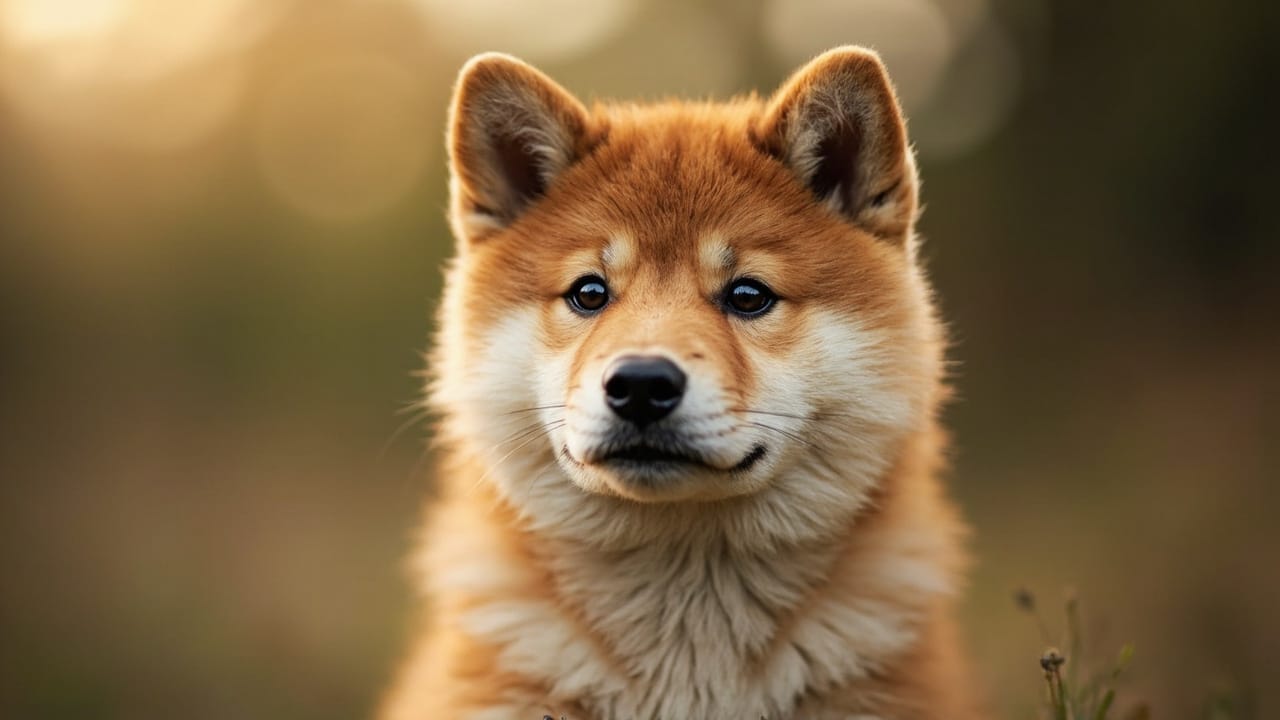
How NIPPO-Style Judging of Shiba Inu Works in Europe
NIPPO-style judging in Europe follows the original Japanese NIPPO (Nihon Ken Hozonkai) standard rather than the FCI or AKC interpretation. Licensed judges evaluate each Shiba against the traditional Japanese ideal — emphasizing sex-specific elegance, urajiro, and overall balance — and rank dogs with the European NIPPO Club on a separate, breed-specific registration track.

NIPPO-style judging in Europe is a parallel system to FCI shows, run by breed clubs affiliated with Japan's NIPPO organization. Instead of measuring your Shiba against the FCI standard (used by most European kennel clubs like the VDH, SKK, or ENCI), a NIPPO judge grades your dog against the original 1934 Japanese standard written by the founders of the breed. The goal is not the "showy" Western look; it is the functional, primitive, fox-like Japanese ideal — a dog that looks like it could survive in the mountains of the Chubu region.
In practical terms, the atmosphere is more serious and quiet than a Western show ring. Handlers do not bait or stack theatrically. Judges examine each dog individually and in a line-up, using a scoring sheet that totals to a maximum of 100 points across several categories. Top-rated dogs receive the prestigious "Yuuryou" (Excellent) grading, and the very best earn the "Excellent Select" certificate that contributes toward breeding approval in the Japanese system.
The NIPPO Scoring Categories (100 Points Total)
A NIPPO judge allocates points roughly as follows:
- Overall balance and character (about 25 points) — sex-specific type, presence, dignity ("kan-i" spirit), and structural soundness as a whole.
- Head (about 15 points) — broad forehead, defined stop, strong muzzle, dark almond eyes, and small triangular ears.
- Coat and color (about 15 points) — harsh outer coat, soft undercoat, correct red / black-and-tan / sesame pigment, and crucially, clear urajiro (cream-white markings on cheeks, underjaw, chest, belly, and inner legs).
- Bone, structure, and gait (about 15 points) — balanced angulation, level back, light elastic movement.
- Tail and expression of sex (about 10 points) — correct curled or sickle tail, and obvious masculinity or femininity.
- Behavior in the ring (about 10 points) — calm, dignified, not nervous, not aggressive.
Dogs earning 75–80+ points can be graded Excellent (Yuuryou); 70–74 is Very Good (Yoku); below 70 is Good (Jou). Dogs scoring above a threshold (often 80+) may receive a Yuuryou Tokuuryou (Excellent Select) certificate, which carries weight in NIPPO breeding programs.
What Judges Look For in Practice
A NIPPO judge in Europe will:
- Greet the dog calmly and watch the initial reaction — a stable Shiba stands its ground without panic.
- Check the bite and pigment — missing teeth or pink lips are serious faults.
- Examine the urajiro carefully with hands-on assessment; washed-out or absent urajiro is one of the most common reasons for lower marks.
- Watch movement on a loose lead at a walk and trot, looking for light, balanced strides rather than the flashy reach-and-drive prized in many Western breeds.
- Step back and assess the whole dog — Japanese judging is famously about the sum of the parts, not any single glamour feature.
Differences From FCI Judging
- No Best in Show competition. NIPPO shows rank only within the breed, sex, and grading; there is no group or BIS final.
- No baiting or excessive handling. The dog should stand naturally.
- Stricter coat color rules. Cream Shibas are accepted (unlike FCI shows where cream is heavily penalized in some countries), but pure white, piebald, or pinto patterns are disqualified.
- Height is measured but not the primary criterion. The Japanese standard emphasizes proportion and type over the exact centimeter.
- Breeding evaluation is integrated. Excellent Select results feed into a separate breeding register maintained by the NIPPO-affiliated club.
Which Clubs Run NIPPO Shows in Europe?
The European NIPPO Club and a small number of country-level affiliates (e.g., NIPPO Germany, NIPPO France, and Scandinavian sister clubs) organize annual specialty shows. Membership is open to owners worldwide, and judges are licensed through NIPPO Japan — meaning you can see the same Japanese masters judging European events that you would in Tokyo. Entry fees are typically lower than major FCI internationals, and the community is small, dedicated, and focused on preservation rather than trophy hunting.
For a Shiba owner who wants an honest, expert opinion on how their dog matches the original Japanese ideal — rather than the slightly anglicized FCI version — NIPPO judging is the gold standard.
FAQ
Is NIPPO judging recognized by the FCI?
No. NIPPO is an independent Japanese preservation society. NIPPO titles do not count toward FCI championships, and FCI titles do not count toward NIPPO breeding evaluations. Most European breeders who show NIPPO keep two parallel records.
Can a cream Shiba win at a NIPPO show?
Yes. NIPPO accepts cream as a legitimate Shiba color. The standard penalizes washed-out color and missing urajiro, but a well-structured cream with strong pigmentation and correct type can earn Excellent.
How do I enter a NIPPO show in Europe?
Join the European NIPPO Club (or your national affiliate), register your dog with their pedigree database, and watch their website for upcoming specialty shows. Entries usually open a few months before each event.
Do NIPPO judges travel from Japan to Europe?
Frequently. Most European NIPPO specialties are judged by licensed Japanese judges imported specifically for the event, which is part of what gives the system its authenticity and value for breeders.