Adopting a Shiba Inu in Germany: Rescue & Rehome Guide
To adopt a Shiba Inu in Germany, apply to a Shiba-specific rescue (most famously Tierschutzverein Shiba Inu in Not e.V.) or browse general German shelters via Tasso or Deutscher Tierschutzbund. Expect a 200–600 € adoption fee, a home check, and a waiting list — purebred adult Shibas in DE are rare, so patience is the main requirement.
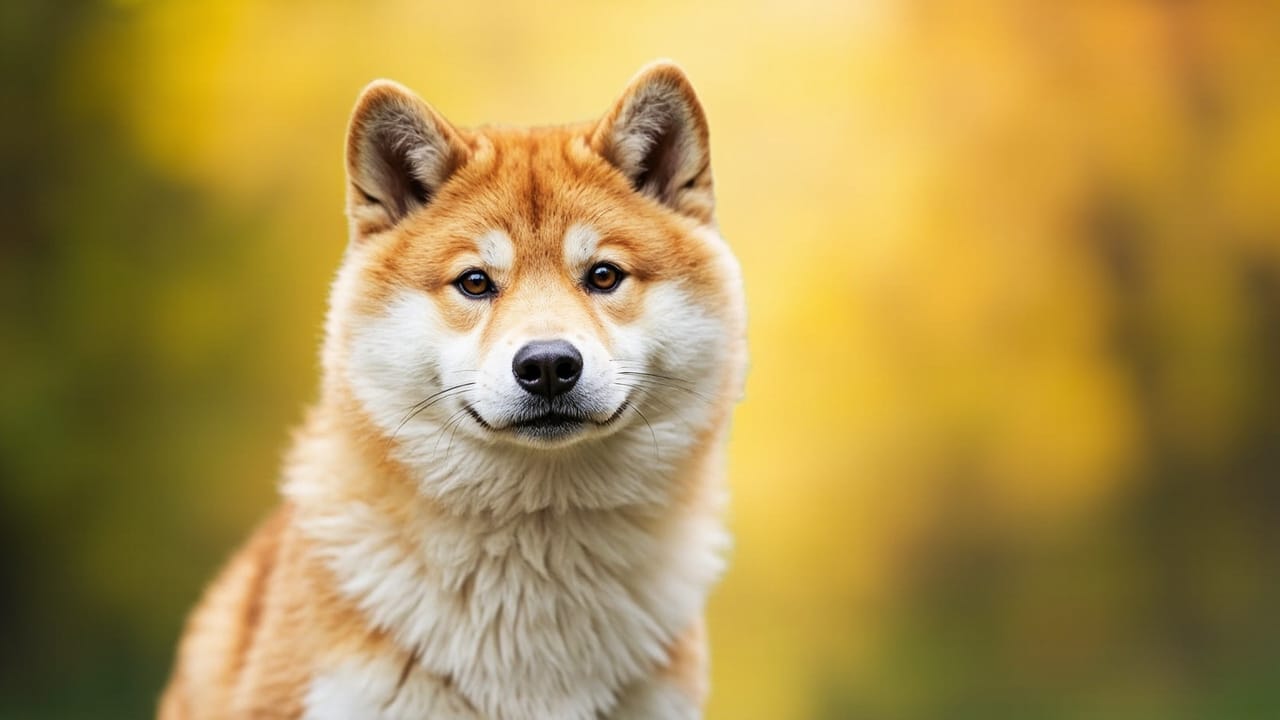
Adopting a Shiba Inu in Germany means working almost exclusively through private breed rescues rather than municipal Tierheime, because very few purebred Shibas end up in local animal shelters. The fastest realistic path is to register with the recognized Shiba rescue, pass a home check, and wait — typically several months — for a suitable dog.
Most adopted Shibas in Germany are adults (2–8 years old), often owner-surrenders due to the classic Shiba reasons: the "Shiba scream," strong prey drive, escape attempts, or separation anxiety. Puppies and young dogs under 12 months are exceptionally rare in rescue.
Start with the dedicated Shiba rescue
Tierschutzverein Shiba Inu in Not e.V. (often shortened to Shiba Inu Not) is the country's central breed-specific rescue. They coordinate surrenders from owners across Germany, Austria, and Switzerland, foster dogs in private homes, and rehome them nationwide. Steps are:
- Visit the rescue's website and fill out the online Bewerbung (application form).
- Answer detailed questions about your housing (Eigentum vs. Miete, Garten, Etage), household members, daily schedule, prior dog experience, and why you want a Shiba.
- A regional contact (Pate) arranges a phone interview and an in-person home check (Vorkontrolle).
- If approved, you are placed on the vermittlungsliste. You will be considered when a dog matching your profile becomes available — you usually cannot choose the specific animal.
- Adoption fee (Schutzgebühr): typically 350–550 €, covering spay/neuter, vaccinations, chip, EU pet passport, and parasite treatment.
- Sign a Schutzvertrag with a castration clause for young dogs, a return clause, and an inspection-rights clause.
Check general German shelter networks
Purebred Shibas do occasionally appear in general Tierheime, but it is uncommon. The two largest umbrella databases are:
- TASSO e.V. — Germany's biggest pet register; their search portal ("Tier suchen") lists dogs from affiliated shelters and can be filtered by Shiba Inu or Akita-Inu-related terms.
- Deutscher Tierschutzbund — federation of 740+ local shelters with an online search tool.
- Tierheimhelden.de and Adopt-a-Pet DE listings — aggregated rehoming platforms.
Set up email alerts for "Shiba Inu" because turnover is fast — well-prepared applications are usually required within 24–48 hours of a listing.
Cross-border and Europe-wide options
If you are flexible, broaden your search:
- Shiba Inu Not regularly takes in dogs from Spain, Romania, and Greece, so adopting internationally is normal for this rescue.
- Neighboring rescues such as Akita & Spitz in Not (Austria) and the Suisse Shiba Club rescue occasionally rehome to German applicants.
- Facebook groups like "Shiba Inu Vermittlung" and "Shiba & Akita Notvermittlung" post real-time surrendered dogs; be cautious of unpaid "free to a good home" listings, which can hide behavioral or legal problems.
What a rescued Shiba is realistically like
Most adopted adults have known histories; many were raised as family companions. Common issues seen in German rescue intakes include:
- Resource guarding, especially around food — common in poorly socialized Shibas
- Leash reactivity toward small animals (cats, rodents) due to strong prey drive
- Flight risk — secure fencing (min. 1.50 m, no climbable furniture near the fence) is usually a rehoming requirement
- Coat blow twice a year; daily brushing during shedding is non-negotiable
Fostering first through Shiba Inu Not is a low-risk way to see if the breed suits you before you commit.
Practical first-week checklist after adoption
- Anmeldung of the dog at your local city office (some Bundesländer require Hundesteuer registration within 2 weeks)
- Book a Tierarzt check-up within the first 7 days; bring the EU passport and rescue records
- Register the microchip and ownership with TASSO and FINDEFIX (free)
- Consider Haftpflichtversicherung (dog liability insurance) — mandatory in Berlin, Hamburg, Lower Saxony, Schleswig-Holstein, and Brandenburg, recommended everywhere else
- Keep the dog on a leash in unenclosed areas for the first 4–6 weeks; Shiba escapes are legendary
Buying a puppy from a VDH/FCI breeder typically costs 1,800–2,500 € and involves a 6–18 month waitlist; rescue is faster for adults and significantly cheaper, while also saving a dog that lost its home for reasons that are almost always the owner's, not the dog's.
FAQ
How much does it cost to adopt a Shiba Inu in Germany?
Expect 350–550 € through Shiba Inu Not e.V. This covers spay/neuter, vaccinations, microchip, EU passport, and parasite treatment. General Tierheime charge 200–400 € depending on age. There is no "free Shiba" path in Germany — legitimate rescues always charge a Schutzgebühr to ensure committed homes.
How long is the waiting list for a Shiba Inu from German rescue?
Approval takes 2–6 weeks after the home check. The wait for a suitable dog afterwards is usually 2–9 months for adults; puppies almost never come through rescue. Be prepared to wait, and be honest in your application — rescues match dogs to applicants, not the other way around.
Can a first-time dog owner adopt a Shiba Inu in Germany?
It is possible but uncommon. Shiba Inu Not prefers applicants with prior dog experience because of the breed's prey drive, escape tendencies, and strong-willed temperament. First-time owners are usually matched with calmer, older dogs (5+ years) and are sometimes required to attend a Hundeschule during a trial period.
Are there Shiba Inus in German Tierheime or only breed rescue?
Both, but breed-specific rescue sees the vast majority. Local Tierheime occasionally take in Shibas (more often in larger cities), so setting TASSO alerts and checking Tierheimhelden.de weekly is worthwhile. Owner-surrendered Shibas are usually redirected straight to Shiba Inu Not.