Shiba Inu Temperament: What They're Really Like to Live With
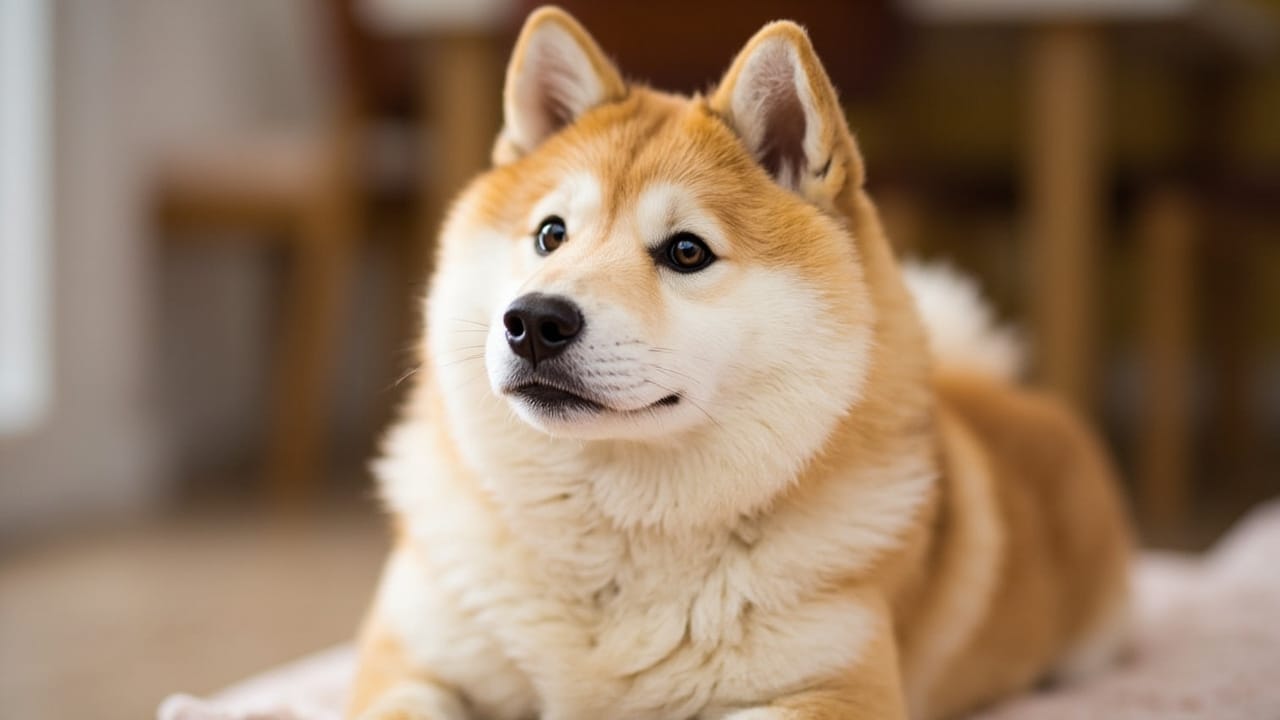
The Shiba Inu temperament is famously independent, alert, and cat-like — affectionate with their family but reserved with strangers, often described as the most feline of dog breeds. They are clean, quiet, and loyal, yet strong-willed, which makes them both charming and challenging for first-time owners.

If you want a dog that thinks for themselves, a Shiba Inu might be the most "dog-like cat" you'll ever meet. The Shiba Inu temperament is built around three core traits: independence, loyalty to family, and a strong prey drive. They bond deeply with their people but rarely become velcro dogs. Many owners describe a Shiba as a polite roommate who loves you — on their own terms.
The Independence Factor
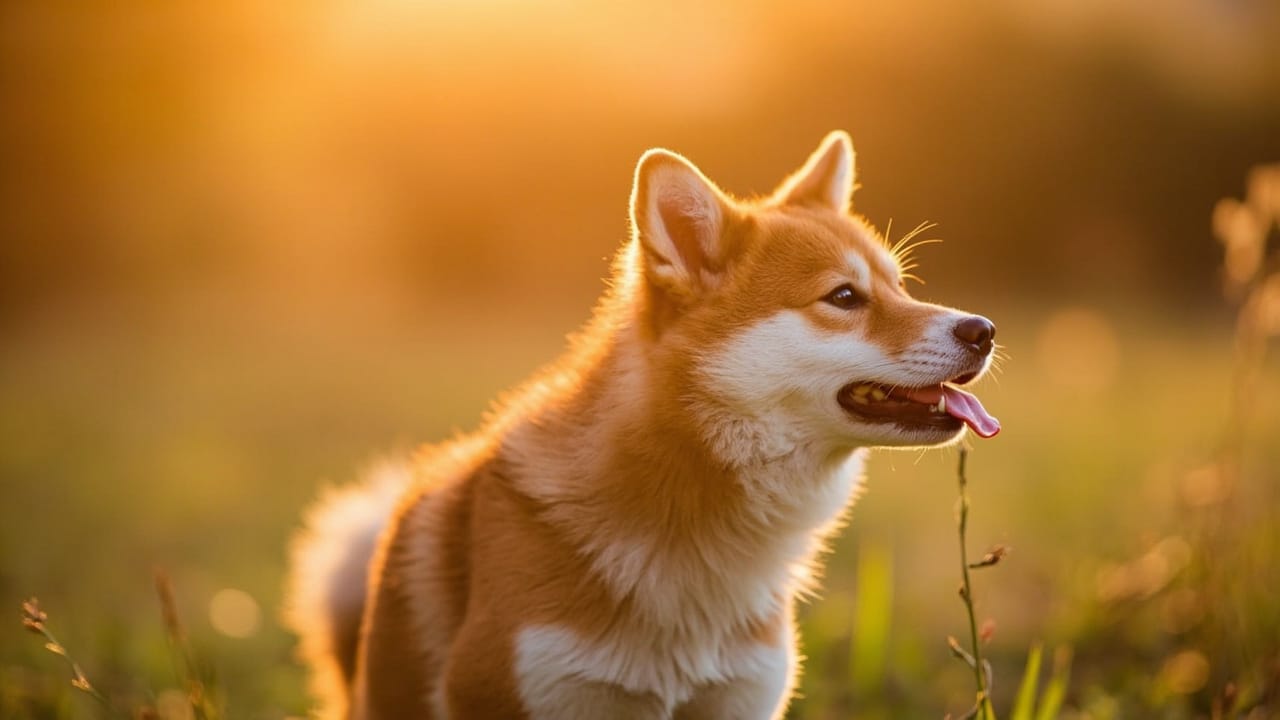
Shibas are not your typical eager-to-please breed. Originally bred in Japan's mountainous terrain to flush small game, they were designed to think and act alone. That instinct shows up daily at home: a Shiba may hear your cue, glance at you, weigh the options, and then decide. This isn't stubbornness for sport — it's hardwired self-reliance.
For owners, this means:
- Training requires patience, consistency, and positive reinforcement
- A Shiba will often obey a known command but only when it suits them
- They do not respond well to force or harsh corrections
- Mental enrichment (puzzle feeders, scent games) is non-negotiable
Aloof, Not Aggressive
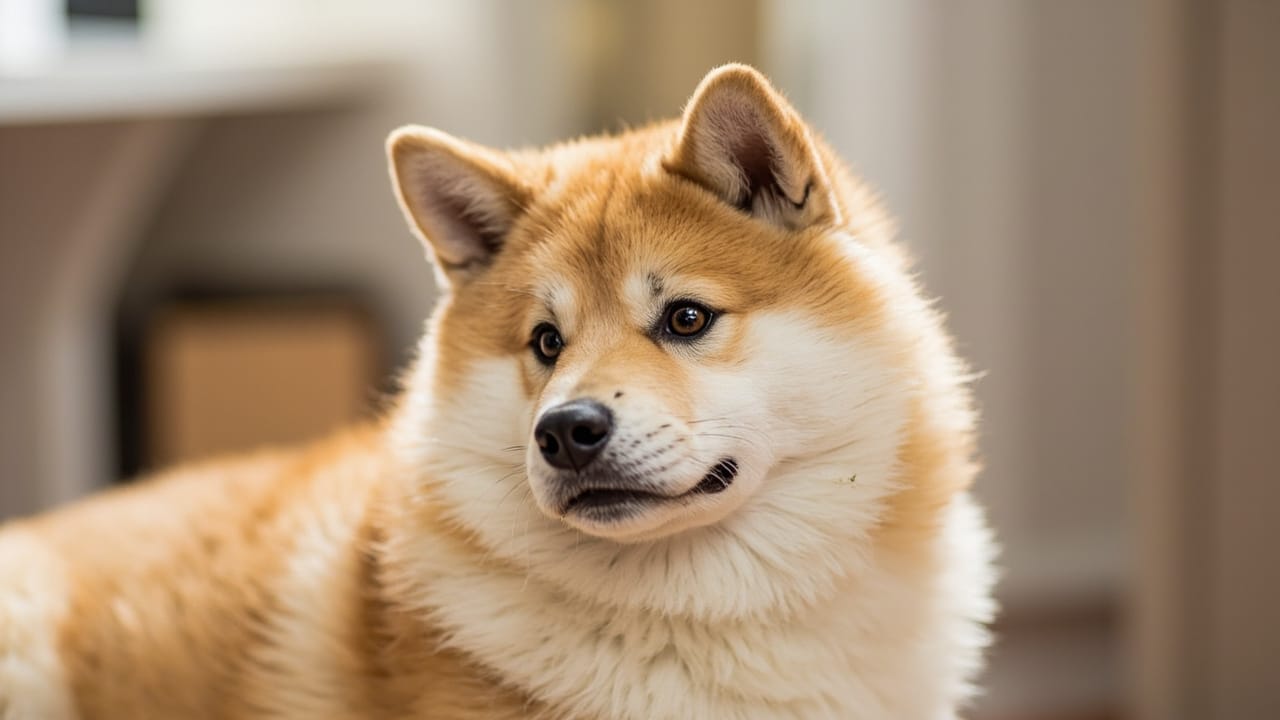
The Shiba is often called the most cat-like of dog breeds. They're clean, groom themselves like cats, and tend to be reserved with strangers. Most Shibas will not rush up to greet a visitor; instead, they'll watch from a distance and decide whether the newcomer is worth their time.
This aloofness is not the same as aggression, though confusion between the two is common. A well-socialized Shiba should be:
- Confident, not fearful
- Watchful, not reactive
- Tolerant of handling by trusted people
- Polite on leash without lunging
Early socialization in the first 16 weeks is critical. Without it, the natural reserve can tip into fear-based reactivity.
The "Shiba Scream" and Other Quirks
Two behaviors are practically trademarks of the breed:
- The Shiba Scream — a high-pitched, dramatic vocalization Shibas use when unhappy, frustrated, or being handled in a way they dislike (nail trims, vet exams, bathing). It's startling the first time you hear it, but it's communication, not aggression.
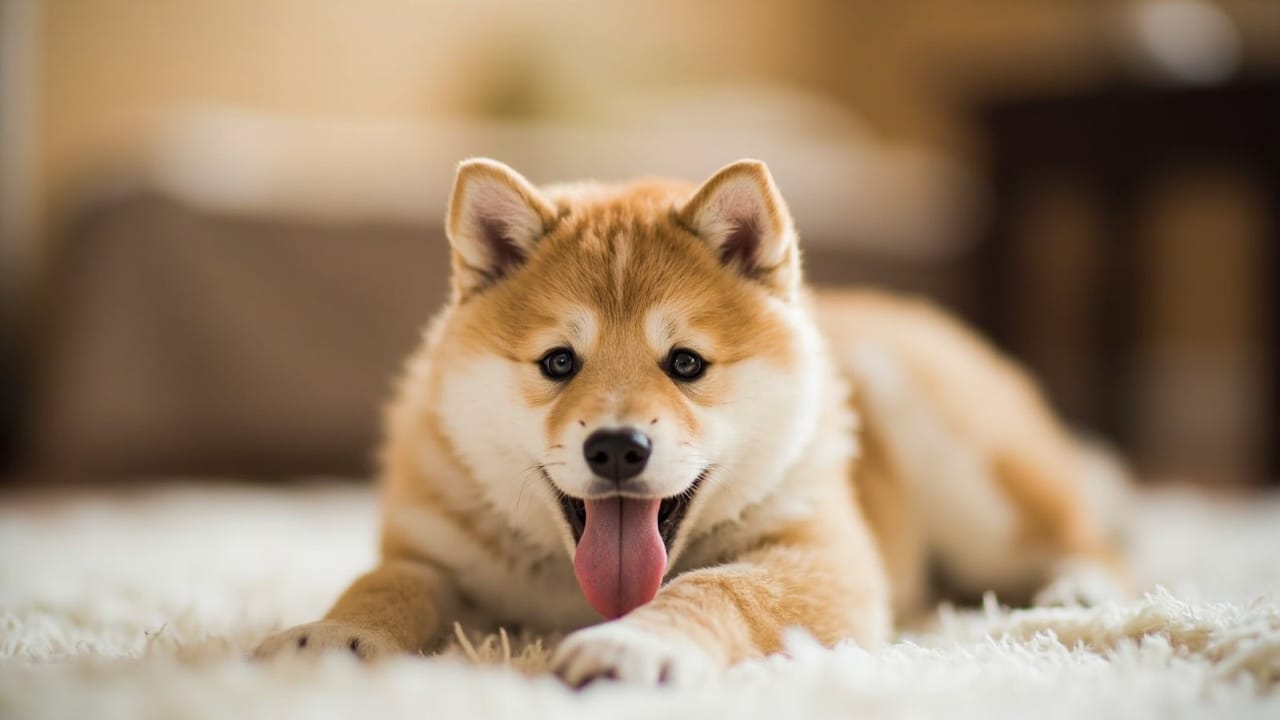
- The Shiba 500 — sudden bursts of zooming at top speed, often in circles, usually after a bath or during evening energy release. Totally normal and impossible to train out.
You should also expect:
- A strong prey drive (cats, squirrels, small pets are at risk)
- Escape artistry (they climb, dig, and squeeze through small gaps)
- Seasonal coat blowing (twice a year, the undercoat erupts)
- A clean household dog with minimal doggy odor
Are Shibas Good Family Dogs?
Yes — with the right family. Shibas tend to do best with:
- Adults and older children who respect a dog's space
- Experienced dog owners who understand independent breeds
- Households without small pets (or with careful introductions)
- Owners committed to early socialization and ongoing training
They are not recommended for first-time dog owners, families with toddlers who may grab at the dog, or anyone wanting a dog that will automatically follow commands. A Shiba will love you deeply, but you'll earn that love through trust, not obedience.
Loyalty and Affection on Their Terms
Here's the part many breed overviews skip: Shibas are deeply affectionate, just not clingy. Many Shiba owners report a dog that follows them from room to room, sleeps near them, and greets them with the famous "Shiba smile" — a squinty, content facial expression. They are not aloof with their family; they're aloof with everyone else.
This loyalty is the reward for living with an independent breed. You don't get instant obedience, but you get a dog with a real personality, a clear sense of self, and a bond built on mutual respect rather than food motivation.
Quick Temperament Snapshot
- Energy: Moderate — bursts, not endurance
- Trainability: Low to moderate; smart but self-directed
- Sociability with strangers: Reserved to polite
- Sociability with family: Deeply loyal, affectionate
- Prey drive: High
- Vocalization: The famous scream, plus the "Shiba talk" grumble and yodel-like whine
- Best for: Experienced owners, singles, couples, families with older kids
The Shiba Inu temperament isn't for everyone. But for the right owner, it's one of the most rewarding companions you can share a home with — a small, ancient, opinionated dog who will make you laugh daily and respect you forever.
FAQ
Are Shiba Inus good with kids?
Shibas do best with older, dog-savvy children who understand a dog's boundaries. They generally dislike rough handling or being grabbed, and a startled Shiba may snap or scream. Always supervise interactions and teach children to respect the dog's space.
Are Shiba Inus aggressive?
No. Shibas are reserved and alert, not aggressive by nature. A well-socialized Shiba is confident and polite. Poor socialization, lack of training, or being pushed past their tolerance threshold can produce defensive reactions, which is true of any breed.
Do Shiba Inus like to cuddle?
Many Shibas are affectionate on their own terms — sleeping near you, leaning against your leg, or following you from room to room. Forced cuddling usually gets you the Shiba scream. Respect their boundaries and most Shibas will surprise you with how cuddly they can be.
Can Shiba Inus be left alone?
Yes, Shibas tolerate solitude better than many breeds thanks to their independent nature. Most adults handle 6–8 hours alone if exercised beforehand, but puppies and adolescents need more company and enrichment to prevent destructive behavior.