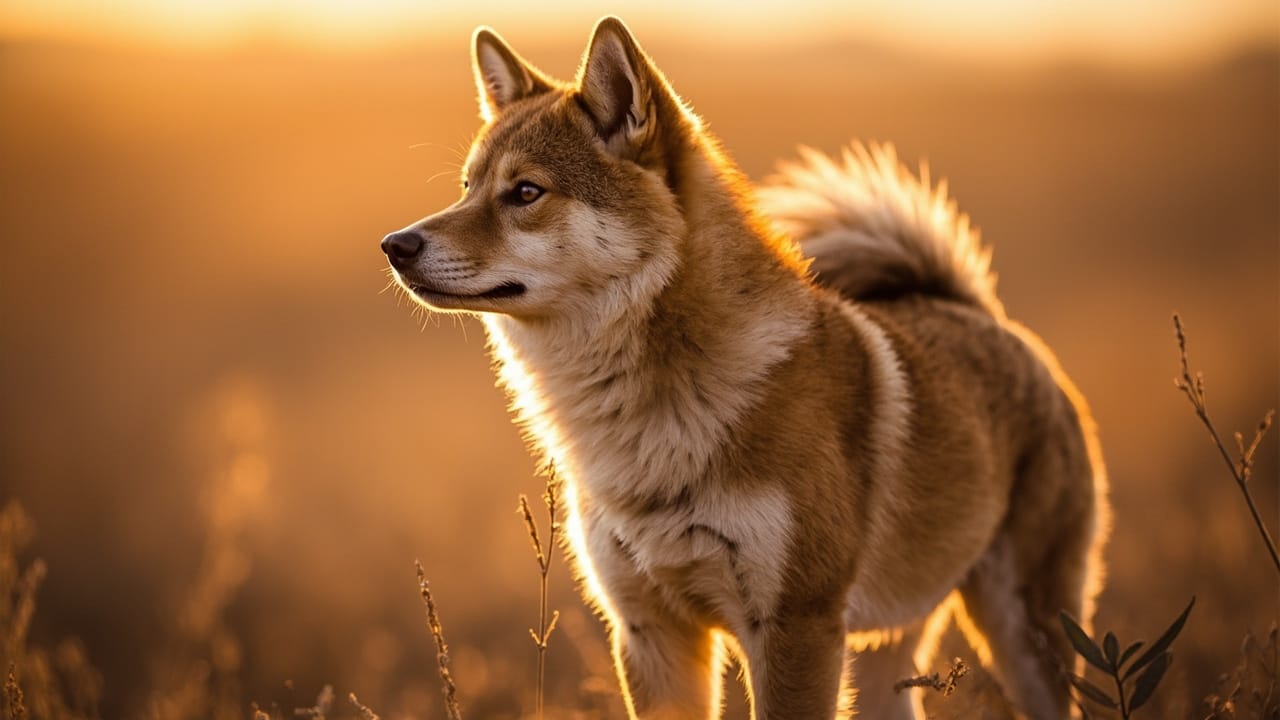
Shiba Inu vs Korean Jindo: How to Tell Them Apart
Shiba Inus and Korean Jindos look remarkably similar, but key differences set them apart: Shibas are smaller (8-10 kg), come in red, sesame, black & tan, and cream, and have rounder eyes, while Jindos are larger (15-23 kg), typically white or brindle, and have a more athletic, leggy build with almond-shaped eyes. Temperament also differs — Shibas are famously independent and cat-like, whereas Jindos bond intensely with one owner and are more reserved with strangers.

Shiba Inus and Korean Jindos are often mistaken for each other, and for good reason: both are spitz-type Asian breeds with pricked ears, curled tails, and a foxy expression. But they are distinct breeds with different origins, sizes, color palettes, and temperaments. Here is how to tell them apart at a glance and over time.
Size and Build
The most reliable giveaway is size. Shiba Inus are the smallest of Japan's six native spitz breeds. Males stand 35-43 cm (roughly 10 kg) and females 33-41 cm (about 8 kg). They are compact, well-muscled, and slightly longer than tall, giving them a balanced, almost square look.
Korean Jindos are noticeably larger and more athletic. Males typically weigh 18-23 kg and females 15-19 kg, with a leggier, more rectangular frame built for endurance. If the dog looks leggy, deep-chested, and built like a lightweight athlete, it is more likely a Jindo. If it looks stocky, compact, and almost cat-like, it is more likely a Shiba.
Coat Colors and Markings
Shiba Inus come in four standard colors: red, black and tan, sesame (red hairs with black tips), and cream. Cream is considered a serious fault in the show ring. The signature marking is urajiro — the cream-to-white shading required on the cheeks, muzzle, chest, belly, and inner legs.
Korean Jindos most commonly appear in white (about 70% of the population), followed by brindle, fawn, black and tan, and solid black. White Jindos are pure white without the urajiro pattern Shibas display. So a small, red dog with cream cheeks and white underside is almost certainly a Shiba; a tall, white dog without urajiro is almost certainly a Jindo.
Head, Eyes, and Expression
Shibas have a broader, rounder skull with deep-set, triangular eyes that give them a confident, almost smug expression. Their muzzle is short and foxy.
Jindos have a more refined, wedge-shaped head with almond-shaped, slightly smaller eyes that convey alertness and reserve. Their ears are proportionally larger and more upright than a Shiba's. The overall expression is sharper and more serious.
Temperament and Behavior
Both breeds are independent, clean, and aloof with strangers — but the differences are real:
- Shiba Inus are famously cat-like, mischievous, and self-assured. They tolerate handling from most family members, are known for the "Shiba scream" when displeased, and blow their coat twice a year. They are escape artists with a strong prey drive.
- Korean Jindos are intensely loyal to a single primary owner and famously wary of everyone else. They are more territorial, more serious in demeanor, and less playful. Many Jindos cannot be rehomed successfully because of this one-person bond.
In short: Shibas are independent but socially flexible; Jindos are devoted but more rigid in who they trust.
Which Breed Is Right for You?
Choose a Shiba Inu if you want a smaller, more adaptable companion, are willing to manage a stubborn streak, and enjoy a dog with personality and humor. A securely fenced yard is non-negotiable.
Choose a Korean Jindo if you have experience with primitive breeds, want a one-family guardian-type dog, and can commit to early, extensive socialization. Jindos are less common outside Korea and can be harder to find through rescue.
Either way, both breeds are long-lived (Shibas often reach 13-16 years) and reward owners who respect their intelligence and independence.
Quick Identification Checklist
- Under 11 kg + red or sesame coat + urajiro → Shiba Inu
- Over 15 kg + white or brindle coat + leggy build → Korean Jindo
- Round, deep-set eyes + cat-like manner → Shiba Inu
- Almond eyes + intense one-person loyalty → Korean Jindo
When in doubt, check the tail set: Shibas carry theirs in a tight curl over the back, while Jindos often carry theirs in a looser sickle or gentle curve.
FAQ
Can Shiba Inus and Korean Jindos be mixed up at the dog park?
Yes, frequently. A red or sesame Shiba and a fawn Jindo look almost identical to casual observers. Size is the quickest tell — pick the dog up if you can (Shibas are noticeably lighter), or look for urajiro markings, which Jindos lack.
Are Shiba Inus and Korean Jindos related?
Both are ancient spitz-type breeds from East Asia, and they share a common ancestry among primitive Asian dogs. However, they were developed independently in Japan and Korea over centuries and are recognized as separate breeds by all major kennel clubs.
Which breed is more trainable?
Neither is highly biddable. Shibas respond to positive reinforcement but lose interest quickly. Jindos are intelligent but more independent and often bond so strongly to one owner that they ignore commands from anyone else. Both need patient, consistent training.
Do they shed a lot?
Both are heavy seasonal shedders. Shibas famously 'blow coat' twice a year in dramatic clumps. Jindos have a similar double coat and shed heavily during seasonal changes. Neither is hypoallergenic.