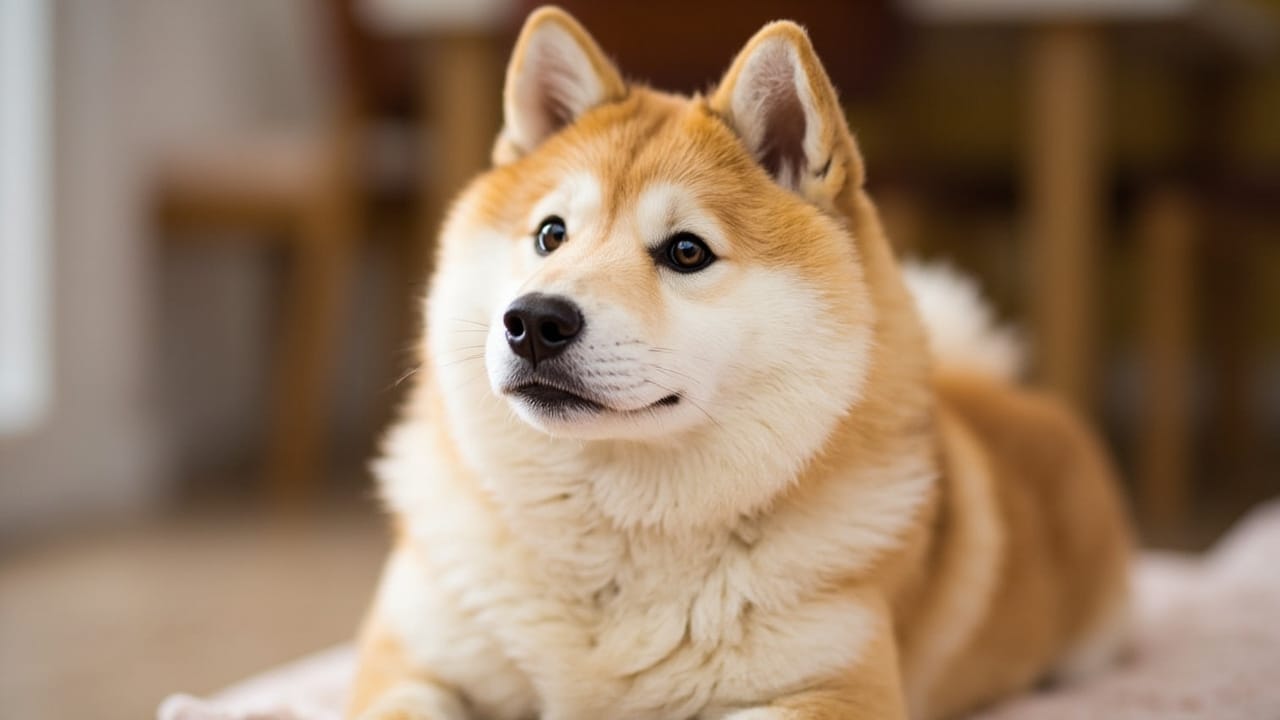
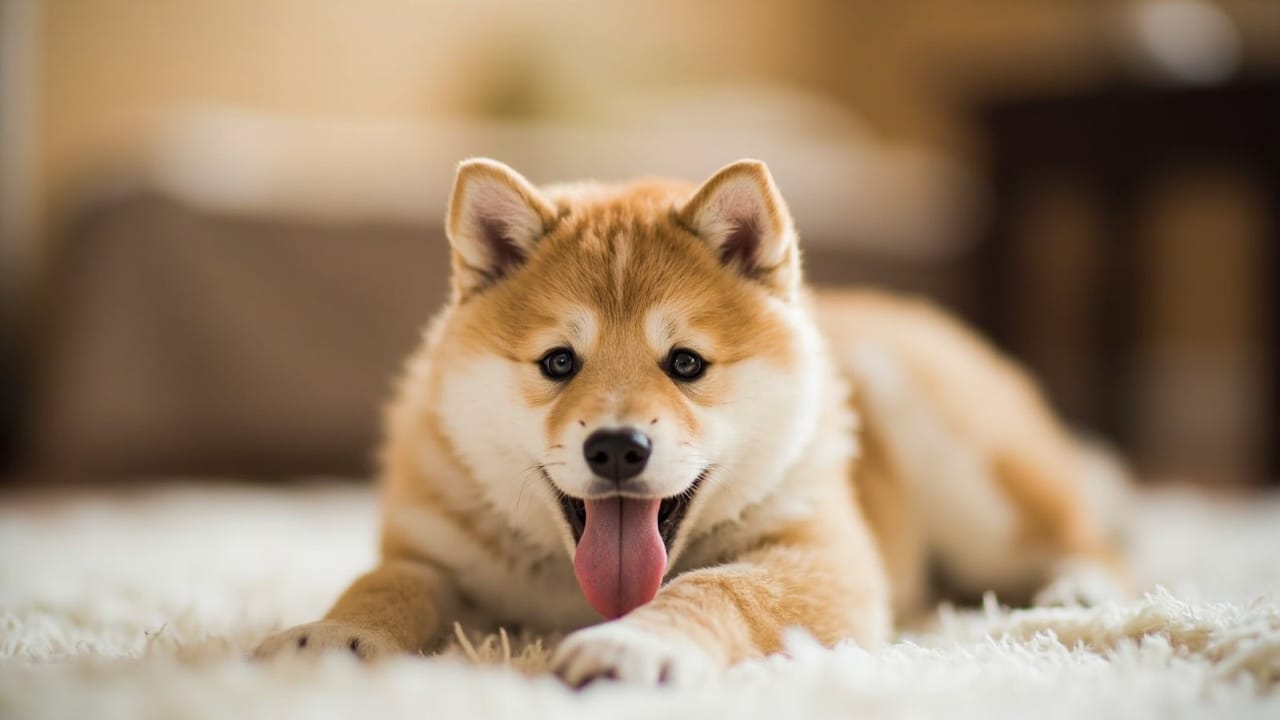
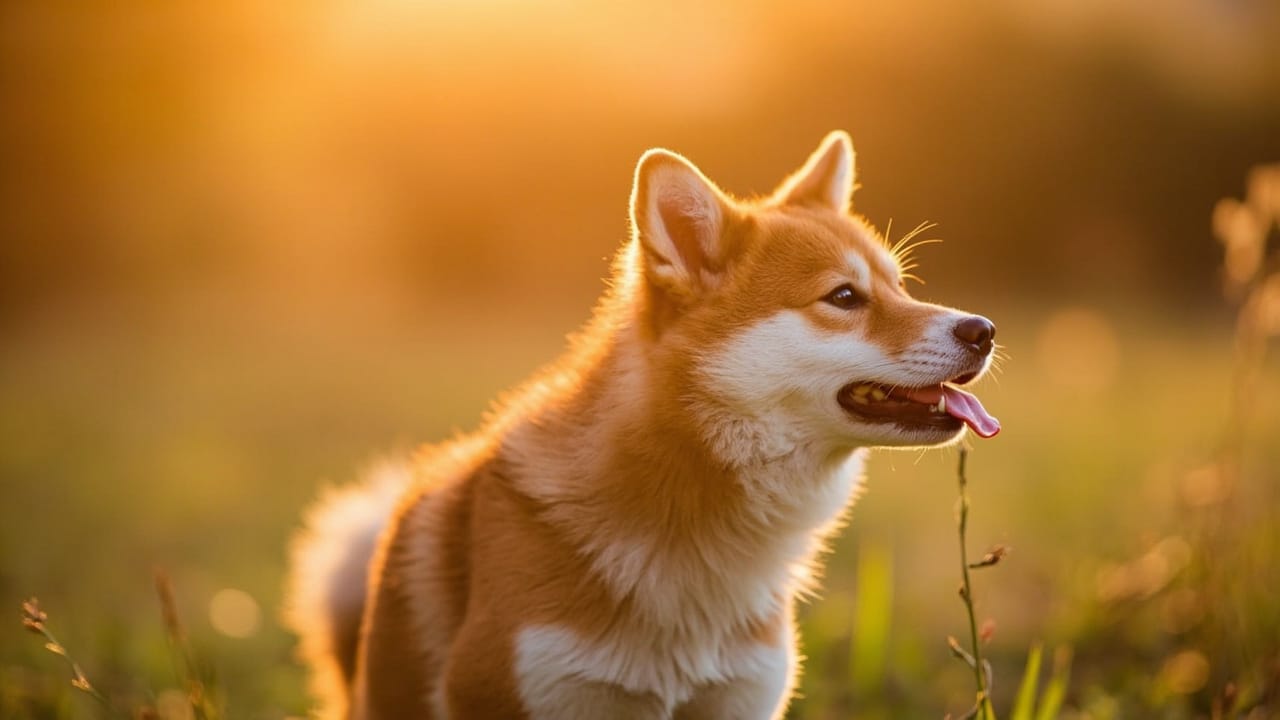
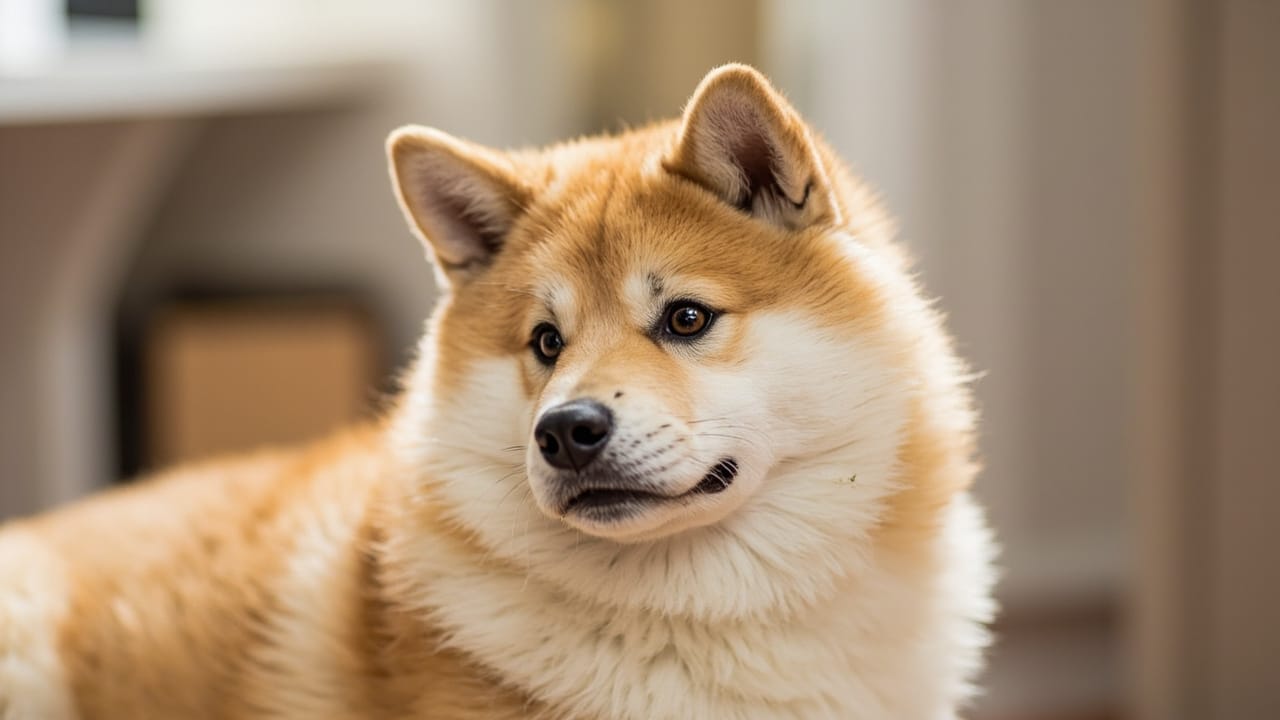
Shiba Scream: Why Shiba Inus Scream and How to Handle It
The 'Shiba scream' is a distinctive, high-pitched vocalization Shiba Inus use to express extreme emotion—usually protest, fear, pain, or overstimulation. It's not aggression but a dramatic communication signal that can reach surprisingly loud volumes, often startling first-time owners.

The Shiba scream is one of the breed's most talked-about traits: a sudden, shrill, almost human-like shriek that erupts when a Shiba Inu is deeply upset, frightened, in pain, or sometimes simply protesting something they dislike. It is not a sign of aggression, and it is not a howl or typical bark—it's a uniquely Shiba vocalization that can exceed 100 decibels at close range. Most Shibas begin experimenting with the scream in puppyhood, and many use it throughout their lives as a high-intensity communication tool.
Why Shiba Inus Scream
Shibas are a generally quiet breed compared to hounds or herding dogs, which makes the scream stand out even more. The most common triggers include:
- Bathing and grooming – the number one cause. Water, nail clippers, blow dryers, and brushing often provoke a full-volume protest.
- Vet visits and handling – restraint, temperature checks, or any uncomfortable procedure.
- Pain or fear – stepping on a tail, joint pain, or startling noises.
- Confinement and restraint – being crated, leashed firmly, held, or having a harness put on.
- Disagreement or frustration – being told "no," being moved off furniture, or being denied access to something.
- Overstimulation – too much excitement during play or greeting.
This is a dramatic breed. Shibas were selectively preserved for boldness and independence in Japan's mountainous terrain, and they communicate their displeasure with the same intensity they bring to everything else.
Is the Shiba Scream a Sign of Aggression?
No. Despite the alarming volume, the scream is almost always an emotional outburst, not a threat. A genuinely aggressive Shiba is more likely to go silent, stiffen, and deliver a controlled bite with little warning. The scream is the opposite: loud, theatrical, and communicative. However, the sound can precede a defensive snap if the dog continues to be cornered or forced, so it's wise to respect the signal and give the dog space.
How Loud Is It, Really?
Owners regularly compare it to:
- A child screaming at full volume
- A smoke alarm
- A banshee or peacock
- The famous "Doge" meme Kabosu's signature complaint
It's loud enough to wake a household, startle guests, and terrify vet staff. This is part of why Shibas are not recommended for apartment dwellers with thin walls unless the dog is desensitized early.
How to Reduce the Shiba Scream
The scream cannot be trained out completely—it's a breed trait—but frequency and intensity can be managed:
- Desensitize early. Handle paws, ears, mouth, and body daily from puppyhood. Pair every handling touch with high-value treats.
- Make grooming positive. Use a non-slip mat, warm water, peanut butter lick mats, and go slowly. Skip the blow dryer if you can air-dry instead.
- Don't reward the scream. Don't laugh, pick the dog up, or give treats while the screaming is happening. Wait for a pause, then reward.
- Use cooperative care. Teach a chin rest, paw targets, and "consent signals" (like a learned nose-to-hand cue) so the dog has control.
- Respect the message. If your Shiba is screaming at the vet, ask for a towel wrap, gentle restraint, or a pre-visit sedative from your vet.
- Avoid flooding. Forcing a screaming Shiba through a stressful situation usually backfires and increases future outbursts.
The Difference Between the Scream and Other Shiba Sounds
Shibas actually have a richer vocal range than most spitz breeds:
- Scream – extreme protest or pain, very high-pitched
- Shiba 500 – not a sound but a bout of frantic zoomies, often preceded by excited yipping
- "Talking" or woo-woo – a contented, conversational howl used to greet owners
- Alert bark – sharp, brief barks at perceived intruders or wildlife
- Grumble – a low, conversational complaint, usually harmless
Learning to tell these apart helps you respond correctly. A grumble is a chat; a scream is a 911 call.
When to Worry
Sudden, out-of-character screaming in an adult Shiba warrants a vet visit. Because the breed is prone to luxating patella, hip dysplasia, and age-related joint pain, a new scream can signal injury. Puppies that scream when picked up may have growing-pain sensitivity or simply dislike being handled—either way, slow desensitization helps.
The Shiba scream is startling, occasionally embarrassing, and entirely normal. Embrace it as part of living with one of the most emotionally expressive breeds on earth—just keep treats handy during bath time.
FAQ
At what age do Shiba Inus start screaming?
Most Shibas experiment with the scream between 8 weeks and 6 months of age, with peak frequency during adolescence (6–18 months) when emotional reactions are most intense.
Can you train a Shiba Inu not to scream?
You cannot eliminate it—it's a breed-typical communication tool—but early desensitization to handling, grooming, and vet procedures dramatically reduces how often it occurs.
Do all Shiba Inus scream?
The vast majority do, though frequency varies by individual. Shibas that have been heavily socialized and cooperatively handled as puppies tend to scream less than undersocialized ones.
Is the Shiba scream the same as the 'Shiba 500'?
No. The scream is a high-pitched vocalization expressing distress or protest. The 'Shiba 500' is a burst of frantic, silent zoomies where the dog tears around at full speed, often in circles.