How to Leash Train a Shiba Inu Puppy: A Step-by-Step Guide
Leash training a Shiba Inu puppy relies on positive reinforcement, short frequent sessions, and a properly fitted harness, because Shibas are independent, prey-driven, and famously reluctant to walk on a leash. Start indoors, reward every step beside you, and gradually add distractions before expecting a calm walk in public. Consistency for the first 8-12 weeks is what turns a stubborn puppy into a reliable walking partner.

Shiba Inu puppies are not born wanting to walk beside you. They are an independent, ancient spitz breed with a strong prey drive and a well-earned reputation for stubbornness, which is why most owners feel like they are walking their Shiba rather than the other way around. The good news: leash manners are 100% teachable if you start early, use force-free methods, and respect the breed's quirks.
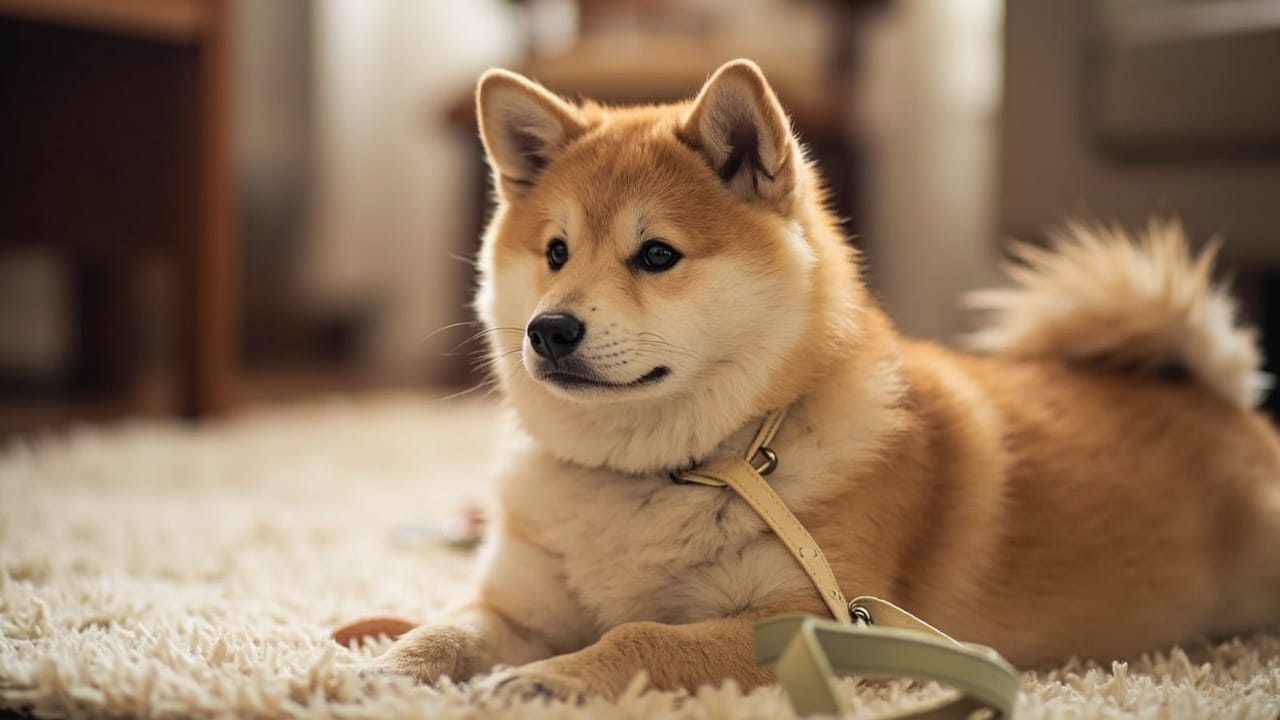
A Shiba puppy can begin lightweight leash introductions at 8-10 weeks old, the moment your veterinarian clears them for public outings. Keep in mind that Shibas are escape artists and can slip a flat collar in seconds, so a properly fitted Y-front or step-in harness is strongly recommended over a collar for everyday walks.
Gear Up Before You Train
- Harness: A Y-front design (like a Ruffwear Front Range or Embark Adventure) that sits across the chest without pressing the throat. Measure your puppy's girth weekly during the growth phase.
- Leash: 4-6 ft standard cotton or nylon leash. Skip retractable leashes for training, the constant tension teaches pulling.
- Treats: Soft, pea-sized, high-value (boiled chicken, freeze-dried liver). Shibas respond to food but get bored fast, so rotate rewards.
- Clicker or marker word: A consistent sound that says "yes, that's right."
- Mat or towel: Useful for "place" work that builds focus before adding distance.
Step 1: Build a Positive Association Indoors
Before you ever step outside, let your puppy drag a lightweight leash around the living room for 5-10 minutes at a time, supervised. Pair the leash with treats, play, and meals. Most leash-rejection behavior in Shibas comes from the first outdoor experience being overwhelming (sights, smells, traffic), so make the first 20+ leash sessions happen in your home or yard.
Click and treat the moment your puppy glances at you while the leash is on. You are building a default attention habit.
Step 2: Add Movement in a Low-Distraction Space
Once your puppy ignores the leash, pick up one end and walk a few steps. The instant they take a step with you, mark and reward. Lure with a treat held at your left hip (or right, pick a side and stick to it) to keep them in the heel zone.
Keep sessions to 3-5 minutes. Shiba puppies fatigue mentally fast, and the famous "Shiba 500" zoomies are often a sign you've pushed too long.
Step 3: Generalize Outdoors, One Distraction at a Time
Move training to your driveway, then a quiet sidewalk, then a busier street. The 3-3-3 rule helps: 3 days to decompress, 3 weeks to settle, 3 months to feel at home. Treat each new environment as Day 1 again.
When a squirrel, another dog, or a skateboard appears, do not yank the leash. Stop moving, wait for your puppy to reorient to you, then mark and reward. Chasing the distraction tightens the leash and reinforces pulling.
Step 4: Solve the Four Common Shiba Leash Problems
- Pulling toward something interesting: Stop dead the moment tension appears. Wait. Reward the instant the leash slackens. Shibas learn fast that pulling = no forward motion.
- Refusing to move (the "Shiba sit"): They are not being stubborn for sport, usually a smell has overwhelmed them or they are scared. Lure with a treat a step ahead, or kneel and call them. Never drag.
- Balking at strangers or dogs: Use a treat scatter on the ground to create distance, and cross the street before any forced greeting. Forced socialization creates reactivity.
- The Shiba scream: If your puppy vocalizes when the harness goes on, slow down. Leave the harness on the floor near the food bowl for a week before re-attempting.
Step 5: Build Duration and Distance
Once your puppy walks 20-30 steps in a quiet area, gradually increase to a 10-15 minute block. Reward every 5-10 steps, fading treats as the behavior becomes a habit. By 6 months, most Shibas can handle a 20-minute structured walk; by 12 months, a 30-45 minute walk is realistic. Adult Shibas typically need 30-60 minutes of exercise daily.
A Realistic Timeline
- Weeks 1-2: Indoor leash acceptance
- Weeks 3-4: Indoor heeling with food lure
- Weeks 5-8: Outdoor leash work in quiet areas
- Months 3-6: Reliable loose-leash in moderate distractions
- 6-12 months: Polished adult walker, though most Shibas will occasionally test the rules for the rest of their 13-16 year life
The single biggest mistake owners make is treating a Shiba like a Labrador. They are not eager to please, they are eager to be interesting. Frame every training moment as their idea, pay generously, and your Shiba will walk beside you like a partner, not a prisoner.
FAQ
At what age should I start leash training my Shiba Inu puppy?
Begin indoor leash introduction at 8-10 weeks old, right after your vet clears the puppy for socialization. Outdoor leash work can start the same week in low-traffic areas like your yard or a quiet driveway.
Should I use a harness or collar for my Shiba Inu?
A Y-front harness is strongly recommended. Shibas have a high prey drive and will lunge suddenly, and their thick neck combined with a flat collar can lead to tracheal damage. A well-fitted harness also prevents the collar-slip escape behavior Shibas are notorious for.
Why does my Shiba puppy scream when I put the leash on?
This is the famous 'Shiba scream' and is usually a frustration or overstimulation response, not pain. Slow the process down: leave the harness and leash on the floor near food and play for a week, reintroduce one piece at a time, and keep sessions under 5 minutes until your puppy is comfortable.
Why does my Shiba Inu refuse to walk on the leash?
The 'Shiba sit' is most often triggered by an overwhelming smell, a scary object, or simply testing you. Don't drag them; instead lure forward with a high-value treat, kneel to their level, or pick them up and reset a few feet away. Forcing the issue makes future refusals worse.