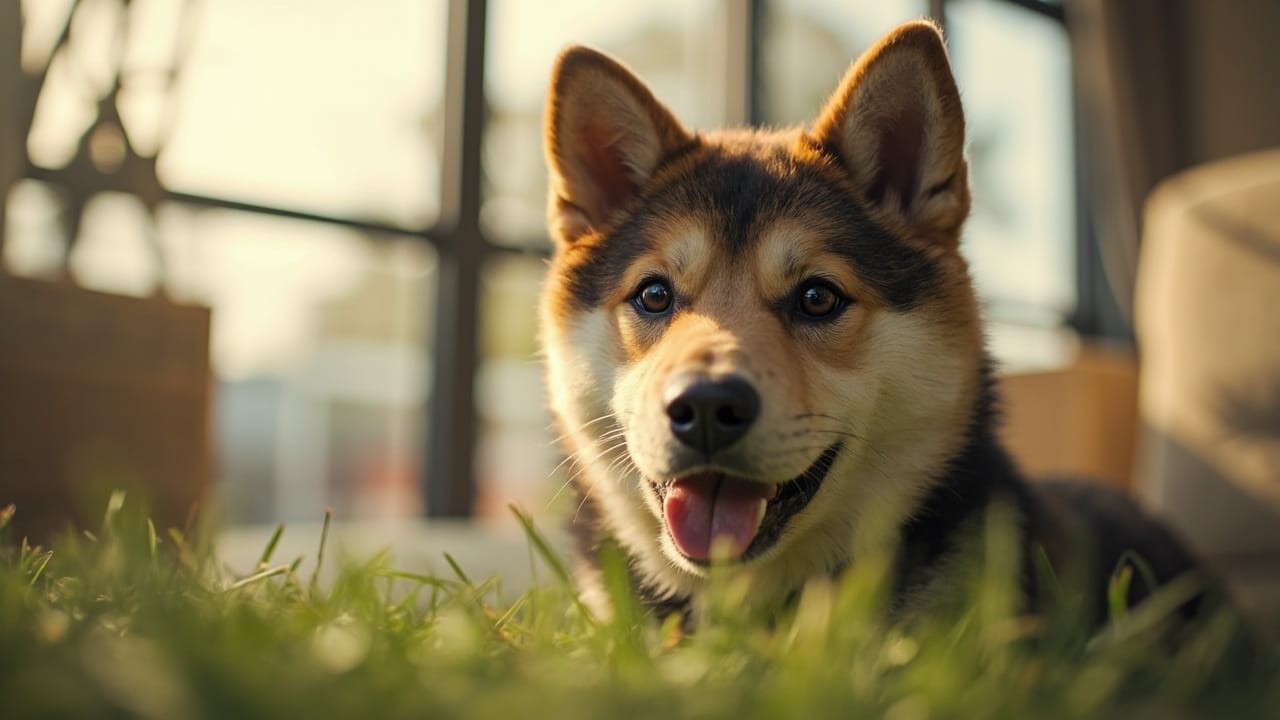
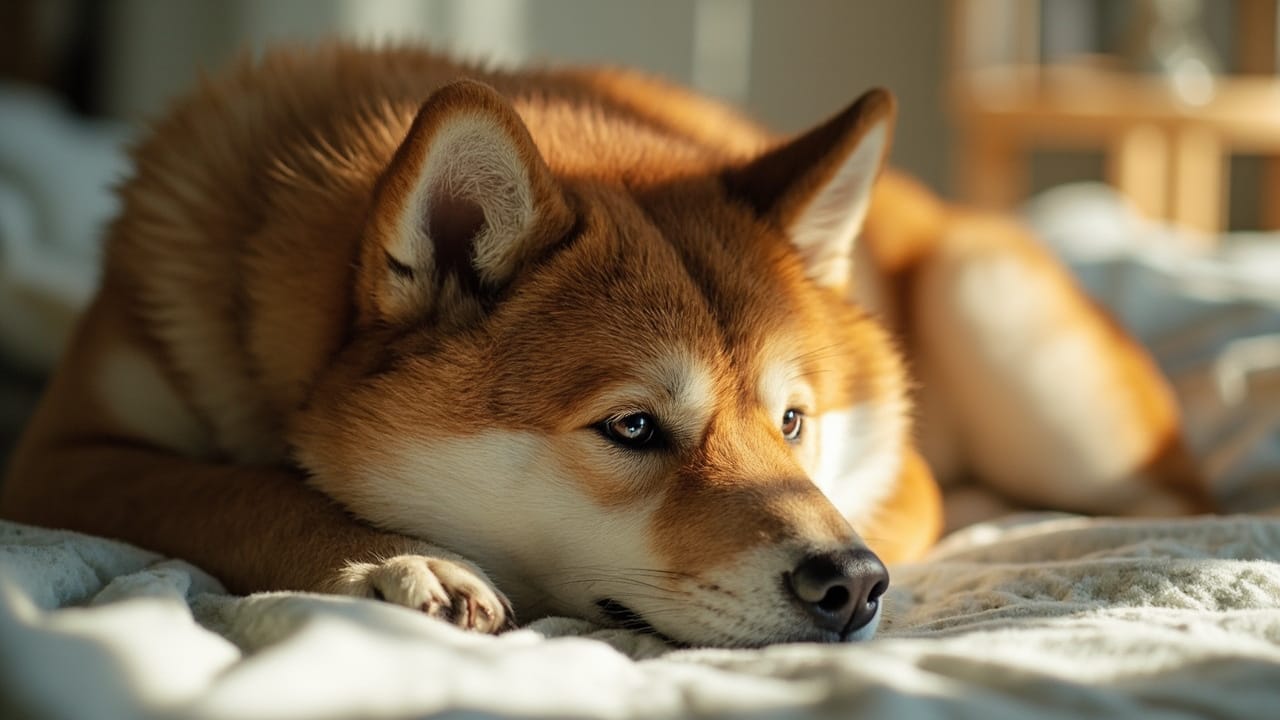
Why Does My Shiba Inu Have a Dry, Cracked Nose?
A dry, cracked nose in a Shiba Inu is usually harmless and often caused by dehydration, sleep, sun exposure, or cold winter air. However, persistent cracking, crusting, sores, or loss of pigment can signal infection, autoimmune disease, or a condition called nasal hyperkeratosis, and warrants a vet visit.

A dry, cracked nose in a Shiba Inu is common and often nothing to worry about. Shibas, like all dogs, normally have a moist nose that fluctuates throughout the day. Short bouts of dryness after a nap, in dry indoor air, or after sun or wind exposure are completely normal. The real concern comes when cracking is persistent, deep, crusty, painful, or accompanied by other symptoms like sneezing, bleeding, appetite loss, or color changes. In those cases, an underlying medical issue is more likely.
Common Harmless Causes in Shiba Inus
Several everyday factors can temporarily dry out a Shiba's nose:
- Sleeping: The nose often dries out during deep sleep and rehydrates within minutes of waking.
- Dehydration: Not drinking enough water, especially after exercise or in warm weather.
- Weather extremes: Cold winter air, low humidity indoors from heating, or hot, windy summer days.
- Sun exposure: Shibas with lighter or pink-pigmented nose areas can get mild sunburn.
- Age: Senior Shibas (Shibas commonly live 13–16 years) often produce less natural nasal moisture.
- Allergies or irritants: Dust, cleaning products, or plastic food bowls can dry the nose.
If your Shiba is otherwise eating well, active, and the dryness is mild and intermittent, simple home care is usually enough.
Medical Conditions That Cause a Cracked Nose
When dryness turns into real cracking, crusting, or sores, several medical issues should be considered. Shibas are predisposed to some of these more than the average breed.
Nasal Hyperkeratosis
This is an overgrowth of the keratin layer on the nose, creating a thick, hard, crusty surface that can crack. It can be hereditary, especially in younger dogs, or acquired in older dogs. The nose often looks rough and horn-like, and fissures may bleed.
Autoimmune Diseases
Conditions like pemphigus foliaceus, lupus erythematosus, and discoid lupus frequently start on the nose. Crusting, ulceration, and loss of pigment are classic signs. These are treatable but require lifelong management from a vet.
Infections and Infestation
Fungal infections (such as aspergillosis), bacterial infections, and even nasal mites can damage the nose's surface and cause cracking, discharge, or sneezing.
Breed-Relevant Issues
Shibas are predisposed to atopic dermatitis and hypothyroidism, both of which can manifest with dry, cracked, or thickened nose tissue. A sudden change in nose texture along with hair loss, lethargy, or weight gain should prompt thyroid testing.
How to Tell If It's Serious
Use this quick checklist:
- Cracking that lasts more than a few days
- Open sores, bleeding, or scabs
- Loss of pigment (pink or dark patches appearing)
- Swelling or asymmetry between nostrils
- Nasal discharge, sneezing, or congestion
- Changes in appetite, energy, or behavior
- Pain when the nose is touched
If you notice any of the above, book a vet visit. For mild dryness with no other symptoms, a few days of home care is reasonable.
What You Can Do at Home
For mild, uncomplicated dryness, try these steps:
- Hydration: Make sure fresh water is always available; consider adding wet food or low-sodium bone broth to meals.
- Humidifier: Run one in the room where your Shiba sleeps during dry winter months.
- Switch bowls: Replace plastic bowls with stainless steel, ceramic, or glass; plastic can harbor bacteria and cause contact dryness.
- Sun protection: For Shibas with pink nose areas, use a dog-safe sunscreen or limit peak sun exposure.
- Use a dog-safe balm: Shea butter, coconut oil, or commercial nose balms with vitamin E can soothe and protect. Avoid products with zinc oxide or essential oils, which are toxic to dogs.
- Don't peel or pick: Let crusts fall off naturally to avoid bleeding and infection.
When to See the Vet
Schedule a vet appointment if home care for 5–7 days doesn't improve the nose, or sooner if you see any red flags from the checklist above. A vet may perform a skin scrape, biopsy, bloodwork, or allergy testing. Treatment ranges from topical ointments and moisturizers to immune-suppressing medication for autoimmune cases.
A healthy Shiba nose can still vary from wet to dry throughout the day. The goal isn't constant moisture, but a smooth, intact surface without cracks, sores, or pain.
FAQ
Is a dry nose a sign my Shiba Inu is sick?
Not necessarily. A dry nose alone is usually harmless and often caused by sleep, weather, or mild dehydration. A sick dog shows other symptoms like lethargy, appetite loss, or cracking and sores on the nose.
Can a Shiba Inu's nose change color when it's dry?
Yes. Loss of pigment can appear as pink, white, or dark patches and may accompany dryness. Sudden pigment loss, especially with cracking, can indicate autoimmune disease like discoid lupus and should be checked by a vet.
What can I put on my Shiba's dry, cracked nose?
Dog-safe options include shea butter, coconut oil, vitamin E oil, or a vet-approved nose balm. Avoid products containing zinc oxide, phenol, or essential oils, all of which are toxic to dogs.
Do Shiba Inus get nasal hyperkeratosis?
Yes, Shibas can develop hereditary or age-related nasal hyperkeratosis, a thickening of the keratin on the nose that causes a hard, crusty, cracked appearance. A vet can confirm it and recommend softening treatments.
⚕️ This article is researched from the AKC and NIPPO breed standards, OFA/CHIC health data and veterinary sources. It is for general information only and is not a substitute for advice from your own veterinarian.