¿Necesita un Shiba Inu una limpieza dental profesional?
Sí. Los Shiba Inus necesitan limpiezas dentales veterinarias profesionales bajo anestesia aproximadamente cada 1–2 años a partir de los 3 años de edad, ya que el cepillado en casa por sí solo no puede eliminar la placa y el sarro que conducen a la enfermedad periodontal, el problema de salud más común en la raza.
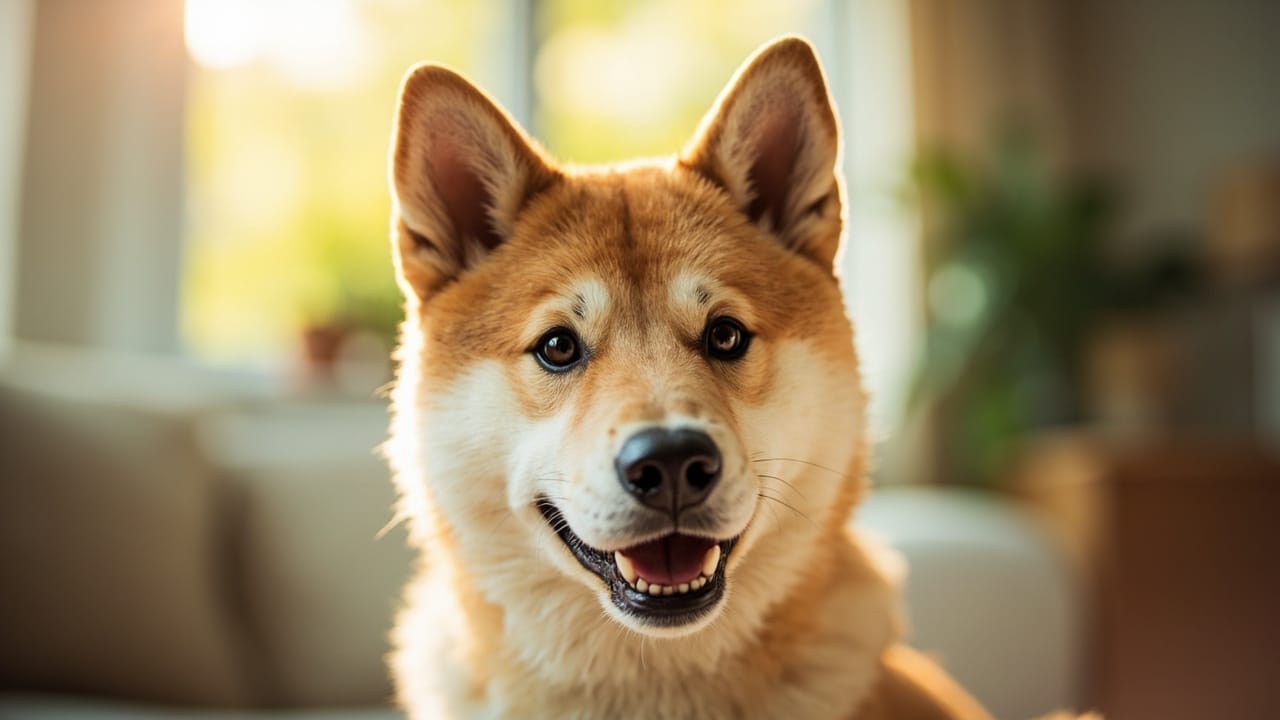
Sí, tu Shiba Inu debe recibir una limpieza dental veterinaria profesional bajo anestesia general aproximadamente cada 1 a 2 años, y la primera se recomienda generalmente alrededor de los 3 años de edad. El cuidado diario en casa (cepillado, snacks dentales, dieta adecuada) reduce drásticamente la frecuencia con la que se necesita una limpieza, pero no puede reemplazar el tratamiento profesional. Sin él, la placa se endurece y se convierte en sarro debajo de la línea de la encía, genera bacterias y progresa a enfermedad periodontal, la cual, según algunas estimaciones, afecta a la mayoría de los perros mayores de 3 años, incluida la mayoría de los Shibas.
Los Shibas no son inusualmente propensos a la enfermedad dental en comparación con otras razas, pero heredan la misma vulnerabilidad canina: 42 dientes adultos apretados en una mandíbula relativamente estrecha, con apiñamiento y dientes de leche retenidos que pueden atrapar comida y bacterias. Combina eso con su carácter independiente (buena suerte intentando cepillarle los dientes a un Shiba todos los días sin pelea), y las limpiezas veterinarias regulares se convierten en una de las inversiones en salud más rentables que puedes hacer por tu perro.
Por qué el cuidado en casa no es suficiente
El cepillado, incluso a diario, solo alcanza la corona visible del diente. El verdadero daño ocurre:
- Debajo de la línea de la encía, donde solo la limpieza ultrasónica puede limpiar
- Entre los dientes apiñados, especialmente los pequeños incisivos y premolares
- En la superficie interna (lingual) de los dientes, que la mayoría de los perros no tolerará que se raspe
- Dentro de las bolsas periodontales, que se forman una vez que se pierde la inserción de la encía
Una limpieza profesional bajo anestesia es el único método que aborda todas estas áreas de forma segura y exhaustiva. La limpieza dental sin anestesia (a veces ofrecida en peluquerías o tiendas de mascotas) solo elimina el sarro visible, da una falsa sensación de seguridad y puede dejar el esmalte áspero, lo que en realidad acelera la reaparición de la placa.
Qué ocurre durante una limpieza profesional
Un procedimiento dental veterinario estándar (un "COHAT", por sus siglas en inglés: Comprehensive Oral Health Assessment and Treatment, o Evaluación y Tratamiento Integral de Salud Oral) incluye:
- Análisis de sangre preanestésico para confirmar la función renal, hepática y metabólica
- Anestesia general con intubación y monitorización (ECG, presión arterial, SpO2, temperatura)
- Radiografías dentales completas de toda la boca, esenciales, ya que hasta el 60% de la enfermedad dental se esconde debajo de la línea de la encía
- Limpieza ultrasónica por encima y por debajo de la línea de la encía
- Raspado manual y pulido
- Sonda periodontal para medir la profundidad de las bolsas e identificar dientes enfermos
- Extracciones u otro tratamiento si se encuentra enfermedad
- Monitorización de la recuperación y manejo del dolor
Todo el procedimiento suele durar entre 45 y 90 minutos para un Shiba sano sin extracciones, y la mayoría de los perros regresan a casa el mismo día. El costo en EE. UU. suele ser de $400–$900 para una limpieza de rutina sin extracciones, y más si hay que remover dientes.
¿Con qué frecuencia necesita un Shiba una limpieza?
No hay una sola respuesta; depende de tu perro individual:
- Promedio: cada 12–18 meses
- Con un cuidado excelente en casa (cepillado diario): cada 18–24 meses
- Con dientes apiñados o retenidos, o predisposición genética: cada 6–12 meses
- Shibas mayores (10+ años): cada 6–12 meses, con protocolos de anestesia más cortos diseñados para perros senior
Tu veterinario basará el calendario en un examen oral en cada visita anual de bienestar, además de radiografías tomadas durante las limpiezas para monitorear la pérdida ósea a lo largo del tiempo.
Riesgos de saltarse las limpiezas profesionales
La enfermedad periodontal no es solo un problema bucal. La carga bacteriana crónica se ha relacionado en estudios con:
- Endocarditis valvular cardíaca
- Inflamación renal y hepática
- Enfermedad articular y progresión más rápida de la artritis
- Problemas de regulación de la diabetes
- Dolor que los perros ocultan instintivamente (los Shibas especialmente, disimulan muy bien las molestias)
- Pérdida de dientes, abscesos y fracturas mandibulares ("fracturas patológicas" en casos avanzados)
Una limpieza de rutina es mucho más segura y económica que tratar una enfermedad dental avanzada. La anestesia en un Shiba adulto sano tiene un riesgo de mortalidad estimado en aproximadamente un 0,05–0,1% en las prácticas modernas, mientras que la enfermedad dental no tratada, en última instancia, acorta la esperanza y la calidad de vida.
Cómo reducir la frecuencia con la que tu Shiba necesita limpiezas
- Cepilla a diario con una pasta de dientes enzimática específica para perros (nunca pasta de dientes humana)
- Usa un cepillo de dedo o un cepillo para perros de cerdas suaves
- Ofrece snacks y juguetes dentales aprobados por el VOHC (busca el sello del Veterinary Oral Health Council)
- Alimenta con un croqueta cuya forma/textura raspe mecánicamente, aunque la dieta es un complemento, no un sustituto
- Programa exámenes veterinarios anuales para detectar los problemas a tiempo
- Aborda los dientes de leche retenidos o el apiñamiento con tu veterinario; a veces, las extracciones estratégicas en adultos jóvenes previenen problemas de por vida
La conclusión
Planifica una limpieza profesional bajo anestesia aproximadamente cada 1–2 años para un Shiba adulto, con la primera alrededor de los 3 años de edad. Combínala con un cuidado diligente en casa, y muchos Shibas llegarán a sus años senior con menos limpiezas, menos extracciones y una boca más sana. Es una de las formas más simples e impactantes de añadir años saludables a una raza que ya vive entre 13 y 16 años.
Imagen recomendada: un Shiba Inu bostezando a mitad mostrando dientes blancos limpios con urajiro visible en las mejillas: captura tanto la salud dental como la identidad de la raza.
Fuentes: American Veterinary Dental College (AVDC), Veterinary Oral Health Council (VOHC), Guías Dentales de la American Animal Hospital Association (AAHA).
FAQ
¿A qué edad debe un Shiba Inu recibir su primera limpieza dental?
La mayoría de los veterinarios recomiendan la primera limpieza profesional alrededor de los 2–3 años de edad, una vez que los dientes adultos estén completamente colocados y se hayan tratado los dientes de leche retenidos. Puede ser necesaria una intervención más temprana si hay apiñamiento o dientes retenidos.
¿Es segura la anestesia para las limpiezas dentales en los Shiba Inus?
Sí. La anestesia veterinaria moderna es muy segura, con un riesgo de mortalidad de aproximadamente un 0,05–0,1% en perros sanos. Los análisis de sangre preanestésicos, los fluidos intravenosos y la monitorización completa (ECG, presión arterial, saturación de oxígeno, temperatura) la convierten en el estándar de atención. No se recomienda la limpieza dental sin anestesia.
¿Cuánto cuesta una limpieza dental profesional para perros?
En Estados Unidos, una limpieza de rutina con anestesia y radiografías suele costar entre $400 y $900. Si se requieren extracciones o tratamiento avanzado, el total puede elevarse a $1,000–$2,500 o más. El seguro para mascotas a menudo cubre una parte si estaba vigente antes de que comenzaran los síntomas.
¿Puedo limpiarle los dientes a mi Shiba Inu en casa en lugar de ir al veterinario?
El cepillado en casa es esencial y reduce drásticamente la frecuencia con la que se necesitan limpiezas profesionales, pero no puede eliminar el sarro subgingival (debajo de la línea de la encía) ni tratar la enfermedad periodontal. El cuidado en casa y las limpiezas profesionales son complementarios, no intercambiables.
⚕️ This article is researched from the AKC and NIPPO breed standards, OFA/CHIC health data and veterinary sources. It is for general information only and is not a substitute for advice from your own veterinarian.