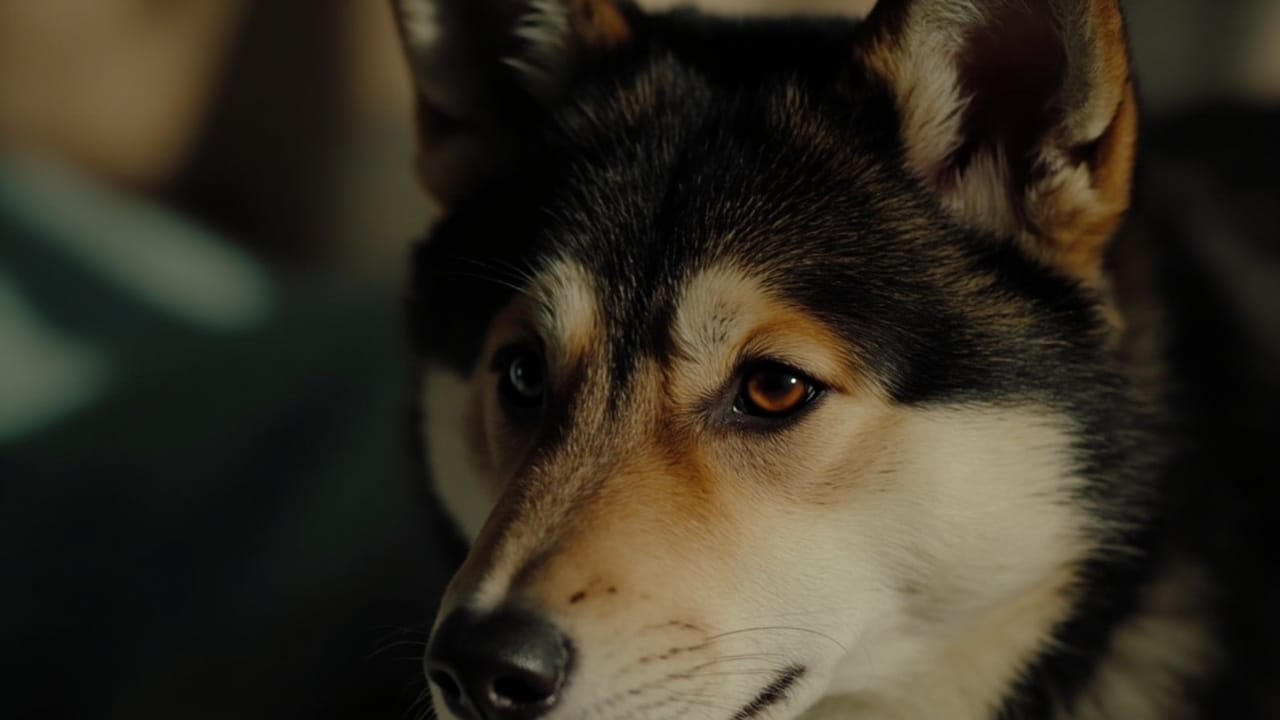
¿Deberías esterilizar o castrar a tu Shiba Inu? Una guía completa
Sí, la mayoría de los dueños de Shiba Inu deberían esterilizar o castrar a su perro, pero el momento importa. La tradicional esterilización/castración a los 6 meses está siendo reconsiderada para los Shibas debido a riesgos ortopédicos y de cáncer específicos de la raza, y muchos veterinarios ahora recomiendan esperar hasta los 12-18 meses en los machos y después del primer celo en las hembras.

Respuesta rápida: ¿Deberías esterilizar o castrar a tu Shiba Inu?
Para la gran mayoría de los dueños de Shiba Inu, la respuesta es sí, deberías esterilizar o castrar a tu perro a menos que seas un criador responsable con pruebas de salud. La alteración previene camadas no deseadas, reduce los escapes (los Shibas son conocidos artistas del escape con un fuerte instinto de presa) y disminuye el riesgo de varios problemas de salud graves. Sin embargo, el cuándo se ha vuelto más importante que el si, y la evidencia actual respalda retrasar el procedimiento hasta que las placas de crecimiento del Shiba se hayan cerrado.
¿Por qué esterilizar o castrar a un Shiba Inu?
Los Shiba Inus son artistas del escape con un poderoso instinto de presa y un carácter independiente que hace que los perros intactos sean especialmente difíciles de mantener contenidos. Un Shiba macho no castrado olerá a una hembra en celo desde kilómetros de distancia y cavará, trepará o romperá vallas para llegar a ella. Las hembras intactas tienen ciclos aproximadamente cada 6 meses y atraen a todos los machos intactos del vecindario.
Más allá de las preocupaciones de comportamiento, la esterilización y castración ofrecen beneficios médicos reales:
- Hembras: Casi elimina el riesgo de piometra (una infección uterina potencialmente mortal) y cáncer de ovario, y reduce drásticamente los tumores mamarios si se realiza antes del tercer celo.
- Machos: Previene el cáncer testicular y reduce el riesgo de fístulas perianales y algunas enfermedades de la próstata.
- Ambos: Previene camadas no deseadas y reduce la entrega a refugios. Dado que los Shibas son una de las razas más comúnmente entregadas en Japón y cada vez más en EE. UU., esta es una consideración importante de bienestar.
La mejor edad para esterilizar o castrar a un Shiba Inu
El antiguo estándar de 6 meses para ambos sexos ahora se considera demasiado pronto por muchos veterinarios informados sobre el Shiba. Los Shiba Inus maduran lentamente, y sus placas de crecimiento a menudo no se cierran hasta los 12-18 meses. La esterilización/castración temprana se ha asociado con:
- Mayor riesgo de displasia de cadera (ya presente en aproximadamente el 7.6% de los Shibas evaluados por OFA)
- Tasas más altas de rotura del ligamento cruzado
- Mayor incidencia de ciertos cánceres, incluido el hemangiosarcoma y el linfoma
- Constitución más alta y estilizada que no coincide con el estándar de la raza
- Tasas más altas de incontinencia urinaria en hembras
Recomendaciones actuales para Shiba Inus:
- Machos: Esperar hasta los 12-18 meses para permitir que las articulaciones, huesos y hormonas se desarrollen por completo.
- Hembras: Muchos criadores y especialistas veterinarios ahora recomiendan esterilizar después del primer celo pero antes del segundo (alrededor de los 12-15 meses), equilibrando la prevención del cáncer mamario con la salud ortopédica.
Si tu Shiba es un adulto con problemas de comportamiento o salud, el procedimiento aún puede realizarse de forma segura a cualquier edad.
Cuándo tiene sentido mantener a tu Shiba intacto
Hay razones legítimas para dejar a un Shiba Inu intacto:
- Stock de cría: Un perro que ha pasado todas las pruebas de salud recomendadas por CHIC (caderas OFA, rótula OFA y un examen ocular CERF/actual) puede mantenerse intacto para la cría.
- Prospectos de exposición: Se requieren perros intactos para exposiciones de conformación, y los criadores a menudo mantienen a las hembras intactas para cruzarlas una vez antes de esterilizarlas.
- Razones médicas documentadas: Algunas condiciones de salud raras pueden hacer que la anestesia sea inusualmente arriesgada, aunque esto debe discutirse con tu veterinario.
Si mantienes a tu Shiba intacto, debes comprometerte con una gestión rigurosa: vallado seguro (los Shibas pueden trepar vallas de 1.80 metros), paseos solo con correa cuando las hembras estén en celo, y vigilancia alrededor de puertas y portones.
Qué esperar después del procedimiento
La recuperación suele ser sencilla. La mayoría de los Shibas se recuperan en 24-48 horas, aunque el famoso "grito del Shiba" puede hacer que su recuperación postanestésica suene peor de lo que es. Puntos clave:
- Mantén al perro tranquilo durante 10-14 días y evita que salte o corra
- Usa un cono o traje quirúrgico para evitar que lama la incisión
- Vigila hinchazón, secreción o signos de infección
- Muchos Shibas experimentan un cambio temporal en el pelaje después de la cirugía (llamado "alopecia post-rasurado" o cambios de textura), que generalmente se resuelve con la siguiente muda
- El apetito puede aumentar ligeramente, así que controla las calorías para prevenir el estrés de cadera y articulaciones que viene con el aumento de peso en esta raza
Mitos comunes sobre la esterilización y castración de los Shibas
- "La castración soluciona todos los problemas de comportamiento." Falso. La castración reduce los comportamientos impulsados por hormonas como el marcaje y los escapes, pero no solucionará la reactividad basada en miedo, la protección de recursos ni el aloofness natural de la raza con los desconocidos.
- "Las hembras deberían tener una camada primero." Obsoleto y sin respaldo de evidencia. Esterilizar antes del primer celo ofrece la mejor protección contra el cáncer mamario.
- "Es de raza pura, así que puedo vender los cachorros." Las camadas de Shiba Inu en rescate son comunes. A menos que tengas un mentor, padres con pruebas de salud y un contrato escrito con los compradores, criar es un perjuicio para la raza.
La conclusión final
Esteriliza o castra a tu Shiba Inu, pero habla con tu veterinario sobre el momento. Para la mayoría de los Shibas, esperar hasta la madurez física (12-18 meses) ahora se considera la mejor práctica, equilibrando los beneficios conductuales y médicos de la alteración con los riesgos ortopédicos de hacerlo demasiado pronto. Combina la cirugía con un monitoreo de salud articular de por vida, especialmente dada la predisposición de la raza a la displasia de cadera y la luxación de rótula, y tu Shiba estará preparado para la esperanza de vida de 13-16 años que caracteriza a la raza.
FAQ
¿La castración calmará a mi Shiba Inu agresivo?
La castración reduce los comportamientos impulsados por hormonas como el marcaje, los escapes y algunas formas de agresión entre machos, pero no solucionará la reactividad basada en miedo, la protección de recursos ni la reserva natural de la raza con los desconocidos. Para esos problemas se requiere adiestramiento conductual.
¿Se puede esterilizar a una Shiba Inu estando en celo?
Sí, pero conlleva un mayor riesgo de sangrado y complicaciones. La mayoría de los veterinarios recomiendan esperar 2-3 meses después de un ciclo de celo para esterilizar, a menos que se necesite cirugía de emergencia.
¿Los Shiba Inus esterilizados engordan?
La esterilización puede reducir ligeramente el metabolismo, pero el aumento de peso se debe principalmente a la sobrealimentación y la reducción de actividad. Las porciones medidas y el ejercicio regular mantienen a la mayoría de los Shibas alterados delgados y en forma.
¿La esterilización laparoscópica es mejor para los Shiba Inus?
La esterilización laparoscópica (mínimamente invasiva) ofrece incisiones más pequeñas, menos dolor y una recuperación más rápida, lo cual es beneficioso para una raza activa como el Shiba. Es más cara y no está disponible en todas partes, pero es una excelente opción cuando se tiene acceso.
⚕️ This article is researched from the AKC and NIPPO breed standards, OFA/CHIC health data and veterinary sources. It is for general information only and is not a substitute for advice from your own veterinarian.