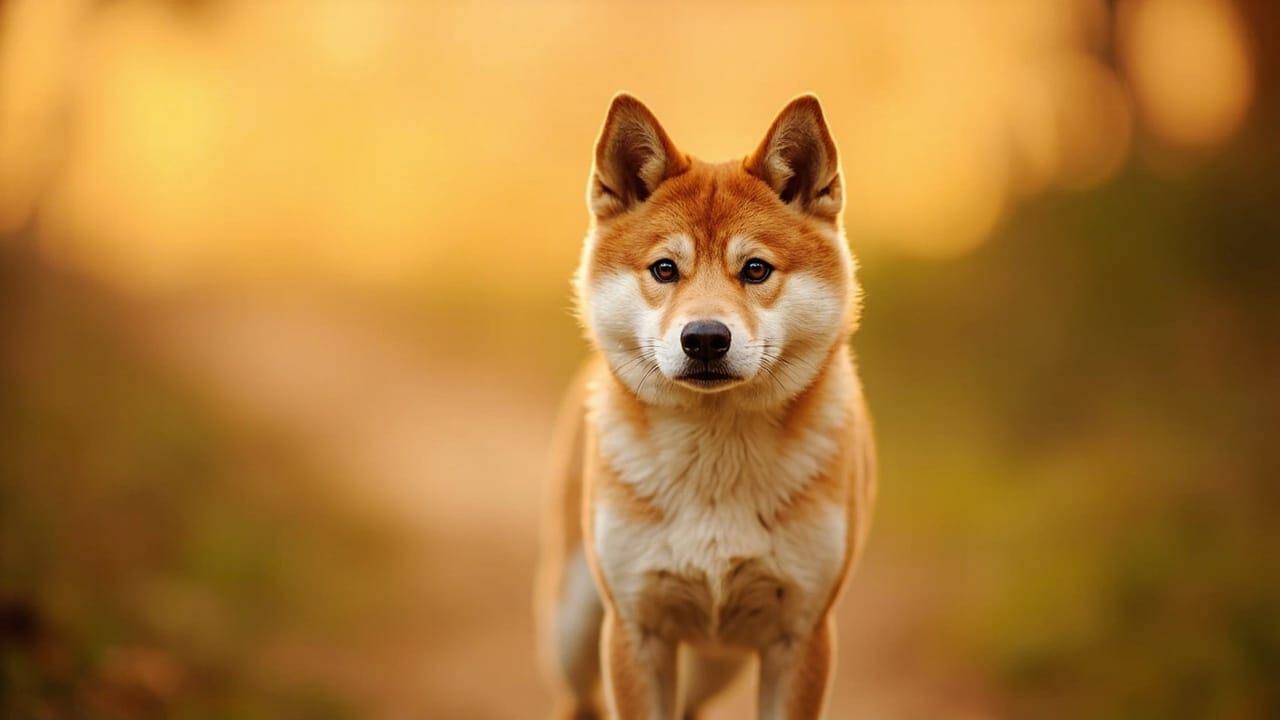
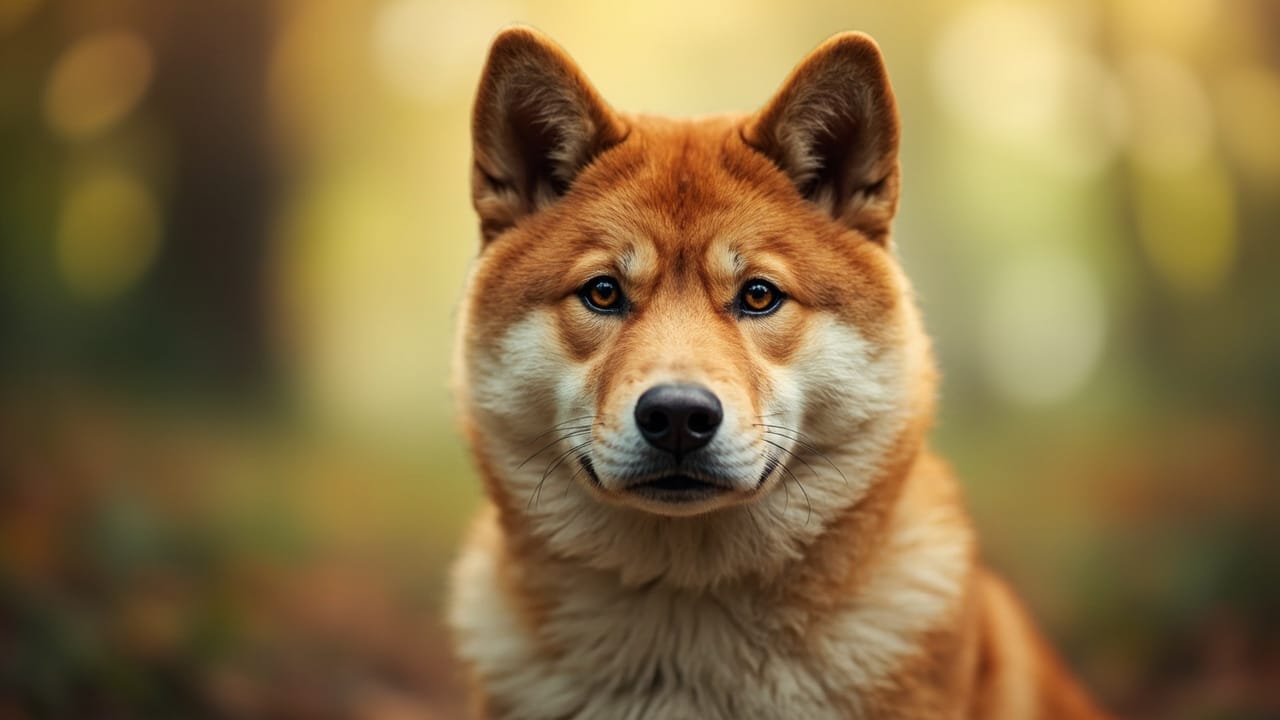
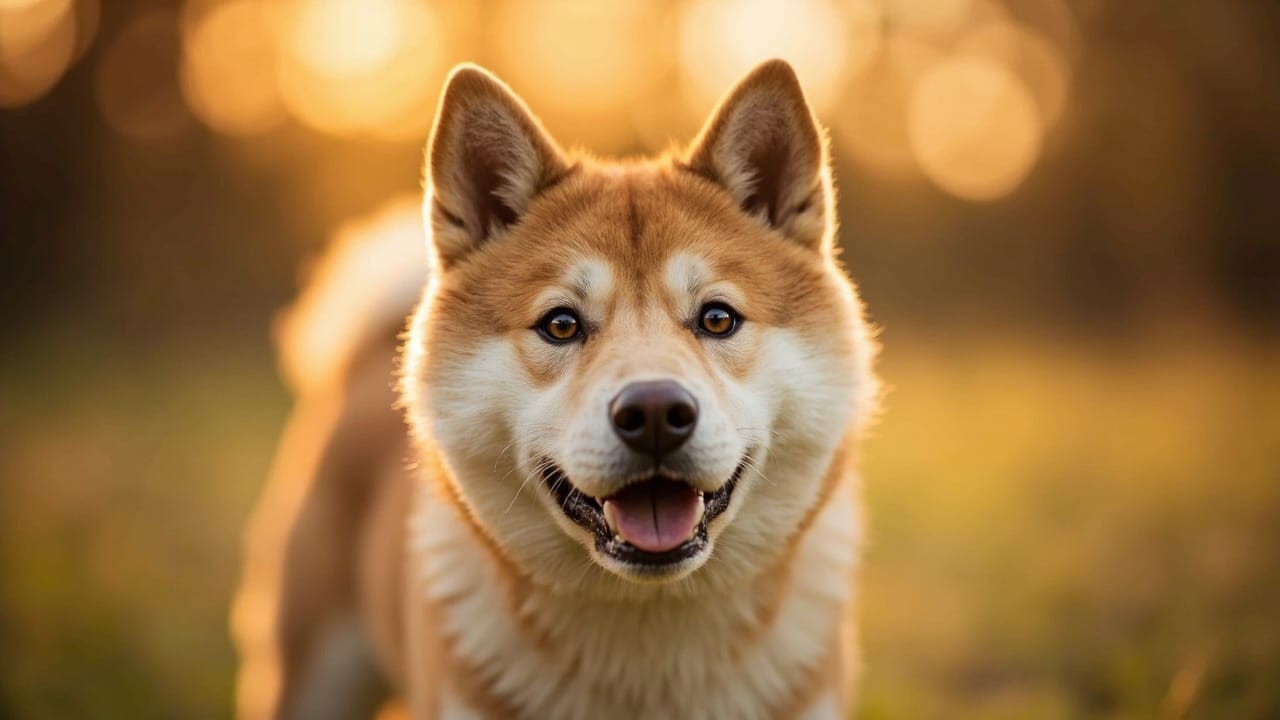
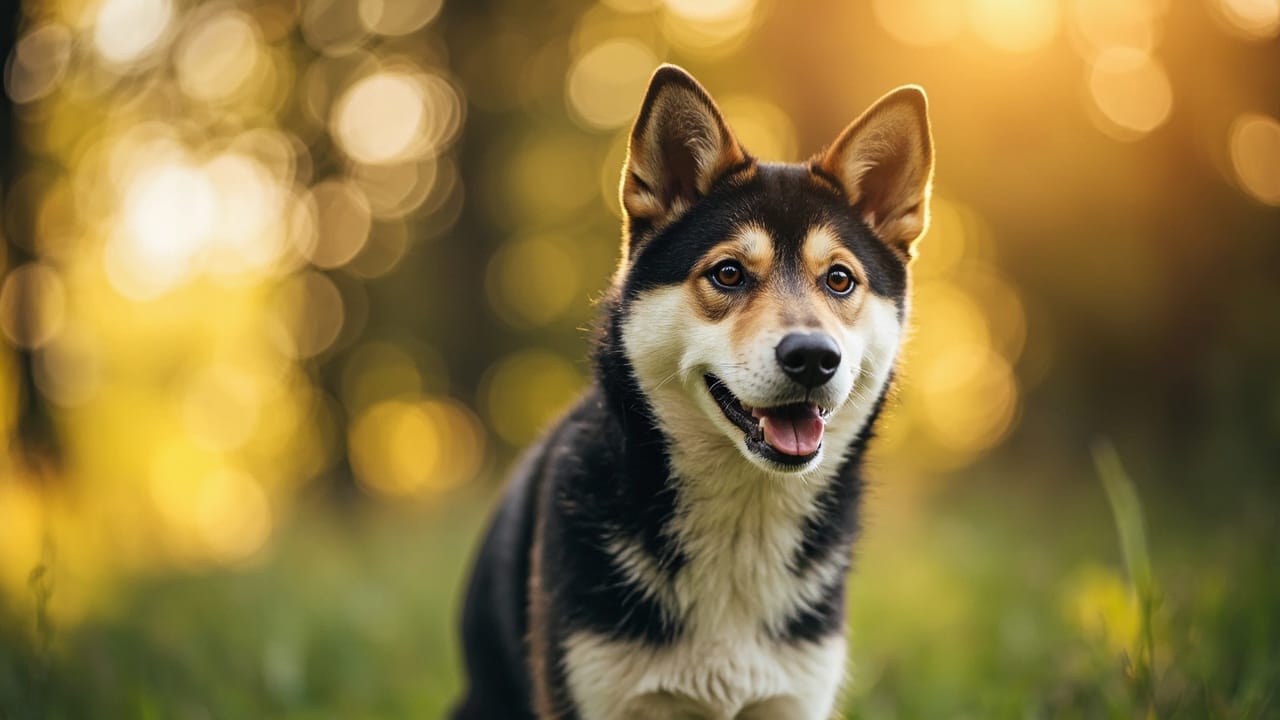
Meilleur aménagement d'appartement pour un Shiba Inu : guide complet de vie en intérieur
Un Shiba Inu s'épanouit en appartement lorsque vous maîtrisez trois éléments : l'exercice quotidien (60–90 minutes), l'enrichissement mental et la gestion du bruit et des risques de fugue. Avec une caisse, un balcon sécurisé, de l'espace vertical et une routine de propreté régulière, un petit logement fonctionne aussi bien qu'une maison.
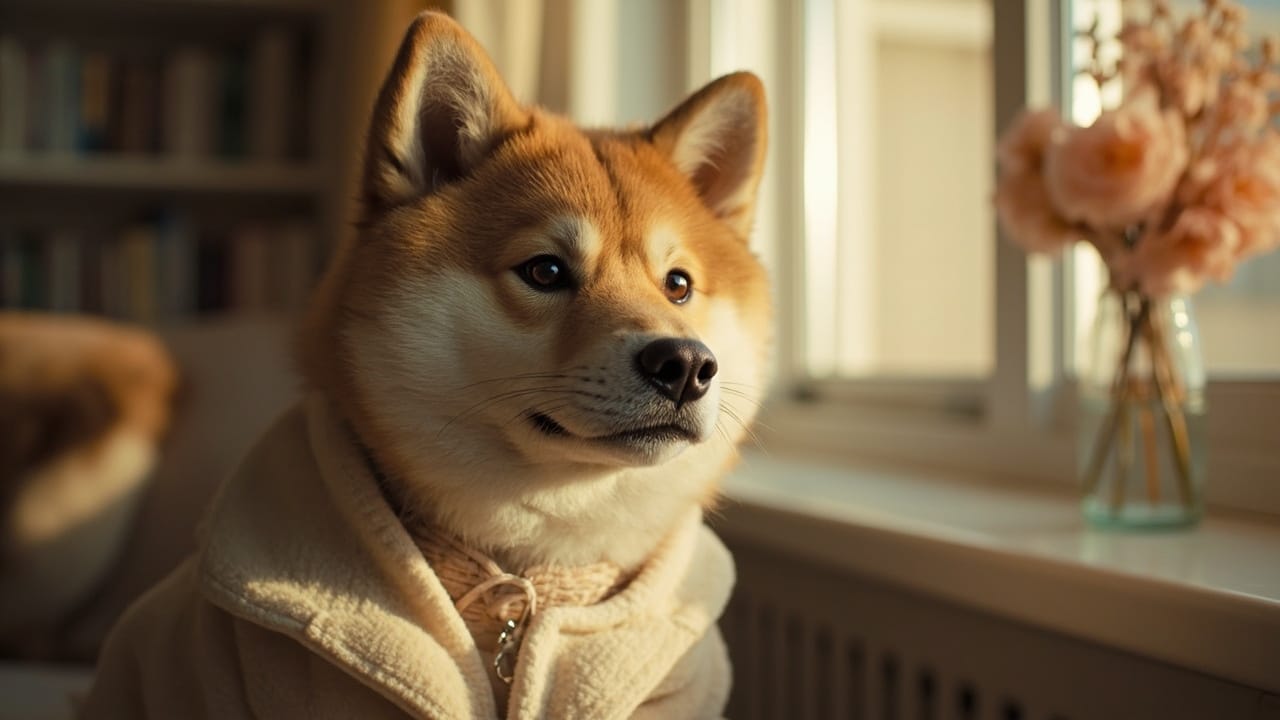
Un Shiba Inu peut vivre heureux en appartement — et s'y épanouit souvent mieux que dans un foyer bruyant avec plusieurs chiens — à condition de respecter trois incontournables : suffisamment d'activité quotidienne, suffisamment de stimulation mentale, et un environnement physiquement sécurisé. Visez 60 à 90 minutes d'exercice réel (marche rapide, randonnée ou temps contrôlé sans laisse) plus 15 à 20 minutes d'enrichissement, et votre Shiba s'installera dans la vie en appartement comme si elle avait été conçue pour lui.
Les Shibas sont propres, félins et silencieux lorsque leurs besoins sont comblés. Ils ne sont cependant pas un « petit chien paresseux ». Négligez l'exercice et vous découvrirez vite deux choses : le Shiba 500 (zoomies frénétiques) à 23 h, et le célèbre Shiba scream (cri du Shiba) lorsque le voisin passe devant votre porte. Avec un aménagement adapté, les deux sont facilement évitables.
Les zones clés : les quatre espaces fonctionnels
Considérez votre appartement comme quatre zones fonctionnelles, chacune ayant un rôle précis.
1. La zone de repos (caisse ou panier)
- Une caisse en métal ou rigide, d'environ 90 cm de long pour la plupart des adultes, sert à la fois de tanière, d'outil d'apprentissage de la propreté et d'espace sûr pendant les feux d'artifice ou les orages.
- Placez-la dans un coin peu passant du salon, et non dans la chambre — les Shibas s'attachent fortement, mais ne doivent pas devenir des ombres sujettes à l'anxiété de séparation.
- Ajoutez un tapis orthopédique lavable. Les Shibas se lovent en boule, donc un panier à bords relevés est de l'argent gaspillé.
2. La zone d'alimentation (tapis de cuisine)
- Gamelles en inox ou en céramique sur un tapis en silicone ; le double pelage dense du Shiba mue constamment et vous passerez votre temps à ramasser des croquettes sinon.
- Surélevez à hauteur du coude uniquement si votre vétérinaire signale une tension articulaire ; la plupart des Shibas se débrouillent très bien au niveau du sol.
- Gardez une gamelle anti-glouton à portée de main — ils engloutissent la nourriture, ce qui augmente le risque de torsion de l'estomac dans cette race à poitrine profonde.
3. La zone de propreté (coin balcon ou tapis absorbants)
- Un bac à herbe réelle sur le balcon (par ex. DoggieLawn, PatchPerfect) ou un toilette intérieur à herbe à entrée par le dessus convient aux citadins sans ascenseur.
- Les tapis absorbants sont un dernier recours — ils perturbent l'apprentissage de la propreté et peuvent déclencher du marquage chez les mâles non stérilisés.
- Gardez des produits de nettoyage à portée de main : un nettoyant enzymatique (Nature's Miracle ou équivalent) pour les accidents inévitables des 4 à 6 premiers mois.
4. La zone d'enrichissement (jouets en rotation)
- Un tapis de fouille, un Kong à garnir, un tapis à lécher et un distributeur de croquettes interactif, à alterner tous les 3–4 jours pour renouveler l'intérêt.
- Une canne à pêche ( flirt pole ) dans le salon brûle 15 minutes d'énergie de prédation en 5 minutes chrono — essentiel les jours de pluie.
Bruit, stress et le cri du Shiba
Les Shibas sont notoirement vocaux sur deux sujets : la contention (coupe des griffes, manipulations vétérinaires) et le fait d'être laissés seuls trop longtemps. En appartement, l'écho amplifie tout.
- Un appareil de bruit blanc ou une TV en sourdine pendant les départs réduit les sons déclencheurs (pas dans le couloir, ascenseurs).
- Apprenez un ordre de calme (« place » sur un tapis) — 5 minutes par jour, trois fois par jour, pendant deux semaines. Le bénéfice dure les 13 à 16 prochaines années.
- Un Thundershirt ou une veste anti-anxiété vaut la peine d'être essayé pour le stress de séparation, les feux d'artifice (le Nouvel An en appartement est brutal) et les orages.
- Pour les grands événements sonores, préparez un Kong congelé et fermez les rideaux avant le début des feux d'artifice.
Sécuriser les issues : les Shibas sont des Houdini
C'est l'aspect le plus sous-estimé de la vie en appartement avec cette race. Ils sautent, grimpent et font glisser les loquets.
- Balcon : garde-corps d'au moins 1,2 m (4 pi) sans barres horizontales qu'un chien pourrait utiliser comme échelle. Ajoutez du plexiglas transparent ou un filet si les espaces sont assez larges pour laisser passer une tête.
- Fenêtres : chaque moustiquaire doit être équipée d'une grille résistante aux animaux. Un Shiba de 10 kg peut faire sauter une moustiquaire standard d'une seule poussée.
- Porte d'entrée : une barrière de bébé entre l'entrée et l'espace de vie principal empêche les fugues par la porte et les escapades dans le hall à 1 h du matin qui finissent en tragédie.
- Toutes les sorties doivent être vérifiées deux fois. Le surnom de la race au Japon est littéralement chien des broussailles — nommé pour sa capacité à se faufiler dans les fourrés. Ils ne s'arrêtent pas aux portes.
Pelage, air et réalité face aux allergies
Les Shibas ne sont pas hypoallergéniques. Ils perdent leur sous-poil deux fois par an (printemps et automne) en grosses poignées, et muent légèrement toute l'année. En appartement, cela se concentre dans l'air et sur toutes les surfaces en tissu.
- Investissez dans un séchoir à air pulsé (comme un K-9 II) et un râteau à sous-poil (de type Furminator ou Mars Coat King). Un brossage quotidien pendant la mue réduit les poils en suspension dans l'air de manière spectaculaire.
- Faites fonctionner un purificateur d'air HEPA dans la chambre et la pièce de vie principale.
- Passez l'aspirateur 2 à 3 fois par semaine avec un appareil conçu pour les poils d'animaux. Un aspirateur robot qui tourne chaque jour est le meilleur achat que la plupart des propriétaires de Shiba en appartement font.
- Des housses lavables sur le canapé sauvent votre santé mentale.
Le kit de démarrage en 10 articles pour l'appartement
- Caisse en métal de 90 cm avec séparateur
- Panier orthopédique plat
- Gamelle anti-glouton
- Tapis de fouille + 2 jouets interactifs
- Tapis à lécher
- Canne à pêche (flirt pole)
- Râteau à sous-poil + brosse à picots
- Purificateur d'air HEPA
- Nettoyant enzymatique
- Moustiquaires résistantes aux animaux + barrière de bébé
Installez tout cela avant d'amener le Shiba chez vous, faites un tour de l'appartement en cherchant les interstices, les obstacles et les câbles à mordiller, et vous aurez un aménagement pour petit espace qui fonctionne réellement pour l'une des races de spitz les plus longévives, les plus propres et les plus adaptées à la vie en appartement sur la planète.
FAQ
Un Shiba Inu peut-il être heureux dans un petit appartement ?
Oui, à condition qu'il bénéficie de 60 à 90 minutes d'exercice quotidien et d'un enrichissement mental. Les Shibas sont propres, silencieux et s'adaptent aux petits espaces lorsque leurs besoins sont comblés ; ils s'épanouissent souvent mieux dans un appartement calme avec un seul chien que dans une maison animée avec plusieurs animaux.
Combien d'exercice un Shiba Inu a-t-il besoin en appartement ?
Au moins 60 à 90 minutes d'activité physique par jour — marches rapides, randonnées ou temps sans laisse — plus 15 à 20 minutes de travail mental comme des distributeurs de croquettes ou des jeux de fouille. Sans cela, attendez-vous à des zoomies en soirée, des aboiements et de la mastication destructrice.
Les Shiba Inus sont-ils bruyants en appartement ?
Ils sont généralement silencieux, mais peuvent produire le célèbre « cri du Shiba » lors de contentions, bains ou moments de stress, et aboyer aux bruits du couloir. L'apprentissage en caisse, le bruit blanc et un exercice adéquat permettent de garder le bruit minimal dans la plupart des appartements.
Les Shiba Inus muent-ils beaucoup en appartement ?
Oui — ils ne sont pas hypoallergéniques et perdent massivement leur sous-poil deux fois par an. Un purificateur HEPA, un brossage quotidien du sous-poil pendant la mue et des passages fréquents de l'aspirateur sont essentiels pour la vie en appartement.