Meilleur shampoing pour un Shiba Inu : guide d'achat complet
Le meilleur shampoing pour un Shiba Inu est une formule douce, au pH équilibré, sans savon, conçue pour les chiens — idéalement à base d'avoine, d'aloe vera ou de tensioactifs à base de noix de coco pour les Shibas à la peau sensible. Évitez les shampoings pour humains, les sulfates agressifs (SLS/SLES) et les parfums forts, car les Shibas sont sujets à la dermatite atopique et à la peau sèche.
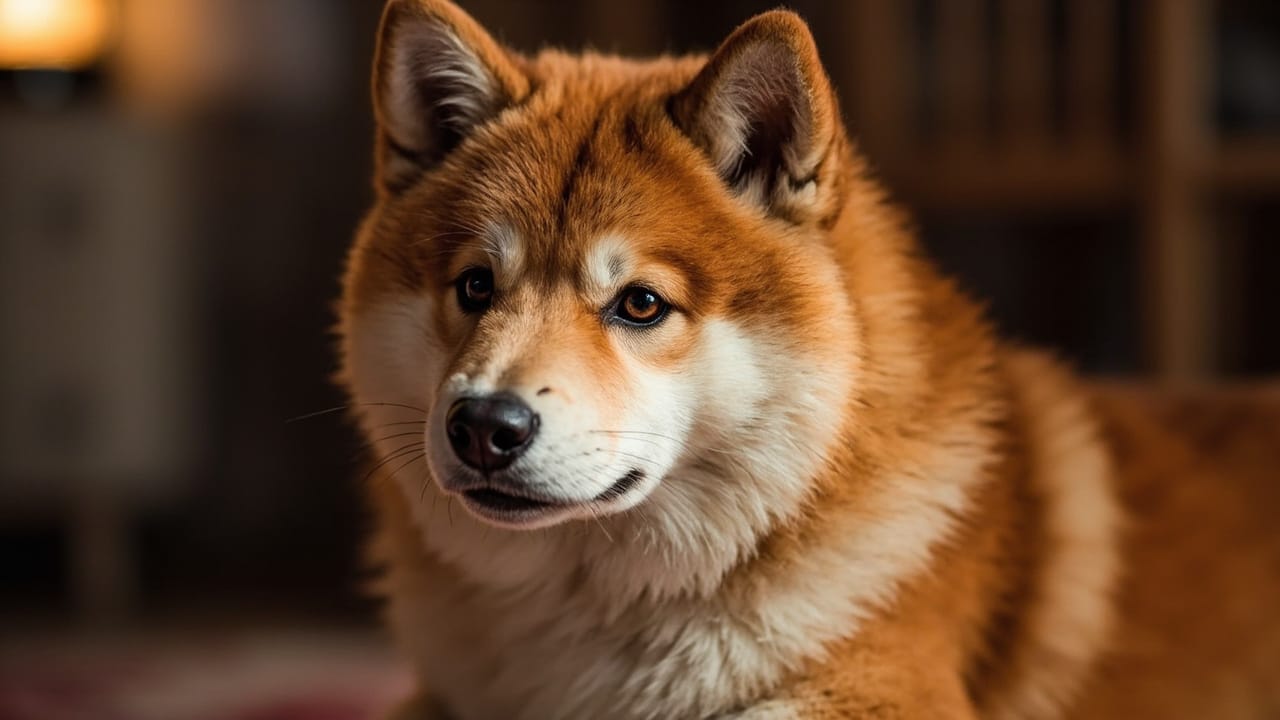
Si vous voulez la réponse courte : choisissez un shampoing pour chien doux, au pH équilibré, sans savon, avec de l'avoine, de l'aloe vera ou des nettoyants à base de noix de coco, et évitez tout produit contenant des sulfates agressifs, des parfums artificiels ou de l'huile d'arbre à thé. Les Shiba Inus ont un double pelage rêche, une peau sensible et une prédisposition génétique à la dermatite atopique ; un mauvais shampoing se manifeste donc rapidement par des démangeaisons, des rougeurs ou un pelage terne et cassant.
Pourquoi les Shiba Inus ont besoin d'un type de shampoing spécifique
Les Shibas ne sont pas une race « un shampoing suffit ». Trois réalités biologiques rendent leurs besoins en soin de la peau uniques :
- Structure du double pelage : un shampoing agressif et décapant abîme les poils de garde extérieurs imperméables et dessèche le sous-poil doux. Les Shibas muent abondamment deux fois par an, et un bon shampoing aide à détacher le sous-poil mort pendant ces périodes de mue intense.
- Peau sensible : la dermatite atopique (allergies environnementales) est l'un des problèmes de santé les plus signalés chez la race. Les parfums, les colorants et les sulfates sont des déclencheurs fréquents.
- Habitude d'auto-toilettage : les Shibas sont célèbres pour être aussi propres qu'un chat et lèchent les résidus de produit sur leur pelage. Tout ce que vous utilisez doit être non toxique et se rincer facilement.
Ingrédients clés à rechercher
- Avoine (avoine colloïdale) : apaise les peaux qui démangent et enflammées, et constitue la référence pour les races sensibles.
- Aloe vera : hydrate et calme les irritations.
- Tensioactifs à base de noix de coco (bétaïne de cocamidopropyle, décyl glucoside) : nettoient sans éliminer les huiles naturelles. À privilégier par rapport au SLS/SLES.
- Acides gras oméga-3 et oméga-6 : aident à restaurer la fonction barrière de la peau.
- Extrait de camomille ou de thé vert : anti-inflammatoires naturels.
- Probiotiques ou complexes de céramides : formulations récentes qui soutiennent le microbiome cutané.
Ingrédients à éviter
- Laurylsulfate de sodium (SLS) / SLES : décape le pelage et dessèche la peau.
- Parfums et colorants artificiels : principaux déclencheurs de réactions allergiques.
- Huile d'arbre à thé (melaleuca) : toxique pour les chiens sous forme concentrée ; même de petites quantités peuvent provoquer une neurotoxicité.
- Parabènes et phtalates : conservateurs inutiles connus pour provoquer des problèmes de sensibilité cutanée.
- Shampoings « humains » 2-en-1 ou liquide vaisselle : mauvais pH (la peau humaine est à ~5,5, celle du chien à ~7,0–7,5) et bien trop agressifs.
Meilleurs types de shampoings selon la situation
- Usage quotidien / général : shampoing hypoallergénique à l'avoine (par ex. Earthbath Oatmeal & Aloe).
- Période de mue (« coat blow ») : un shampoing anti-chute avec oméga-3 (par ex. FURminator deShedding) suivi d'un après-shampoing pour détacher le sous-poil.
- Shiba qui se gratte et allergique : shampoing de qualité vétérinaire à la chlorhexidine + miconazole si une levure est suspectée, ou un shampoing à base d'hydrocortisone pour les poussées (à utiliser sous contrôle vétérinaire).
- Chiots de moins de 12 semaines : formule pour chiot sans larmes et sans parfum uniquement.
- Pelage qui sent mauvais mais en bonne santé : un shampoing désodorisant au bicarbonate de soude ou aux agrumes naturels — mais pas plus d'une fois par mois pour éviter le dessèchement.
À quelle fréquence faut-il baigner un Shiba ?
Moins que vous ne le pensez. Les Shibas sont naturellement propres et résistants aux odeurs. Trop les baigner élimine l'imperméabilisation naturelle du pelage et peut en réalité déclencher plus de pellicules et de démangeaisons.
- Shiba adulte en bonne santé : toutes les 6 à 8 semaines, ou lorsqu'il est visiblement sale ou malodorant.
- Pendant la mue : toutes les 3 à 4 semaines pour faciliter la perte de poils, associées à un brossage quotidien.
- Shiba allergique ou ayant un problème de peau : suivez le protocole de votre vétérinaire ; les shampoings médicamenteux ont souvent des instructions précises de temps de contact (généralement 5 à 10 minutes avant rinçage).
Conseils pratiques de bain pour les propriétaires de Shiba
- Brossez soigneusement avant le bain. Les nœuds retiennent l'eau et piègent les résidus de shampoing.
- Utilisez de l'eau tiède. Les Shibas sont notoirement dramatiques au moment du bain ; le fameux « cri du Shiba » est bien réel — de l'eau chaude et un environnement calme aident.
- Diluez le shampoing dans un rapport 1:10 avec de l'eau dans une bouteille souple pour une application uniforme.
- Rincez deux fois. Les sous-poils de Shiba sont denses et retiennent les résidus ; les restes de shampoing sont la cause n°1 des démangeaisons après le bain.
- Séchez avec une serviette, puis au sèche-cheveux à air frais/doux tout en brossant le pelage pour éviter que la fameuse odeur de chien mouillé ne s'incruste dans le sous-poil.
- Évitez l'après-shampoing sur les poils de garde sauf si le pelage est particulièrement sec ; concentrez tout après-shampoing sur le sous-poil et la peau.
Prix, rapport qualité-prix et quand passer à la gamme supérieure
- Petit budget (8–15 $) : Earthbath, Burt's Bees, Bogey Relief — tous fiables pour les bains d'entretien.
- Milieu de gamme (15–30 $) : FURminator, Isle of Dogs, Pro Pet Works — meilleurs ingrédients, formulations plus spécifiques au pelage.
- Premium / qualité vétérinaire (25–50 $) : Douxo Chlorhexidine, Vet's Best, ou shampoings sur ordonnance de votre vétérinaire pour les problèmes de peau diagnostiqués.
Si votre Shiba a des points chauds récurrents, des démangeaisons chroniques ou des otites à répétition, ne vous contentez pas du rayon animalerie et prenez rendez-vous chez le vétérinaire. Les problèmes de peau chez cette race sont souvent liés à des allergies sous-jacentes qu'un shampoing seul ne peut pas régler — mais le bon shampoing, associé à un plan de traitement adapté, fait une réelle différence.
FAQ
Puis-je utiliser un shampoing pour humains sur mon Shiba Inu ?
Non. Le shampoing humain a un pH d'environ 5,5, alors que les chiens ont besoin de 7,0–7,5. Les produits pour humains sont trop acides et vont dessécher la peau d'un Shiba et endommager son double pelage. Utilisez toujours une formule pour chien, au pH équilibré.
À quelle fréquence dois-je baigner un Shiba Inu ?
Toutes les 6 à 8 semaines pour un adulte en bonne santé suffisent largement — les Shibas sont naturellement propres et résistants aux odeurs. Pendant la mue biannuelle, toutes les 3 à 4 semaines associées à un brossage quotidien aident à éliminer le sous-poil. Trop baigner fait plus de mal que de bien.
Le shampoing à l'avoine est-il bon pour les Shiba Inus ?
Oui. L'avoine colloïdale est l'un des meilleurs ingrédients pour les Shibas, car la race est prédisposée à la dermatite atopique et a la peau sensible. L'avoine apaise les démangeaisons, hydrate et est sans danger même pour les chiots.
Quel shampoing est sans danger pour les chiots Shiba Inu ?
Utilisez uniquement un shampoing pour chiot sans larmes et sans parfum — par exemple Earthbath Puppy, Burt's Bees Puppy, ou toute formule douce à l'avoine étiquetée comme sûre pour les chiots de moins de 12 semaines. Évitez les shampoings médicamenteux pour adultes ou les shampoings désodorisants puissants.
Continuer la lecture
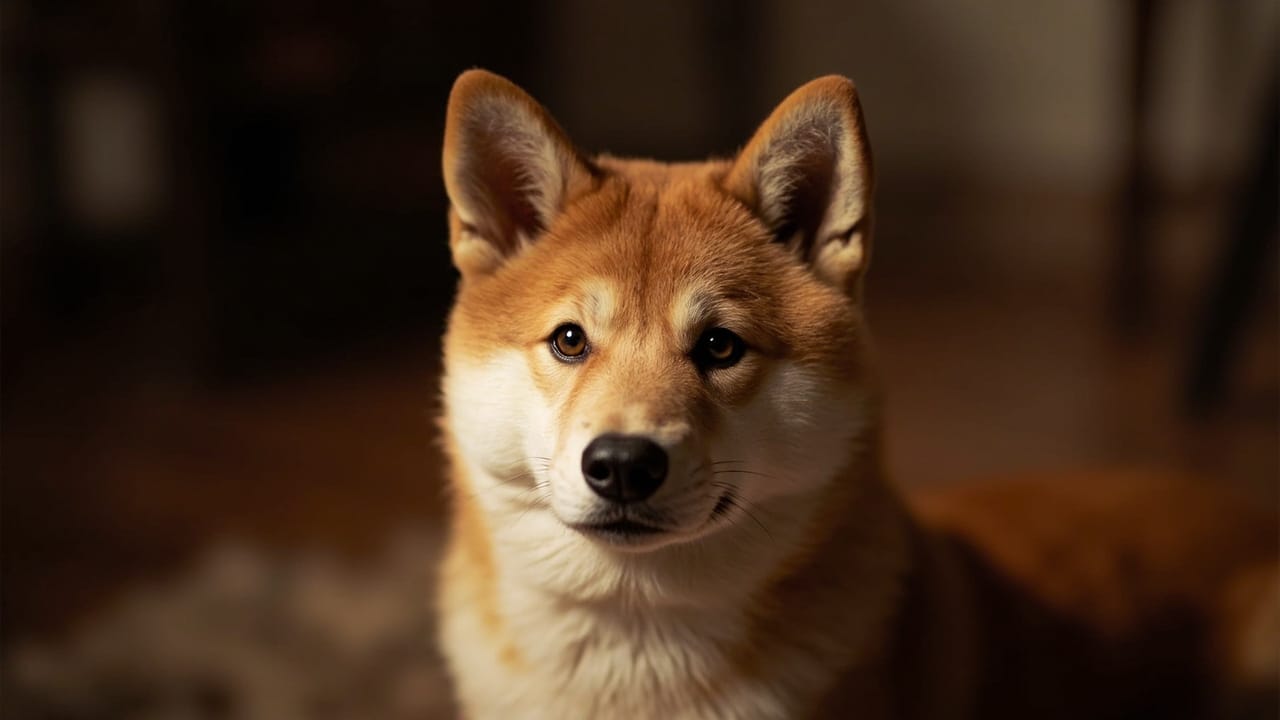 Shiba Inu rouge terne : ce que cela signifie et comment entretenir le pelage
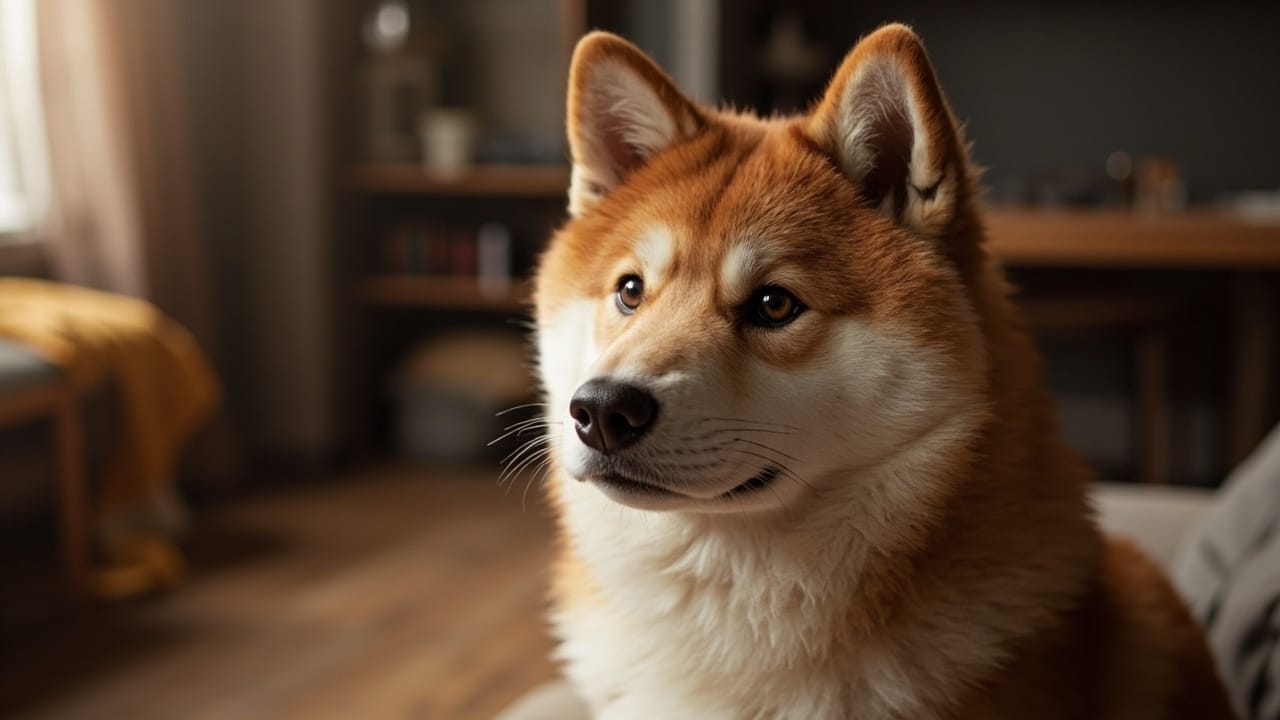 Les Shiba Inus ont-ils un sous-poil ? Oui — voici ce que cela signifie
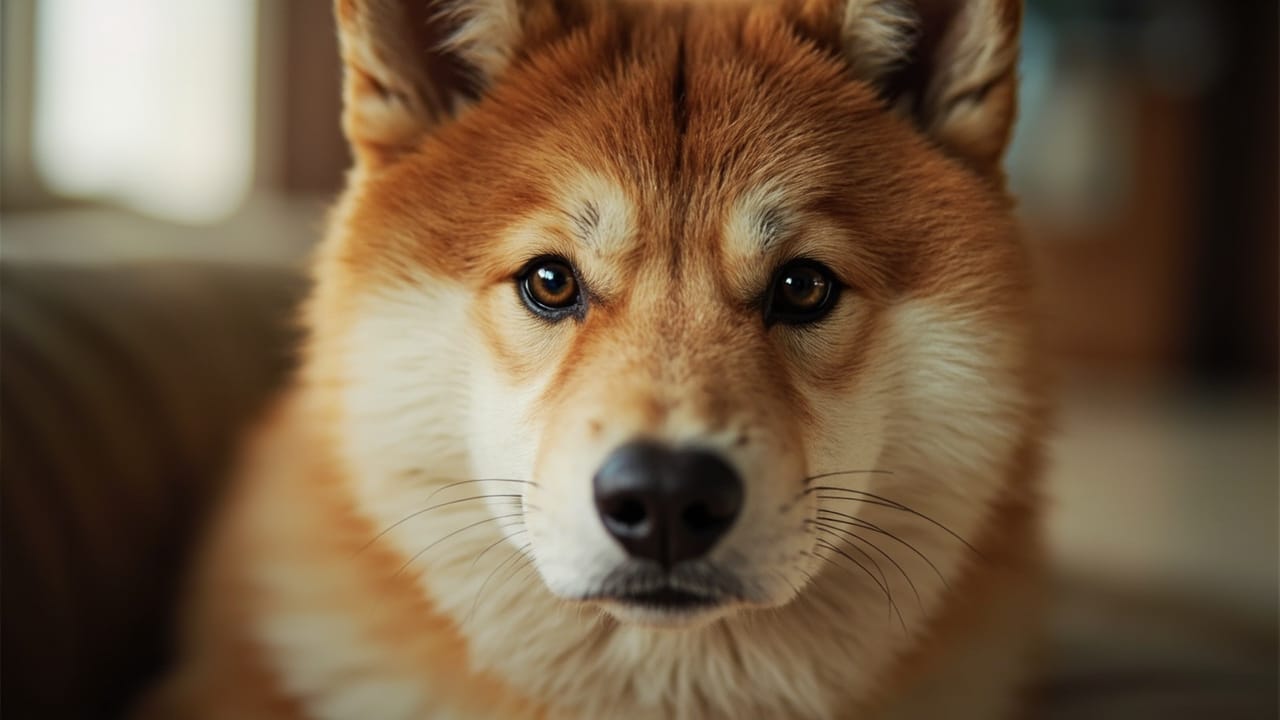 À quoi ressemble le pelage d'un Shiba Inu en bonne santé ? Guide des textures
 Les couleurs du pelage du Shiba Inu changent-elles avec l'âge ? Guide complet