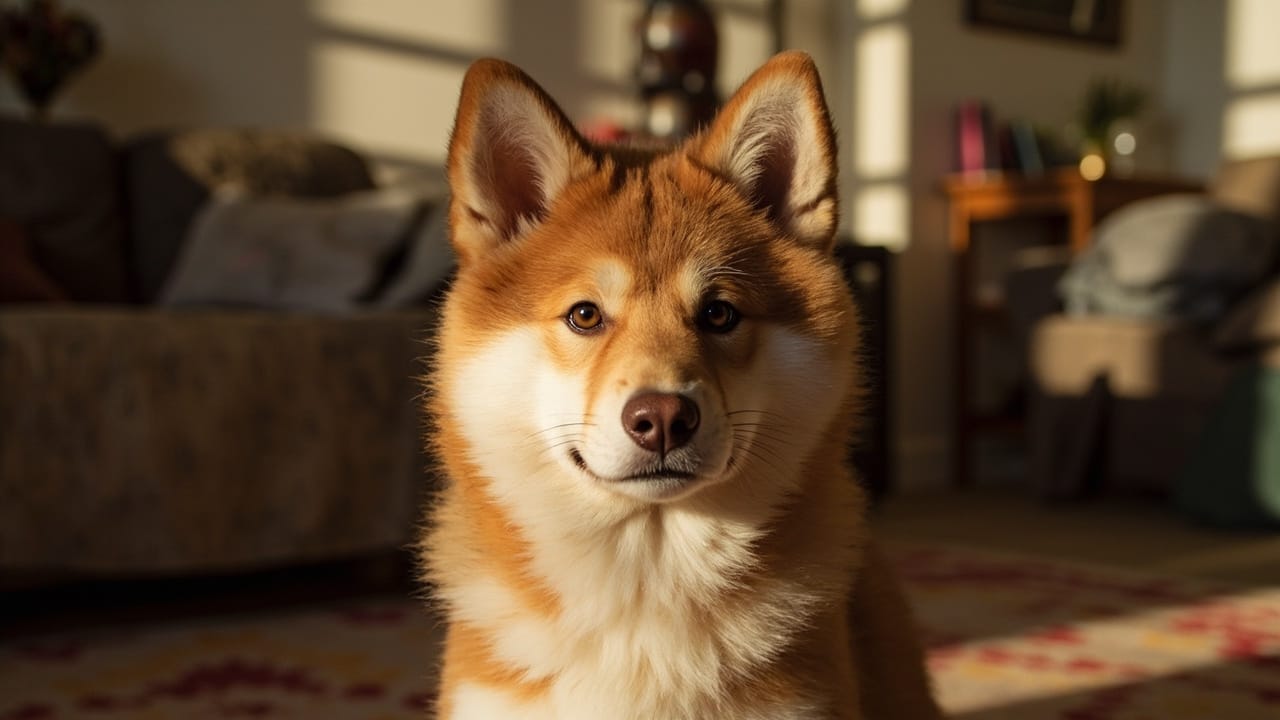
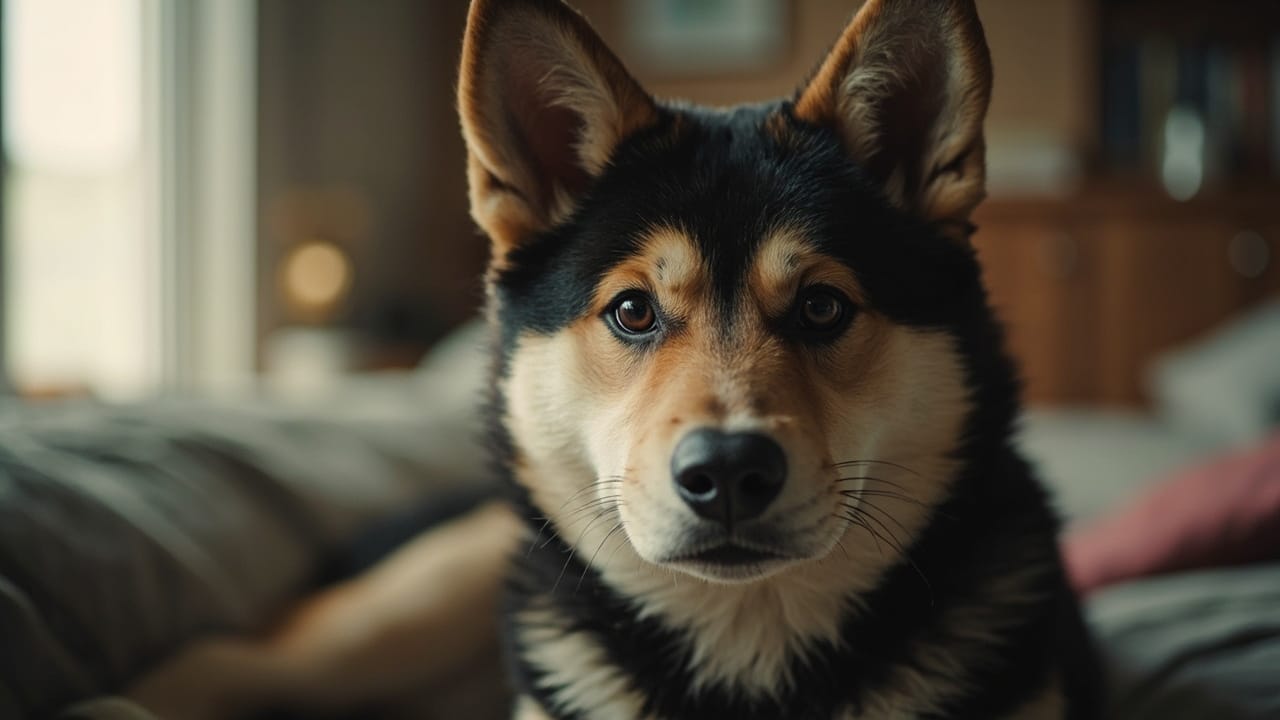
क्या शीबा इनु बिल्लियों और अन्य कुत्तों के साथ मिलकर रह सकते हैं? पूरी गाइड
शीबा इनु बिल्लियों और अन्य कुत्तों के साथ मिलकर रह सकते हैं, लेकिन सफलता काफी हद तक शुरुआती समाजीकरण, व्यक्तिगत स्वभाव और विशेष परिस्थितियों पर निर्भर करती है। कई शीबा ऐसी बिल्लियों के साथ शांति से रहते हैं जिनके साथ वे पले-बढ़े हैं, जबकि समान-लिंग कुत्ते की जोड़ी और छोटे पालतू जानवर उनकी तेज़ शिकार वृत्ति को भड़का सकते हैं। किसी भी बहु-पालतू घर के लिए सावधानीपूर्ण, धीरे-धीरे परिचय ज़रूरी है।

क्या शीबा इनु बिल्लियों के साथ रह सकते हैं?
ईमानदार जवाब यह है: कभी-कभी हाँ, अक्सर कुछ शर्तों के साथ। शीबा इनु एक आदिम नस्ल है जिसकी शिकार वृत्ति बहुत तेज़ होती है, जो जापान के पहाड़ी इलाकों में सदियों से छोटे शिकार करने के कारण विकसित हुई है। वह स्वाभाविक प्रवृत्ति घरेलू माहौल में गायब नहीं होती, और एक तेज़ चलने वाली बिल्ली उस शीबा के लिए बिल्कुल शिकार जैसी दिख सकती है जिसने इसे अलग तरीके से नहीं सीखा है।
सबसे अच्छी स्थिति वह है जब शीबा को बिल्ली के साथ बचपन से पाला गया हो। ऐसे घरों में बिल्लियों को आमतौर पर परिवार का सदस्य माना जाता है न कि शिकार, और कई मालिक बताते हैं कि उनके शीबा और बिल्ली एक-दूसरे को चाटते हैं, साथ सोते हैं, और दोस्ताना तरीके से एक-दूसरे का पीछा भी करते हैं। सबसे खराब स्थिति यह है कि जब एक वयस्क, कम समाजीकृत शीबा को अचानक से बिल्ली के सामने लाया जाए, जो बिल्ली के लिए गंभीर चोट या मृत्यु का कारण बन सकता है।
इन दो सिरों के बीच एक बड़ा ग्रे क्षेत्र है जो इन चीज़ों से तय होता है:
- शुरुआती समाजीकरण (8–16 सप्ताह सबसे महत्वपूर्ण समय है)
- बिल्ली का स्वभाव (आत्मविश्वासी बिल्लियाँ डरपोक बिल्लियों की तुलना में बेहतर करती हैं)
- शीबा की शिकार वृत्ति की तीव्रता (हर व्यक्ति में अलग होती है)
- क्या बिल्ली भागती है (भागना पीछा करने की प्रवृत्ति को भड़काता है)
- प्रबंधन और निगरानी, खासकर शुरुआती कुछ महीनों में
जब तक आपके पास महीनों का सबूत न हो कि रिश्ता वाकई सुरक्षित है, तब तक शीबा को बिल्ली के साथ अकेला न छोड़ें।
शीबा का अन्य कुत्तों के साथ कैसा व्यवहार होता है
शीबा इनु को अक्सर "बिल्ली जैसे" कुत्ते कहा जाता है, और यह विवरण उनके कुत्तों के साथ सामाजिक कौशल पर भी लागू होता है। वे बदक़िस्मती से स्वतंत्र, अक्सर कुत्तों को चुन-चुनकर पसंद करने वाले, और डॉग पार्क में हर किसी से अंधाधुंध दोस्ती करने में ज़्यादा दिलचस्पी नहीं रखते।
समान-लिंग आक्रामकता एक वास्तविक चिंता है। कई शीबा, खासकर न कटे हुए नर, घर में किसी अन्य समान-लिंग कुत्ते को बर्दाश्त नहीं करेंगे, और कटे हुए वयस्क भी आपस में भिड़ सकते हैं। विपरीत-लिंग जोड़ियाँ आमतौर पर कहीं ज़्यादा भरोसेमंद तरीके से काम करती हैं।
छोटे कुत्ते समस्या बन सकते हैं। एक खिलौना या छोटी नस्ल का कुत्ता जो चीखता है, इधर-उधर भागता है, और शिकार जैसा व्यवहार करता है, वह शीबा की शिकार वृत्ति का स्विच चालू कर सकता है, भले ही वह छोटा कुत्ता तकनीकी रूप से एक साथी कुत्ता हो। कई शीबा मालिक बताते हैं कि मध्यम से बड़े, आत्मविश्वासी, शांत कुत्ते सबसे अच्छे साथी बनते हैं।
बहु-शीबा वाले घर आम हैं क्योंकि यह नस्ल सही परिचय के बाद अपनी ही नस्ल के साथ अच्छे से रहती है। विपरीत लिंग के दो शीबा, जिन्हें कम उम्र में पेश किया गया हो, अक्सर साथ मिलकर अच्छे पनपते हैं।
शीबा का मौजूदा पालतू जानवरों से परिचय
अगर आपके पास पहले से बिल्ली या कुत्ता है और आप शीबा जोड़ना चाहते हैं (या इसके विपरीत), तो परिचय की प्रक्रिया ही सब कुछ है।
- गंध की अदला-बदली से शुरुआत करें — किसी भी सामने की मुलाकात से पहले कई दिनों तक जानवरों के बीच कंबल या खिलौने बदलते रहें।
- पहले शारीरिक बाधा का उपयोग करें — बेबी गेट या पिंजरा दृश्य संपर्क की अनुमति देता है बिना सीधे संपर्क के जोखिम के।
- शुरुआती मुलाकातों में शीबा को पट्टे पर रखें, घर में भी, ताकि आप तुरंत बीच में आ सकें।
- शारीरिक भाषा पर ध्यान से नज़र रखें — कड़ा शरीर, कठोर घूरना, जम जाना, या "व्हेल आई" (आँख का सफ़ेद हिस्सा दिखना) — ये सब पीछे हटने की चेतावनी हैं।
- शांत व्यवहार को खूब पुरस्कृत करें और सत्र को तब समाप्त करें जब कोई भी तनाव में आने लगे।
- हफ़्तों से लेकर महीनों तक की उम्मीद रखें इससे पहले कि आप जानवरों को अकेला एक साथ छोड़ सकें।
बिल्लियों के साथ, कुछ मालिक शुरुआती सत्रों में बिल्ली को पट्टा और हार्नेस पहनाना उपयोगी पाते हैं ताकि बिल्ली भाग न सके और पीछा करने का व्यवहार न भड़के।
शांतिपूर्ण बहु-पालतू घर के लिए सुझाव
बहु-पालतू घर में शीबा के साथ दीर्घकालिक सफलता आमतौर पर एक बार की ट्रेनिंग के बजाय निरंतर प्रबंधन पर निर्भर करती है।
- बिल्लियों के लिए ऊर्ध्वाधर पलायन मार्ग उपलब्ध कराएँ (कैट ट्री, शेल्फ़) ताकि वे कभी फँसी हुई महसूस न करें।
- संसाधनों की रक्षा की आदत (रिसोर्स गार्डिंग) रोकने के लिए पालतू जानवरों को अलग-अलग खिलाएँ, जो शीबा में विकसित हो सकती है।
- बातचीत को कभी ज़बरदस्ती न करें; जानवरों को अपनी गति से रिश्ता विकसित करने दें।
- निरंतर ट्रेनिंग बनाए रखें ताकि आपात स्थिति में "छोड़ दो" या "जगह पर जाओ" जैसा मज़बूत कमांड उपलब्ध हो।
- वयस्क शीबा का सावधानी से, शांत और ज्ञात कुत्तों के साथ समाजीकरण जारी रखें, बजाय अव्यवस्थित डॉग पार्क के माहौल के।
अच्छी तरह प्रबंधित शीबा बिल्लियों और अन्य कुत्तों के साथ निश्चित रूप से एक घर साझा कर सकता है, लेकिन यह नस्ल स्वाभाविक रूप से सामाजिक तितली नहीं है। शीबा के स्वतंत्र, आदिम स्वभाव का सम्मान करें और परिणाम शांतिपूर्ण समूह होने की संभावना कहीं अधिक होगी, न कि लगातार संघर्ष।
जब शीबा उपयुक्त न हो
कुछ घरेलू सेटअप सचमुच इस नस्ल के लिए उपयुक्त नहीं होते। अगर आपके घर में छोटे शिकार जानवर (खरगोश, हम्स्टर, पक्षी, सरीसृप) भरे हुए हैं, तो शीबा की शिकार वृत्ति लगातार तनाव और खतरे का स्रोत बनेगी। अगर आपके पास एक ही लिंग के कई कुत्ते हैं जो पहले से संसाधनों की रक्षा करने या प्रतिक्रियाशीलता दिखाते हैं, तो शीबा जोड़ने से चीज़ें बेहतर होने की बजाय और खराब होने की संभावना है। और अगर आप परिचय को सावधानी से संभालने, महीनों तक बातचीत की निगरानी करने, और निरंतर ट्रेनिंग के लिए तैयार नहीं हैं, तो नस्ल का स्वतंत्र स्वभाव जल्दी ही आपकी अच्छी नीयत से आगे निकल जाएगा।
शीबा इनु एक शानदार नस्ल है, लेकिन यह प्लग-एंड-प्ले पारिवारिक पालतू जानवर नहीं है। यथार्थवादी अपेक्षाओं, शुरुआती समाजीकरण और प्रतिबद्ध प्रबंधन के साथ, हालाँकि, अधिकांश शीबा अपनी 13–16 साल की आयु तक बिल्लियों और अच्छी तरह चुने गए कुत्ते साथियों के साथ खुशी से रह सकते हैं।
FAQ
क्या शीबा इनु उन बिल्लियों के साथ अच्छे होते हैं जिनके साथ वे पले-बढ़े हैं?
अक्सर हाँ। बचपन से बिल्लियों के साथ पले-बढ़े शीबा आमतौर पर उनके साथ परिवार के सदस्यों की तरह जुड़ जाते हैं और शांति से साथ रह सकते हैं, कभी-कभी एक-दूसरे को चाटते और साथ खेलते हैं। हालाँकि, यह रिश्ता स्वचालित नहीं होता, और शुरुआती कई महीनों के लिए निगरानी रखना समझदारी है।
क्या दो शीबा इनु एक साथ रह सकते हैं?
हाँ, और बहु-शीबा वाले घर आम हैं। विपरीत-लिंग जोड़ियाँ सबसे अच्छी तरह काम करती हैं, और कई मालिक बताते हैं कि अनुकूल स्वभाव वाले दो शीबा एक साथ बहुत अच्छे रहते हैं, आंशिक रूप से इसलिए कि यह नस्ल अपनी ही नस्ल की शारीरिक भाषा को समझती है।
क्या शीबा इनु अन्य कुत्तों की नस्लों के साथ मिलकर रहते हैं?
यह व्यक्तिगत शीबा और दूसरे कुत्ते पर निर्भर करता है। शीबा आमतौर पर आत्मविश्वासी, शांत, मध्यम से बड़े कुत्तों के साथ बेहतर करते हैं और अक्सर समान-लिंग कुत्तों या छोटी, भौंकने वाली नस्लों के साथ संघर्ष करते हैं जो शिकार वृत्ति को भड़काती हैं। कई शीबा कुत्तों के प्रति मित्रवत नहीं बल्कि चयनात्मक होते हैं और उग्र या धक्का-मुक्की वाले खेल शैली को नापसंद करते हैं।