शीबा इनु का इतिहास: प्राचीन जापान से विलुप्ति के कगार और पुनरुद्धार तक
शीबा इनु जापान की सबसे पुरानी कुत्ते की नस्लों में से एक है, जिसे 2,000 साल से भी पहले पहाड़ी इलाकों में छोटे शिकार के लिए पाला गया था। द्वितीय विश्व युद्ध के दौरान लगभग विलुप्त हो जाने के बाद, तीन बची हुई रक्त-रेखाओं के सावधानीपूर्ण विलय से इस नस्ल को बचाया गया और अब यह दुनिया भर में एक प्यारी साथी नस्ल है।

शीबा इनु की प्राचीन उत्पत्ति
शीबा इनु का इतिहास दो सहस्राब्दियों से भी अधिक पुराना है। पुरातात्विक साक्ष्य और प्राचीन मिट्टी के बर्तन बताते हैं कि आज के शीबा के पूर्वज ईसा पूर्व 300 तक जापान के पहाड़ों में घूमते थे, जिससे यह नस्ल पृथ्वी पर सबसे पुरानी नस्लों में से एक बन गई। इसके नाम में ही इसके अतीत का संकेत छिपा है: माना जाता है कि "शीबा" का अर्थ either "झाड़ीदार पौधा" (उस भूमि की ओर संकेत जहाँ ये कुत्ते शिकार करते थे) या बस "छोटा" हो सकता है, जबकि "इनु" का जापानी में सीधा अर्थ "कुत्ता" है। इसी कारण शीबा को अक्सर "brushwood dog" के उपनाम से जाना जाता है।
प्रारंभिक शीबा, जापान के ग्रामीण और पहाड़ी समुदायों के शिकार साथी थे, जिनका उपयोग घने झाड़-झंखाड़ से पक्षियों, खरगोशों और छोटे शिकार को बाहर निकालने के लिए किया जाता था। उनका कॉम्पैक्ट आकार (नर 35–43 सेमी, मादा 33–41 सेमी), बिल्ली जैसी फुर्ती, तेज़ इंद्रियाँ और आश्चर्यजनक रूप से ऊँची भौंकने की आवाज़ उन्हें इस भूमिका के लिए विशेष रूप से उपयुक्त बनाती थीं। अंततः तीन अलग-अलग क्षेत्रीय रक्त-रेखाएँ विकसित हुईं, जो अपनी स्थानीय भूमि और शिकार के अनुसार ढली हुई थीं:
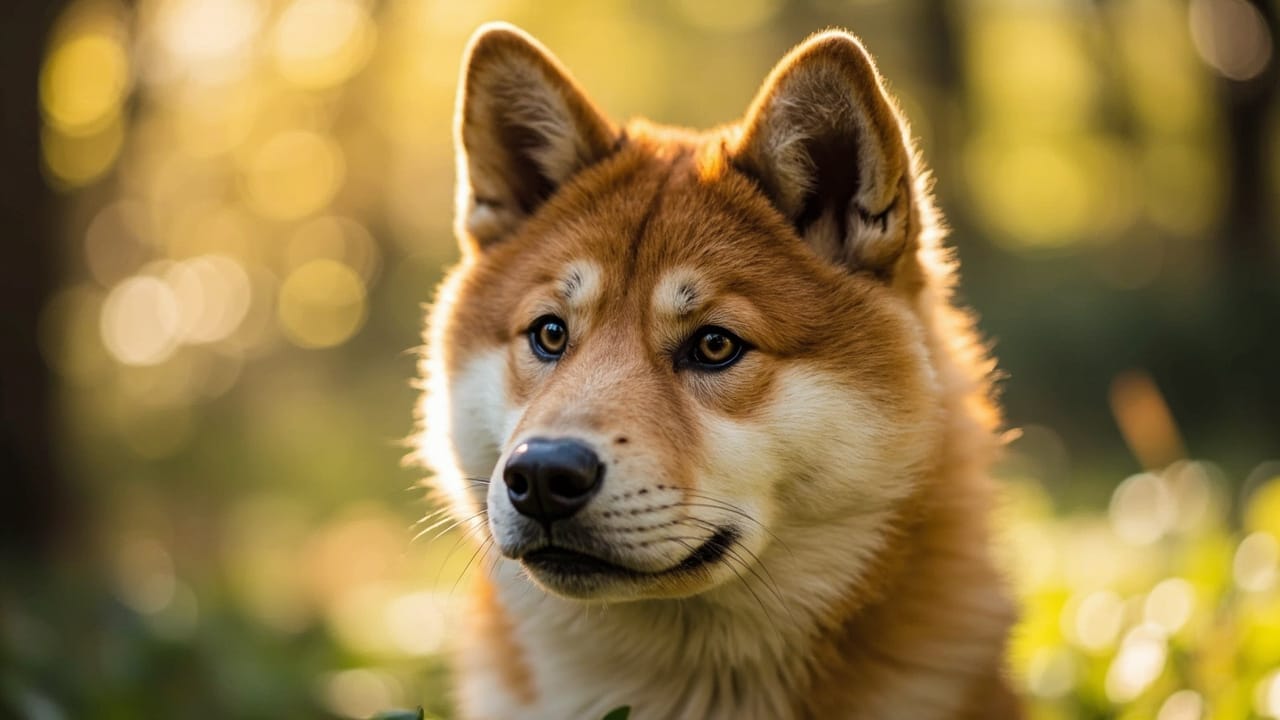
- शिनशू शीबा नागानो प्रान्त से, अपने लाल रंग के कोट और मजबूत शरीर के लिए प्रसिद्ध
- मीनो शीबा गिफू प्रान्त से, अपनी सुंदर, हंसिया-आकार की पूँछ के लिए जानी जाती है
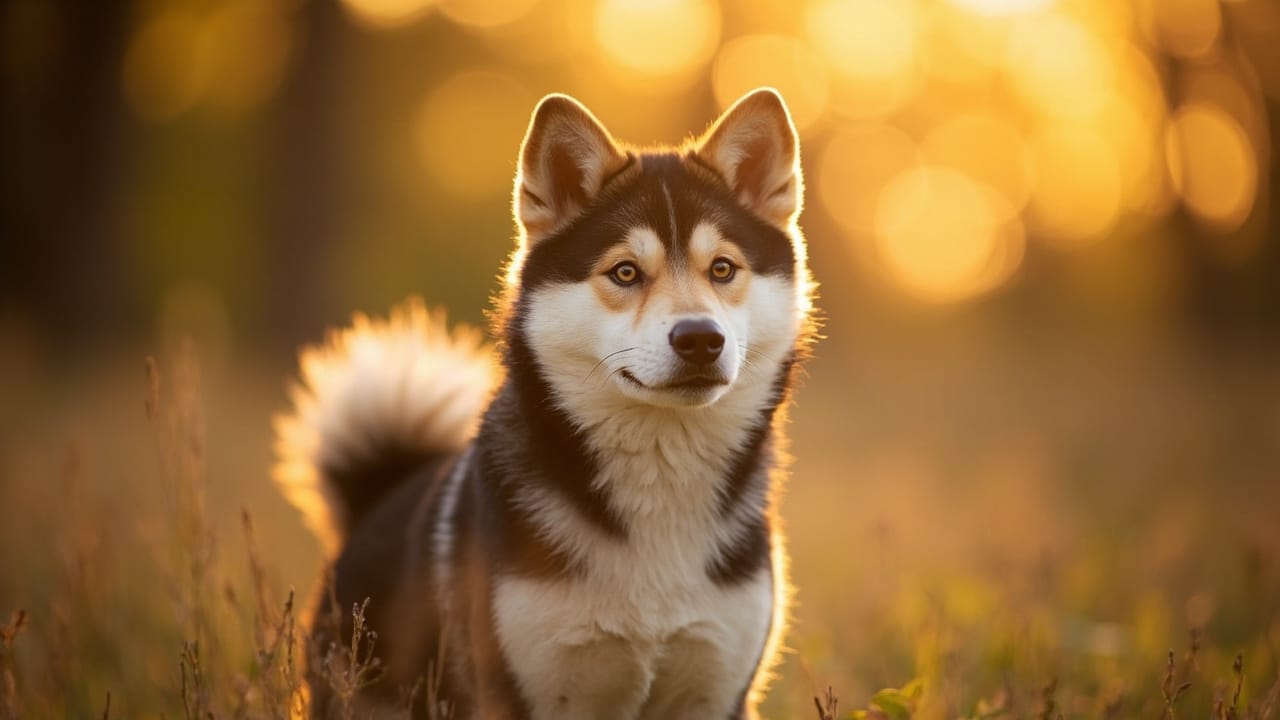
- सान'इन शीबा तोत्तोरी–शिमाने क्षेत्र से, बड़ी और अक्सर काले या काले-तन रंग की
विलुप्ति के कगार तक की यात्रा
अपने लंबे इतिहास के बावजूद, शीबा इनु बीसवीं सदी में लुप्त होने के बेहद करीब आ गई थी। यह गिरावट धीरे-धीरे शुरू हुई, जब 1800 के दशक के अंत और 1900 के दशक की शुरुआत में पश्चिमी कुत्तों की नस्लों को जापान में आयात किया गया, जिसके कारण व्यापक क्रॉसब्रीडिंग हुई। शुद्ध जापानी कुत्ते, जिनमें शीबा भी शामिल है, तेजी से दुर्लभ होते गए।
फिर द्वितीय विश्व युद्ध ने अंतिम प्रहार किया। युद्धकालीन खाद्य संकट (युद्ध के अंतिम अशांत वर्षों में कई शीबा डिस्टेंपर और अन्य बीमारियों से मारे गए) और युद्ध के बाद के आर्थिक विनाश के संयोग ने इस नस्ल को विलुप्ति की कगार पर पहुँचा दिया। 1945 तक, प्रत्येक रक्त-रेखा में शीबा की संख्या केवल कुछ दर्जन होने का अनुमान था।
पुनरुद्धार और आधुनिक मानक
शीबा इनु का अस्तित्व 1940 के दशक के अंत और 1950 के दशक में जापान के शिकारियों, प्रजनकों और शिक्षाविदों के एक छोटे समूह के सचेत और सावधानीपूर्ण कार्य का परिणाम है। उन्होंने शिनशू, मीनो और सान'इन वंशों से बचे हुए कुत्तों का पता लगाया और एक नियंत्रित प्रजनन कार्यक्रम शुरू किया जिसने इन तीन रक्त-रेखाओं को मिलाकर आधुनिक शीबा इनु को प्रभावी रूप से फिर से बनाया।
1934 में, एकीकृत मानक पहले ही NIPPO (Nihon Ken Hozonkai) द्वारा स्थापित किया जा चुका था, जो जापान की मूल नस्लों को संरक्षित करने के लिए समर्पित संस्था है। केवल दो साल बाद, 1936 में, शीबा इनु को जापान की प्राकृतिक स्मारक विरासत (Natural Monument of Japan) घोषित किया गया, जिससे इसके सांस्कृतिक और ऐतिहासिक महत्व को औपचारिक रूप दिया गया।
व्यापक दुनिया में इस नस्ल का परिचय धीरे-धीरे हुआ। 1950 के दशक में पहले शीबा अमेरिकी सेवा सदस्यों के साथ संयुक्त राज्य अमेरिका पहुँचे। अमेरिकन केनेल क्लब (AKC) ने 1992 में नॉन-स्पोर्टिंग ग्रुप के हिस्से के रूप में शीबा इनु को मान्यता दी, और तब से यह नस्ल उत्तरी अमेरिका, यूरोप और उससे आगे सबसे लोकप्रिय साथी कुत्तों में से एक बन गई है।
इंटरनेट युग में शीबा
अपनी लगभग-विलुप्ति के बहुत समय बाद, 2010 के दशक में शीबा इनु ने एक बिल्कुल नई तरह की प्रसिद्धि अर्जित की। 2010 में, जापानी किंडरगार्टन शिक्षिका अत्सुको सातो द्वारा गोद ली गई एक मादा शीबा काबोसु, "Doge" इंटरनेट मीम का चेहरा बन गई। उसी छवि ने 2013 में Dogecoin क्रिप्टोकरेंसी को जन्म दिया और इस नस्ल को एक वैश्विक प्रतीक बना दिया, यहाँ तक कि एलन मस्क के शीबा पिल्ला "Floki" और मीम-प्रेरित स्वामित्व की एक लहर भी आई।
आज इतिहास क्यों मायने रखता है
शीबा इनु की उत्तरजीविता की कहानी इसके स्वभाव और देखभाल की ज़रूरतों को आकार देती है। स्वतंत्र शिकार के सदियों ने एक आत्मविश्वासी, सतर्क और कभी-कभी ज़िद्दी कुत्ते को जन्म दिया। वे प्रसिद्ध रूप से साफ-सुथरे होते हैं, अपनी देखभाल की आदतों में लगभग बिल्ली जैसे, और साल में दो बार मौसमी "कोट ब्लो" में भारी मात्रा में बाल झड़ते हैं। वे एक आम-पालतू नस्ल नहीं हैं: उनकी मजबूत शिकार प्रवृत्ति, बच-निकलने वाले स्वभाव और प्रसिद्ध "शीबा स्क्रीम" उनके कार्य-अतीत की गूँज हैं।
युद्ध के बाद के जापानी प्रजनकों के समर्पण के कारण, आज का शीबा इनु न केवल जापानी सांस्कृतिक विरासत का एक जीवंत टुकड़ा है, बल्कि सबसे लंबे समय तक जीवित रहने वाली कुत्तों की नस्लों में से एक भी है, जिसकी सामान्य आयु 13 से 16 वर्ष होती है, जिम्मेदारी से प्रजनन करने पर एक छोटी, स्वस्थ आबादी है, और इतिहास में चुपचाप न जाने वाले कुत्ते जितना उज्ज्वल भविष्य है।
FAQ
शीबा इनु लगभग विलुप्त क्यों हो गया?
1800 के दशक के अंत में पश्चिमी कुत्तों के आयात के साथ क्रॉसब्रीडिंग, द्वितीय विश्व युद्ध के खाद्य संकट और एक विनाशकारी डिस्टेंपर प्रकोप के संयोग ने 1945 तक इस नस्ल को केवल कुछ दर्जन बचे हुओं तक सीमित कर दिया।
शीबा इनु को नस्ल के रूप में कब मान्यता मिली?
NIPPO नस्ल मानक 1934 में लिखा गया था, शीबा को 1936 में जापान की प्राकृतिक स्मारक विरासत घोषित किया गया, और अमेरिकन केनेल क्लब ने 1992 में इस नस्ल को आधिकारिक रूप से मान्यता दी।
शीबा इनु की तीन मूल रक्त-रेखाएँ क्या हैं?
शिनशू शीबा (नागानो), मीनो शीबा (गिफू), और सान'इन शीबा (तोत्तोरी–शिमाने)। सभी आधुनिक शीबा द्वितीय विश्व युद्ध के बाद के युग में इन तीन वंशों के सावधानीपूर्ण विलय से उत्पन्न हुए हैं।
शीबा इनु नस्ल कितनी पुरानी है?
पुरातात्विक साक्ष्य और प्राचीन मिट्टी के बर्तन बताते हैं कि शीबा-प्रकार के कुत्ते ईसा पूर्व 300 तक जापान में मौजूद थे, जिससे यह नस्ल लगभग 2,000–2,300 वर्ष पुरानी और पृथ्वी पर सबसे पुरानी कुत्तों की नस्लों में से एक है।