7 साल का शिबा इनु: स्वास्थ्य, व्यवहार और देखभाल में बदलाव
7 साल की उम्र में शिबा इनु अपने वरिष्ठ वर्षों में प्रवेश कर रहा होता है। आप धीमे चयापचय, भूरे होते फर (विशेषकर थूथन के आसपास), कम सहनशक्ति और जोड़ों, आँखों और थायरॉयड की समस्याओं के बढ़ते जोखिम की उम्मीद कर सकते हैं। ज़्यादातर 7 साल के शिबा अभी भी दिल से जवान होते हैं, लेकिन इस उम्र से सक्रिय पशु चिकित्सकीय देखभाल ज़रूरी हो जाती है।

7 साल के शिबा इनु में क्या बदलाव आते हैं?
7 साल का शिबा इनु आधिकारिक तौर पर वरिष्ठता की ओर बढ़ता परिपक्व वयस्क है। हालाँकि यह नस्ल पृथ्वी पर सबसे लंबे समय तक जीने वाले कुत्तों में से एक है (औसतन 13–16 वर्ष), लेकिन उम्र 7 वह समय है जब सूक्ष्म शारीरिक और व्यवहारिक बदलाव शुरू होने लगते हैं, और जब निवारक स्वास्थ्य देखभाल सबसे बड़ा लाभ देती है।
दिखने वाले शारीरिक बदलाव
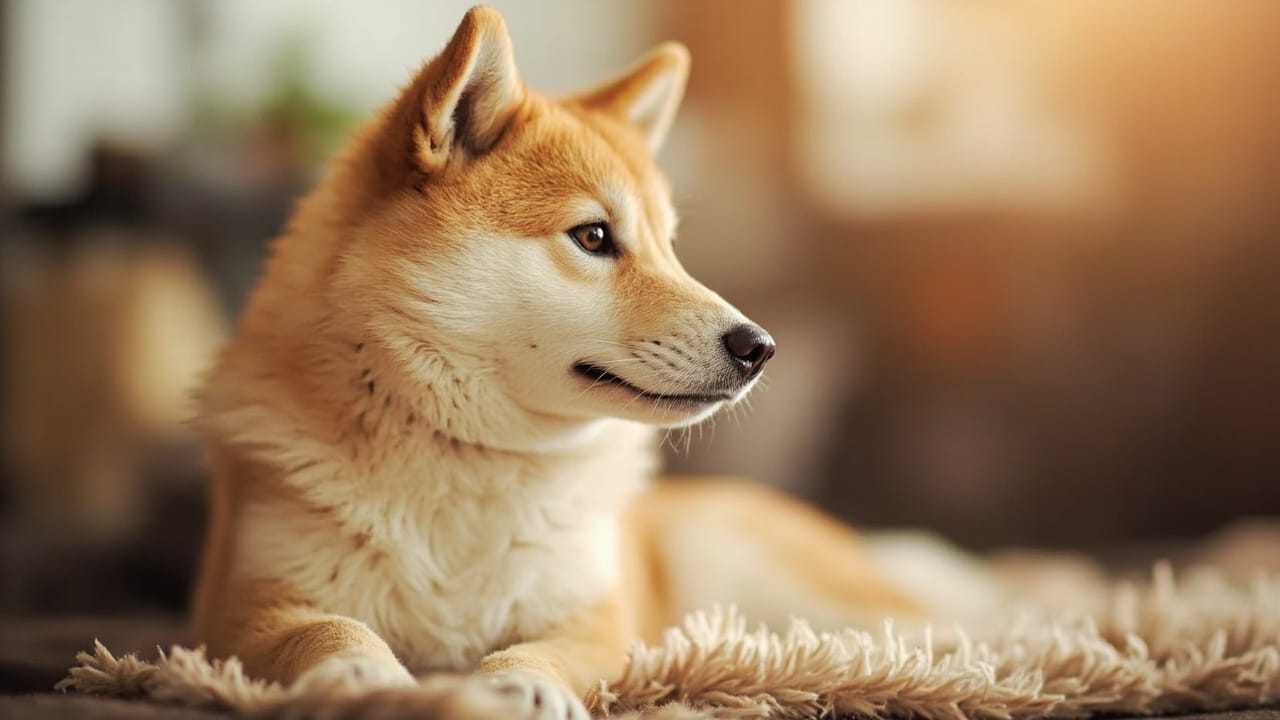
- थूथन और चेहरे पर सफ़ेद बाल आना। क्लासिक "नमक-मिर्च" मास्क आमतौर पर 6 से 8 साल की उम्र के बीच शुरू होता है, विशेषकर नाक, आँखों और ठोड़ी के आसपास।
- कोट की बनावट में बदलाव। डबल कोट थोड़ा मोटा या पतला महसूस हो सकता है। शिबा अभी भी साल में दो बार कोट उड़ाते हैं, लेकिन पुनर्विकास धीमा हो सकता है।
- मांसपेशियों की कमी और वज़न बढ़ना। चयापचय लगभग 20–30% धीमा हो जाता है। जो शिबा पहले दुबला-पतला 10 किलो (नर) या 8 किलो (मादा) था, वह बिना आपको पता चले आधा किलो बढ़ा सकता है।
- दाँतों का घिसना और टार्टर। रोज़ ब्रश करने पर भी दाँतों की पथरी जमा होती है; इस उम्र से बेहोशी के तहत पेशेवर सफ़ाई आमतौर पर सुझाई जाती है।
- आराम के बाद अकड़न। उठते समय क्लासिक "शिबा स्ट्रेच" का हिचकिचाहट में बदलना देखें — यह जोड़ों में बदलाव का शुरुआती संकेत है।
7 साल पर सामने आने वाली आम स्वास्थ्य समस्याएँ
ये वे स्थितियाँ हैं जो मध्यम आयु के शिबा में सांख्यिकीय रूप से सबसे अधिक दिखती हैं:
- पटेलर लक्ज़ेशन। घुटने की हड्डी अंदर-बाहर खिसकती है। हल्के मामलों में केवल निगरानी की ज़रूरत होती है; गंभीर मामलों में सर्जरी की आवश्यकता हो सकती है।
- हिप डिसप्लेसिया। OFA आँकड़ों के अनुसार शिबा में लगभग 7.6% प्रभावित होते हैं, लेकिन कई उप-नैदानिक मामले 6 से 8 साल की उम्र के बीच लक्षणात्मक हो जाते हैं।
- एटोपिक डर्माटाइटिस और त्वचा एलर्जी। नस्ल इसके प्रति संवेदनशील है; वसंत और पतझड़ में अधिक भड़कने की उम्मीद रखें।
- आँखों की बीमारी। धुंधलापन (मोतियाबिंद), रात में अंधापन (PRA), या लाल, दर्दनाक आँख (प्राथमिक क्लोज्ड-एंगल ग्लूकोमा — यह आपातकाल है) देखें।
- हाइपोथायरॉयडिज़्म। सुस्ती, वज़न बढ़ना, और फीका, पतला होता कोट क्लासिक त्रिक है।
- दंत रोग। पीरियोडोंटल संक्रमण सबसे आम "छिपी" वरिष्ठ समस्या है।
व्यवहार और स्वभाव में बदलाव
शिबा का व्यक्तित्व गायब नहीं होता, लेकिन यह नरम पड़ जाता है — और कभी-कभी नए तरीकों से तेज़ भी हो जाता है:
- अव्यवस्था के प्रति कम सहनशीलता। जो 7 साल का शिबा कभी छोटे बच्चे के खींचने को सह लेता था, वह अब चुपचाप चला जाता है या जमने की चेतावनी देता है।
- घर की दिनचर्या से बढ़ा लगाव। ये कुत्ते आदत के गुलाम होते हैं; बाधा तनाव-चाटने या प्रसिद्ध "शिबा स्क्रीम" को ट्रिगर कर सकती है।
- कम ज़ूमीज़। "शिबा 500" अभी भी होता है, लेकिन स्प्रिंट छोटे और रिकवरी झपकी लंबी होती हैं।
- चिंता में थोड़ी वृद्धि। कुछ शिबा उम्र के साथ अधिक ध्वनि-संवेदनशील या चिपचिपे हो जाते हैं; शुरू में काउंटरकंडीशनिंग करना बाद की तुलना में आसान है।
- शिकार प्रवृत्ति अपरिवर्तित। गिलहरियाँ और बिल्लियाँ अभी भी अप्रतिरोध्य हैं — पट्टा अनुशासन और रिकॉल तेज़ रखें।
7 साल के लिए पशु चिकित्सकीय देखभाल कार्यक्रम
वार्षिक से दोहरे वार्षिक वेलनेस परीक्षण पर स्विच करें। प्रत्येक यात्रा में शामिल होना चाहिए:
- पूर्ण ब्लडवर्क (CBC, केमिस्ट्री, थायरॉयड T4)
- यूरिनालिसिस
- रक्तचाप जाँच
- OFA-शैली जोड़ पैल्पेशन (हिप और पटेला)
- नेत्र रोग विशेषज्ञ आँख परीक्षा (CERF/CAER) — CHIC आवश्यकताओं की ओर गिनती होती है
- दंत मूल्यांकन
अमेरिका में शिबा के लिए CHIC बेसलाइन हिप + पटेला + आँख परीक्षा है, लेकिन 7 साल की उम्र के आसपास थायरॉयड और कार्डियक स्क्रीनिंग जोड़ना समझदारी है।
आहार, व्यायाम और दैनिक जीवन में बदलाव
- कैलोरी: दैनिक भोजन लगभग 10–15% कम करें या जोड़ों के समर्थन वाले सीनियर फ़ॉर्मूले पर स्विच करें (ग्लूकोसामाइन, ओमेगा-3, ग्रीन-लिप्ड मसल)।
- वज़न जाँच: मासिक रूप से हाथ से पसली परीक्षण करें — पसलियाँ पतली वसा परत के नीचे कंकड़ की पंक्ति जैसी महसूस होनी चाहिए।
- व्यायाम: एक लंबी ट्रेक की बजाय दो 25–35 मिनट की सैर और छोटे सूँघने के सत्र बेहतर हैं। कठोर सतहों पर उच्च-प्रभाव वाली कूद से बचें।
- मानसिक संवर्धन: पज़ल फीडर और सेंट वर्क तेज़ शिबा दिमाग को जोड़ों पर तनाव डाले बिना व्यस्त रखते हैं।
- पशु चिकित्सक से चर्चा योग्य सप्लीमेंट: ओमेगा-3 फैटी एसिड, ग्लूकोसामाइन/कोंड्रोइटिन, और SAMe जैसे एंटीऑक्सिडेंट संज्ञानात्मक समर्थन के लिए।
तत्काल देखभाल की ज़रूरत वाले खतरे के संकेत
- झपकाना, लाल या धुंधली आँख
- 24 घंटे से अधिक चलने में अचानक लंगड़ापन
- प्यास या पेशाब में वृद्धि
- पहले से स्वच्छ कुत्ते में गिरना, भटकाव या घर गंदा करना
- कोई भी न भरने वाली गाँठ या तेज़ी से वज़न कम होना
7 साल का शिबा इनु अभी भी जीवंत साथी है, और आगे एक दशक का जीवन संभावित है। इस उम्र पर लक्ष्य समस्याओं का इलाज करना नहीं है — बल्कि उन्हें समस्या बनने से एक साल पहले पकड़ना है। यही वह अंतर है जो 14 साल के शिबा को अभी भी आपके साथ ट्रेकिंग कराता है, और जिसके वरिष्ठ वर्ष पुरानी बीमारी से परिभाषित होते हैं।
FAQ
क्या 7 साल की उम्र शिबा इनु के लिए बूढ़ी मानी जाती है?
बूढ़ी नहीं, लेकिन निश्चित रूप से परिपक्व और शुरुआती वरिष्ठ चरण में प्रवेश कर चुकी। 13–16 साल की औसत जीवन प्रत्याशा के साथ, 7 साल का शिबा मोटे तौर पर किसी इंसान के देर के 40 के दशक के बराबर है। इस उम्र से निवारक देखभाल दृढ़ता से सुझाई जाती है।
शिबा इनु 7 साल की उम्र के बाद कितने समय तक जीवित रहते हैं?
अधिकांश स्वस्थ शिबा 7 साल के बाद 6–9 साल और जीते हैं, और कई 14–16 तक पहुँचते हैं। अच्छा वज़न प्रबंधन और दोहरे वार्षिक पशु चिकित्सक जाँच अतिरिक्त जीवन प्रत्याशा के दो सबसे बड़े भविष्यवक्ता हैं।
क्या शिबा इनु 7 साल पर धीमे हो जाते हैं?
हाँ, थोड़ा। प्रसिद्ध 'शिबा 500' ज़ूमीज़ छोटी हो जाती हैं, और रिकवरी झपकी लंबी हो जाती हैं। उन्हें अभी भी दैनिक व्यायाम की ज़रूरत है, लेकिन बूढ़े हो रहे जोड़ों की रक्षा के लिए कम-प्रभाव वाली सैर और अधिक मानसिक संवर्धन पर स्विच करें।
7 साल के शिबा इनु को कौन से स्वास्थ्य परीक्षण करवाने चाहिए?
दोहरा वार्षिक ब्लडवर्क, यूरिनालिसिस, थायरॉयड पैनल, रक्तचाप, जोड़ और पटेला पैल्पेशन, और पशु चिकित्सक नेत्र रोग विशेषज्ञ आँख परीक्षा। ये शिबा की सबसे आम समस्याओं को कवर करते हैं: हिप डिसप्लेसिया, लक्ज़ेटिंग पटेला, ग्लूकोमा, मोतियाबिंद, PRA, और हाइपोथायरॉयडिज़्म।
⚕️ This article is researched from the AKC and NIPPO breed standards, OFA/CHIC health data and veterinary sources. It is for general information only and is not a substitute for advice from your own veterinarian.