अपने शीबा इनू के दाँत साफ करना: एक पूर्ण गाइड
अपने शीबा इनू के दाँतों को प्रति सप्ताह 3-5 बार एक कुत्ते-विशिष्ट टूथब्रश और एंजाइमैटिक टूथपेस्ट (कभी भी मानव टूथपेस्ट नहीं) से साफ करें। रोज़ाना ब्रश करना आदर्श है, लेकिन अधिकांश शीबा एक निरंतर हर दूसरे दिन की दिनचर्या के साथ अच्छा करते हैं, जो प्लाक, टार्टर और पीरियोडॉन्टल रोग के जोखिम को काफी हद तक कम करता है।
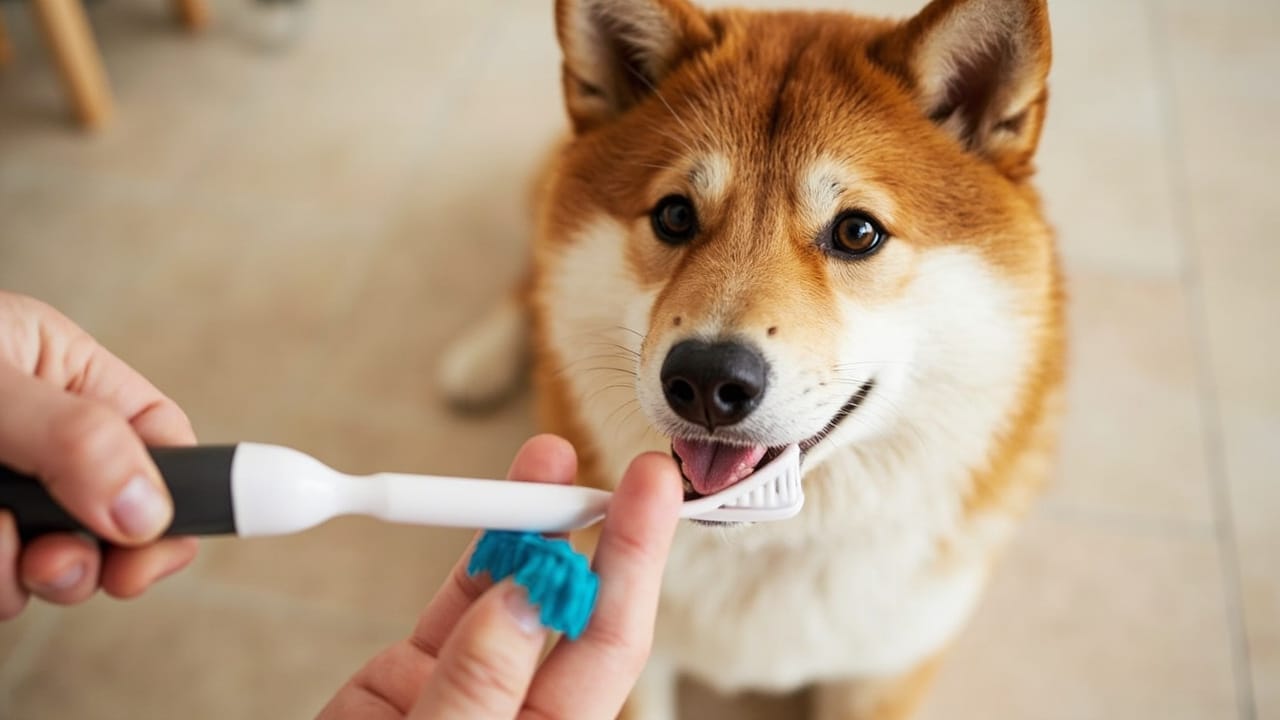
अपने शीबा इनू के दाँतों को प्रति सप्ताह 3 से 5 बार साफ करना न्यूनतम अनुशंसित आवृत्ति है, जबकि रोज़ाना ब्रश करना सर्वोत्तम मानक है। एक कुत्ते-विशिष्ट एंजाइमैटिक टूथपेस्ट (पोल्ट्री या माल्ट का स्वाद आमतौर पर एक जिद्दी शीबा को मनाता है) और एक मुलायम-ब्रिसल वाले कुत्ते के टूथब्रश, एक फिंगर ब्रश, या एक सिलिकॉन फिंगर स्लीव का उपयोग करें। मानव टूथपेस्ट फ्लोराइड के कारण कुत्तों के लिए विषाक्त होती है और इसका उपयोग कभी नहीं किया जाना चाहिए।
शीबा इनू आमतौर पर एक स्वस्थ, दीर्घायु नस्ल है (13-16 वर्ष), लेकिन दंत रोग चुपचाप उस दीर्घायु को क्षीण कर सकता है। छोटी से मध्यम नस्लें और जो सबसे लंबे समय तक जीवित रहती हैं, पीरियोडॉन्टल समस्याओं से प्रतिरक्षित नहीं हैं, यही कारण है कि मालिक-नियंत्रित ब्रश करने की दिनचर्या आपके कुत्ते के स्वास्थ्य में सबसे अधिक लाभ देने वाले निवेशों में से एक है।
सही टूथब्रश और टूथपेस्ट चुनना
मानव टूथपेस्ट के aisle को पूरी तरह से छोड़ दें। कुत्ते के टूथपेस्ट को सुरक्षित रूप से निगलने के लिए तैयार किया जाता है और एंजाइमैटिक क्रिया (आमतौर पर ग्लूकोज़ ऑक्सिडेज़ और लैक्टोफेरिन के साथ) का उपयोग करके प्लाक को केवल यांत्रिक रूप से ही नहीं, बल्कि रासायनिक रूप से तोड़ते हैं। लोकप्रिय स्वादों में पोल्ट्री, बीफ, माल्ट और पीनट बटर शामिल हैं; शीबा के लिए, पोल्ट्री या माल्ट सबसे स्वादिष्ट होता है।
ब्रश के लिए, आपके पास तीन अच्छे विकल्प हैं:
- एक मानक डबल-हेडेड कुत्ता टूथब्रश छोटी नस्लों के लिए आकार में — पिछले दाढ़ों तक पहुँचने के लिए आवश्यक कोणीय पहुँच देता है।
- एक फिंगर ब्रश — मुलायम ब्रिसल वाला एक सिलिकॉन स्लिप-ऑन। शुरुआती और छोटे मुँह के लिए सर्वश्रेष्ठ, हालाँकि शीबा इसे चबाने की कोशिश कर सकते हैं।
- एक सिलिकॉन फिंगर स्लीव — सबसे कोमल विकल्प, पिल्लों या संवेदनशील मसूड़ों के लिए आदर्श, लेकिन सख्त टार्टर पर कम प्रभावी।
एक बच्चे के आकार का मुलायम मैनुअल टूथब्रश भी ज़रूरत पड़ने पर काम करता है।
चरण-दर-चरण: एक शीबा इनू के दाँत कैसे साफ करें
- एक शांत शीबा से शुरू करें। खाने या जोरदार खेलने के 30 मिनट बाद प्रतीक्षा करें। थका हुआ कुत्ता अधिक सहयोगी होता है।
- होंठों को धीरे से उठाएँ और पहले कैनाइन दाँतों (बड़े नुकीले दाँत) और दाढ़ों की गाल-तरफ़ की सतह को छुएँ — वे सबसे उच्च-प्राथमिकता वाले क्षेत्र हैं जहाँ 80% प्लाक जमा होता है।
- ब्रश पर मटर के दाने के आकार का एंजाइमैटिक टूथपेस्ट लगाएँ।
- मसूड़ों की रेखा की ओर 45 डिग्री के कोण पर छोटे गोलाकार गतियों का उपयोग करें। दाँतों की बाहरी सतहों पर ध्यान दें; आंतरिक (जीभ-तरफ़) सतहें अधिकांशतः लार और जीभ की क्रिया द्वारा साफ हो जाती हैं।
- प्रति तरफ़ 30-60 सेकंड का लक्ष्य रखें। एक पूर्ण सत्र शायद ही कभी 2 मिनट से अधिक का होना चाहिए।
- तुरंत बाद प्रशंसा, एक chew, या एक छोटे प्रशिक्षण सत्र से भारी पुरस्कार दें। यह किसी भी कुत्ते के साथ दीर्घकालिक सफलता का सबसे बड़ा एकल भविष्यवक्ता है — और विशेष रूप से एक शीबा के साथ, जो हर बातचीत का मानसिक हिसाब रखता है।
पहले कुछ हफ्तों में पूरी तरह से ब्रश करने की चिंता न करें। लक्ष्य एक सकारात्मक जुड़ाव बनाना है। यहाँ तक कि 10 सेकंड के लिए टूथपेस्ट-लगी उंगली से दाँतों को रगड़ना भी एक जीत है।
आपको वास्तव में कितनी बार ब्रश करना चाहिए?
रोज़ाना ब्रश करना पशुचिकित्सा आदर्श है और यह प्लाक को 24-72 घंटों में टार्टर में खनिजीकृत होने से पहले ही हटा देता है। यदि रोज़ाना संभव नहीं है:
- सप्ताह में 5 बार — उत्कृष्ट
- सप्ताह में 3-4 बार — अच्छा, रोग को काफी हद तक धीमा करता है
- सप्ताह में 1-2 बार — कुछ नहीं से बेहतर, लेकिन टार्टर फिर भी जमा होगा
- कभी नहीं — उम्र 5-7 साल से शुरू होकर हर 1-2 साल में एनेस्थीसिया के तहत दंत सफ़ाई की उम्मीद करें
पेशेवर सफ़ाई के बीच के समय को बढ़ाने के लिए ब्रशिंग को दंत chews (VOHC-अनुमोदित), टार्टर नियंत्रण के लिए तैयार किए गए kibble, या छोटी नस्लों के लिए उपयुक्त कच्ची हड्डियों के साथ जोड़ें।
ब्रशिंग स्वीकार करने के लिए एक शीबा को प्रशिक्षित करना
शीबा कुत्ते कुख्यात रूप से स्वतंत्र होते हैं। बल लगाना लगभग कभी काम नहीं करता और स्थायी रूप से विश्वास को नुकसान पहुँचाएगा। इसके बजाय, 2-4 सप्ताह में एक desensitization सीढ़ी का उपयोग करें:
- दिन 1-3: अपने शीबा को उंगली से टूथपेस्ट चाटने दें।
- दिन 4-7: एक कैनाइन दाँत पर टूथपेस्ट लगाएँ और पुरस्कृत करें।
- दिन 8-14: फिंगर ब्रश से कुछ दाँतों को रगड़ें।
- दिन 15+: पूरे ब्रश को 10-20 सेकंड के लिए पेश करें, फिर समय बढ़ाएँ।
सत्र छोटे रखें, एक सफलता पर समाप्त करें, और कभी भी शीबा के पीछे टूथब्रश लेकर घर के चारों ओर न भागें — आप यह लड़ाई हार जाएँगे।
पेशेवर दंत देखभाल अभी भी मायने रखती है
घर पर ब्रश करना पेशेवर सफ़ाई का विकल्प नहीं है। सालाना एक पशुचिकित्सक दंत परीक्षण निर्धारित करें, और अनुशंसा के अनुसार एनेस्थीसिया के तहत पूर्ण सफ़ाई कराएँ — आमतौर पर एक बार जब आपका शीबा मध्य आयु से आगे निकल जाए तो हर 1-2 साल में। चेतावनी के संकेतों पर ध्यान दें: "शीबा गंध" से परे साँसों की बदबू, पीला-भूरा टार्टर, लाल या खून बह रहे मसूड़े, गिरा हुआ भोजन, या मुँह पर पंजा मारना। दंत रोग को जल्दी पकड़ना सिर्फ़ दाँतों की ही नहीं, बल्कि हृदय, यकृत और गुर्दों की भी रक्षा करता है।
FAQ
अगर मैं अपने शीबा इनू के दाँत कभी नहीं साफ करूँ तो क्या होगा?
प्लाक कुछ ही दिनों में टार्टर में सख्त हो जाता है, जिससे मसूड़ों की सूजन, साँसों की बदबू, दाँतों का झड़ना और जीवाणु संक्रमण होता है जो हृदय, यकृत और गुर्दों को नुकसान पहुँचा सकता है। अधिकांश शीबा को उम्र 5-7 साल से शुरू होकर हर 1-2 साल में एनेस्थीसिया के तहत पेशेवर सफ़ाई की आवश्यकता होगी यदि उन्हें घर पर कोई दंत देखभाल नहीं मिलती।
क्या मैं अपने शीबा के दाँतों को साफ करने के लिए बेकिंग सोडा या नारियल तेल का उपयोग कर सकता हूँ?
बेकिंग सोडा की सिफ़ारिश नहीं की जाती — यह क्षारीय होता है, निगलने पर पेट में जलन पैदा कर सकता है, और इसमें कुत्ते के टूथपेस्ट की एंजाइमैटिक क्रिया का अभाव होता है। नारियल तेल एक लोकप्रिय पूरक है जो प्लाक को मामूली रूप से कम कर सकता है, लेकिन इसका उपयोग एंजाइमैटिक टूथपेस्ट के अतिरिक्त किया जाना चाहिए, इसके स्थान पर नहीं।
क्या ब्रशिंग के बजाय दंत chews काफ़ी हैं?
नहीं। VOHC-अनुमोदित दंत chews (सील ऑफ़ एक्सेप्टेंस देखें) प्लाक को लगभग 20-30% तक कम करते हैं और एक बढ़िया पूरक हैं, लेकिन वे ब्रश की तरह मसूड़ों की रेखा या दाँतों की आंतरिक सतहों तक नहीं पहुँच सकते। Chews को साइड डिश के रूप में सोचें, मुख्य कोर्स के रूप में नहीं।
मुझे अपने शीबा इनू के दाँत किस उम्र में साफ करना शुरू करना चाहिए?
वयस्क दाँत आने से पहले ही 8-12 सप्ताह की उम्र में जल्द से जल्द शुरू करें। पिल्ला अवस्था वह समय है जब आप जीवनभर की आदत बनाते हैं। जिन पिल्लों के मसूड़ों और दाँतों को कम उम्र से कोमलता से संभाला जाता है, वे लगभग हमेशा वयस्क के रूप में ब्रशिंग स्वीकार करते हैं, जो कुख्यात रूप से स्वतंत्र नस्ल के लिए एक बड़ा लाभ है।