शिबा इनु को कौन-कौन सी ट्रिक्स सिखा सकते हैं? 9 समझदार ट्रिक्स
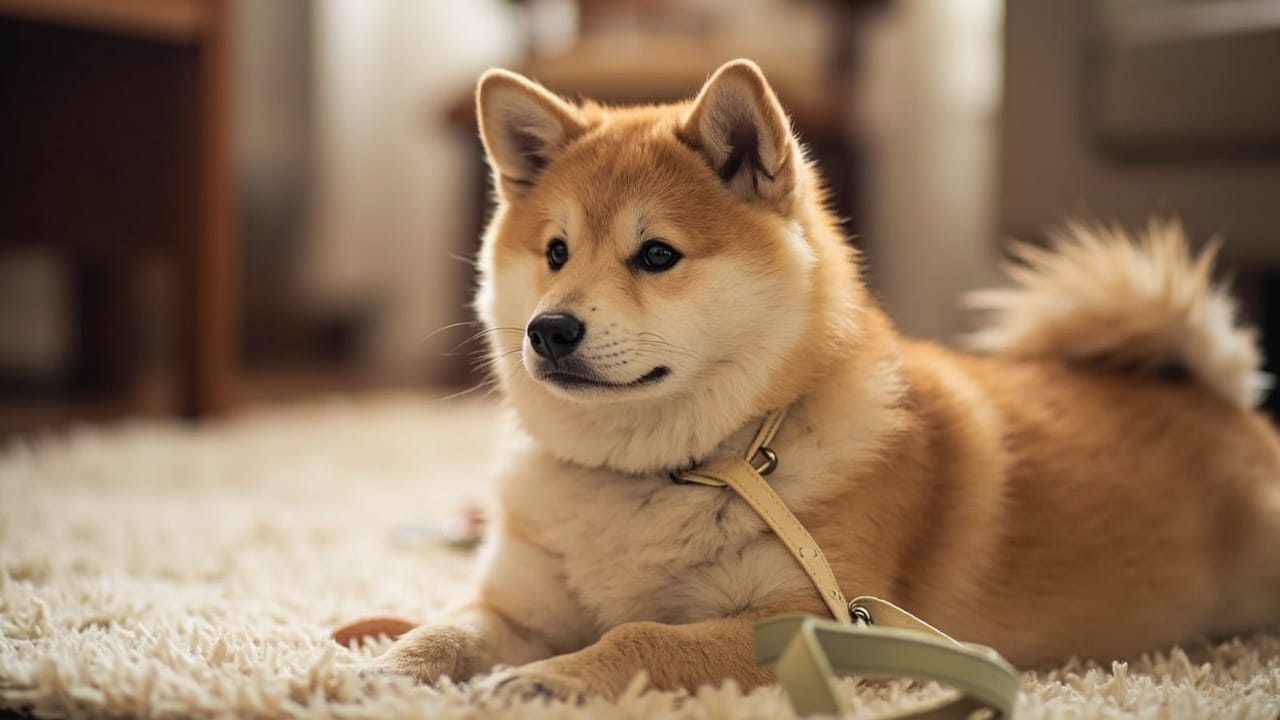
शिबा इनु बुनियादी ट्रिक्स जैसे सिट और पॉ से लेकर एडवांस्ड स्किल्स जैसे फेच, स्पिन और यहाँ तक कि टाइडी-अप रूटीन भी सीख सकते हैं। उनकी उच्च बुद्धि और समस्या-समाधान क्षमता उन्हें सक्षम शिक्षार्थी बनाती है, हालाँकि उनका स्वतंत्र, ज़िद्दी स्वभाव का मतलब है कि छोटे, रिवॉर्ड-आधारित सत्र, दोहराव-भारी अभ्यास से कहीं बेहतर काम करते हैं।

शिबा इनु उनके स्वतंत्र व्यक्तित्व का सम्मान करने पर बिल्कुल प्रशिक्षित होते हैं। उनकी बुद्धि और समस्या-समाधान क्षमता के कारण, एक सामान्य शिबा जीवनभर में लगभग 9 से 15 उपयोगी ट्रिक्स में महारत हासिल कर सकता है, जो बुनियादी सिट और पॉ से लेकर सेंट गेम्स, टाइडी-अप रूटीन और नाम पहचान तक होती हैं। शिबा मालिकों को यह बात अच्छी तरह पता है: इस नस्ल को झाड़ियों में चुपचाप शिकार करने के लिए विकसित किया गया था, संकेत पर प्रदर्शन करने के लिए नहीं। सत्र छोटे, उच्च-मूल्य वाले और रिवॉर्ड-आधारित होने चाहिए। बहुत ज़्यादा दबाव डालेंगे, तो आपको प्रसिद्ध "शिबा स्क्रीम" या एक गरिमामयी वॉक-अवे मिलेगा।
शिबा इनु को सिखाने के लिए 9 बेहतरीन ट्रिक्स
फाउंडेशन व्यवहारों से शुरू करें और ऊपर की ओर बढ़ाएँ। ये नौ ट्रिक्स शिबास के लिए विशेष रूप से अच्छी तरह काम करती हैं क्योंकि ये नस्ल की प्राकृतिक ताकतों को भुनाती हैं: चपलता, शिकार-वृत्ति, ग्रूमिंग सहनशीलता और तेज़ निर्णय-क्षमता।
- सिट (बैठो) — आधारभूत संकेत। नाक के ऊपर एक ट्रीट रखें और उसे पीछे की ओर मोड़ें।
- पॉ / शेक (पंजा / हाथ मिलाओ) — पंजे के पास एक बंद मुट्ठी टैप करें; पहले संपर्क को मार्क करें और रिवॉर्ड दें।
- डाउन (लेटो) — सिट को पेट-नीचे वाली स्थिति में ल्योर करें; आवेग नियंत्रण के लिए बढ़िया।
- स्पिन (घूमो) — ट्रीट सर्कल का उपयोग करके पूँछ-पीछे करने जैसी गति। उत्कृष्ट मानसिक वार्म-अप।
- टच (टारगेट हैंड) — फ़ोकस, रिकॉल विश्वसनीयता बढ़ाता है, और लीश रिएक्टिविटी में मदद करता है।
- क्रेट ऑन क्यू (संकेत पर क्रेट में जाओ) — नस्ल के माँद-प्रेम का फ़ायदा उठाता है; यात्रा और पशु-चिकित्सक मुलाकातों के लिए उपयोगी।
- फेच और ड्रॉप इट (लाओ और छोड़ो) — शिकार-वृत्ति के खिलाफ़ काम करता है; आपकी हथेली के आकार की गेंद से शुरू करें ताकि शिबा का छोटा मुँह उसे पकड़ सके।
- लीव इट / वेट ऐट द डोर (छोड़ो / दरवाज़े पर रुको) — भागने-काबिल नस्ल के लिए एक अनिवार्य सुरक्षा कमांड।
- टाइडी-अप (सँभालो) — शिबास विश्वसनीय रूप से नाम के खिलौने एक डिब्बे में रख सकते हैं। सेंट क्यूज़ का उपयोग करें और दो बिल्कुल अलग वस्तुओं से शुरू करें।
ज़िद्दी शिबा को कैसे ट्रेन करें: वह तरीका जो काम करता है
शिबास को अक्सर उन मालिकों द्वारा "अप्रशिक्षित" करार दिया जाता है जो दोहराव वाली ओबेडिएंस विधियाँ अपनाते हैं। वे क्लिकर ट्रेनिंग और ल्योर-रिवॉर्ड शेपिंग के मिश्रण, साथ ही वास्तविक समस्या-समाधान विकल्पों के साथ सबसे अच्छा प्रतिक्रिया देते हैं।
- सत्र की अवधि: 3 से 7 मिनट। कुत्ते के क्विट माँगने से पहले रुकें।
- रिवॉर्ड्स: उच्च-मूल्य वाला भोजन (फ्रीज़-ड्राइड चिकन, पनीर) और खेल के छोटे बर्स्ट।
- मार्कर: सही व्यवहार के 1.5 सेकंड के भीतर क्लिक या मौखिक "हाँ" का उपयोग करें।
- प्राकृतिक व्यवहारों को कैप्चर करें: स्पिन, पॉ और स्पीक — ये सभी कैप्चर की जा सकती हैं जब शिबा "शिबा 500" ज़ूमी सत्र के दौरान स्वयं ये प्रदर्शित करे।
- उनकी नाक का उपयोग करें: ट्रीट खोजो या नाम वाला खिलौना चुनो जैसी सेंट-आधारित ट्रिक्स नस्ल के शिकार मस्तिष्क को जोड़ती हैं और ज़िद को कम करती हैं।
जब आप "शिबा वॉल" से टकराते हैं
हर शिबा मालिक एक ऐसे चरण से गुज़रता है जहाँ कुत्ता प्रदर्शन करने से सीधे इनकार कर देता है। यह प्रशिक्षण विफलता नहीं है; यह नस्ल की प्रमुख पहचान स्वतंत्र निर्णय है। सामान्य ट्रिगर्स में शामिल हैं: संकेत से ऊब, असुविधा, अपर्याप्त सुदृढ़ीकरण इतिहास, या पर्यावरणीय विकर्षण। सबसे आस व्यवहार पर वापस जाकर, उदारतापूर्वक भुगतान करके और चले जाकर जीत पर समाप्त करें। ज़बरदस्ती जारी रखना लगभग हमेशा आपको दो सत्र पीछे ले जाता है।
अनुभवी शिबा मालिकों के लिए एडवांस्ड ट्रिक्स
एक बार जब आपके शिबा के पास ठोस ट्रिक शब्दावली और विश्वसनीय फ़ोकस हो, तो विचार करें:
- बैक अप (पीछे हटो) — ट्रीट से आगे ल्योर करें, फिर पीछे की ओर कदम माँगें।
- रोल ओवर (लोटपोट) — धीमे फूड ल्योर का उपयोग करके डाउन से सबसे अच्छा सिखाया जाता है।
- स्केटबोर्ड या वॉबल बोर्ड — शिबा ट्रिक वीडियो में आश्चर्यजनक रूप से लोकप्रिय; संतुलन और आत्मविश्वास पेश करता है।
- नाम से रिट्रीव (लाओ) — 4 से 6 अलग-अलग खिलौने चुनें, प्रत्येक का नाम रखें, और बारी-बारी से उपयोग करें।
- हूप जम्प या कम एजिलिटी बाधाएँ — संरचित जम्प्स के माध्यम से शिकार-वृत्ति को दिशा दें, जोड़ों की सुरक्षा के लिए बार की ऊँचाई कम रखें (OFA के अनुसार लक्ज़ेटिंग पटेला और हिप डिस्प्लेज़िया नस्ल के लगभग 7.6% को प्रभावित करते हैं)।
पिल्ले बनाम वयस्क: शिबास ट्रिक्स कब सीख सकते हैं?
शिबा पिल्ले 8 सप्ताह की उम्र से 60 सेकंड के छोटे खेलों में सिट, नाम पहचान और टच जैसे सरल फाउंडेशन संकेत सीखना शुरू कर सकते हैं। रेस्क्यू से गोद लिए गए वयस्क शिबास अक्सर पहले से ही सिट और क्रेट जानते हैं, और कई पिल्लों की तुलना में तेज़ी से नई ट्रिक्स सीखते हैं क्योंकि उनका ध्यान अवधि लंबा होता है। चाहे उम्र कुछ भी हो, कुछ भी जम्प-भारी करने से पहले सामान्य ऑर्थोपेडिक समस्याओं (पटेला, हिप) को दूर करने के लिए पहले पशु-चिकित्सक जाँच बुक करें।
टालने योग्य सामान्य प्रशिक्षण गलतियाँ
- एक बार में 5 से अधिक दोहराव — इस नस्ल में प्रेरणा को मारता है।
- बल-आधारित विधियों का उपयोग — शिबा स्क्रीम और शटडाउन उत्पन्न करता है।
- उच्च-प्रभाव वाली ट्रिक्स से पहले आँख और जोड़ों की स्वास्थ्य जाँच (CHIC: OFA हिप, पटेला और CERF आँख जाँच) छोड़ना।
- "नहीं" को आज्ञापालन विफलता मानना — शिबास के लिए यह अक्सर वास्तविक भ्रम या एक प्रश्न होता है।
सही रिवॉर्ड रणनीति और हास्य की भावना के साथ, एक शिबा अधिकांश स्पोर्टिंग नस्लों से अधिक ट्रिक्स करेगा। वे बस यह अपनी शर्तों पर करेंगे।
FAQ
शिबा इनु को सिखाने के लिए सबसे आसान ट्रिक कौन सी है?
स्पिन आमतौर पर कैप्चर करने के लिए सबसे आसान होती है क्योंकि शिबास ज़ूमी के दौरान अक्सर स्वाभाविक रूप से घूमते हैं। व्यवहार प्रकट होते ही क्लिक करें और रिवॉर्ड दें, फिर एक संकेत जोड़ें।
शिबा इनु को नई ट्रिक सिखाने में कितना समय लगता है?
अधिकांश शिबास सिट, पॉ या टच जैसी सरल ट्रिक्स 5 मिनट के 3 से 7 छोटे सत्रों में सीख लेते हैं। टाइडी-अप या नाम से रिट्रीव जैसी जटिल चेन में 4 से 8 सप्ताह लग सकते हैं।
क्या शिबा इनु एजिलिटी या एडवांस्ड ट्रिक्स कर सकते हैं?
हाँ। शिबास एजिलिटी, रैली और ट्रिक डॉग खिताबों में प्रतिस्पर्धा करते हैं। जोड़ों की सुरक्षा के लिए जम्प ऊँचाई कम रखें, क्योंकि लक्ज़ेटिंग पटेला और हिप डिस्प्लेज़िया इस नस्ल में आम हैं।
मेरा शिबा इनु पहले से जानी ट्रिक्स करने से इनकार क्यों करता है?
इनकार आमतौर पर ऊब, अपर्याप्त रिवॉर्ड मूल्य, दर्द, या विकर्षण का संकेत है। एक आसान जीत पर सत्र समाप्त करें और यदि व्यवहार बना रहे तो स्वास्थ्य का पुनर्मूल्यांकन करें।
पढ़ते रहें
 क्या मैं अपने शीबा इनु को पूरे यूरोप में कानूनी रूप से बिना पट्टी के छोड़ सकता हूँ? (2024 गाइड)
 क्या स्विट्ज़रलैंड का डॉग ट्रेनिंग कानून शीबा इनू मालिकों पर लागू होता था?
 क्या शिबा इनु को जर्मनी में हुंडेफ्यूरर्शाइन (Hundeführerschein) कुत्ता लाइसेंस की आवश्यकता है?
 शिबा इनु पिल्ले को काटने और झपटने से कैसे रोकें