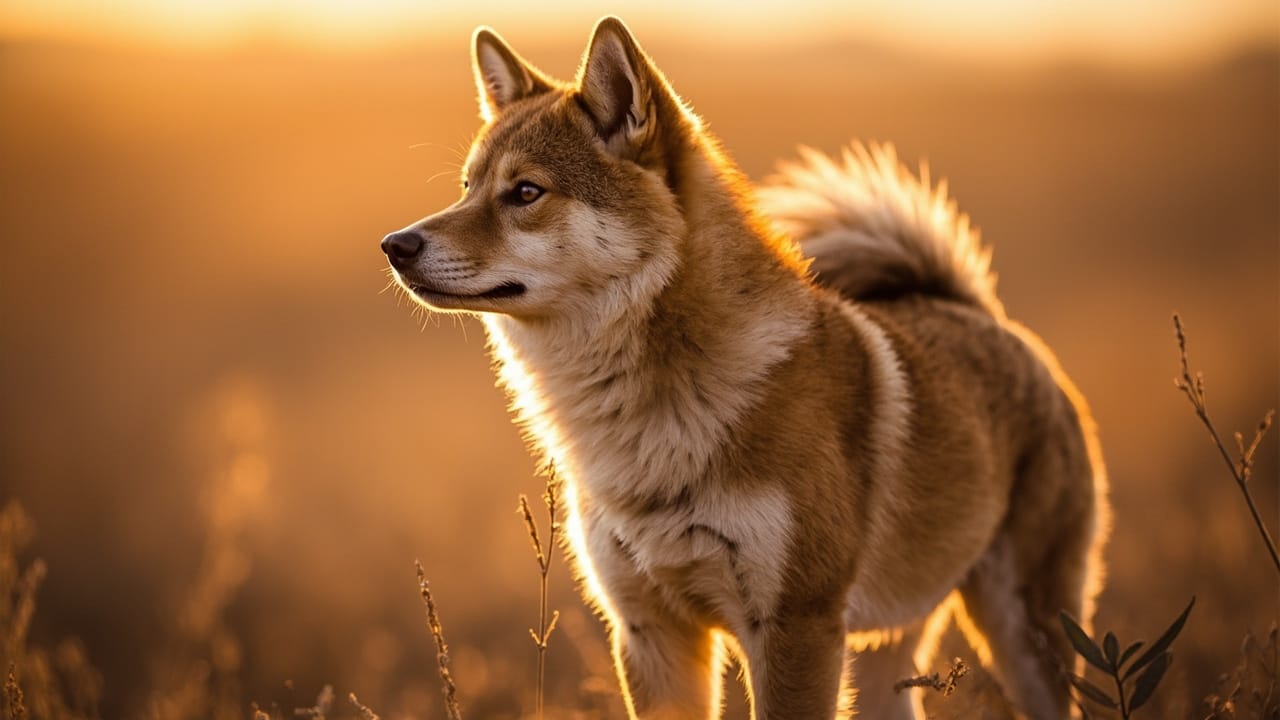
शीबा इनु बनाम होक्काइदो, किशु और अन्य जापानी नस्लें
शीबा इनु जापान की छह देशी स्पिट्ज़ नस्लों में सबसे छोटी है, जिसकी ऊंचाई 35-43 सेमी और वज़न 8-10 किलो होता है, जबकि होक्काइदो, किशु, शिकोकू, काई और अकिता सभी मध्यम से बड़े शिकारी कुत्ते हैं जो बड़े शिकार और कठिन इलाक़ों के लिए बनाए गए हैं। दिखने में समान लेकिन स्वभाव में अलग, शीबा एक सतर्क अपार्टमेंट-अनुकूल साथी है, जबकि बड़ी जापानी नस्लें अधिक संयमित, अधिक झुंड-उन्मुख और प्रबंधन में अधिक मांग वाली होती हैं।

छह देशी जापानी स्पिट्ज़-प्रकार की नस्लें (निहों-केन) हैं: अकिता, होक्काइदो, काई, किशु, शिकोकू और शीबा इनु। शीबा नर के लिए 35-43 सेमी और मादा के लिए 33-41 सेमी के साथ, लगभग 8-10 किलो वज़न के साथ, अब तक की सबसे छोटी नस्ल है, जबकि हर अन्य जापानी नस्ल मध्यम से बड़ी श्रेणी में आती है, आमतौर पर 45-70 सेमी और 20-50 किलो। मालिकों के लिए यह आकार का अंतर सबसे बड़ा व्यावहारिक अंतर है: शीबा अपार्टमेंट जीवन के लिए उपयुक्त है, बाकी आमतौर पर नहीं।
सभी छह नस्लें मूलभूत गुण साझा करती हैं: खड़े कान, मुड़ी हुई या हंसिया जैसी पूंछ, दोहरा कोट, उराजीरो (लाल/काले-तन/तिल के कुत्तों में क्रीम-सफ़ेद पेट के निशान), मज़बूत शिकार वृत्ति, अजनबियों के साथ दूरी, और अपने व्यक्ति के प्रति कठोर वफ़ादारी। जहां वे अलग होती हैं, वह है मूल उद्देश्य, बनावट, कोट और स्वभाव की सूक्ष्मता।
आकार और बनावट की तुलना
| नस्ल | ऊंचाई (सेमी) | वज़न (किलो) | बनावट |
|---|---|---|---|
| शीबा इनु | 33-43 | 8-10 | सघन, लोमड़ी जैसी |
| शिकोकू | 49-55 | 16-25 | एथलेटिक, संतुलित |
| काई | 45-55 | 16-25 | मांसल, भालू जैसा |
| किशु | 49-55 | 18-27 | शक्तिशाली, अच्छी हड्डी वाला |
| होक्काइदो | 45-52 | 20-30 | भारी हड्डी, चौड़ी छाती |
| अकिता | 58-70 | 32-50 | विशाल, प्रभावशाली |
किशु और होक्काइदो बनावट में एक-दूसरे के सबसे करीब हैं; होक्काइदो थोड़ा चौड़ा और ठंड के प्रति अधिक सहनशील है। अकिता आकार और रक्षक गंभीरता में अपनी अलग श्रेणी में है।
स्वभाव के अंतर
शीबा सबसे अधिक बिल्ली जैसा है: स्वतंत्र, साफ़-सुथरा, सतर्क और प्रसिद्ध रूप से मुखर ("शीबा चीख")। वे परिवार से जुड़ते हैं लेकिन अक्सर एक पसंदीदा व्यक्ति चुनते हैं।
होक्काइदो (आइनू-केन) मूल भालू-शिकारी है, जो असाधारण ठंड सहनशीलता, झुंड वफ़ादारी और शीबा की तुलना में अधिक कुत्ते-सामाजिक स्वभाव के लिए जाना जाता है। होक्काइदो अधिक संचालक-संवेदनशील और कार्य वृत्ति में कम ज़िद्दी होते हैं, लेकिन वे जापान के बाहर दुर्लभ हैं।
किशु शिकार वृत्ति में सबसे अधिक भेड़िया जैसा है और यह नस्ल सूअर के शिकार के लिए उपयोग की जाती है। किशु शीबा से शांत होते हैं, अजनबियों के साथ अधिक संयमित होते हैं, और मज़बूत समान-लिंग आक्रामकता दिखाते हैं। वे विश्व स्तर पर भी कम आम हैं।
शिकोकू "मध्य मार्ग" निहों-केन है: शीबा से थोड़ा बड़ा, बहुत एथलेटिक, मज़बूत झुंड प्रवृत्ति और मज़बूत शिकार वृत्ति के साथ। उन्हें कभी-कभी "कोची-केन" कहा जाता है और पहाड़ी इलाक़ों में हिरण का शिकार करने के लिए विकसित किया गया था।
काई (काई केन, "टाइगर डॉग") छह में सबसे दुर्लभ है, जो अपने ब्रिंडल कोट के लिए प्रसिद्ध है और कथित तौर पर सबसे अधिक प्रशिक्षित करने योग्य और झुंड-उन्मुख है। उत्कृष्ट पर्वतारोही, वे बुद्धिमत्ता और सहयोग के लिए जापानी शिकारियों में बहुमूल्य हैं।
अकिता (और बड़ी अमेरिकी अकिता विविधता) एक रक्षक नस्ल है, गरिमामय और दूर, मज़बूत समान-लिंग और कुत्ते-आक्रामकता की प्रवृत्ति, और गंभीर रक्षक प्रवृत्ति के साथ। अन्य की तरह शिकार साथी नहीं है।
कोट और रंग
- शीबा: लाल, तिल, काला और तन, क्रीम (क्रीम शो दोष है लेकिन पालतू के रूप में आम)।
- होक्काइदो: तिल, लाल, काला और तन, सफ़ेद, ब्रिंडल।
- किशु: सबसे आम सफ़ेद (अधिकांश किशु अब सफ़ेद हैं), साथ ही लाल, तिल।
- शिकोकू: तिल (सबसे आम), लाल, काला और तन।
- काई: काला ब्रिंडल, लाल ब्रिंडल, ब्रिंडल (तीनों स्वीकृत)।
- अकिता: लाल, तिल, ब्रिंडल, सफ़ेद, पिन्टो पैटर्न।
सभी दोहरे-कोट वाली नस्लें साल में लगभग दो बार कोट उड़ाती हैं; न्यूनतम साप्ताहिक ब्रशिंग, कोट उड़ाने के दौरान रोज़ाना।
आपके लिए कौन सही है?
- अपार्टमेंट, पहली बार निहों-केन मालिक, बिल्ली जैसा साथी चाहिए → शीबा इनु।
- आँगन वाला सक्रिय घर, एक मज़बूत कार्य कुत्ता चाहिए, दुर्लभता संभाल सकते हैं → होक्काइदो या किशु।
- अनुभवी संचालक, दुर्लभ संवाद टुकड़ा चाहिए → काई केन।
- एथलेटिक घर जिसे मज़बूत शिकार वृत्ति वाला दौड़/लंबी पैदल साथी चाहिए → शिकोकू।
- गंभीर रक्षक चाहने वाला अनुभवी मालिक, पहली जापानी नस्ल नहीं → अकिता (जापानी या अमेरिकी)।
स्वास्थ्य और दीर्घायु
शीबा 13-16 वर्ष के साथ सबसे लंबे समय तक जीने वाली नस्लों में से एक है। होक्काइदो, किशु, काई और शिकोकू आमतौर पर 11-15 वर्ष जीते हैं, जापान के बाहर छोटे नमूने आकार के साथ। अकिता की सामान्य आयु 10-13 वर्ष है और ऑटोइम्यून स्थितियों (सेबेशियस एडेनाइटिस, VKH, हाइपोथायरायडिज़्म) की दर अधिक है।
विशेष रूप से शीबा के लिए, एटोपिक डर्माटाइटिस, लक्सेटिंग पटेला, हिप डिस्प्लेसिया (~7.6% OFA दर), प्राथमिक क्लोज्ड-एंगल ग्लूकोमा, मोतियाबिंद, PRA और हाइपोथायरायडिज़्म देखें। शीबा के लिए CHIC अनुशंसित पैनल है OFA हिप्स, OFA पटेला और CAER नेत्र परीक्षा।
दुर्लभता और कीमत
शीबा जापान के बाहर अब तक की सबसे आम नस्ल है, जिसकी अमेरिकी कीमत प्रतिष्ठित प्रजनकों से $1,400-$2,500 और शो-गुणवत्ता वाली लाइनों के लिए $3,500-$5,000+ है। होक्काइदो, किशु, काई और शिकोकू जापान के भीतर भी दुर्लभ हैं; $2,500-$5,000+, लंबी प्रतीक्षा सूची और सीमित निर्यात उपलब्धता की उम्मीद करें। पश्चिम में अकिता $1,500-$3,500 में मध्यम रूप से उपलब्ध हैं।
सार: यदि आप सामान्य उपनगरीय घर के लिए जापानी स्पिट्ज़-प्रकार का कुत्ता चाहते हैं, तो शीबा इनु व्यावहारिक और सबसे नैतिक विकल्प है। अन्य निहों-केन असाधारण हैं लेकिन अधिक जगह, अधिक अनुभव और प्रजनक प्रतीक्षा सूची पर बहुत अधिक धैर्य की मांग करते हैं।
FAQ
क्या शीबा इनु होक्काइदो या किशु से संबंधित है?
हाँ, सभी छह निहों-केन (अकिता, होक्काइदो, काई, किशु, शिकोकू, शीबा) प्राचीन स्पिट्ज़-प्रकार की पूर्वजता साझा करते हैं और विभिन्न जापानी क्षेत्रों में विभिन्न शिकार के लिए विकसित किए गए थे, लेकिन वे एक ही कुत्ते की किस्में नहीं बल्कि अलग-अलग नस्लें हैं।
कौन सी जापानी नस्ल सबसे परिवार-अनुकूल है?
शीबा इनु अपने छोटे आकार और कम व्यायाम मांगों के कारण छह में आमतौर पर सबसे अनुकूलनीय पारिवारिक पालतू है, हालांकि यह अजनबियों के साथ दूरी बनाए रखता है। काई केन को अक्सर सक्रिय परिवारों के लिए सबसे संचालक-उन्मुख और प्रशिक्षित करने योग्य के रूप में उद्धृत किया जाता है।
क्या किशु और होक्काइदो शीबा से अधिक झड़ते हैं?
सभी छह जापानी नस्लों के समान दोहरे कोट होते हैं और लगभग दो बार साल में कोट उड़ाते हैं। बड़ी नस्लें शरीर के आकार के कारण कुल मिलाकर अधिक बाल उत्पन्न करती हैं, लेकिन कोट की बनावट और झड़ने का पैटर्न तुलनीय है।
क्या शीबा इनु काई या किशु जैसे अन्य निहों-केन के साथ रह सकता है?
यह संभव है लेकिन सावधानीपूर्ण समाजीकरण की आवश्यकता है, विशेष रूप से समान-लिंग आक्रामकता के संबंध में जो किशु, अकिता और कुछ हद तक शिकोकू में आम है। अनुभवी संचालन के साथ विपरीत-लिंग जोड़ी सबसे सुरक्षित संयोजन है।