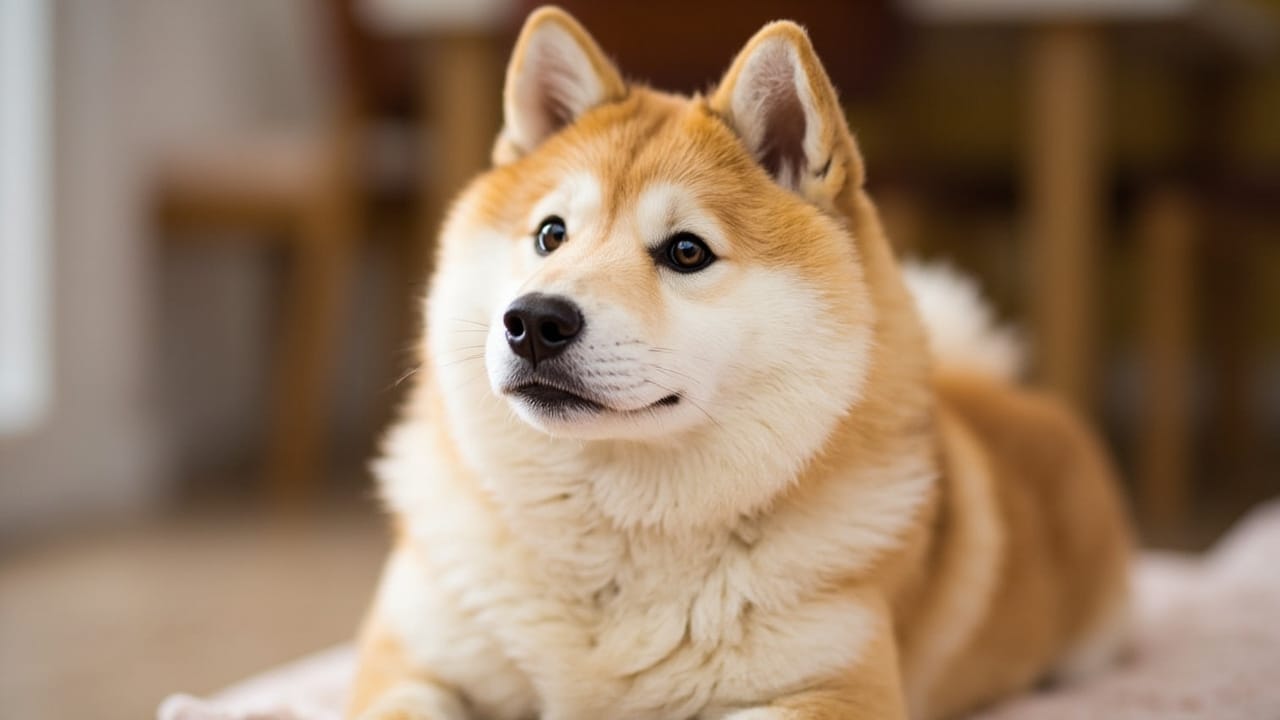
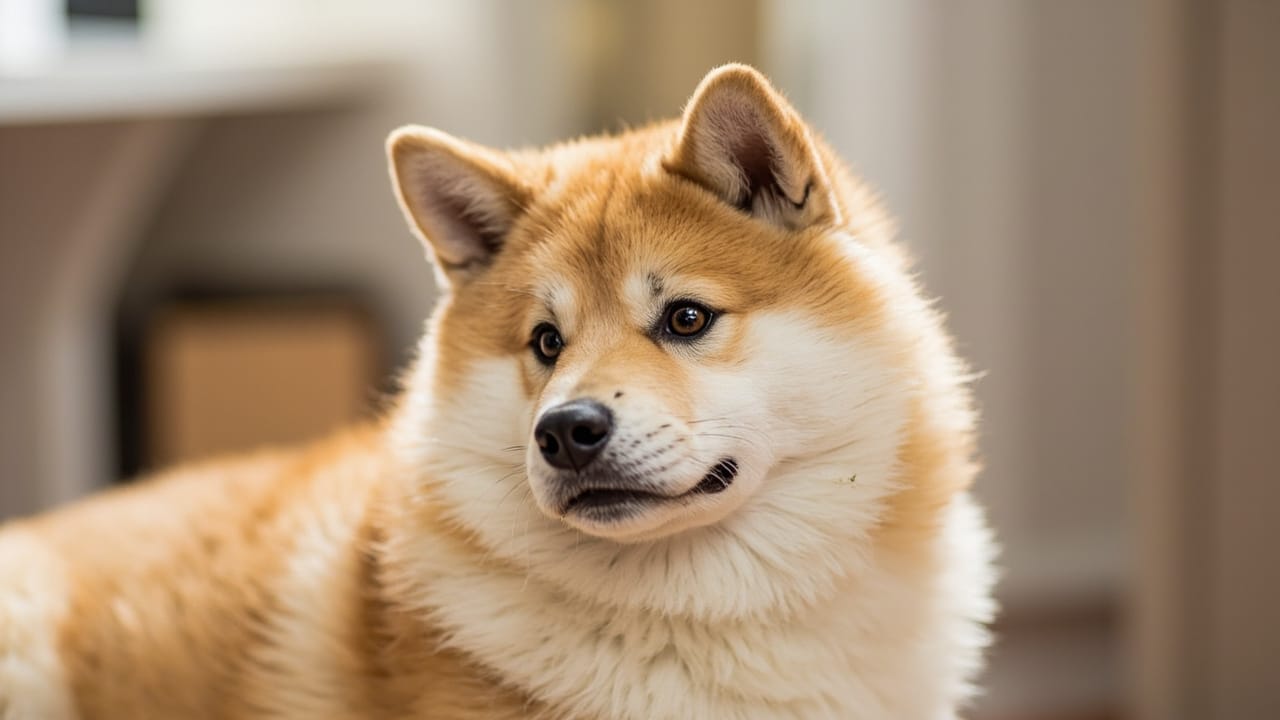
मेरा शीबा इनु अचानक चलने से क्यों मना करता है? 7 आम कारण
शीबा इनु अचानक चलने से मना करते हैं क्योंकि उनमें नस्ल-विशिष्ट जिद होती है, या वे डर, दर्द, या किसी मजबूत शिकार वृत्ति से प्रभावित होते हैं। ज़्यादातर मामले धैर्य, चोट की जाँच, और लगातार प्रशिक्षण से सुलझ जाते हैं, न कि कुत्ते को ज़बरदस्ती आगे बढ़ाने से।
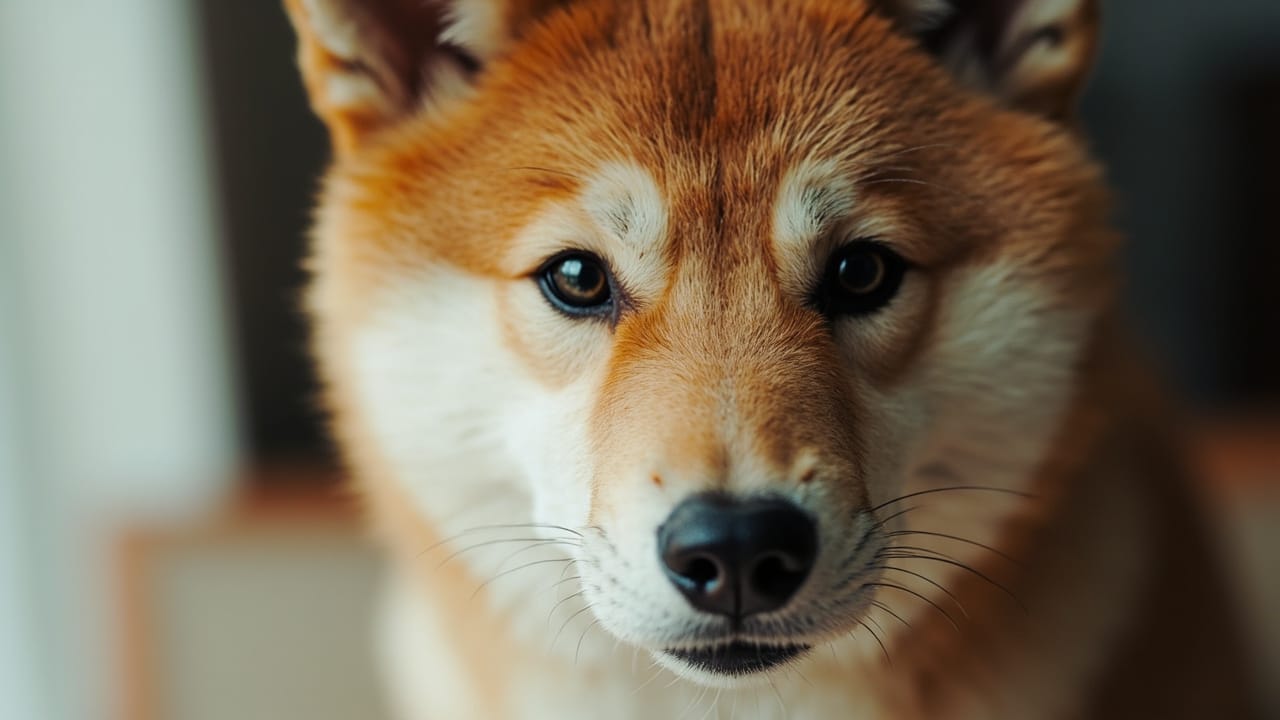
शीबा इनु का चारों पंजे ज़मीन पर गड़ा देना और चलने से इनकार करना शीबा पालन के सबसे पहचाने जाने वाले (और निराशाजनक) पलों में से एक है। अच्छी खबर: यह व्यवहार लगभग हमेशा कुछ सीमित और अच्छी तरह समझे गए कारणों में से एक होता है। बुरी खबर: क्योंकि शीबा को पर्वतीय इलाकों में स्वतंत्र शिकारी कुत्तों के रूप में पाला गया था, उनका "ना" अक्सर सचमुच "ना, और मैं इस पर चर्चा करना चाहूँगा" होता है। यह पता लगाना कि क्यों आपके शीबा ने चलना बंद किया, उन पंजों को दोबारा चलाने की दिशा में पहला कदम है।
1. दर्द या शारीरिक असहजता
दर्द को पहले खारिज करना चाहिए, खासकर अगर इनकार अचानक हो और स्वभाव के विपरीत हो। सामान्य शीबा स्वास्थ्य समस्याएँ जो चलने को प्रभावित करती हैं, उनमें शामिल हैं:
- luxating patella – kneecap अपनी जगह से खिसक जाती है; आप एक छोटी कूद या लंगड़ाहट देख सकते हैं
- Hip dysplasia – OFA द्वारा जाँचे गए लगभग 7.6% शीबा में पाया जाता है
- Atopic dermatitis या दर्दनाक पंजे – शीबा त्वचा एलर्जी के प्रति संवेदनशील होते हैं; गरम सड़क या खुरदरी ज़मीन पर फटी हुई पैड्स में दर्द होता है
- आँखों की समस्याएँ – primary closed-angle glaucoma अचानक उत्पन्न हो सकता है और दर्दनाक होता है
- Arthritis – छोटे शीबा में भी जोड़ों में अकड़न विकसित हो सकती है
पंजों पर कट, बर्फ की गेंदें, या काँटे जाँचें, और लंगड़ाहट, सिर दबाने, या हाँफने पर ध्यान दें। यदि दर्द का संदेह हो, तो प्रशिक्षण से पहले पशु-चिकित्सक से मिलें।
2. क्लासिक शीबा जिद ("शीबा नो")
जिद भरी इनकार इस नस्ल का स्वभाव चिह्न है। शीबा को जापान के पहाड़ी क्षेत्रों में स्वतंत्र रूप से शिकार करने के लिए विकसित किया गया था, जहाँ स्वायत्त निर्णय लेना एक bug नहीं, बल्कि survival trait था। जब शीबा तय करता है कि सैर खत्म है (बहुत ठंड, बहुत गीला, गलत दिशा, उबाऊ), तो वे बस रुक जाते हैं।
यह अपने आप में अवज्ञा नहीं है। यह चयनात्मक सहयोग है।
3. डर या चिंता
शीबा सतर्क होते हैं और आवाज़ के प्रति संवेदनशील हो सकते हैं। सामान्य ट्रिगर जो शीबा को सैर के बीच में जमा देते हैं:
- आतिशबाज़ी, गर्जन, निर्माण की आवाज़
- फुटपाथ पर कोई नया कुत्ता, व्यक्ति, या वैक्यूम क्लीनर
- अपरिचित सतहें (जाली, गीला धातु, चमकदार फर्श)
- उसी जगह पर पहले का कोई नकारात्मक अनुभव
शरीर की भाषा आमतौर पर जिद से अलग होती है: पूँछ नीचे, सिर झुका हुआ, "whale eye", काँपना। डरी हुई शीबा को कभी घसीटकर आगे न ले जाएँ।
4. शिकार वृत्ति लॉक-ऑन
शीबा में मजबूत prey drive होती है और वे गिलहरी, बिल्ली, पक्षी, या यहाँ तक कि सरसराती पत्ती को देखकर, सुनकर, या सूँघकर अचानक रुक सकते हैं। यह इनकार नहीं, यह ध्यान केंद्रित करना है। उनके पूर्वजों को chase से पहले उस स्थिरता की ज़रूरत होती थी। लॉक-ऑन शीबा बिल्कुल जिदी शीबा जैसा दिख सकता है।
5. ज़्यादा गर्मी या मौसम की असहजता
शीबा का मोटा double coat जापानी पहाड़ी सर्दियों के लिए डिज़ाइन किया गया है, गर्मियों की सड़क के लिए नहीं। Heat exhaustion, गरम डामर, तेज़ बारिश, या बहुत तंग हार्नेस भी सैर को इतना अप्रिय बना सकते हैं कि कुत्ता रुक जाए। इनकार की गई सैर के बाद मशहूर "शीबा 500" ज़ूमीज़ अक्सर संकेत होते हैं कि कुत्ते को ठंडे वातावरण में जमा हुई frustuation निकालने की ज़रूरत है।
6. अपरिचित गियर या रास्ता
नई हार्नेस, तंग कॉलर, या हिलती हुई बैकपैक तुरंत बैठने का विरोध करा सकती है। शीबा शारीरिक जागरूकता के प्रति संवेदनशील होते हैं और जल्दी सैर के साथ असहजता जोड़ लेते हैं।
7. सीखा हुआ व्यवहार
यदि हर इनकार के बाद घर तक गोद में उठा लिया जाता है, तो शीबा ने अनजाने में इनकार करना सीख लिया है। शीबा बुद्धिमान pattern learners हैं और कोई भी व्यवहार दोहराते हैं जिसका अंत गोद में उठाकर गरम, सूखी जगह ले जाने में होता है।
अपने शीबा को फिर से चलने के लिए कैसे प्रेरित करें
- पहले दर्द को खारिज करें – त्वरित पंजे और शरीर जाँच, फिर कुछ भी अजीब लगे तो पशु-चिकित्सक से मिलें।
- मूल्य का प्रलोभन दें – high-value treats, खुशनुमा आवाज़, या पसंदीदा खिलौना आगे बढ़ने की गति फिर से शुरू कर सकते हैं।
- दिशा बदलें – मुड़ें, कोई दूसरा रास्ता लें, या छोटा recall खेल खेलें।
- दांव कम करें – लड़ाई करने के बजाय सैर को सकारात्मक नोट पर खत्म करें।
- Front-clip harness का उपयोग करें – गले पर दबाव डाले बिना बेहतर नियंत्रण के लिए।
- धैर्यवान और लगातार रहें – कभी न घसीटें, न चिल्लाएँ, न शारीरिक रूप से मजबूर करें। इस नस्ल के साथ भरोसा नाज़ुक होता है।
यदि इनकार बार-बार होने लगे, तो behavioral vet से परामर्श लें और सुनिश्चित करें कि आपके शीबा के हाल में OFA hips, patella, और CERF eye exams हुए हों जैसा Canine Health Information Center (CHIC) प्रोग्राम सुझाता है।
अचानक चलने से मना करने वाला शीबा कुछ ख़ास बता रहा होता है। संदेश समझें, कारण का समाधान करें, और सैर फिर से सामान्य हो जाएँगी।
FAQ
क्या शीबा इनु के लिए चलने से मना करना सामान्य है?
हाँ। जिद भरा इनकार उनकी स्वतंत्र शिकार विरासत से जुड़ी पहचानी गई नस्ल की विशेषता है। हालाँकि, अचानक इनकार की हमेशा पहले दर्द या डर के लिए जाँच करनी चाहिए।
मैं कैसे बताऊँ कि मेरा शीबा दर्द में है या बस जिद कर रहा है?
शारीरिक संकेत देखें: लंगड़ाहट, हाँफना, पंजा उठाना, छूने से बचना, या झुकी हुई मुद्रा। जिदी शीबा आमतौर पर सतर्क, पूँछ ऊपर, और आँख मिलाकर दिखते हैं, जबकि दर्द में होने पर शीबा अक्सर खुद को वापस खींच लेते हैं।
क्या मुझे अपने शीबा इनु को रुकने पर घसीटना चाहिए?
नहीं। शीबा को घसीटने से भरोसा टूटता है, यदि दर्द शामिल हो तो कुत्ते को चोट पहुँच सकती है, और अक्सर भविष्य में इनकार और बदतर हो जाता है। इसके बजाय treats, आवाज़, या दिशा बदलने का उपयोग करें।
क्या स्वास्थ्य समस्याएँ शीबा को चलना बंद करने पर मजबूर कर सकती हैं?
हाँ। Luxating patella, hip dysplasia, glaucoma, arthritis, और पंजों की चोटें शीबा में सामान्य स्वास्थ्य समस्याएँ हैं जो अचानक चलने से इनकार करा सकती हैं। यदि व्यवहार नया है तो पशु-चिकित्सक जाँच की सलाह दी जाती है।