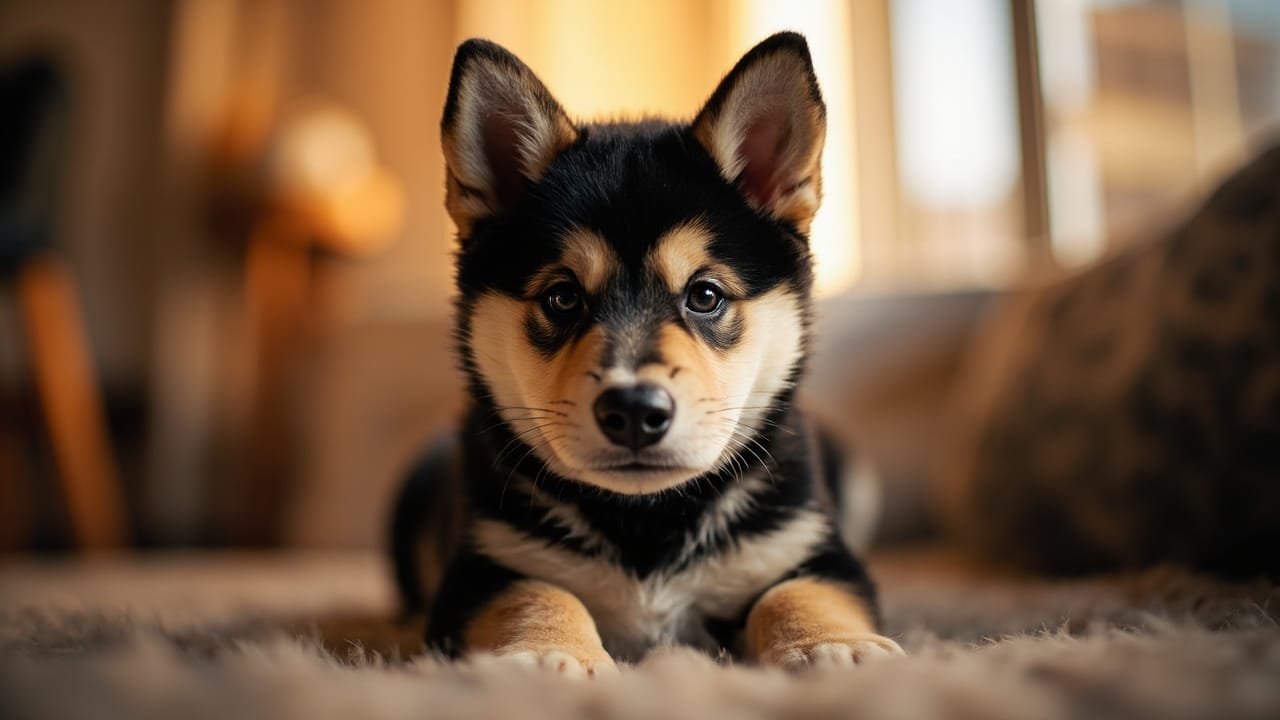
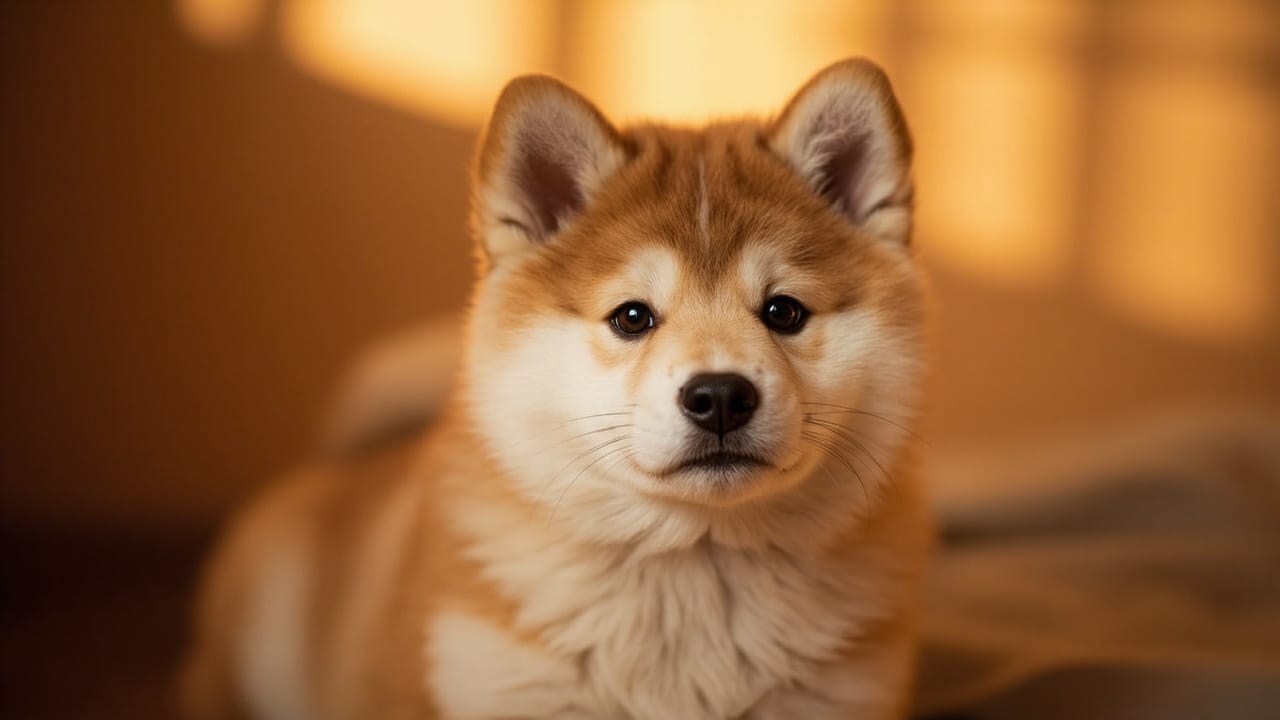
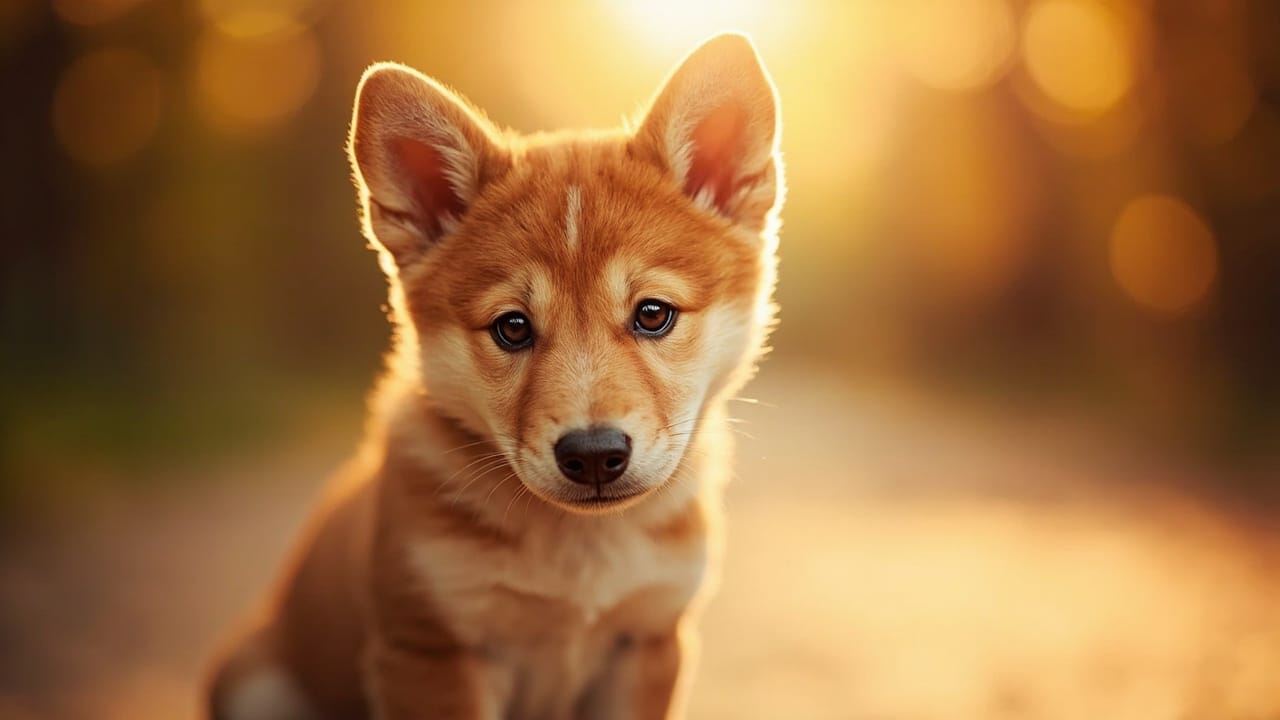
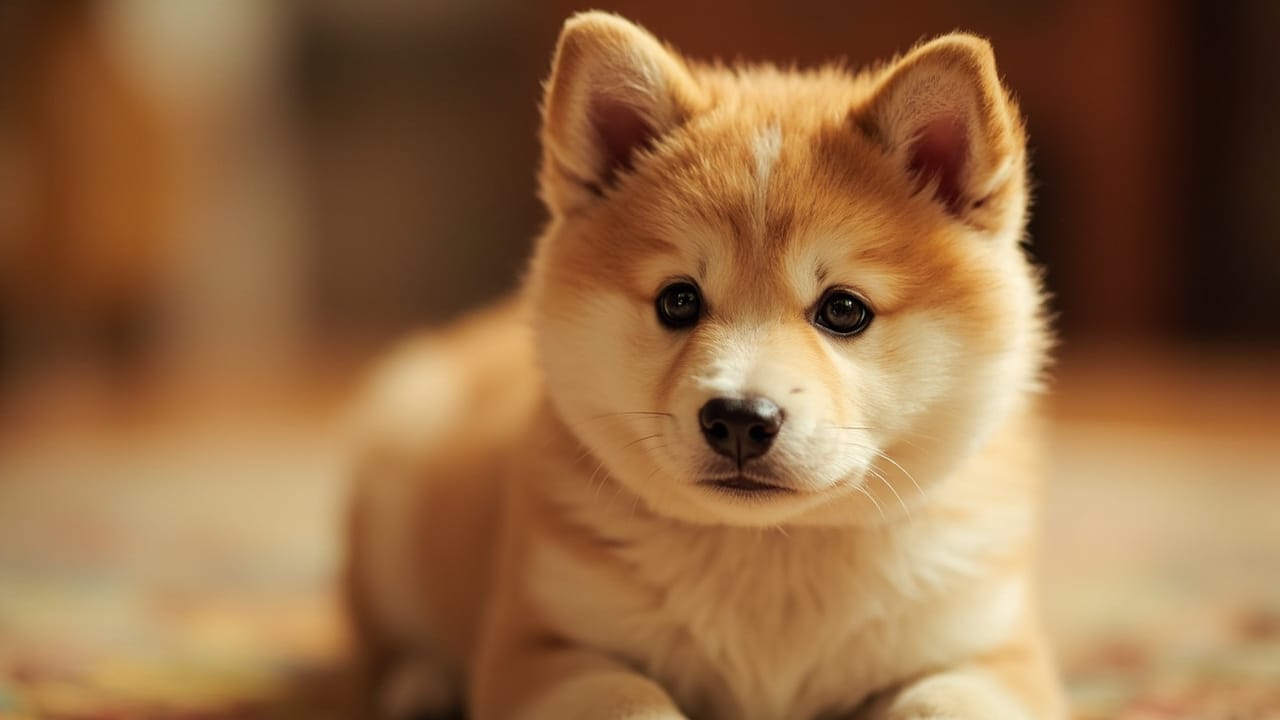
Mire van szükséged, mielőtt hazaviszel egy Shiba Inu kölyköt?
Mielőtt hazaviszel egy Shiba Inu kölyköt, biztonságos otthoni környezetre, fajtaspecifikus felszerelésekre, állatorvosi kapcsolatra, valamint képzési és szocializációs tervre van szükséged. A Shibák szökési művészek, erős zsákmányszerzési ösztönnel és akaratos temperamentummal rendelkeznek, ezért a biztonságra és struktúrára fókuszáló felkészülés nem megkerülhető.

Hazavinni egy Shiba Inu kölyköt izgalmas, de ennek a japán fajtának speciális igényei vannak, amelyek váratlanul érik az első tulajdonosokat. Mielőtt a kölyök megérkezik, négy alapvető dolognak kell a helyén lennie: biztonságos fizikai környezet, megfelelő felszerelések, átgondolt állatorvosi terv, valamint realisztikus képzési és szocializációs stratégia. Ha bármelyiket kihagyod, kockáztatod a viselkedési problémákat, a szökési kísérleteket vagy a későbbi drága állatorvosi számlákat.
Biztosítsd az otthonod és a kerted
A Shibák híres szökési művészek. Képesek mászni, ásni, ugrani és meglepően kis réseken átpréselni magukat. Mielőtt a kölyök megérkezik, ellenőrizd az otthonod és a kerted egy Shiba szemével:
- Kerítés: Legalább 1,5-1,8 méter magas, alul ne legyenek hézagok, ahol alááshatják magukat. Fontold meg csirkeháló beásását a kerítés mentén, vagy beton lábazat hozzáadását.
- Kapuk: Önzáródó, ideálisan zárral ellátott. A Shibák megtanulják orral kinyitni az egyszerű reteszeket.
- Ablakok és ajtók: Rögzítsd a szúnyoghálókat, és soha ne hagyd az ajtókat kitámasztva, még rövid időre sem.
- Kis rések: Zárd el a hozzáférést a kúszóterekhez, a terasz alatti részekhez és a kerítéssarkokhoz, ahová egy kíváncsi kölyök beékelheti magát.
Bent készítsd fel a lakást kölyökbaráttá: távolítsd el a mérgező növényeket, rögzítsd az elektromos vezetékeket, és a tisztítószereket tedd elérhetetlen helyre. A boxos nevelés erősen ajánlott, és egy megfelelő méretű box (a legtöbb felnőtt egy 90 cm-es boxba fér bele) egyszerre biztonságos menedék és szobatisztaságra nevelő eszköz.
Szerezd be a megfelelő felszereléseket
A Shibák tiszták, szinte macskaszerű kutyák, de speciális felszerelésre azért szükségük van. Tervezd meg, hogy ezek az eszközök már az átvétel napján rendelkezésre álljanak:
- Rozsdamentes acél tálak ételhez és vízhez (a kerámia is megfelelő)
- Kiváló minőségű kölyökkutyaeledel, ideálisan ugyanaz a márka, amelyet a tenyésztő használt, fokozatos átállítási tervvel
- Hám és póráz: Az elülső csatos vagy Y-forrású hám jobb kontrollt ad, mint a nyakörv ennek az erős, húzásra hajlamos fajtának
- Box, fekhely és takarók egy kijelölt biztonságos térhez
- Rágójátékok, kirakós etetők és gazdagító eszközök – a Shibák intelligensek és könnyen unatkoznak
- Slicker kefe, aljszőrzet-kihúzó fésű és vedlési eszköz az évente kétszeri szőrváltáshoz
- Enzimes tisztítószer a szobatisztasági balesetekhez
- Babakapuk a hozzáférés korlátozásához az első hónapokban
Ne költs pénzt behúzható pórázra vagy averzív képzési nyakörvekre. Mindkettő a Shiba önálló természete ellen dolgozik.
Állatorvosi terv kialakítása
A Shibák az egyik leghosszabb életű fajta, gyakran elérik a 13-16 évet, de van néhány fajtaspecifikus egészségügyi aggályuk, amelyre érdemes előre tervezni. Az első állatorvosi látogatást a kölyök hazahozatalától számított 48-72 órán belül ütemezd be. Az ajánlott előszűrés és folyamatos ellátás a következőket foglalja magában:
- Kezdeti állapotfelmérés, féregtelenítés és oltási ütemterv
- OFA csípő és térdkalács vizsgálat az érés során (a ficamodó térdkalács viszonylag gyakori)
- Éves CERF vagy OFA szemészeti vizsgálat szűrésre szürkehályogra, PRA-ra és primer zárt zugú glaukómára
- Atópiás dermatitis figyelés: A Shibák hajlamosak bőrallergiákra, ezért beszéld meg az állatorvossal már korán a diétás és környezeti kiváltó tényezőket
- Ivarosítási megbeszélés az állatorvossal, jellemzően 6-12 hónapos kor körül
Egy tipikus első éves állatorvosi költségvetés 500-1200 dollár, a régiótól és az esetleges váratlan problémáktól függően.
Képzési és szocializációs terv
A Shibák nem Labradorok. Intelligensek, önállóak és hírhedten makacsok. A képzés az első napon kezdődik, nem pedig azután, hogy a kölyök már megtelepedett.
- Szocializációs ablak: 3 és 14 hetes kor között tedd ki a kölyköt sokféle embernek, felületnek, hangnak, oltott barátságos kutyának és kezelési tapasztalatnak. Ez a legfontosabb befektetés, amit tehetsz.
- Jutalomalapú módszerek: Kizárólag pozitív megerősítést használj. A Shibák lelkileg lezárnak az erőszakkal vagy büntetéssel szemben, és a kemény korrekciók hatására akár romolhat is a helyzet.
- Visszahívás képzése: Azonnal kezdd el, és soha ne bízz meg benne teljesen. Egy Shiba zsákmányszerzési ösztöne egy pillanat alatt felülírhatja a képzést, ha felbukkan egy mókus.
- Illemtan: Boxos nevelés, névre szoktatás, ülés, pórázon való viselkedés és harapásgátlás reális első heti célok.
Jelentkezz be erőszakmentes tréner által vezetett kölyökórára 16 hetes kor előtt, ha lehetséges.
Őszinte költségvetés
Egy Shiba Inu egy jó hírű tenyésztőtől az Egyesült Államokban 1400-2500 dollárba kerül, a show-minőségű kutyák pedig elérhetik a 3500-5000 dollárt. A mentési örökbefogadás jellemzően 300-500 dollár. A vételáron túl tervezz 1500-2500 dollár első éves költséggel, beleértve a felszereléseket, oltásokat, ivartalanítást, tanfolyamokat és az eleséget. Az első év utáni éves költségek általában 1200-2000 dollár.
A felkészülés mindennél fontosabb ennél a fajtánál. Rögzítsd a környezetet, a felszereléseket, az állatorvost és a képzési tervet az átvétel napját megelőzően, és a Shiba életét a jó lábra helyezve kezdheted el.
Hiteles források és további olvasnivaló:
FAQ
Mennyibe kerül egy Shiba Inu kölyök egy jó hírű tenyésztőtől?
Az Egyesült Államokban egy Shiba Inu kölyök egy jó hírű tenyésztőtől jellemzően 1400-2500 dollárba kerül, a show-minőségű kutyák pedig elérhetik a 3500-5000 dollárt. A mentési örökbefogadás általában 300-500 dollár.
Milyen felszerelésre van szükségem egy új Shiba Inu kölyökhöz?
Az alapvető felszerelések közé tartozik a megfelelő méretű box, rozsdamentes acél tálak, kiváló minőségű kölyökkutyaeledel, elülső csatos hám és póráz, aljszőrzet-kihúzó fésű és slicker kefe a szezonális szőrváltáshoz, rágó- és kirakós játékok, babakapuk, valamint enzimes tisztítószer a szobatisztasági balesetekhez.
Mikor vigyem el a Shiba Inu kölyköm állatorvoshoz?
Az első állatorvosi látogatást a kölyök hazahozatalától számított 48-72 órán belül ütemezd be. Tervezz oltási és féregtelenítési ütemtervet, majd később szűrést csípőízületi diszpláziára, ficamodó térdkalácsra és a fajtára jellemző szembetegségekre, beleértve a PRA-t, a szürkehályogot és a primer zárt zugú glaukómát.
Nehezen taníthatók a Shiba Inuk az első tulajdonosok számára?
A Shibák intelligensek, de önállóak és erős akaratúak, ami kihívást jelenthet az első tulajdonosoknak. A jutalomalapú képzés, a 3 és 14 hetes kor közötti korai szocializáció és a következetes visszahívás-munka elengedhetetlen. A kemény módszerek jellemzően visszafelé sülnek el ennél a fajtánál.