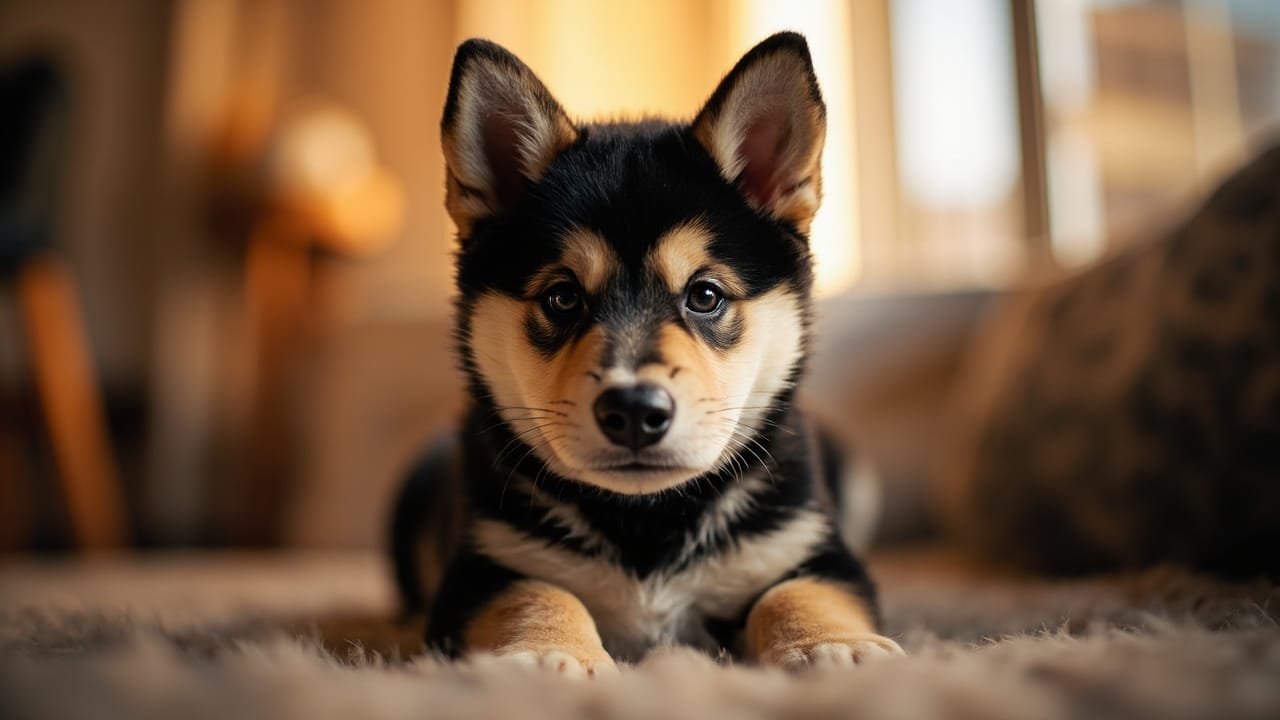
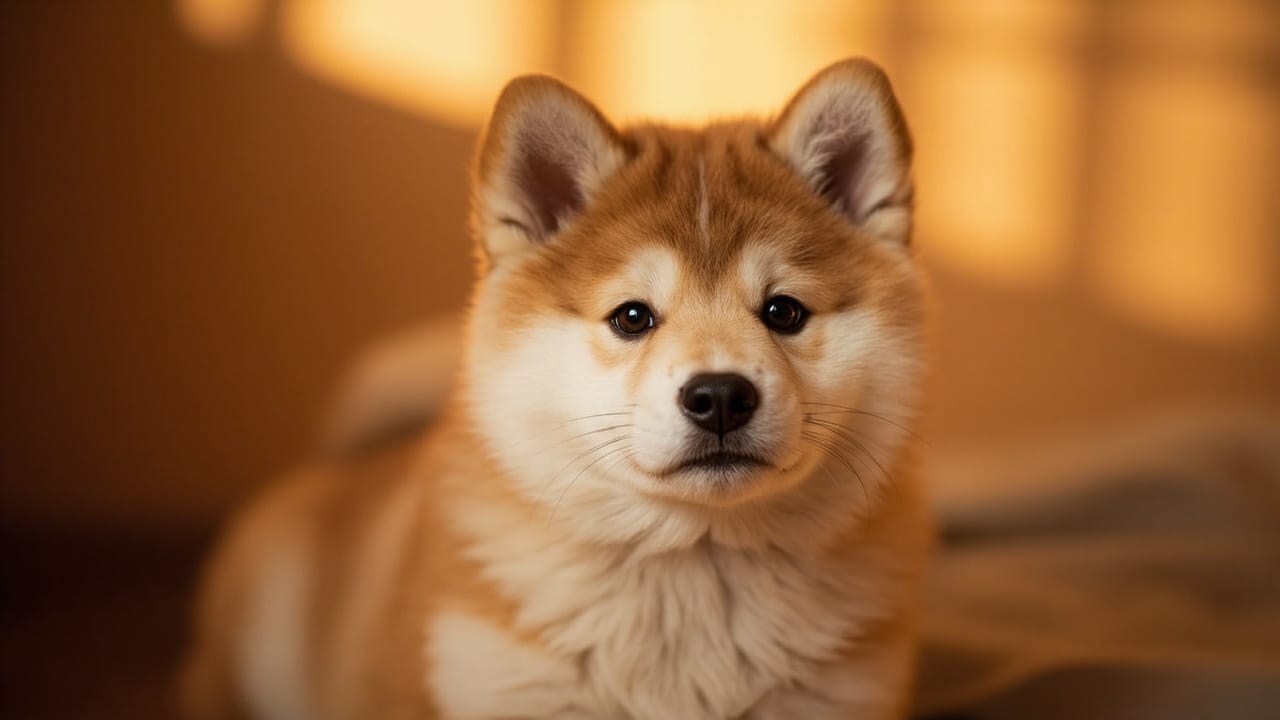
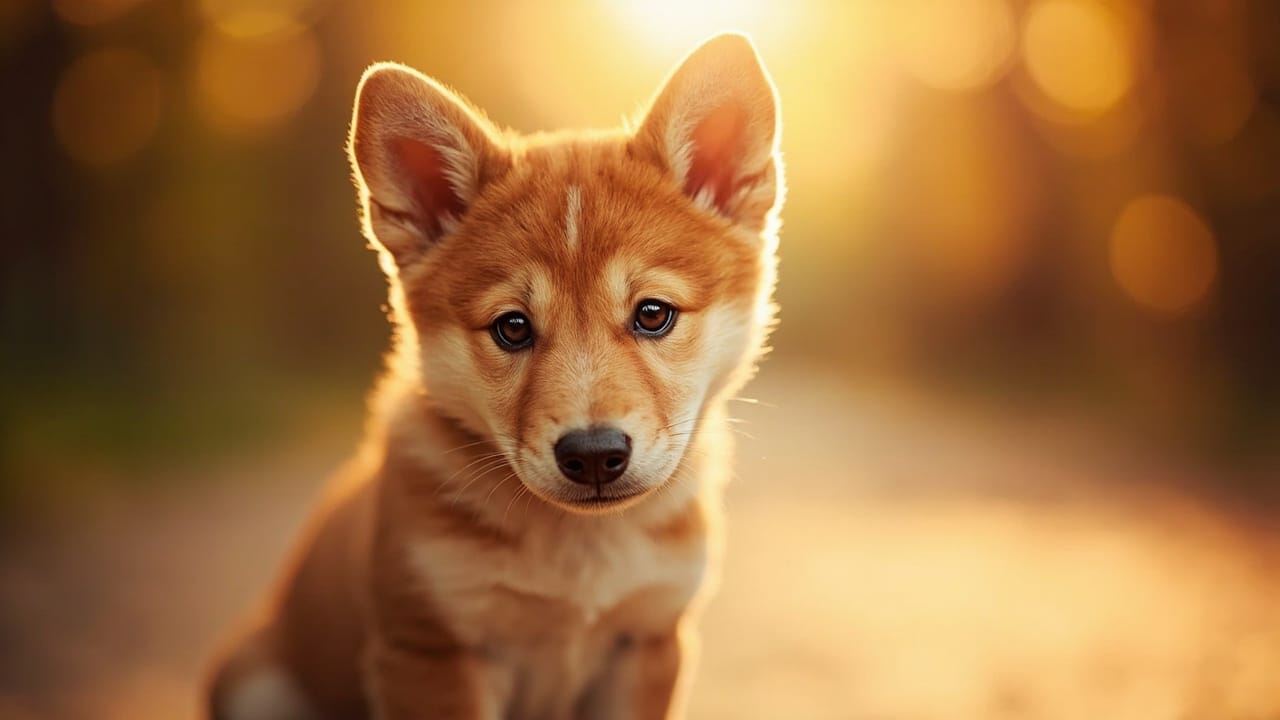
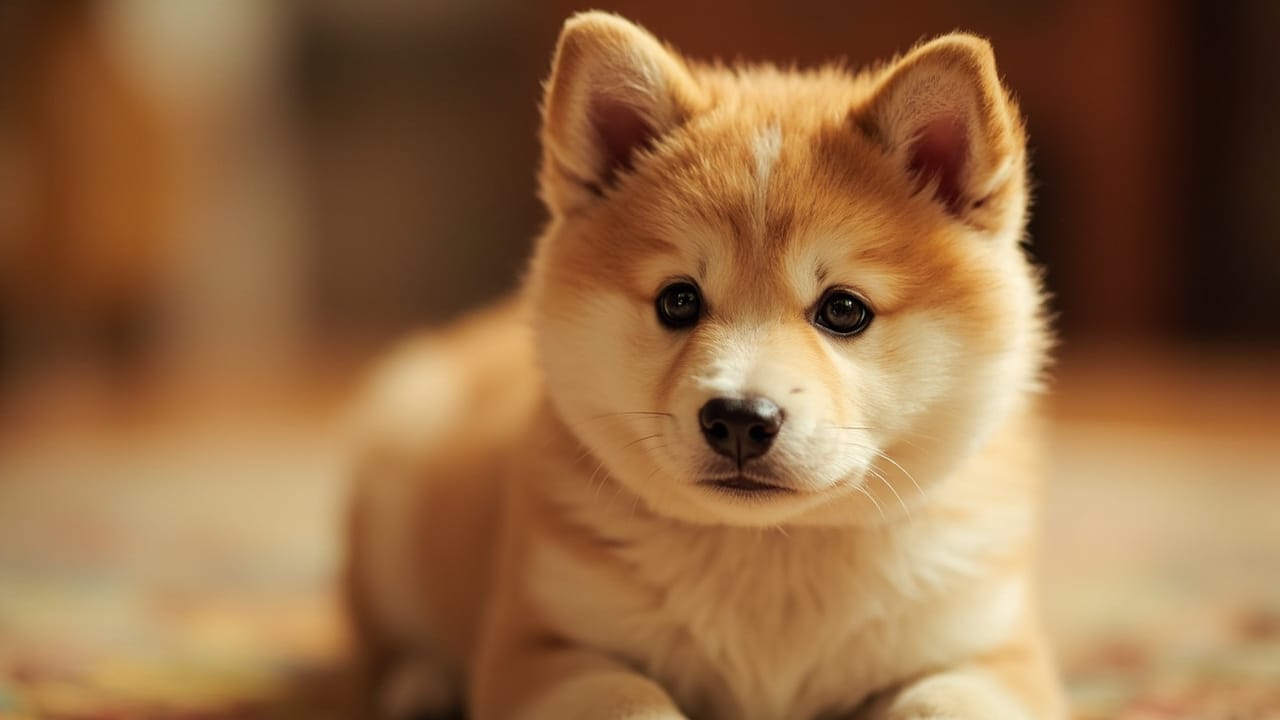
Kérdések, amelyeket érdemes feltenni egy Shiba Inu tenyésztőnek a kölyökvásárlás előtt
Egy megbízható Shiba Inu tenyésztő örömmel fogadja az egészséggel, genetikával és vérmérséklettel kapcsolatos kérdéseket. Kérje mindkét szülő OFA/CHIC eredményeit, a szocializáció bizonyítékát, az írásos szerződést egészségügyi garanciával, valamint korábbi vásárlók referenciáit. Álljon el attól, aki nem tud vagy nem akar dokumentációt adni, 8-10 hetes kor előtt engedi el a kölyköket, vagy mindig vannak elérhető kölykei.

Egy Shiba Inu vásárlása 13-16 éves elköteleződés, és a választott tenyésztő a következő évtizededet tekintve szinte minden más döntésnél nagyobb hatással bír. A jó tenyésztőt nem fogja megbántani a kemény kérdések; sőt, számít is rájuk. Az alábbiakban azok a kérdések szerepelnek, amelyek megkülönböztetik az etikus, a fajta megőrzésére törekvő tenyésztőket a kölyökkutyagyáraktól, az alkalmi szaporítóktól és a viszonteladóktól.
Egészségügyi szűrések: OFA, CHIC és genetikai vizsgálatok
Ne fogadd el az „állatorvos által ellenőrizve" kifejezést az egészség bizonyítékaként. A Shiba Inuk hajlamosak a csípőízületi diszpláziára (~7,6%-os OFA-előfordulás), a térdkalácsficamra, az elsődleges zárt zugú zöldhályogra, a szürkehályogra, a progresszív retina atrófiára (PRA) és a pajzsmirigy alulműködésre. Kérdezz rá konkrétan:
- Mindkét szülő OFA-szűrése megtörtént a csípőre és a térdkalácsra vonatkozóan? Kérd el az OFA tanúsítványok számait, és ellenőrizd azokat az ofa.org oldalon.
- Mindkét szülő rendelkezik érvényes CERF/CAER szemészeti vizsgálattal, amelyet állatorvos-szemész szakorvos végzett? Ez a CHIC (Canine Health Information Center) protokoll szerint kötelező.
- Az alom DNS-vizsgálata megtörtént a PRA és egyéb releváns genetikai betegségekre?
- Mekkora ennek a párosításnak a beltenyésztettségi együtthatója (COI)? Azok a tenyésztők, akik ismerik a törzskönyveiket, ezt megosztják; Shibáknál a ~10% feletti érték aggodalomra ad okot.
- Megtekintheted az anya és az apa teljes egészségügyi dokumentációját?
Ha a tenyésztő azt mondja: „Nem csinálunk ilyen szűréseket, a vérvonalaink egészségesek", állj el. Nincs mentség az OFA csípő-, térdkalács- és szemvizsgálatok kihagyására.
Címek, törzskönyv és regisztráció
Az a tenyésztő, aki kiállítja vagy munkára fogja a kutyáit, az anatómiai felépítésbe, a vérmérsékletbe és a fajtastandardba fektet. Kérdezd meg:
- A szülők AKC vagy FCI bajnokok, illetve rendelkeznek kiállítási pontokkal? A küllemi, engedelmességi, agility, szagnyomkövető vagy rally címek mind számítanak.
- A kölykök regisztrálva vannak egy elismert kutyás szervezethez (AKC, FCI, UKC, NIPPO)? Megtekintheted a regisztrációs papírokat?
- Milyen a törzskönyv? Hány generációra visszavezethető? Ismertek-e bármilyen egészségügyi probléma a felmenők között?
- Mi a tenyésztő kapcsolata a NIPPO-val vagy a japán vérvonalakkal? A megbízható Shiba-tenyésztők általában tudják, hogy vérvonalaik a Shinshu, Mino vagy San'in típusból származnak-e.
Szocializáció, vérmérséklet és a korai életszakasz
A Shiba Inuk közismerten önállóak, gyakran tartózkodóak idegenekkel szemben, és alulsocializálva reaktívvá válhatnak. A jó tenyésztők ezt kompenzálják:
- Hol nevelkednek a kölykök — kennelben, garázsban, vagy a házban? A házban nevelt kölykök sokkal jobban alkalmazkodnak.
- Mi a korai szocializációs protokoll? Érdeklődj a hangok, felületek, autózás, ketrec, körömvágás, gyerekek és más kutyák szoktatásáról.
- Elkezdték-e a kölykök ketrecszoktatását, szobatisztaságra nevelését vagy clicker tréninget az átadás előtt?
- Megismerheted az anyát (dám)? Az ő vérmérséklete a legmegbízhatóbb előrejelzője a kölyök vérmérsékletének. Az apa gyakran máshol van, fagyasztott spermán keresztül, de fotókat és videókat kell biztosítani róla.
- Hány hetesen adják át a kölyköket? A kölyköknek legalább 8 hetes korig, ideálisan 10 hetes korig az anyjukkal kell maradniuk, mivel a Shibák szociális fejlődése lassabb.
Szerződések, garanciák és visszavételi szabályzat
Egy komoly tenyésztő papírjai téged és a kutyát is védik:
- Létezik írásos adásvételi szerződés, amely tartalmazza az ivartalanítási követelményeket, a házi kedvenc vs. kiállítási minőséget, valamint a tenyésztési jogokat?
- Van egészségügyi garancia, és ha igen, mennyi ideig? A megbízható tenyésztők 2-3 év garanciát vállalnak a genetikai betegségekre.
- A tenyésztő bármilyen életkorban visszaveszi-e a kutyát, ha nem tudod megtartani? Ez az etikus tenyésztőknél nem alku tárgya, és az élethosszig tartó felelősségvállalás jele.
- Mi történik, ha a kölyöknél súlyos genetikai betegség alakul ki? A tenyésztő visszafizeti az árat, cserél, vagy segít az állatorvosi költségekben?
- A kiállítási/tenyésztési egyedeket közös tulajdonként (co-ownership) értékesítik, és milyen feltételekkel?
Ár, várólisták és árulkodó jelek
Egy egészségügyileg szűrt, címekkel rendelkező szülőktől származó Shiba Inu általában 1400-2500 dollár házi kedvenc minőségben, és 3500-5000+ dollár feletti kiállítási/tenyésztési egyedek esetén. A mentett Shibák 300-500 dollárba kerülnek. Legyél óvatos, ha:
- A kölykök mindig elérhetők, vagy aznap kifizetheted és hazaviheted őket.
- A tenyésztő több fajtát is kínál — a legtöbb megbízható tenyésztő egy-két fajtára specializálódik.
- Nem engednek látogatni, vagy csak parkolókban találkoznak.
- Nem tudnak felmutatni egészségügyi szűrési igazolásokat, regisztrációt vagy referenciákat.
- „Ritka" színeket, például a krémszínűt prémiumként hirdetik — a krémszínű a NIPPO standard szerint kiállítási hiba, nem kívánatos ritkaság.
Referenciák és közösségi megítélés
Kérj legalább két referenciát korábbi kölyökvásárlóktól, ideálisan több éves almokból. Vedd fel a kapcsolatot a National Shiba Inu Club of America szervezettel vagy a regionális Shiba mentőhálózattal, hogy ellenőrizd, a tenyésztő jó hírnévnek örvend-e. Az online vélemények, a fajtaspecifikus fórumok és a Shiba közösségben terjedő szájhagyomány felbecsülhetetlen értékűek.
A legjobb tenyésztők éppúgy kérdeznek téged, mint te őket. Fontos nekik, hogy a kölykeik hol alszanak a következő 16 évben, és a kutya élete végéig forrásként szolgálnak. Ez az a mérce, amelyhez minden tenyésztőt tartsd.
Források és további olvasmányok: OFA (Canine Health Information Center), National Shiba Inu Club of America, NIPPO standard, AKC Shiba Inu fajtaleírás.
FAQ
Hogyan ellenőrizhetem egy Shiba Inu tenyésztő egészségügyi szűréseit?
Kérd el mindkét szülő OFA tanúsítványszámát a csípőre és a térdkalácsra vonatkozóan, valamint egy érvényes CAER/CERF szemészeti vizsgálatot, és ellenőrizd azokat nyilvánosan az ofa.org oldalon. A megbízható tenyésztők ezeket készen tartják, és kutyáikat a CHIC adatbázisban is nyilvántartják.
Mennyi az elfogadható ára egy Shiba Inu kölyöknek egy megbízható tenyésztőnél?
Az egészségügyileg szűrt, AKC-regisztrált szülőktől származó házi kedvenc minőségű Shiba Inu kölykök általában 1400-2500 dollárba kerülnek. A címekkel rendelkező szülőktől származó kiállítási vagy tenyésztési egyedek ára 3500-5000+ dollár. A mentett Shibák általában 300-500 dollárba kerülnek. Az ezen tartományok alatti árak aggodalomra adnak okot.
Hány hetes korban kerülhet haza egy Shiba Inu kölyök?
A Shiba Inu kölyköknek legalább 8 hetes korig az anyjukkal kell maradniuk, ideálisan 10 hetes korig, mivel a fajta szociális és érzelmi fejlődése lassabb. A 8 hetes kor előtt átadott kölykök esetében a tenyésztő a kritikus szocializációt vágja el.
Melyek a legnagyobb árulkodó jelek Shiba Inu vásárlásakor?
Kerüld el azt a tenyésztőt, akinél nincs OFA/CHIC egészségügyi szűrés, nincs elismert kutyás szervezeti regisztráció, nincs szerződés vagy egészségügyi garancia, nem hajlandó megismertetni az anyával, több fajtát is kínál, mindig vannak elérhető kölykei, vagy nyomást gyakorol a vásárlásra a kérdések megválaszolása nélkül. Egy megbízható tenyésztő várólistával dolgozik, és elutasítja a nem megfelelő gazdákat.