Milyen érzés egy egészséges Shiba Inu szőrzet? Textúra-útmutató
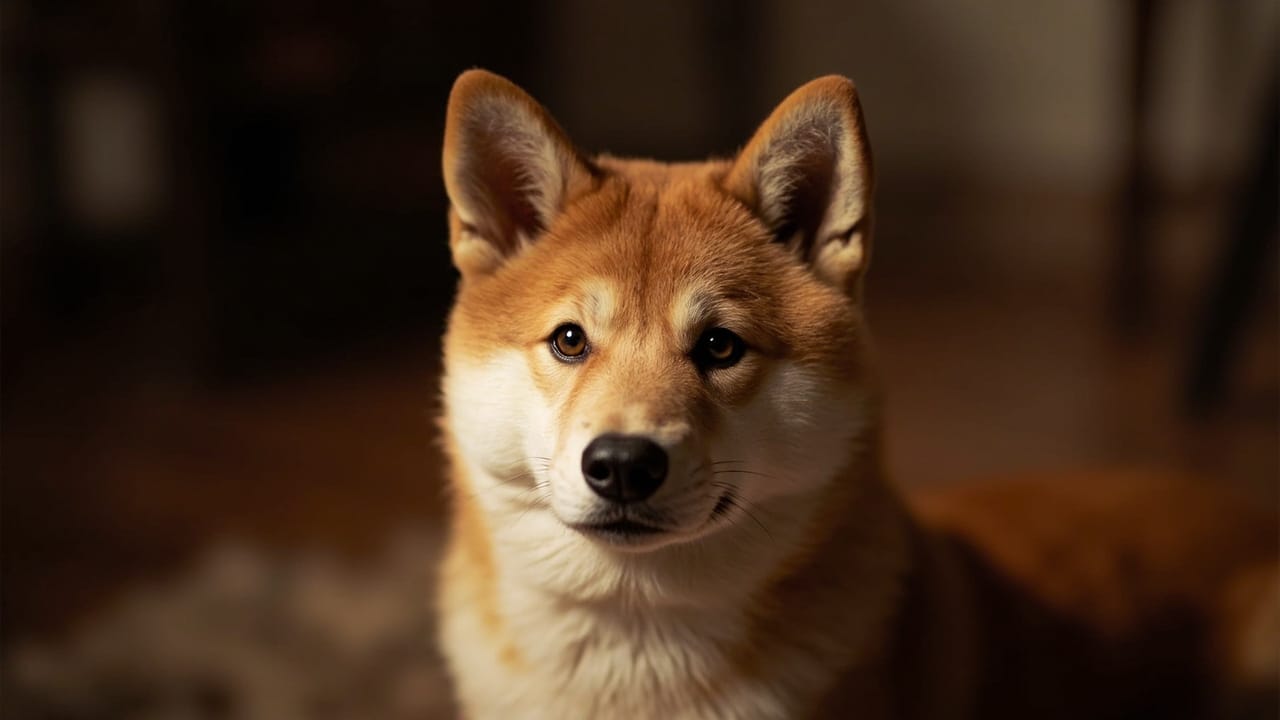
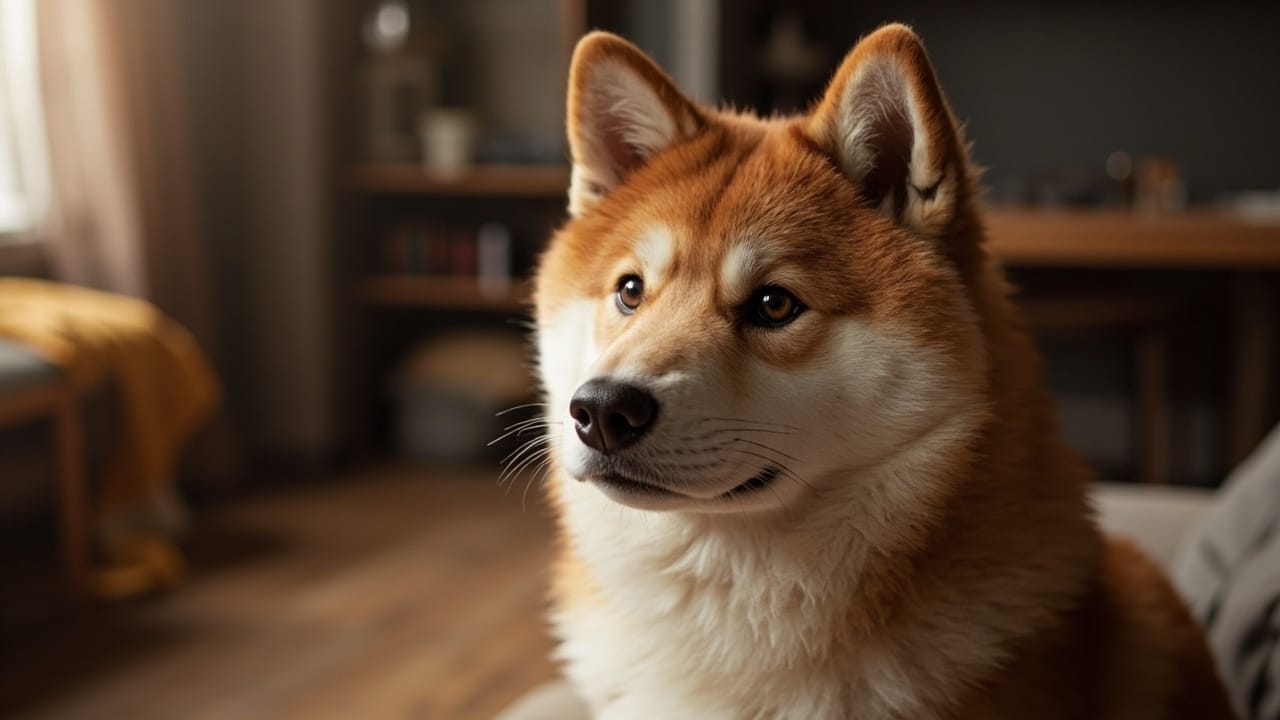
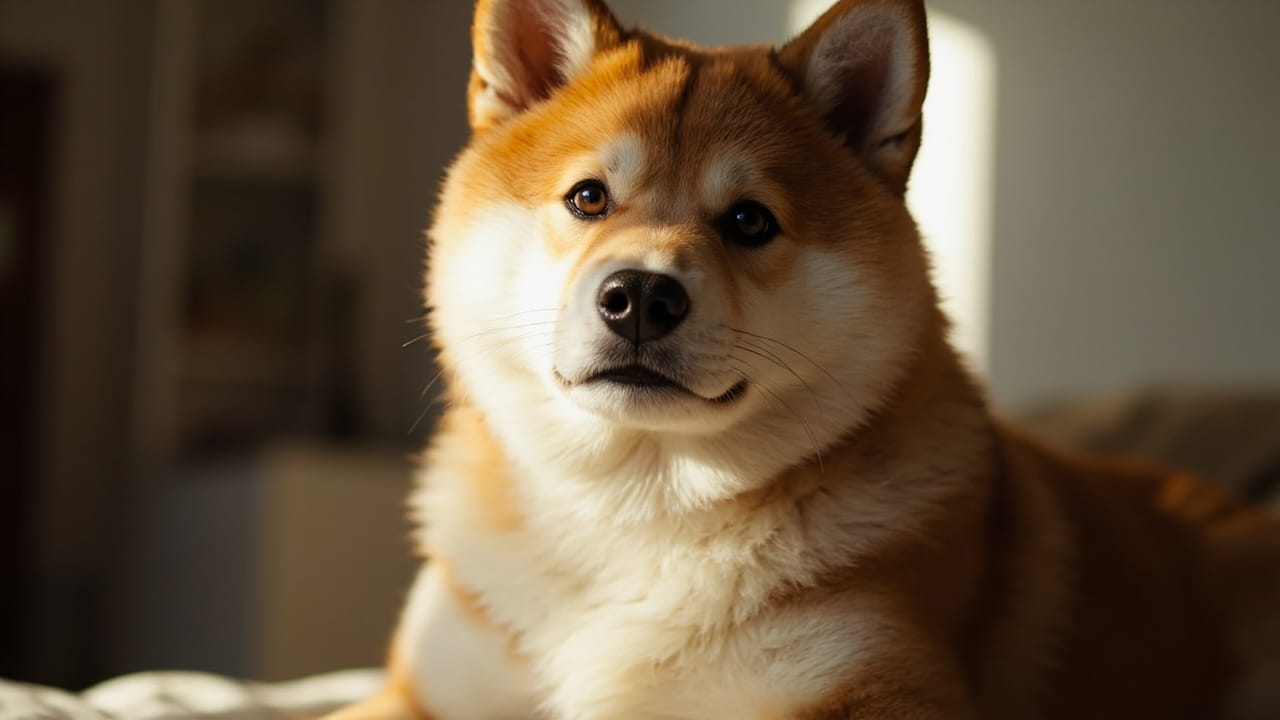
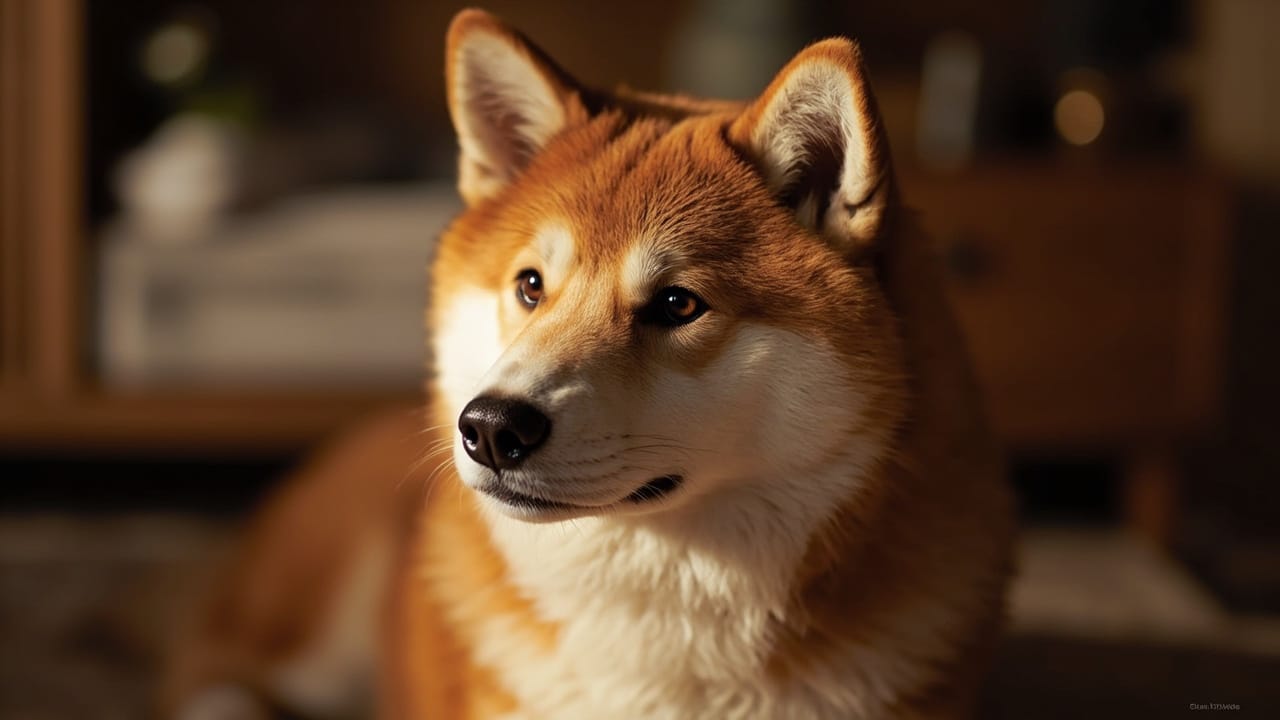
Az egészséges Shiba Inu kettős szőrzettel rendelkezik: merev, egyenes fedőszőrrel, amely érdes, sörtés tapintású, valamint puha, sűrű, vattaszerű aljszőrrel. A szőr enyhén eláll a testtől, nem simul rá, így a kutya bundája tömött, szinte bozótos tapintású, ami taszítja a koszt és a vizet.
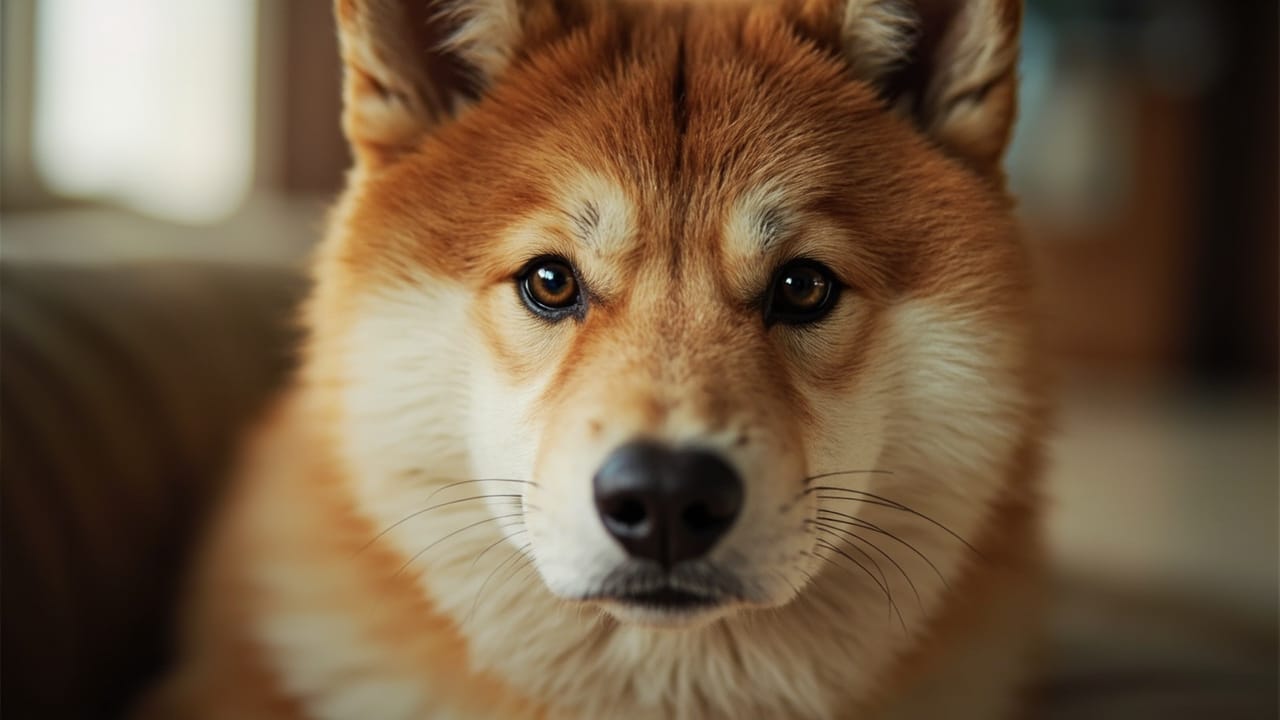
A rövid válasz
Az egészséges Shiba Inu szőrzet kettős szőrzet, két jól elkülöníthető réteggel, amelyeket kézzel is érezni lehet. A fedőszőr merev, egyenes és érdes – szinte sörtés, mint egy kemény kefe sörtéi. Az alatta lévő aljszőr puha, vastag és pehelyszerű, mint egy plüss vattagombóc. Együtt olyan szőrzetet alkotnak, amely eláll a testtől, nem simul a bőrre, és ez adja a Shiba jellegzetes, bozótos megjelenését.
Ha a Shiba bundája selymes, teljesen puha vagy a testre simul, valami nincs rendben. A selymesség általában gyenge vagy sérült fedőszőrt jelent, míg a testre simuló szőrzet gyakran a hiányzó vagy kifújt aljszőr jele.
A két réteg magyarázata
Fedőszőr (szőrvezető szálak)
- Textúra: Érdes, kemény, egyenes vagy enyhén hullámos
- Tapintás: Mint egy merev ecset vagy fenyőtű – nem éles, de határozottan nem puha
- Funkció: Taszítja a vizet és a koszt; védi a bőrt a naptól és a sérülésektől
- Viselkedése: Visszaáll a helyére, ha visszafelé keféljük; nem filcesedik
Aljszőr
- Textúra: Puha, sűrű, finom, vattaszerű
- Tapintás: Mint a juhgyapjú vagy egy pehelykabát; szigetelő és enyhén zsíros
- Funkció: Hidegben megtartja a testhőt
- Viselkedése: Évente kétszer, a „szőrváltás" során látványos csomókban hullik
A jól textúrált Shiba szőrzet olyan érzés, mintha egy sűrű, időjárásálló plüssmacin húznánk végig a kezünket – először a szőrvezető szálak ellenállását érezzük, majd alattuk az aljszőr puha puhaságát.
Hogyan néz ki egy egészséges szőrzet (a textúrán túl)
A textúra önmagában nem elég. Egy valóban egészséges Shiba szőrzet az alábbi jeleket is mutatja:
- Mérsékelt, nem túlzott fény, soha nem zsíros vagy üveges
- Erős színtelítettség a vörös, szezámmagos vagy fekete-barna színeknél
- Látható urajiro – a kötelező krémszínű-fehér jegyek az orcákon, a mellkason, a hason, a combok belső oldalán és a farok alatt
- Nincsenek kopasz foltok vagy ritkulás a könyököknél, a fülek mögött vagy a combokon
- Gyors regeneráció, amikor szétválasztjuk a szőrt – a szőrzet azonnal visszaugrik a helyére
Szőrzettextúra szín szerint
A szín finoman befolyásolhatja a szőrzet tapintását:
- Vörös (Aka): A leginkább időjárásálló textúra; a szőrvezető szálak határozottan érdes tapintásúak
- Fekete-barna (Kuro): Kissé puhább érzetű, de megvan a megfelelő sörtésség
- Szezámmagos (Goma): A csíkozott szálak kissé érdes tapintást kölcsönöznek
- Krém (Shiro): Gyakran puhább, kevésbé időjárásálló szőrzettel rendelkezik, és kiállítási hibának számít; textúrája inkább a hosszú szőrű fajtákéhoz hasonlítható
Amikor a textúra megváltozik
A textúra változása az egyik legkorábbi jele a szőrzettel vagy az egészséggel kapcsolatos problémáknak. Figyelj az alábbi figyelmeztető jelekre:
- Hirtelen selymesség vagy lógás: Pajzsmirigy-alulműködésre, túlzott zsírsav-kiegészítésre vagy túl gyakori fürdetésre utalhat
- Vattás vagy nemezesedő érzés: Az aljszőr elhalt és nem jön ki – ideje aljszőrkefét és -gereblyét használni
- Zsíros vagy ragacsos textúra: Szeborreára, allergiára vagy bőrfertőzésre utal
- Törékeny, rojtosodó szőrvezető szálak: Tápanyaghiány, száraz klíma vagy erős sampon
- Testre simuló szőrzet, nincs „elállás": Gyakran erős szőrváltás után vagy idős Shibáknál látható
A kézpróba: Próbáld ki otthon
- Simogasd a Shibát a szőr növekedési irányába – a szőrzet sima és feszes érzetű legyen.
- Simítsd a szőr növekedésével szemben – érezned kell a szőrvezető szálak ellenállását, alatta pedig a puha aljszőrt.
- Válaszd szét a szőrt a vállnál, a mellkasnál és a faroktőnél – a bőr rózsaszín vagy pigmentált legyen, ne piros, hámló vagy zsíros.
- Fújd vagy borzold meg a szőrzetet – gyorsan a helyére kell simulnia, és nem nézhet csomósnak.
A Shiba, amelynek szőrzete felül érdes, alul puha, és eláll a testtől, olyan Shiba, amelynek szőrzete ellátja a feladatát: véd a hideg, a meleg, a víz és a bozót ellen. Ha ettől a kétrétegű érzettől jelentős eltérést tapasztalsz, érdemes állatorvosi vizsgálatot kérni, hogy kizárható legyen a pajzsmirigy-alulműködés, az allergia vagy az atópiás dermatitis – mind gyakori a fajtánál.
FAQ
A Shiba Inu szőrzetének puhának vagy érdesnek kell lennie?
Mindkettőnek – a fedőszőr érdes, merev és sörtés, míg az aljszőr puha és vattaszerű. Ha a szőrzet teljes egészében puha, akkor hiányoznak a védelmet nyújtó szőrvezető szálak.
Miért zsíros a Shiba Inum szőrzetének tapintása?
A zsíros textúra általában szeborreára, allergiára vagy a természetes olajokat eltávolító túl gyakori fürdetésre utal. Fordulj állatorvoshoz, mivel a Shiba hajlamos az atópiás dermatitiszre.
Milyen gyakran ápoljam a Shiba Inu szőrzetét, hogy megőrizze a megfelelő textúrát?
Az év nagy részében elegendő a heti egyszeri kefélés slicker kefével és aljszőrkefével, de az évi két szőrváltás idején a napi aljszőrkefélés megakadályozza az aljszőr filcesedését és a levegősség elvesztését.
A krém színű Shiba Inuk szőrzetének textúrája más?
Igen, a krémszínűeknek gyakran puhább, kevésbé időjárásálló a szőrzete, gyengébb fedőréteggel. Ezért számít a krém komoly hibának a NIPPO standard szerinti kiállítási körökben.