„Dirty Red” Shiba Inu: Mit jelent, és hogyan ápold a szőrzetét
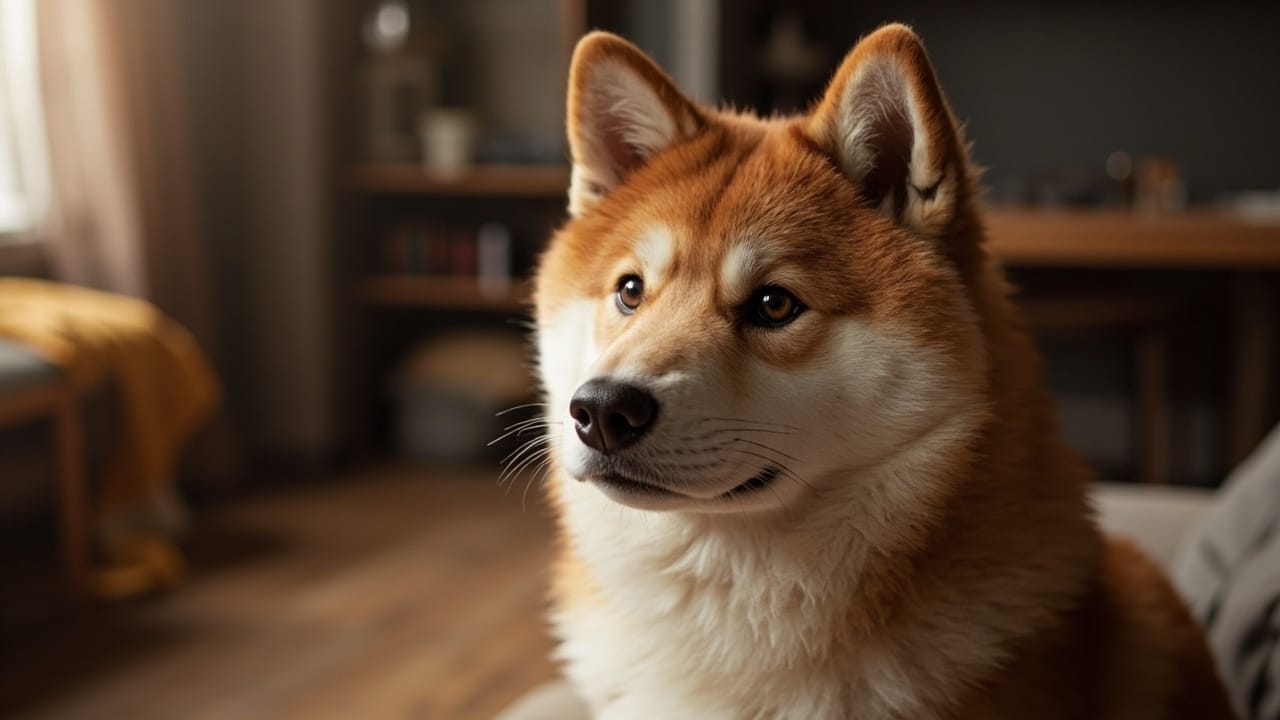
A „dirty red” (piszkos vörös) Shiba Inu egy vörös színű Shiba, amelynek szőre kifakult vagy a naptól kifakultan fakóbb, barnás, narancs-réz vagy mocskos tónusú lett a fajtára jellemző élénk, tiszta narancsvörös helyett. Ez kozmetikai szőrzeti probléma, nem egészségügyi, és leggyakrabban a napfény, a szezonális szőrváltás vagy a gyenge minőségű táplálkozás okozza.
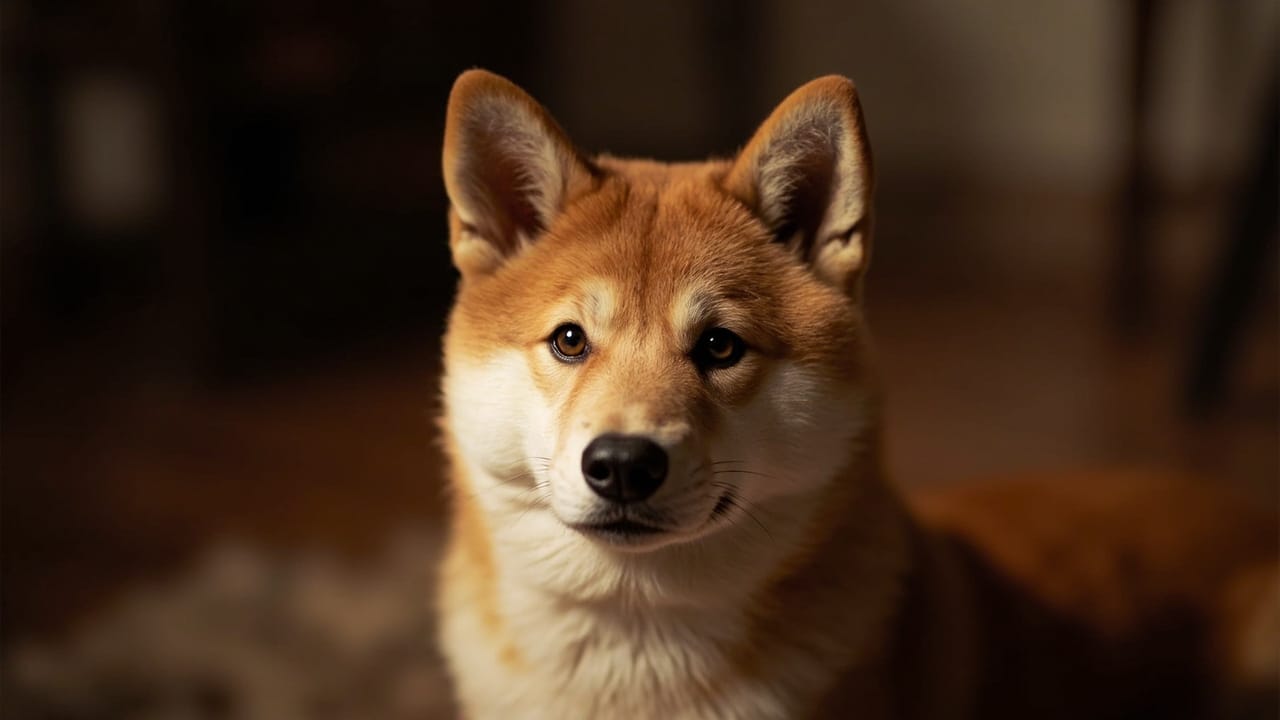
A „dirty red” Shiba Inu egy vörös színű Shiba, amelynek szőre elvesztette ragyogását, kifakult, vagy barnás, rozsdás, narancsos, illetve mocskos árnyalatot vett fel a fajtára jellemző tiszta, élénk narancsvörös helyett. A kifejezést a Shiba-tulajdonosok, tenyésztők és kutyakozmetikusok használják olyan szőrszín leírására, amely „nem stimmel” — nem a kiállítási kutya élénk vöröse, és nem is a világos szőrű Shiba krémszíne. Ez tisztán kozmetikai jelenség, és nincs hatással a kutya egészségére, vérmérsékletére vagy genetikai minőségére.
Mi okozza a „dirty red” szőrzetet a Shiba Inunál?
Több tényező is tompíthatja a Shiba vörös szőrzetét az idő múlásával:
- Napfény okozta fakulás (UV-sugárzás): Az egyetlen legnagyobb ok. A hosszan tartó napfény lebontja a vörös pigmentet (pheomelanin), és kivilágosítja a fedőszőrök végeit, így a szőrzet kifakult, poros benyomást kelt.
- Szezonális szőrváltás (vedlés): A Shibák évente kétszer váltják az aljszőrzetüket. Az átmenet idején a régi fedőszőrök az új szőrzettel keveredve tompának, foltosnak és „piszkosnak” tűnhetnek.
- Táplálkozási hiányosságok: Az omega-3 és omega-6 zsírsavak, a réz, valamint a magas minőségű fehérje alacsony szintje tompíthatja a szőrzet fényét és a pigment intenzitását.
- Túl gyakori fürdetés vagy erős samponok: A természetes olajok eltávolítása szárazzá, rézszínűvé és fakóvá teszi a szőrzetet.
- Genetika: Egyes Shiba-k olyan módosító géneket hordoznak, amelyek már kölyökkortól lágyabb narancs vagy rozsdavörös színt eredményeznek, nem pedig valódi narancsvöröset.
- Környezeti elszíneződés: A sár, a nyálfoltok (különösen a lábakon és a szakállon) és a könnyfoltok felerősíthetik a „piszkos” megjelenést.
Hogyan állapítható meg, hogy a Shiba „dirty red”, vagy valódi vörös?
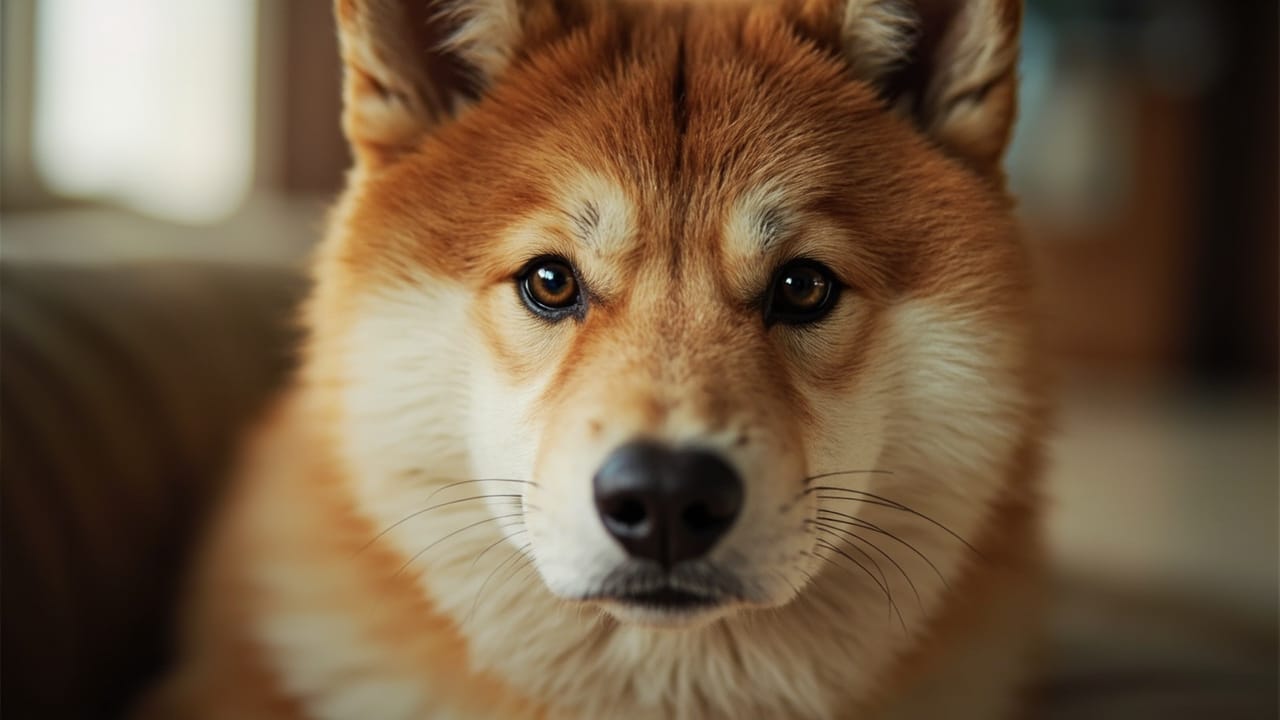
A valódi vörös Shiba Inuk élénk, tiszta narancsvörös szőrzettel rendelkeznek, erős, krémszínű urajiro jegyekkel az orcákon, a mellkason, a hason és a belső combokon. A „dirty red” szőrzet ezzel szemben:
- tompa, lapos vagy élettelen az élénk helyett;
- barnás, rozsdás vagy mocskos narancs, nem pedig élénk;
- gyakran foltos a vedlés idején;
- néha sötétebb „zoknikkal” vagy elmosódott urajiro-vonalakkal.
Ez kozmetikai értékelés — a kiállítási ringben az élénk, valódi vöröst részesítik előnyben, ám a „dirty red” Shiba éppolyan egészséges, okos és shibás, mint bármelyik másik.
Hogyan állítható vissza és tartható fenn az élénk vörös szőrzet?
Nem lehet véglegesen megváltoztatni egy Shiba genetikai pigmentjét, de a „dirty red” szőrzet megjelenése látványosan javítható:
- Gyakori kefélés a vedlés idején: Használj aljszőrzet-kefét heti 2–3 alkalommal (intenzív vedlésnél naponta), hogy eltávolítsd az elhalt fedőszőröket, amelyekben megragad a szennyeződés és tompítják a szőrzetet.
- Átgondolt fürdetés: Fürdesd 6–8 hetente színfokozó vagy zabalapú kutyasamponnal; a túl gyakori fürdetés lemossa az olajokat és rontja a fakóságot.
- Omega-3 zsírsavak pótlása: A lazacolaj vagy halolaj étrend-kiegészítők (kérdezd meg az állatorvost a kutya súlyához igazított adagról) támogatják a pigmentet és a fényt.
- Magas fehérjetartalmú, minőségi táplálék: Olyan tápot válassz, amelyben a named meat (megnevezett hús) az első összetevő, és kerüld a sok töltőanyagot tartalmazó szárazeledelt.
- Napfény korlátozása a csúcsidőszakokban: Biztosíts árnyékot, és fontolóra vehetsz egy könnyű kutyapólót is a napra érzékeny kutyáknak.
- Áttörlés séta után: Egy nedves kendővel távolítsd el a sarat, a nyálat és a pollent, mielőtt azok foltot hagynának.
- Szőrkondicionáló spray-k használata: Egy leave-in kondicionáló vagy selyemalapú spray fényt ad a fürdetések között.
Mikor érdemes állatorvoshoz fordulni?
A fakó szőrzet néha valamilyen háttérproblémára is utalhat, nem csupán kozmetikai okra. Egyeztess időpontot az állatorvossal, ha a „piszkos” megjelenés az alábbi tünetekkel társul:
- szőrhullás vagy kopasz foltok;
- viszkető, vörös vagy korpás bőr;
- testsúlyváltozás vagy levertség;
- a szokásos szezonális vedlésen kívüli hirtelen szőrzetváltozás.
A Shiba gyakoribb egészségügyi problémái közül, amelyek hatással lehetnek a szőrzet minőségére, az atópiás dermatitisz, a pajzsmirigy-alulműködés és az allergiák említhetők — mind kezelhetők, amint azonosítják őket.
Összegzés
A „dirty red” Shiba Inu egy teljesen egészséges kutya, akinek a vörös szőrzete veszített a ragyogásából — általában a nap, a szezonális vedlés vagy a táplálkozás miatt. Állandó ápolással, okos étrend-kiegészítéssel és jó minőségű táplálással a legtöbb „dirty red” szőrzet egy-két teljes szőrzetciklus alatt érezhetően gazdagabb, élénkebb vörös színt nyer vissza.
FAQ
A „dirty red” Shiba Inu külön színváltozat?
Nem. A „dirty red” nem hivatalos szín. A Shiba négy elfogadott színe a vörös, a fekete-cser, a szezám és a krémszínű. A „dirty red” olyan vörös szőrzetet jelent, amely kifakult, elvesztette a ragyogását, vagy barnás/rozsdás árnyalatot vett — általában a napfénytől vagy a szezonális vedléstől.
Nyerni tud egy „dirty red” Shiba a kiállítási ringben?
Általában nem. A kiállítási standard az élénk, tiszta narancsvörös színt írja elő. A fakó, mocskos vagy napfénytől kifakult vörös a küllemi bírálatban hibának számít, még akkor is, ha ez az egészséget vagy a tenyészértéket nem befolyásolja.
Vörösebb lesz a Shiba szőrzete, ahogy a kutya öregszik?
Sok Shiba sötétebb, tompább szőrzettel születik, és minden felnőtt szőrzetciklussal világosabbá, ragyogóbbá válik, jellemzően 2–3 éves korára. Ezt követően a napfény és a szezonális vedlés a fő oka annak, hogy a vörös szőrzet „piszkosnak” tűnhet.
Jelenti-e a „dirty red” szőrzet, hogy a Shiba beteg?
Nem feltétlenül. A piszkosnak tűnő szőrzet a leggyakrabban kozmetikai jelenség, amelyet a nap, a vedlés vagy az ápolási szokások okoznak. Ha azonban a fakóság viszketéssel, szőrhullással vagy bőrelváltozásokkal társul, érdemes állatorvoshoz fordulni, hogy kizárható legyen az allergia, a pajzsmirigy-alulműködés vagy a bőrfertőzés.