Az urajiro a Shiba Inunál: Mi ez, és miért fontos a fajtastandardban
Az urajiro a Shiba Inu kötelező krémszínű–fehér hasi jegyezése – megtalálható a pofákon, a szájkosár oldalán, a mellen, a hason, a lábak belső oldalán és a farok alsó részén. A NIPPO és az AKC fajtastandardjában is kötelező jegy, és a fajta helyes „urajiro" kifejezésének meghatározó vizuális eleme. Helyes urajiro nélkül egy Shiba nem szerezhet bajnoki címeket a kiállítási ringben.

Az urajiro (裏白) japánul szó szerint „fehér alul" vagy „fordított fehér" jelentésű, és a Shiba Inu szőrzetének bizonyos területein megjelenő halvány krémszínű–fehér árnyalatot jelöli. Nem opció, nem preferencia és nem stílusbeli kiegészítő – hanem kemény követelmény minden jelentős Shiba fajtastandardban világszerte, beleértve a japán NIPPO standardot (1934) és az American Kennel Club standardját (AKC elismerés 1992). Egy Shiba bírálatakor a bírók az urajirót ugyanolyan gondosan vizsgálják, mint a csontozatot, a színt és a temperamentumot.
Hol jelenik meg az urajiro a kutyán
Ahhoz, hogy egy Shiba jegyezettsége helyesnek minősüljön, a jelzéseknek hat meghatározott területen kell jelen lenniük:
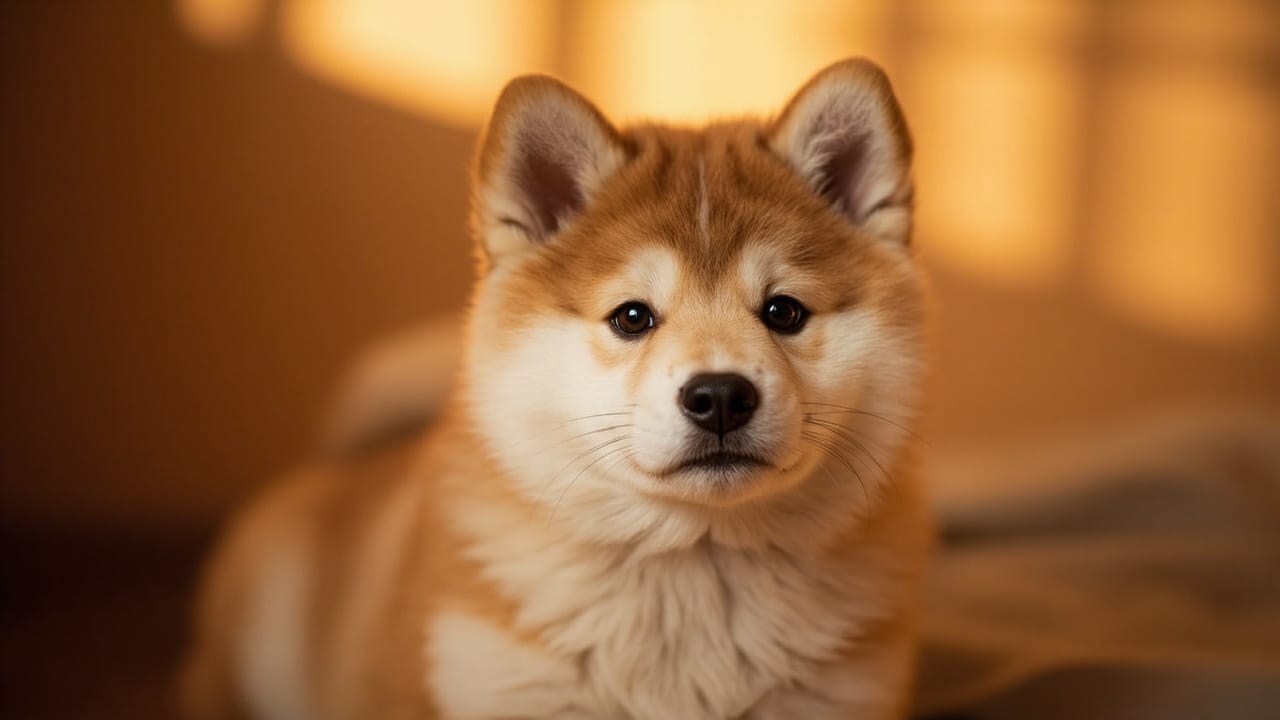
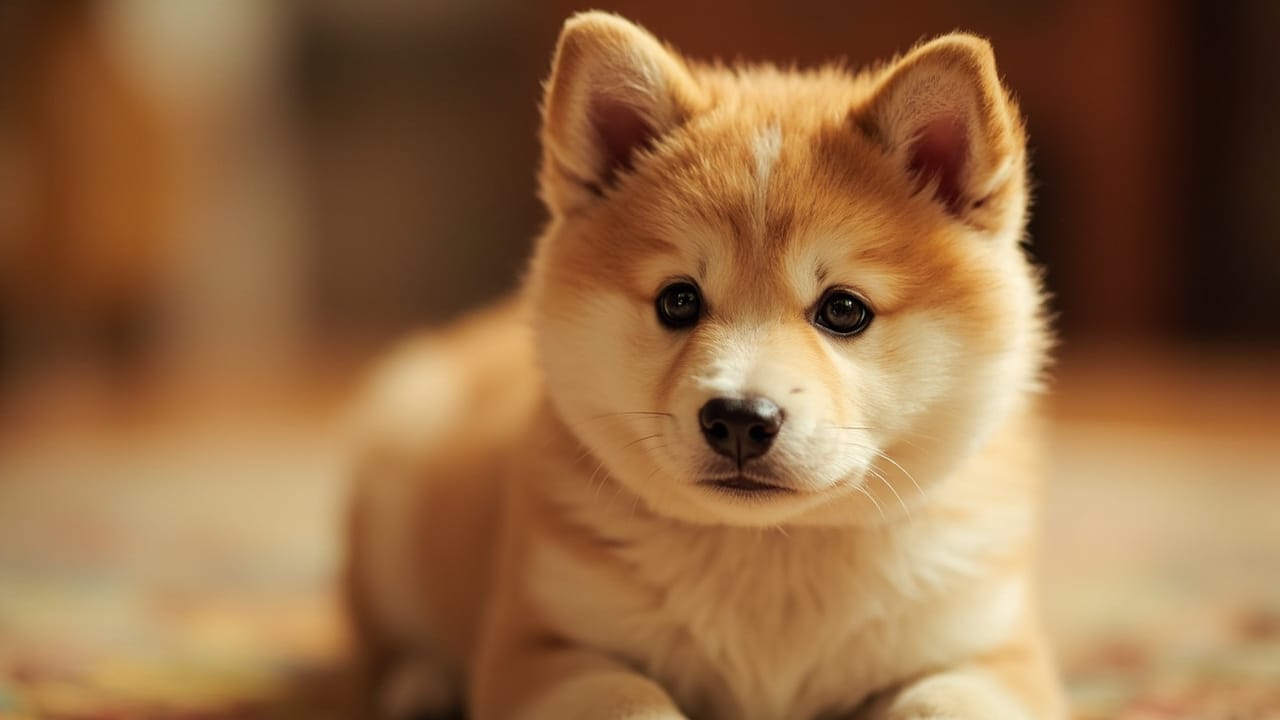
- Pofák és a szájkosár oldalai – halvány árnyalat, amely az alsó állkapocstól felfelé húzódik
- A fülek belső oldalán – a fül felemelésekor látható
- Alsó állkapocs és torok – a nyak elülső részén lefelé húzódva
- Mellkas és has – a test legnagyobb összefüggő urajiro foltja
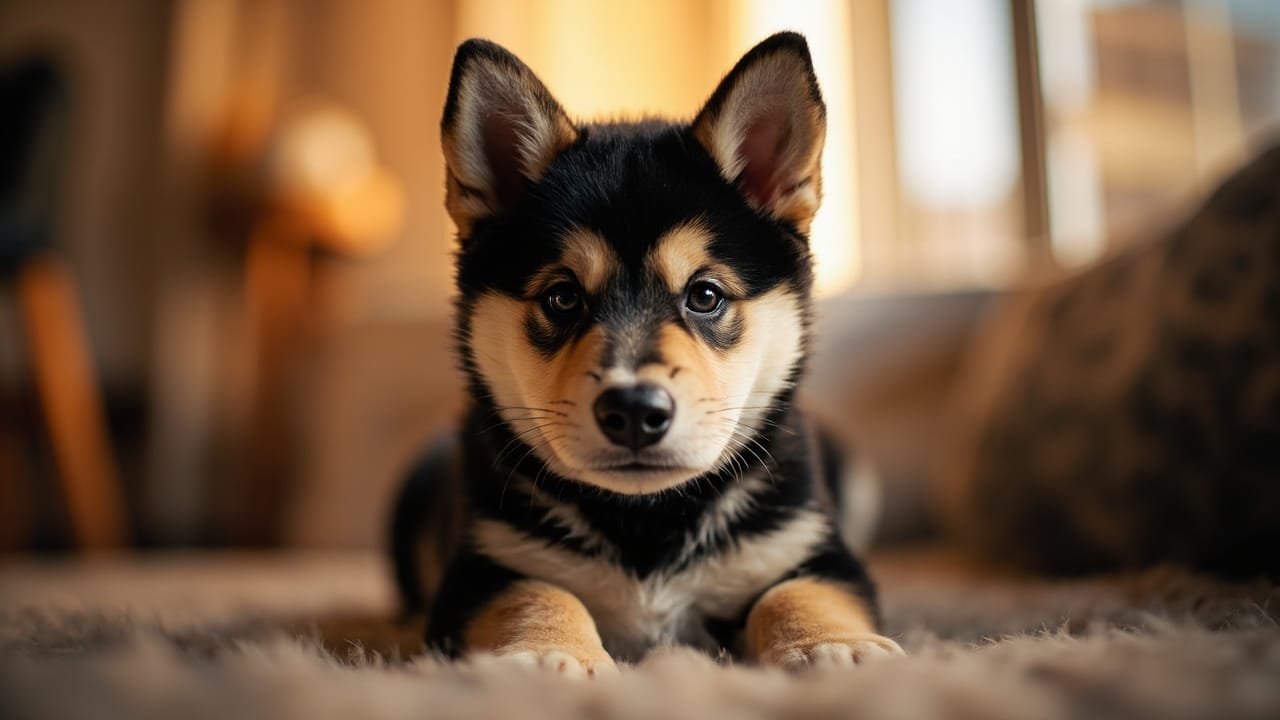
- Mind a négy láb belső oldalán – különösen feltűnő a vörös vagy fekete szőrzettel szemben
- A farok alsó részén – halvány árnyalat, amely a farok hátra görbítésekor látható
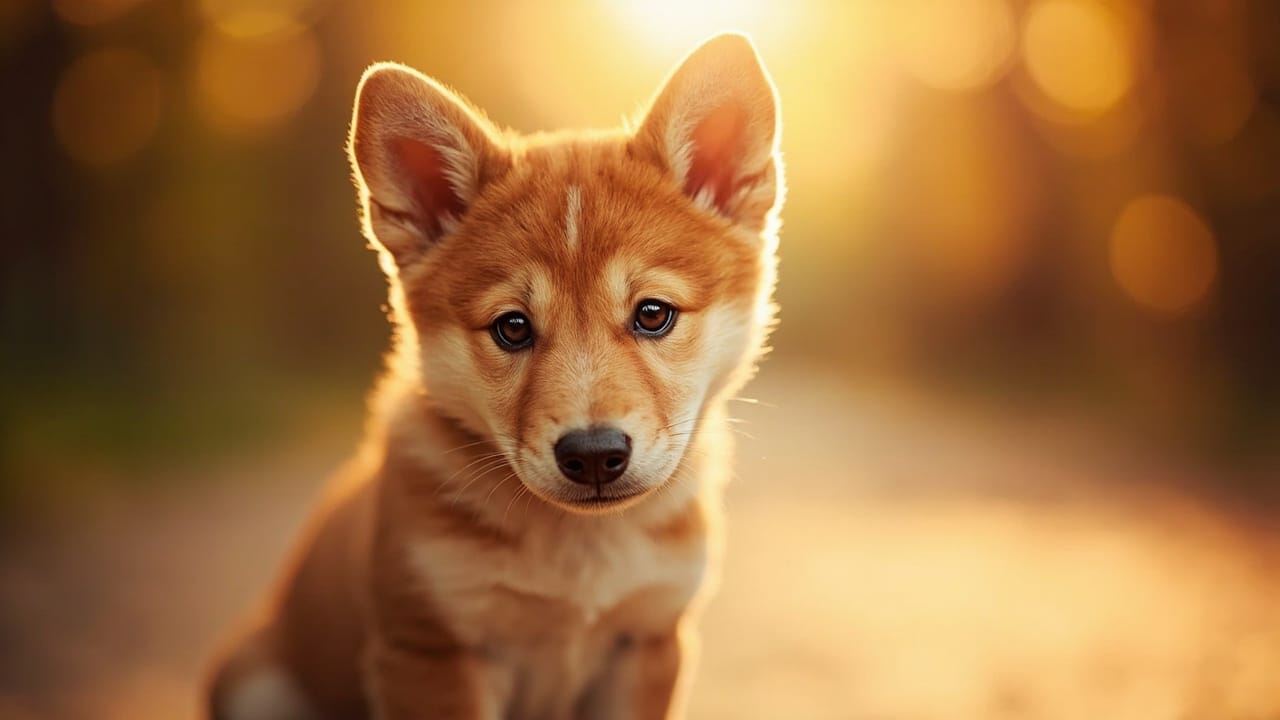
A vörös Shibáknál az urajiro lágy krémszínű legyen. A fekete-cser kutyáknál a kontraszt drámaibb – a test koromfekete, élesen határolt cser jegyekkel és ragyogó urajiróval a hasi területeken. A szezámmagos Shibáknál az urajirónak a vörös fedőszőrzetbe való elmosódás helyett tisztán elkülönülve kell maradnia.
Miért fontos az urajiro a fajtastandardban
1. Kötelező jegy, nem extra
Mind a NIPPO, mind az AKC standard kifejezetten kötelező jelzésként írja le az urajirót. Egy vörös Shiba, amelynek nincs krémszínű jegy a mellkasán vagy a pofáján, vagy egy fekete-cser, amelynek nincs halvány hasi része, fajtajellegben hiányosnak számít. A kiállítási ringben a hiányzó vagy elégtelen urajiro közvetlenül a helyezésekbe, a bajnoki címekbe és a tenyésztési hitelességbe kerül.
2. Meghatározza a „rókaszerű" fajtajelleget
Az urajiro minta adja a Shiba jellegzetes arckifejezését – a halvány pofák és szájkosár a világosabb „szemöldök" és egy finom arcmaszk illúzióját kelti, hozzájárulva ahhoz az éber, rókaszerű megjelenéshez, amelyet a standard megkövetel. Nélküle a kutya inkább általános spitznek tűnik, mint Shiba Inunak.
3. Megkülönbözteti a Shibát a hasonló fajtáktól
Az akiták, a Kai Ken és még egyes hokkaidói kutyák is osztoznak a vörös vagy szezámmagos színezetben. Az urajiro az egyik legtisztább vizuális jel, amely arról árulkodik, hogy egy helyesen jegyezett Shiba Inut látunk – nem pedig egy hasonló japán spitz fajtát.
4. Történelmi és genetikai jelentőséggel bír
A japán tenyésztők generációkon át tartó gondos szelekcióval őrizték meg az urajirót, beleértve a fajta második világháború utáni, a három túlélő vérvonalból (Shinshu, Mino és San'in) történt újjáépítését. A tulajdonság poligénes, ami azt jelenti, hogy a halvány hasi árnyalatért felelős gének általában a szőrzet minőségét, a pigment intenzitását és az általános fajtajelleget is befolyásolják. A tiszta urajiróra való szelekció történelmileg egyet jelentett az egészségesebb, „Shibább" kutyákra való szelekcióval.
Hogyan értékeljük az urajirót kölyökkutya vásárlásakor
Egy felelős tenyésztő külön felkérés nélkül is beszél az urajiróról. Amikor almot látogatunk meg:
- Keressük az éles kontrasztot a test színe és a krémszínű–fehér hasi rész között. A zavaros, szürke vagy hiányzó urajiro hiba.
- Ellenőrizzük az „U-alakot" – az arcon a krémszínnek felismerhető maszkot kell alkotnia pofától pofáig az állkapocs alatt.
- Figyeljünk a fakulásra vagy elmosódásra – egyes kölykökön születéskor még van urajiro, amely a kor előrehaladtával kevésbé lesz határozott; kérdezzük meg a tenyésztőt, hogyan fejlődtek a korábbi almok.
- Hasonlítsuk össze a szülőkkel – az urajiro öröklődik. Ha az anya vagy az apa gyenge jegyekkel rendelkezik, ugyanerre számíthatunk az utódoknál is.
- Óvakodjunk a „túl fehér" kutyáktól – a túlságosan ragyogó, hófehér urajiro (vagy a hát, a fej vagy a lábak külső oldalán megjelenő fehér) szintén helytelen, és hibás jegyezettséget jelez.
Gyakori urajiro hibák, amelyekre figyelni kell
- Hiányzó vagy alig látható jegyek a mellkason vagy a pofákon
- A krémszín a test színébe olvad, éles határvonal nélkül (néha „maszatosnak" nevezik)
- Fehér „zokni", amely felkúszik a lábak külső oldalán
- Fehér csík a pofán vagy fehér farokvég – sok standardban ez kizáró ok
- Fehér, amely a hátra vagy a vállakra is kiterjed
Mit jelent ez a vásárlók számára
Ha a Shibát családi társnak vásároljuk, az urajiro nem befolyásolja a temperamentumot, az egészséget vagy az élettartamot (a fajtánál jellemzően 13–16 év). De ha valaha is kiállítást, tenyésztést tervezünk, vagy egyszerűen csak egy feltűnően Shiba Inura hasonlító kutyát szeretnénk, az urajiro fontos. Az erős urajirójú, show-minőségű vonalakból származó kölykökért az Egyesült Államokban 2 500–5 000 dollár feletti árat kérnek, míg a kevésbé ideális jegyezettségű házi kedvenc minőségű kölykök gyakran 1 400–2 500 dollár környékén mozognak. A menhelyről örökbefogadott Shiba kb. 300 dollárért hazavihető, a jegyek minőségétől függetlenül.
Egy éles, szimmetrikus urajirójú, jól jegyezett Shiba egy olyan tenyésztő munkájának eredménye, aki érti a standardot, és generációkat töltött a helyes fajtajellegre való szelekcióval. Ugyanez a tenyésztő szinte biztosan az is, aki csípő-, térdkalács- és szemvizsgálatokat is végeztetett – ez pedig hosszú távon sokkal jobban jelzi az elégedettséget, mint a jegyezettség önmagában.
A lényeg: Az urajiro a krémszínű–fehér hasi rész, amely megerősíti, hogy a kutya egy helyesen tenyésztett Shiba Inu. Kötelező, öröklődő, és a fajtajelleg egyik leginkább szabad szemmel, öt másodperc alatt felismerhető jele.
FAQ
Minden Shiba Inu színnél kötelező az urajiro?
Igen. A NIPPO és az AKC standard az urajirót a vörös, a fekete-cser és a szezámmagos Shibáknál is megköveteli. A krémszínű Shiba – amely a kiállítási ringben kizáró szín – maga is urajiro hibának számít, ahol a halvány árnyalat az egész testre kiterjedt.
A Shiba Inu kölykökön születéskor már látható az urajiro?
A kölykök a jegyekkel együtt születnek, bár a kontraszt gyakran a szőrzet érésével mélyül. A felelős tenyésztők általában 6–8 hetes korra meg tudják becsülni a végleges urajiro minőséget, ezért a komoly tenyésztők az elhelyezés előtt értékelik a kölyköket.
A gyenge urajiro egészségügyi probléma?
Nem. Az urajiro kizárólag kozmetikai fajtajelleg, nincs hatással az egészségre, a temperamentumra vagy az élettartamra. Egy gyenge urajirójú Shiba éppolyan egészséges, mint egy erős jegyezettségű – csupán nem vihető bajnoki szintű kiállításra.
Egy hiányzó urajirójú Shiba akkor is regisztrálható az AKC-nál?
Igen. Az AKC-regisztráció nem követeli meg a helyes jegyezettséget. Az urajirót a kiállítási ringben és a tenyésztők értékelik, nem pedig a regisztrációnál. Egy urajiro nélküli Shiba is regisztrálható és tenyészthető, bár a felelős tenyésztők kerülik az ilyen egyedek előállítását.