Hol vegyünk vagy fogadjunk örökbe Shiba Inut: tenyésztők vs. menhelyek
A Shiba Inuhoz vezető két etikus út egy felelős tenyésztő (1400–3500+ dollár) vagy egy fajtaspecifikus mentőszervezet (300–500 dollár). A felelős tenyésztők csípőre, térdkalácsra és szemre (CHIC) szűrik a szülőket, míg a mentők ismert vérmérsékletű felnőtt kutyákat kínálnak. Kerüld az állatkereskedéseket, a netes hirdetéseket és azokat, akik nem tudnak egészségügyi szűrési igazolást felmutatni.

A Shiba Inu beszerzésének valójában két járható útja van: egy felelős tenyésztő vagy egy fajtaspecifikus mentőszervezet. Bármi más — állatkereskedés, online piacterek, „kerti" árusok vagy homályos közösségi médiában megjelenő hirdetések — annyit jelent, hogy a pénzeddel és a kutya hosszú távú egészségével is kockáztatsz. Az alábbiakban mindkét utat gyakorlatias, gazdiközpontú szemszögből mutatjuk be, a 2025-ös egyesült államokbeli valós költségekkel, és azzal, hogyan ismerd fel messziről a rossz forrást.
Shiba Inu vásárlása felelős tenyésztőtől
Egy jól tenyésztett Shiba egy felelős tenyésztőtől az Egyesült Államokban jellemzően 1400–2500 dollár egy házikedvenc-minőségű kölyökért, és 3500–5000+ dollár egy kiállítási vagy tenyészminőségű egyedért. Nem egy kutyáért fizetsz — két vagy több évnyi egészségügyi szűrés, genetikai vizsgálat, megfelelő szocializáció és a tenyésztő egész életen át tartó támogatása az ára.
Amit egy felelős tenyésztő nyújt:
- CHIC-regisztráció igazolása: OFA csípő, OFA térdkalács és érvényes CERF/CAER szemvizsgálat (ideálisan pajzsmirigy, szív és zöldhályog-szűréssel kiegészítve)
- DNS-teszt a GM1 gangliozidózisra, egy a fajtában még mindig jelen lévő halálos, recesszív betegségre
- Törzskönyv és AKC alomregisztráció
- Írásos egészséggarancia (jellemzően 2–3 év genetikai betegségekre)
- Szerződés, amely házikedvenc-kölyköknél ivartalanítást ír elő
- Otthonban, nem kennelben vagy fészerben nevelt kölykök
- Hajlandóság a kutya bármilyen életkorban, bármilyen okból történő visszavételére
Egy jól tenyésztett alomra számíts 6–18 hónap várakozási időt. A jó tenyésztő éppoly alaposan kikérdez téged, mint te őt.
Piros zászlók — fordulj el, ha ezt látod:
- Nincs egészségügyi szűrés, vagy csak „állatorvosi vizsgálatot" ajánlanak OFA/CERF helyett
- Egy időben több fajtát is kínálnak
- 8 hetes kor előtt eladják a kölyköket
- Nincs szerződés, nincs egészséggarancia
- „Ritka" színek reklámozása (kék, csokoládé, hosszú szőrű) — ezeket nem etikus tenyészteni
- Kizárólag Venmo/Zelle/átutalás fizetés, vagy nyomásgyakorlás, hogy „még ma foglald le"
Hol kezdd a tenyésztőkeresést:
- National Shiba Club of America (NSCA) tenyésztő-ajánlási listája
- AKC Marketplace, NSCA-tag tenyésztőkre szűrve
- Regionális fajtaklubok tenyésztő-ajánlási kapcsolattartói
- Helyi kutyakiállítások — a Shiba kiállítókkal a ring után érdemes beszélgetni
Shiba Inu örökbefogadása mentőszervezettől
A mentés a leggyorsabb és legolcsóbb út: az örökbefogadási díj jellemzően 300–500 dollár, és gyakran tartalmazza az ivartalanítást, az oltásokat, a mikrochipet és egy alap egészségügyi szűrővizsgálatot. A kompromisszum: a mentett Shibák többnyire felnőttek (2–6+ év), és a kínálat szűk.
Miért működik jól a mentés ennél a fajtánál:
- Látod a kész terméket — a szőrzet színét, a felnőttkori méretet (kanok 35–43 cm, szukák 33–41 cm) és a valódi személyiséget
- Sok mentett Shiba pont a fajtára jellemző tulajdonságok miatt kerül menhelyre: a Shiba-sikoly, a „Shiba 500" tébolyult rohangálás, a zsákmányszerző ösztön és a szökési művészet — olyan gazdáktól, akik nem voltak felkészülve erre
- Tapasztalt ideiglenes gazdik meg tudják mondani, macskabarát, gyerekbarát, vagy kifejezetten Shiba-tapasztalatot igénylő otthonba való-e
Hol fogadj örökbe Shiba Inut:
- National Shiba Inu Rescue Network (NSIRN) — a legnagyobb amerikai szervezet
- Shiba Inu Rescue Association (SIRA)
- Shiba Inu Rescue of Florida, Mid-Atlantic Shiba Inu Rescue, New England-i csoportok
- Petfinder.com fajtára és irányítószámra szűrve
- Helyi Shiba-találkozók — itt a tenyésztők és a mentők gyakran összeköttetésben állnak
Örökbefogadási ellenőrzőlista:
- Kérdezd meg, miért adták le a kutyát
- Kérd írásban a viselkedési problémák történetét (erőforrás-őrzés, szeparációs szorongás, kutyákkal szembeni agresszió)
- Erősítsd meg az orvosi dokumentációt és az esetleges fennálló betegségeket (allergia és a térdkalács ficam gyakori)
- Számíts otthon-ellenőrzésre, referenciákra és próbaidőszakra
Hogyan dönts: tenyésztő vagy mentés?
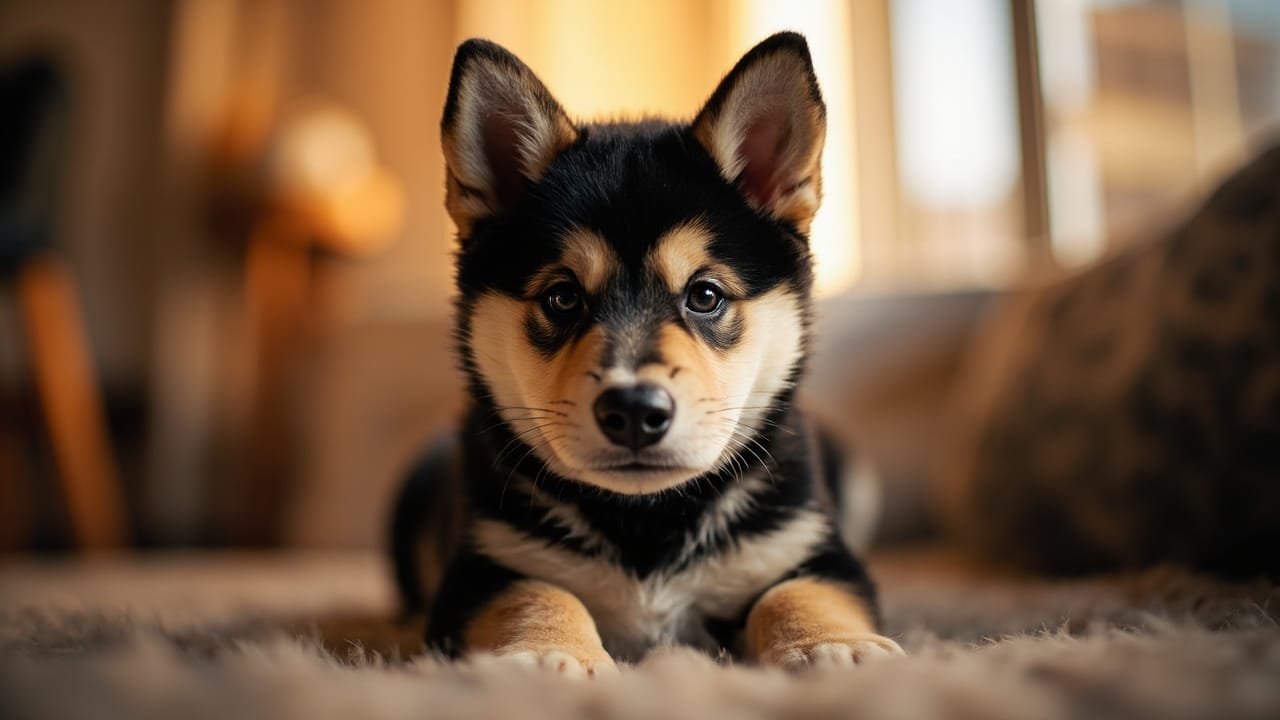
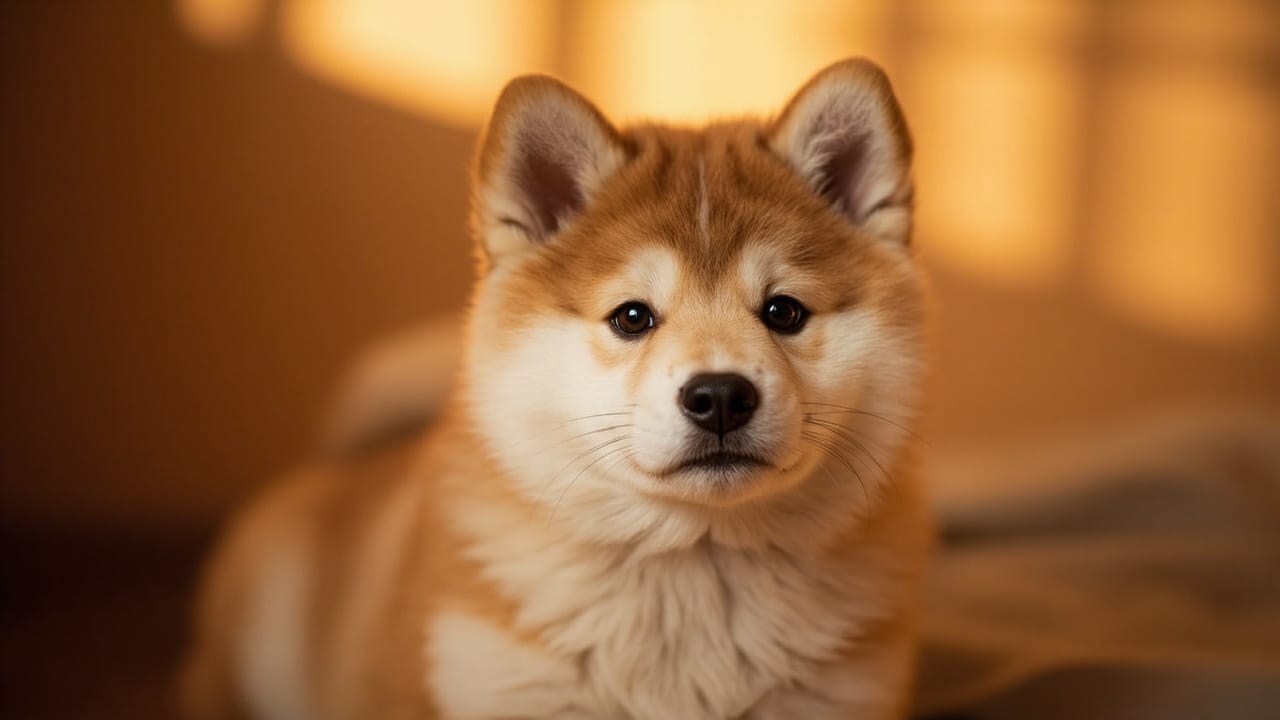
Tenyésztőt válassz, ha kölyköt szeretnél nevelni, konkrét színhez ragaszkodsz (vörös, fekete-cser, szezám — a krémet kerüld, mert kiállítási hiba), és tenyésztői mentort szeretnél.
Mentést válassz, ha ismert vérmérsékletű felnőttet szeretnél, ki szeretnéd hagyni a kölyökkáoszt, a szobatisztaságra szoktatást és a kamaszkort, és meg szeretnél menteni egy életet.
Mindkét út legitim. A rossz út az, amikor online megveszed az első aranyos kölyköt, csak mert épp most hétvégén elérhető. A Shiba Inuk nagyrészt azért kerülnek mentésbe, mert az impulzusvásárlók kihagyták a türelem lépést — ne ismételd meg a hibájukat.
Gyors áttekintés
| Út | Jellemző költség (USA) | Várakozási idő | Legjobb választás |
|---|---|---|---|
| Felelős tenyésztő | 1400–5000+ dollár | 6–18 hónap | Kölykök, kiállítási egyedek, tapasztalatlan Shiba-gazdik, akik útmutatást szeretnének |
| Fajtaspecifikus mentés | 300–500 dollár | Naptól hetekig | Felnőttek, rugalmas határidők, tapasztalt gazdik |
Bármelyik utat is választod, a hazavitt Shiba Inu valószínűleg egy 13–16 éves elköteleződés lesz egy okos, tiszta, önálló gondolkodású kutya mellett. Szánj rá időt, hogy jól csináld.
FAQ
Mennyibe kerül egy Shiba Inu kölyök az Egyesült Államokban 2025-ben?
A felelős tenyésztők 1400–2500 dollárt kérnek házikedvenc-minőségű kölykökért és 3500–5000+ dollárt a kiállítási minőségűekért. A Japánból vagy vezető kiállítási kennelekből származó egyedek ennél többe is kerülhetnek. A mentőszervezettől való örökbefogadás jellemzően 300–500 dollár.
Vannak Shiba Inu mentőszervezetek az Egyesült Államokban?
Igen. A National Shiba Inu Rescue Network (NSIRN) és a Shiba Inu Rescue Association (SIRA) országos szinten működik, a legtöbb államban vannak regionális szervezeteik. A Petfinder.com szintén listázza az elérhető kutyákat fajta és helyszín szerint.
Milyen egészségügyi szűréseket kell elvégeztetnie egy Shiba Inu tenyésztőnek?
Minimum: OFA csípő, OFA térdkalács és érvényes CAER (korábban CERF) szemvizsgálat — ezek együtt CHIC-regisztrációt adnak. A felelős tenyésztők emellett GM1 gangliozidózisra, pajzsmirigyre, szívre is szűrnek, és elsődleges zárt zugú glaukómára is vizsgálnak.
Átverés a krém színű Shiba Inu, vagy valódi szín?
A krém valódi, természetesen előforduló szín, de a kiállítási ringben mind a NIPPO, mind az AKC sztenderdje szerint kizáró hiba. Az etikus tenyésztők nem kérnek felárat a krém színért — és bármely tenyésztő, aki a „ritka" kék, csokoládé vagy hosszú szőrű változatokat kívánatosnak reklámozza, piros zászló.