Bisakah Shiba Inu Mengalami Kembung? Tanda Peringatan yang Harus Diketahui Setiap Pemilik
Ya, Shiba Inu bisa mengalami kembung (gastric dilatation-volvulus, atau GDV), dan meskipun ini bukan darurat Shiba yang paling umum, kondisi ini mengancam jiwa. Tanda-tanda peringatan meliputi perut yang terlihat membengkak atau kencang, muntah sia-sia, gelisah, mengeluarkan air liur berlebihan, dan tiba-tiba roboh. GDV adalah keadaan darurat sesungguhnya — segera bawa ke dokter hewan jika Anda mencurigainya.
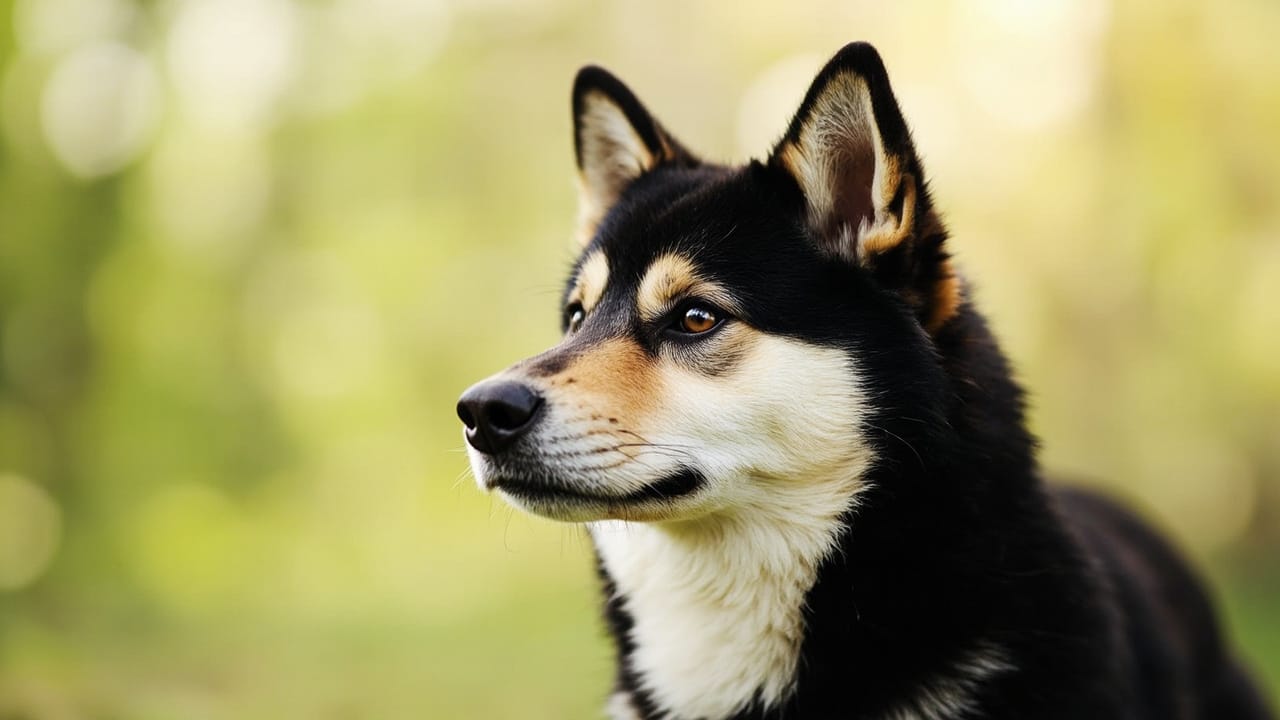
Ya — Shiba Inu bisa mengalami kembung, yang secara medis dikenal sebagai gastric dilatation-volvulus (GDV). Ini bukan kondisi yang paling sering dilaporkan pada ras ini (Shiba lebih rentan terhadap dermatitis atopik, luxating patella, dan displasia pinggul), tetapi kembung terjadi pada Shiba dan membunuh dengan cepat. Perut terisi gas, cairan, atau makanan, lalu bisa terpuntir, memutus aliran darah. Tanpa pembedahan dalam hitungan jam, anjing akan mati karena syok, aritmia jantung, atau kegagalan organ. Mengetahui tanda-tanda peringatan bisa menjadi pembeda antara operasi darurat senilai $2.000–$5.000 dan kehilangan anjing Anda di lantai dapur.
Apa Itu Kembung (GDV)
GDV memiliki dua tahap:
- Kembung sederhana (gastric dilatation): Perut mengembang karena gas tetapi tidak terpuntir. Menyakitkan dan berbahaya, tetapi dapat dipulihkan jika ditangani.
- Volvulus: Perut berotasi 180–360 derajat, menjebak gas, memuntir limpa, dan memutus sirkulasi. Tingkat kematian melonjak ke 20–45% bahkan dengan pembedahan.
Ras berukuran besar dan berdada dalam adalah korban klasik (Great Dane, Standard Poodle, German Shepherd). Shiba berukuran sedang dan hanya cukup berdada dalam, jadi risiko absolutnya lebih rendah — tetapi risiko relatifnya ketika terjadi sama mematikannya. Shiba paruh baya hingga senior (6+ tahun) dan anjing yang cemas serta makan terlalu cepat paling berisiko.
Tanda Peringatan Dini Kembung pada Shiba Inu
Gejala biasanya muncul 1–3 jam setelah makan dan berkembang pesat. Perhatikan:
- Perut bengkak, keras, atau "kembung" — perut terlihat membesar, kencang seperti drum, dan mungkin berbunyi kosong saat diketuk
- Muntah sia-sia — Shiba Anda berusaha muntah setiap beberapa menit tetapi tidak mengeluarkan apa pun, atau hanya air liur berbusa. Ini adalah tanda yang paling spesifik.
- Air liur berlebihan — air liur kental dan panjang, sering disertai dengan menjilat bibir
- Gelisah dan cemas — mondar-mandir, tidak bisa diam, melihat perut, berdiri dalam "posisi doa" (depan turun, belakang naik)
- Pernapasan cepat atau dangkal
- Gusi pucat atau merah bata
- Denyut nadi lemah, roboh, atau syok pada tahap lanjut
Shiba yang biasanya terobsesi dengan makanan tetapi tiba-tiba menolak makan malam, lalu mulai muntah kering, adalah presentasi klasik. Jangan menunggu.
Apa yang Harus Dilakukan Jika Anda Mencurigai Kembung
- Segera hubungi dokter hewan darurat terdekat — katakan "suspected GDV" agar mereka menyiapkan pembedahan.
- Berkendaralah, jangan menunggu. Jangan mencoba mengeluarkan gas sendiri di rumah.
- Catat waktu gejala mulai muncul — ini penting untuk keputusan pembedahan.
- Jangan menawarkan makanan atau air.
Jika UGD terdekat berjarak lebih dari 30 menit, beberapa pemilik menyimpan "bloat kit" (trocar stomach tube) untuk penggunaan yang dipandu dokter hewan, tetapi ini untuk breeder dan peternak berpengalaman, bukan pemilik hewan peliharaan. Waktu adalah satu-satunya hal yang penting.
Cara Mengurangi Risiko Kembung Shiba Anda
Tidak ada pencegahan yang dijamin, tetapi langkah-langkah yang didukung bukti menurunkan kemungkinan:
- Beri makan 2–3 porsi kecil per hari alih-alih satu porsi besar. Shiba makan dengan cepat — mangkuk makan lambat (tipe labirin, bukan mangkuk dengan punggungan sederhana) mengurangi kecepatan makan sebesar 30–50%.
- Tinggikan mangkuk makanan hanya jika dokter hewan Anda merekomendasikannya — saran lama untuk meninggikan mangkuk telah dipertanyakan; studi terbaru menunjukkan peninggian dapat meningkatkan risiko GDV pada beberapa ras.
- Batasi air selama 30–60 menit setelah makan agar perut yang penuh tidak bergejolak.
- Tidak ada olahraga berat selama 1–2 jam setelah makan. Lewati sesi lempar tangkap setelah makan.
- Hindari diet yang hanya terdiri dari kibble yang mencantumkan lemak di empat bahan pertama — makanan dengan lemak sedang (di bawah 25% kalori) dikaitkan dengan tingkat GDV yang lebih rendah dalam studi.
- Kelola stres dan kecemasan. Shiba rentan terhadap kembung akibat stres; perjalanan mobil, boarding, dan badai petir dapat memicu episode.
- Ketahui riwayat keluarga Shiba Anda. Kerabat tingkat pertama dengan GDV kira-kira menggandakan risikonya.
Ketika Pencegahan Tidak Cukup: Gastropexy Profilaksis
Gastropexy adalah pembedahan 20–30 menit di mana perut dijahitkan ke dinding perut. Ini tidak mencegah penumpukan gas, tetapi mencegah puntiran yang mematikan. Banyak pemilik Shiba menjadwalkannya saat anjing disteril/dikebir (sekitar 6–12 bulan) atau pada usia 3–5 tahun jika anjing induk pernah mengalami GDV. Prosedur ini adalah salah satu investasi kesehatan seumur hidup terbaik yang dapat dilakukan pemilik Shiba — biayanya sekitar $200–$500 ditambahkan ke operasi rutin, atau $800–$1.500 sebagai prosedur mandiri.
Kembung jarang terjadi pada Shiba, tetapi ini adalah jenis hal langka yang mengakhiri hidup anjing. Pelajari tanda-tandanya, perlambat waktu makan, dan ketahui rute ke dokter hewan darurat 24 jam terdekat. Itulah seluruh tugasnya.
FAQ
FAQ:
- Q: Seberapa cepat Shiba bisa mati karena kembung? A: GDV yang tidak diobati dapat membunuh anjing dalam waktu 4–6 jam, dan syok dapat berkembang dalam 1–2 jam. Tingkat kelangsungan hidup turun tajam jika pembedahan ditunda lebih dari 5 jam sejak gejala muncul.
- Q: Apakah kembung umum terjadi pada Shiba Inu dibandingkan Great Dane? A: Tidak. Great Dane memiliki risiko GDV seumur hidup sekitar 1 dari 4. Shiba Inu jauh lebih sedikit terdampak, tetapi ras ini masih terwakili secara berlebihan dibandingkan ras yang tidak berdada dalam, dan kasus memang terjadi.
- Q: Bisakah Shiba kembung tanpa perut terpuntir? A: Ya. "Kembung sederhana" adalah pelebaran tanpa volvulus. Ini tetap memerlukan perawatan dokter hewan, tetapi jauh lebih kecil kemungkinannya mematikan dan biasanya sembuh dengan dekompresi dan perawatan suportif.
- Q: Apakah mangkuk makan lambat benar-benar membantu? A: Ya, terutama untuk Shiba yang melahap makanan dalam waktu kurang dari satu menit. Mangkuk lambat gaya labirin mengurangi asupan udara saat makan, yang merupakan salah satu pemicu GDV utama. Rendam kibble dalam air selama beberapa menit sebelum disajikan untuk lebih memperlambat konsumsi.
⚕️ This article is researched from the AKC and NIPPO breed standards, OFA/CHIC health data and veterinary sources. It is for general information only and is not a substitute for advice from your own veterinarian.