Heat Stroke pada Shiba Inu: Tanda Peringatan dan Pencegahan
Heat stroke pada Shiba Inu adalah darurat yang mengancam nyawa, ditandai dengan napas terengah-engah berat, air liur kental, gusi merah terang, lemas, muntah, atau roboh. Karena ras ini memiliki lapisan bulu ganda dan sensitif terhadap panas, pencegahannya bergantung pada naungan, air dingin, membatasi olahraga hanya pada pagi dan sore hari, serta tidak pernah meninggalkan Shiba Anda di dalam mobil yang terparkir — bahkan sedetik pun.
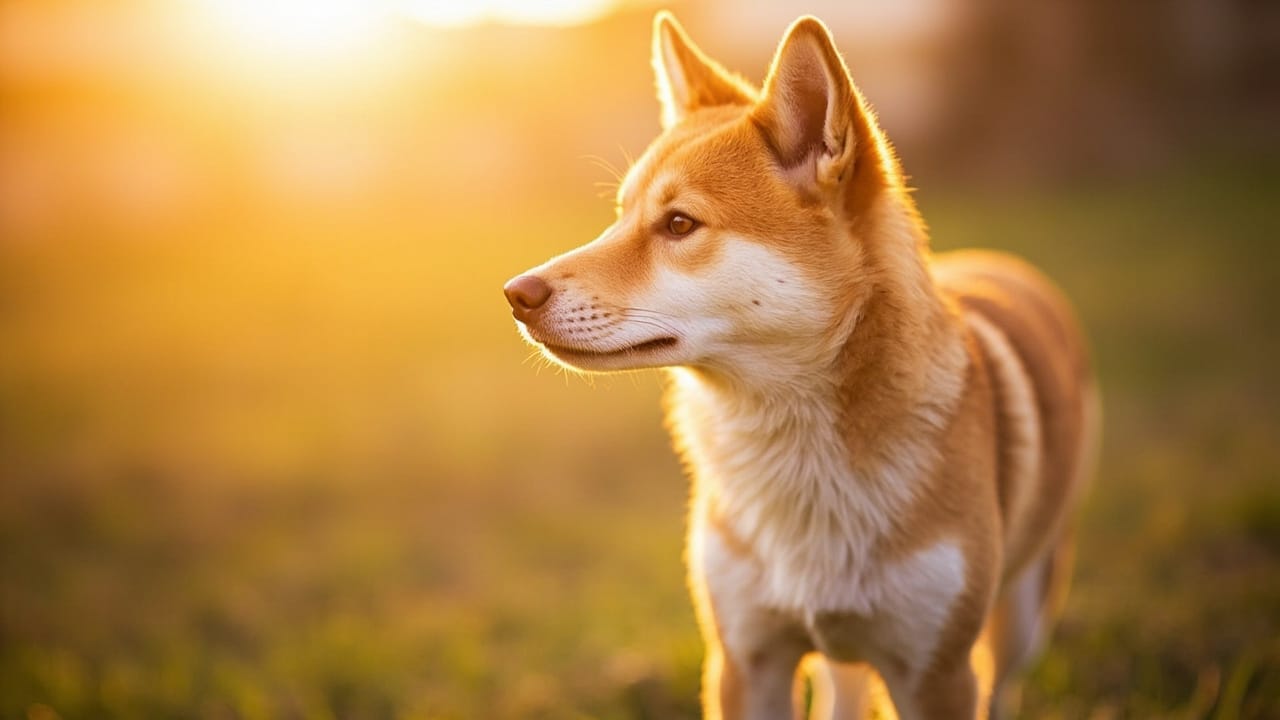
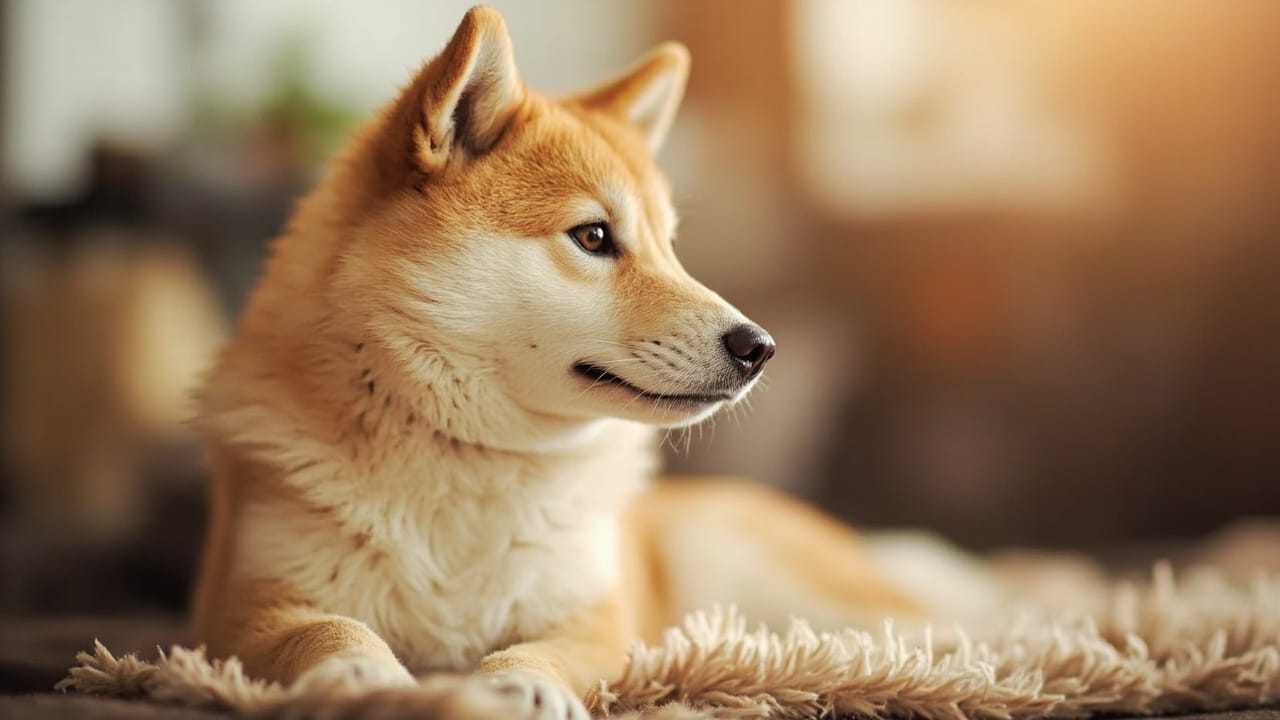
Heat stroke pada Shiba Inu adalah keadaan darurat yang mengancam nyawa. Lapisan bulu ganda Shiba yang tebal berfungsi sangat baik sebagai insulasi di musim dingin, tetapi memerangkap panas di musim panas, dan moncongnya yang pendek membatasi kemampuan terengah-engah secara efisien. Begitu suhu tubuh Shiba naik melewati 104°F (40°C), kerusakan organ mulai terjadi; melewati 106°F (41°C), risiko kematian meningkat tajam. Mengenali tanda-tanda peringatan dini dan mencegah kepanasan sejak awal adalah dua hal terpenting yang dapat Anda lakukan sebagai pemilik.
Tanda Peringatan Dini Heat Stroke
Shiba cenderung menutupi ketidaknyamanan sampai krisis terjadi, jadi perhatikan baik-baik saat cuaca panas. Stres panas ringan hingga sedang muncul lebih dulu:
- Napas terengah-engan berat dan cepat yang tidak melambat meskipun sudah istirahat
- Air liur kental dan lengket (lebih kental dari air liur normal)
- Gusi dan lidah berwarna merah terang atau keunguan
- Gelisah, mondar-mandir, atau tiba-tiba menolak bergerak
- Mata lebar dan berkaca-kaca dengan ekspresi panik
- Telinga, telapak kaki, dan perut terasa hangat saat disentuh
Saat kondisinya memburuk, Anda akan melihat muntah atau diare (kadang disertai darah), tersandung atau roboh, gusi menjadi pucat atau kebiruan, kejang, dan tidak responsif. Gejala-gejala ini dalam kondisi cuaca panas adalah alasan untuk mulai mendinginkan anjing Anda dan segera menuju dokter hewan darurat terdekat.
Pertolongan Pertama Segera: Apa yang Harus Dilakukan dalam 5 Menit Pertama
- Pindahkan anjing ke tempat teduh atau ruangan ber-AC.
- Basahi bulu dengan air dingin — bukan air es — fokuskan pada perut, ketiak, selangkangan, dan telapak kaki. Kipas yang diarahkan ke Shiba yang basah akan mempercepat pendinginan secara signifikan.
- Tawarkan sedikit teguk air dingin hanya jika anjing dalam keadaan sadar dan bisa menelan.
- Jangan rendam anjing di air es atau bak mandi es. Hal ini menyempitkan pembuluh darah dan memerangkap panas di dalam tubuh — mitos berbahaya.
- Ukur suhu rectal setiap 5 menit. Hentikan pendinginan aktif begitu suhu mencapai 103°F (39,4°C); pendinginan berlebihan dapat menyebabkan syok.
- Bawa ke dokter hewan meskipun gejala tampak mereda. Kerusakan organ internal bisa muncul 24–48 jam kemudian.
Pencegahan Harian untuk Shiba Inu
Shiba adalah "juara Shiba 500", jadi pencegahan harus dibangun ke dalam rutinitas:
- Jalan hanya pada pagi dan sore hari saat aspal lebih dingin dari 125°F. Tekan punggung tangan Anda ke aspal selama 7 detik; jika Anda tidak bisa menahannya, berarti terlalu panas untuk telapak kaki.
- Sediakan naungan konstan dan air dingin segar di luar ruangan. Kolam anak-anak di tempat teduh adalah favorit Shiba.
- Gunakan alas pendingin atau rompi pendingin sebagai penyerap panas tambahan, tetapi jangan pernah sebagai pengganti naungan dan air.
- Jangan pernah, sekali pun tinggalkan Shiba di dalam mobil yang terparkir. Bahkan pada suhu luar 70°F, interior mobil bisa mencapai 100°F dalam 20 menit. Jendela yang dibuka sedikit pun tidak membantu.
- Hindari olahraga berat di hari yang lembap. Kelembapan di atas 70% mencegah pendinginan evaporatif melalui terengah-engah.
- Sisir bulu bagian bawah secara rutin, terutama sebelum musim panas, untuk menghilangkan bulu isolasi mati. Shiba rontok bulu dua kali setahun; bulu yang sudah di-de-shed actually bernapas lebih baik.
- Jaga berat badan Shiba Anda tetap ideal. Tubuh Shiba yang kompak memang sudah mudah merasa panas; lemak tubuh berlebih memerangkap panas dengan cepat.
- Perhatikan fitur yang mirip anjing brachycephalic. Shiba murni tidak bermuka pesek, tetapi sensitivitas terhadap panas tetap berlaku — perlakukan mereka seperti ras yang sensitif terhadap cuaca panas.
Shiba dan Kondisi Berisiko Tinggi
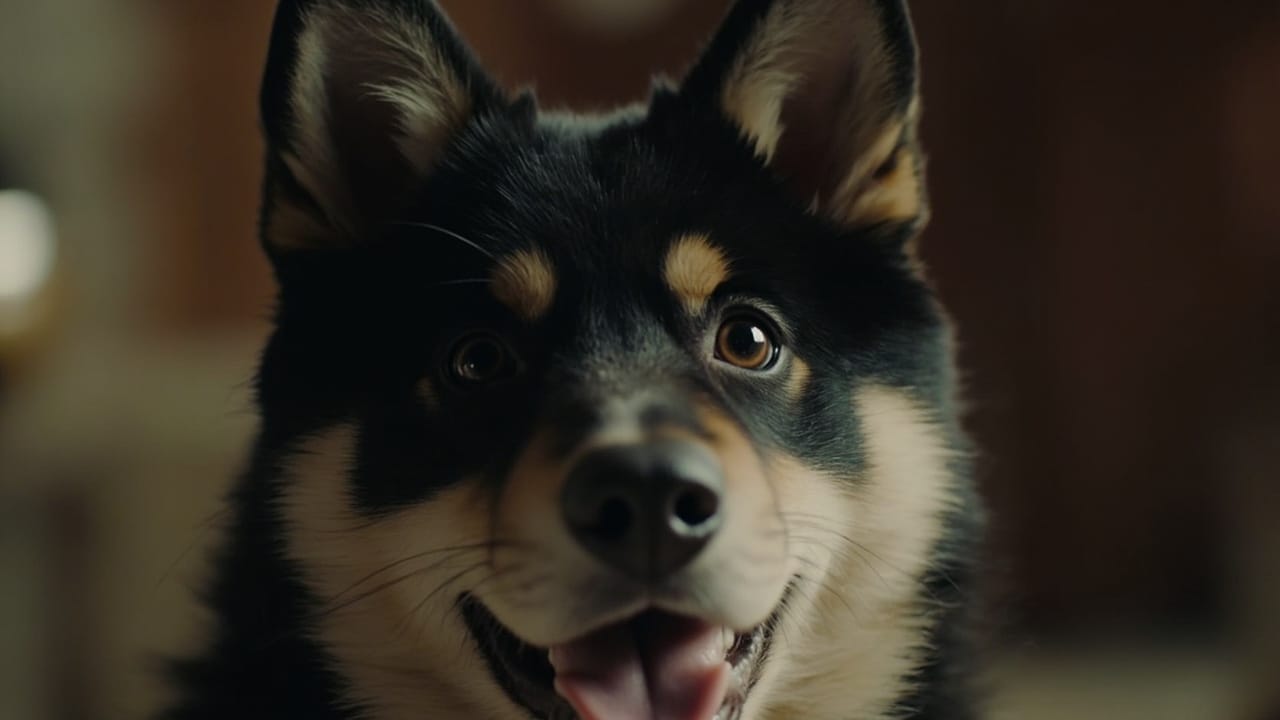
Beberapa Shiba lebih rentan dibanding yang lain. Anak anjing di bawah 12 bulan belum bisa mengatur suhu tubuhnya secara efisien, dan anjing senior di atas 10 tahun sering memiliki masalah kesehatan tambahan. Shiba berwarna black-and-tan menyerap lebih banyak panas matahari dibanding yang berwarna merah atau sesame. Anjing dengan hypothyroidism, murmur jantung, atau masalah laring berisiko lebih tinggi dan harus menghindari aktivitas berat di cuaca panas sepenuhnya. Shiba yang pernah mengalami episode heat stroke secara statistik lebih rentan mengalami episode kedua.
Kapan Harus Menelepon Dokter Hewan Tanpa Ragu
Pergi ke klinik darurat jika Anda melihat salah satu dari berikut ini meskipun hanya sebentar: roboh, muntah atau tinja berdarah, kejang, gusi tetap merah tua selama lebih dari 10 menit, suhu tubuh di atas 104°F, atau disorientasi. Heat stroke adalah situasi "langsung jalan, jangan googling." Banyak dokter hewan menyarankan untuk menelepon dalam perjalanan agar tim dapat menyiapkan cairan infus dan pendinginan aktif.
Dengan lapisan bulu ganda yang dirancang untuk pegunungan bersalju di Jepang, Shiba Inu Anda sepenuhnya bergantung pada Anda untuk menavigasi musim panas dengan aman. Naungan, air, pengaturan waktu jalan yang cerdas, dan tindakan cepat pada gejala pertama adalah empat pilar untuk menjaga anjing Anda agar tidak berakhir di unit gawat darurat.
Bacaan terkait di portal: masalah kesehatan Shiba Inu, grooming lapisan bulu ganda, camilan musim panas yang aman, memilih alas pendingin.
FAQ
Pada suhu berapa terlalu panas untuk mengajak Shiba Inu berjalan-jalan?
Sebagian besar Shiba seharusnya melewatkan jalan-jalan begitu suhu udara ditambah kelembapan melebihi angka gabungan 150 (mis., 85°F + kelembapan 70%). Aspal lebih penting: jika aspal terlalu panas untuk punggung tangan Anda selama 7 detik, maka akan membakar telapak kaki — suhu permukaan 125°F+ sering terjadi saat suhu udara hanya 85°F.
Apakah Shiba Inus bisa hidup di iklim panas seperti Florida atau Texas?
Bisa, dengan pengelolaan yang tepat. Pemilik di iklim panas menjaga Shiba di dalam ruangan dengan AC, jalan-jalan hanya pada pagi dan sore hari, menggunakan alas pendingin, menjaga bulu bawah tetap pendek di musim panas melalui penyisiran rutin, dan tidak pernah meninggalkan anjing di luar tanpa pengawasan saat panas tengah hari. Ribuan Shiba yang sehat berkembang biak di selatan AS dengan rutinitas seperti ini.
Seberapa cepat heat stroke terjadi pada Shiba?
Bisa dimulai dalam waktu 10–15 menit aktivitas intens di cuaca panas, atau dalam hitungan menit di dalam mobil yang terparkir. Karena Shiba memiliki lapisan bulu ganda yang padat dan moncong yang relatif pendek, efisiensi pendinginannya terbatas. Begitu suhu inti melebihi 104°F, kerusakan organ bisa dimulai dalam hitungan menit.
Apakah mencukur bulu Shiba Inu di musim panas membantu mencegah heat stroke?
Tidak — mencukur umumnya tidak disarankan. Lapisan bulu ganda sebenarnya berfungsi sebagai insulasi terhadap panas maupun dingin dan melindungi kulit dari sengatan matahari. Bulu bawah yang disisir dan di-de-shed dengan baik berkinerja lebih baik daripada bulu yang dicukur. Bicaralah dengan groomer yang berpengalaman dengan ras ini sebelum mengambil keputusan yang mengubah lapisan bulu.
⚕️ This article is researched from the AKC and NIPPO breed standards, OFA/CHIC health data and veterinary sources. It is for general information only and is not a substitute for advice from your own veterinarian.