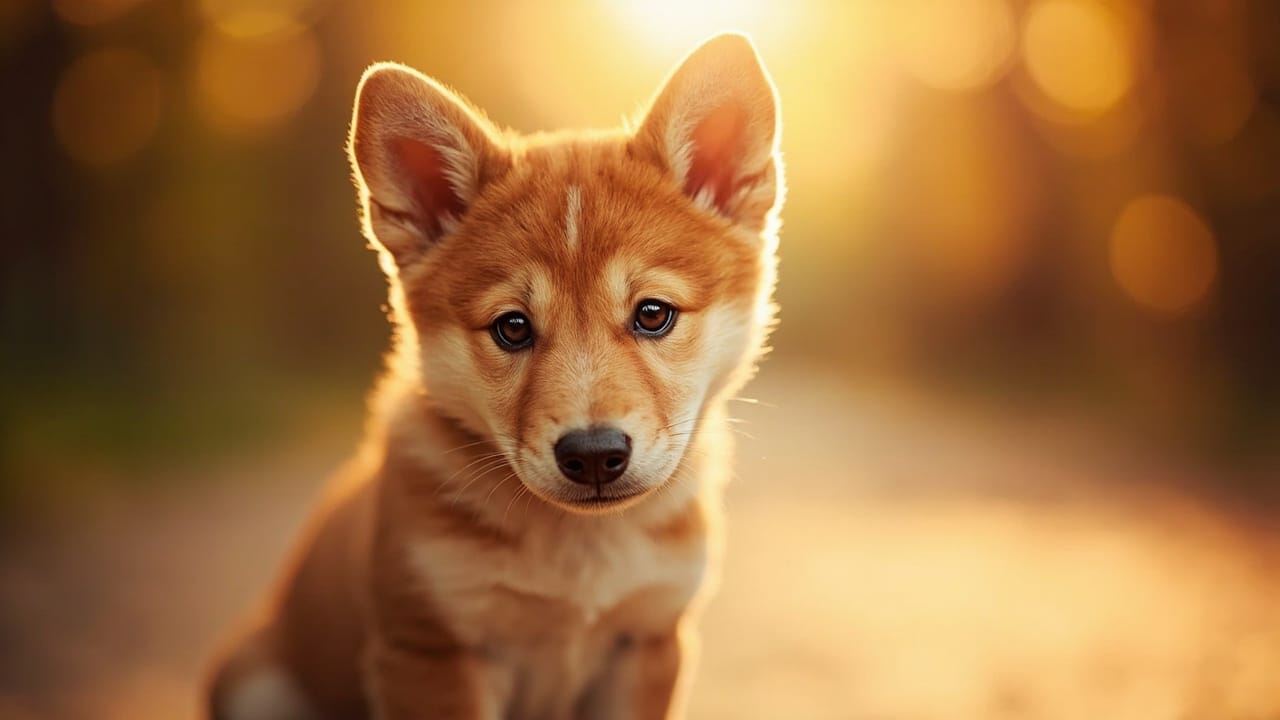
Adottare uno Shiba Inu dal Rescue: Cosa Sapere Prima di Impegnarsi
Adottare uno Shiba Inu dal rescue significa accogliere in casa un cane intelligente, indipendente e spesso frainteso, preparandosi a una forte pulsione predatoria, a una spiccata abilità da evasore e a un impegno di 13–16 anni. Aspettatevi un periodo di ambientamento di 2–4 settimane, possibili problemi comportamentali pregressi e spese di adozione di circa $200–$600. I rescue non sono adatti ai proprietari alle prime armi, ma per la famiglia giusta rappresentano uno dei modi più gratificanti per portare a casa uno Shiba.

Adottare uno Shiba Inu dal rescue è un impegno serio, non una scorciatoia per evitare l'allevatore. I rescue costano in genere $200–$600 e includono sterilizzazione, vaccinazioni e microchip, molto meno dei $1.400–$2.500 richiesti da un allevatore affidabile. Ma il vero costo è la pazienza: la maggior parte degli Shiba provenienti dai rescue ha bisogno di 2–4 settimane per ambientarsi, e alcuni mesi per mostrare la propria vera personalità. Prima di firmare i documenti, dovete comprendere la razza, il percorso del rescue e come sarà la vita per i prossimi 13–16 anni.
Perché gli Shiba Finiscono nei Rescue
Gli Shiba sono la razza asiatica più frequentemente ceduta in Nord America, e le ragioni sono prevedibili:
- Pulsione predatoria e inseguimento dei gatti — le famiglie che hanno già gatti, conigli o piccoli animali spesso li danno via entro pochi mesi.
- Il "Shiba 500" — le corse frenetiche e la fase di sfida adolescenziale (8–18 mesi) mettono in crisi i proprietari inesperti.
- Lo strillo dello Shiba — una vocalizzazione agghiacciante durante toelettatura, visite veterinarie o contenimento che spaventa chi è alle prime armi.
- Abilità da evasore — gli Shiba scavalcano recinzioni di 1,80 m, sgusciano via dai pettorine e scappano dalle porte aperte.
- Indipendenza e protezione delle risorse — non sono Labrador; non vivono per compiacervi.
I rescue di razza (Shiba Inu Rescue Association, DC Shiba Inu Rescue e gruppi regionali) sono sommersi di cani di 1–3 anni, spesso maschi interi, spesso ceduti dal proprietario anziché randagi.
Scegliere la Giusta Organizzazione di Rescue
Non tutti i rescue sono uguali. Verificate l'organizzazione prima di adottare:
- Specializzati nella razza vs. generalisti — i rescue di razza conoscono le particolarità dello Shiba e valutano il temperamento in modo onesto. I rescue generalisti spesso etichettano erroneamente i meticci e minimizzano i problemi comportamentali.
- Basati su affidamento vs. canile — le case affidatarie mostrano il vero cane; i cani in canile mostrano comportamenti da stress che nascondono la vera personalità.
- Trasparenza — i buoni rescue comunicano la storia di morsi, la protezione delle risorse, i problemi medici e i trigger noti.
- Politica di restituzione — i rescue affidabili richiedono che il cane venga restituito a loro, non rivenduto su Craigslist.
- Domanda e sopralluogo — se vi consegnano uno Shiba dopo un modulo di 10 minuti, andatevene.
Aspettatevi una domanda approfondita, verifica delle referenze e un colloquio virtuale o a casa. È normale ed è un buon segno.
Cosa Chiedere al Rescue
Prima di impegnarvi, ottenete le risposte per iscritto:
- Perché il cane è stato ceduto?
- Storia nota (randagio, ceduto dal proprietario, sequestrato da un caso di accaparramento o allevamento intensivo)?
- Risultati della valutazione comportamentale — pulsione predatoria, tolleranza verso altri cani, protezione delle risorse, addestramento al trasportino, abilità al guinzaglio.
- Documenti medici — denti, pelle, rotula, anche, occhi.
- Dieta attuale ed eventuali allergie (gli Shiba sono predisposti alla dermatite atopica).
- Livello di energia ed esigenze di esercizio.
- Come si comporta il cane quando viene lasciato solo — l'ansia da separazione è comune nei cani ceduti.
Un rescue che fornisce spontaneamente informazioni senza essere sollecitato è uno che ha fatto il lavoro.
Preparare la Casa per uno Shiba dal Rescue
Gli Shiba sono evasori, arrampicatori e ladri dal piano cottura. Allestite tutto prima del giorno del ritiro:
- Recinto sicuro in giardino — recinzione solida di 1,80 m senza oggetti arrampicabili vicino al perimetro. Gli Shiba sono noti per scavalcare le reti metalliche.
- Niente piccoli animali — gli Shiba adulti con pulsione predatoria sconosciuta non dovrebbero convivere con gatti, conigli, criceti o uccelli.
- Serrature a prova di gatto sui cancelli — una semplice maniglia a leva non basta.
- Trasportino e stanza di decompressione — una stanza piccola e tranquilla o un trasportino grande per le prime settimane.
- Pettorina antiscivolo e guinzaglio standard da 1,80 m — niente guinzagli estensibili; gli Shiba tirano e un guinzaglio flessibile è uno strumento di fuga.
- Niente passeggiate senza guinzaglio — mai, finché il cane non ha un richiamo inattaccabile, e molti non raggiungono mai questo livello.
I Primi 30 Giorni: Decompressione, Non Addestramento
La regola standard dei rescue di razza è il "3-3-3": 3 giorni per decomporsi, 3 settimane per stabilizzarsi, 3 mesi per sentirsi a casa. Non sommergete il cane di parchi per cani, persone nuove o addestramento intensivo nella prima settimana. Concentratevi su:
- Un programma costante di pasti e uscite per i bisogni.
- Lasciare che sia il cane a scegliere l'interazione, senza imporre coccole.
- Il trasportino come spazio sicuro.
- Una routine semplice con due o tre brevi passeggiate e qualche sessione di addestramento.
Uno Shiba che si chiude, si nasconde o non mangia è normale nella prima settimana. Uno Shiba che diventa improvvisamente aggressivo, mostra protezione delle risorse sul cibo o ha una storia di morsi rivelata in ritardo è un segnale di un abbinamento sbagliato.
Lista di Controlli Medici per gli Shiba dal Rescue
Gli Shiba provenienti dai rescue spesso arrivano senza storia. Prenotate una visita veterinaria completa nei primi 30 giorni:
- Valutazione OFA di anche e rotula (la lussazione della rotula è comune).
- Esame oculistico (cataratta, PRA, screening per glaucoma primario ad angolo chiuso).
- Pannello tiroideo (l'ipotiroidismo è sovrarappresentato).
- Esame della pelle — dermatite atopica e allergie alimentari sono frequenti.
- Dentale — molti cani dei rescue necessitano di una pulizia completa ed estrazioni.
Il pannello raccomandato dal CHIC (anche, rotula, occhi) è il minimo indispensabile.
Uno Shiba dal Rescue è Adatto a Voi?
Uno Shiba dal rescue è adatto a chi conosce già la razza — o è disposto a imparare in fretta — ha un giardino con recinzione sicura, non ha piccoli animali e ha il tempo per 2–4 settimane di decompressione più mesi di lavoro costante. Non sono adatti a proprietari alle prime armi, famiglie con bambini piccoli, abitanti di appartamenti senza accesso con ascensore a un giardino, o a chi cerca un compagno per escursioni senza guinzaglio.
Fatto bene, uno Shiba dal rescue è uno dei cani più leali, puliti e silenziosamente affettuosi con cui condividerete mai il divano. Fatto male, è il cane che finisce di nuovo in rescue a tre anni — ed è così che ci è arrivato la prima volta.
FAQ
Quanto costa adottare uno Shiba Inu dal rescue?
La maggior parte dei rescue di razza chiede $200–$600, cifra che di solito copre sterilizzazione, vaccinazioni, microchip e pulizia dentale. I rescue generalisti spesso offrono cani gratis o a prezzi ridotti, ma potrebbero non coprire tutte le visite veterinarie.
Gli Shiba Inu provenienti dai rescue vanno d'accordo con i gatti?
Di solito no. La maggior parte degli Shiba adulti provenienti dai rescue ha una pulsione predatoria sconosciuta o elevata, e i rescue di razza generalmente non li affidano a case con gatti, conigli o piccoli animali. L'eccezione è un cane cresciuto in una famiglia affidataria con gatti fin da giovane.
Quanto tempo ci mette uno Shiba del rescue ad adattarsi?
Aspettatevi 3 giorni di chiusura, 3 settimane di ambientamento prudente e 3 mesi prima che emerga la vera personalità. Alcuni cani, soprattutto ex randagi o provenienti da allevamenti intensivi, impiegano 6–12 mesi per decomporsi completamente.
Uno Shiba Inu del rescue può stare senza guinzaglio?
Quasi mai. La razza ha una delle pulsioni predatorie più forti tra gli spitz, oltre a un istinto di fuga ben documentato. La maggior parte degli Shiba del rescue dovrebbe essere portata a passeggio con un guinzaglio da 1,80 m e una pettorina antiscivolo per tutta la vita.