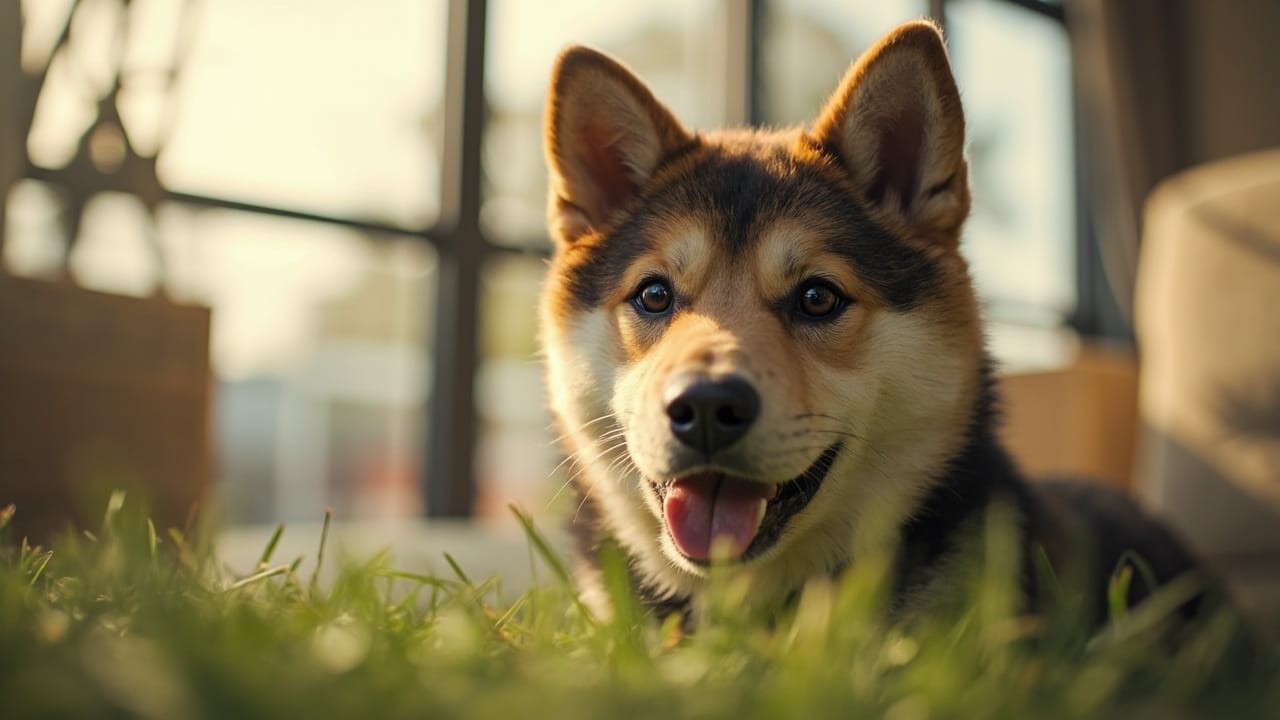
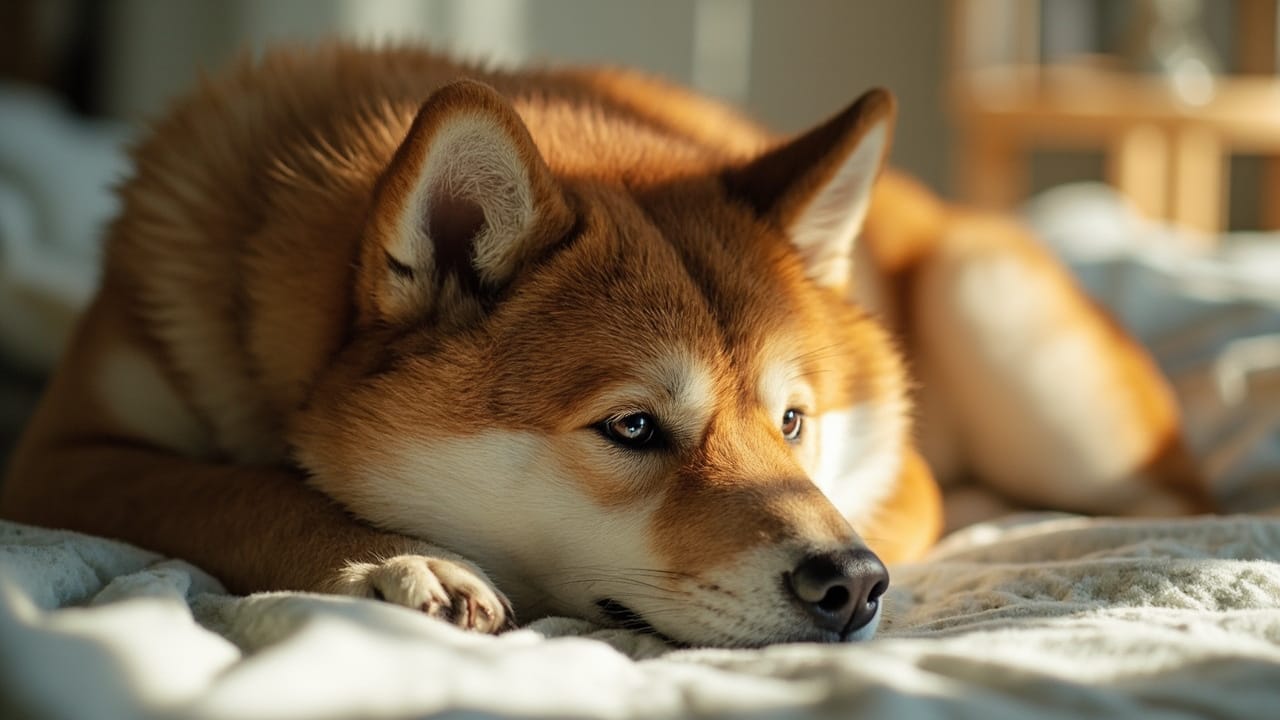
Perché il Mio Shiba Inu Starnutisce Spesso? Cause, Sollievo e Quando Preoccuparsi
Gli starnuti frequenti negli Shiba Inu sono solitamente causati da sostanze irritanti ambientali, allergie stagionali (la dermatite atopica è comune nella razza) o infezioni delle vie respiratorie superiori. Occasionali starnuti sono normali, ma starnuti ripetuti, secrezioni nasali o difficoltà respiratorie richiedono una visita dal veterinario. Lo starnuto inverso, che sembra allarmante, è un riflesso separato e generalmente innocuo.

Se il tuo Shiba Inu starnutisce più del solito, i responsabili più comuni sono sostanze irritanti presenti nell'aria (polvere, prodotti per la pulizia, polline, profumo), allergie stagionali o una lieve infezione delle vie respiratorie superiori. Gli Shiba sono particolarmente predisposti alla dermatite atopica e alle sensibilità ambientali, quindi le loro vie nasali reagiscono facilmente. Starnuti accompagnati da secrezioni dense, letargia, perdita di appetito o respirazione difficoltosa richiedono un tempestivo intervento veterinario.
Cause Comuni di Starnuti negli Shiba Inu
1. Sostanze irritanti ambientali Il muso compatto dello Shiba e le piccole vie nasali li rendono sensibili alle particelle sospese nell'aria. I fattori scatenanti più comuni includono:
- Polvere domestica, specialmente durante i cambi di stagione
- Fragranze intense (deodoranti per ambienti, diffusori di oli essenziali, candele)
- Prodotti chimici e aerosol per la pulizia
- Fumo di sigaretta
- Polline, erba o spore di muffa
2. Allergie Gli Shiba Inu sono tra le razze predisposte alla dermatite atopica, una reazione eccessiva del sistema immunitario agli allergeni ambientali. Gli starnuti spesso compaiono insieme a prurito cutaneo, leccamento delle zampe, infezioni alle orecchie o lacrimazione. Le allergie alimentari sono meno comuni ma possibili.
3. Infezioni delle vie respiratorie superiori (tosse dei canili, influenza canina) Infezioni batteriche o virali possono causare starnuti, tosse, febbre lieve e secrezioni nasali. La tosse dei canili è altamente contagiosa in ambienti con più cani.
4. Corpi estranei Ariste di erba, polvere o piccole particelle possono incunearsi in una narice e provocare starnuti improvvisi e intensi.
5. Malattie dentali Ascessi alle radici dei denti della mascella superiore possono drenare nella cavità nasale, provocando starnuti con secrezione da un solo lato o sangue.
6. Starnuto inverso Tecnicamente non è uno starnuto. È uno spasmo del palato molle che produce un suono improvviso di russamento o verso. Sembra drammatico ma di solito è benigno, dura da pochi secondi a un minuto. Massaggiare delicatamente la gola o coprire brevemente le narici può abbreviare l'episodio.
Quando Consultare il Veterinario
Contatta tempestivamente il tuo veterinario se gli starnuti sono accompagnati da uno dei seguenti sintomi:
- Secrezioni nasali gialle, verdi o con sangue
- Secrezione nasale o gonfiore da un solo lato
- Difficoltà respiratorie, respirazione a bocca aperta o gengive bluastre
- Perdita di appetito che dura più di 24 ore
- Letargia o febbre
- Gonfiore del muso o il cane si gratta il muso con la zampa
- Starnuti che continuano per più di qualche giorno senza miglioramenti
Starnuti cronici possono inoltre indicare acari nasali, infezioni fungine (aspergillosi) o, in rari casi, tumori nasali, soprattutto negli Shiba più anziani.
Cosa Puoi Fare a Casa
- Passa l'aspirapolvere e spolvera frequentemente con un aspirapolvere dotato di filtro HEPA
- Passa a prodotti per la pulizia e detersivi per bucato senza profumo e senza fragranze
- Usa un umidificatore nei mesi secchi, oppure un purificatore d'aria HEPA
- Evita di fumare in casa e limita l'uso di deodoranti per ambienti intensi
- Pulisci il muso del tuo Shiba con un panno umido dopo le passeggiate all'aperto nei giorni ad alta concentrazione di polline
- Mantieni aggiornate le visite veterinarie annuali e lo screening CHIC raccomandato (OFA per anca e rotula, e esame oculistico CERF/CAER), poiché la salute degli occhi e dei seni paranasali è collegata
Consigli di Prevenzione Specifici per gli Shiba
Poiché la razza è naturalmente pulita e simile al gatto, la maggior parte degli Shiba tollera bene una delicata cura nasale. Durante la muta semestrale del mantello, forfora e polvere in casa aumentano, il che può scatenare starnuti nei cani (e nelle persone) più sensibili. Spazzolare il cane all'aperto durante questi periodi riduce la quantità di sostanze irritanti in casa.
Per gli Shiba con dermatite atopica confermata, il veterinario può consigliare antistaminici, antinfiammatori su prescrizione, test allergologici o immunoterapia. Un test reattivo, non tentativi a caso, è la strada più rapida per ottenere sollievo.
Se gli starnuti sono iniziati dopo l'arrivo di un nuovo cane in casa, un trasloco o una visita al pensione, segnala questo contesto al tuo veterinario: restringe rapidamente la diagnosi.
Punto Chiave
La maggior parte degli starnuti negli Shiba Inu è di origine ambientale e si risolve una volta rimosso il fattore scatenante. Starnuti persistenti, secrezioni colorate o qualsiasi difficoltà respiratoria non vanno sottovalutati. Con la loro aspettativa di vita media di 13-16 anni, individuare precocemente i problemi sinusali e respiratori protegge sia la qualità della vita che la longevità.
FAQ
Gli Shiba Inu possono avere allergie stagionali che causano starnuti?
Sì. Gli Shiba Inu sono predisposti alla dermatite atopica, un'allergia ambientale che spesso si manifesta con starnuti, prurito cutaneo, leccamento delle zampe e infezioni ricorrenti alle orecchie. I sintomi tipicamente si aggravano in primavera e in autunno.
Lo starnuto inverso è pericoloso per uno Shiba Inu?
No. Lo starnuto inverso è uno spasmo del palato molle che sembra allarmante ma è generalmente innocuo. Di solito si risolve spontaneamente entro un minuto e può essere abbreviato accarezzando delicatamente la gola o coprendo brevemente le narici.
Cosa significa se il mio Shiba Inu ha sangue nelle secrezioni nasali?
Secrezioni con sangue da un solo lato o qualsiasi starnuto con sangue richiedono una visita veterinaria urgente. Le possibili cause includono corpi estranei, ascessi alle radici dentali, infezioni fungine, traumi o, nei cani più anziani, tumori nasali.
Come posso capire se gli starnuti del mio Shiba sono dovuti alla tosse dei canili?
La tosse dei canili di solito produce una tosse secca e simile a un verso acuto, accompagnata da starnuti, febbre lieve e a volte secrezioni nasali. È altamente contagiosa e spesso si manifesta da 3 a 10 giorni dopo soggiorni in pensione, toelettatura o visite a parchi per cani.
⚕️ This article is researched from the AKC and NIPPO breed standards, OFA/CHIC health data and veterinary sources. It is for general information only and is not a substitute for advice from your own veterinarian.