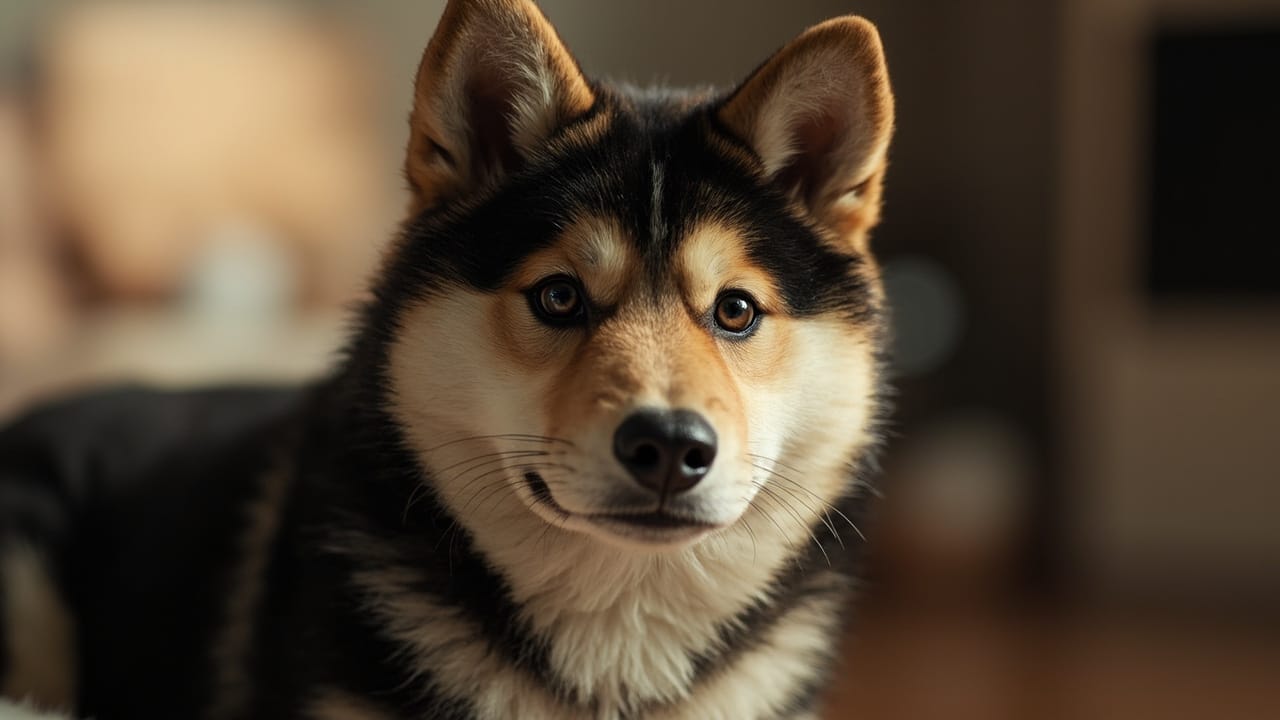
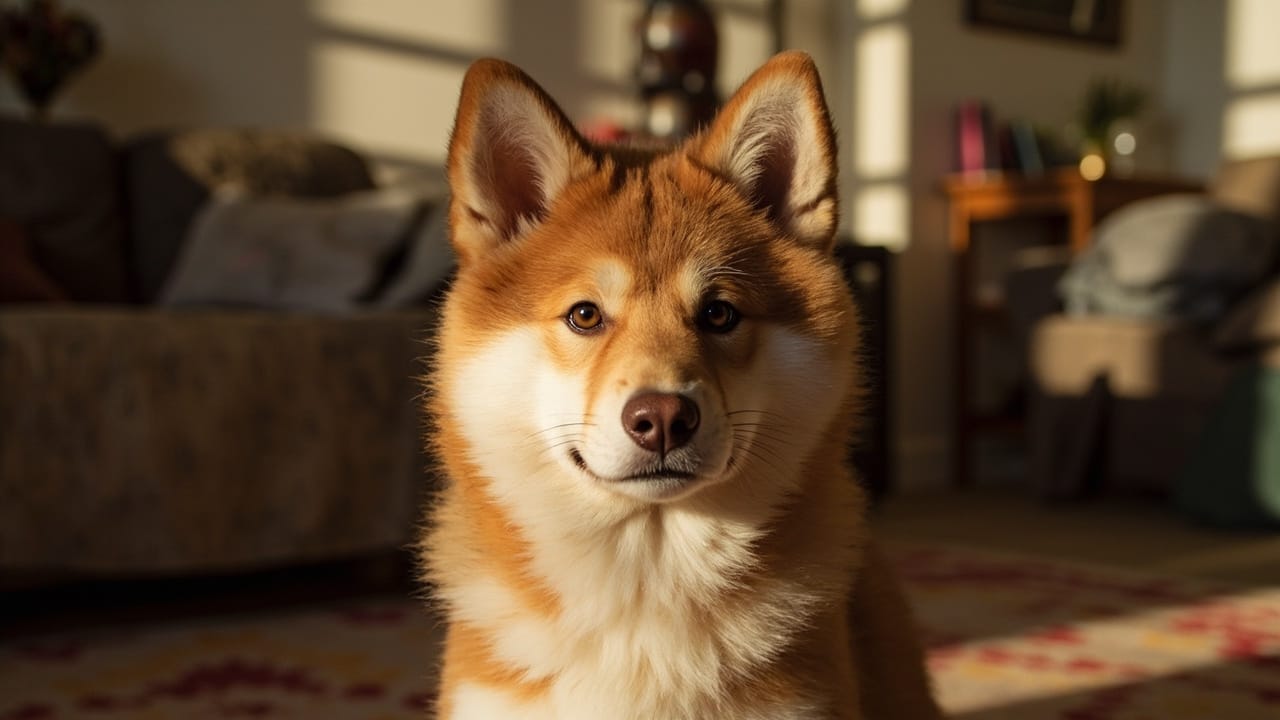
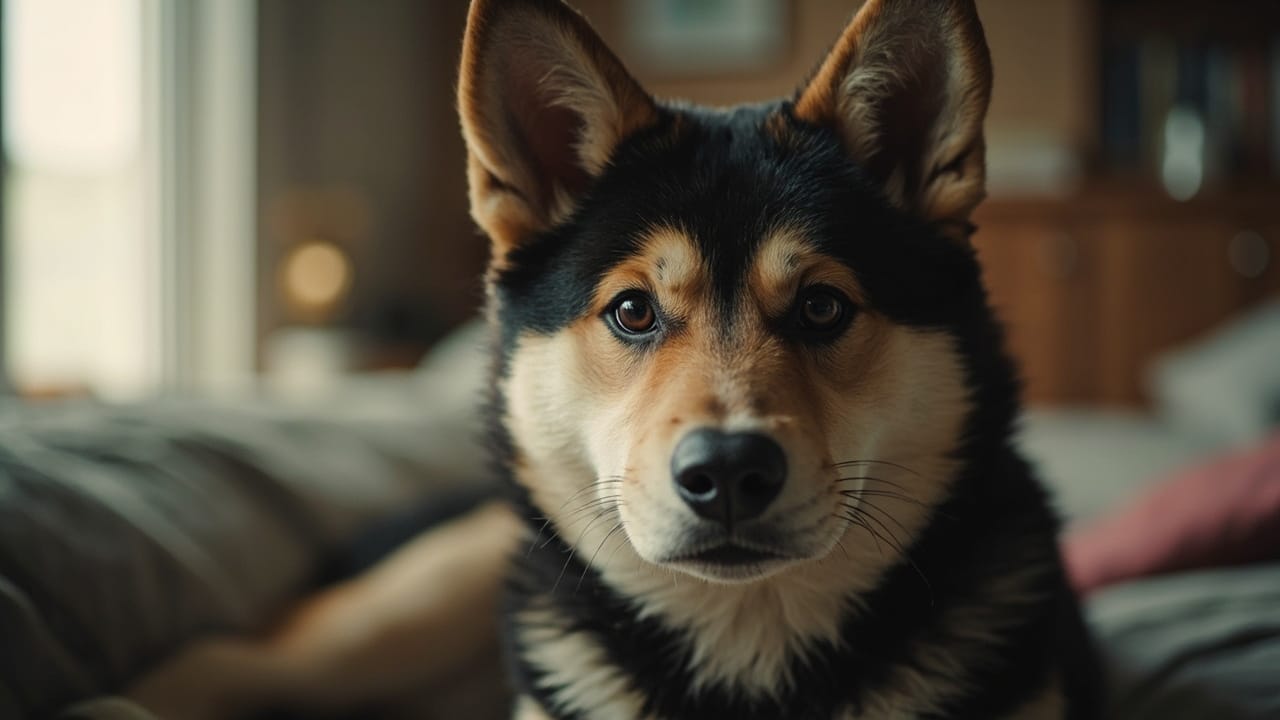
시바견이 아파트에서 살 수 있을까? 가능합니다, 방법은 다음과 같습니다
네, 시바견은 아파트에서도 잘 적응하며 살 수 있습니다. 이 작고 조용하며 깨끗한 품종은 세심한主人的 꾸준한 관심 아래 운동·정서 자극·사회적 욕구가 충족된다면 작은 생활 공간에도 매우 잘 어울립니다.

시바견은 아파트에서 살아가는 것이 충분히 가능하며, 실제로도 매우 잘 생활하는 경우가 많습니다. 일본 토종 6종 가운데 가장 작은 시바견은 체구도 작고(수컷 35–43 cm / 약 10 kg, 암컷 33–41 cm / 약 8 kg), 본능적으로 깔끔하며 대부분의 개에 비해 눈에 띄게 조용합니다. 도쿄, 뉴욕, 런던 같은 도시의 많은 도심 시바견 보호자들은 스튜디오와 원룸에서도 아무런 문제 없이 반려견을 키웁니다. 시바견은 독립적인 성향이 강해 ‘벨크로(연착) 품종’보다 분리불안에 잘 걸리지 않으며, 이 또한 아파트 생활에 유리한 점입니다.
다만 아파트에서의 시바견 생활이 자동으로 보장되는 것은 아니며, 전적으로 보호자가 이 품종만의 고유한 욕구를 얼마나 잘 충족시켜 주느냐에 달려 있습니다. 실제적으로 잘 적응하기 위한 요소는 다음과 같습니다.
시바견이 아파트에 잘 적응하는 이유
세 가지 특징이 시바견을 의외로 좋은 아파트견으로 만들어 줍니다.
- 체구와 공간 점유. 8–10 kg 정도의 개는 편하게 생활하기 위해 많은 바닥 면적을 필요로 하지 않습니다.
- 낮은 소음 수준. 시바견은 지나치게 많이 짖는 편이 아닙니다. 현관에서 실제로 무언가가 있을 때 경고성을 표현할 수는 있지만, 이른바 ‘문제성 짖음’으로 잘 알려진 품종은 아닙니다. 이웃과 얇은 벽을 고려할 때 이는 매우 중요한 장점입니다.
- 깔끔한 습관. 시바견은 유명할 정도로 고양이처럼 행동합니다. 스스로 그루밍을 하며 웅덩이를 피하고, 실내 배변 습성도 빠르게 교정됩니다. 잘 교육된 시바견은 집을 더럽히지 않으며, 다른 많은 품종처럼 가구에 개 냄새가 배지도 않습니다.
운동: 절대 타협할 수 없는 부분
시바견은 복도를 배회하면서 스스로 에너지를 소진하지 않습니다. 보호자가 그 에너지를 대신 소진시켜 주어야 합니다. 하루 최소 60–90분의 실질적인 신체 운동을 두 번의 산책이나 달리기로 나누고, 가능하면 리드줄을 풀어주거나 페치 놀이 시간을 확보하세요. 이 시간이 부족하면 물건을 씹는 파괴 행동, 안절부절못하는 행동, 그리고 밤 11시경 찾아오는 시그니처인 ‘시바 500’ 돌진 행동(zoomies)이 나타날 수 있는데, 이는 아래층 이웃이 환영하지 않을 것입니다.
지친 시바견은 조용합니다. 운동량이 부족한 시바견은 집의 크기와 관계 없이 문제가 되며, 아파트에서는 마당으로 내보낼 수도 없기 때문에 그 문제가 더 부각됩니다.
정서 자극은 생각보다 훨씬 중요하다
시바견은 지능이 높고 독립적입니다. 아파트에서 8시간 이상 혼자 방치되면 충분히 운동시킨 시바견조차 지루함을 느낍니다. 다음을 제공하세요.
- 사료 퍼즐(콩, 스너플 매트, 토플 등)
- 씹을 거리(약용 젖소 치즈, 불리 스틱, 사슴뿔 등)
- 트릭 훈련, 후각 놀이, 셰이핑 게임 등 5–10분의 짧은 훈련 세션
- 신선함을 유지하기 위한 주 단위 장난감 교체
정서적으로 충실한 시바견은 작은 공간에서 극적으로 더 차분해집니다.
크레이트 훈련과 사냥 본능 문제
크레이트 훈련은 아파트에서 거의 필수입니다. 이는 시바견에게 안전한 ‘우리(den)’를 제공하며, 보호자가 외출 중일 때 파괴 행동을 막고 실내 배변 교정을 빠르게 해줍니다. ‘우리 본능(den instinct)’이 강하기 때문에 대부분의 시바견은 크레이트에 쉽게 적응합니다.
강한 사냥 본능도 주의해야 합니다. 고양이를 키운다면 소개 과정을 신중하게 진행하세요. 공용 복도나 엘리베이터에서 시바견은 작은 동물(토끼, 소형견, 로비의 도망치는 고양이 등)에 반응할 수 있습니다. 아파트의 공용 공간을 신뢰하기에 앞서 견고한 리드줄 매너와 신뢰할 수 있는 호출 훈련을 반드시 마쳐 두세요.
탈주 위험
시바견은 유명한 탈주 천재이며, 아파트에서도 이 특성은 매우 중요합니다. 건물 관리소 직원, 시공 업체 작업자, 배달원이 문을 수시로 열어젖힙니다. 현관에서 ‘잠시 멈춰(wait)’ 훈련을 확실히 다지고, 시바견이 절대로 현관문 밖 거리로 뛰쳐나가지 않도록 하세요. 이 품종에서 가장 흔한 사망 원인 중 하나가 자동차에 치이는 사고이며, 잠겨 있지 않은 아파트 현관문은 실제로 심각한 위험입니다.
소음과 이웃 에티켓
시바견이 만성적으로 짖는 개는 아니지만, 한 가지 유명한 발성이 있습니다. 바로 **시바 스cream(Shiba scream)**입니다. 이는 높은 음의 과장된 소리로, 발톱 깎기, 병원 방문, 간헐적인 반항 상황에서 내는 소리입니다. 일상적으로 매일 나오는 소리는 아니지만 상황적으로 발생하므로 이웃에게 미리 알려 두세요. 이 품종은 ‘아우~’ 소리와 요들(yodel) 같은 다양한 발성도 내는데, 집 안에서는 매력적으로 들리지만 공동주택 벽을 통해 울려 퍼질 수 있습니다.
작은 공간에서의 털과 털갈이
시바견은 저알레르기가 아니며, 보통 일년에 두 번 정도 undercoat(속털)을 한꺼번에 크게 털갈이합니다. 작은 아파트는 매 털갈이 시기마다 2–3주 동안 눈송이가 날리는 것처럼 보입니다. 언더코트 레이크(undercoat rake)를 준비하세요(Furminator 같은 도구는 모질을 손상시킬 수 있으니 부드럽게 사용하세요). 털갈이 시기에는 매일 청소기를 돌려야 합니다. 로봇 청소기는 실제 삶의 질을 크게 높여 주는 투자입니다.
아파트 성공을 위한 빠른 체크리스트
- 매일 운동: 60–90분
- 정서적 자극: 퍼즐, 훈련, 씹을 거리 교체
- 혼자 있는 시간을 위한 크레이트 훈련
- 견고한 현관 매너
- 최소 주 1회 빗질(털갈이 시기에는 매일)
- 털갈이와 가끔 있는 ‘시바 스cream’ 같은 특성에 대한 현실적인 기대
알맞게 준비만 한다면, 아파트 안의 시바견은 그저 ‘살아남는’ 것이 아니라 ‘잘 번영하는’ 존재가 됩니다. 많은 경험 많은 보호자들이 잘 운동시키고 정신적으로 충실한 시바견이 도시에서 함께 살기 가장 쉬운 반려견 중 하나라고 말합니다.
FAQ
Are Shiba Inus good apartment dogs for first-time owners?
네, 다만 몇 가지 유의할 점이 있습니다. 깔끔한 습관, 조용한 성격, 작은 체구 덕분에 아파트에 잘 맞지만, 독립성, 강한 사냥 본능, 일관된 훈련의 필요성 때문에 초보 보호자에게는 중간 정도의 도전 과제가 됩니다. 첫날부터 긍정적 강화 훈련을 시작하겠다고 다짐하세요.
How much exercise does a Shiba Inu need in an apartment?
하루 60–90분의 실질적인 신체 운동을 최소 두 번의 외출로 나누어 계획하세요. 작은 공간에서 권태로 인한 행동을 예방하기 위해서는 퍼즐 급이기, 훈련, 냄새 맡기 산책 등 정서적 자극도 똑같이 중요합니다.
Do Shiba Inus bark a lot in apartments?
아닙니다. 시바견은 조용한 품종에 속하며, 이유 없이 짖는 경우는 드뭅니다. 유명한 ‘시바 스cream’, 아우~ 소리, 요들 등 다른 방식으로 발성을 하기도 하지만, 이는 만성적이지 않고 상황적으로 발생합니다.
Can a Shiba Inu be left alone in an apartment all day?
충분히 운동시키고 크레이트를 수용하며 적절한 자극을 제공한다면 성견은 하루 6–8시간 정도 혼자 있는 것이 가능합니다. 일부 품종처럼 분리불안에 잘 걸리지는 않지만, 어린 강아지와 자극이 부족한 성견은 파괴적으로 변할 수 있습니다. 장시간 근무 시에는 점심시간 도그 워커를 이용하는 것이 도움이 됩니다.