시바견 가이드 & 아티클
시바견에 관한 모든 질문에 대한 전문가의 검증된 답변 — 관리, 훈련, 건강, 비용 등.
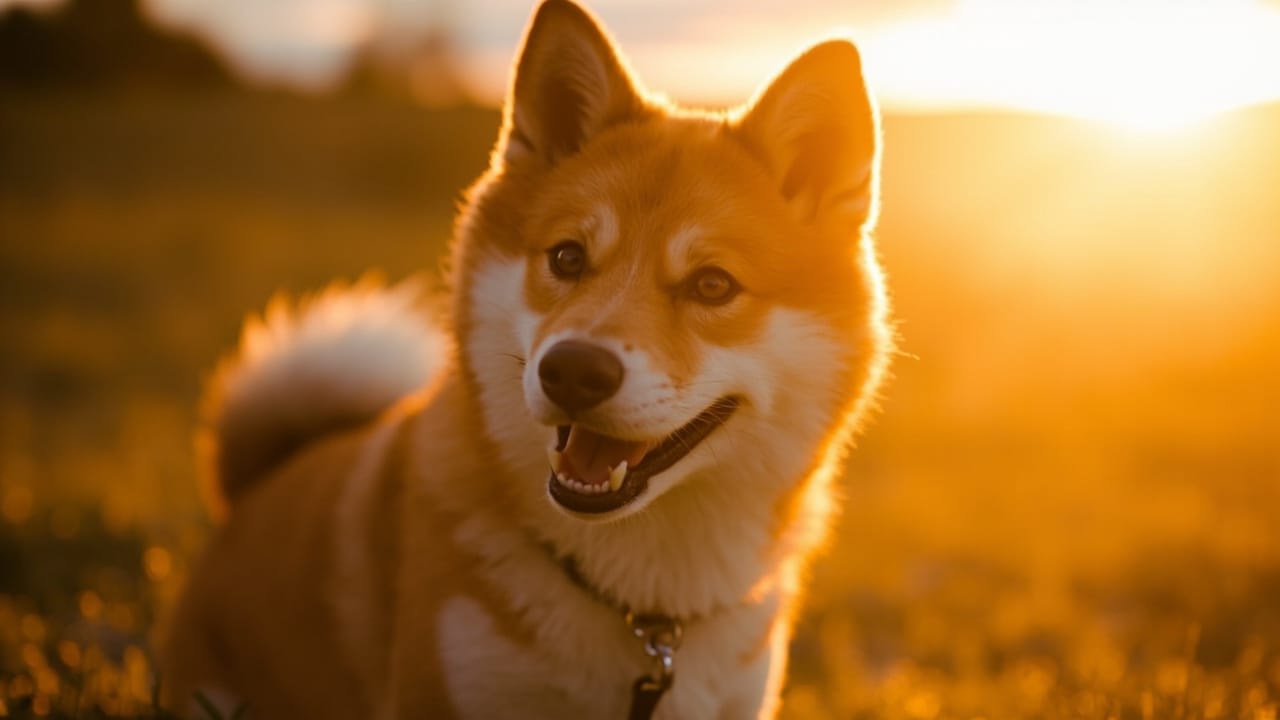
도게 밈 시바견 Kabosu: 그녀의 유산과 후계자 Neiro
2010년 '도게(Doge)' 밈과 도지코인의 원천이 된 시바견 Kabosu는 2024년 5월 24일, 18세를 일기로 세상을 떠났습니다. 그녀의 보호자 Atsuko Sato는 이제 2024년에 입양한 구조견 시바 Neiro를 돌보고 있으며, Neiro는 빠르게 인터넷에서 가장 주목받는 새로운 강아지 얼굴이 되었습니다.
도지 밈과 일론 머스크의 과대광고가 시바견 입양과 구조를 증가시켰을까요?
예. 카보수에서 시작된 도지 밈과 일론 머스크의 소셜 미디어 게시물은 2013년부터 2021년 사이에 시바견 수요, 입양 문의, 구조 관심을 측정 가능한 수준으로 끌어올렸습니다. 많은 새로운 소유자들은 이 품종을 준비하지 못한 채 입양해, 시바 전용 구조와 반환되는 개체의 증가를 동시에 부추겼습니다.
테슬라 굿즈를 도지코인으로 살 수 있나요? 시바견과의 연결고리
네 — 테슬라는 2022년 1월 일부 머천다이즈에 대해 도지코인(DOGE) 결제를 받기 시작했으며, 도지코인 로고와 원래 밈이 모두 시바견을 모델로 했기 때문에 시바견이 이 이야기의 중심에 있습니다. 테슬라 온라인 샵에서 DOGE를 사용하면, 시바견의 문화적 흔적이 문자 그대로 그 거래의 자금을 댑니다.

DOGE가 시바견을 사용하는 이유: 로고 뒤에 숨은 실제 이야기
미국 정부효율부(DOGE)는 'Doge' 밈과 도지코인 암호화폐, 그리고 둘 다 시바견을 중심으로 만들어진 점을 참조하기 위해 시바견에서 영감을 받은 로고를 사용합니다. 이는 인터넷 문화에 대한 브랜딩 선택으로, 품종을 정부의 마스코트나 상징으로 공식 채택한 것은 아닙니다.
플로키 이누 토큰, 일론 머스크의 시바견에서 이름을 따온 건가요? 전체 이야기
아닙니다. 플로키 이누는 바이킹 테마 이름을 채택한 커뮤니티 브랜드 밈 코인이며, 일론 머스크의 실제 시바견 이름이 플로키입니다. 토큰 제작자들은 머스크의 트윗을 활용해 코인을 마케팅했지만, 머스크나 그의 개가 공식적으로 이름을 붙이거나 보증하거나 만든 것은 아닙니다.
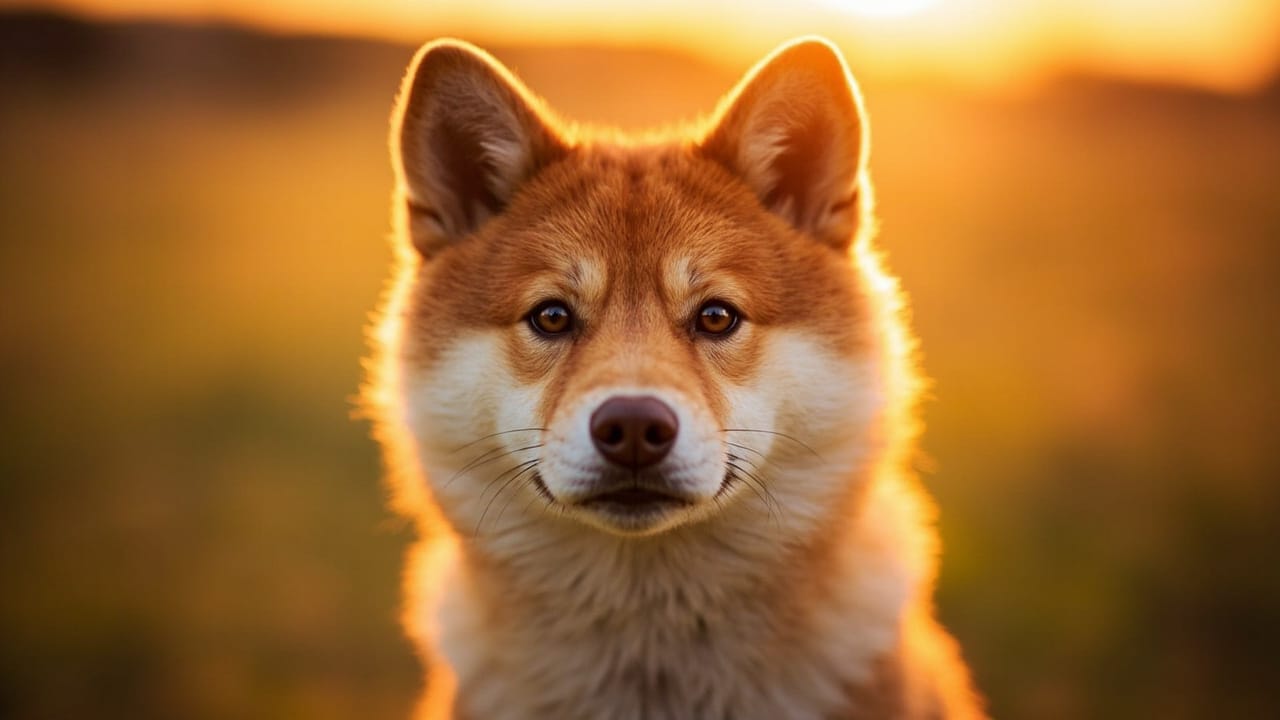
시바견이 어떻게 도지코인과 암호화폐 문화의 상징이 되었는가
2013년, 일본의 유치원 교사 아츠코 사토는 자신의 블로그에 구조견 시바견 ‘카보스(Kabosu)’의 사진을 올렸습니다. 그 단 한 장의 이미지가 ‘도지(Doge)’ 밈이 되었고, 2013년 12월, 소프트웨어 엔지니어 빌리 마르쿠스와 잭슨 파머는 카보스의 얼굴을 사용해 밈 기반 최초의 암호화폐인 도지코인을 출시했습니다. 카보스의 모습은 이제 수십억 개의 코인, countless 로고, 그리고 전체 시바 토큰 생태계에 새겨져 있습니다.
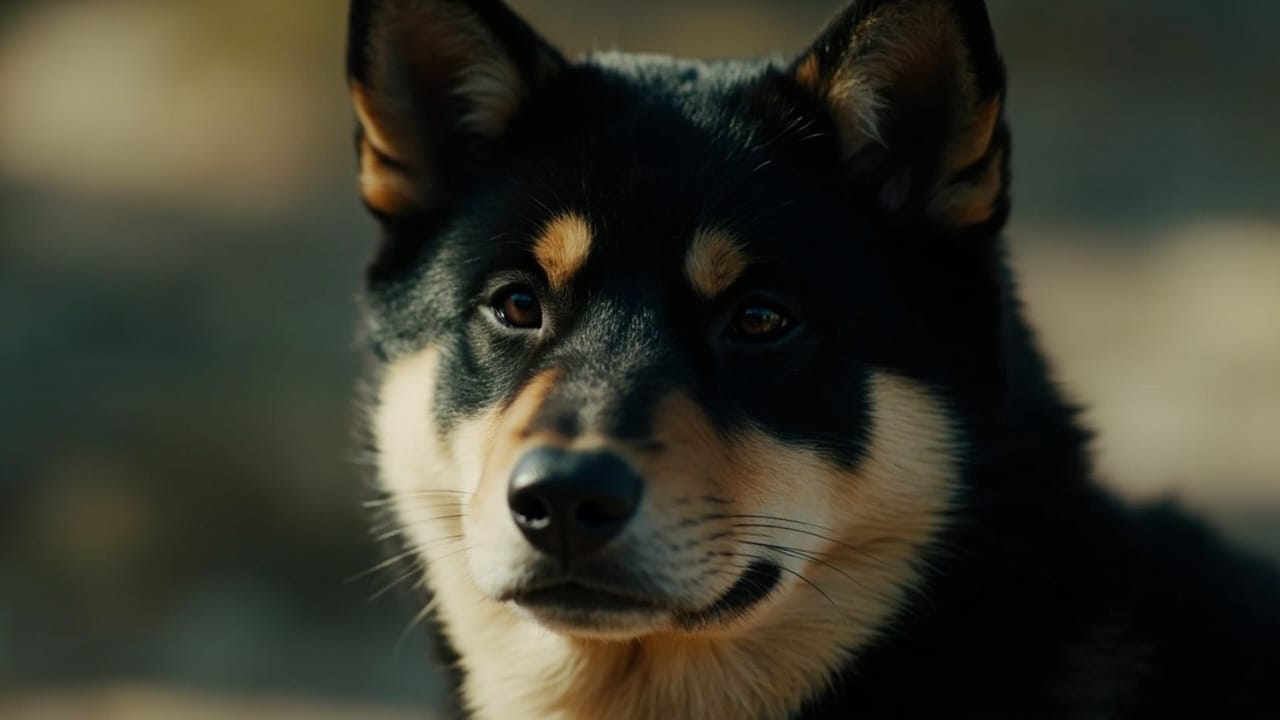
일론 머스크는 시바견을 키울까요? 시바견 플로키(Floki) 소개
네 — 일론 머스크는 2021년에 입양한 플로키라는 시바견을 키우고 있으며, 이름은 바이킹 캐릭터와 일론 머스크가 언급한 암호화폐에서 따왔습니다. 플로키는 테슬라 마케팅, 소셜 미디어, 시바견 테마 잡지 표지에 등장하며 세계에서 가장 유명한 반려 시바견 중 하나가 되었습니다.
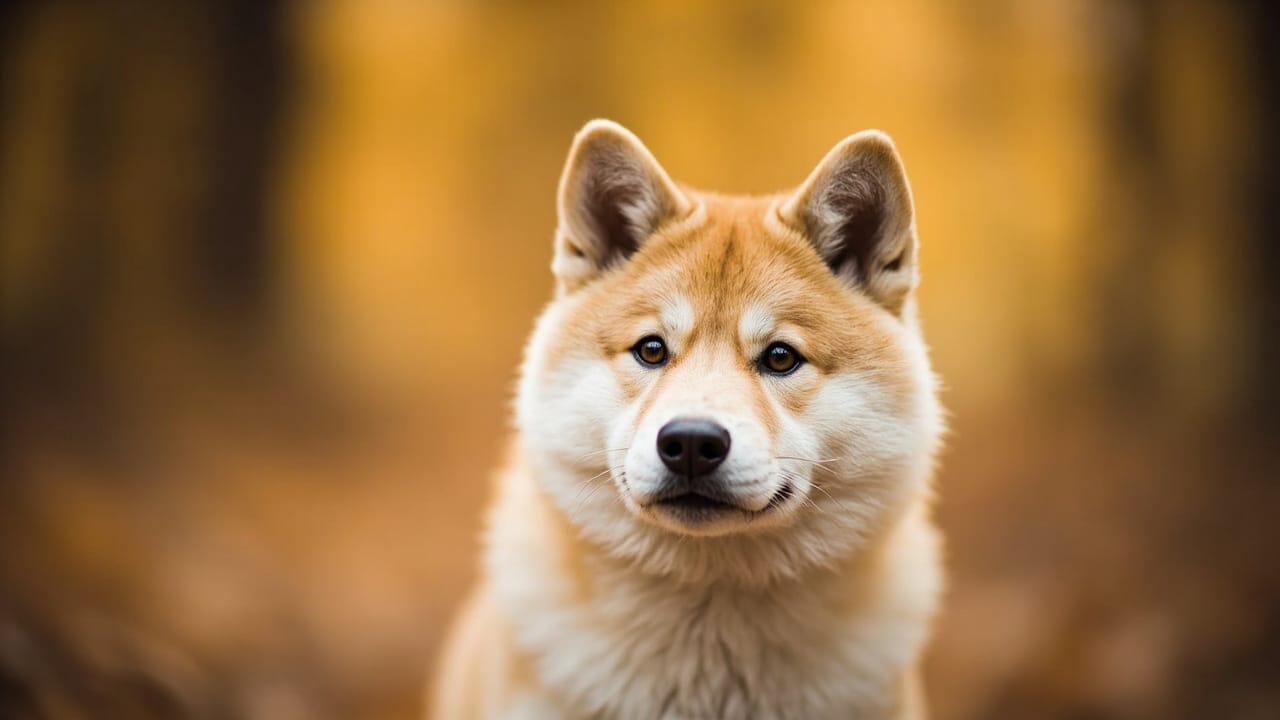
일론 머스크가 자신을 "도지대부(Dogefather)"라고 부르는 이유와 시바견의 연결고리
일론 머스크는 도지코인의 CEO로 뽑힌 바 있는 바이럴 트위터 투표 이후인 2019년 4월 "도지대부"라는 타이틀을 채택했습니다. 시바견과의 연결고리는 2010년 "도지(Doge)" 밈의 실제 모델이었던 시바견 카보수(Kabosu)를 거치며, 그녀의 얼굴이 도지코인 로고가 되었고 이후 SHIB 토큰에 영감을 주면서 해당 견종이 머스크의 암호화폐 페르소나와 떼려야 뗄 수 없는 관계가 되었습니다.
마메시바: 일본의 사랑스러운 콩 모양 강아지 캐릭터 완전 해설
마메시바(豆柴)는 콩과 강아지의 혼합으로 의인화된 캐릭터를 등장시키는 일본 프랜차이즈로, 한입 크기의 잡학 지식을 알려 주는 것이 특징입니다. 1999년 후쿠야(Fukuya) 장난감 회사에서 탄생한 이 캐릭터들은 마스코트 문화, 수집용 피규어, 그리고 자신만의 콩에 대한 잡학 정보를 무심코 드러내는 '콩-콩' 말장난 개그를 통해 일본과 아시아 전역에서 바이럴 히트를 기록했습니다. 이 인기의 비결은 만국 공통의 카와이(귀여움) 매력, 기발한 교육적 구성, 그리고 노련한 크로스 플랫폼 마케팅에 있습니다.
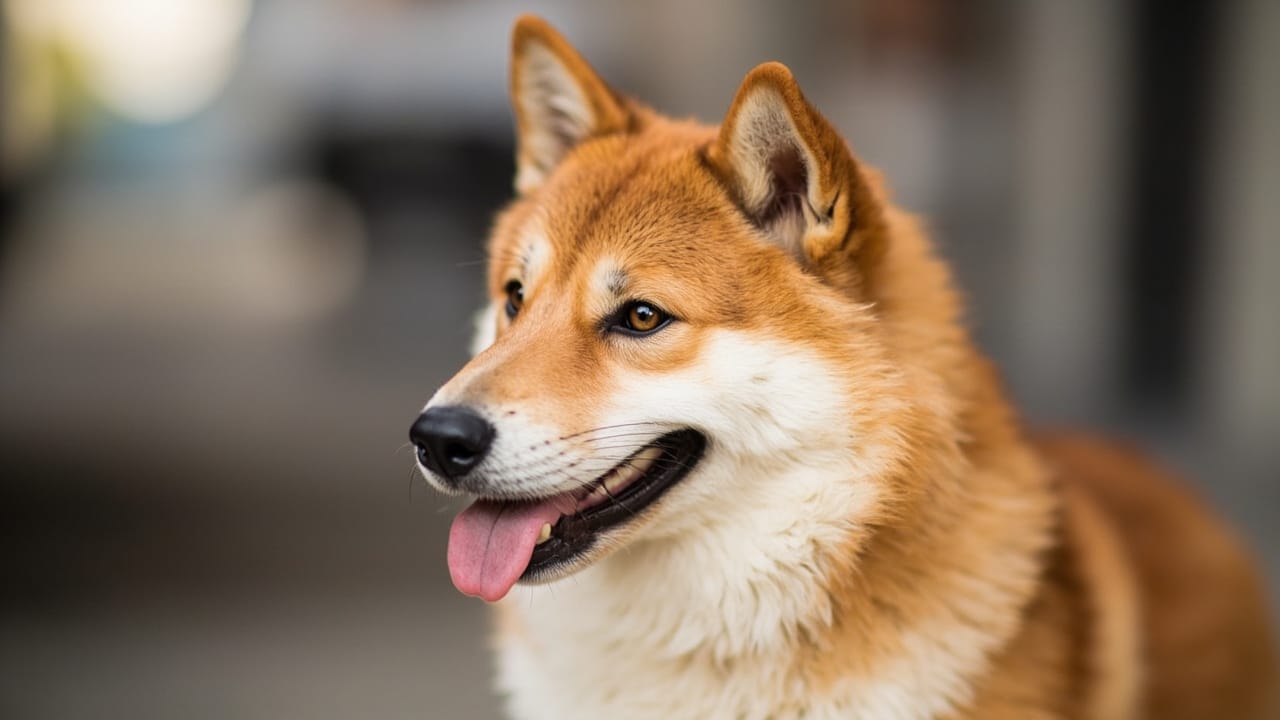
일본에서 미국 또는 유럽으로 마메 시바 수입하기: 완벽 가이드
일본에서 마메 시바를 수입하려면 NIPPO 또는 JKC 등록 브리더와 협력하고, USDA/DEFRA 공인 수출 혈통서와 광견병 항체역가 검사(필요 시)를 확보하며, 반려동물 운송 서비스를 예약하고, puppy 비용·항공·검역·서류를 포함해 $4,000–$10,000+ 예산을 잡아야 합니다. 첫 브리더 연락부터 집 도착까지 보통 4–8개월이 걸립니다.
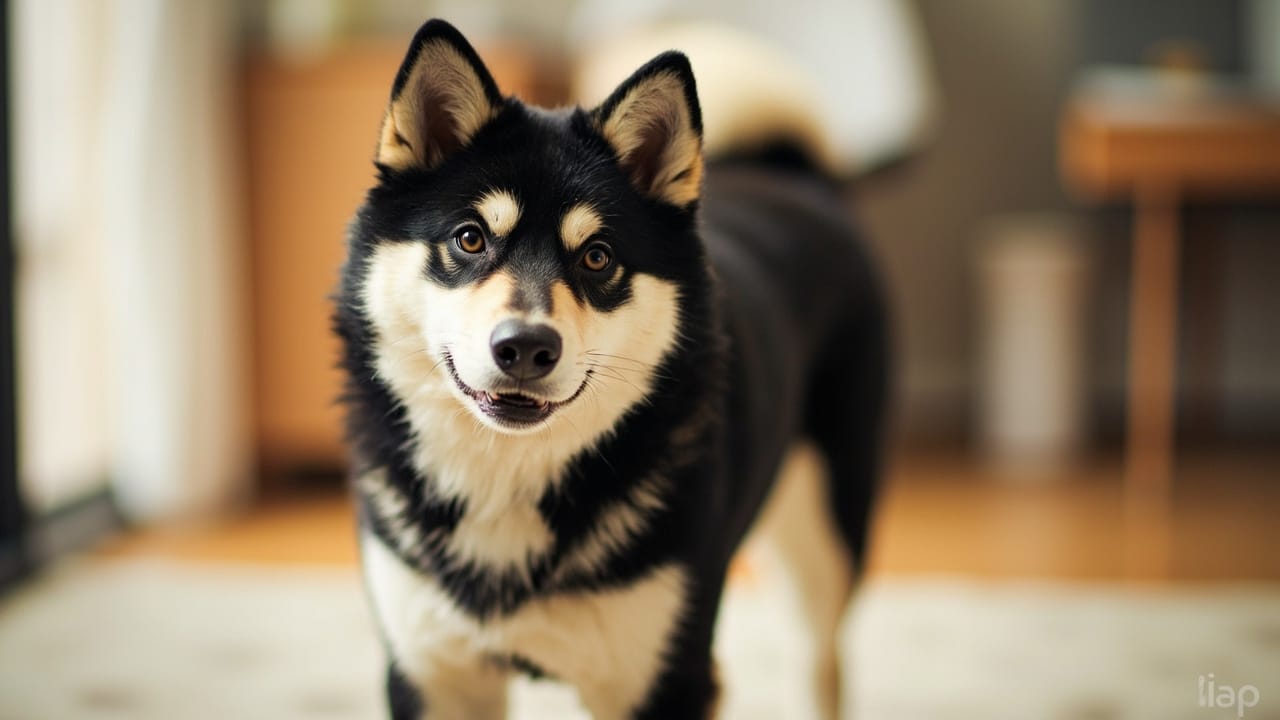
메이메 시바는 좋은 아파트·가족견일까? 솔직한 가이드
네, 메이메 시바는 알맞은 가정이라면 훌륭한 아파트견이자 가족견이 될 수 있습니다. 조용하고 깨끗하며 좁은 공간에도 맞는 작은 체구를 지녔지만, 시바견 특유의 강한 자존심과 높은 사냥 본능은 그대로입니다. 그래서 일관된 훈련, 어린 시기의 사회화, 그리고 그들의 독립적인 성격을 존중해 주는 가족이 반드시 필요합니다.
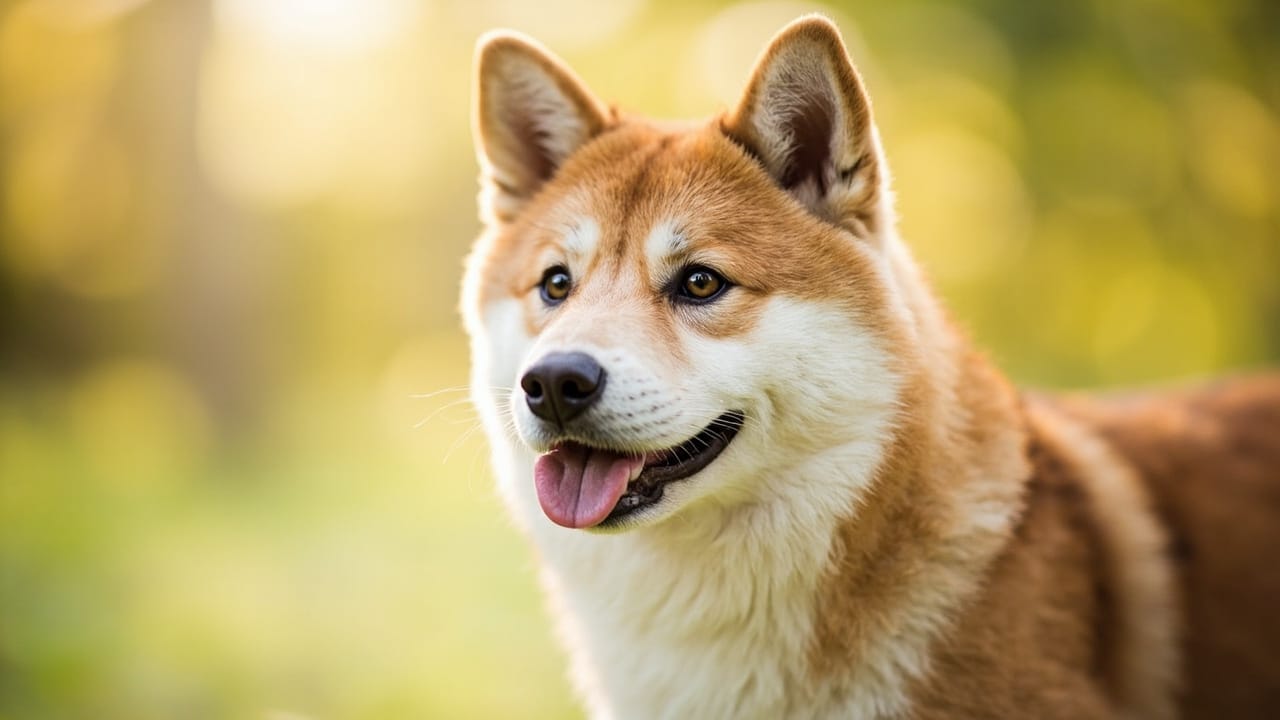
마메 시바 일상 관리, 운동 및 그루밍 가이드
마메 시바는 표준 시바견과 동일한 케어 루틴이 필요합니다. 단지 작은 체구일 뿐이죠. 매일 30~60분의 운동, 주 1회 브러싱(연 2회 털갈이 시기 포함), 고품질 건사료 약 ¼~½컵, 그리고 본능적인 사냥 욕구와 탈주벽을 관리하기 위한 일관된 훈련을 기대하세요.
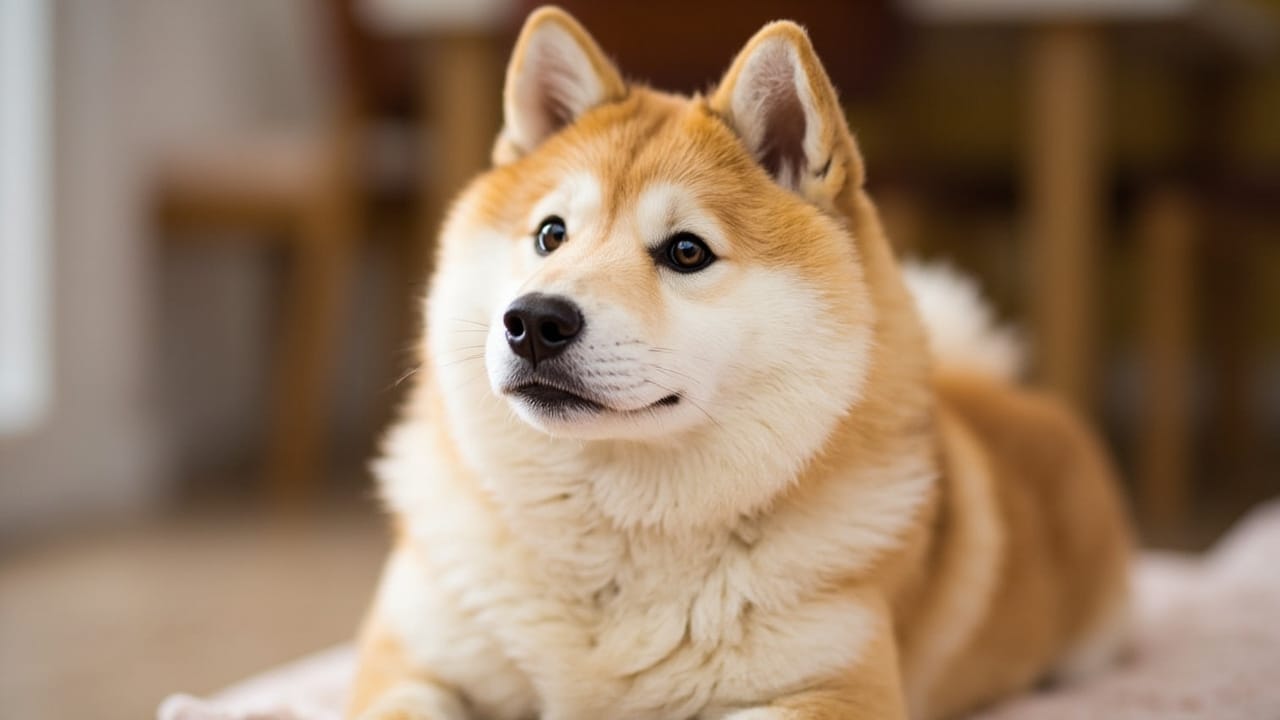
마메 시바 기질: 스탠다드 시바 이누와 어떻게 다른가
네, 마메 시바는 스탠다드 시바 이누와 분명히 다른 기질을 가지고 있지만, 그 차이는 종류의 차이가 아니라 정도의 차이입니다. 마메 시바는 일반적으로 더 애정 깊고, 집착성이 강하며, 기쁘게 해주려는 성향이 강한 반면, 스탠다드 시바 이누는 더 독립적이고, 낯을 많이 가리며, 고집이 셉니다. 두 크기 모두 충성심, 경계심, 강한 사냥 본능 같은 핵심 품종적 특성을 공유합니다.
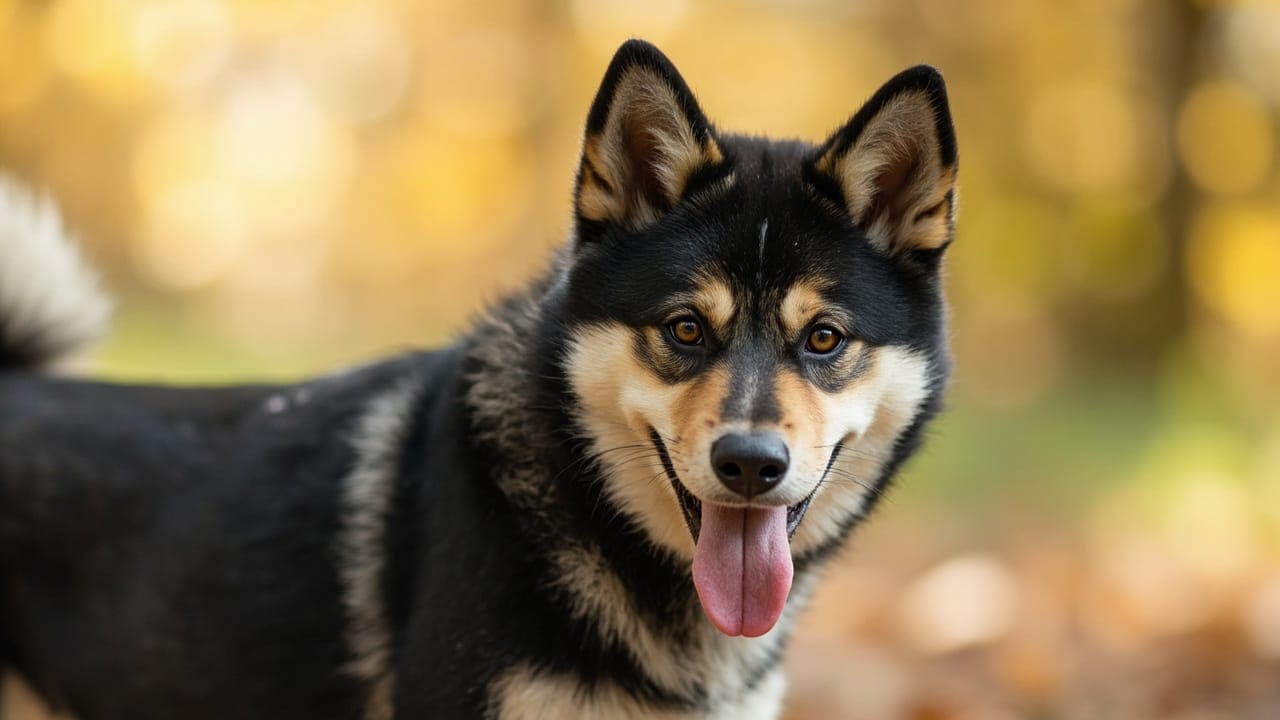
마메 시바 vs. 재패니즈 스피츠, 친, 테리어: 완벽 비교
마메 시바는 더 작은 크기를 위해 사육된 시바 이누의 소형화 버전인 반면, 재패니즈 스피츠, 재패니즈 친, 재패니즈 테리어는 각각 고유한 역사, 기질, 돌봄 요구를 가진 확립된 별개의 품종입니다. 스피츠는 풍성한 흰색 반려견이고, 친은 왕실의 역사를 가진 토이 랩독이며, 테리어는 작고 활기찬 사냥개입니다.
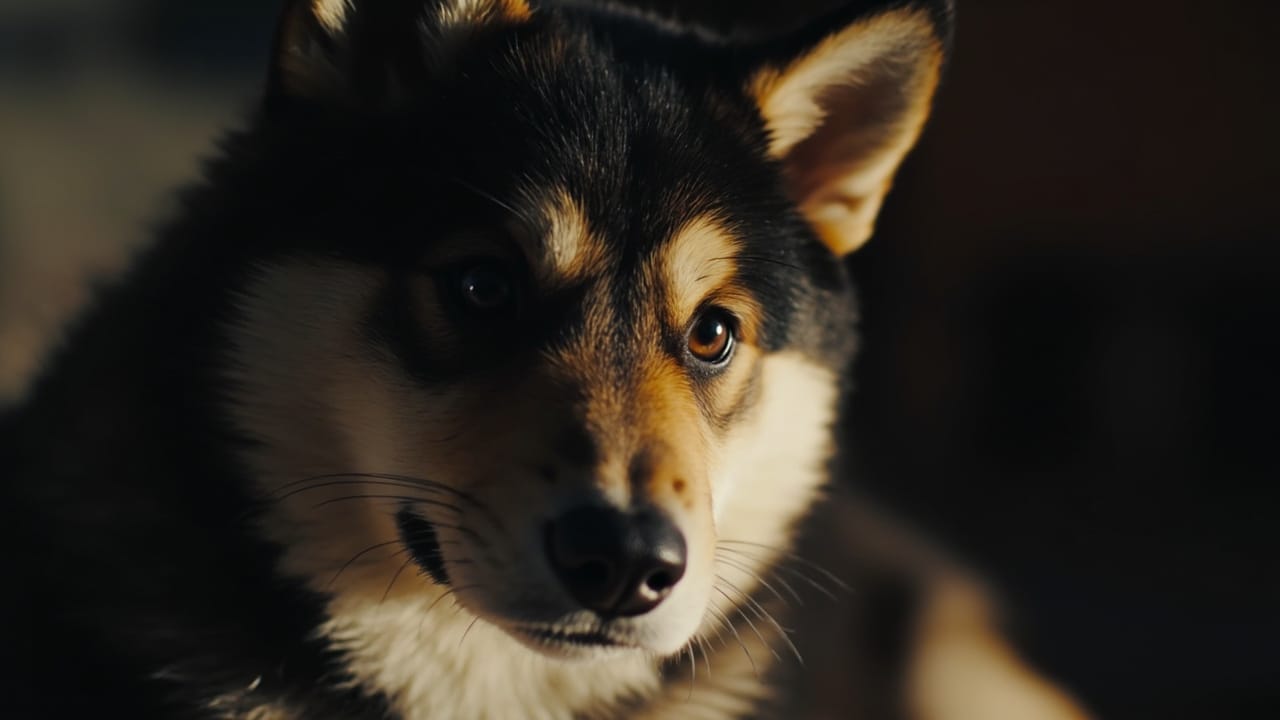
마메 시바를 구매하거나繁殖하는 것은 윤리적인가? 완벽 가이드
마메 시바(Mame Shiba)는 어느 주요 켄넬 클럽에서도 공식적으로 인정된 품종, 변종, 또는 체급이 아닙니다. 이를 구매하거나繁殖하는 것은 윤리적으로 문제가 있는데, 공식 시바견 표준에서 벗어나, 종종 매우 좁은 유전자 풀로 사육되며, 과장된 왜소증 형질과 높아진 건강 위험을 가진 개를 구매하는 것이기 때문입니다.
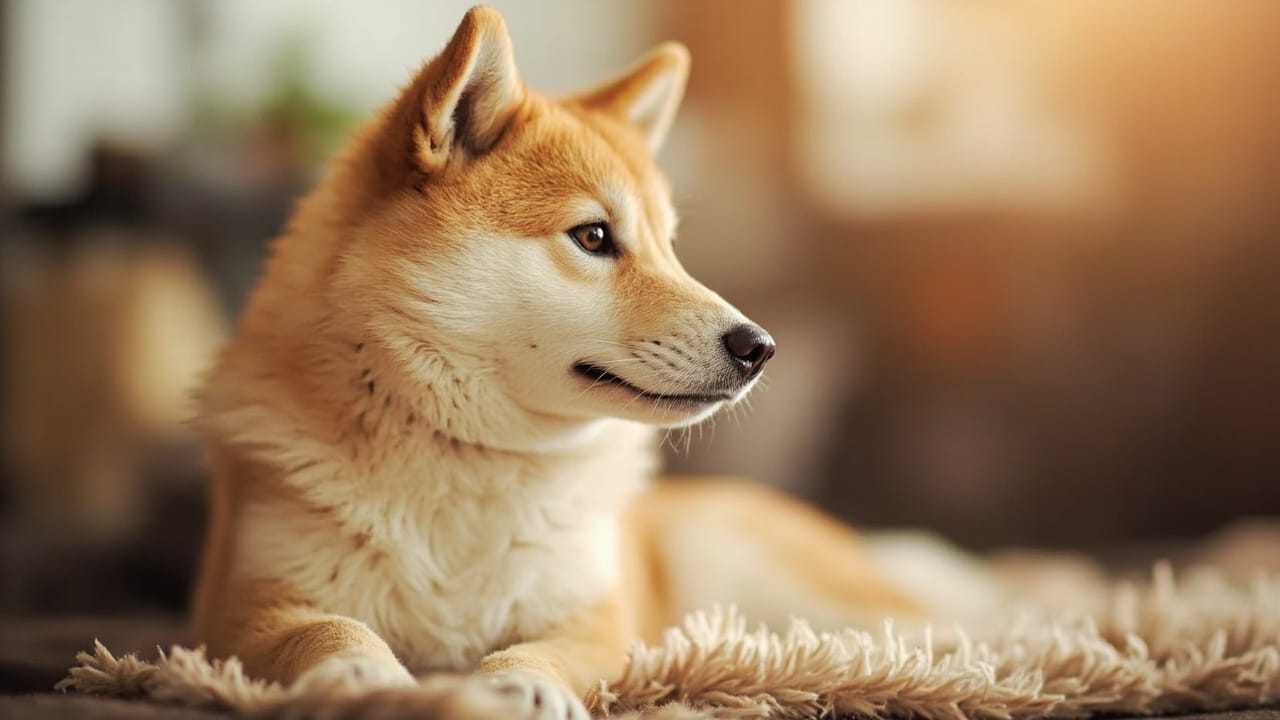
마메 시바 수명: 표준 시바만큼 오래 살 수 있을까?
마메 시바의 평균 수명은 13~16년으로, 표준 시바 이누와 동일한 범위입니다. 작은 체구 때문에 수명이 크게 늘어나거나 줄어들지 않으며, OFA 엉덩이 검사, 슬개골 평가, 매년 안과 검진을 포함한 동일한 건강 검진 프로토콜의 혜택을 받습니다.
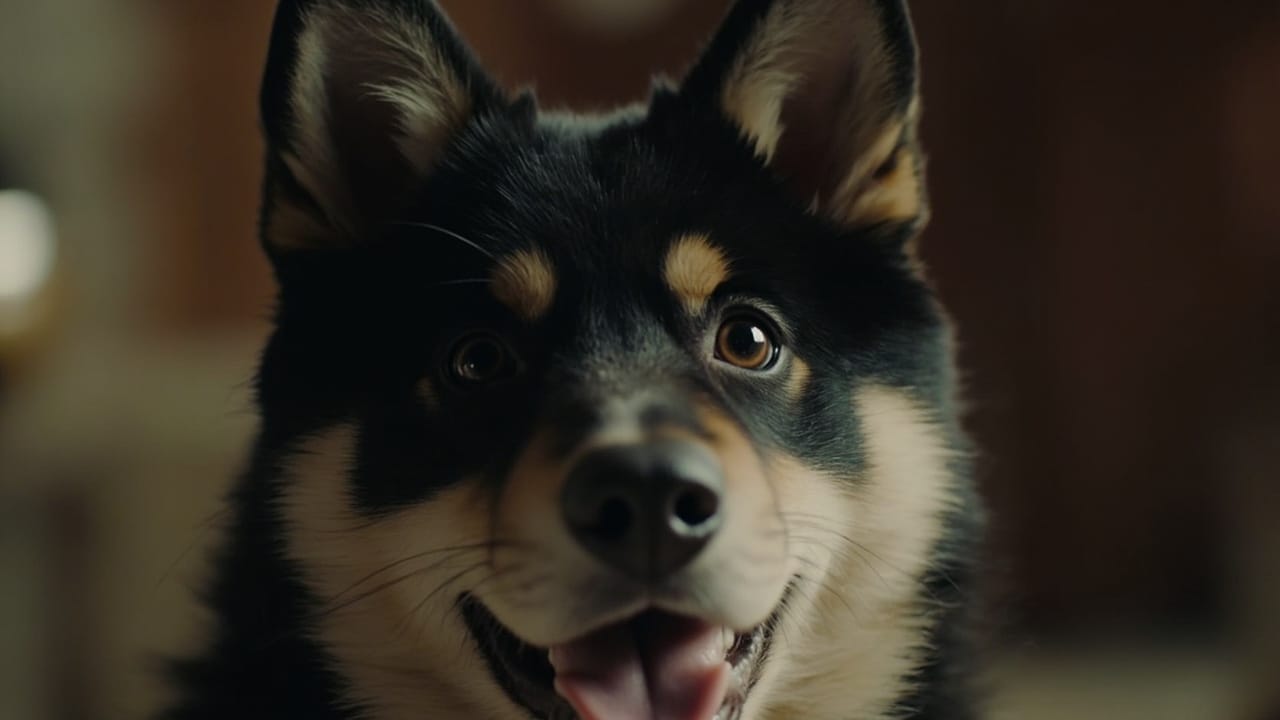
시바견의 왜소증: 유전적 질환 vs. 의도적인 소형화 교배
진정한 canine 왜소증은 성장 호르몬이나 골격发育 돌연변이로 발생하는 유전적 질환이며, 몸이 불균형하고 다리가 짧은 개를 만들어내고 특정 건강 위험을 수반합니다. "미니어처" 또는 "티컵" 라인을 만들기 위해 한 배에서 가장 작은 개들을 의도적으로 교배하는 것은 왜소증이 아니라 런트(runt)에 대한 선택적 교배이며, 이 역시 심각한 건강 문제와 윤리적 문제를 야기합니다. 시바견에는 공인된 왜소 변종이 없으며, 두 가지 접근 모두 품종 표준에서 벗어납니다.
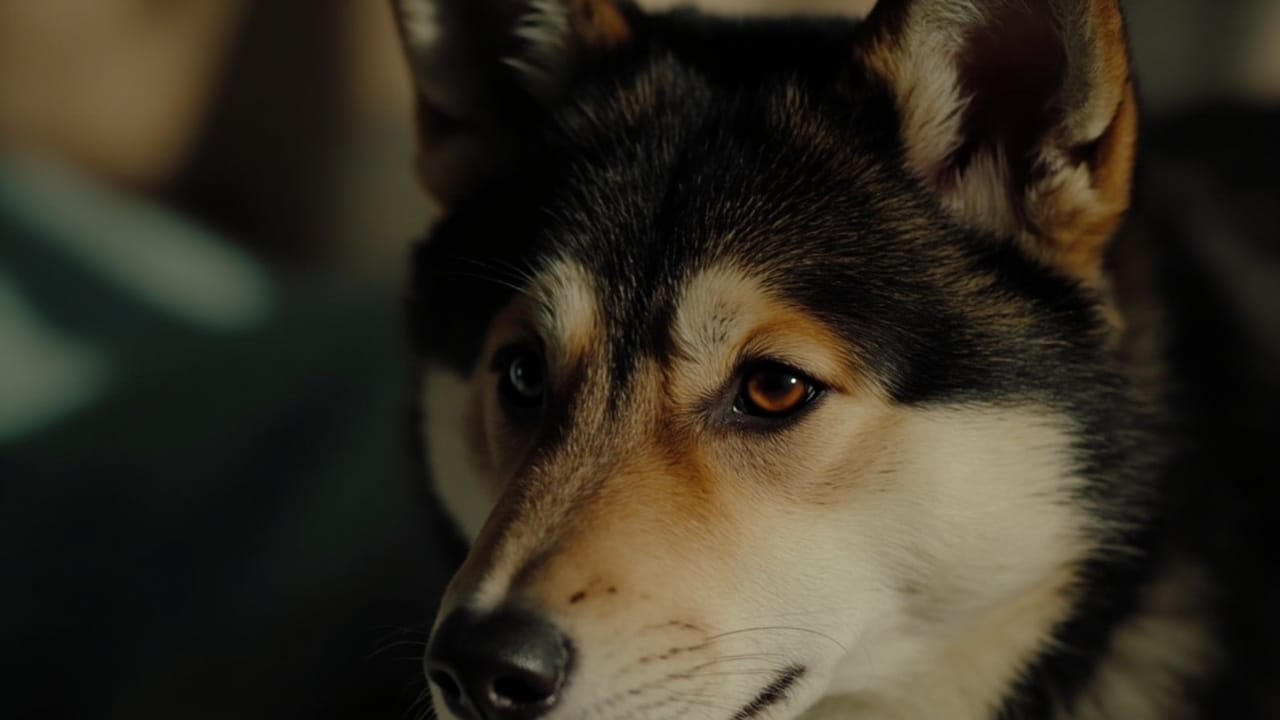
미니어처 시바는 치과, 관절, 출산 문제를 더 많이 겪나요?
미니어처 시바는 시바 이누 품종으로 공식 인정된 변종이 아니기 때문에, 본질적으로 혼혈이거나 동종 중 가장 작은 개체에서 키운 소형 시바입니다. 따라서 문서화되고 예측 가능한 품종별 건강 프로파일이 없으며, 작은 체구와 제한적인 유전 풀 때문에 치아 밀생, 슬개골 탈구, 난산의 위험이 더 높다고 널리 알려져 있습니다.
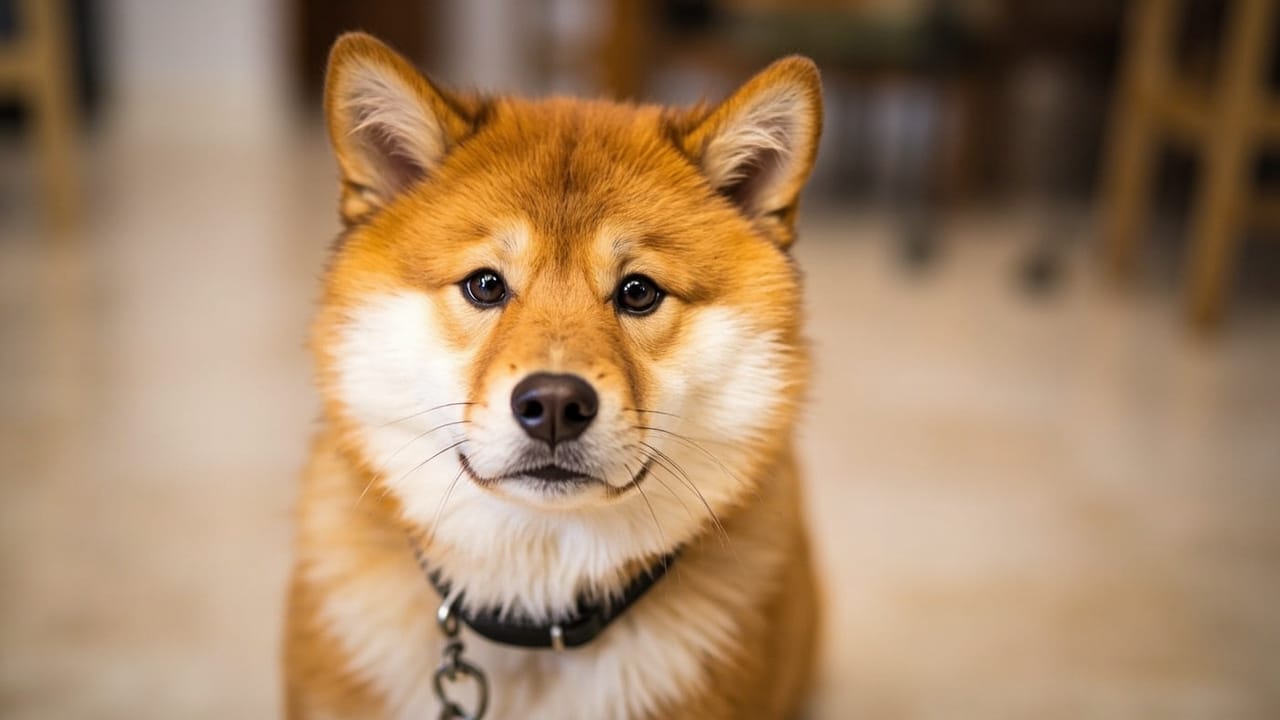
개의 뇌하수체 왜소증: 품종, 원인, 그리고 DNA 검사
개의 뇌하수체 왜소증은 LHX3 유전자(일부 품종에서는 GHRH 수용체 유전자)의 변이로 인해 뇌하수체가 성장 호르몬을 생성하지 못해 발생하는 희귀한 유전 질환입니다. 가장 흔한 품종은 독일 셰퍼드이며, 캐럴리안 베어독, 사를루스 울프독, 체코슬로바키안 울프독, 티베탄 마스티프 및 기타 몇몇 품종에서도 보고되었습니다. 확정 진단은 DNA 검사를 통해 이루어지며, IGF-1 혈중 수치, 성장 호르몬 자극 검사, 뇌하수체 영상 검사가 보조적으로 활용됩니다.
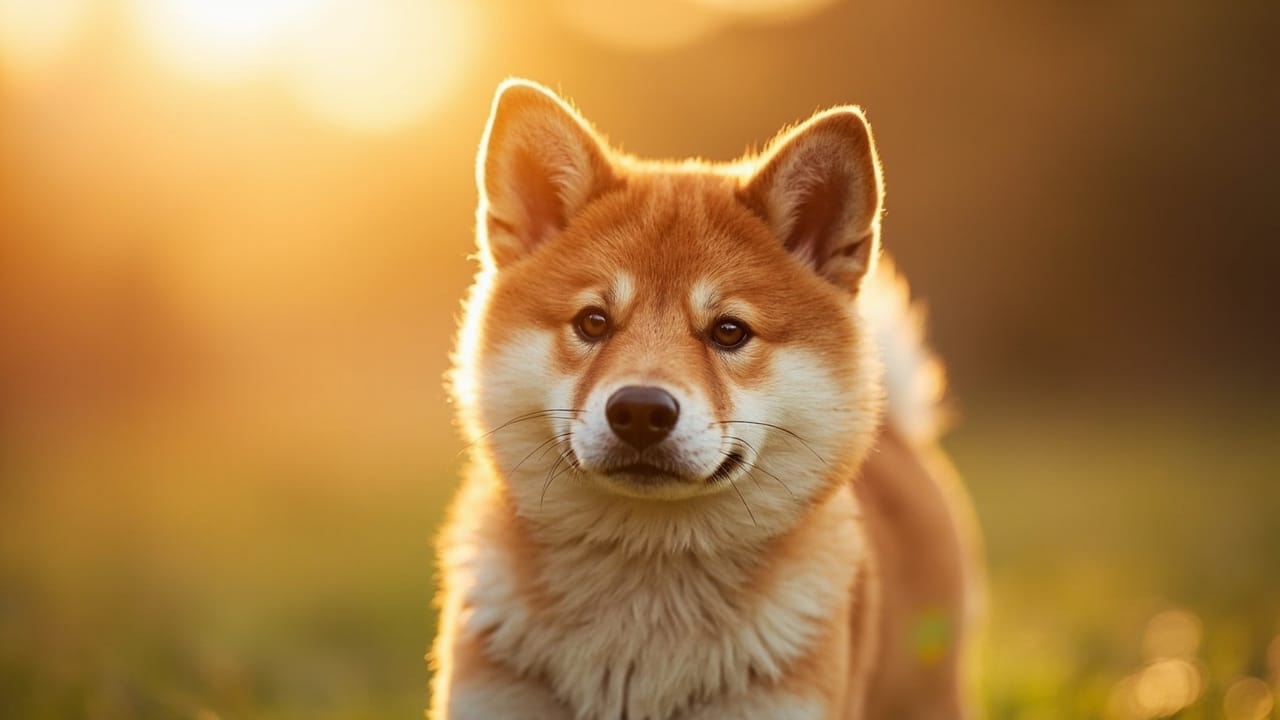
티컵·미니 시바견 사기와 비윤리적 브리더를 피하는 법
진짜 시바견에는 '티컵'이나 '미니' 같은 사이즈가 없습니다 — 그런 이름은 마케팅 사기입니다. 안전하게 구매하는 유일한 방법은 OFA 엉덩이·슬개골·CERF/CAER 눈 검사까지 마친 책임감 있는 브리더를 통하거나, 시바 전용 구조 보호소에서 입양하는 것이며, 입양비는 보통 $300~$500입니다.
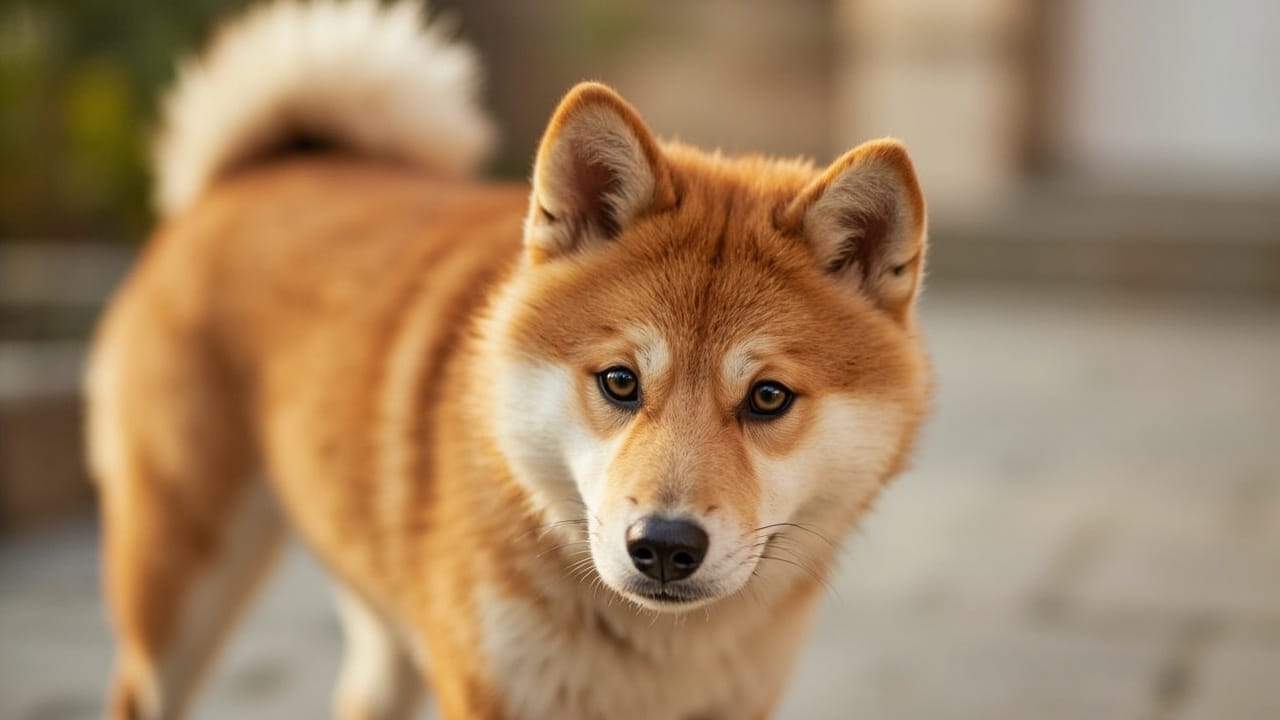
마메 & 미니어처 시바 건강 문제: 종합 가이드
마메 시바와 미니어처 시바는 표준 시바 이누와 동일한 유전적 건강 위험을 공유하며, 여기에는 슬개골 탈구, 고관절 이형성증, 원발성 폐쇄각 녹내장, 백내장, 아토피 피부염이 포함되며, 왜소증 관련 골격 및 관절 질환의 위험도 더 높습니다. 작은 체구가 더 건강하다는 의미는 아니며, NIPPO나 AKC에서 공식적으로 인정하지 않으므로, 검진은 구매자의 책임입니다.
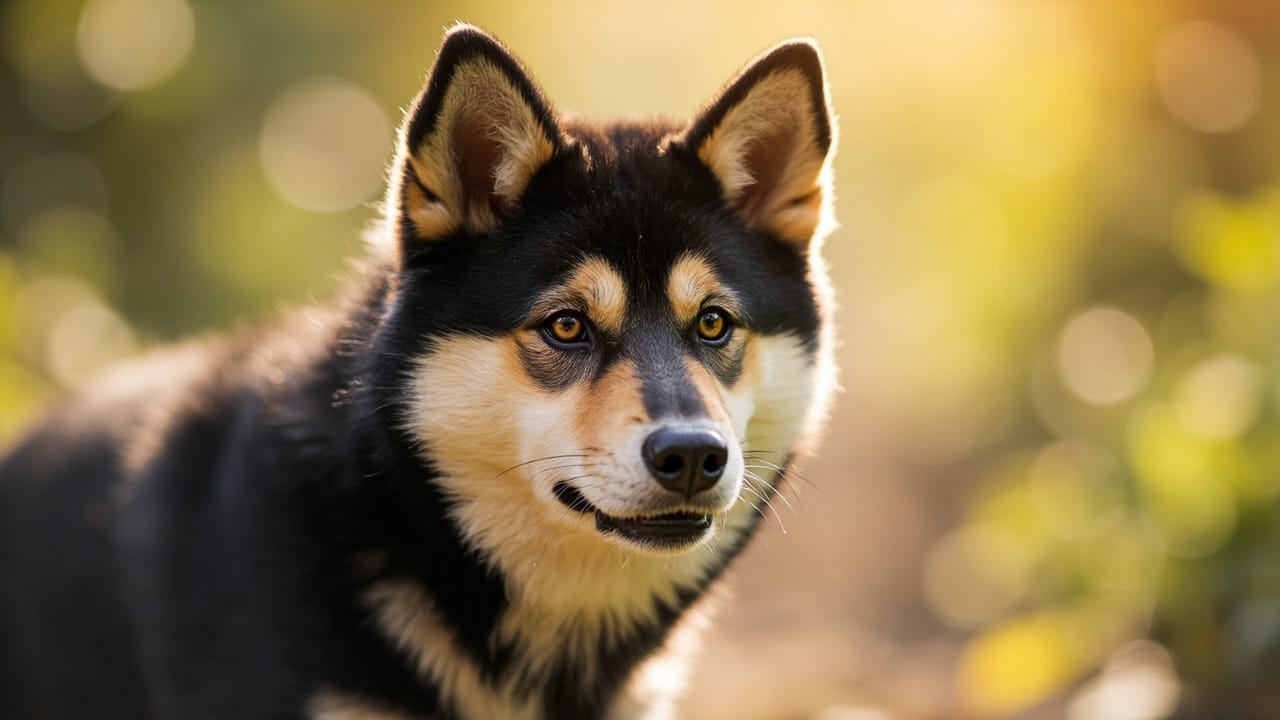
마메 시바 가격: 일본 vs 미국 vs 유럽 (2025 비용 가이드)
마메 시바견의 가격은 일본에서 ¥800,000–¥2,000,000+ ($5,500–$14,000+), 미국에서 $4,000–$12,000, 유럽에서 €3,500–€10,000 정도입니다. 일본에서 수입한 개체가 가장 높은 프리미엄을 받는 이유는 정통 마메 혈통이 희귀하고 엄격하게 통제되기 때문이며, 미국과 유럽의 브리더들은 일반적으로 일본에서 부모 개체를 수입합니다.

마메 시바 가격: 얼마이며 왜 그런가 (2025 가이드)
미국에서 마메 시바 이누의 일반적인 가격은 $2,500~$7,000이며, 챔피언 혈통의 최고 쇼 품질 견종은 $10,000 이상에 이르기도 합니다. 이렇게 프리미엄이 붙는 이유는 진정한 미니어처는 희귀한 유전자, 소규모 브리딩, 그리고 자주 제왕절개를 필요로 하기 때문에 공급이 제한적이며, 표준 시바의 $1,400~$2,500 가격대를 훨씬 상회하기 때문입니다.
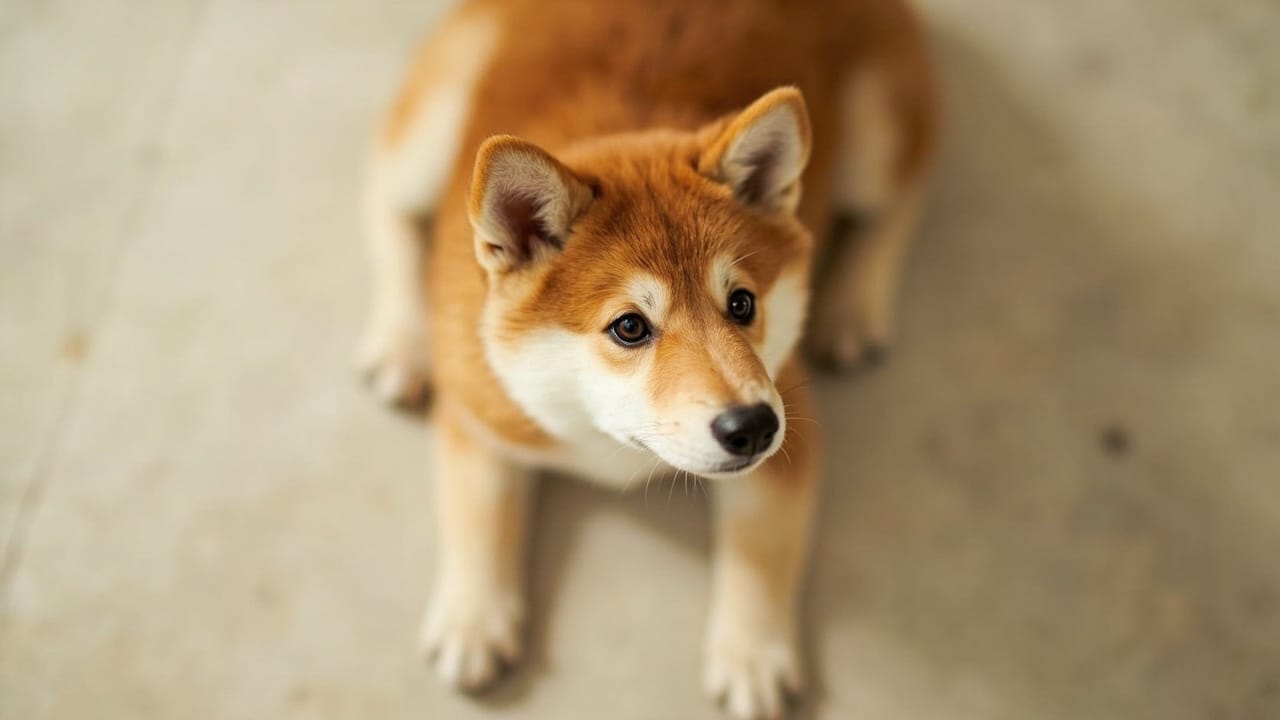
마메 시바는 어떻게 이렇게 작은 크기로 사육되나요?
마메 시바는 표준 시바 이누의 가장 작은 런트(runt)들을 여러 세대에 걸쳐 선별적으로 교배시켜 (다른 품종과의 교배가 아니라) 4kg(약 9lbs) 미만의 아주 작은 크기로 사육됩니다. 브리더들은 가장 작은 강아지들 — 흔히 "마메(콩 크기)"라고 불리는 — 을 선별하고, 다른 작은 시바와만 교배시켜 4~6세대에 걸쳐 작은 체형의 유전자를 점차 농축시킵니다.
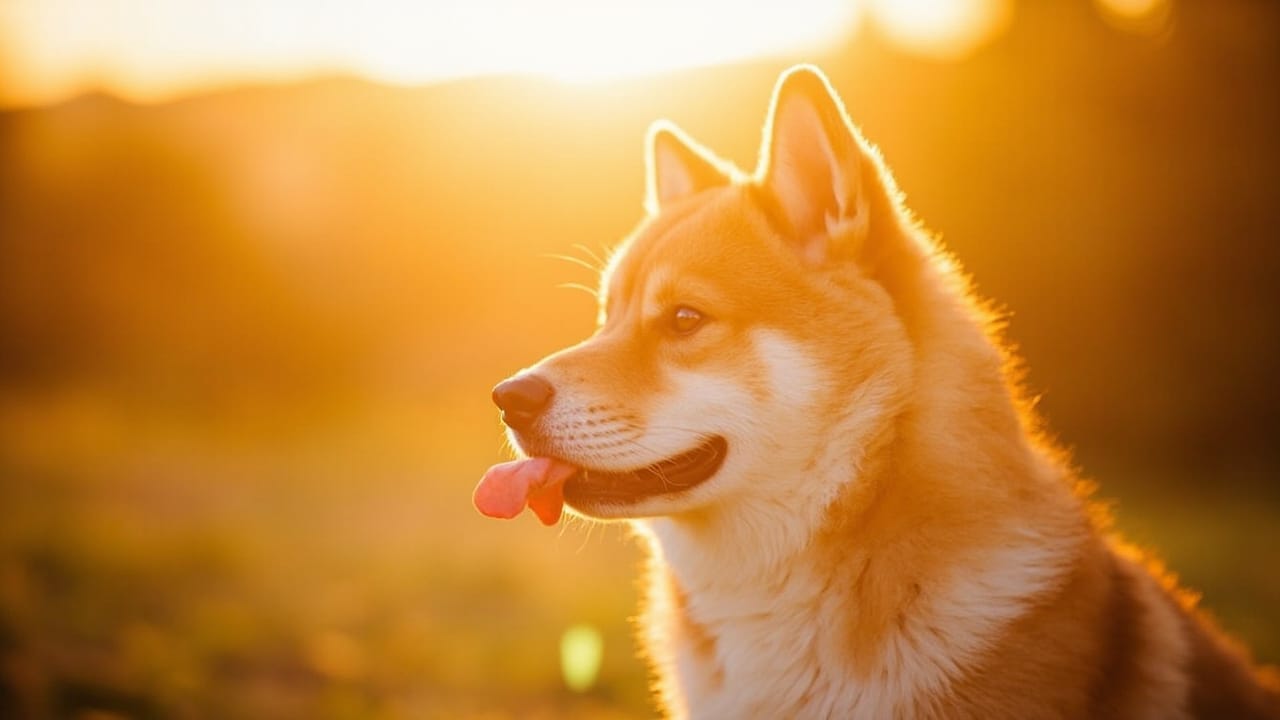
신뢰할 수 있는 마메 시바 브리더 찾는 법: 완전 구매자 가이드
신뢰할 수 있는 마메 시바 브리더는 번식견에 건강 검사를 실시하고, 성견 체중이 7kg 미만이며, 성격을 최우선으로 여기고, 분양 가능한 자견이 거의 없습니다. 대기자 명단에 오르고, 완전한 서류가 제공되며, 가격은 $2,500~$6,000 사이를 예상하세요. '티컵' 시바를 판매하거나 건강 검사를 생략하는 판매자는 피해야 합니다.
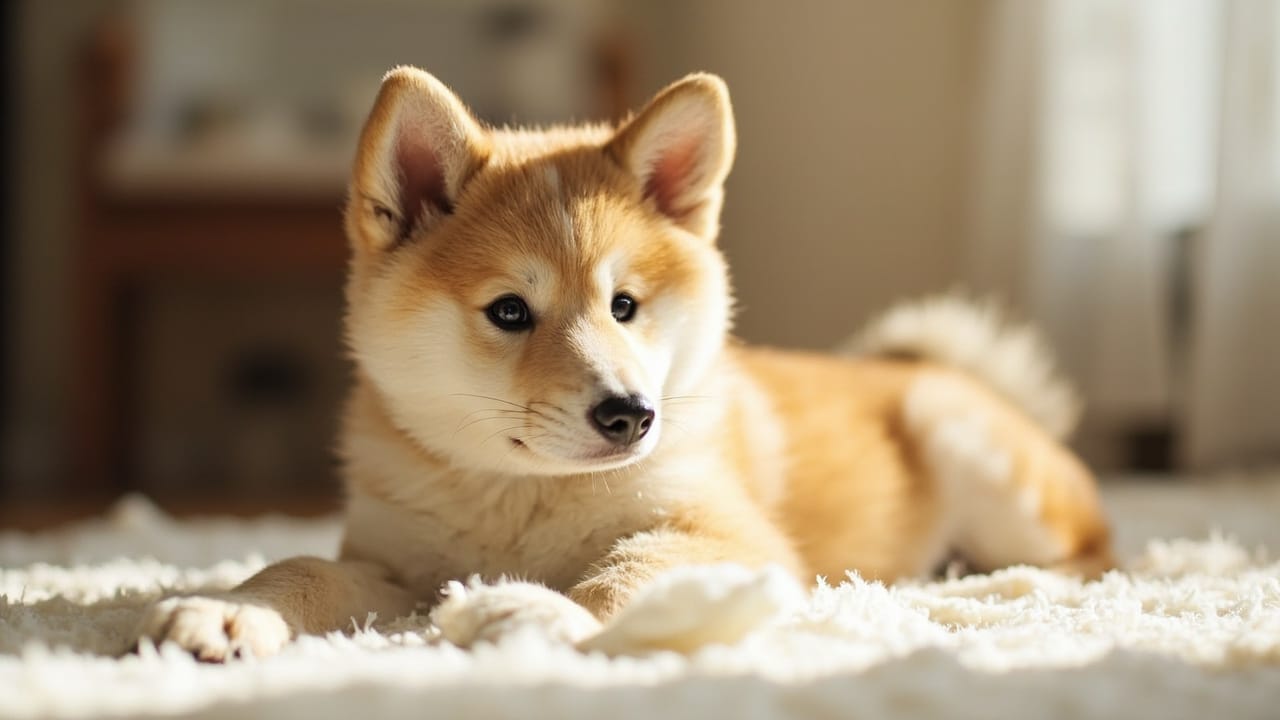
마메 시바 puppy 성장 차트: 언제 성장을 멈추나요?
마메 시바 puppies는 보통 생후 9~12개월 사이에 완전한 성체 크기에 도달하며, 급격한 성장은 대부분 처음 6개월 안에 일어납니다. 성체 마메 시바는 일반적으로 키 9–11인치(23–28cm), 몸무게 4–8파운드(2–3.5kg)이며, 표준 시바 이누보다 눈에 띄게 작습니다. 마메 시바는 별도의 품종이 아니라 미니atur화된 변종이기 때문에, 성장은 표준 시바보다 예측하기 약간 더 어려울 수 있습니다.
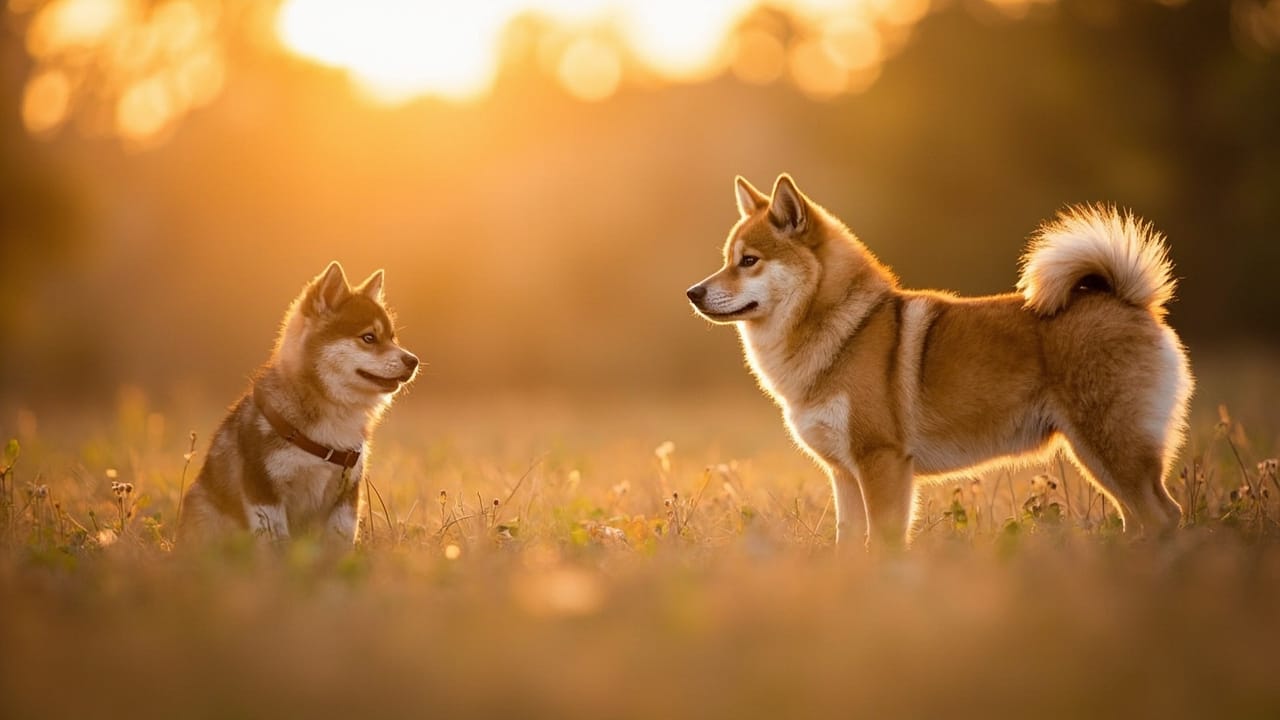
마메 시바 vs 스탠다드 시바 이누: 체격 및 체고 비교
마메 시바(테이컵 또는 미니 시바라고도 함)는 일반적으로 어깨 높이가 25–34cm, 체중이 3–7kg이며, 이는 스탠다드 시바 이누의 절반 정도 크기입니다. 스탠다드 시바 이누는 수컷 기준 35–43cm, 암컷 기준 33–41cm이며, 체중은 8–10kg입니다. 마메 시바는 동일한 체형 비율과 구조를 유지하면서 눈에 띄게 더 작은 크기로 구현됩니다.
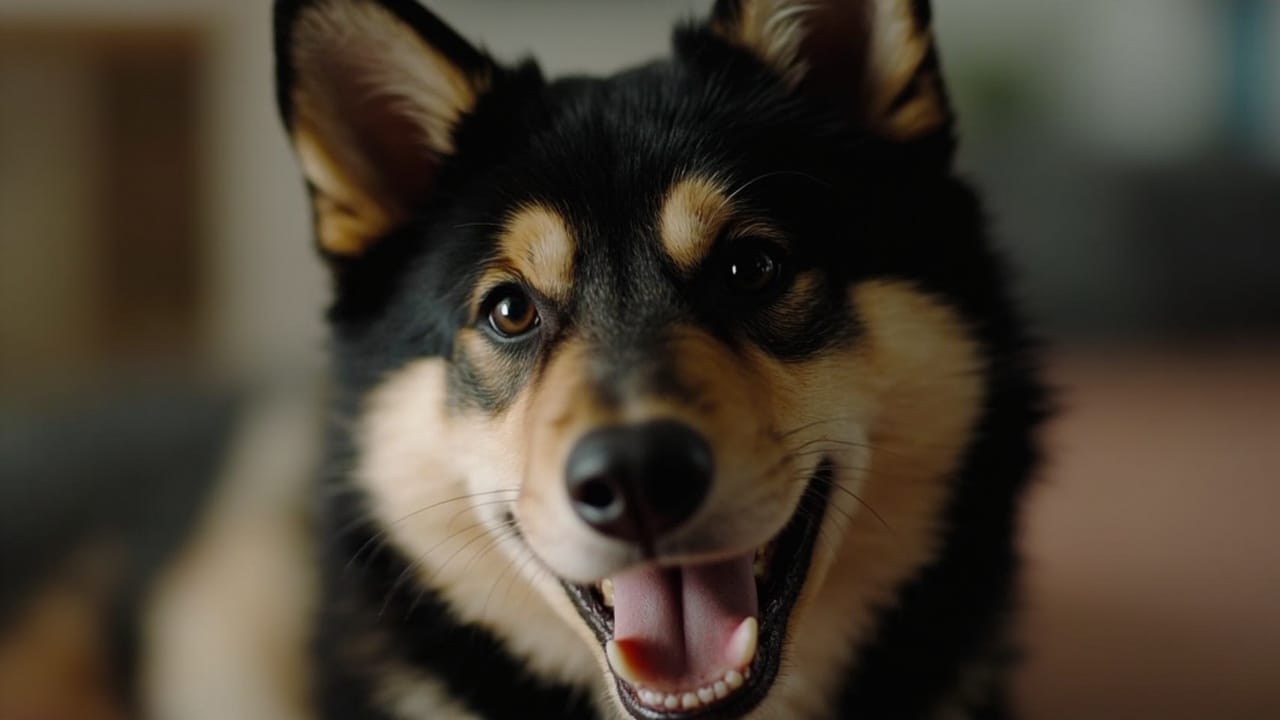
마메 시바 vs 미니 시바 vs 티컵 시바: 핵심 차이점 정리
마메 시바는 일본에서 자연적으로 존재하는 가장 작은 크기 변종(보통 4kg 미만)이며, "미니 시바"는 보통 표준 시바보다 약간 작은 개체에 붙이는 마케팅 용어입니다. "티컵 시바"는 공식적으로 인정되는 크기가 아니며, 대개 건강하지 못할 정도로 작은 개체나 잡종을 가리키므로 피해야 합니다.

마메 시바 크기: 성견 기준 키, 몸무게 & 성장 가이드
성견 마메 시바는 일반적으로 어깨 높이가 9~11인치(23~28cm)이며 몸무게는 4~8파운드(1.8~3.6kg)입니다. 작은 체구에도 불구하고 표준 시바견과 동일한 체형, 털, 성격을 공유하며 단지 더 컴팩트한 패키지에 불과합니다.
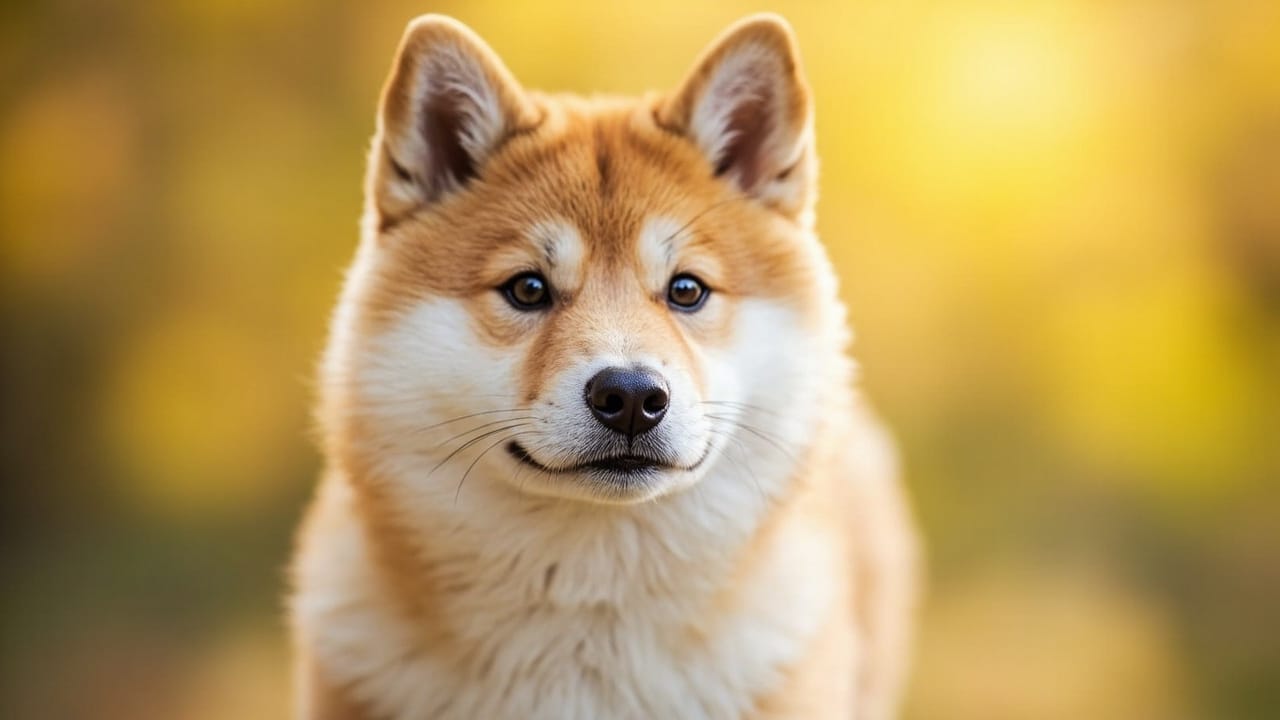
티컵 시바견은 실제로 존재할까? '티컵' 시바에 대한 진실
진정한 의미의 티컵 시바견은 존재하지 않습니다. '티컵'이라는 용어는 공식적인 크기 범주가 아닌 마케팅 명칭이며, 어떤 주요 켄넬 클럽도 이를 인정하지 않습니다. '티컵 시바'라고 판매하는 사람들은 왜소한 강아지를 속이거나, 더 작은 견종과 교배시키거나, 비윤리적인 브리더로부터 건강하지 못한 강아지를 팔고 있는 것입니다.
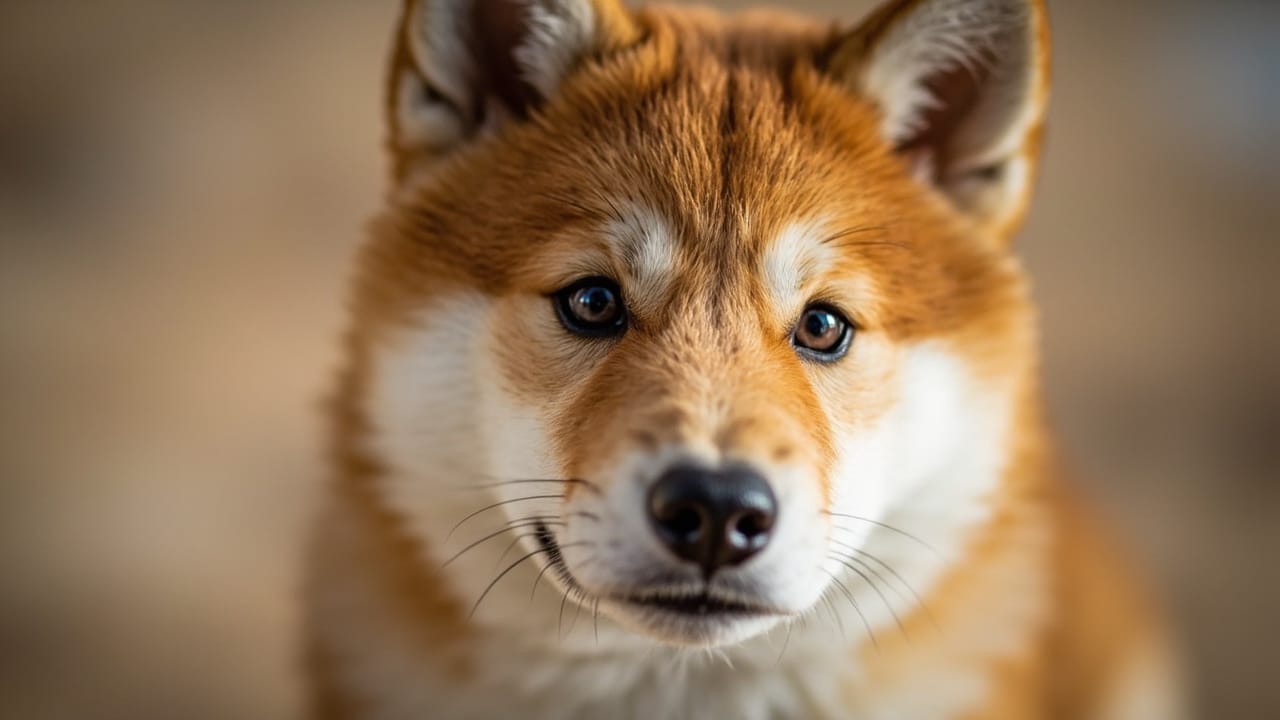
마메 시바 vs. 동생 강아지: 진짜 차이는 무엇일까?
아닙니다. 마메 시바는 단순히 한 배 중 가장 작은 강아지가 아닙니다. 마메 시바는 표준 시바 이누의 의도적으로 품종 개량된 소형 변종으로, 일반적으로 어깨 높이가 33cm(13인치) 미만이고 몸무게가 4~7kg이며, 계획적인 번식 프로그램을 통해 만들어집니다. 반면에 한 배 중 가장 작은 강아지는 크기, 건강, 발달 문제로 제대로 자라지 못한 강아지를 말하며, 성장이 완료되어도 표준 크기의 시바로 남습니다.
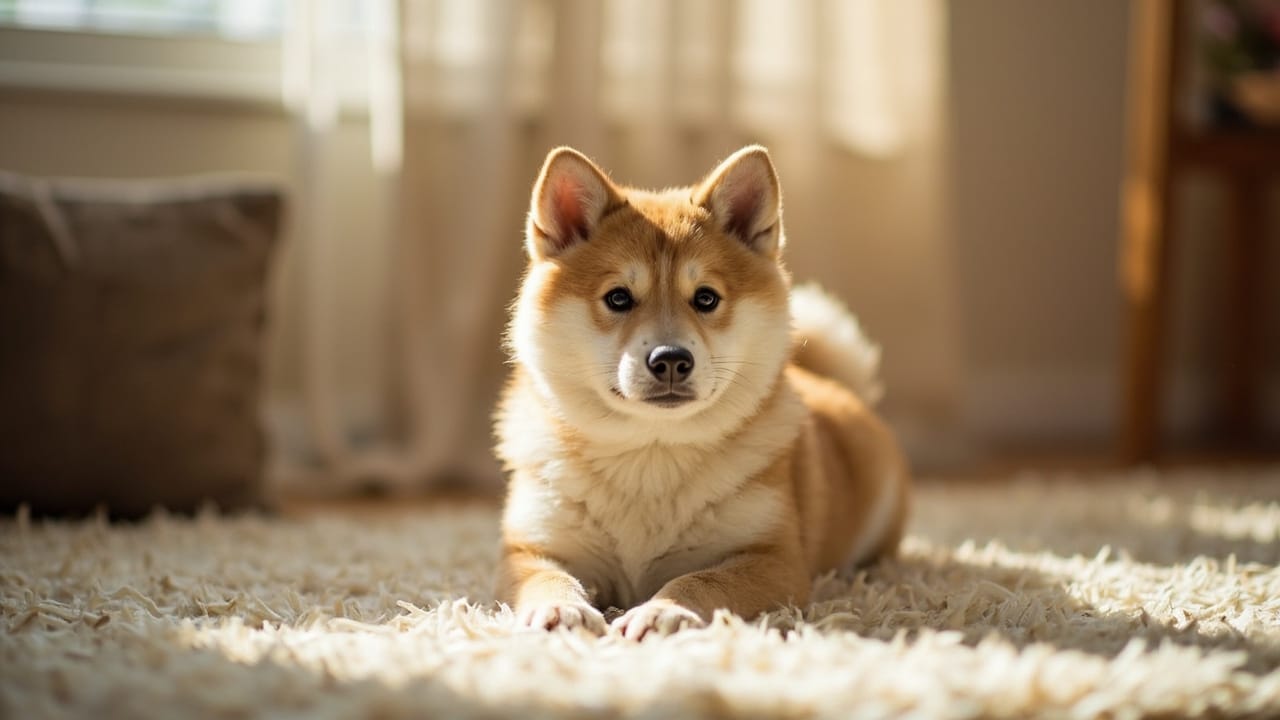
마메 시바 이누는 평생 작게 머물까요? 크기 가이드 & 성장 사실
네, 마메 시바 이누는 평생 진정으로 작은 체구를 유지하며, 일반적으로 성체 몸무게가 4–8 kg(9–17 lbs)에 불과해 표준 시바의 8–11 kg과 차이가 납니다. 아직 자라지 않은 강아지와 달리, 마메 시바는 성체 골격을 제한하는 유전자 변이(성장 호르몬 축 변이)를 가지고 있어, 표준 시바의 약 50–70% 크기입니다.
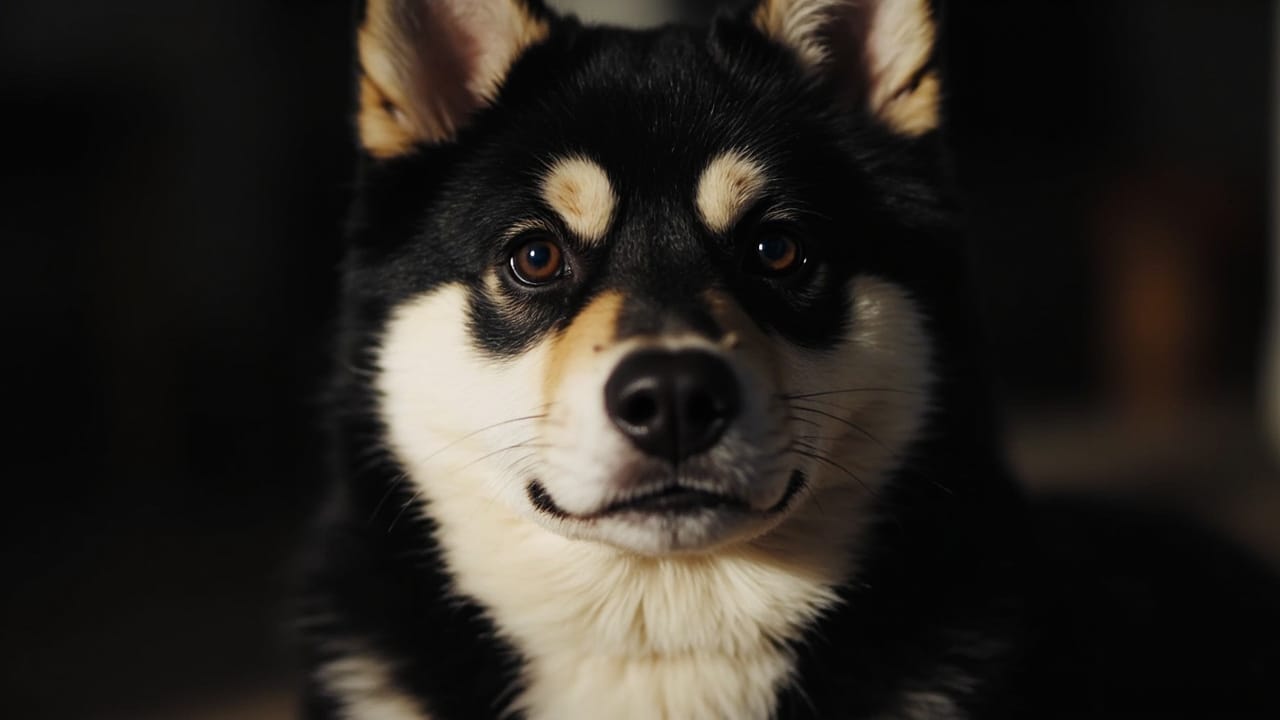
마메 시바 등록 기관: KC Japan 마메시바 증명서는 정당한가?
어떤 주요 켄넬 클럽도 마메 시바(Mame Shiba)를 별도 품종으로 인정하지 않습니다. 'KC Japan 마메시바' 증명서는 일본 켄넬 클럽(JKC)에서 발급하는 것이 아니며 공식 혈통서로서의 효력이 전혀 없습니다. 신뢰할 수 있는 등록 기관은 마메 시바를 표준 크기의 시바 이누로만 등록하며, 키/체중에 따른 실격 사유를 함께 기재합니다.
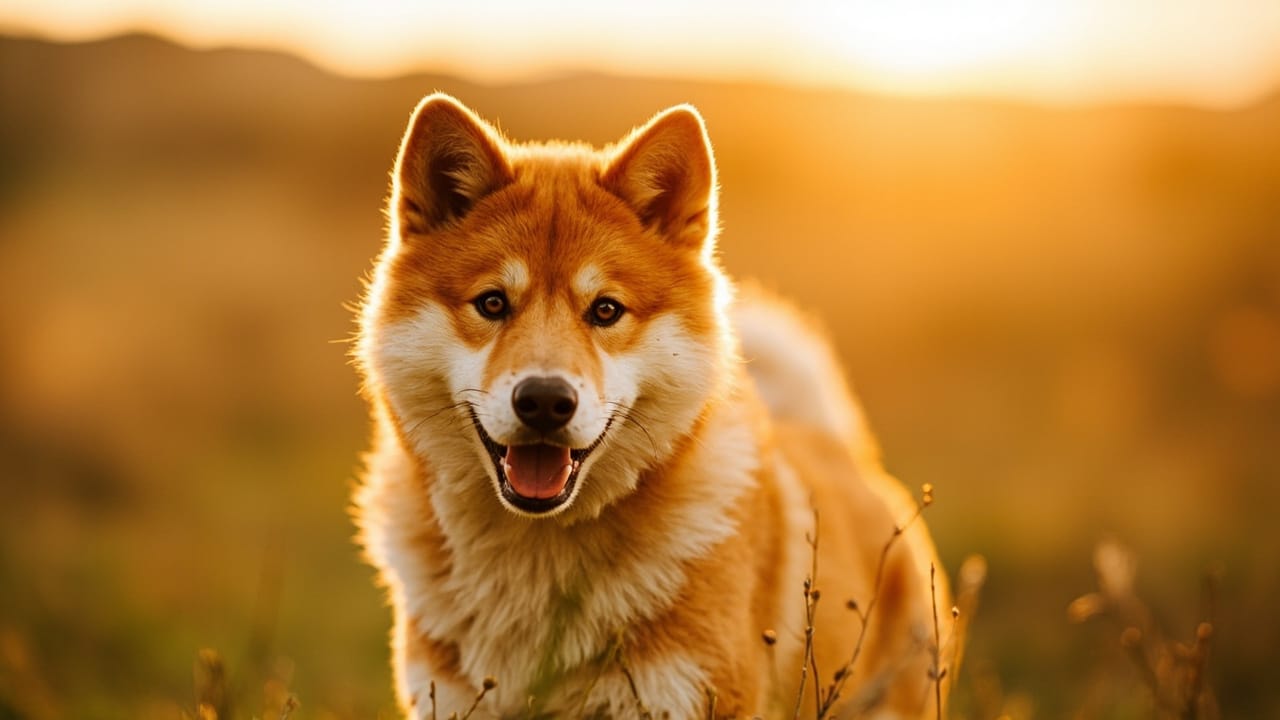
메이메 시바는 NIPPO, JKC, AKC 또는 FCI에 등록되어 있나요?
아니요. 메이메 시바는 독립된 품종으로 NIPPO, JKC, AKC 또는 FCI 어느 곳에서도 인정받지 못합니다. 이는 단지 표준 시바 이누의 소형 변종으로 선택적으로 교배된 것이며, 주요 애견 협회들은 이를 독립된 품종이 아닌 비표준 시바로 분류합니다.
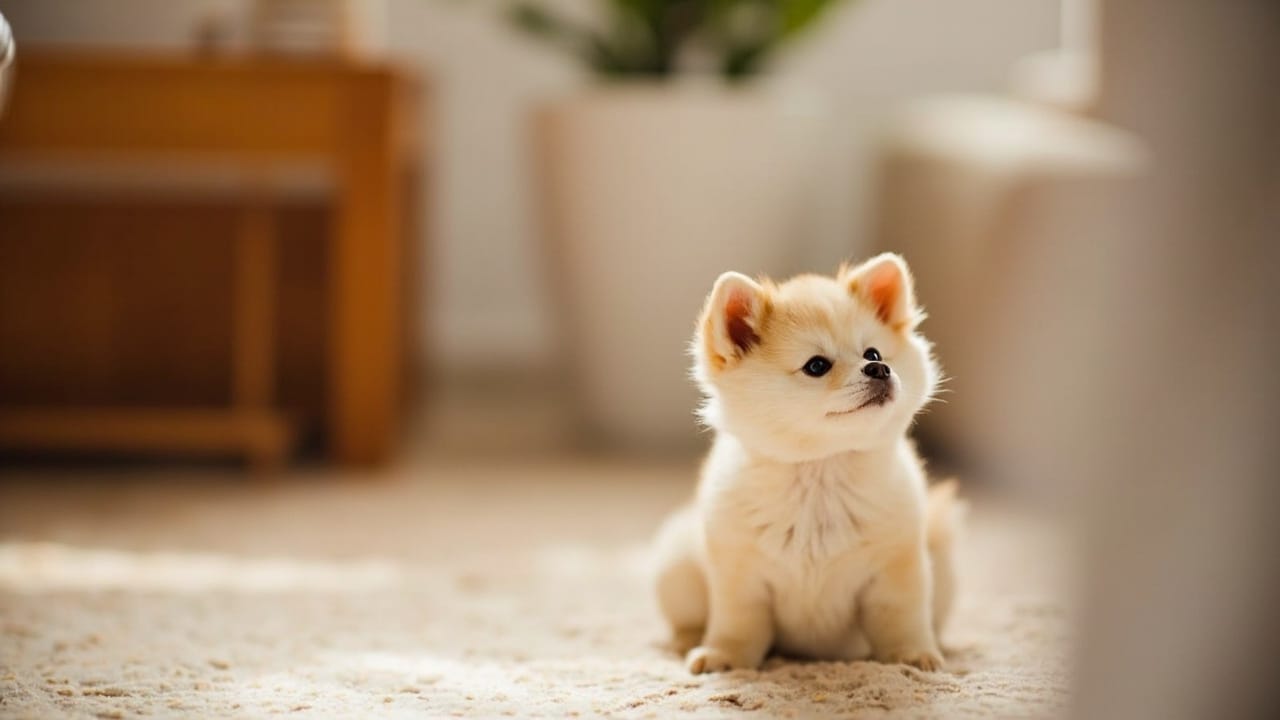
매미 시바: 진짜 견종인가, 그냥 작은 시바 이누인가?
매미 시바는 AKC나 NIPPO가 인정하는 별도의 견종이 아니라, 일반 시바 이누 새끼들 중 가장 작은 런트(runt)에서 주로 번식된 소형화 변종입니다. 일본에서 인기가 많고 서구에서도 점점 인기가 높아지고 있지만, 매미 시바는 주요 켄넬 클럽의 윤리적 인정을 받지 못하며, 일반 크기 시바에 비해 건강상 위험이 더 높습니다.
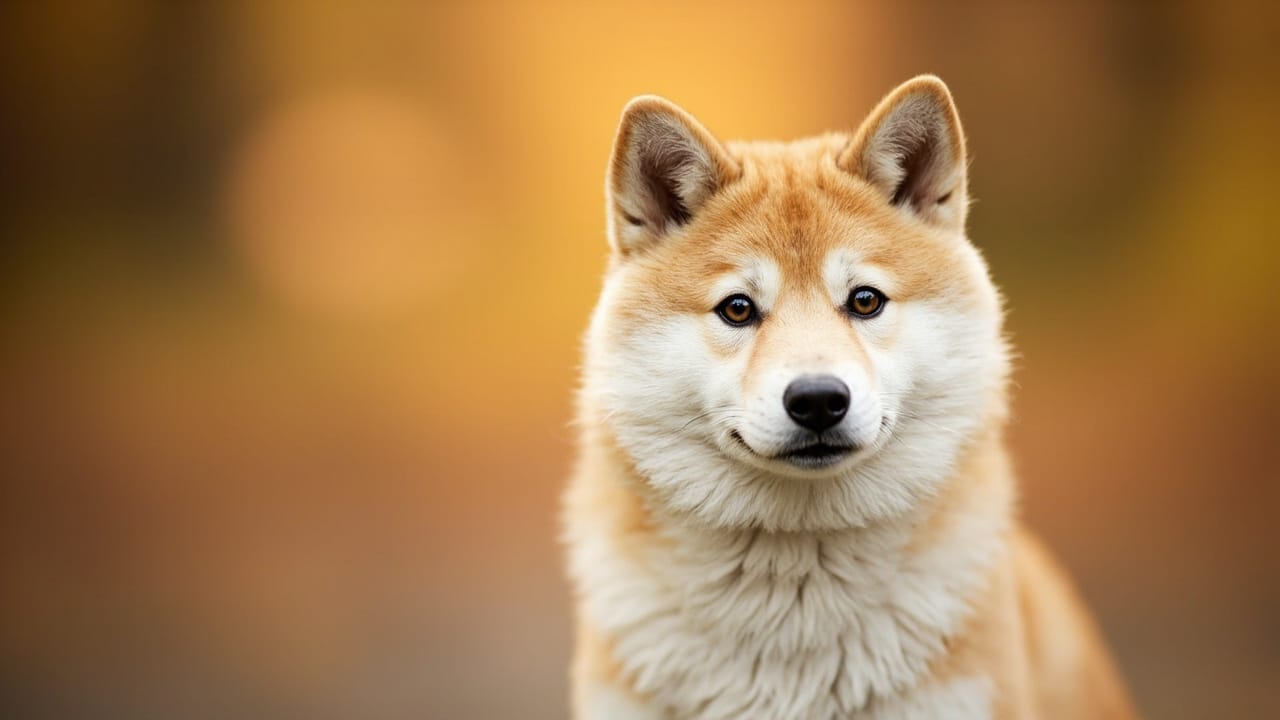
브렉짓 이후 영국에서 EU로 시바견 수입하기: 완전 가이드
브렉짓 이후 영국에서 EU로 시바견을 수입하는 것은 완전히 합법적이지만, 마이크로칩, 유효한 광견병 예방접종, 공인수의사가 발행하는 EU 건강증명서(EHC), 그리고 지정된 여행자 입국소(Travellers' Point of Entry)를 통한 입국이 필요합니다. 자견은 최소 21일의 광견병 예방접종 대기 기간을 충족하기 위해 최소 15주 이상이어야 합니다.
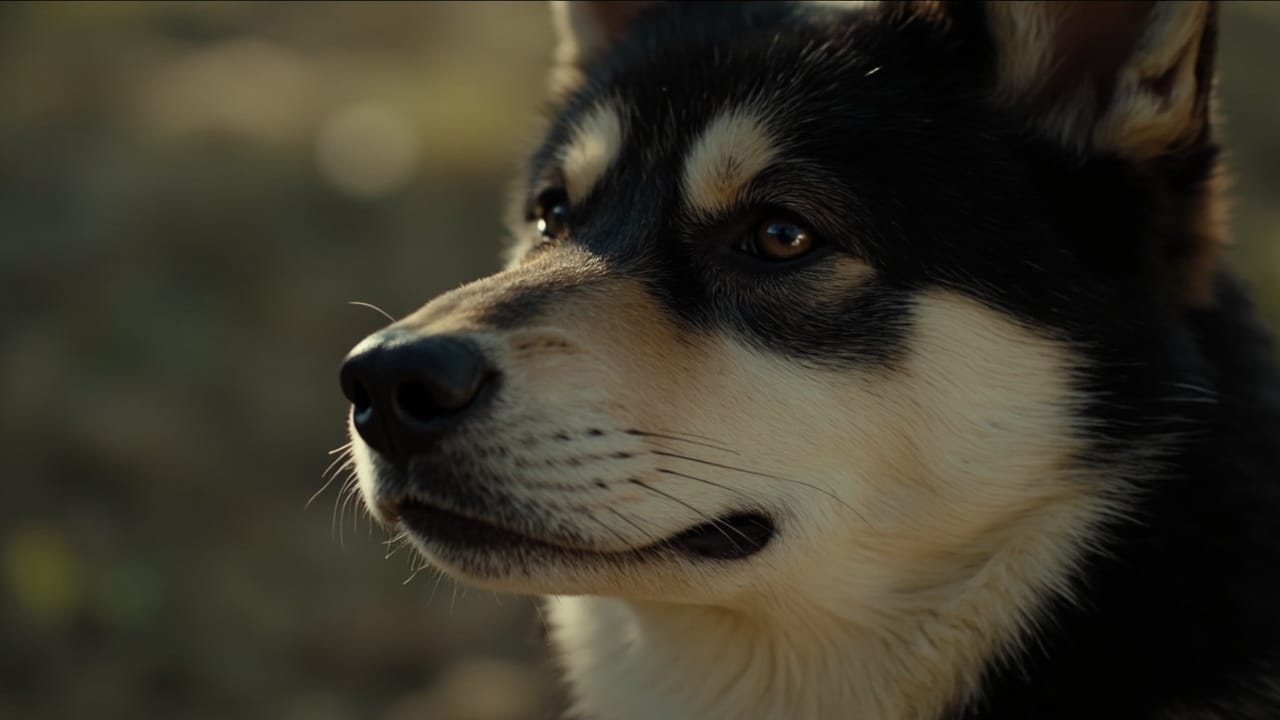
시바견을 키우기 가장 쉽고 저렴한 유럽 국가들
동유럽 국가들 — 특히 폴란드, 헝가리, 루마니아, 체코 — 는 유럽에서 시바견을 사고 키우기에 가장 저렴한 곳으로, 강아지 가격은 보통 €1,000–€1,800이며 평생 사육 비용도 낮습니다. 시바견을 키우기 가장 쉬운 국가는 낮은 관료주의, 반려견 친화적 인프라, 합리적인 수의사 비용을 갖추고 있으며, 네덜란드, 독일, 체코가 그 선두에 있습니다.
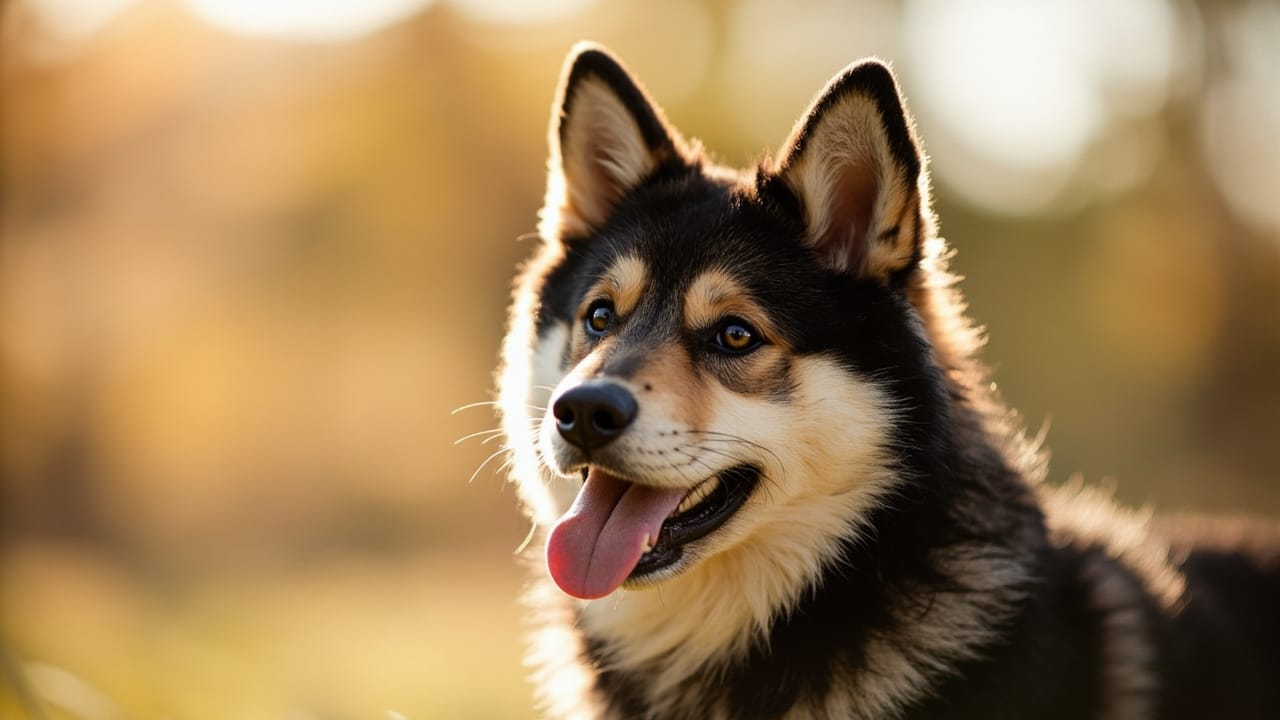
일본에서 시바견을 EU로 수입하는 방법: 종합 가이드
네, 일본에서 EU로 시바견을 수입할 수 있지만, EU의 PETS 여행 제도(마이크로칩, 광견병 예방접종, EU 건강인증서)를 준수해야 하며, 6~12개월의 대기 기간, 총 €3,000~€8,000의 비용, 그리고 일본처럼 listed 국가가 아닌 곳을 통해 입국할 경우 다른 EU 국가로 건너가기 전 21일의 입국 후 대기 기간을 준비해야 합니다.
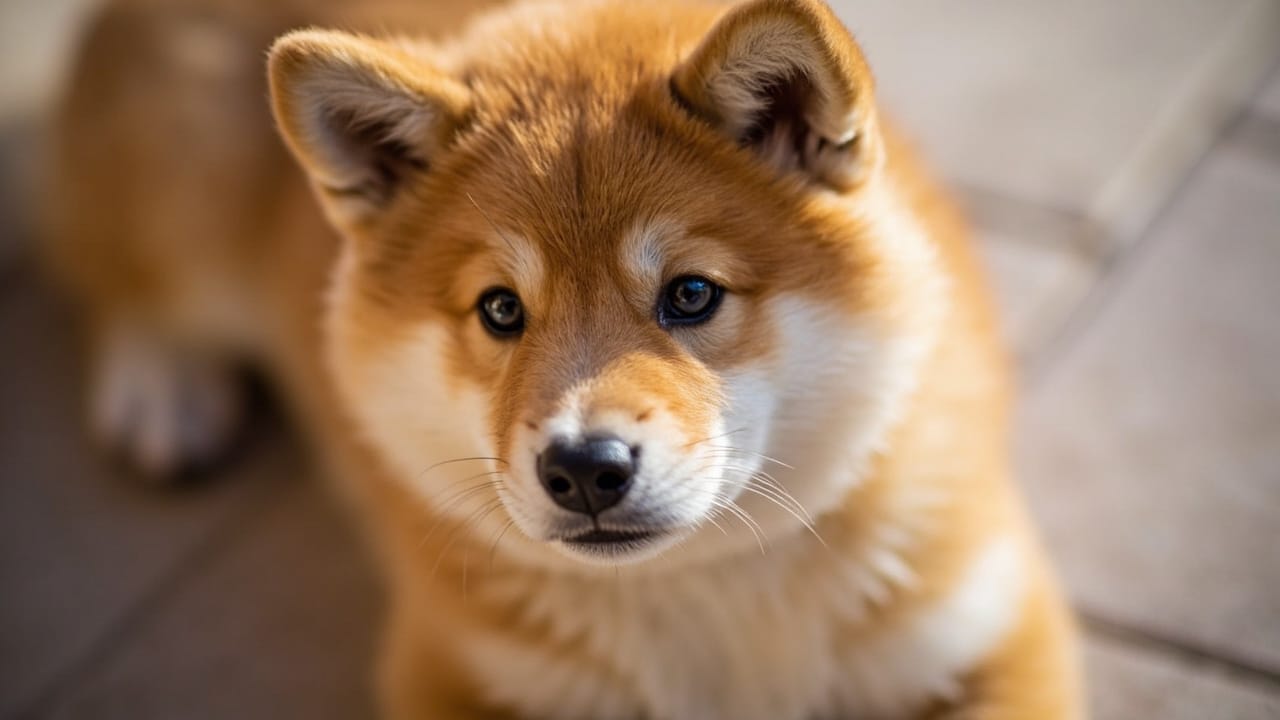
스페인의 동물 복지법과 시바견 강아지 연령: 구매자가 반드시 알아야 할 사항
스페인의 동물 복지법(Ley 7/2023)은 시바견 강아지를 사육할 수 있는 법적 최소 연령을 직접 규정하지는 않지만, 강아지를 어미로부터 8주 이전에 분리할 수 없도록 의무화하고 있습니다(개의 경우 12주). 스페인의 평판이 좋은 시바견 브리더는 12주 이전에 강아지를 분양하지 않으며, 이 연령이 대부분의 구매자가 시바견을 데려갈 수 있는 시점입니다.

네덜란드 시바견 등록 및 규칙 (2025 가이드)
네덜란드에서는 모든 시바견(Shiba Inu)이 공인된 데이터베이스(주로 'Databank Honden')에 등록되고, 생후 7주 이전 또는 소유권 이전 이전에 반드시 마이크로칩이 이식되어야 합니다. 번식용 암컷은 생후 18개월 이전에는 사용할 수 없으며, 번식자는 Wet dieren(동물복지법), Besluit houders van dieren(동물 사육자 결정령), 수입, 광견병 예방접종, 의무 식별에 관한 품종별 규정을 준수해야 합니다.
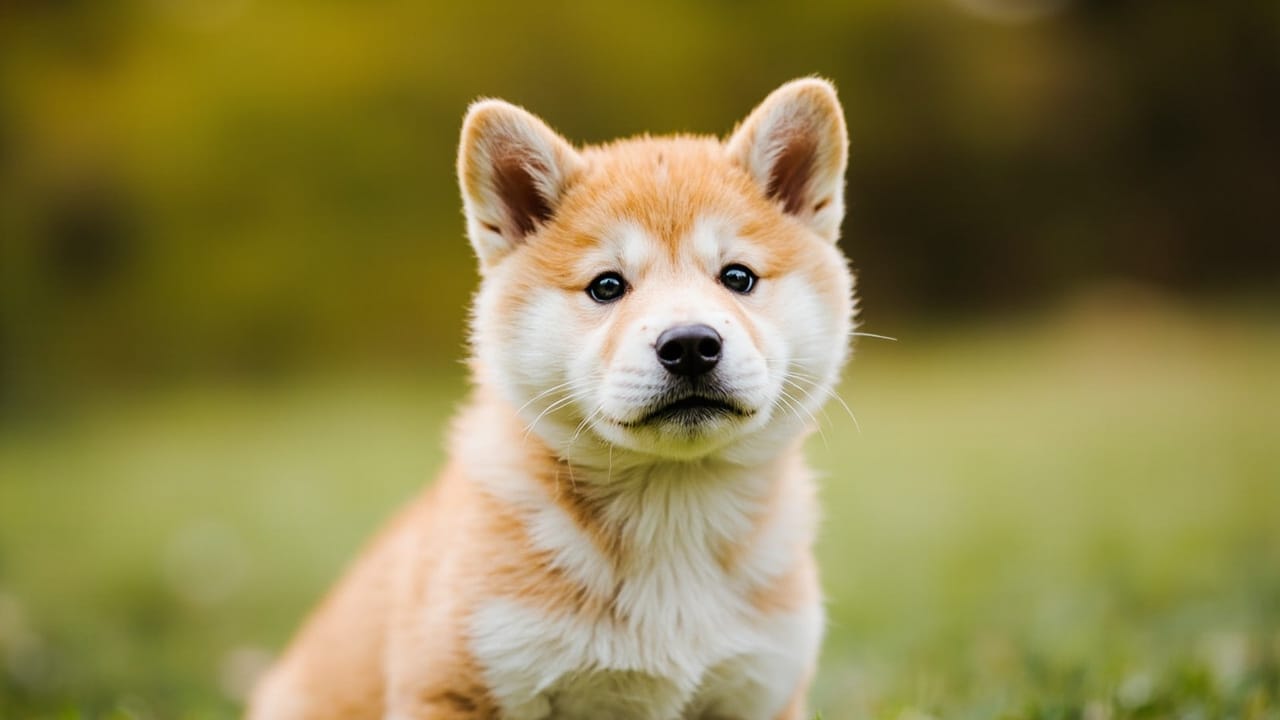
폴란드 시바견 가격: 2025년 혈통 puppy 비용 구매자 가이드
폴란드의 평판 좋은 FCI 등록 브리더로부터 혈통 있는 시바견 puppy를 입양할 경우, 2025년 기준 대개 7,000~14,000 PLN(약 $1,700~$3,400 USD) 정도입니다. 쇼 퀄리티이거나 희귀한 색상의 puppy가 챔피언 혈통에서 태어나면 18,000~25,000 PLN까지 오르기도 합니다. 구조 시바는 400~1,500 PLN의 입양 비용으로 만나볼 수 있습니다.
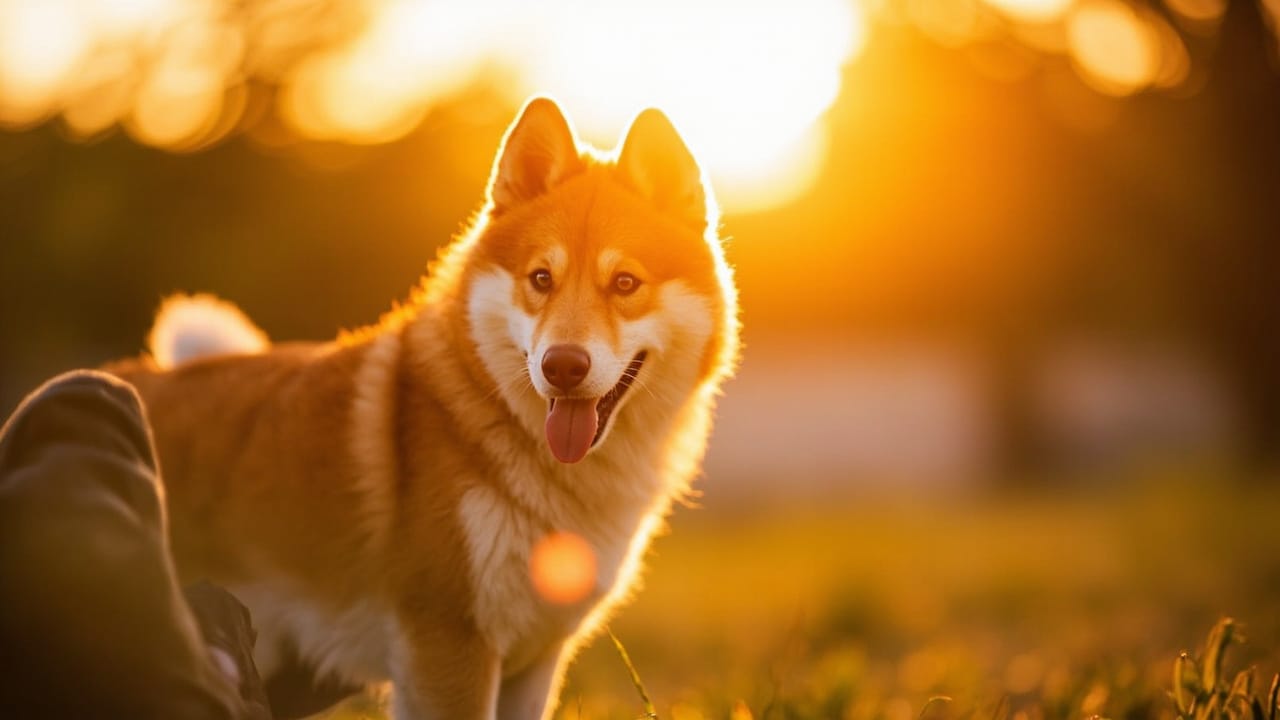
폴란드에서 ZKwP/FCI 등록 시바견 브리더를 찾는 방법
폴란드의 평판 좋은 ZKwP/FCI 등록 시바견 브리더는 ZKwP 지부(oddział)의 회원이며, 폴란드 켄넬 클럽을 통해 FCI에 등록되어 있습니다. 공식 ZKwP 브리더 목록, 시바 지부 클럽(Klub Shiba Inu przy ZKwP), 폴란드 쇼 카탈로그부터 시작해, 입금 전에 혈통서, 건강 검사, 직접 방문한 사육 환경을 확인하세요.
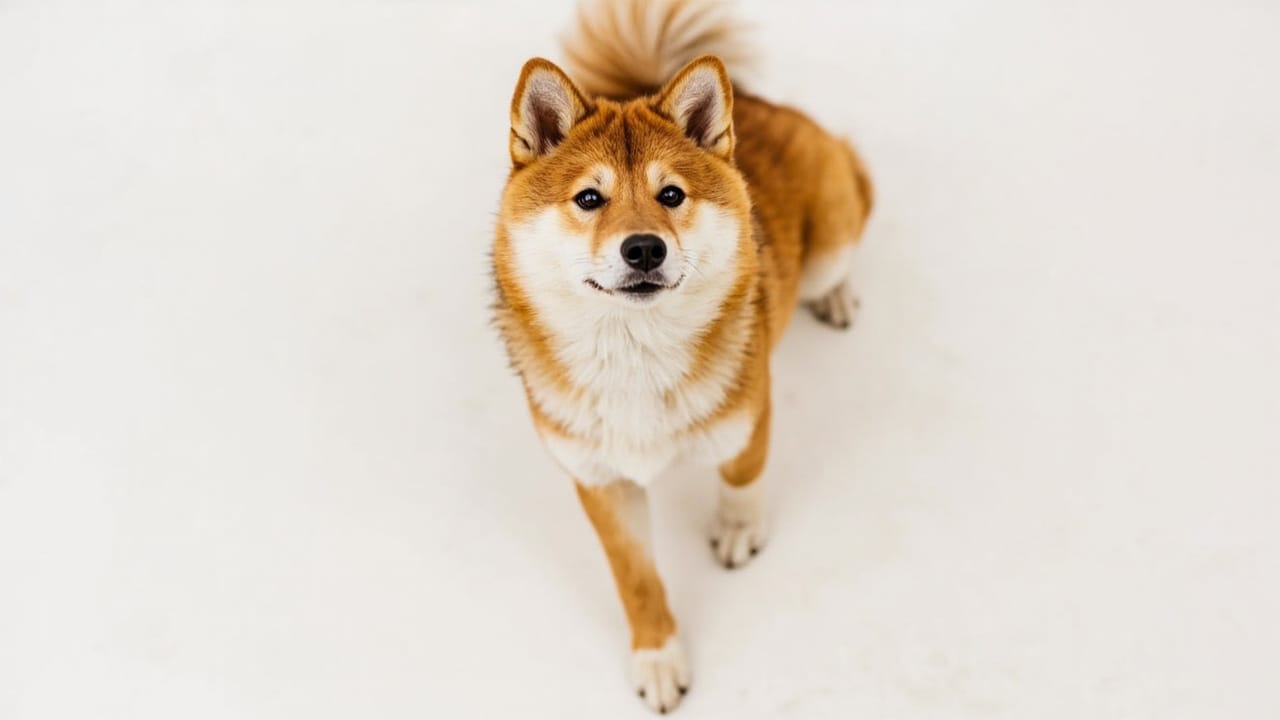
유럽에서 시바견 마이크로칩 등록: 국가별 안내서
유럽 전체에 적용되는 반려견 통합 마이크로칩 데이터베이스는 존재하지 않습니다. 시바견에게 ISO 15자리(ISO 11784/11785) 칩을 이식한 후에는, 법적 거주 국가의 공식 데이터베이스에 그 번호를 등록해야 합니다. 거주 국가에 공식 데이터베이스가 없다면, 유럽 연합(EU) 전역에서 사용 가능한 민간 데이터베이스에 등록해야 합니다.
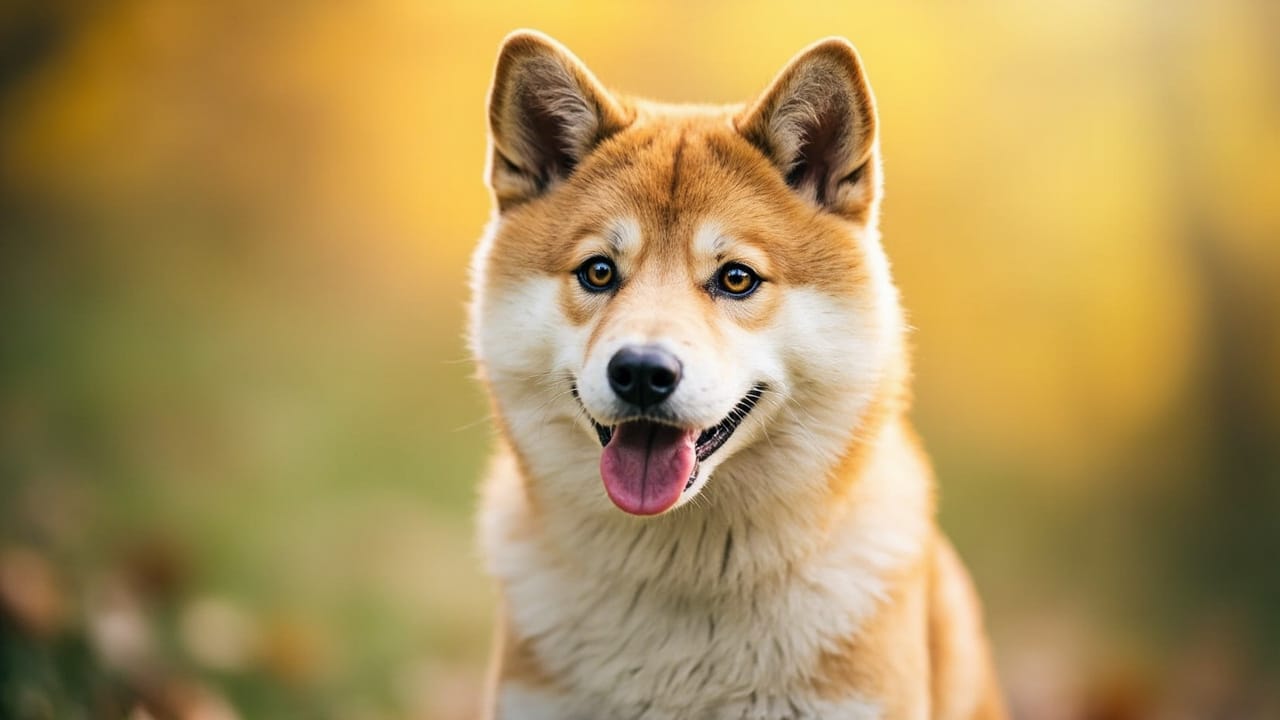
유럽의 반려견 세금: 시바견 소유자가 국가별로 내는 금액
몇몇 유럽 국가들은 연간 반려견 세금(독일어 Hundesteuer, 프랑스어 impôt sur les chiens)을 부과하며, 일반적으로 개당 연간 €20부터 €150 이상까지 다양합니다. 시바견은 대형견, 위험견, 전투견으로 분류되지 않기 때문에 표준 1마리 요율에 해당합니다. 독일, 벨기에, 네덜란드, 오스트리아, 스위스, 프랑스(일부 지방 자치 단체), 이탈리아(지역별), 스페인(일부 시정촌), 그리고 스칸디나비아 일부 지역에서 이 제도를 시행하고 있으며, 영국과 아일랜드 대부분은 시행하지 않습니다.
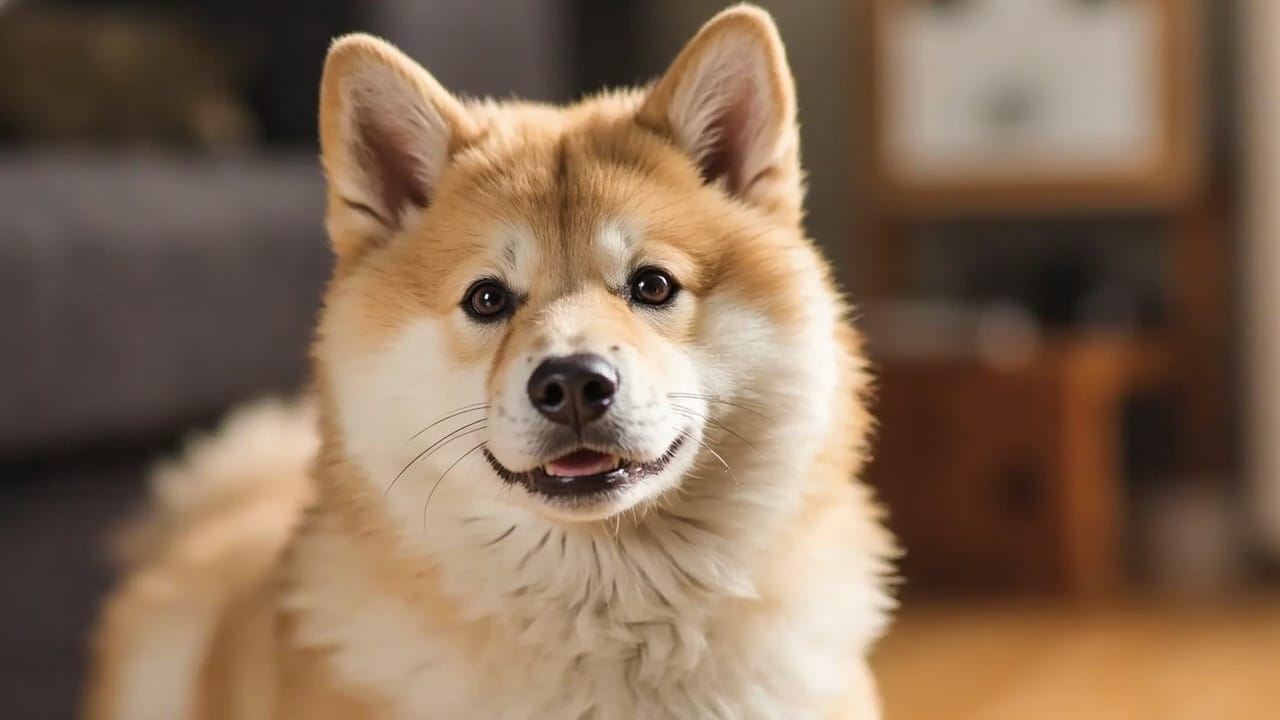
프랑스 시바견 구조 및 입양: 2024 가이드
프랑스에서 시바견을 구조하는 활동은 주로 Le Berceau des Shibas 같은 품종별 네트워크, 일반 애견 협회, 그리고 SOS-races 보호소를 통해 이루어집니다. 입양 비용은 200–800€ 정도를 예상하고, 철저한 입양 신청 절차가 있으며, 현지 공고가 부족할 경우 벨기에나 스페인 등 이웃 국가에서 들여오는 방법도 고려할 수 있습니다.
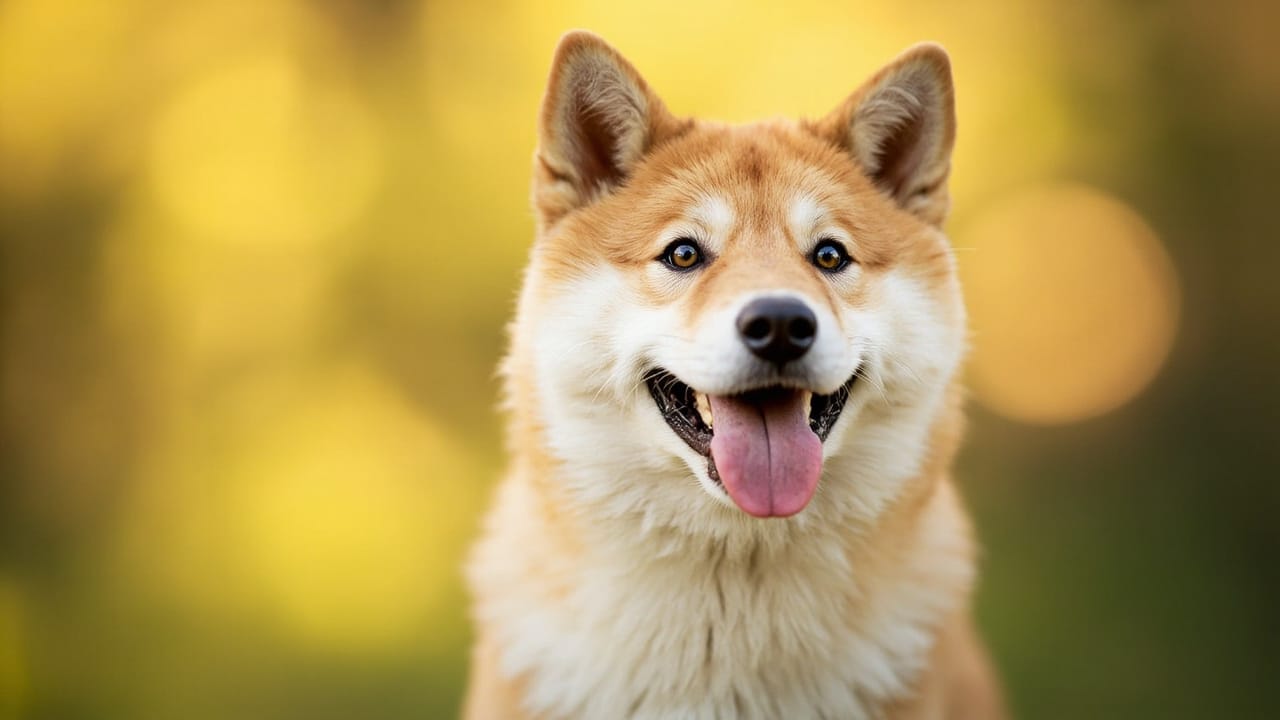
이탈리아에서 구조대를 통해 시바견 입양하는 방법: 종합 가이드
네, 이탈리아에서도 품종별 구조대와 일반 동물 보호소를 통해 시바견을 입양할 수 있습니다. 입양 과정에는 보통 입양 신청서 작성, 면담, 가정 방문, 그리고 €200–€450 사이의 입양 비용이 포함됩니다. 대기 기간이 길 수 있으며, 강아지가 아닌 이미 성격이 형성된 성견을 받을 준비가 되어 있어야 합니다.

영국에서 시바견 입양 또는 구조: 종합 가이드
영국에서는 Japanese Shiba Inu Club Welfare Trust와 같은 품종 전용 구조기관, Dogs Trust 및 RSPCA 같은 전국 네트워크, 그리고 소규모 지역 자선 단체를 통해 시바견을 입양할 수 있습니다. 입양비는 보통 £250–£450이며 예방접종, 마이크로칩 삽입, 중성화手术가 포함되어 있어 강아지를 구매하는 것보다 비용 효율적인 대안이 됩니다.
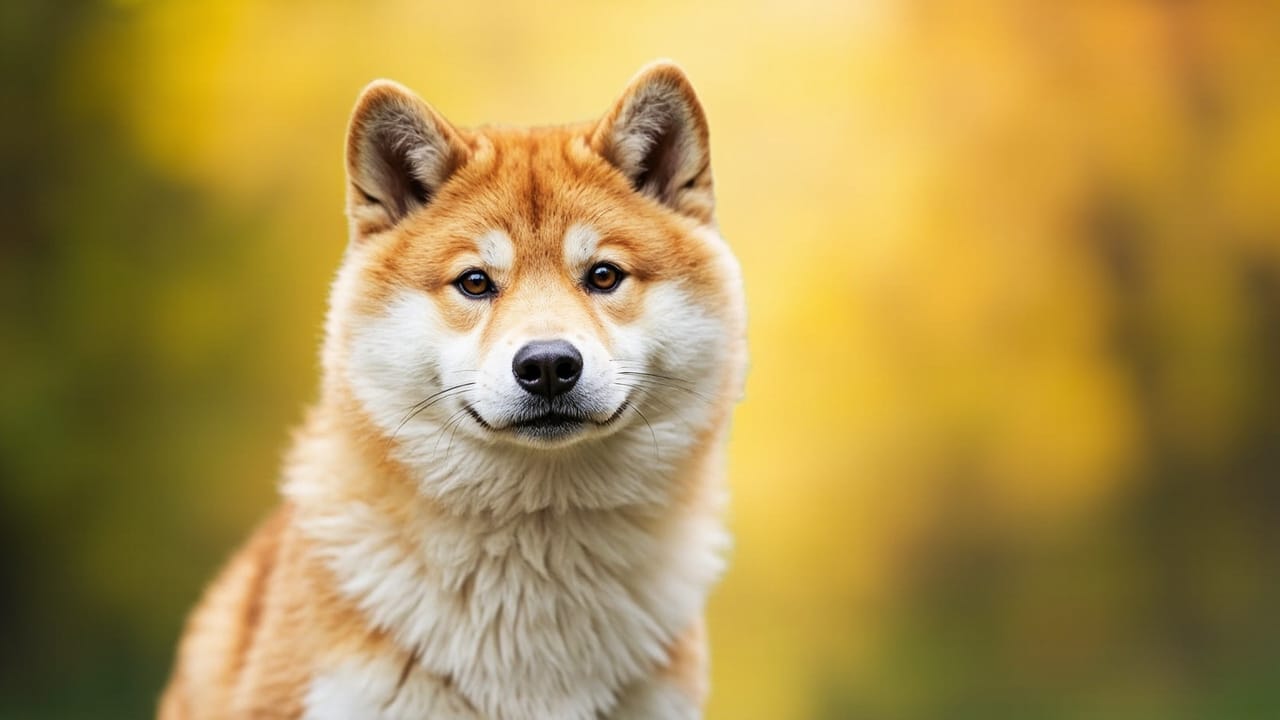
독일에서 시바견 입양하기: 구조 및 재입양 가이드
독일에서 시바견을 입양하려면, 시바 전용 구조 단체(가장 유명한 것은 Tierschutzverein Shiba Inu in Not e.V.)에 신청하거나 Tasso 또는 Deutscher Tierschutzbund 같은 독일 일반 보호소를 검색하세요. 200~600유로의 입양비, 가정 방문 점검, 대기 명단을 예상해야 합니다 — 독일에서 순종 성견 시바는 희소하므로 인내심이 가장 큰 요구 사항입니다.

시바견이 유럽 알프스에서 좋은 hiking 동반자가 될 수 있을까?
그렇다 — 적절한 컨디셔닝, 점진적인 고도 적응, 그리고 고도·눈·야생동물에 대한 핵심 주의사항만 잘 지킨다면, 건강한 성체 시바견은 알프스 hiking에서 훌륭한 동반자가 될 수 있다. 콤팩트한 체격, 단단한 체구, 방수 방한 이중 코트는 알프스 지형에 잘 맞지만, 2,500m 이상의 극한 알파인 투어나 기술적 바위攀登에는 적합하지 않다.
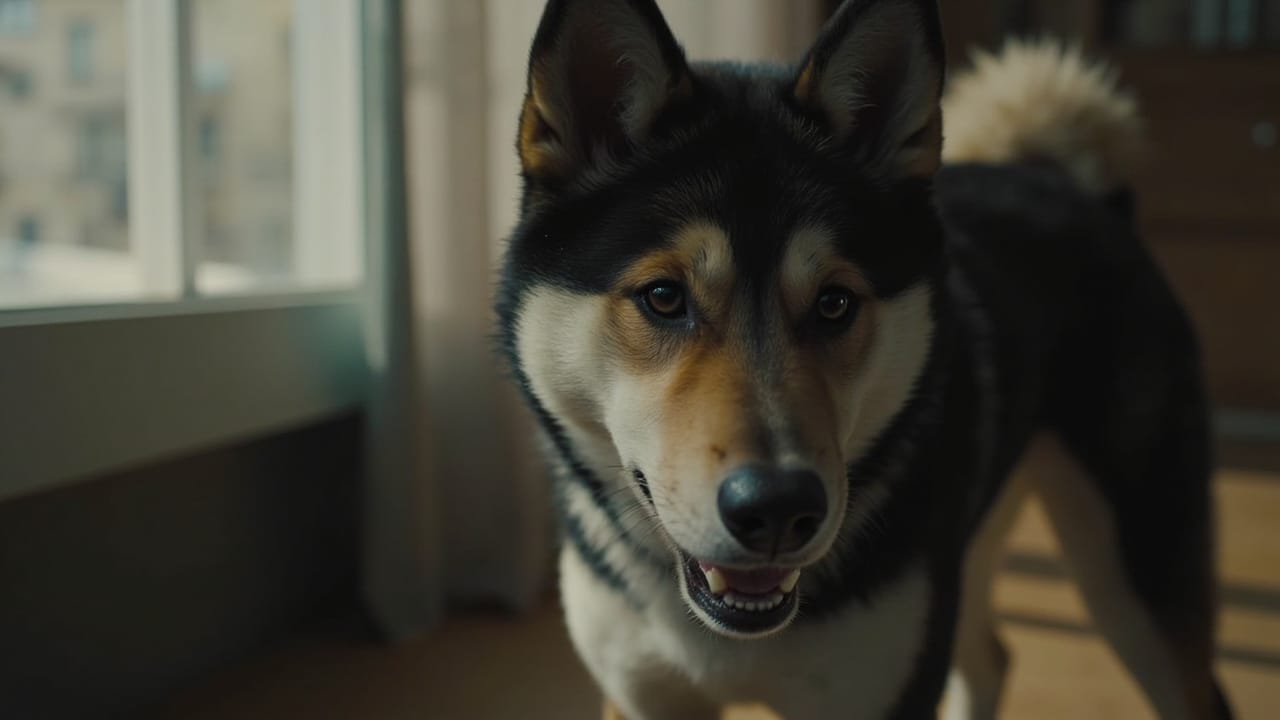
시바견이 유럽 도심의 작은 아파트에서 행복하게 살 수 있을까?
네, 시바견은 운동·정서 자극·사회화 욕구를 충족시켜준다면 작은 유럽 도심 아파트에서도 잘 살 수 있습니다. 소형 체구, 조용한 성격, 고양이 같은 깔끔한 습관 덕분에 대부분의 스피츠 견종보다 도시식 동거인이 잘 어울리지만, 소리를 지르는 경향과 탈출 본능 때문에 별도의 관리가 필요합니다.
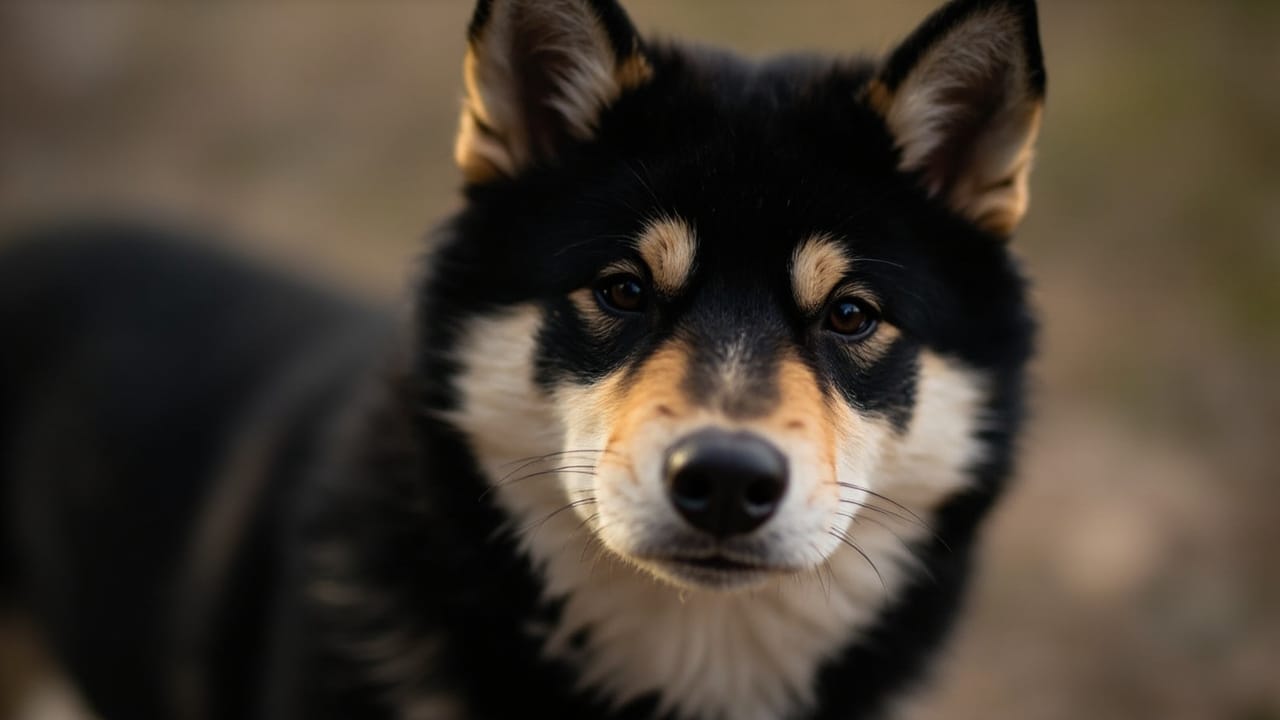
유럽 임대인은 시바견에 대해 반려동물 보증금을 청구하나요?
네, 대부분의 유럽 임대인은 시바견과 함께 임대차 계약을 체결할 때 추가 반려동물 보증금 또는 반려동물 월세를 청구하며, 일반적으로 €150~€1,000의 보증금과 함께 월 €25~€75의 반려동물 월세가 추가됩니다. 정확한 금액은 국가, 도시, 임대인에 따라 다르지만, 시바견은 보통 중형견으로 분류되며 품종 제한 대상이 되는 경우는 거의 없습니다.
시바견과 함께 유럽에서 아파트 임대하기: 세입자 권리 가이드
네, 대부분의 유럽 국가에서는 시바견과 함께 아파트 임대 계약이 가능하지만, 규정은 국가와 임대인에 따라 다릅니다. 독일과 프랑스 같은 국가에서는 테넌트(임차인)는 반차별법과 '반려동물 사육 권리' 조항으로 보호받는 반면, 영국과 네덜란드의 임대인은 여전히 반려동물 정책을 정할 수 있습니다. 반드시 서면 허가를 요청하고, 일부 시장에서는 반려동물 보증금이나 추가 월세를 예상해야 하며, 임대차 계약서를 체결하기 전에 해당 국가의 구체적인 임차인-반려동물 보호 규정을 숙지하세요.
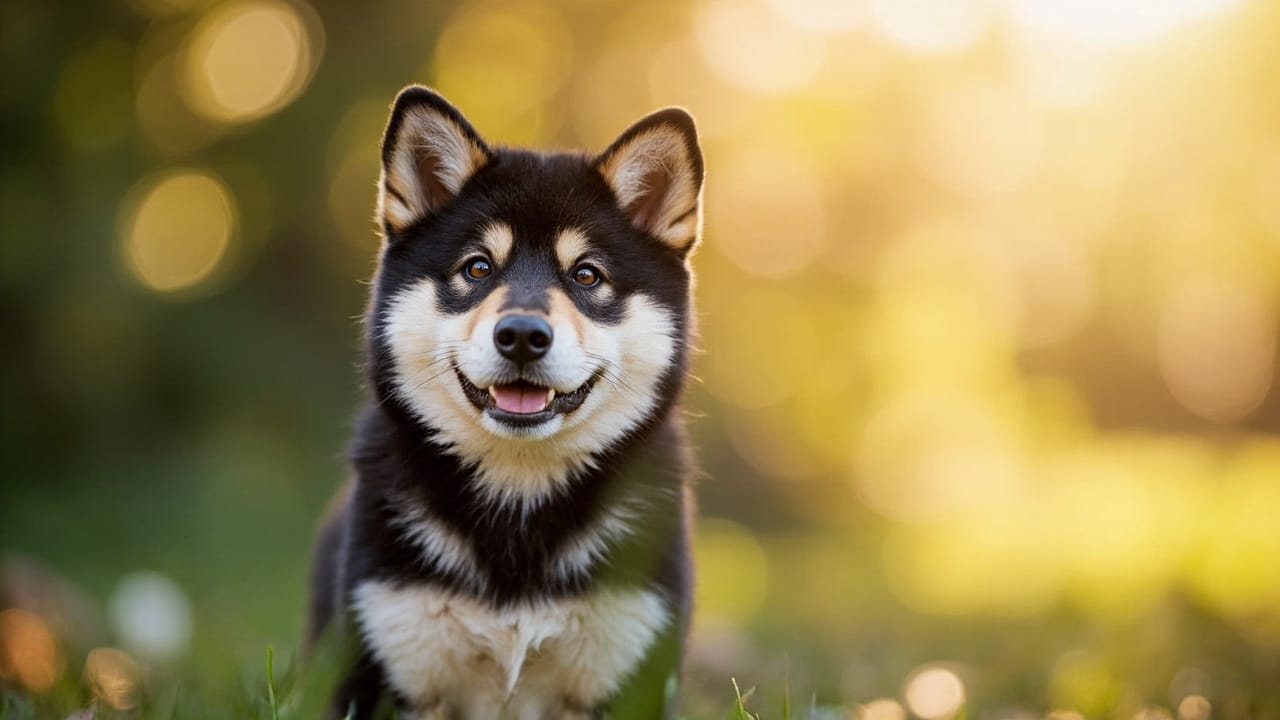
스위스에서 시바견을 키우는 연간 비용 (2025 가이드)
스위스에서 시바견을 키우는 데는 매년 CHF 2,800에서 CHF 6,500 정도를 예상하세요. 건강한 성견 기준 CHF 3,500–4,500, 첫해에는 구매가, 마이크로칩植入, 초기 진료비를 포함하면 CHF 5,000 이상으로 예산을 잡아야 합니다.
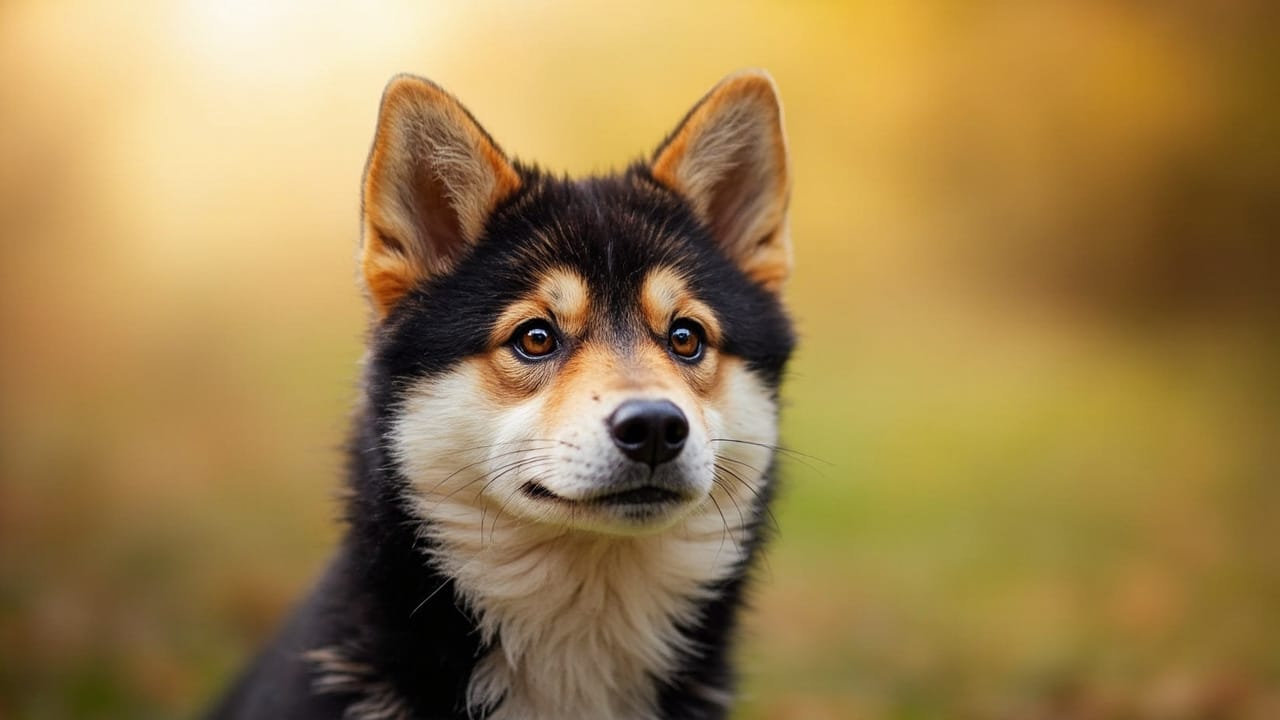
프랑스에서 시바견을 키우는 연간 비용 (2025 가이드)
프랑스에서 시바견 한 마리를 키우는 데 매년 약 €1,400~€2,800 정도를 예산으로 잡아야 합니다. 여기에는 사료, 정기 진료, 보험, 미용이 포함됩니다. 잘 준비된 견주들은 평균적으로 €1,900에 가깝게 지출합니다. 프랑스 구조 봉사단체에서 입양할 경우(€250~€450), 첫해 비용이 강아지를 구매하는 것보다 크게 줄어듭니다.
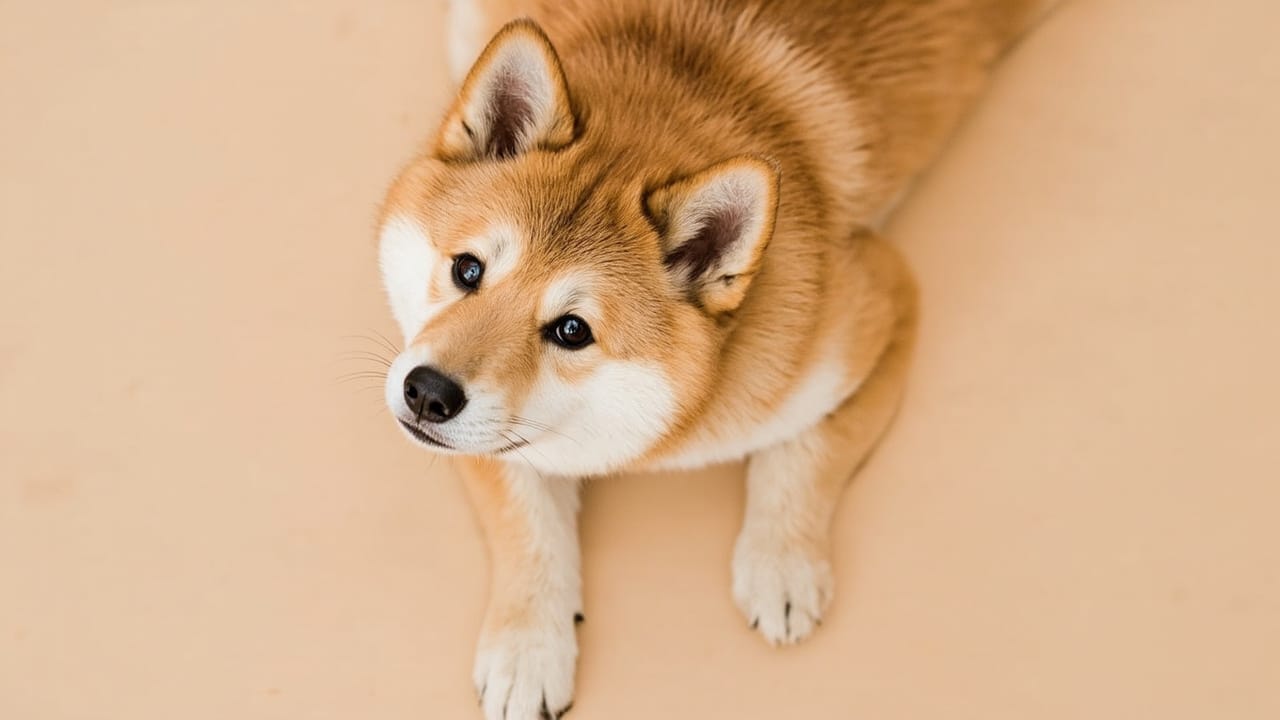
영국에서 시바견을 키우는 비용은 연간 얼마인가요? (2025 가이드)
영국에서 시바견을 키우는 비용은 첫 해를 제외하면 연간 약 £1,400–£2,800이며, 여기에는 사료, 정기 수의사 진료, 보험, 그루밍, 펫시팅 비용이 포함됩니다. 대부분의 소유자는 월 £90–£180을 지출하며, 첫해 총비용(구입 비용 및 초기 준비비 포함)은 일반적으로 £3,500–£6,500에 달합니다.
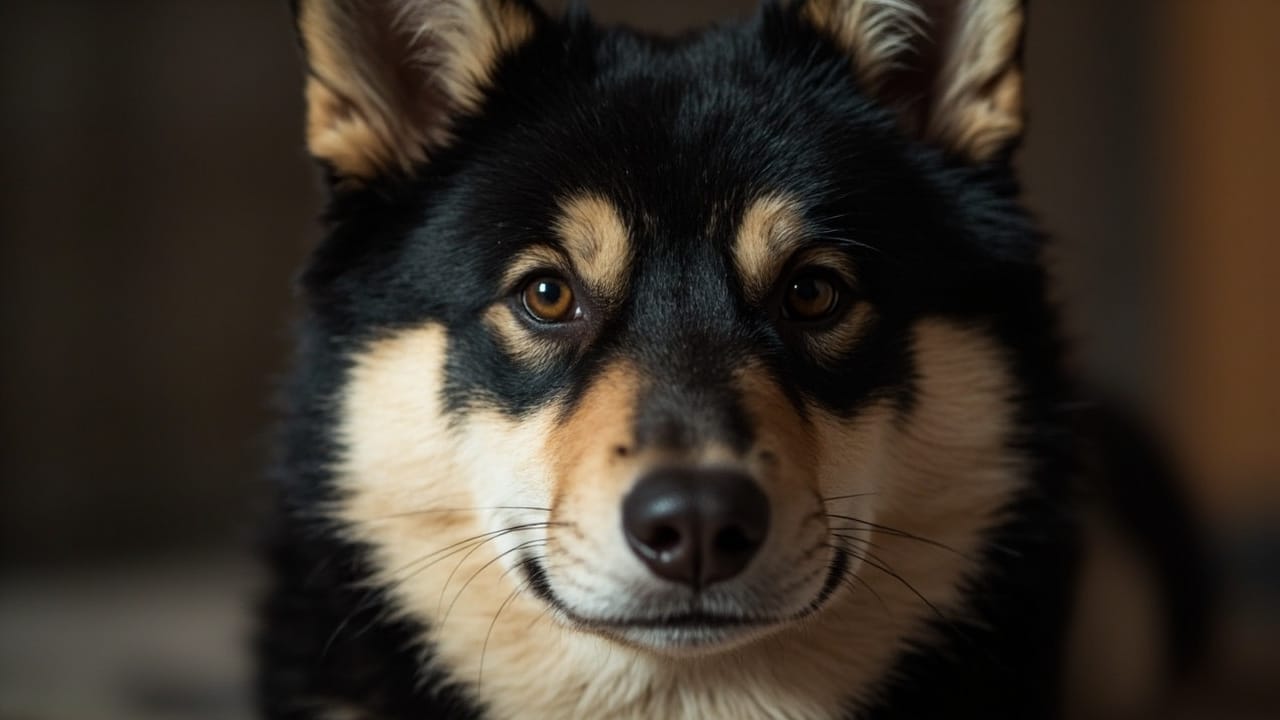
독일에서 시바견을 키우는 연간 비용 (2024/2025 가이드)
독일에서 시바견을 키우는 비용은 평균적으로 연간 €1,200~€2,500, 즉 대략 월 €100~€210입니다. 첫해 지출은 더 높으며(€2,500~€4,500) 이는 강아지, 용품, 초기 진료비와 같은 일회성 구매 비용이 포함되기 때문입니다. 지속적 비용은 주로 사료, 진료비, 보험, 미용입니다.
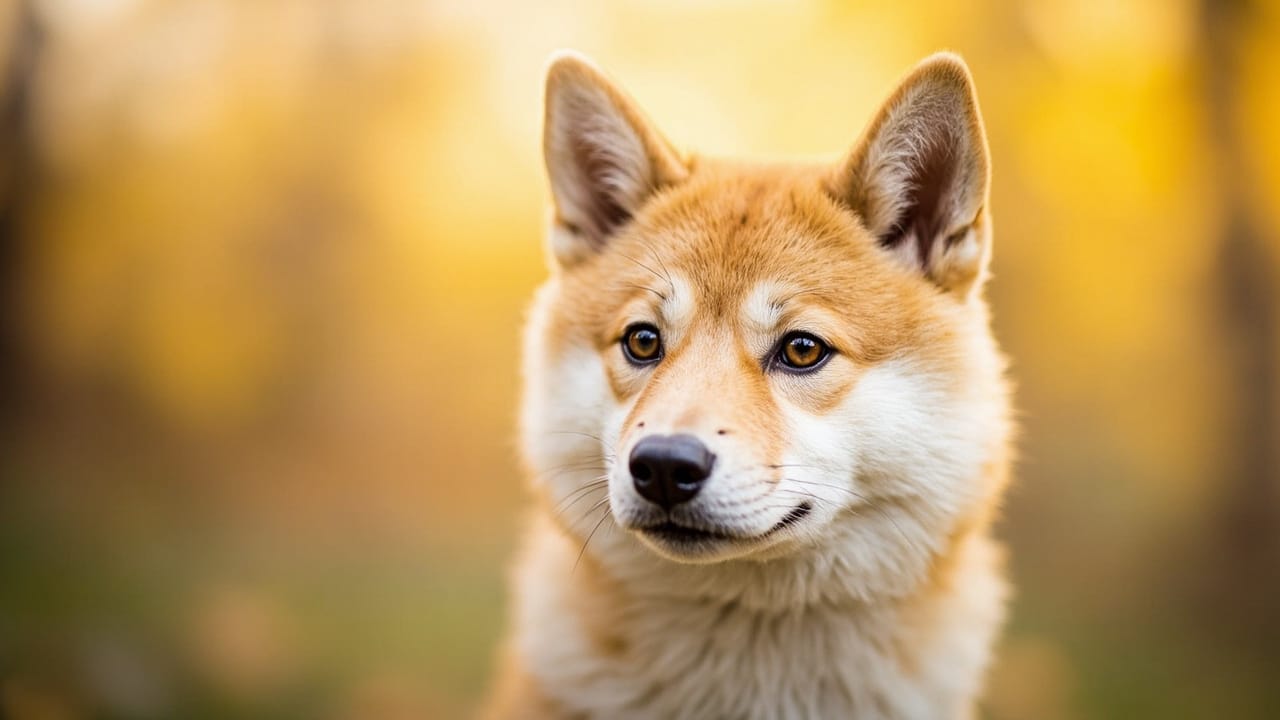
유럽 시바견 핵심 예방접종 비용 (2025 가이드)
2025년 유럽에서 시바견의 핵심 예방접종 비용은 보통 1회당 €40~€85이며, 퍼피 시리즈 전체(디스템퍼, 간염, 파보바이러스, 렙토스피라)로 총 약 €160~€340입니다. 광견병은 €25~€55이 추가되며, 첫 해 패키지는 국가와 동물병원 유형에 따라 €190~€395 정도입니다.
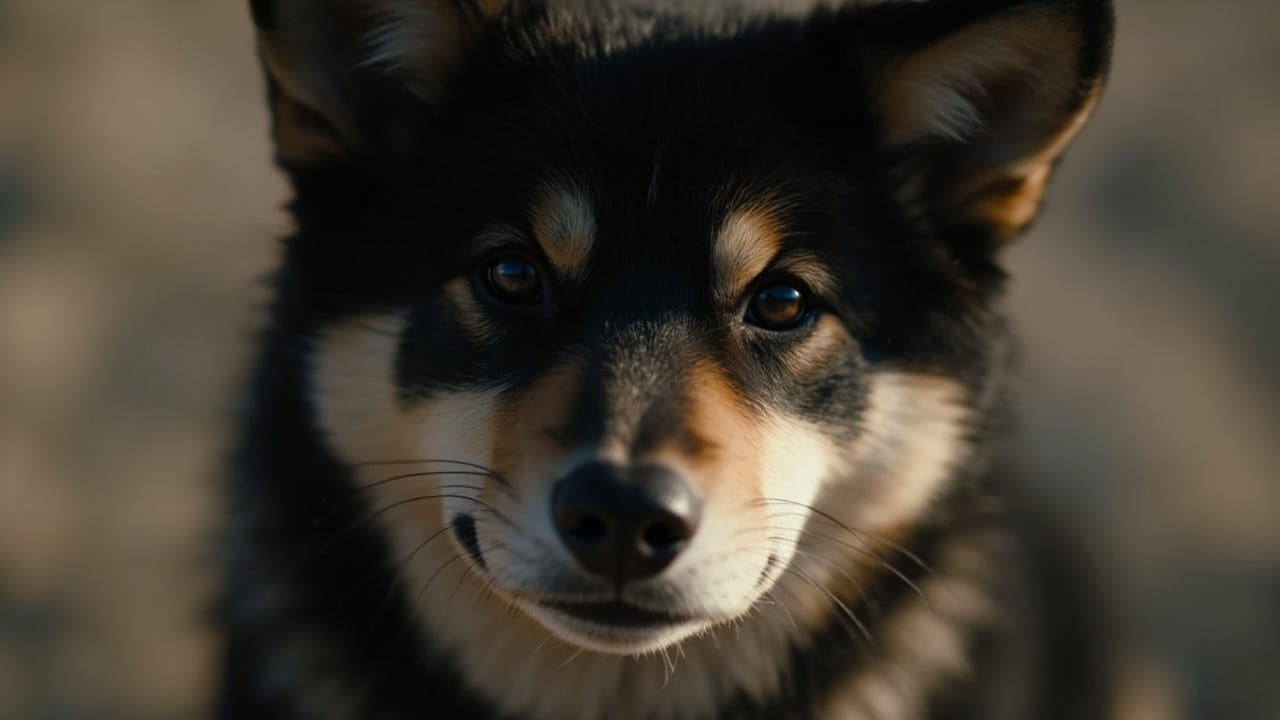
유럽에서 시바견 중성화 비용 (2025 가격 가이드)
유럽에서 시바견(Shiba Inu)을 중성화하는 비용은 일반적으로 €80에서 €350 사이입니다. 스페인, 독일, 영국 같은 나라의 저비용 동물병원은 €80–€150에, 스칸디나비아, 스위스, 영국의 종합 사립 동물병원은 €200–€350에 책정합니다. 최종 가격은 반려견의 체중, 마취 프로토콜, 수술 전 혈액검사에 따라 달라집니다.
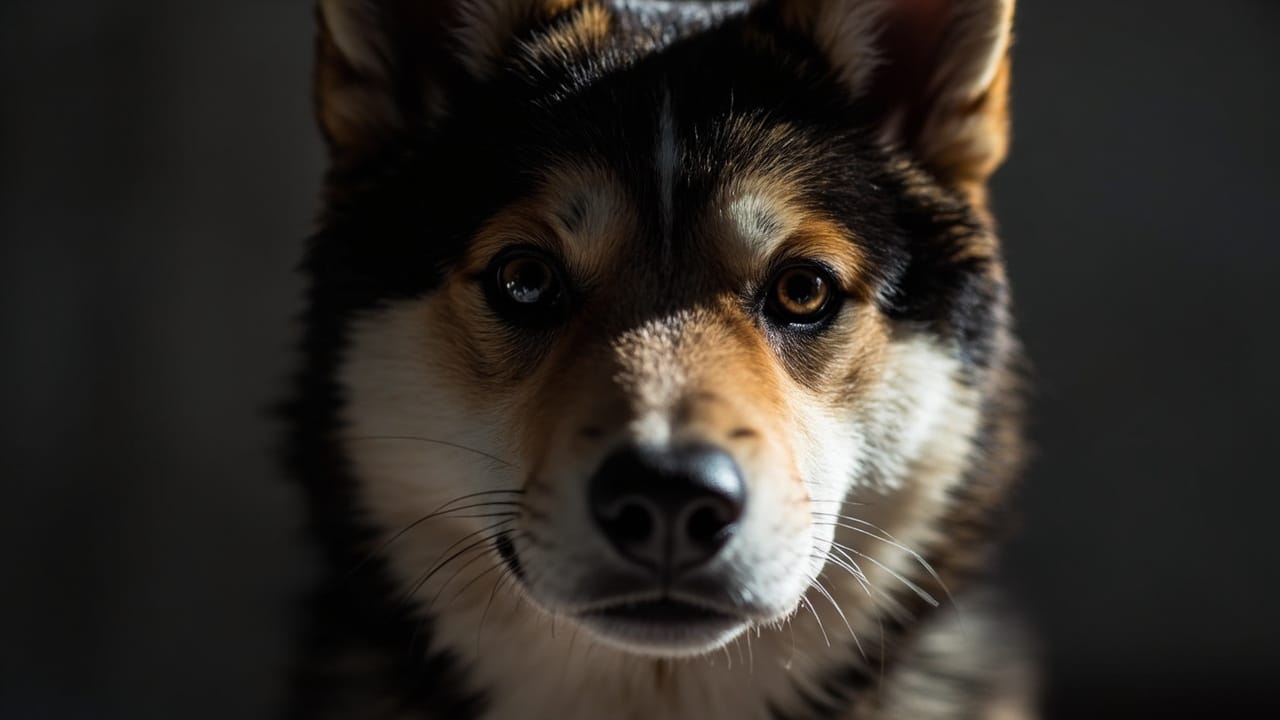
프랑스 시바견 진료비: 2024년 가격 가이드
프랑스에서 시바견의 진료비는 일반적으로 일반 진료 €50–€70, 예방접종 €80–€150, 치아 스케일링과 같은 일반 시술은 €300–€900 정도입니다. 연간 예방 진료비는 보통 €400–€700이지만, 만성 질환(알레르기, 녹내장, 고관절 문제)가 있는 경우에는 연간 비용이 €1,500–€3,000+까지 올라갈 수 있습니다.
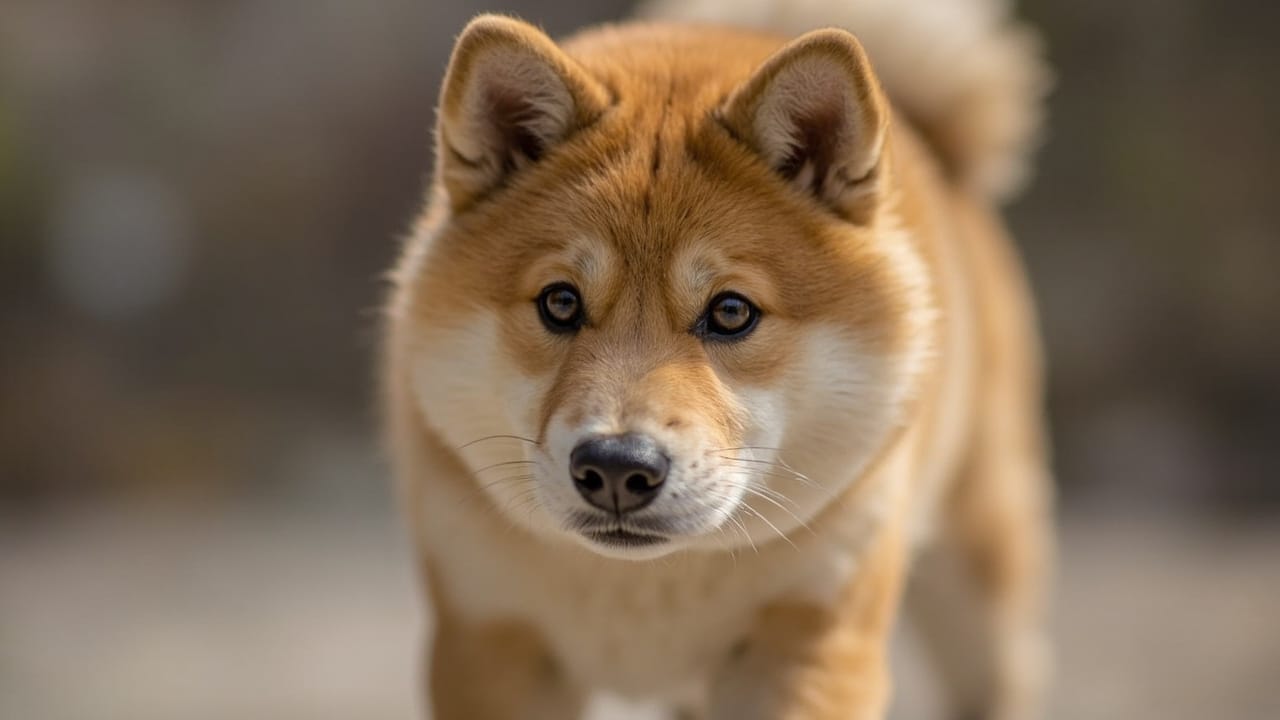
시바견 영국 수의사 비용: 연간 종합 분석
영국에서 시바견의 정기 수의사 비용은 보통 연간 £500–£1,200 정도이며, 예방접종, 기생충 예방, 연례 건강검진, 치과 진료가 포함됩니다. 첫해에 해당하는 강아지는 초기 예방접종과 중성화 수술로 인해 더 많은 비용(£800–£1,500)이 듭니다. 건강한 성견의 경우 예방 관리만으로도 평균 £30–£60이 월간 지출됩니다.
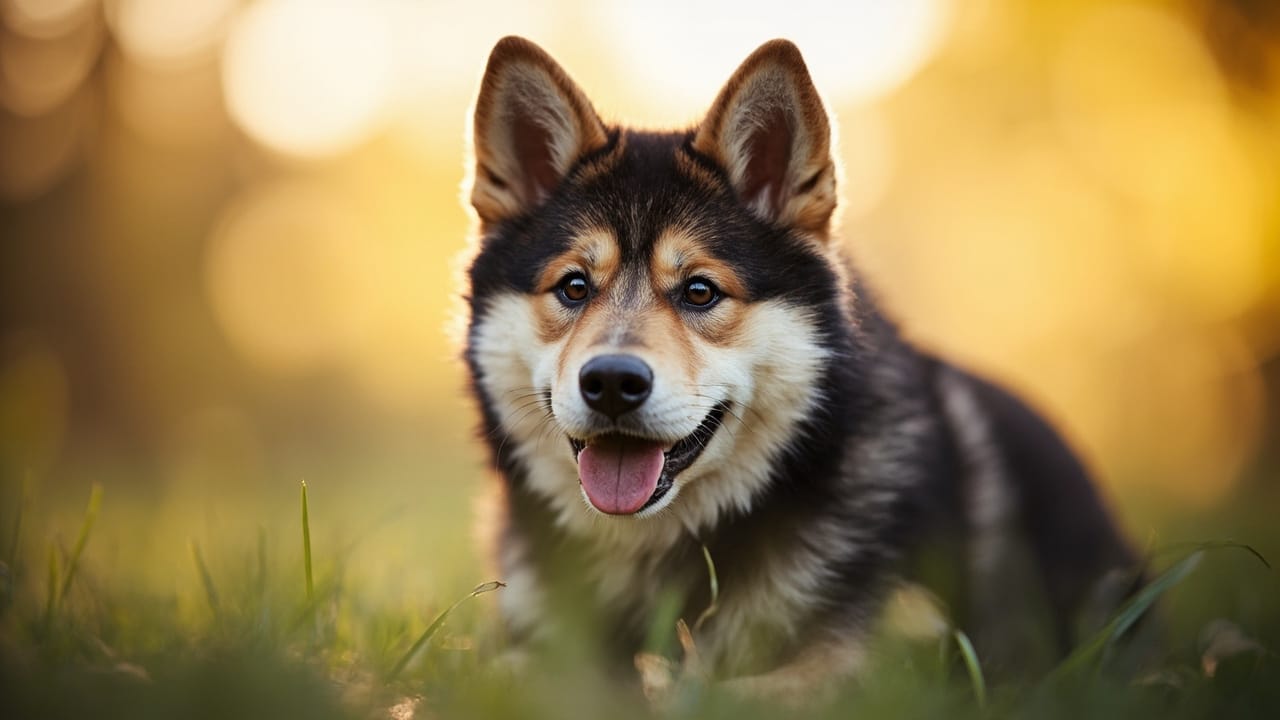
독일 시바견 수의사 방문 비용 (2025 가격 가이드)
독일에서 시바견의 수의사 방문 비용은 일반 검진 기준 €40-€80이며, 건강한 성견의 연간 총 의료비는 €300-€700, 자견·노령견 또는 알레르기·녹내장 등 만성 질환을 가진 개체의 경우 €800-€2,000+ 입니다. 독일은 수의 진료비를 법적으로 규제하는 GOT(Gebührenordnung für Tierärzte) 진료비 규정표를 사용하며, 이를 통해 최소 및 최대 진료비가 설정됩니다.
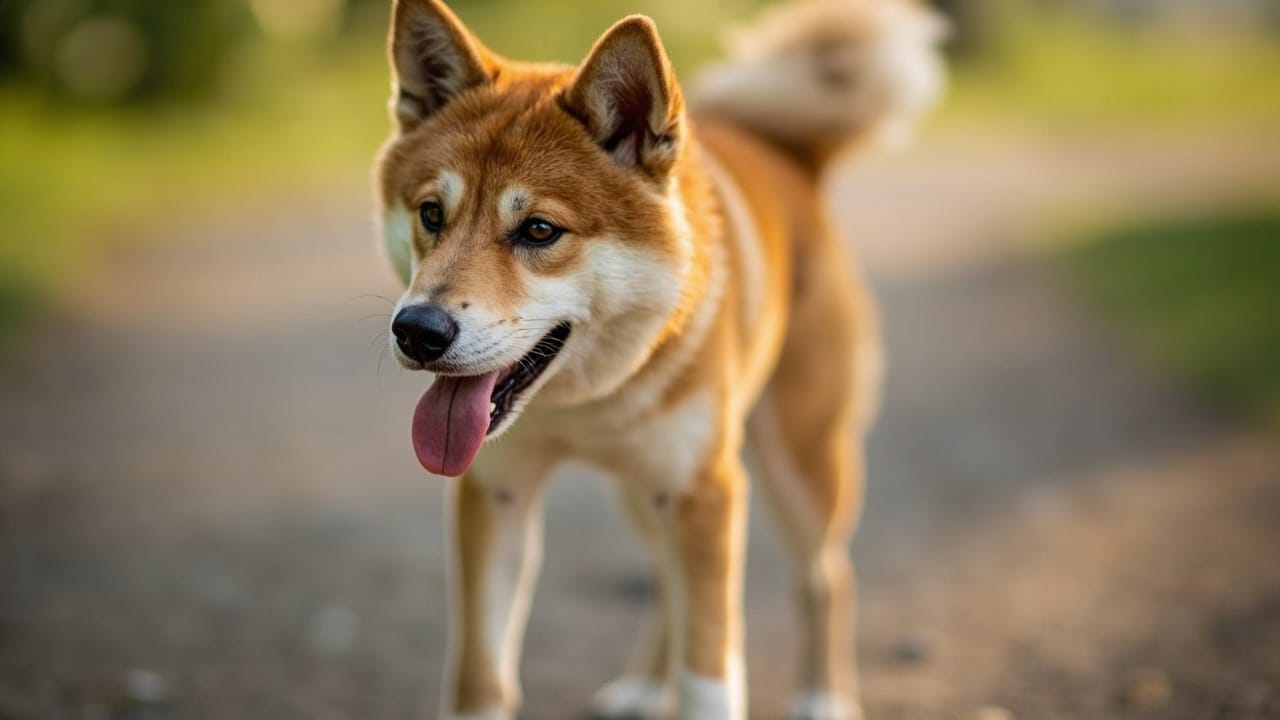
바르샤바 시바견 모임: 찾는 방법과 장소
바르샤바의 시바견 모임은 주로 'Shiba Inu Polska' 페이스북 그룹과 폴레 모코토프스키에(Pole Mokotowskie), 와지엔키 궁전공원(Łazienki Królewskie) 같은 공원에서의 계절별 모임을 통해 이루어집니다. 또한 강아지 동반 가능한 카페와 연례 바르샤바 도그 페스티벌에서도 만나며, 인스타그램과 지역 시바견 소유자 채팅을 통해 소규모 즉흥 산책도 조직됩니다.
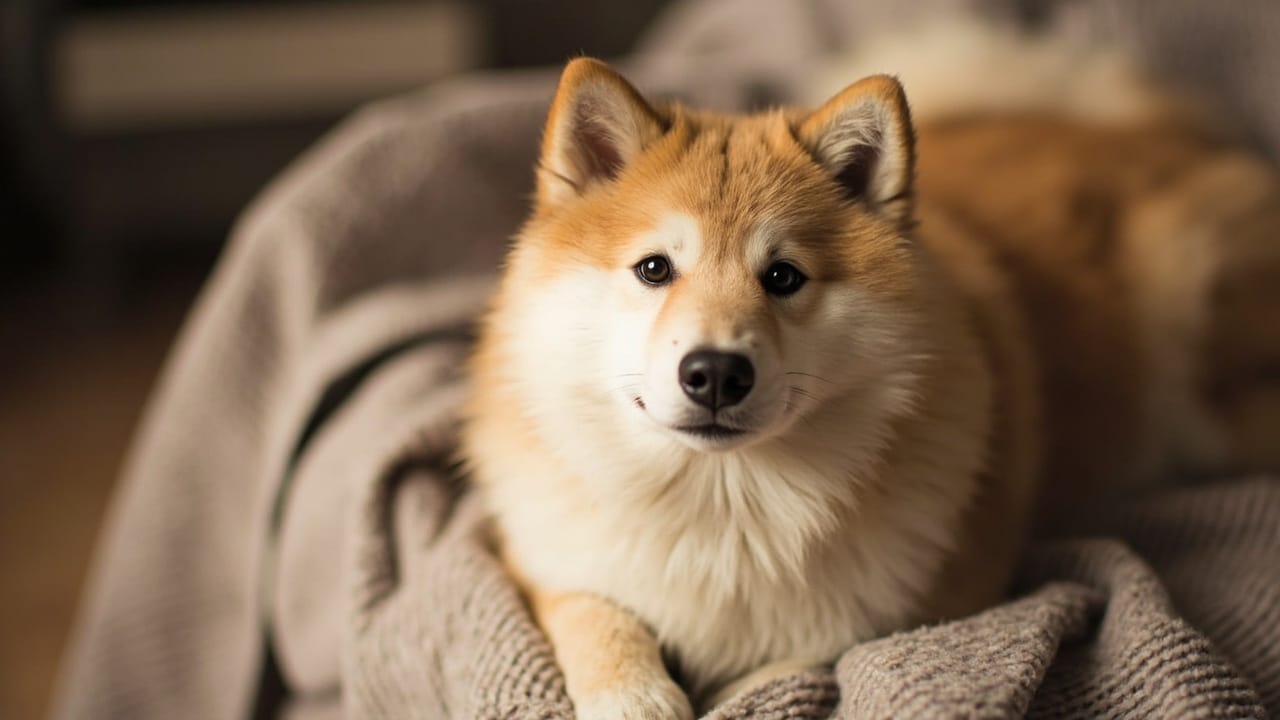
암스테르담에서 시바견 소유자를 찾고 만남에 참여하는 방법
암스테르담에는 규모는 작지만 활발한 시바견(Shiba Inu) 커뮤니티가 있습니다. 가장 빠르게 사람들과 연결되는 방법은 'Shiba Inu Nederland'와 'Shiba Inu Belgium & Netherlands' 같은 페이스북 그룹, 암스테르담 시바 카페(Shiba Cafe Amsterdam)에서 열리는 놀이 모임, Flevopark와 암스테르담세 보스(Amsterdamse Bos)에서 열리는 반려견 동반 행사, 그리고 란드스태드(Randstad) 전역의 시바견 구조 네트워크를 통해 조직되는 품종 전용 산책 모임입니다.
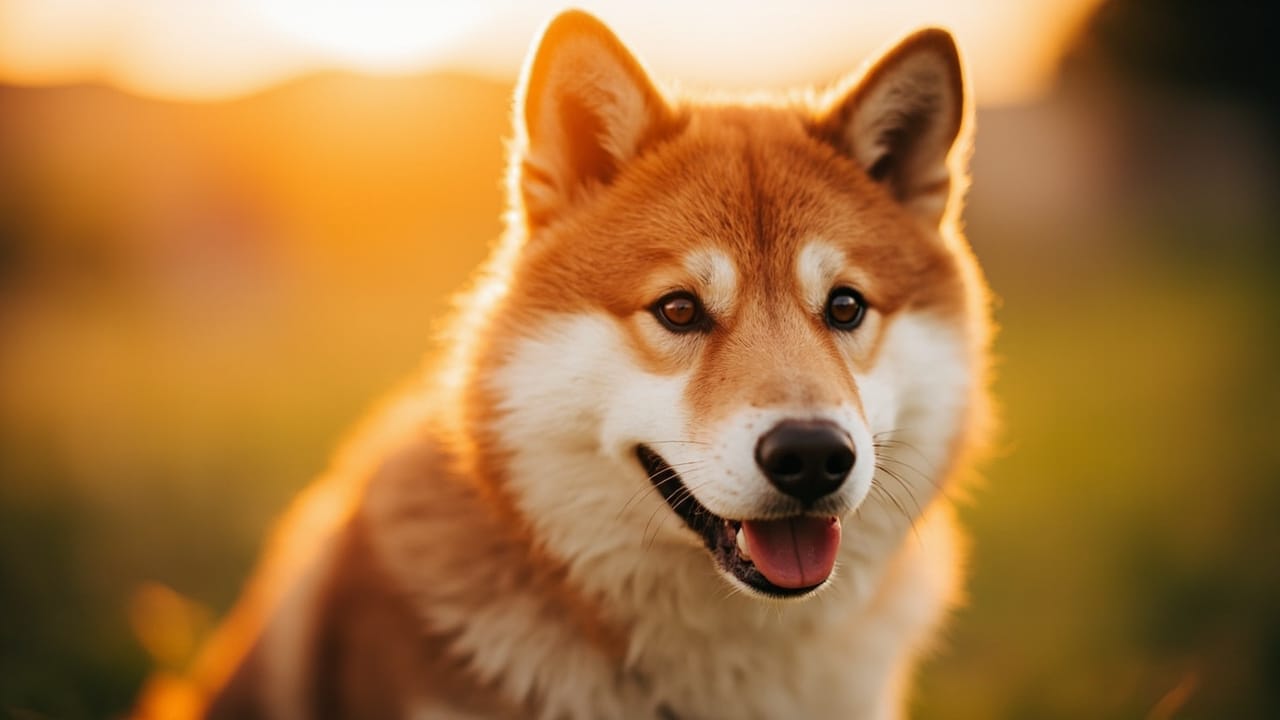
파리의 시바견 모임: 보호자를 위한 완벽 가이드
파리에 공식적인 '시바견 모임'은 단일하게 존재하지 않지만, 공동체는 보 드 볼로뉴(Bois de Boulogne)와 파크 몽소(Parc Monceau) 같은 주요 공원의 정기 산책과 Facebook, Meetup, Instagram의 프랑스어 전용 그룹을 통해 정기적으로 만남을 가집니다. 가장 일관성 있는 모임은 Shiba Inu France가 운영하는 계절별 집회와 'Shibas de Paris' 소셜 네트워크를 통해 조율되는 월례 도심 산책입니다.
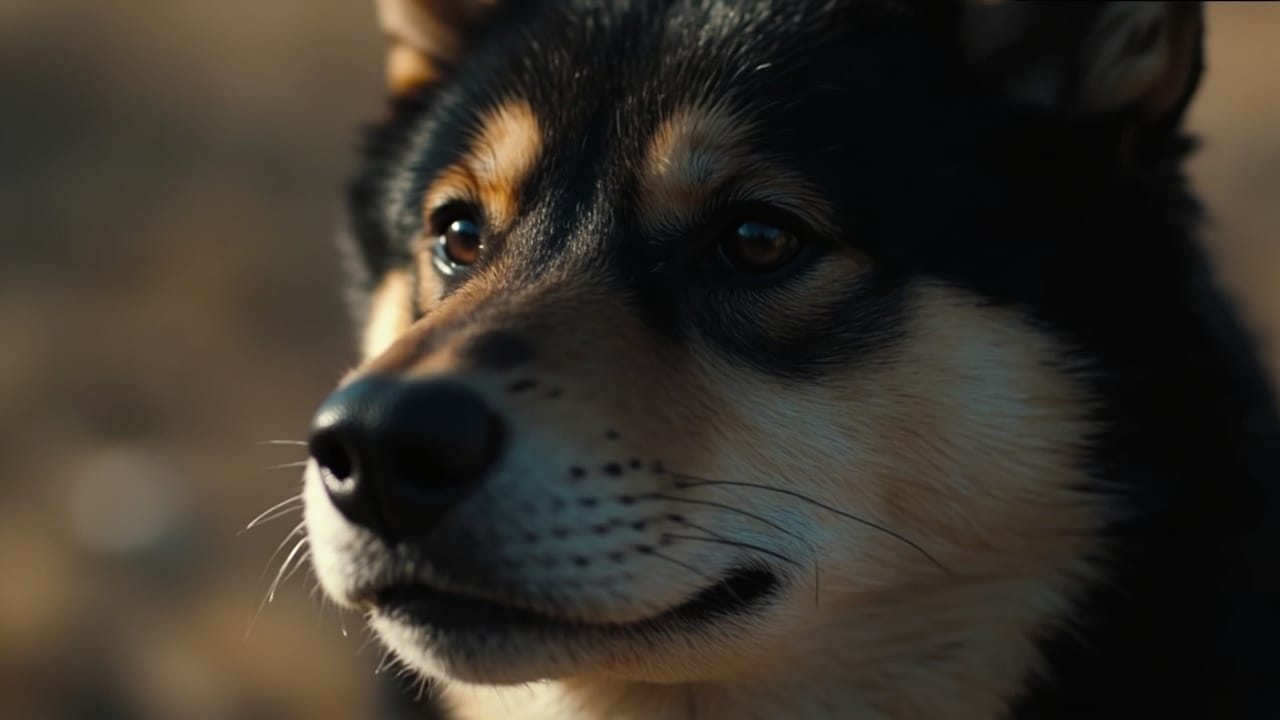
베를린에서 시바견(Shiba Inu) 모임과 그룹 찾기: 완벽 가이드
베를린에는 소수의 열정적인 모임 그룹, 품종별 Facebook 및 Discord 서버, 정기적인 반려견 공원 모임을 중심으로 활발한 시바견 커뮤니티가 있습니다. 대부분의 현지 시바견 소유자들은 'Shiba Inu Berlin' Facebook 그룹과 템펠호퍼 펠트(Tempelhofer Feld) 및 포르크스파크 프리드리히스하인(Volkspark Friedrichshain)과 같은 공원에서 열리는 도시 전체의 일본견 모임을 통해 교류합니다.
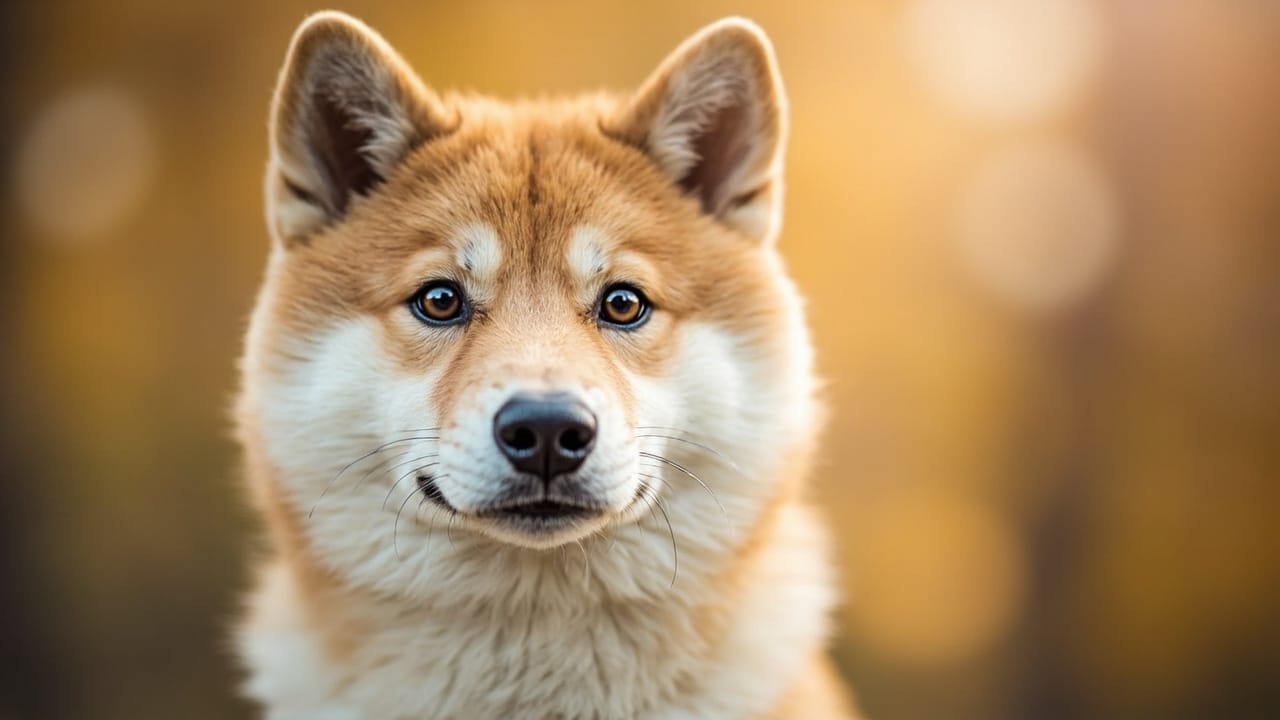
런던 시바견 모임: 2025년 완벽 가이드
런던의 시바견 모임은 보통 UK Shiba Inu Club과 Facebook, Meetup, Instagram의 비공식 소셜 미디어 그룹을 통해 조직되며, 하이드 파크, 햄스테드 히스, 월텀스토우 습지 같은 녹지에서 정기적으로 모여듭니다. 가장 큰 공식 행사는 런던, Home Counties, 지역 견종 쇼를 순회하며 열리고, 평소 '시바 워크'는 런던 전역에서 주말마다 열립니다.
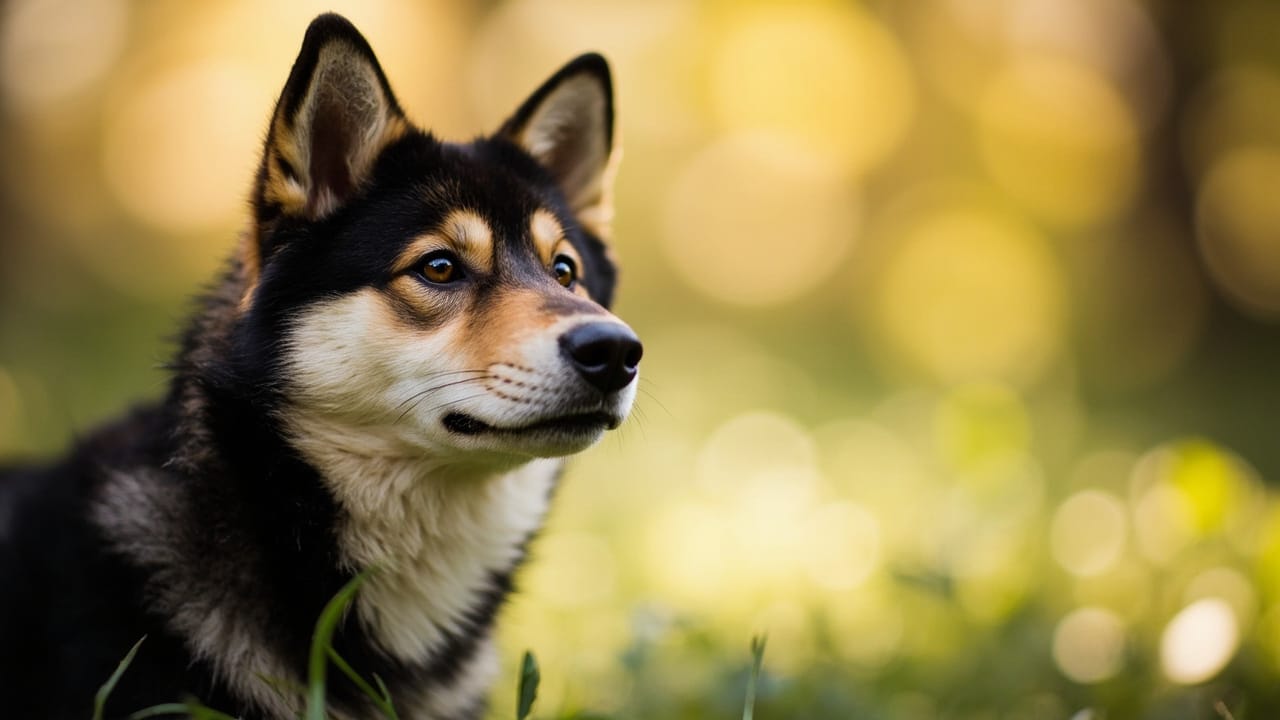
유럽에서 시바견의 닛포(NIPPO)식 심사가 이루어지는 방식
유럽의 닛포식 심사는 FCI나 AKC의 해석이 아닌, 일본 닛포(일본견보존회, Nihon Ken Hozonkai)의 원래 규준을 따릅니다. 공인된 심사위원들은 전통적인 일본의 이상형을 기준으로 각 시바를 평가하며, 성별에 따른 우아함, 우라지로(裏白), 전체적인 균형을 중시합니다. 그리고 유럽 닛포 클럽(European NIPPO Club)에 별도의 품종 등록 트랙으로 순위를 기록합니다.
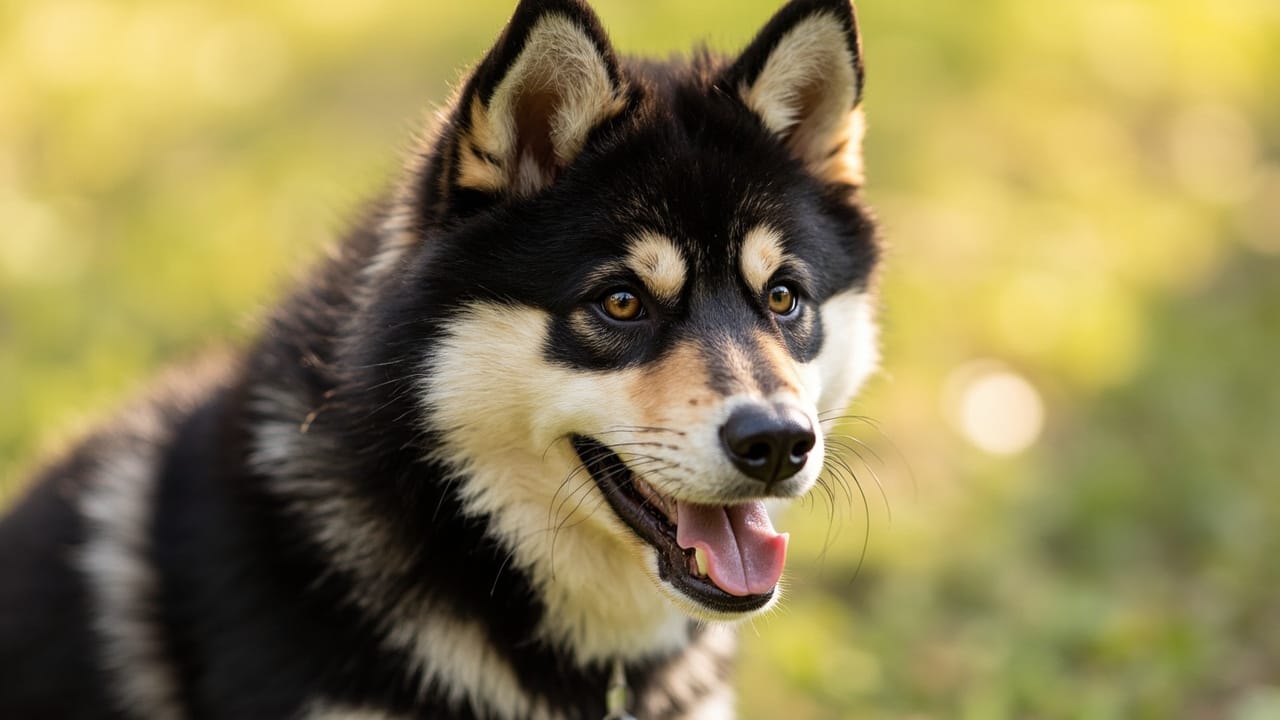
프랑스의 시바견 및 일본 스피츠 종 클럽
프랑스에서 시바견을 다루는 두 개의 주요 기관이 있습니다: Club Français des Chiens Nordiques et des Spitz du Japon (CFCNSJ)과 모견부 협회인 Société Centrale Canine (SCC)입니다. CFCNSJ는 모든 일본 스피츠 종의 표준, 브리더 추천, 전문전을 담당하며, SCC는 LOF 혈통증을 통해 FCI 등록을 관리합니다.

Suomen Shiba ry 가입 방법: 핀란드 시바견 클럽 가이드
Suomen Shiba ry는 핀란드의 공식 시바견 종 클럽이며 핀란드 켄넬 클럽(Suomen Kennelliitto)의 회원입니다. 가입은 클럽 웹사이트나 총무에게 회원 가입 신청서를 제출하고, 연회비를 납부한 뒤 회원으로 승인받으면 됩니다. 회원은 의결권, 종별 행사 참여, 클럽 회지 구독, 번식 추천 등의 혜택을 받습니다.
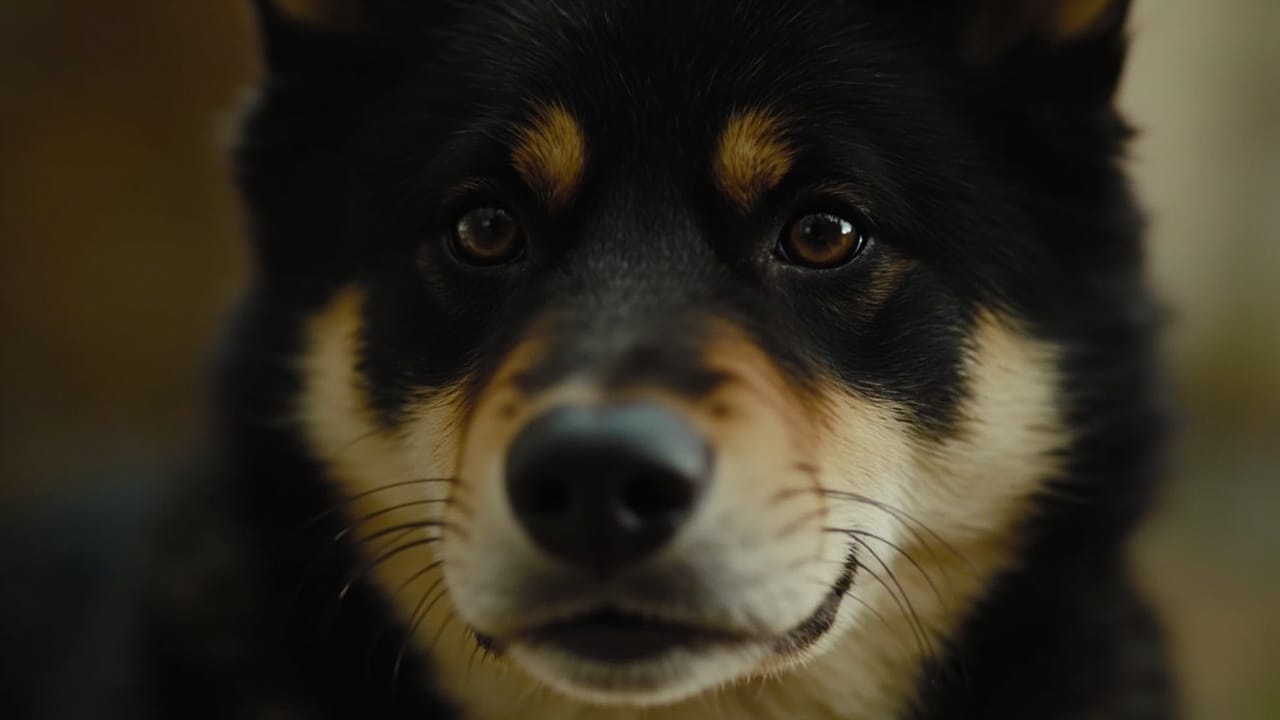
대브리튼 일본 시바견 클럽: 역할과 활동
대브리튼 일본 시바견 클럽(JSICGB)은 영국에서 시바견의 건강, 체형, 기질을 지키기 위해 헌신하는 공식 영국 견종 클럽입니다. 이 클럽은 견종 표준을 유지하고, 건강 검진 프로그램을 운영하며, 쇼와 교육 행사를 개최하고, 영국 켄넬 클럽에 시바견 소유자를 대표하는 모(母) 클럽 역할을 합니다.
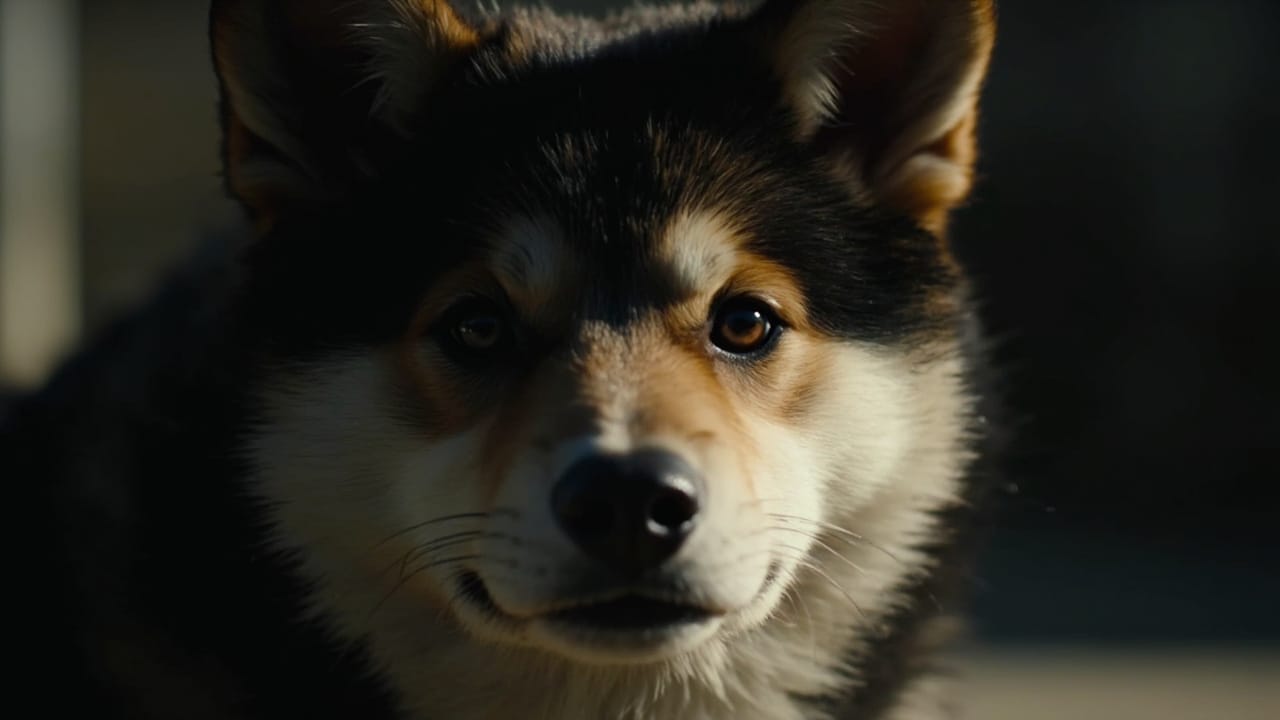
시바견이 크루프츠(Crufts)에 출전할 수 있을까? 그룹, 출전 자격 및 역사
네, 시바견은 크루프츠에 출전할 수 있습니다. 이 품종은 1987년에 영국 켄넬 클럽(The Kennel Club)에 공식적으로 인정되었으며, 유틸리티 그룹(Utility Group)에서 전시되는데, 이는 스피츠 유형의 혈통과 사냥 보조용 소형 반려견이라는 역할을 반영한 분류입니다. 총포견(gundog)이나 작업견(workings dog)으로는 분류되지 않습니다.
유럽 견대 쇼: 시바견이 유럽 최대 무대에서 경쟁하는 방식
유럽 견대 쇼(EDS)는 매년 다른 유럽 도시에서 열리는 FCI 공인 챔피언십으로, 15,000마리 이상의 개들이 대륙 타이틀을 놓고 경쟁합니다. 시바견은 5그룹(스피츠 및 원시형 그룹)에 전시되며 FCI 품종 표준에 따라 심사받고, 각 성별의 최고 개체가 Best of Breed 및 그룹 경쟁으로 진출합니다.
FCI 월드독쇼에서 시바견은 어떻게 심사될까? 완벽 가이드
FCI 월드독쇼에서 시바견은 NIPPO에서 채택한 일본 품종 표준인 FCI 표준 제257호에 따라 FCI 공인 품종 전문 심사위원이 심사합니다. 개체는 체형, 구조, 동작, 모색, 그리고 우라지로(裏白) 표식을 기준으로 평가받은 뒤, 품종 최고상(Best of Breed)에 선정된 후 5그룹(스피츠 및 원시 유형) 경연으로 진출합니다.
시바견을 유럽 전역에서 법적으로 리드줄 없이 풀어줄 수 있나요? (2024 가이드)
대부분의 유럽 국가에서는 시바견을 공공 도심 지역, 공원, 도로 근처에서는 법적으로 리드줄에 묶어 두어야 합니다. 리드줄 해제 산책은 보통 지정된 반려견 자유구역(Hundwiese, parcours canin, Área de esparcimiento canino)과 현지 규칙이 허용하는 표지된 하이킹 코스에서만 허용됩니다. 리드줄 위반에 대한 과태료는 일반적으로 국가와 위반 정도에 따라 35유로부터 500유로 이상까지 다양합니다.
유럽의 시바견 leash laws: 국가별 안내서
유럽의 시바견 leash laws는 국가마다 다르지만, 대부분 도심 지역, 대중교통, 야생동물 근처에서는 leash 착용을 요구합니다. 독일, 프랑스, 네덜란드, 영국은 각각 고유한 국가 또는 지역 규정을 두고 있으며, leash 착용 의무는 엄격한 경우부터 상황에 따라 적용되는 경우까지 다양합니다. 많은 지역이 국가 법률을 넘어 추가적인 제한을 두기 때문에, 반드시 해당 지자체 규정을 확인하시기 바랍니다.
스위스의 사육법이 시바견 소유주에게도 적용되었나요?
예. 스위스의 2008년 훈데페르오드눙(Hundeverordnung, canine 규정) 및 관련 주(canton) 법률은 시바견 소유주를 포함하여 국가 내 모든 반려견 소유주에게 적용되었습니다. 이 법은 위험성이 높은 반려견이 행동 테스트(SKN/Sachkundenachweis 핸들러 자격증 및 반려견에 대한 Hundeführerschein 자격증 상당)를 통과하도록 요구했으며, 기본적인 복종 훈련을 의무화했고, 여러 주에서는 시바 크기의 스피츠형 견종을 포함한 특정 품종이 더 엄격한 규정에 적용되었습니다.
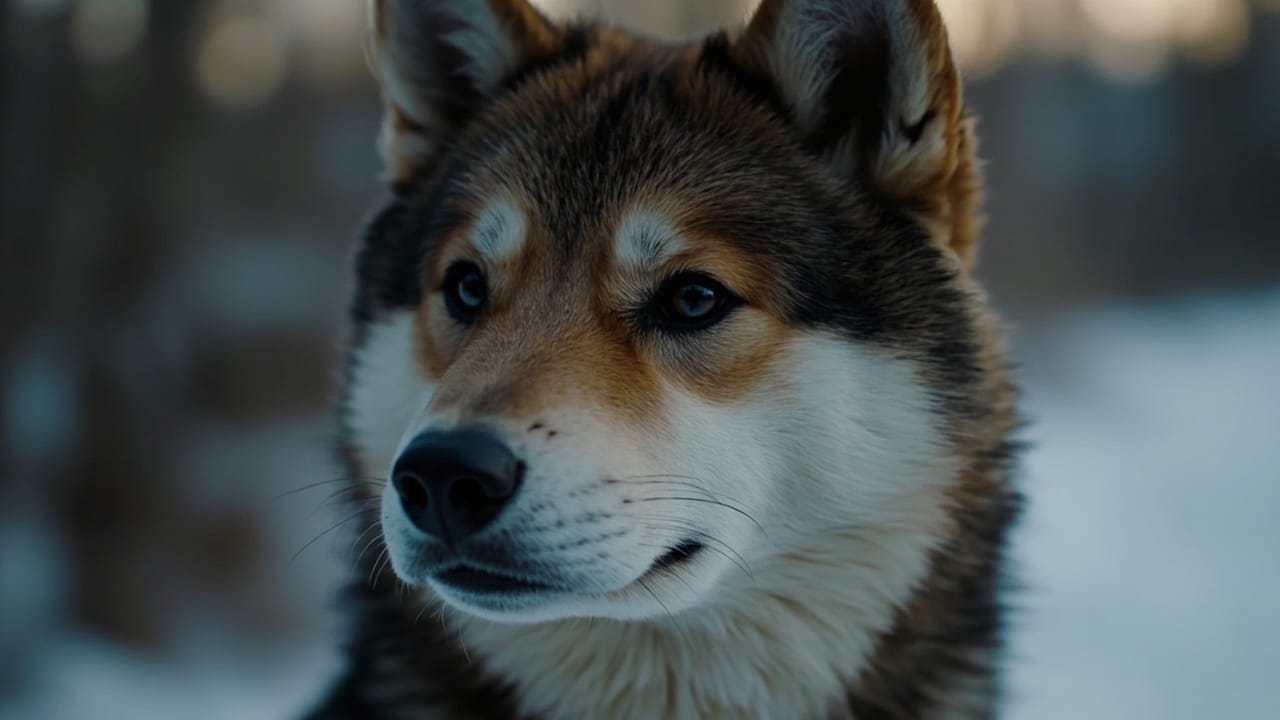
북유럽 기후에서 시바견의 털갈이: 알아야 할 사항
시바견의 털갈이는 온화한 기후권보다 한랭한 북유럽 기후에서 훨씬 더 극렬하게 나타나며, 극심한 계절별 기온 차에 의해 더 길고 강렬한 털갈이 주기가 촉발됩니다. 보호자들은 연간 두 차례의 주요 털갈이(봄과 가을)가 각각 4–8주 동안 지속되며, 습하고 어두운 겨울에는 연중 솜털 빠짐이 증가하는 것을 예상해야 합니다.
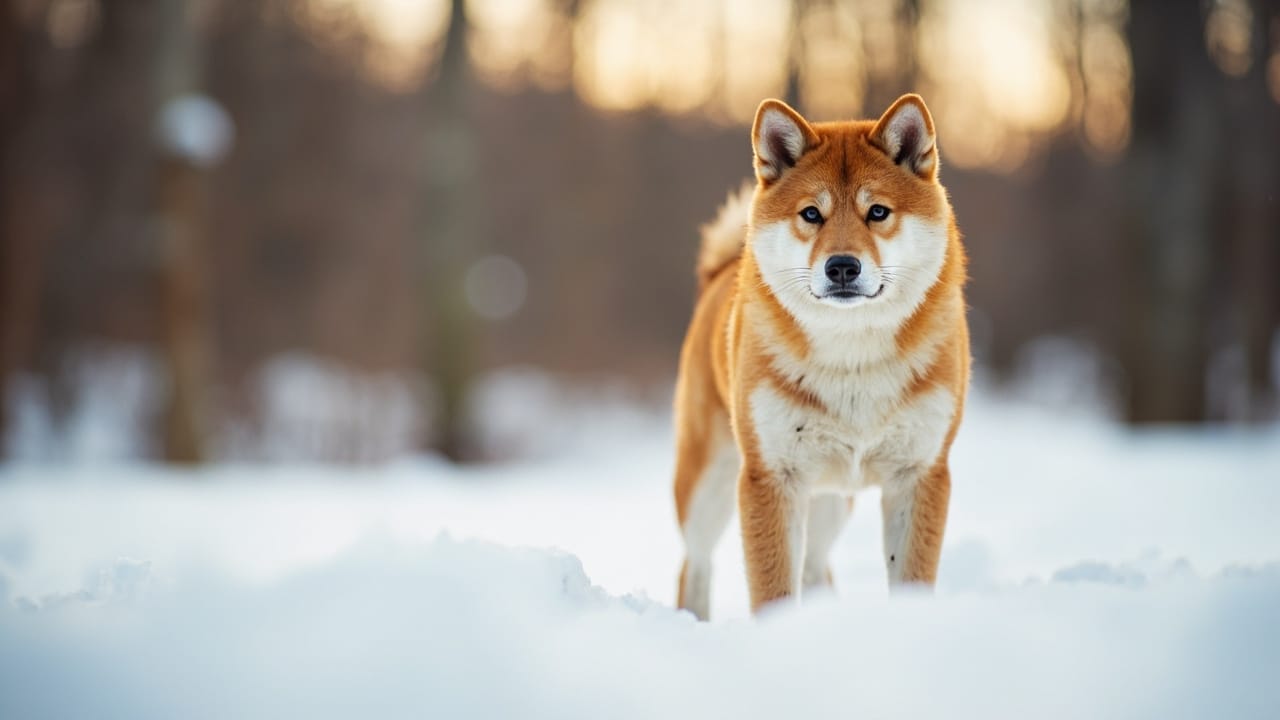
스칸디나비아 겨울철 시바견 돌보기: 종합 가이드
시바견은 촘촘한 이중모 덕분에 스칸디나비아의 추위를 매우 잘 견디지만, 겨울 관리에는 여전히 세심한 주의가 필요합니다. 얼음과 소금으로부터 발을 보호하고, 높은 칼로리 소모에 맞춰 사료를 조절하며, 짧은 일조 시간에도 안전한 산책을 하고, 실내 습도를 관리해 건조한 피부를 예방하는 데 집중하세요.
지중해 여름 더위 속에서 시바견을 안전하게 지키기
시바견은 지중해의 뜨거운 여름을 견딜 체질이 아닙니다. 항상 그늘과 신선한 물을 제공하며, 포장 온도가 25°C 이하로 내려가는 이른 아침이나 일몰 후에만 산책하세요. 과도한 헐떡임, 침 흘림, 그리고 선홍색 잇몸은 열사병의 경고 신호이므로 즉시 냉각 조치와 수의사 진료가 필요합니다.
남유럽에서 시바견의 모기(사니플라이)와 진드기 예방
남유럽에서는 시바견에게 리슈만리아 인판툼(Leishmania infantum)을 옮기는 사니플라이(Phlebotomine 모기)와 바베시오시스, 에를리키아증, 아나플라즈마증을 옮기는 진드기를 막기 위해 일년 내내 기생충 보호가 필요합니다. 핵심 예방법은 벌레 퇴치 효과가 있는 목걸이나 스팟온 제품과 진드기 예방제를 병행하는 것이며, ideally 6개월 이전에 시작해 평생 지속하는 것이 좋습니다.

솔나방(소나무줄행랑) 애벌레와 시바견: 남유럽의 위험
솔나방 애벌레는 남유럽에서 계절별 개 사망 원인 1위입니다. 미세한 털에 톱포에인(thaumetopoein)이라는 독소가 들어 있어 심각한 알레르기 반응, 혀의 괴사, 그리고 치명적인 아나필락시스 쇼크를 일으키기 때문입니다. 시바견은 호기심이 많고 사냥 본능이 강하며 땅을 킁킁거리며 냄새를 맡는 성향 덕분에, 1월부터 4월 사이에 이동하는 행렬을 조사하다가 혀나 발바닥을 물리는 경우가 많습니다.
남유럽에서 시바견을 리슈마니아증으로부터 보호하기
리슈마니아증은 모래파리가 매개하는 심각한 기생충 질환으로, 스페인, 이탈리아, 그리스 전역에 풍토병으로 존재합니다. 이 나라들에 거주하거나 여행하는 시바견은 수의학적으로 승인된 살충제, 가능한 곳에서의 백신 접종, 환경 관리를 통해 연중 예방 조치가 필요합니다. 정기적인 혈액 검사를 통한 조기 발견은 치료가 질환을 통제할 뿐 거의 완치시키지 못하기 때문에 결과를 크게 개선합니다.
시바견은 유럽에서 금지되거나 제한되는가? (국가별 가이드)
시바견은 유럽 어느 국가에서도 금지되어 있지 않으며, 어느 국가의 제한 견종 목록에도 포함되어 있지 않습니다. 시바견은 EU나 영국에서 품종별 입법(BSL)의 대상이 아니므로, EU 반려동물 여권(펫 패스포트)과 같은 표준 반려동물 규정에 따라 시바견을 수입, 소유, 동반 여행할 수 있습니다.
EU 동물 복지와 시바견 브리더를 위한 번식 규정
EU에서 활동하는 시바견 브리더는 반려동물 보호 유럽 협약(ETS 123), 동물 운송에 관한 EU 규정 1/2005, 유전성 질환이 있는 개체의 번식을 금지하는 각국 법률, 그리고 국가별 켄넬 클럽 요구사항을 준수해야 합니다. 의무적으로 시행되는 건강 검사에는 엉덩이 평가, 슬개골 탈구 검사, 그리고 CHIC 체계 하에서의 안과 검사가 있습니다.
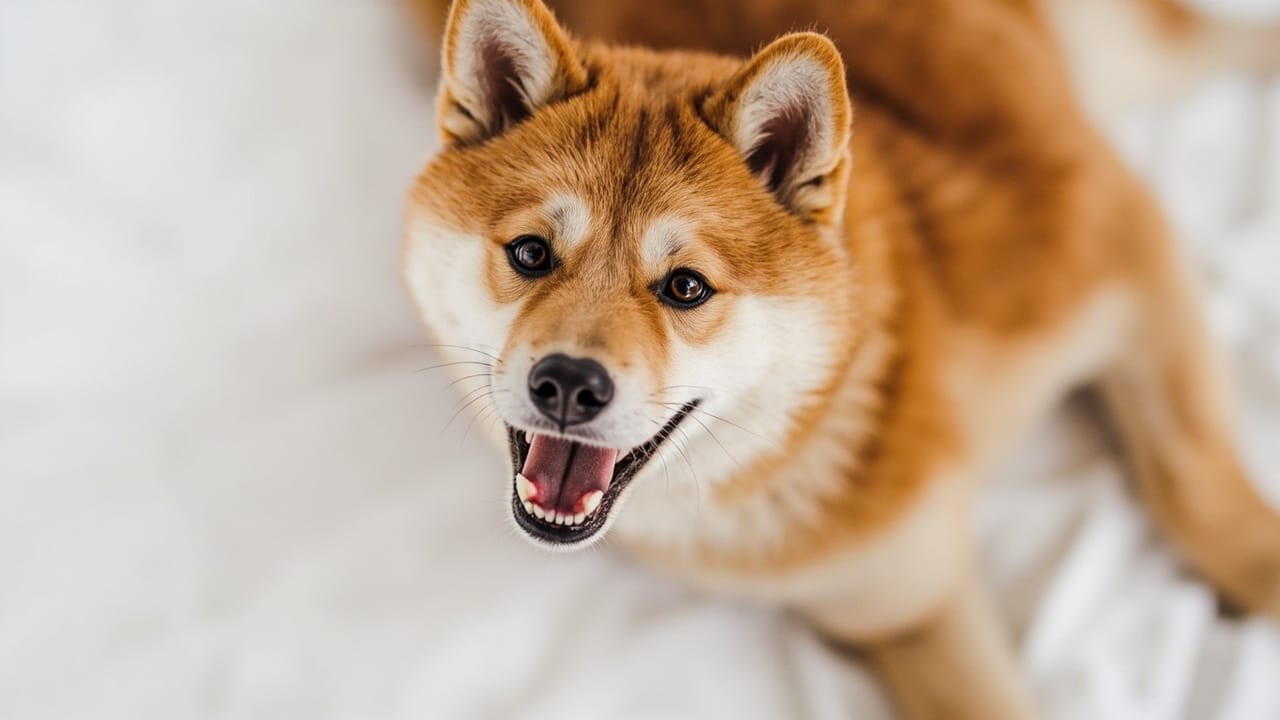
TRACES란 무엇이며, 시바견을 EU로 수입할 때 필요한가요?
TRACES(Trade Control and Expert System)는 EU 내부 보건 증명서 발급 및 비EU 국가からの入境 시 국경 통제소(Border Control Post)에 사전 통보하기 위해 사용되는 EU의 온라인 플랫폼입니다. 2024년 현재, 비EU 국가에서 EU로 입국하는 반려견은 TRACES 증명서가 필요하지 않습니다. 필요한 것은 공인 수의사가 발급한 EU 보건 증명서, 마이크로칩 삽입, 유효한 광견병 예방접종, 그리고 승인된 입국 지점(Travel Point of Entry, TPE)을 통한 입국입니다.
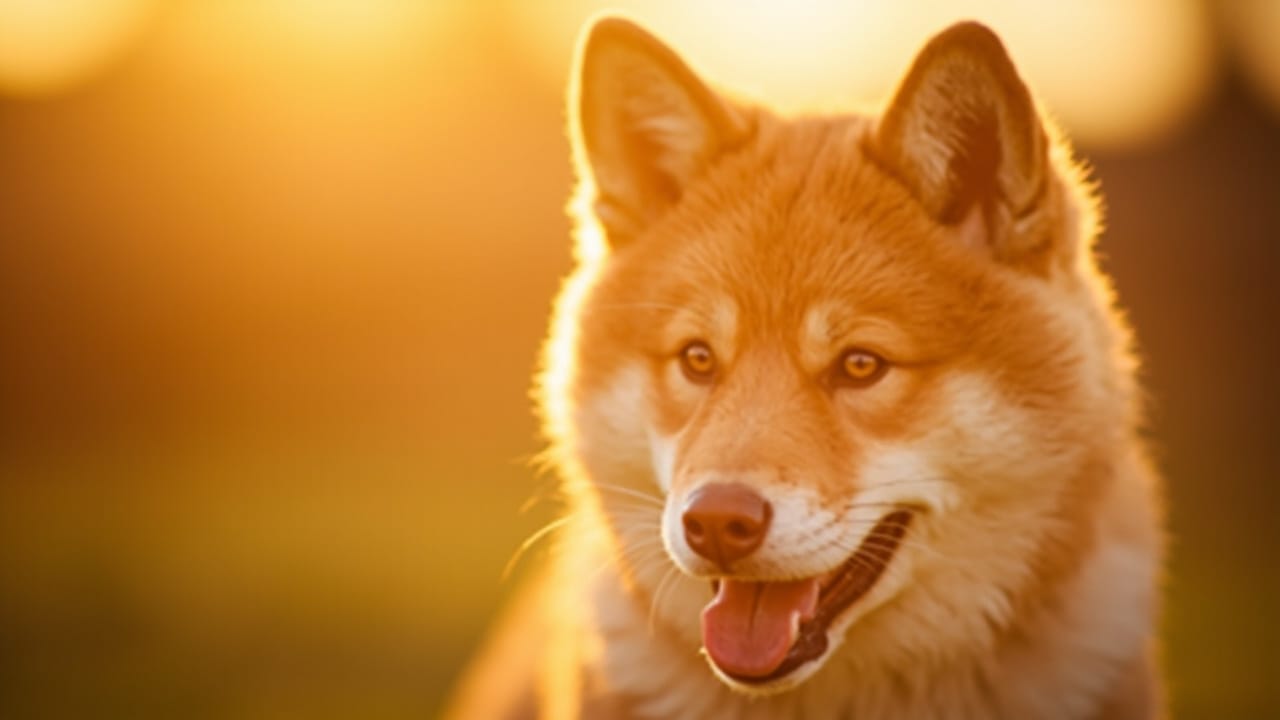
유럽에서 시바견 puppies 수입 사기를 피하는 방법
대면 방문을 허용하고, 확인 가능한 pedigree 번호를 제공하며, 송금 결제를 강요하지 않는 FCI 등록 브리더로부터만 구입하여 유럽에서의 시바견 수입 사기를 피하세요. 평판 좋은 브리더는 puppies를 호송 없이 보내지 않으며, EU 혈통의 건강한 수입 시바견은 €2,000–€3,500 정도이며, 브로커의 의심스러운 저가 견적과는 큰 차이가 있습니다.
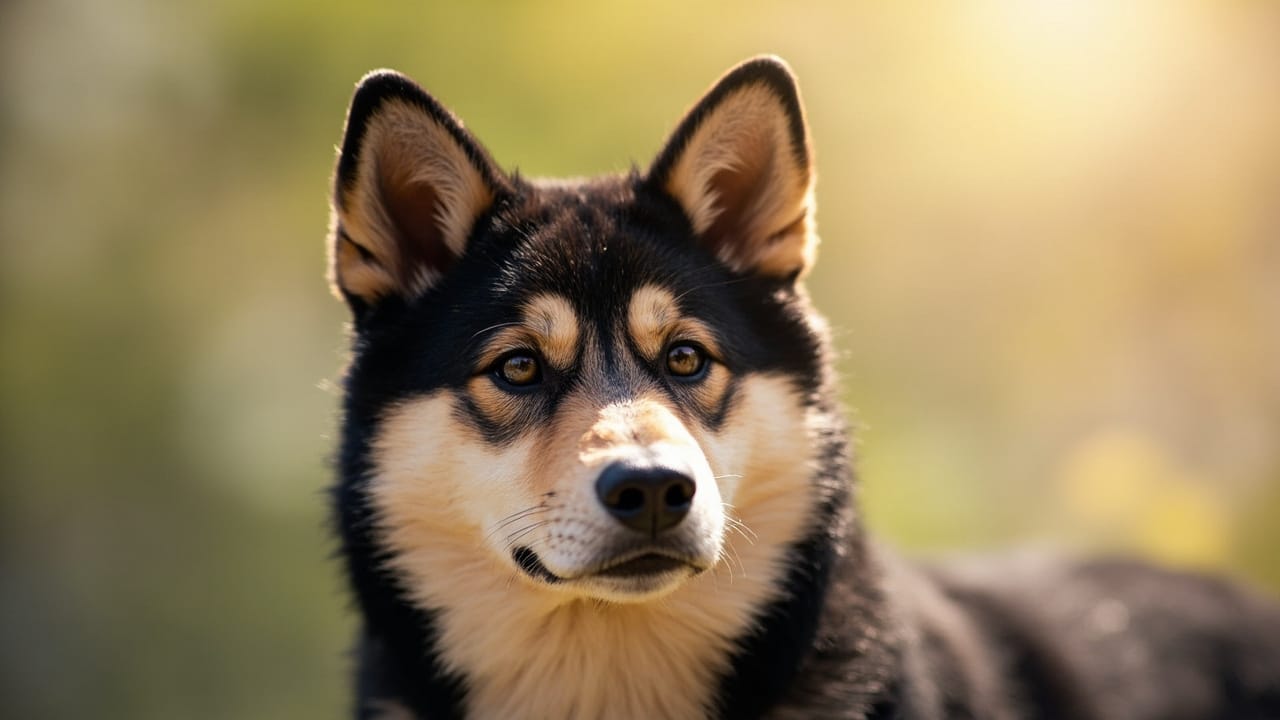
시바견과 함께 다른 EU 국가로 이주하기: 완벽 가이드
네, EU 반려동물 여권(Pet Passport) 제도를 통해 시바견을 EU 국가 간에 비교적 쉽게 이동시킬 수 있습니다. 시바에게는 마이크로칩, 유효한 광견병 예방접종(이동 최소 21일 전 완료), 그리고 이동 경로에 따라 EU 반려동물 여권 또는 공인 건강증명서가 필요합니다. 수의사 방문은 1~3개월 전부터 계획하고, 반려동물 친화적인 이동 수단을 예약하세요.
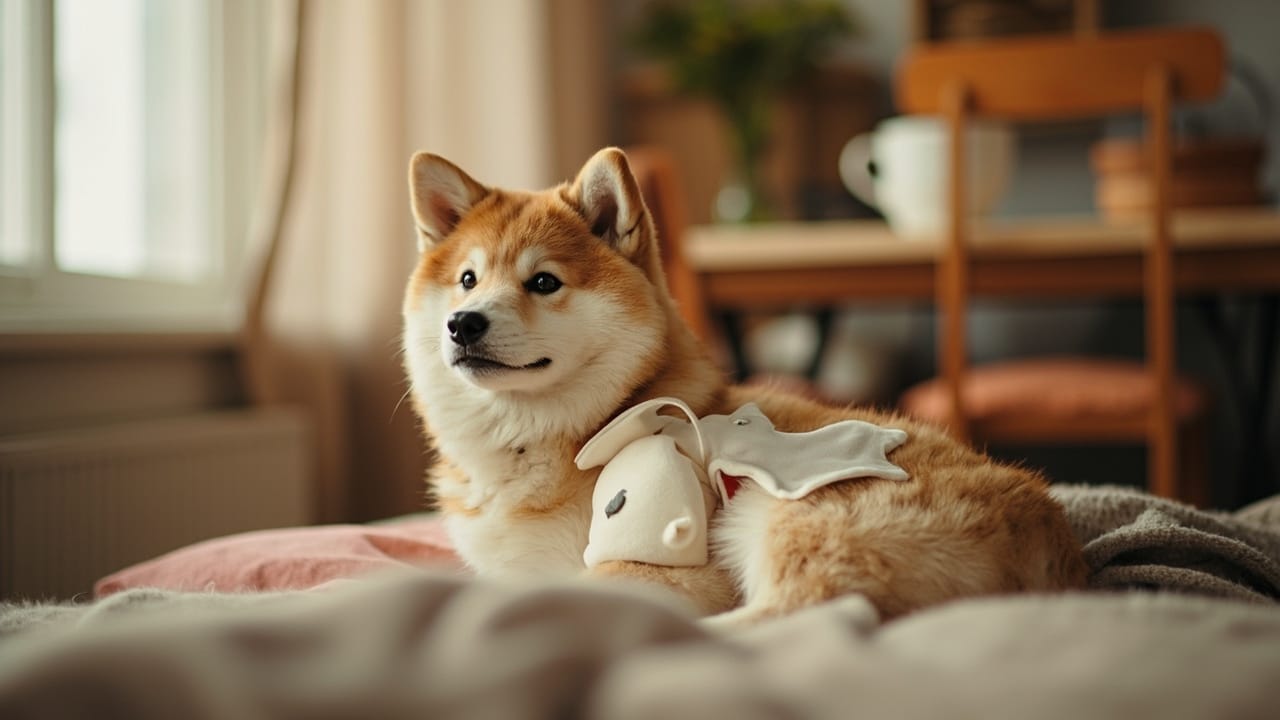
유럽 국가 간 시바견과 비행기 여행하기: 2024년 완벽 가이드
시바견은 대부분의 주요 항공사를 통해 EU 국가 간 항공기 캐빈(캐리어 포함 8kg 이하)으로 비행할 수 있으며, 더 큰 견종의 경우 IATA 규격 크레이트에 넣어 위탁 수하물 또는 화물로 운송할 수 있습니다. EU 반려동물 여권, 유효한 광견병 예방접종(최소 21일 경과), 그리고 광견병 예방접종 전에 이식된 마이크로칩이 필요합니다.
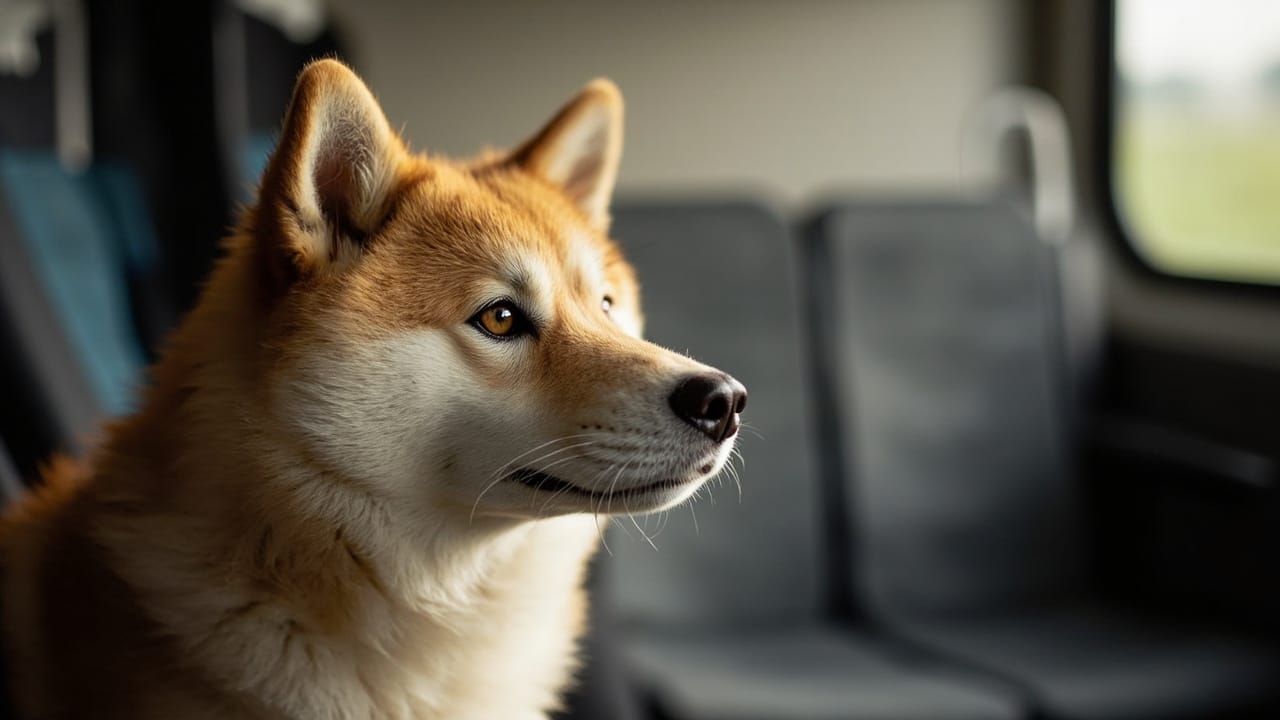
유럽 열차에 시바견을 데리고 탈 수 있을까? 규정, 비용, 팁
네, 대부분의 유럽 열차에서는 시바견을 데리고 탈 수 있지만, 국가와 운영 회사마다 규정이 다릅니다. 시바견처럼 중소형 견종(8–10kg)은 보통 입마개와 할인된 반려동물 티켓(보통 €5–€15)이 필요하며, 일부 운송사는 더 큰 펫 동반 전용 칸을 의무화하기도 합니다. 항상 해당 운영사의 정책, 예방접종 기록, 그리고 이동 중 시바견의舒适함을 꼭 확인하세요.
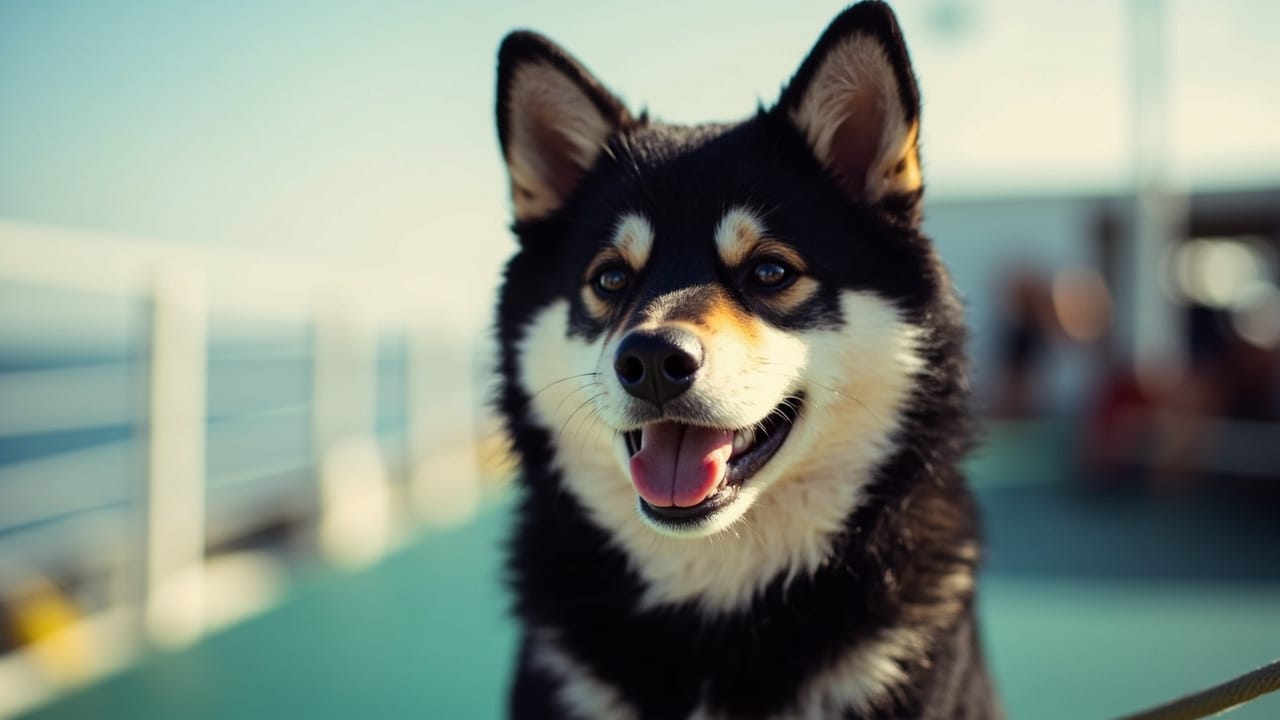
유럽 페리에서의 시바견: 항공사별 반려동물 규정 (2025 가이드)
대부분의 주요 유럽 페리 회사들은 시바견이 줄에 묶여 있거나 캐리어에 들어가 있고, 최신 EU 반려동물 여권을 소지하고 있으며, 사전 예약이 되어 있다면 탑승을 허용합니다. 규정은 노선과 객실 선택에 따라 다릅니다. 일부 항사는 반려동물 동반 가능 객실, 지정된 켄넬, 또는 야외 갑판에서만 강아지를 허용하는 반면, 특정 항해에서는 반려동물을 완전히 거부하는 항공사도 있습니다.
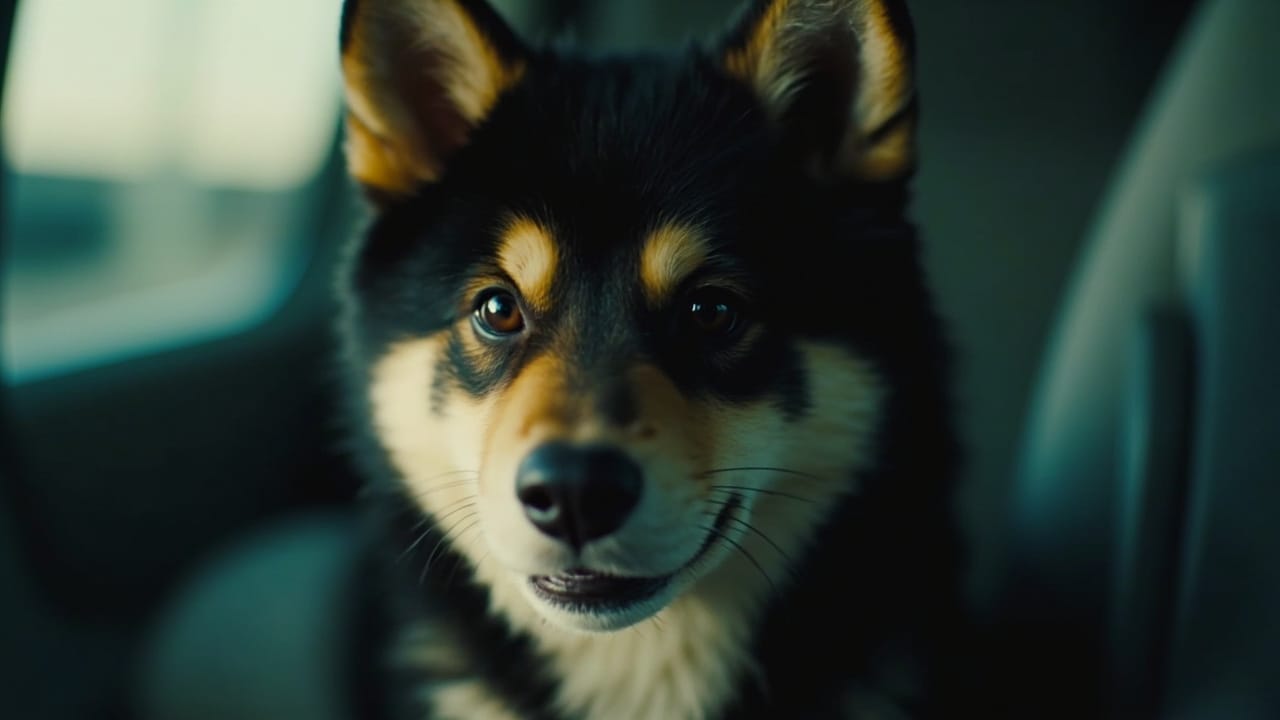
시바견과 유로터널 이용하기: 종합 가이드
시바견(Shiba Inu)은 유로터널(LeShuttle)을 통해 반려동물 동반 차량으로 편도 약 £20~£40에 이용할 수 있습니다. 반드시 마이크로칩, 유효한 EU/UK 반려동물 여권 또는 동물건강증명서(AHC), 그리고 영국 입국 시 구충 치료를 받아야 합니다. 반려동물 동반 차량을 예약하고 60~90분 일찍 도착하면 원활한 통과가 가능합니다.
시바견에게 유럽 내 여행을 위해 어느 시기에 촌충 구제 치료가 필요한가요?
EU 반려동물 여행 규정은 영국, 아일랜드, 핀란드, 몰타, 노르웨이로 입국할 때에만 개에 대한 촌충 구제 치료를 요구합니다. 유럽 대륙의 대부분의 지역에서는 법적으로는 시바견에게 촌충 구제 치료가 필요하지 않지만, EU 반려동물 여권 발급을 위한 수의사 진료는 여전히 필요합니다.
시바견 EU 여행 규정: 마이크로칩 & 광견병 예방접종 (2025 가이드)
비EU 국가에서 시바견을 EU로 데리고 들어오려면, 개체에 광견병 예방접종을 실시하기 전에 ISO 15자리 마이크로칩을 이식해야 하며, 칩 이식 이후에 실시한 유효한 광견병 예방접종 증명서와, 입국 10일 이내에 USDA 공인(또는 이에 준하는) 수의사가 발급한 EU 건강 증명서가 반드시 있어야 합니다. 강아지는 EU 입국 시점에 최소 15주 이상이어야 합니다.
EU 반려동물 여권 2026년 변경 사항: 시바견 소유자가 반드시 알아야 할 내용
EU가 2026년 반려동물 여행 규정을 개정하여, EU 비가입국에서 EU로 재입국하는 모든 개는 새로운 EU 보건 데이터 공간 / Regulation (EU) 2024/1183 체계에 따라 지정된 여행자 입국장(Travellers' Points of Entry, TPE)을 통해서만 입국해야 합니다. 시바견 소유자는 여전히 광견병 항체가 기준, 마이크로칩 규격, 그리고 개정된 AHC 또는 EU 보건 증명서 취득 요건을 충족해야 합니다. 치료 시기를 미리 잘 계획하고, 국경에서 반려동물이 거부되지 않도록 승인된 수의사만 이용해야 합니다.
시바견을 위한 EU 반려동물 여권 vs 동물건강증명서: 알아야 할 사항
네, 시바견이 EU로 입국하거나 EU 내에서 이동하려면 서류가 필요하지만, 어떤 서류가 필요한지는 출발지에 따라 다릅니다. EU 반려동물 여권은 이미 EU 회원국에 거주하는 동물에게만 발급되며, EU 외부(미국, 영국, 캐나다 포함)에서 입국하는 여행자는 입국 전에 USDA 또는 정부 공인 수의사가 발급한 동물건강증명서(AHC)를 받아야 합니다.
시바견 동물건강증명서(AHC): EU/UK 여행 가이드
동물건강증명서(AHC)는 미국과 같은 비지정 국가에서 시바견을 영국 또는 EU로 반입할 때 필요한 수의사가 발급하는 공식 문서입니다. 미국 농무부(USDA)가 공인한 수의사와 입국일 기준 10일 이내에 예약해야 하며, 이 증명서는 EU 1회 입국과 EU 내 10일의 추가 이동, 그리고 그레이트브리튼 재입국 전에만 유효합니다.
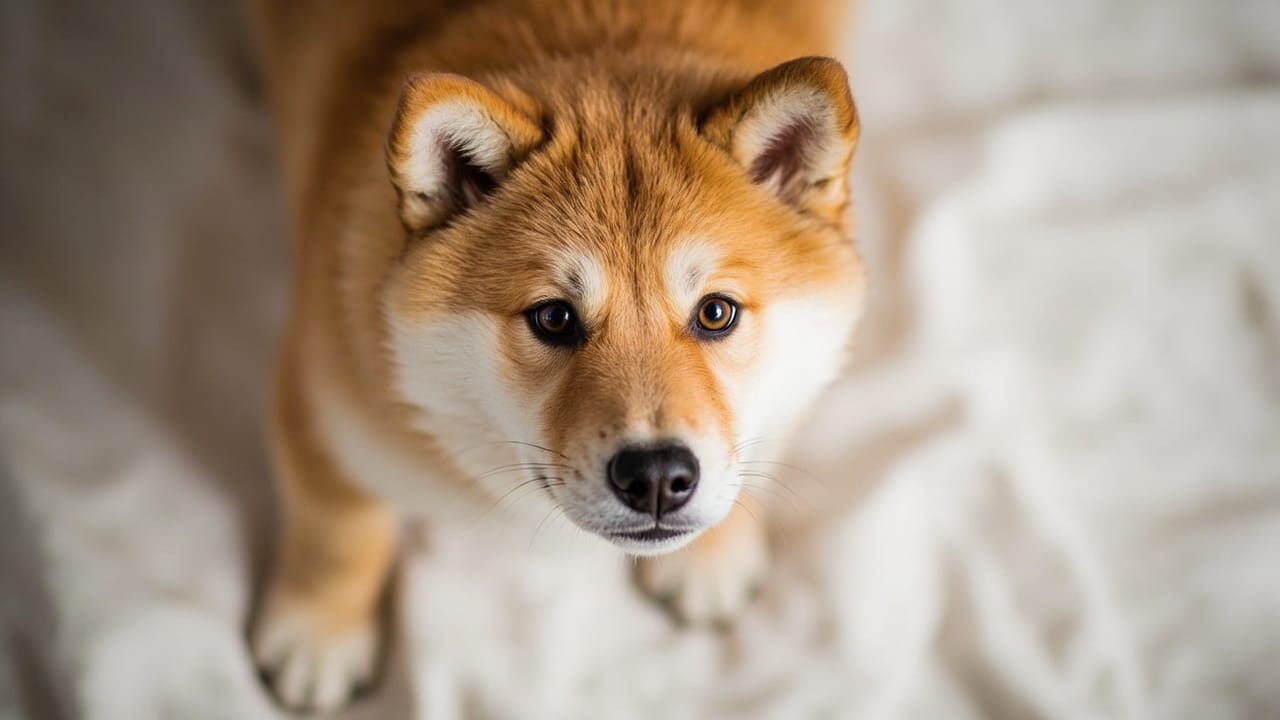
시바견을 북아일랜드로 데려갈 때 반려동물 여행 서류가 필요한가요?
네, 시바견을 그레이트브리튼에서 북아일랜드로 데려가려면 EU 반려동물 여권 또는 동물건강증명서(AHC)가 필요합니다. 북아일랜드는 영국의 일부이지만 반려동물 여행 규정에 따라 별도의 국가로 취급되기 때문입니다. 이동 전에 시바견에게 마이크로칩을 이식하고 광견병 예방접종을 해야 합니다. 올바른 서류가 없으면 반려견의 입국이 거부되거나 검역소에 격리될 수 있습니다.
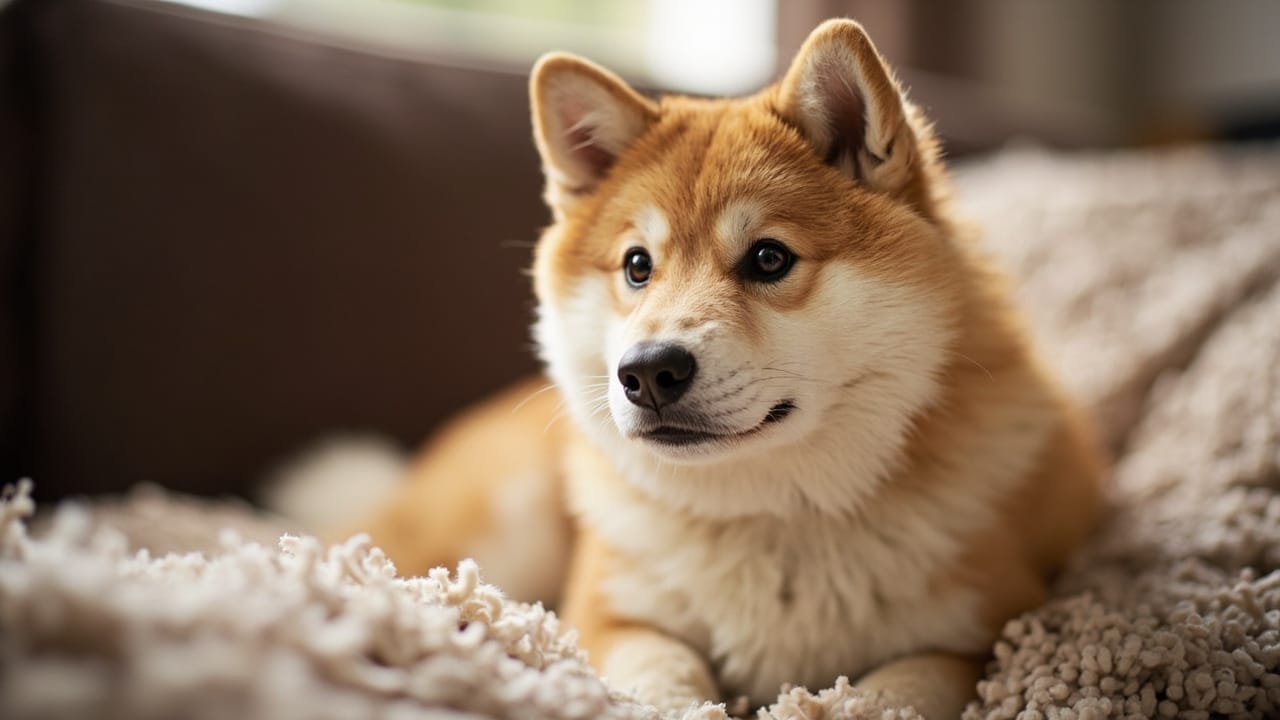
브렉시트 이후 영국에서 EU로 시바견을 데리고 갈 때 필요한 서류
EU에서 발급한 반려동물 여권(pet passport)이나 영국의 공인 수의사(Official Veterinarian)가 발급한 동물건강증명서(AHC, Animal Health Certificate), 개가 12주 이상 된 후 접종하고 여행 최소 21일 전에 맞은 유효한 광견병 예방접종 증명서, 그리고 ISO 11784/11785 기준에 맞는 작동하는 마이크로칩이 필요합니다. 개는 EU의 승인된 여행자 입국 경로(approved travellers' point of entry)를 통해 입국해야 합니다.
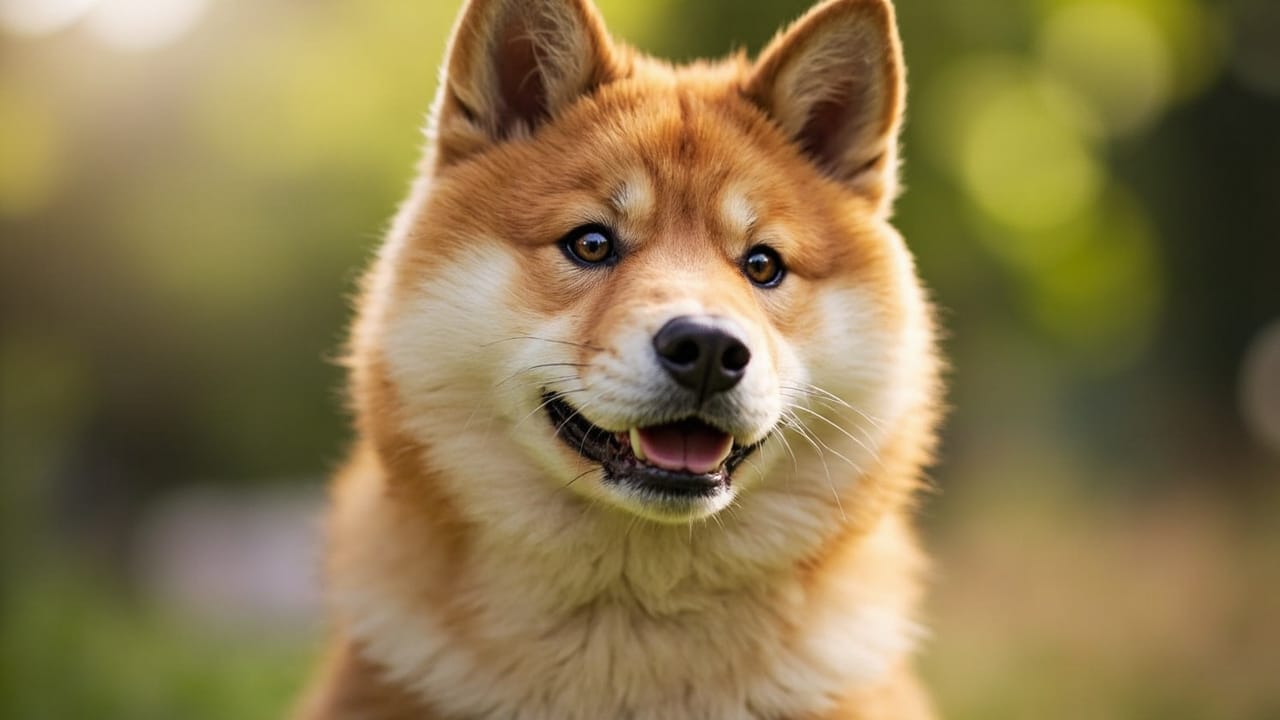
영국에서 시바견(KC) 인증 브리더 찾기
영국 켄넬 클럽(Kennel Club)의 온라인 'Find a Puppy' 및 'Find an Assured Breeder' 디렉터리를 검색한 다음, 각 브리더를 영국 시바견 클럽(UK Shiba Inu Club)의 추천 브리더 목록과 대조하여 확인하세요. 반드시 어미와 함께 강아지를 직접 볼 것을 요구하고, 입금하기 전에 KC 등록 서류, 건강 검진 기록, 그리고 서면 계약서를 요청하세요.
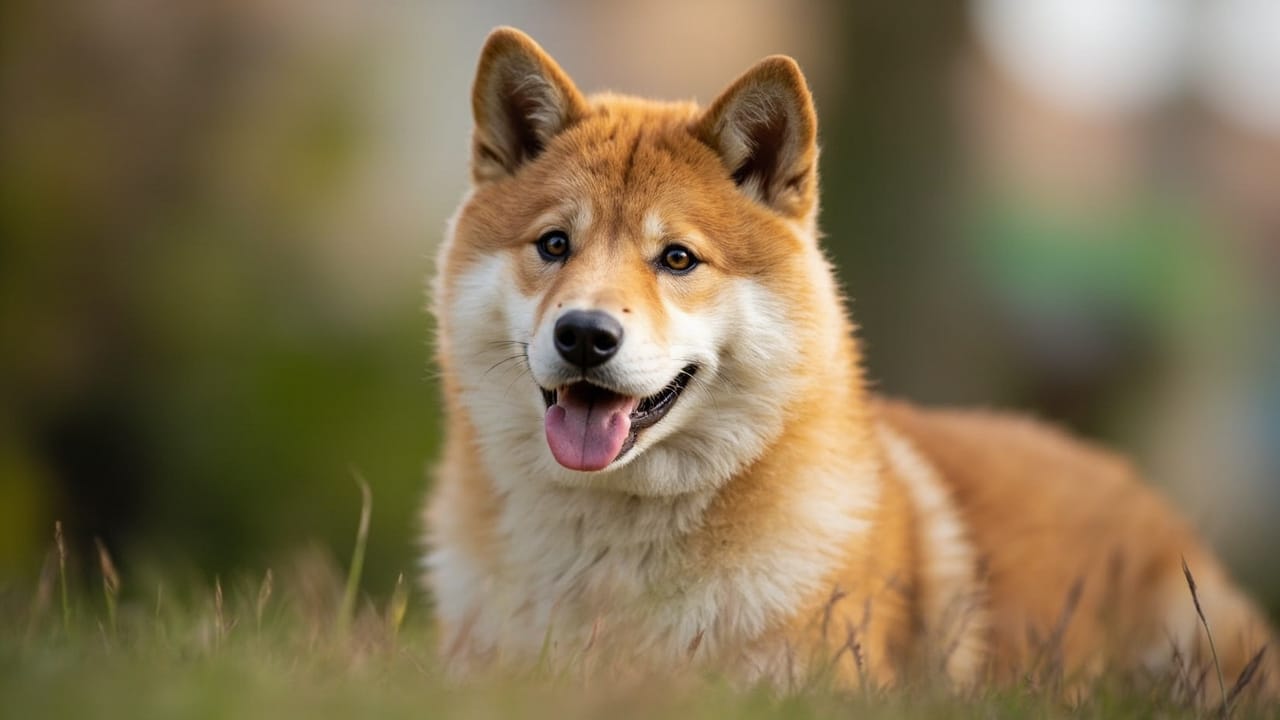
영국 Kennel Club에 시바견 등록하기: 완벽 가이드
시바견을 영국 Kennel Club(KC)에 등록하려면, 먼저 브리더가 litter(동일 부모에서 태어난 자견 한 무리)를 등록해야 하며, 이후 자견의 등록 증명서를 받고 본인 명의로 소유권을 이전해야 합니다. Litter 등록은 자견이 6개월이 되기 전에 KC의 MyKC 포털을 통해 온라인으로 신청해야 하며, 자견을 데려온 후 소유권 이전 절차를 진행하면 됩니다.
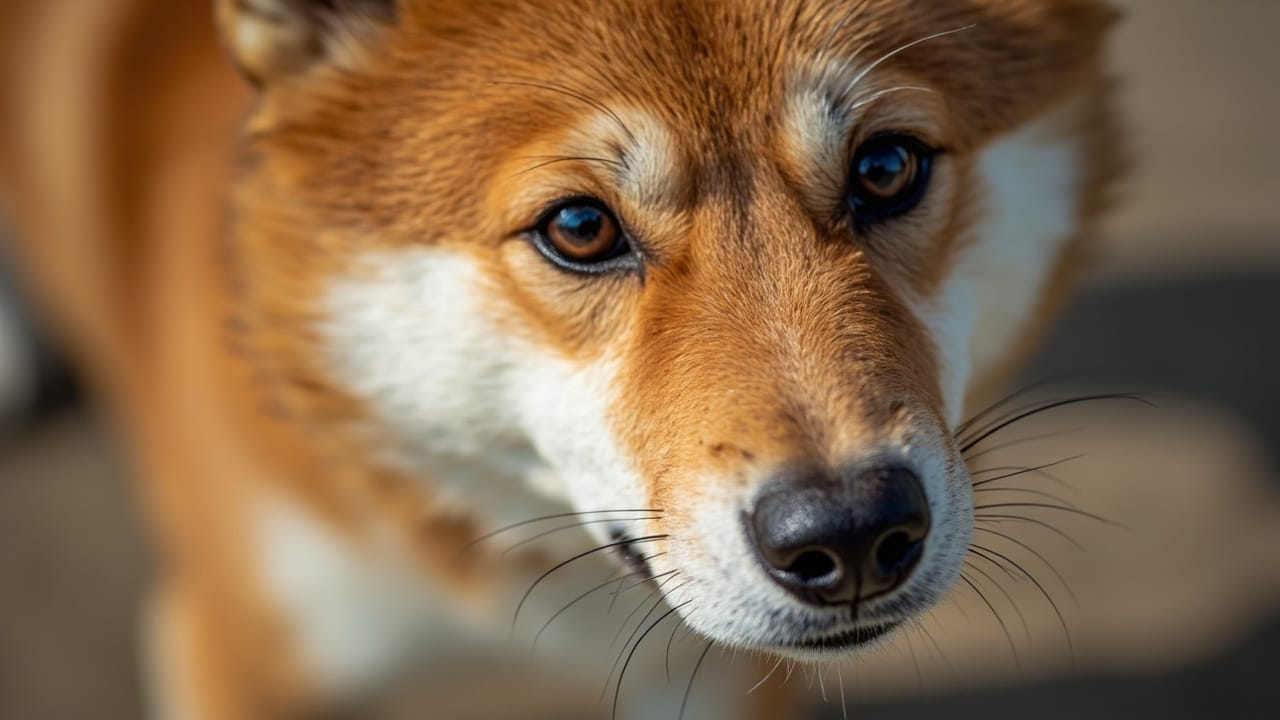
시바견과 프랑스의 위험견 관련 법률: 보호자가 반드시 알아야 할 사항
아닙니다. 시바견은 프랑스의 위험견 관련 법률의 적용을 받지 않습니다. 2008년 법령 및 2024년 개정안에 따르면, 아메리칸 스태퍼드셔 테리어, 로트와일러, 도사(Tosa) 유형의 개만 카테고리 1 또는 2로 분류됩니다. 시바견은 프랑스에서 품종별 제한, 입마개 착용 의무, 특별 허가 의무의 적용을 전혀 받지 않습니다.
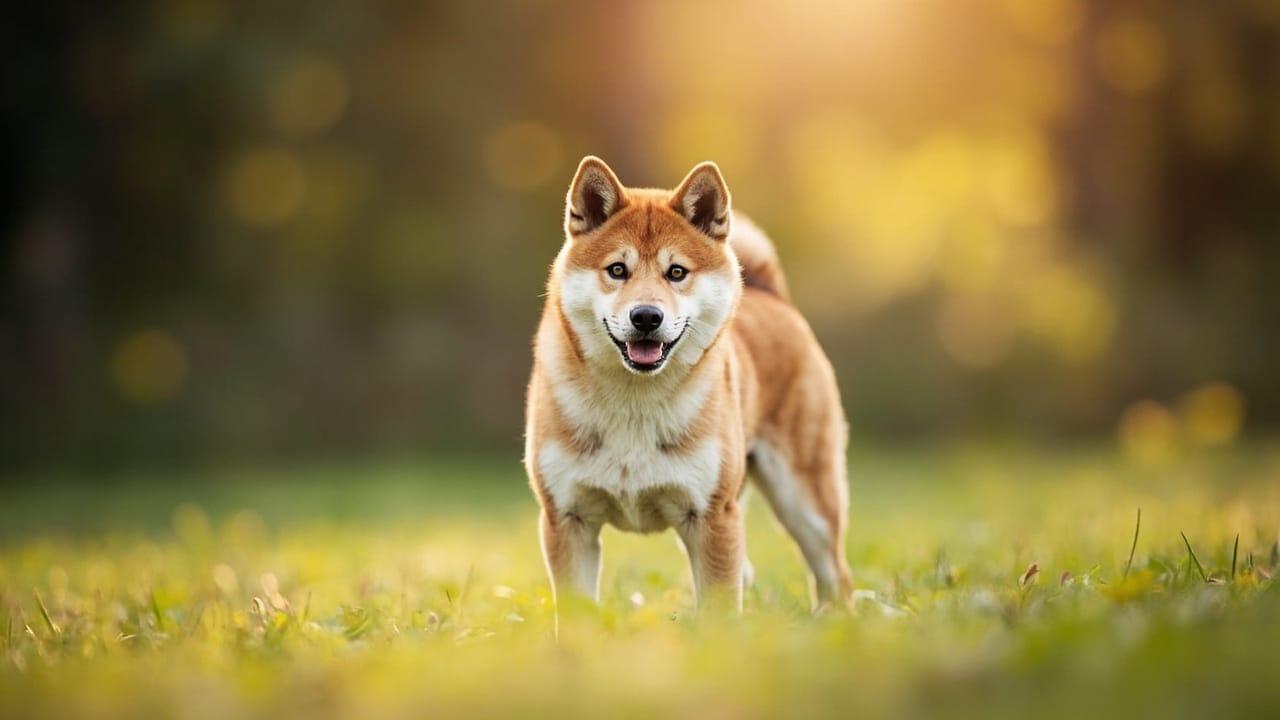
프랑스에서 시바견의 LOF 등록: 완전한 구매자 가이드
LOF(Livre des Origines Français)는 프랑스의 공식 혈통 등록부로, 프랑스 중앙애견협회(Société Centrale Canine, SCC)에서 관리합니다. 시바견에게 LOF 등록은 강아지가 검증된 조상을 가진 순종임을 확인해 주며, 이는 사기로부터 사용자를 보호하고 책임 있는 번식을 지원하며, 만약 언제든 강아지를 번식시키거나 쇼에 출전할 계획이 있다면 필수입니다.
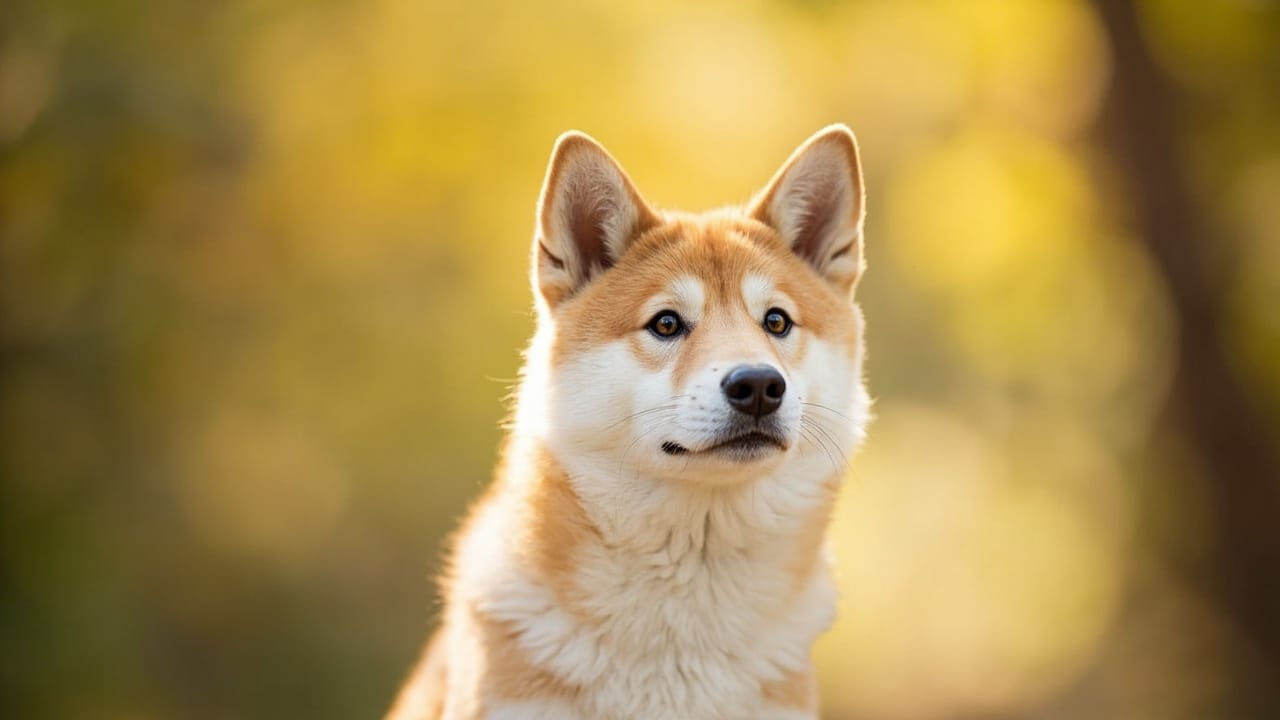
프랑스 I-CAD 데이터베이스에 시바견 등록하는 방법 (단계별 안내)
프랑스의 모든 시바견은 I-CAD(Fichier National d'Identification des Carnivores Domestiques) 데이터베이스에 등록되어야 하며, 보통 수의사가 주입하는 마이크로칩을 통해 이루어집니다. 수의사가 칩 번호를 직접 I-CAD로 전송하면, 보호자는 carte d'identification(신분증)을 받게 되며, 이후 주소나 소유자 변경 사항은 i-cad.fr을 통해 온라인으로 신고해야 합니다.
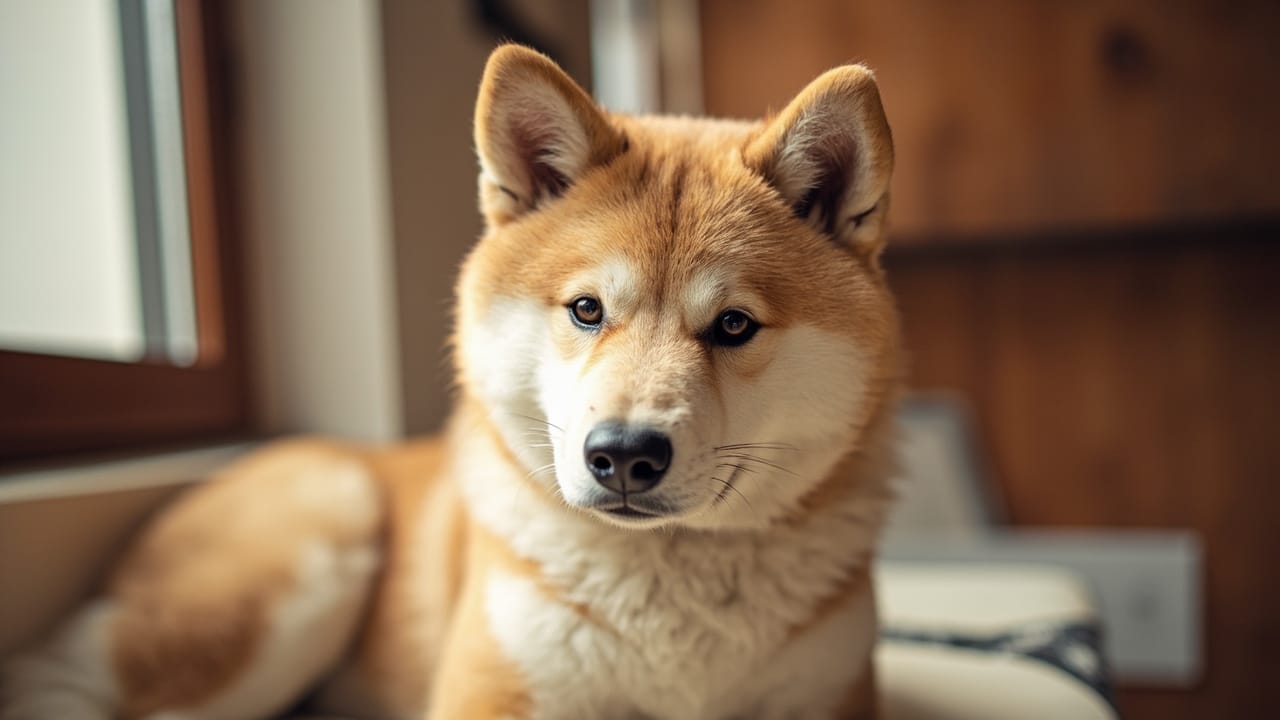
시바견은 독일에서 제한되는 품종인가요? 품종 관련 법규를 정리해 드립니다
시바견은 독일에서 제한되거나 목록에 등재된 품종이 아닙니다. 16개 연방주(바이에른, 노르트라인-베스트팔렌, 니더작센 등 품종별 입법(Listenhund법)이 시행되는 지역 포함) 모두에서 사육이 합법적입니다. 시바견을 키우는 데 따른 특별한 허가, 입마개, 표준 규정을 초과하는 길이 이상의 리드줄 등의 요구 사항은 없습니다.
독일에서 TASSO vs. 핀데픽스: 시바견 등록은 어디에 해야 할까?
독일에서 시바견을 입양한 직후, TASSO와 핀데픽스 양쪽 모두에 등록하세요. 이중 등록 비용은 거의 들지 않고 등록 시간도 몇 분이면 충분하지만, 반려견이 길을 잃거나 도난당하거나 탈출했을 때 시바견으로 다시 돌아올 가능성을 크게 높여줍니다.
독자배상책임보험은 독일에서 시바견에게 의무사항인가요?
아닙니다. 독일 연방법 기준으로 시바견에 대한 독자배상책임보험(Hundehaftpflicht)은 의무가 아닙니다. 그러나 일부 독일 연방주(Bundesländer)에서는 모든 개 또는 위험견 목록에 오른 개에 대해 책임보험 가입을 요구하며, 시바견은 일반적으로 비지정견종으로 분류됩니다. 또한 많은 임대인, 공동주택협회, 개 훈련소에서는 실용적인 조건으로 보험 가입을 요구합니다.
시바견이 독일에서 Hundeführerschein(개 면허증)이 필요한가요?
아니요, 시바견(Shiba Inu)은 독일의 어떤 제한 목록에도 포함되어 있지 않으므로 의무적으로 Hundeführerschein이 필요하지 않습니다. 하지만 여러 독일 주(Bundesländer)와 시·군에서는 자발적인 반려견 면허 시험을 도입했으며, 전국적으로 책임감 있는 사육이強く 권장됩니다. 여행이나 이주 시에는 주와 시에 따라 규정이 달라집니다.
독일의 시바견(Hundesteuer) 세금: 얼마나 내야 할까 (2024 가이드)
독일의 시바견 소유자는 보통 연 €70–€180의 견세(Hundesteuer)를 지자체에 따라 납부합니다. 일부 도시는 시바견을 잠재적 위험 견종으로 분류하여 연간 €400–€900까지 세금을 올리거나, 심지어 등록 자체를 거부하기도 합니다. 등록 전에 해당 지역 규정(Satzung)을 반드시 확인하세요.
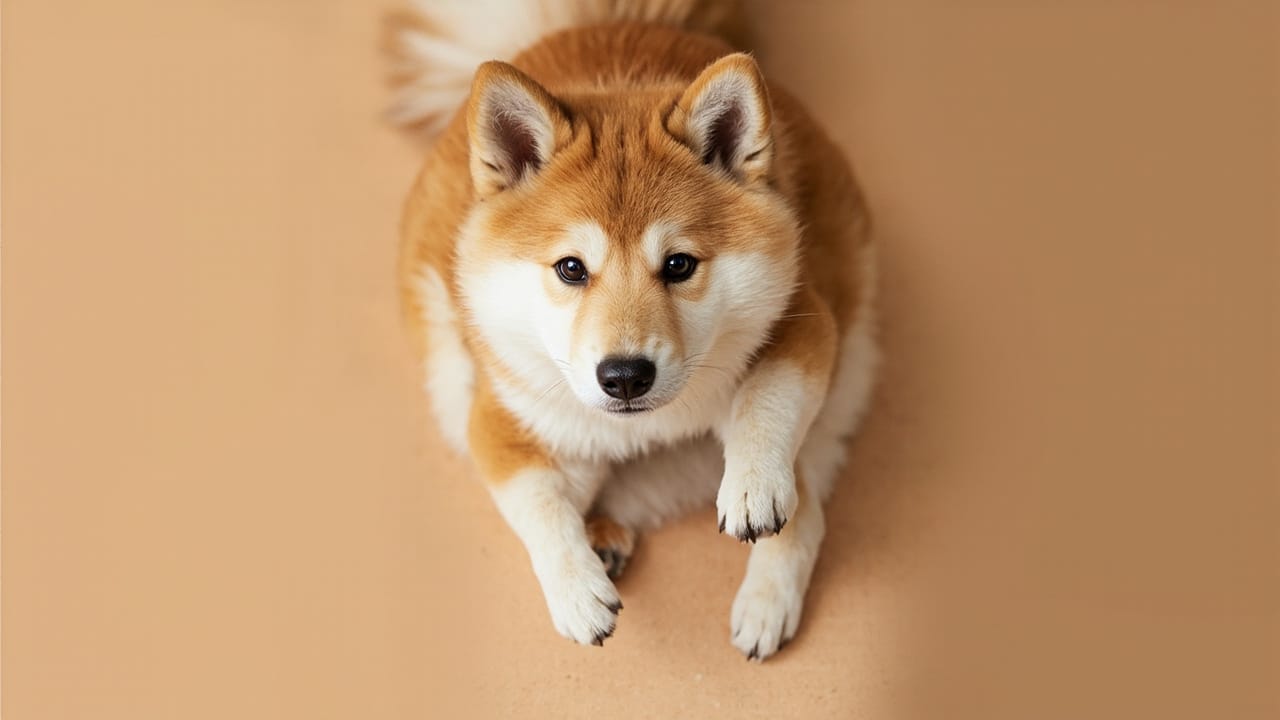
이탈리아에서 시바견 마이크로칩 등록하기: 아나그라페 카미나 요건
네, 이탈리아에서는 시바견을 포함해 모든 개체에 마이크로칩 등록이 의무입니다. 모든 개체는 3개월령 이전 또는 입양일로부터 30일 이내에 지역 아나그라페 카미나(Anagrafe Canina) 데이터베이스에 등록되어야 하며, 마이크로칩 번호, 소유자 정보, 수의학적 정보가终生 보관됩니다.
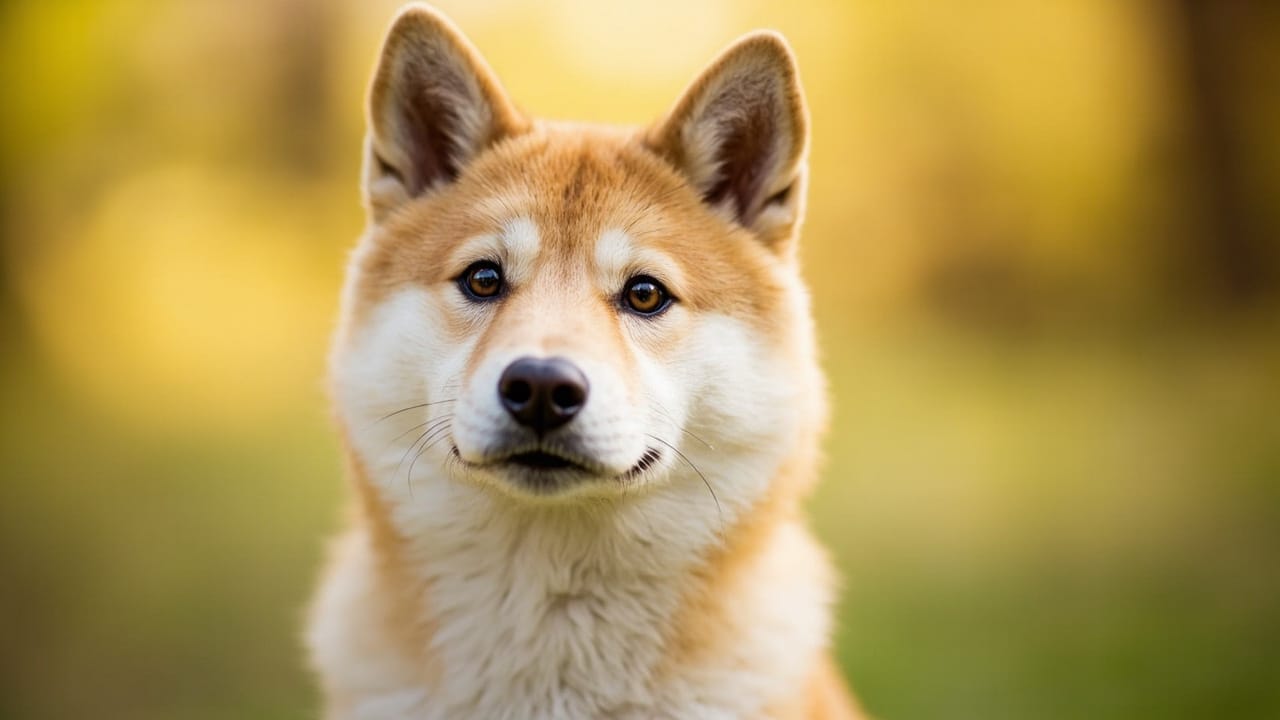
포르투갈 SIAC 데이터베이스에 시바견 등록하기: 종합 가이드
포르투갈의 모든 개는 시바견을 포함하여 SIAC(Sistema de Identificação de Animais de Companhia) 등록이 의무입니다. 브리더가 강아지를 데려오기 전에 미리 마이크로칩을 삽입하고 등록해야 하며, 이후 면허를 가진 포르투갈 수의사, 공인 시청(Câmara Municipal), 또는 SIAC 온라인 포털(sIAC.pt)을 통해 소유권을 이전해야 합니다. SIAC 등록이 없으면 시바견을 합법적으로 소유, 운송, 판매하거나 유럽 반려동물 여권을 받을 수 없습니다.
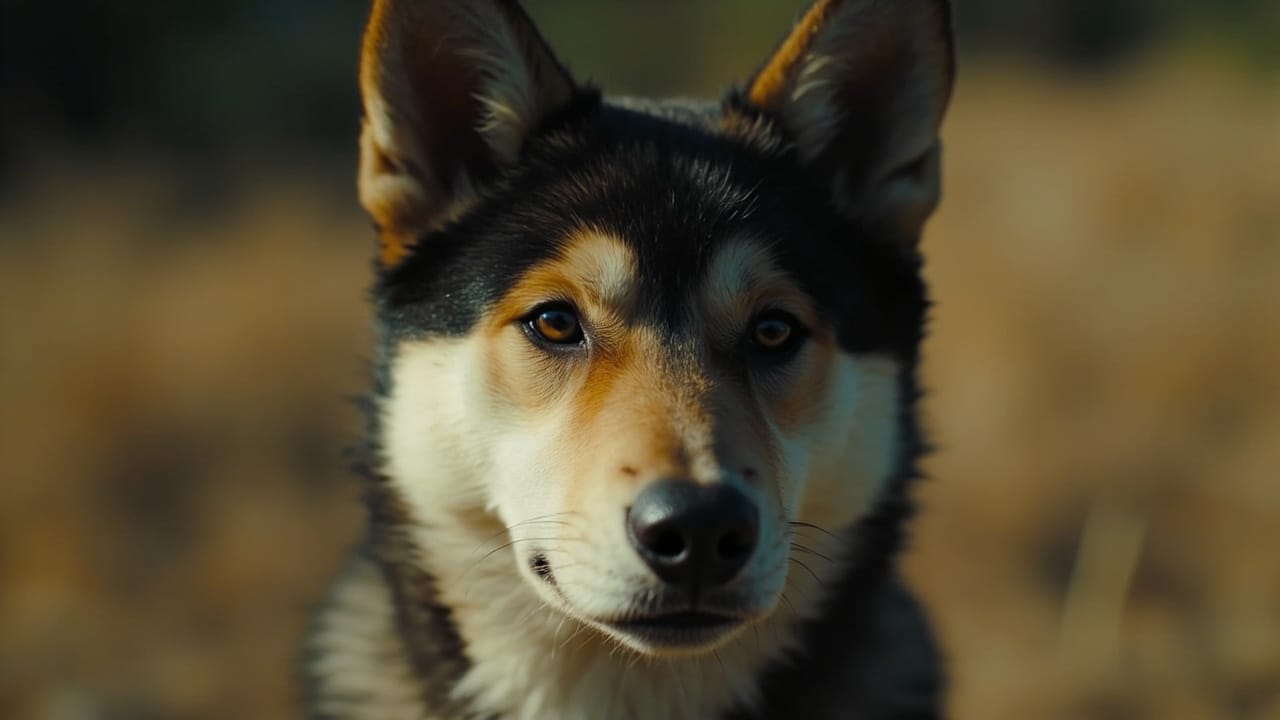
그리스 여름 동안 시바견을 시원하게 유지하는 법: 종합 가이드
시바견은 네 가지 핵심 요소를 관리한다면 그리스 여름 더위를 충분히 견딜 수 있습니다: 한낮에는 그늘과 에어컨이 있는 실내에서 휴식, 신선하고 시원한 물을 항상 제공, 이른 아침과 늦은 저녁에만 산책, 그리고 자동차 이동은 절대 금지. 이중 코트를 절대 미용하지 마세요. 이중 코트는 실제로 더위로부터 단열 역할을 합니다. 열사병 징후를 주의 깊게 살펴보세요: 과도한 헐떡임, 침흘림, 흐릿한 눈, 또는 쓰러짐.
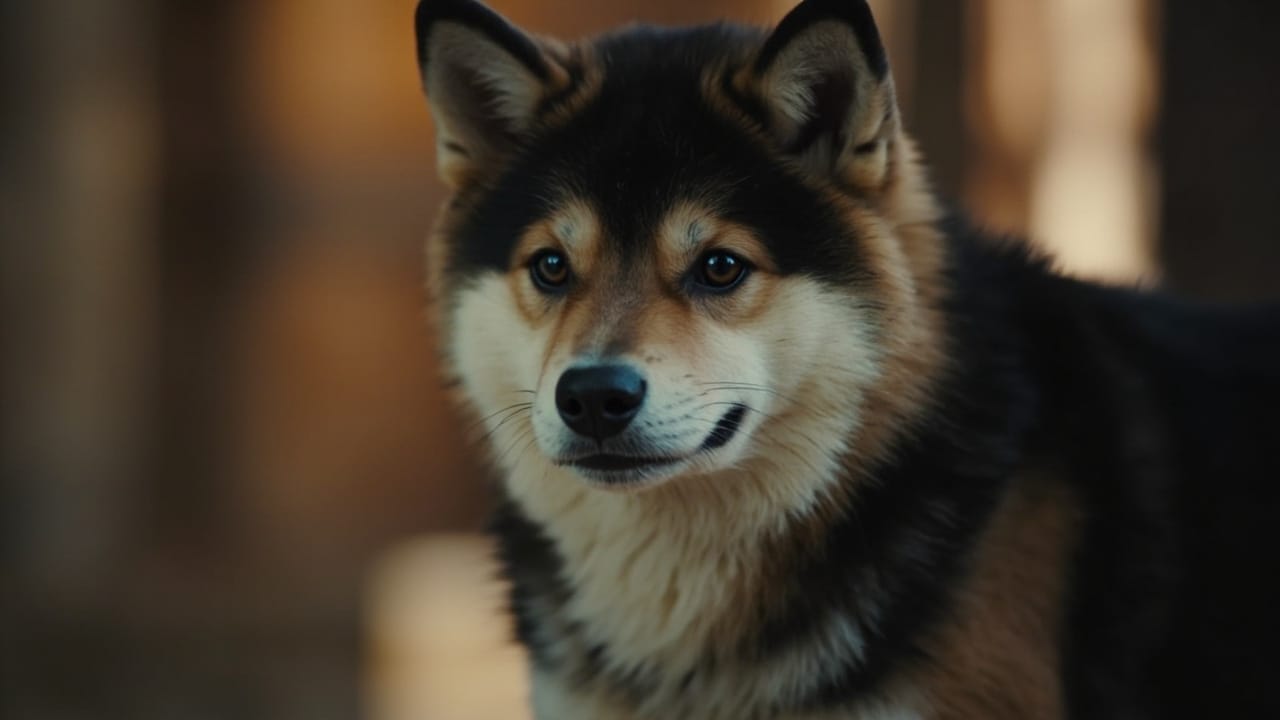
에스토니아, 라트비아, 리투아니아에서 시바견을 구입하는 방법
발트 3국에는 시바견 전용 브리더가 없기 때문에, 에스토니아, 라트비아, 리투아니아의 대부분의 구매자들은 폴란드, 핀란드, 독일, 러시아의 검증된 켄넬에서 강아지를 들여옵니다. 가장 안전한 방법은 FCI 국제 혈통 등록부를 이용하는 것으로, 이를 통해 puppy의 혈통과 브리더의 자격을 대금을 지불하기 전에 확인할 수 있습니다.
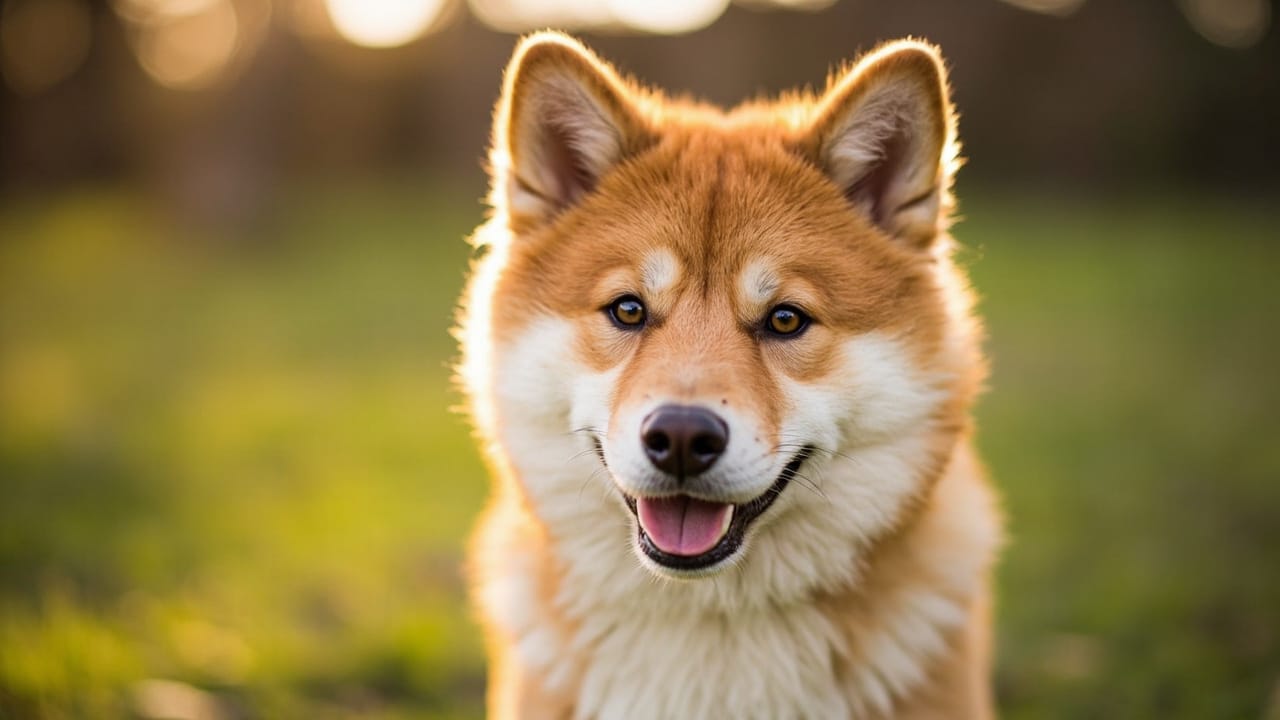
불가리아에서 시바견 브리더 찾는 방법: 2025 가이드 & 가격
불가리아에는 대규모 시바견 브리딩 씬이 없기 때문에 대부분의 구매자들은 검증된 유럽 kennels에서 강아지를 수입합니다. 건강 검진을 마른 애완견 품질 강아지 한 마리에 €1,500–€2,800(쇼 잠재력 있는 경우 €3,000–€4,000+), 그리고 운송, 수의사 검진, 불가리아 수입 서류에 €400–€700을 추가로 지불할 것으로 예상하세요. 입금하기 전에 반드시 브리더의 OFA/CHIC에 상응하는 검사 결과, FCI 혈통서, 모견 클럽 등록 여부를 확인하세요.
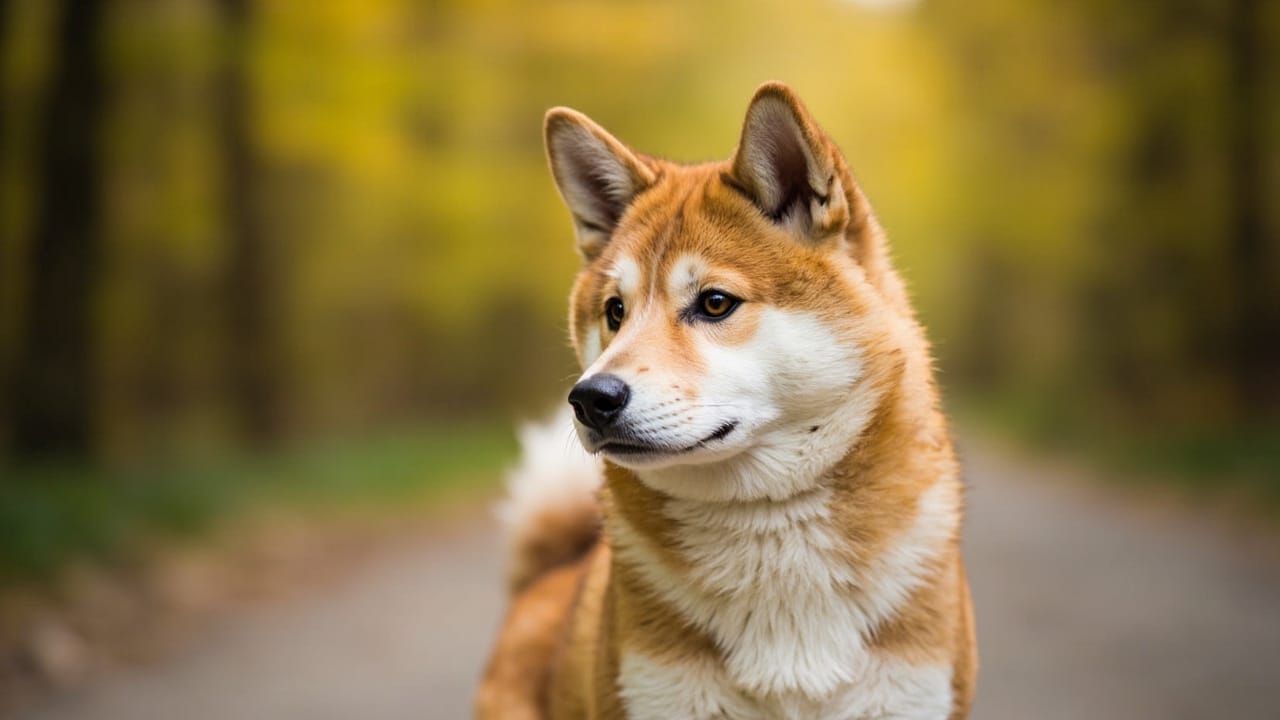
슬로베니아에서 시바견을 어디에서 살 수 있는가: 완전한 구매자 가이드
슬로베니아에는 FCI/SKD에 등록된 활성 시바견 브리더가 없으므로, 대부분의 구매자는 인근 EU 국가(체코, 슬로바키아, 폴란드, 독일, 이탈리아)의 검증된 켄넬에서 강아지를 들여오거나 국제 구조 네트워크를 통해 입양합니다. 건강 검사를 거친 EU 브리더로부터 반려 품질의 강아지를 데려오는 데 €1,400–€2,500, 여기에 운송비 €150–€400을 추가로 부담해야 합니다.
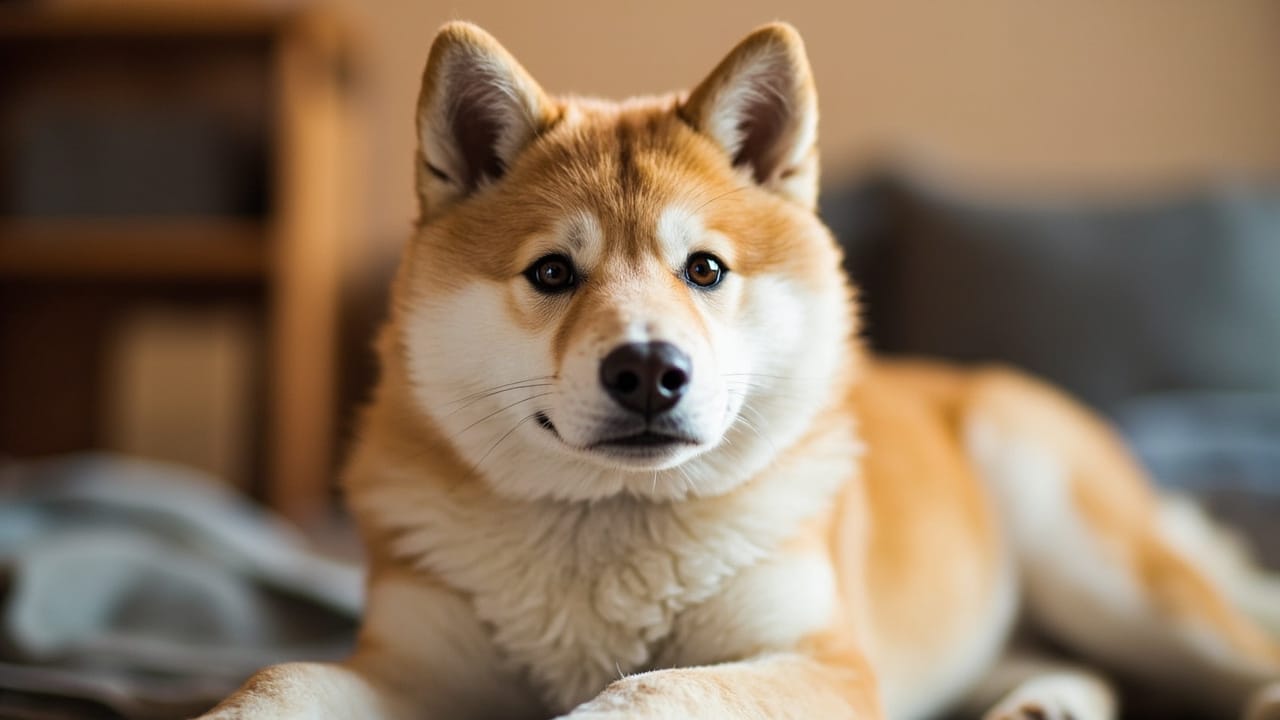
슬로바키아에서 시바견 브리더 찾기: 2025 가이드 및 비용
슬로바키아의 신뢰할 수 있는 시바견 브리더는 애완 품질의 강아지를 €1,800–€3,500에 판매하며, 쇼 또는 번식용 견종은 €4,000–€5,500에 달합니다. 반드시 FCI 등록, 건강 검사(고관절, 슬개골, 눈)를 확인하고, 결정하기 전에 브리더 시설을 직접 방문하세요. 윤리적인 브리더의 경우 6–18개월 대기 리스트를 예상해야 합니다.
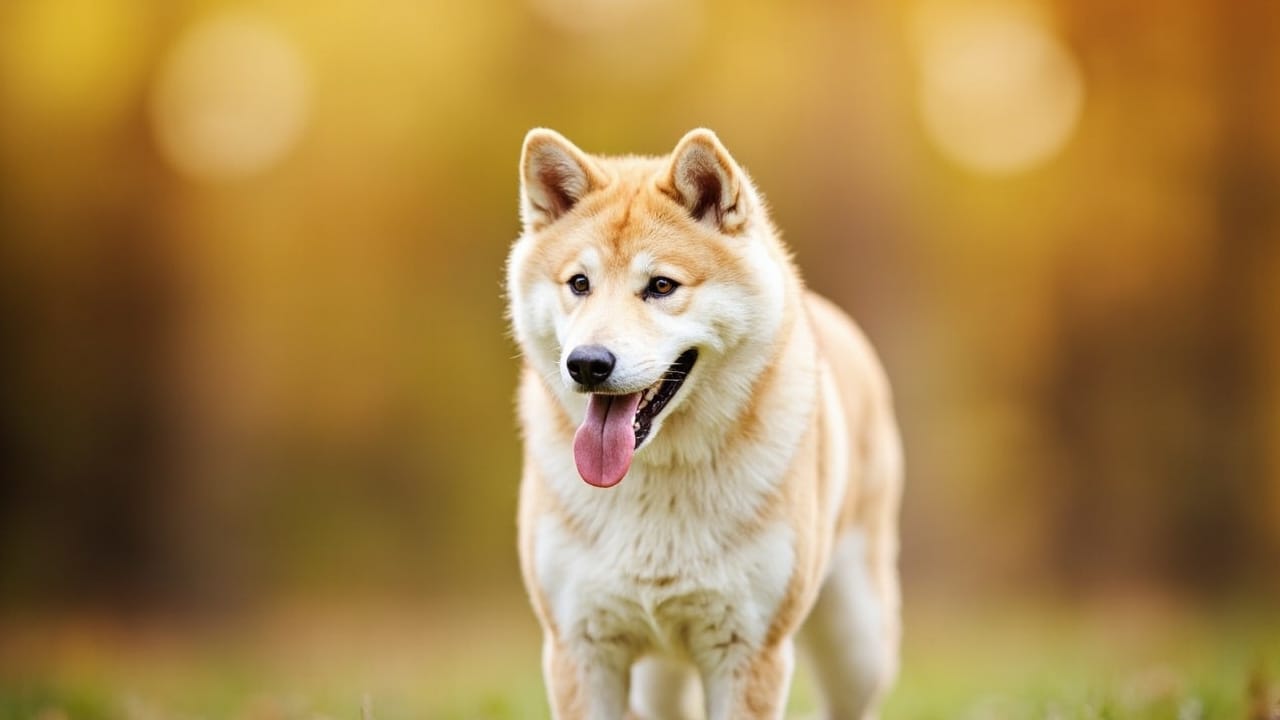
스웨덴 케넬클럽 시바견 브리더: Svenska Kennelklubben 완전 가이드
스웨덴 케넬클럽(Svenska Kennelklubben, SKK)은 skk.se에서 공식 브리더 디렉터리를 운영하며, 이곳에서 스웨덴의 공인된 시바견(Shiba Inu) 브리더를 검색할 수 있습니다. SKK 등록 브리더는 의무적인 건강 검사를 포함한 단체의 번식 윤리 규정을 준수해야 하므로, 스웨덴에서 건강하고 혈통이 등록된 시바견 새끼를 구매할 때 가장 안전한 출발점이 됩니다.
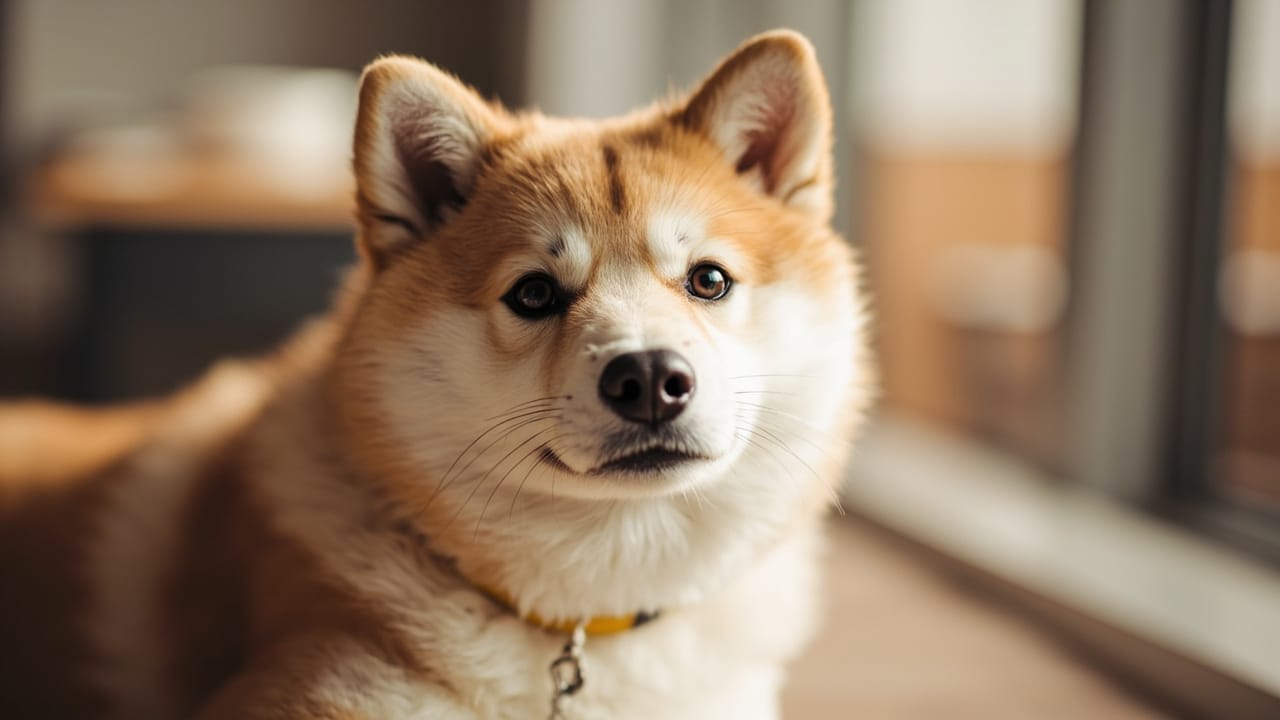
덴마크에서 시바견 구매하기: 브리더, 수입 및 등록 가이드
덴마크에서 시바견을 구매하려면 Dansk Kennel Klub (DKK)을 통해 등록된 브리더에게 연락하거나 유럽의 FCI 제휴 켄넬에서 강아지를 수입하세요. 구입 후에는 반드시犬에게 마이크로칩을植入하고, Danish Dog Registry (Dansk Hunderegister)에 등록해야 하며, 선택적으로 DKK/FCI에 혈통을 등록할 수 있습니다.
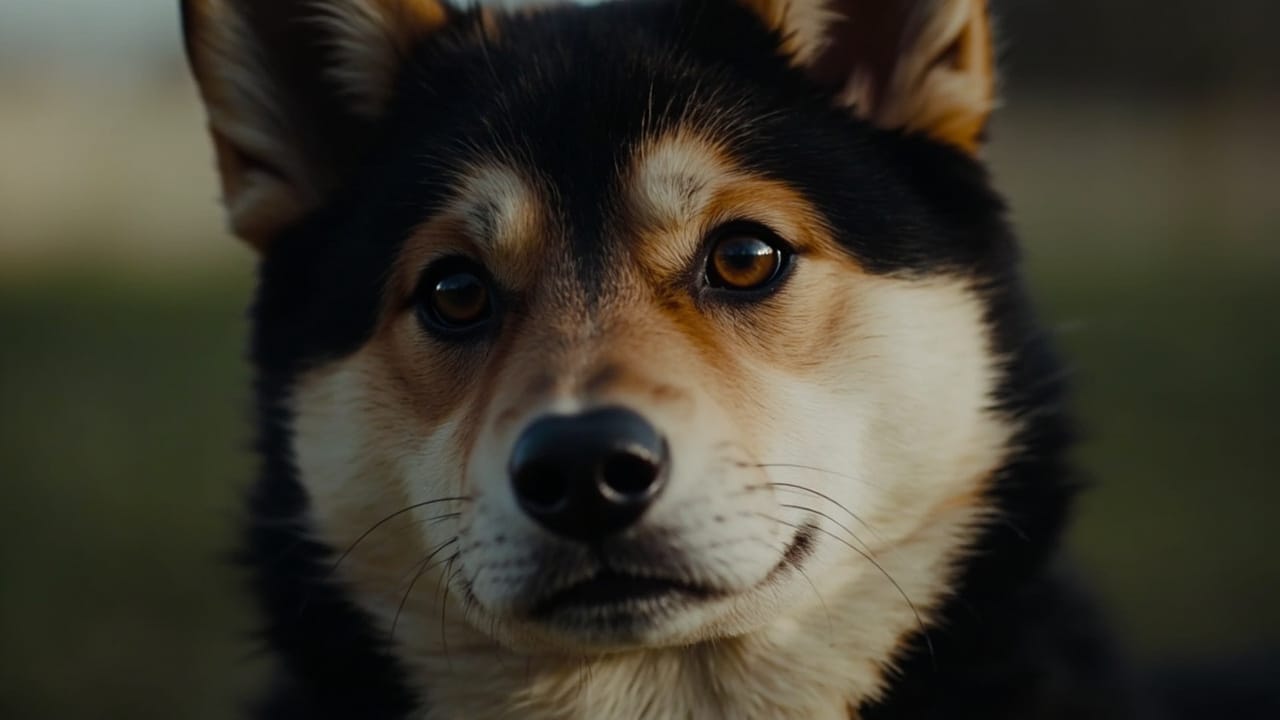
노르웨이 시바견 브리더: 신뢰할 수 있는 출처와 가격
노르웨이의 평판 좋은 시바견 브리더들은 반려동물 품질의 강아지를 15,000~30,000 NOK에 판매하며, 쇼 또는 번식 후보는 35,000~45,000 NOK에 달합니다. 대부분의 등록된 노르웨이 브리더들은 노르웨이 켄넬 클럽(NKK)과 품종 클럽을 통해 등록되어 있으며, 강아지는 보통 6~12개월 전에 예약됩니다.
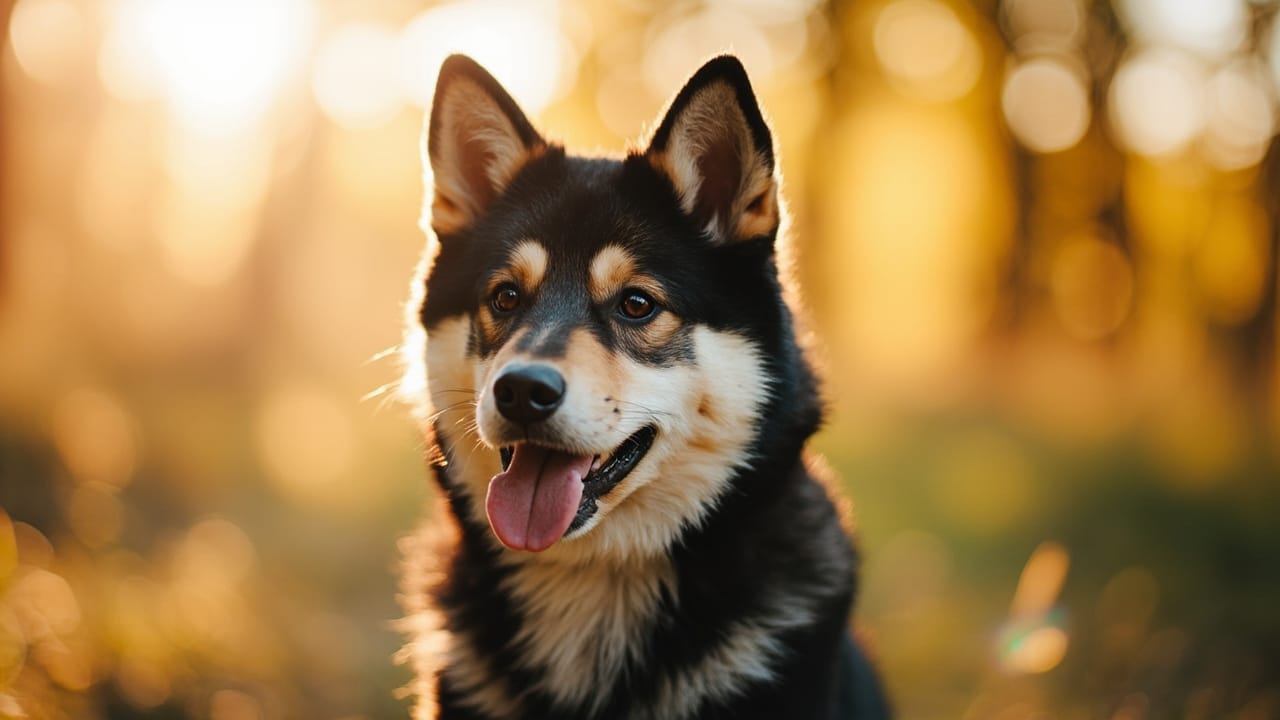
핀란드에서 시바견 사기: Suomen Shiba ry 브리더 가이드
Suomen Shiba ry는 핀란드의 공식 시바견(Shiba Inu) 품종 클럽이며, 책임감 있는 핀란드 브리더를 찾기 위한 가장 신뢰할 수 있는 채널입니다. 클럽의 퍼피 중개 담당자에게 연락하고, 클럽 행사에 참석하여 브리더를 직접 만나보며, 브리더가 JTO 번식 프로그램을 따르고 필수 건강 검진을 실시하는지 확인하고, 잘 계획된 새끼를 얻기까지는 여러 달을 기다릴 각오를 하세요.
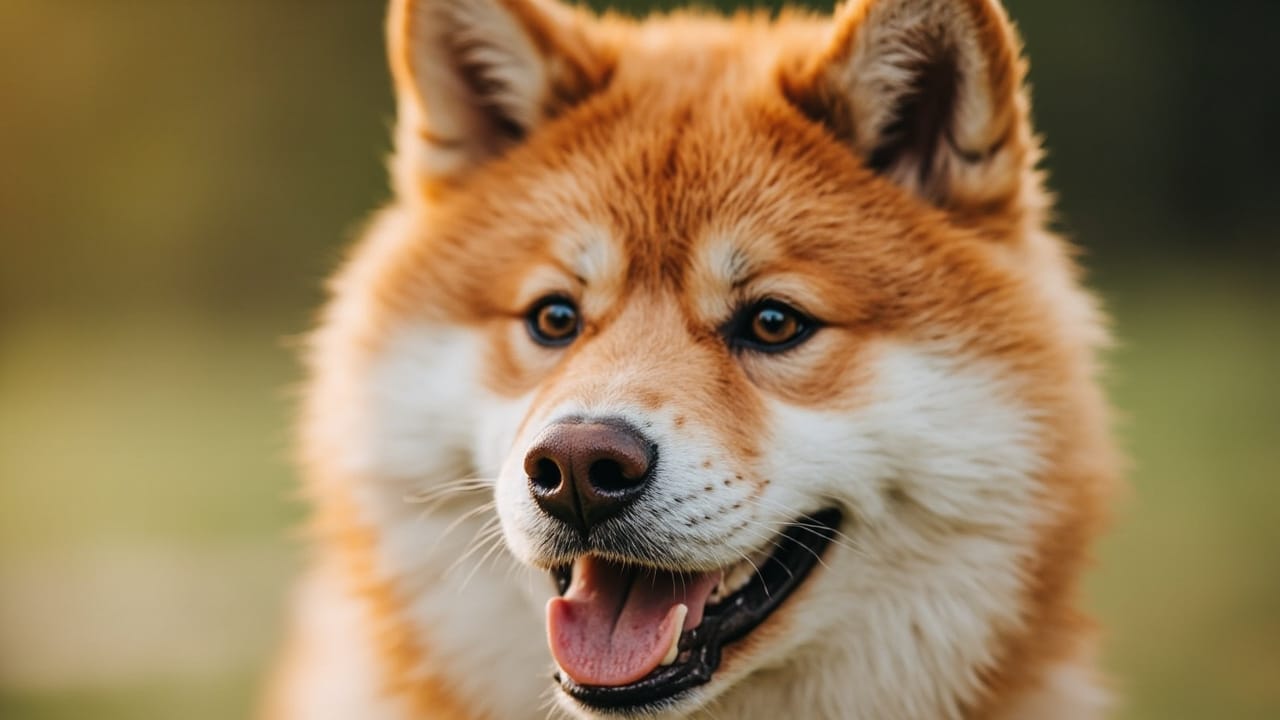
우크라이나에서 시바견 사기: 가격, 브리더 및 입양 (2025 가이드)
우크라이나에서 평판 좋은 브리더의 시바견 자견은 대략 30,000–80,000 UAH(~$750–$2,000 USD)이며, 수입 혈통의 쇼 퀄리티 dogs의 경우 120,000–200,000 UAH(~$3,000–$5,000)에 이를 수 있습니다. 구조대나 재가정 네트워크의 성견 시바는 일반적으로 5,000–20,000 UAH(~$125–$500)입니다. 결제 전에 반드시 브리더의 KSU/FCI 등록, 건강 검사, 자견 사육 환경을 확인하십시오.
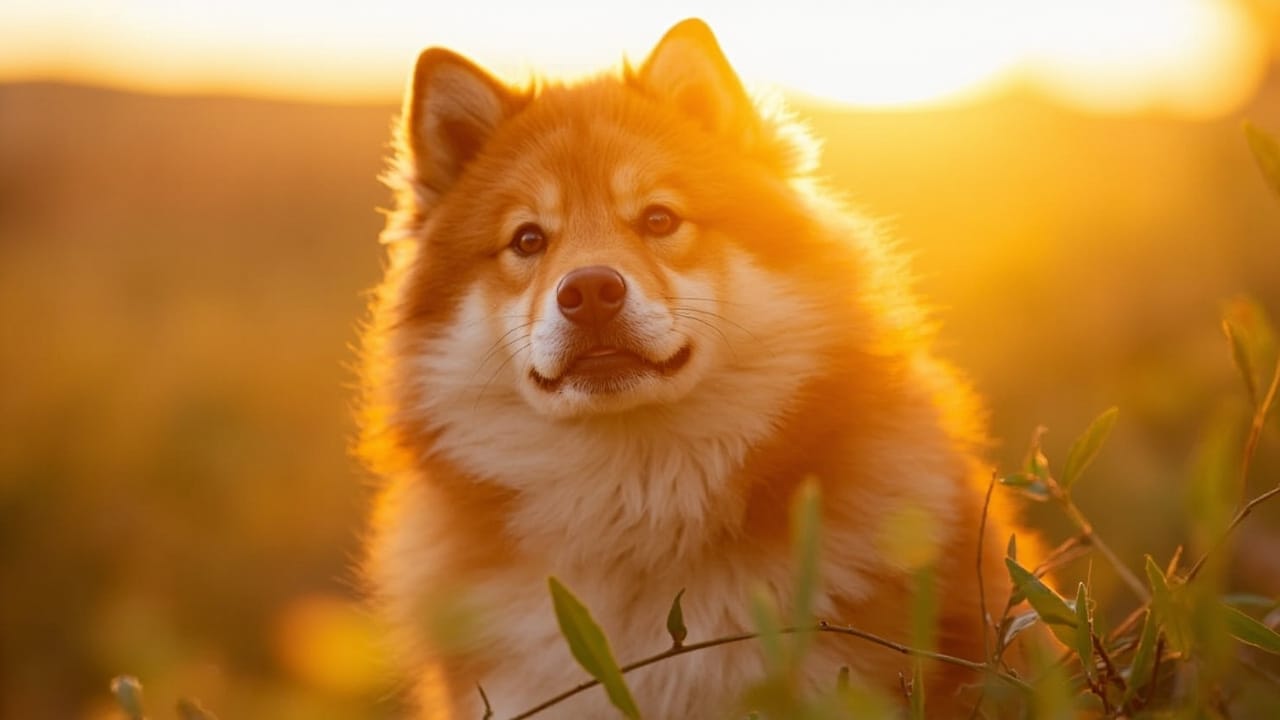
크로아티아에서 시바견 브리더를 찾는 방법 (2025 가이드)
현재 크로아티아에서 활동 중인 인증된 시바견 브리더가 없기 때문에, 대부분의 구매자들은 EU 공인 FCI 브리더로부터 강아지를 수입합니다 — 보통 세르비아, 헝가리, 이탈리아, 폴란드, 체코에서 들여옵니다. 4–12주의 대기 기간을 예상하고, 반려동물 수준의 강아지 가격으로 €1,500–€2,800를 예산에 잡고, 운송비 €150–€400를 추가하세요. 보증금을 송금하기 전에 반드시 FCI/Kinološki savez 등록, 부모견 건강 검사, 대면 또는 화상 방문을 확인하십시오.
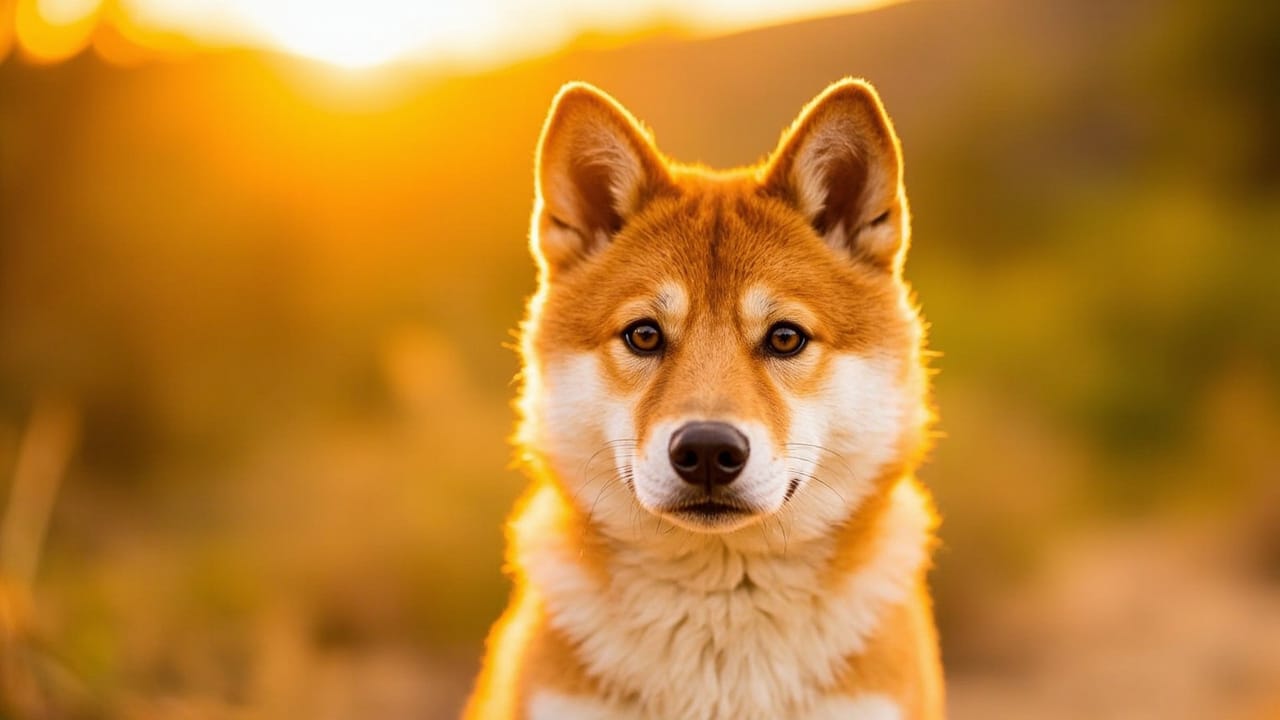
그리스에서 시바견 사기: 브리더, 비용, 그리고 알아두어야 할 것
그리스에서는 소수의 취미 브리더(주로 아테네와 테살로니키 주변)로부터 시바견을 구매하거나, 유럽의 공인된 켄넬에서 수입할 수 있습니다. 건강 검사를 거친 부모로부터 태어난 반려 품질의 자견은 약 €1,800–€3,500 정도이며, 쇼 라인이나 수입 라인은 운송비를 포함해 €4,000–€6,000 이상에 이릅니다.
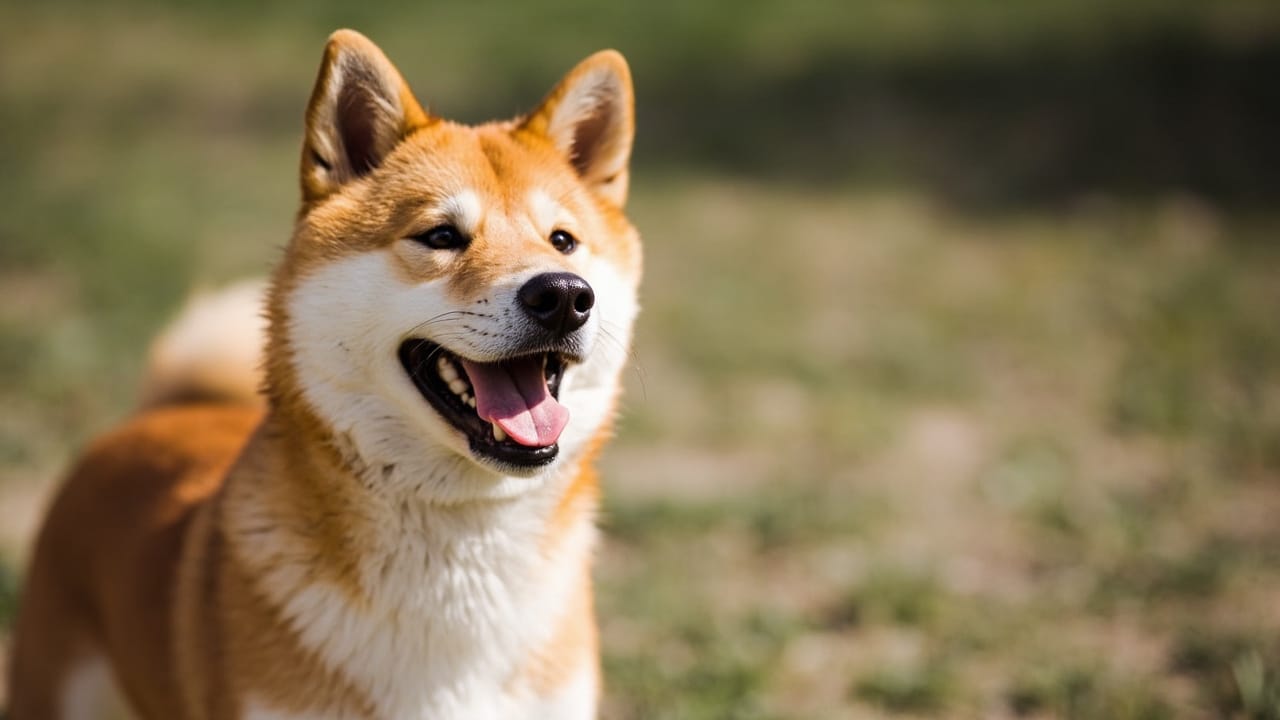
루마니아에서 시바견 브리더 찾기: 2024년 완전 가이드 & 가격
루마니아의 신뢰할 수 있는 시바견 브리더는 드물지만 AChR 같은 켄넬 클럽을 통해 존재합니다. 건강 검진을 받은 부모로부터 태어난 펫 품질의 강아지는 €1,800–€3,000 정도이며, 쇼 품질은 €4,000 이상까지 올라갑니다. 반드시 AChR/FCI 혈통 등록을 확인하고, 입양을 결정하기 전에 고관절·슬개골·눈에 대한 OFA 등급의 건강 검진 결과를 요청하세요.
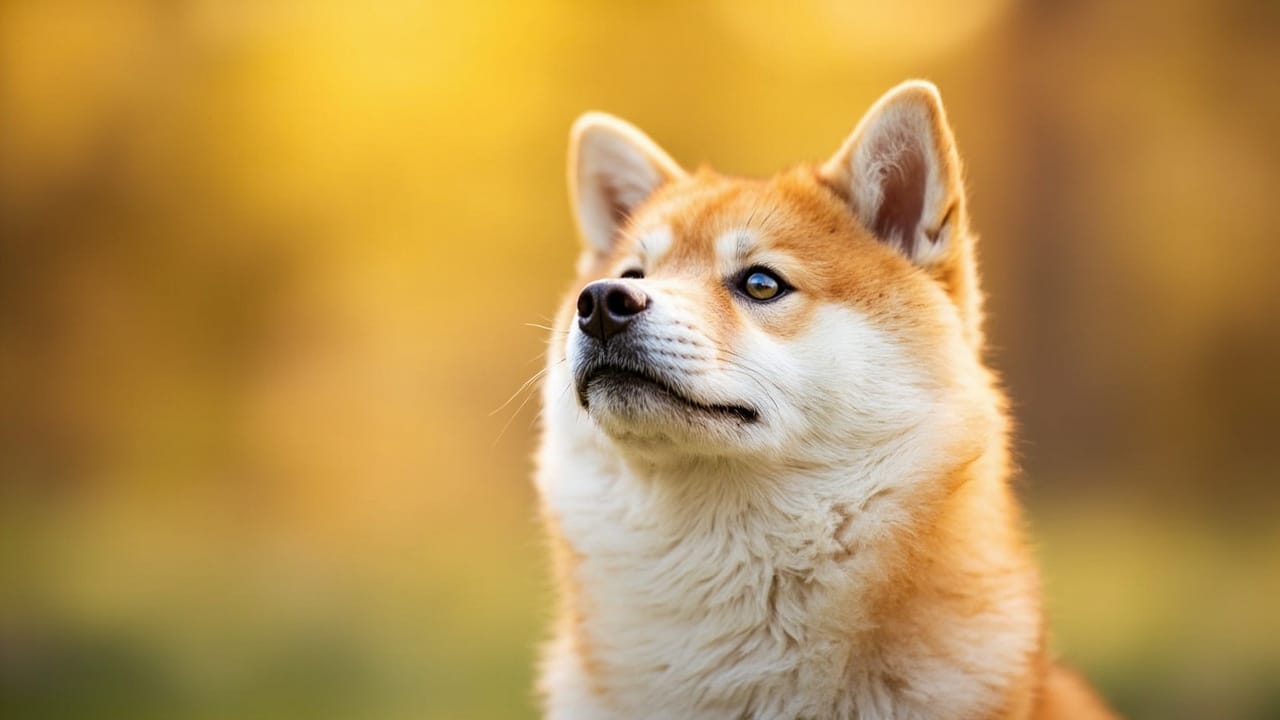
헝가리에서 시바견을 구매하는 방법: 가격, 브리더 및 수입 옵션
헝가리에서는 소수의 전담 FCI 등록 브리더로부터 약 €1,500–€3,000에 시바견을 구매하거나, 운송비를 포함한 €2,000–€4,000에 검증된 EU 켄넬에서 수입할 수 있습니다. 구조 시바견은 헝가리에서는 드물지만 EU 전역 네트워크를 통해 €300–€600에 가끔 나타납니다.
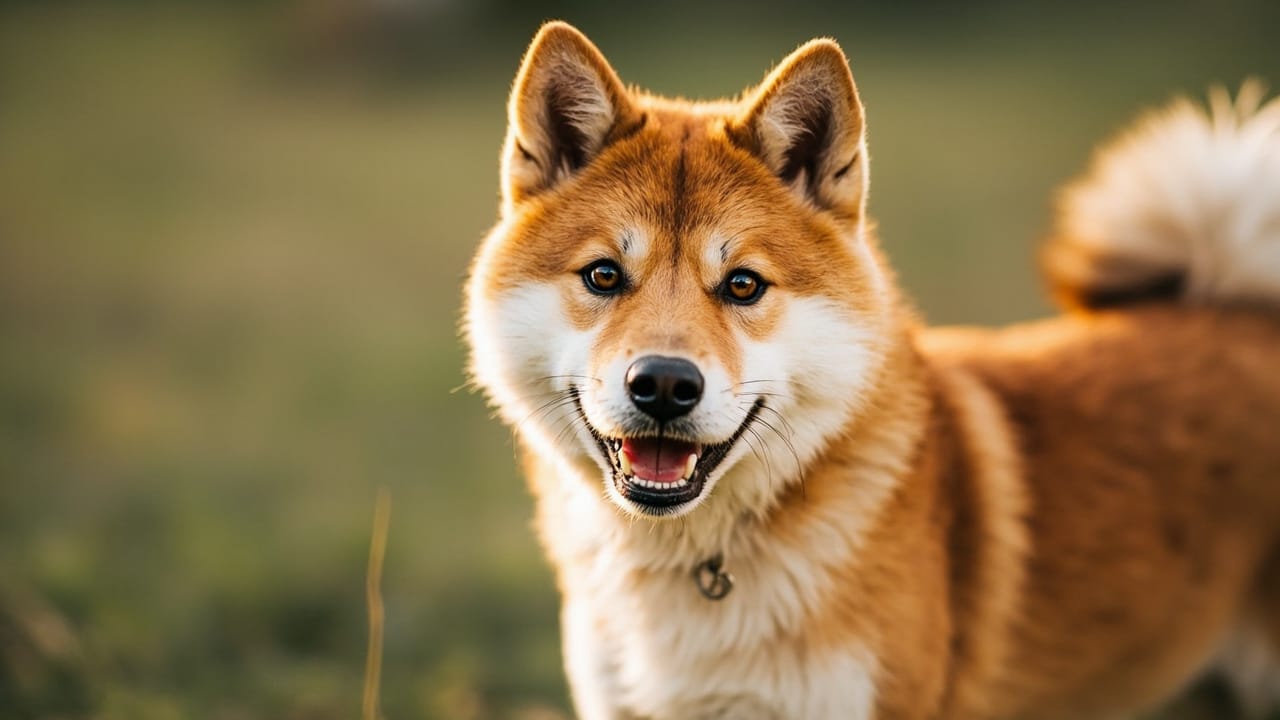
체코 공화국의 시바견 브리더: 찾는 방법과 가격 (2025)
체코 공화국의 평판 좋은 시바견 브리더는 보통 반려용 품질의 강아지를 €1,200–€2,500에, 쇼 품질의 강아지를 €2,500–€4,000에 판매하며, 강아지는 보통 8–10주에 새 집으로 갈 준비가 됩니다. 입금 전에 반드시 건강 검사(고관절, 슬개골, 눈), 켄넬 클럽 등록(CMKU/FCI), 그리고 직접 방문을 확인하세요.
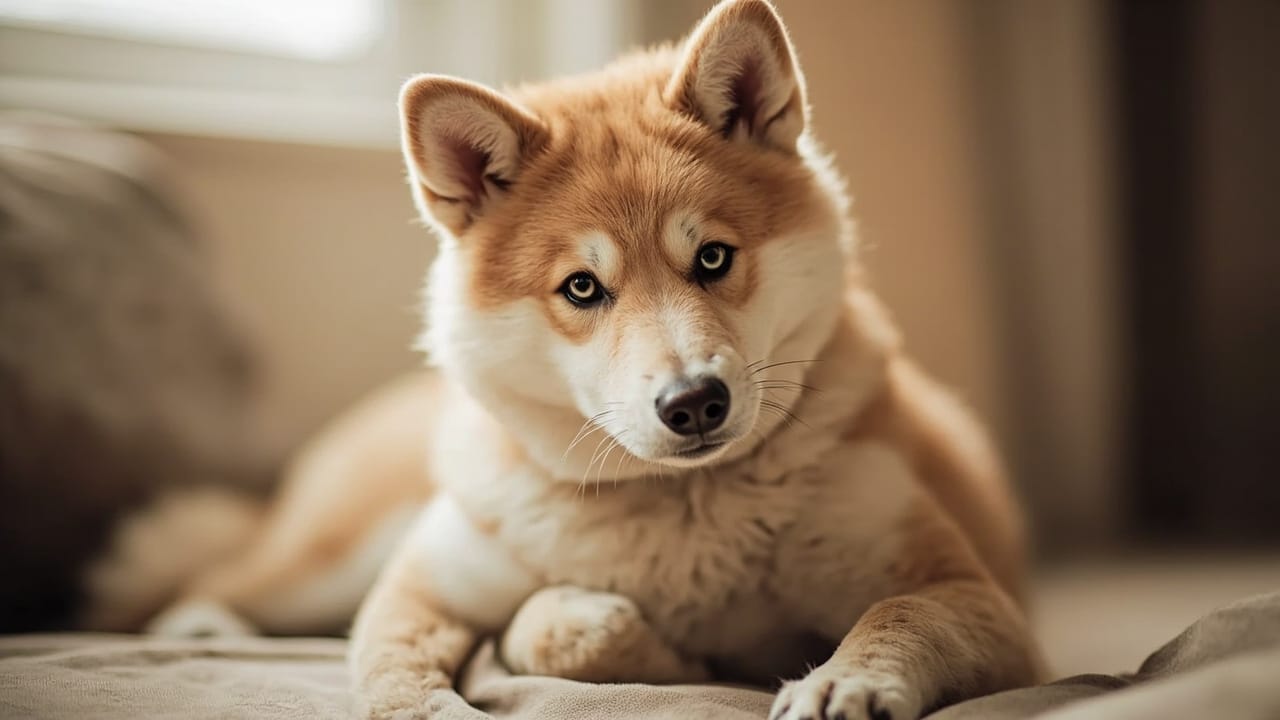
아일랜드에서 시바견을 키우려면 반려견 면허(등록)가 필요한가요?
네, 아일랜드에서는 모든 시바견에 대해 반려견 면허가 필요합니다. 면허 비용은 마리당 연간 €20이며, 평생 면허는 €140입니다. 이는 1986년 반려견 관리법(개정본)에 따라 지방자치단체에서 발급하며, 미신고 시 현장 과태료 €100이 부과될 수 있습니다.
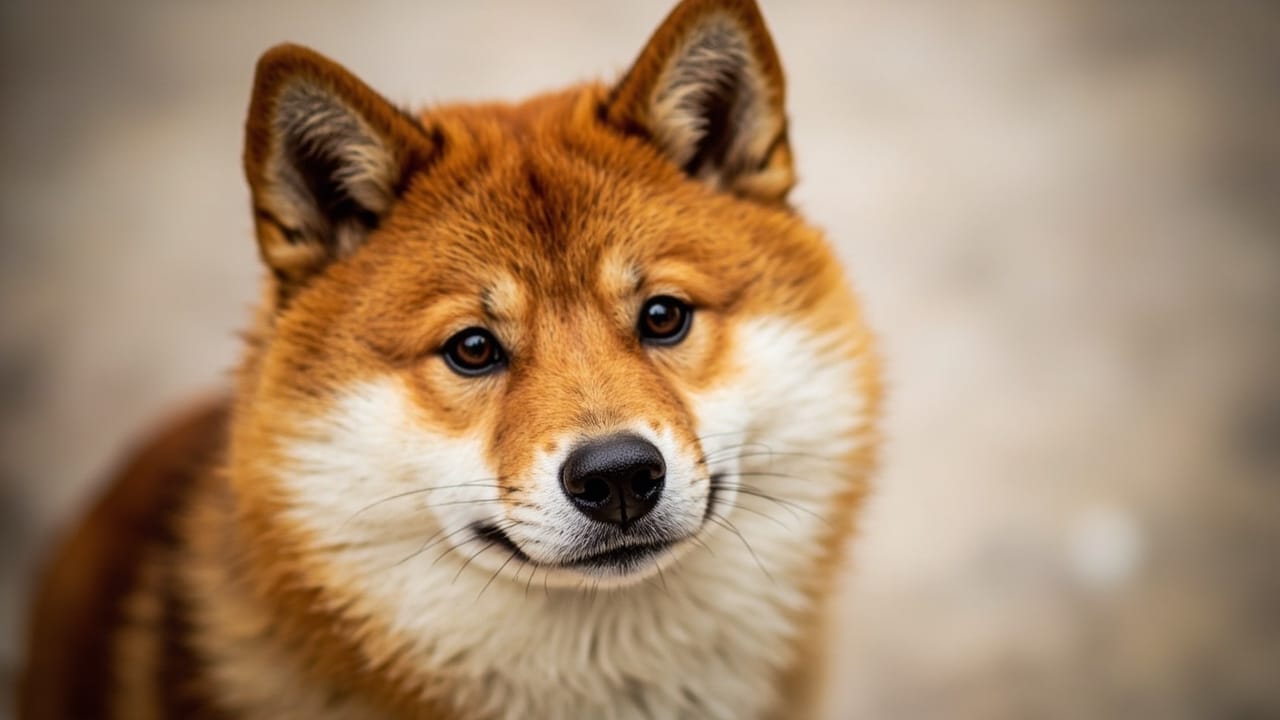
아일랜드에서 시바견 사기: 브리더, 비용 및 라이선스 규정
아일랜드에서는 소수의 전담 브리더, 품종 전용 구조 봉사 단체, 또는 영국/EU 켄넬에서 수입하는 방법으로 시바견을 구매할 수 있습니다. 아일랜드에서 시바견을 소유하기 위해 특별한 라이선스는 필요하지 않지만, 모든 개는 마이크로칩을 이식하고 공인 데이터베이스에 등록해야 하며, 12주령까지 지방자치단체에 라이선스를 등록해야 합니다.
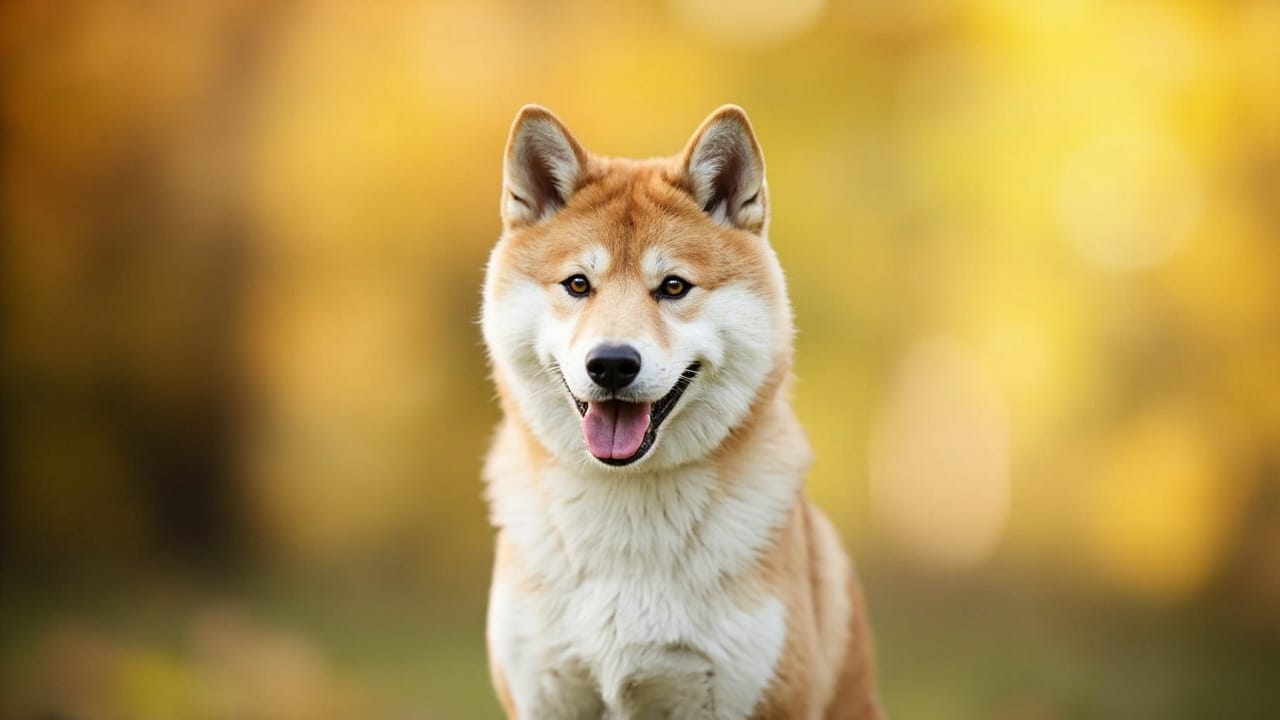
오스트리아 반려견세(Hundeabgabe): 시바견 주인이 2024년에 내는 금액
오스트리아에서 한 마리 시바견에 대한 Hundeabgabe(반려견세)는 보통 1년에 €25~€120 정도이며, 이는 거주지(Gemeinde)에 따라 달라집니다. 두 번째 또는 세 번째 반려견에게는 €200~€500 이상의 높은 요율이 적용되며, Listenhund(위험 견종)로 분류되면 €1,000 이상이 될 수도 있습니다. 다만 시바견은 오스트리아의 어떤 목록에도 포함되어 있지 않습니다.
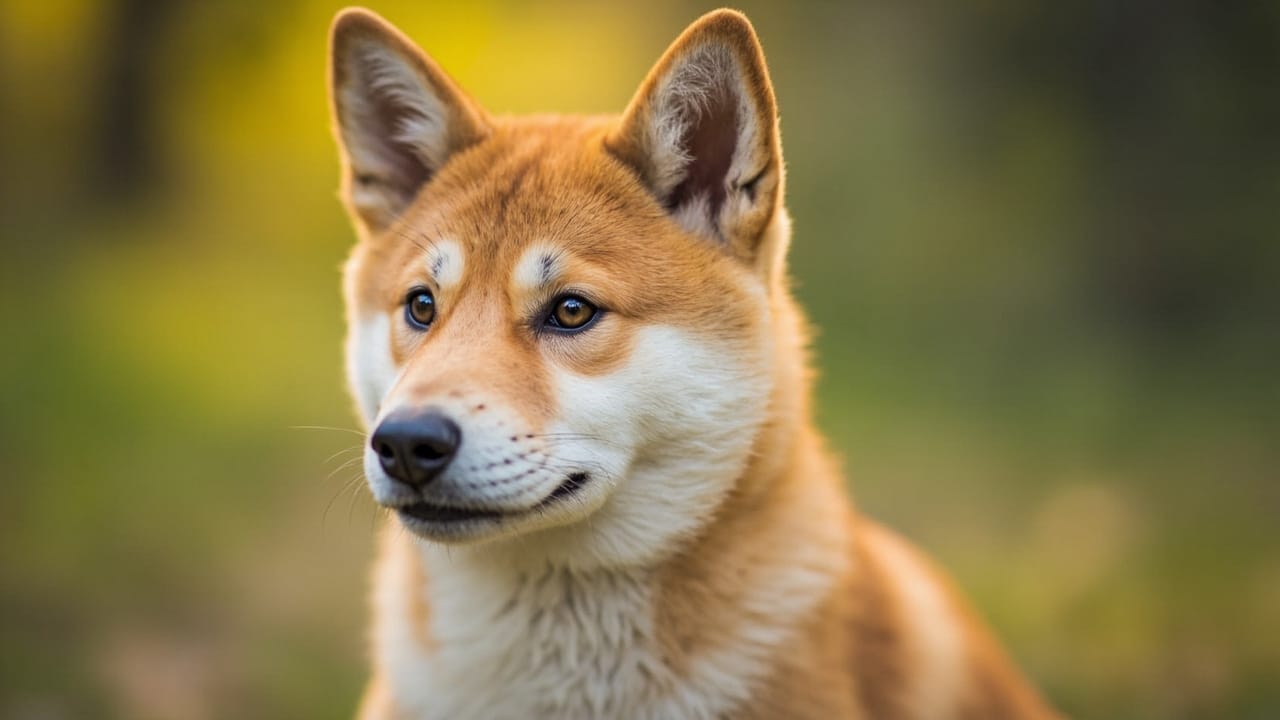
오스트리아의 시바견 브리더: 2025년 완벽 구매 가이드
오스트리아 켄넬 클럽(Österreichischer Kynologenverband, ÖKV)과 FCI에 등록된 평판 좋은 오스트리아 브리더로부터 시바견(Shiba Inu) 강아지를 구매할 경우 €1,800–€3,000 정도를 지불할 것으로 예상하세요. 건강 검사를 반드시 확인하고, 켄넬을 방문하며, 계약 전에 족보書類を 요청하세요. 온라인 판매자와 펫숍은 피해야 합니다. 이곳은 보통 puppy mill에서 공급받은 강아지를 판매합니다.
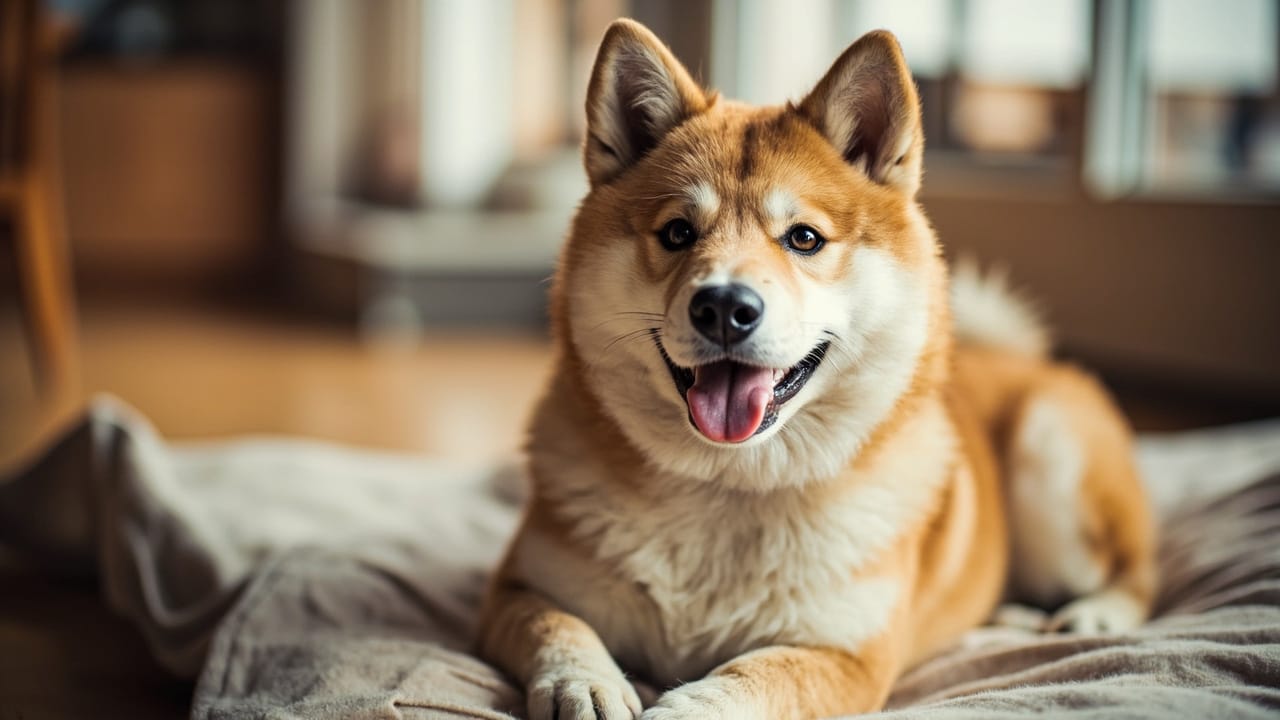
스위스 AMICUS 데이터베이스에 시바견 등록하기: 완벽 가이드
스위스 AMICUS(Amicus) 데이터베이스에 시바견을 등록하려면 먼저 공인된 마이크로칩으로 개를 식별한 후, Amicus 공인 기관(일반적으로 Schweizerischer Shiba Inu Club(SSIC)과 같은 스위스 견종 클럽 또는 수의사)이 등록을 완료해야 합니다. 브리더가 보통 강아지의 초기 등록을 처리하지만, 새 소유자는 15자리 마이크로칩 번호를 사용하여 공인 등록기관 또는 참여 수의사를 통해 소유권을 이전하고 Amicus에 개를 추가할 수 있습니다.
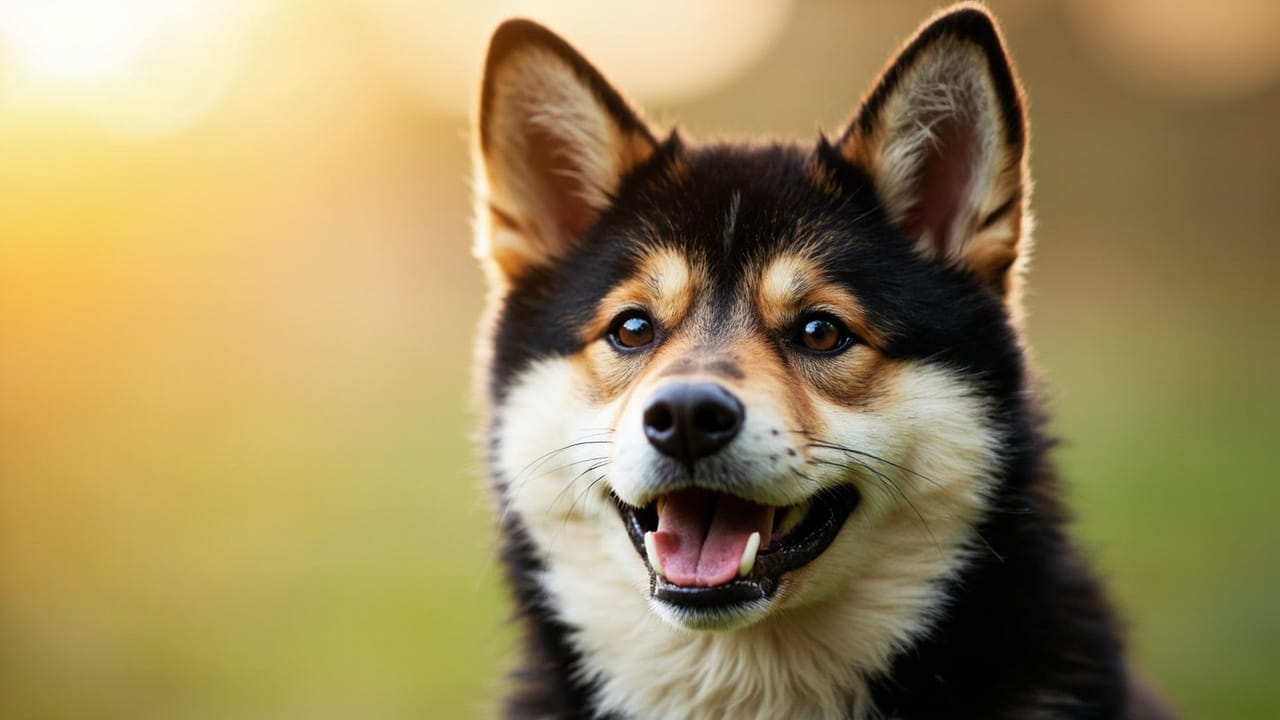
스위스 시바견(Hundesteuer) 세금: 비용, 규정 및 등록
스위스 반려견 소유자는 일회성 주(Canton) 등록 비용과 함께 보통 CHF 50에서 CHF 250 사이의 연간 반려견 세금을 시바견 기준으로 부담합니다. 주 단위의 반려견 세금(Hundesteuer)은 주와 시정촌에 따라 다르며, 일부 품종에는 할증이 부과될 수 있으나 시바견은 대부분의 주 제한 목록에 포함되어 있지 않습니다.
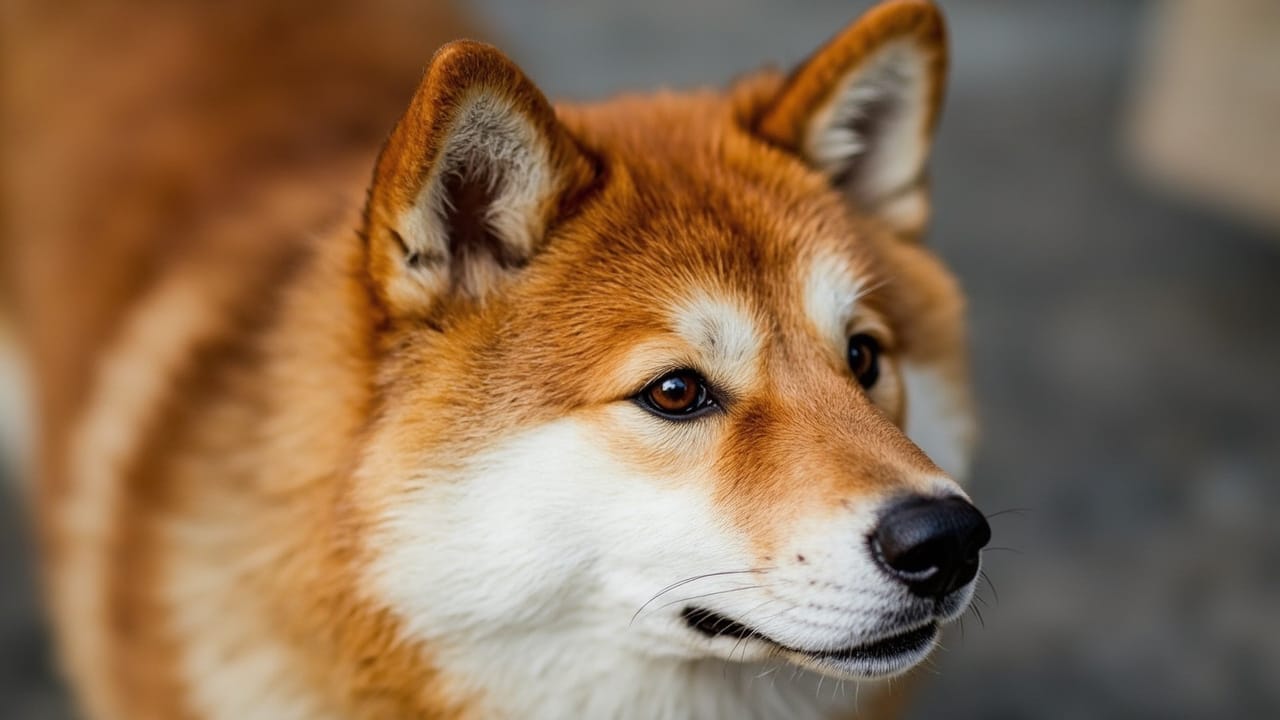
스위스에서 시바견 사기: AMICUS 등록 가이드
스위스에서 시바견을 구입하려면, 평판이 좋은 스위스 또는 유럽 FCI 등록 브리더에 문의하고, 모견 클럽 소속 여부를 확인한 후 CHF 2,500–4,000 정도를 지불할 것으로 예상하세요. 강아지가 도착하면 며칠 이내에 AMICUS 데이터베이스(스위스 국가 동물 등록부)에 등록하여 마이크로칩이 본인의 주소와 연결되도록 하세요.
벨기에에서 시바견 구매: 브리더, 가격 및 등록
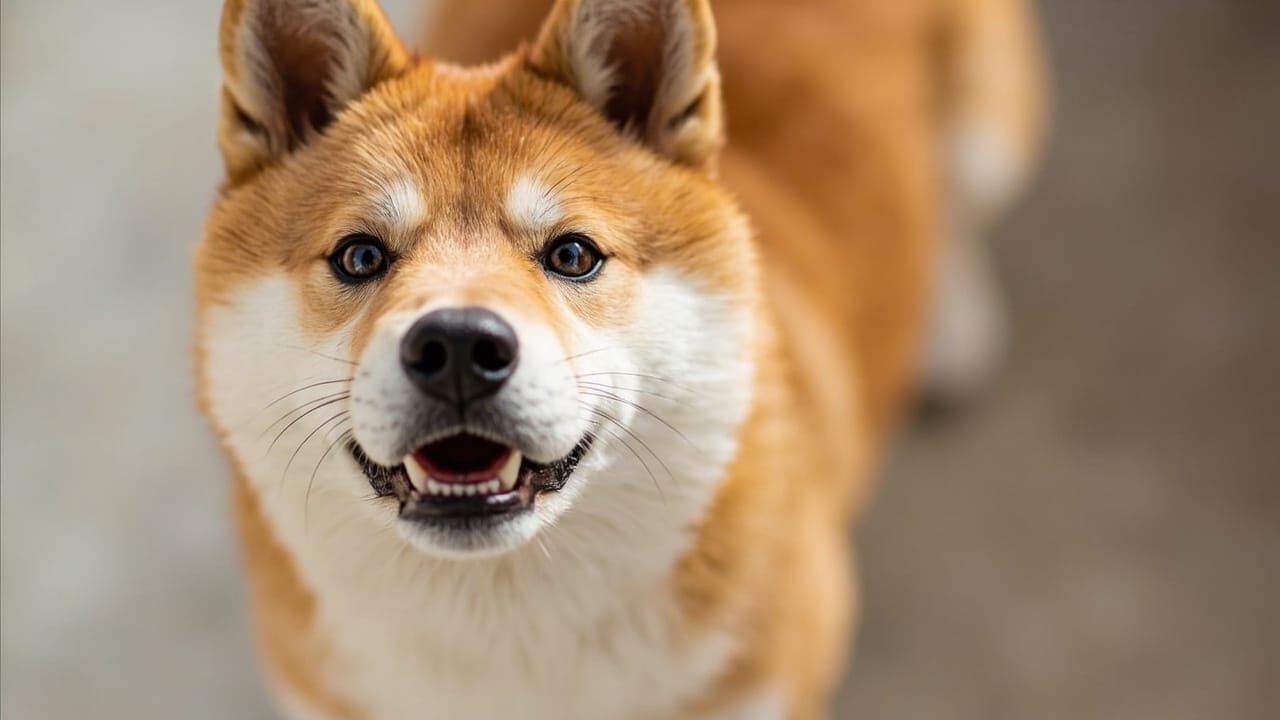
벨기에에서는 등록된 브리더, 견종 클럽, 검증된 구조 단체로부터 시바견을購入할 수 있습니다. 건강 검사를 거친 클럽 산하 브리더의 자견은 보통 €1,800–€3,500 정도입니다. 구매자에게는 pedigree(혈통서), 마이크로칩, 유럽 반려동물 여권이 제공되어야 하며, 소유권 이전 전에 반드시 벨기에 국가 데이터베이스(CatID/DogID)에 등록이 완료되어야 합니다.
포르투갈의 시바견 브리더: 2025 가이드 & 평균 가격
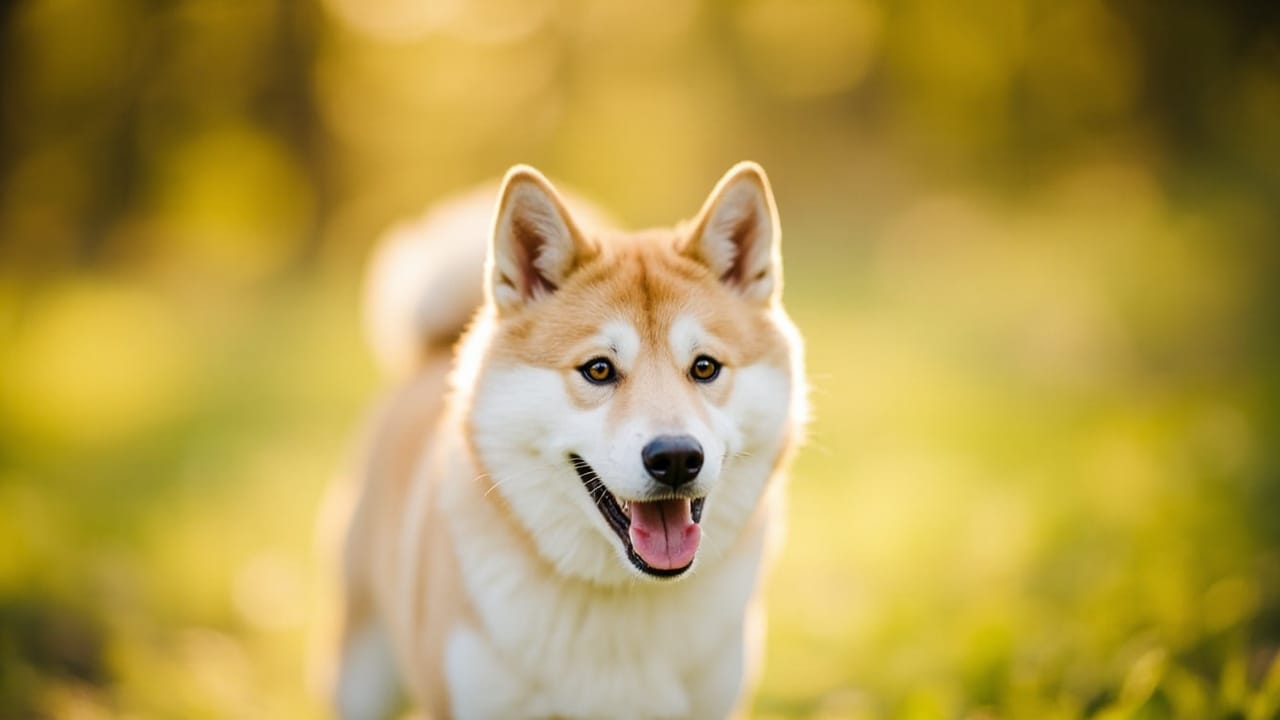
포르투갈에는 약 5-10곳의 활발한 시바견 브리더가 있으며, 대부분 리스본과 포르토 근처에 집중되어 있습니다. 건강 검사를 마친 부모로부터 나온 반려 적합 품질의 강아지는 €1,500-€2,800, 쇼 품질의 혈통은 €2,800-€4,500을 예상하세요. 보증금을 결제하기 전에 항상 건강 검사와 수입 이력을 확인하십시오.

스페인 시바견 협회(Club Shiba Inu de España): 추천 브리더 가이드
스페인 시바견 협회(CSIE)는 공식 웹사이트에 추천 브리더의 공개 목록을 게시하지 않습니다. 대신 협회는 스페인에서 품종을 대표하는 역할로, 견주 희망자에게 브리더 디렉터리, 품종 자문위원(asesores de raza), 그리고 윤리적인 브리더를 직접 만날 수 있는 행사로 안내합니다. 입양을 결정하기 전에 반드시 CSIE를 통해 브리더를 검증하십시오.

스페인에서 시바견 구입하기: 브리더, 가격, 그리고 시작하는 방법
스페인에서는 RSCE에 등록된 인증 브리더, 국제 견종 협회, 또는 구조 조직을 통해 시바견을 구입할 수 있습니다. 국내 평판 좋은 브리더의 가격은 보통 2,000유로부터 3,500유로 형성되며, 쇼 퀄리티나 수입 혈통은 4,000유-5,000유에 달합니다. 구조를 통한 입양 비용은 300유-500유이며, 가장 드물지만 가장 윤리적인 선택입니다.
이탈리아 ENCI 등록 시바견 자견 가격 (2025 비용 가이드)
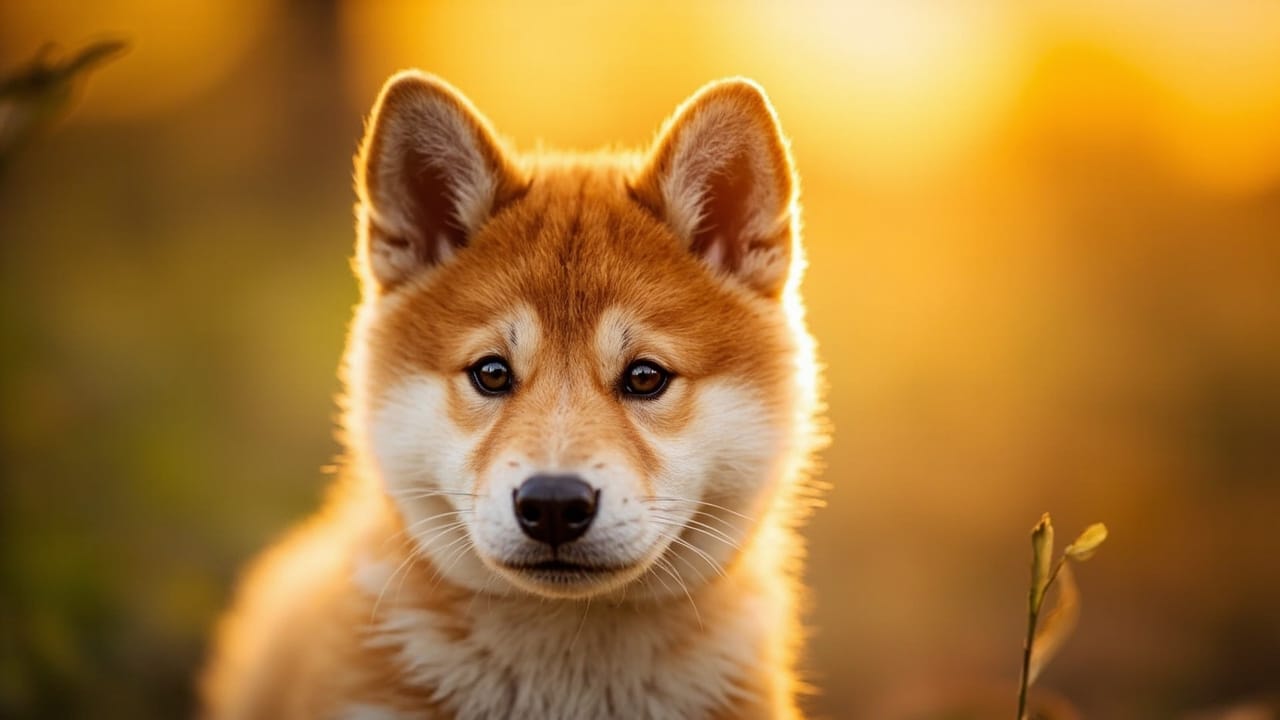
평판 좋은 이탈리아 브리더의 ENCI 등록 시바견 자견은 2025년 기준 보통 €2,000~€3,500에 판매됩니다. 쇼 퀄리티나 수입 혈통의 경우 €4,000~€5,500까지 올라가며, ENCI 등록 구조견은 €350~€600입니다. ENCI(Ente Nazionale della Cinofilia Italiana)는 이탈리아의 AKC에 해당하는 기관으로, 혈통 증명의 기준이 됩니다.
이탈리아 시바견 브리더: ENCI 비용, 사기 및 검색 팁
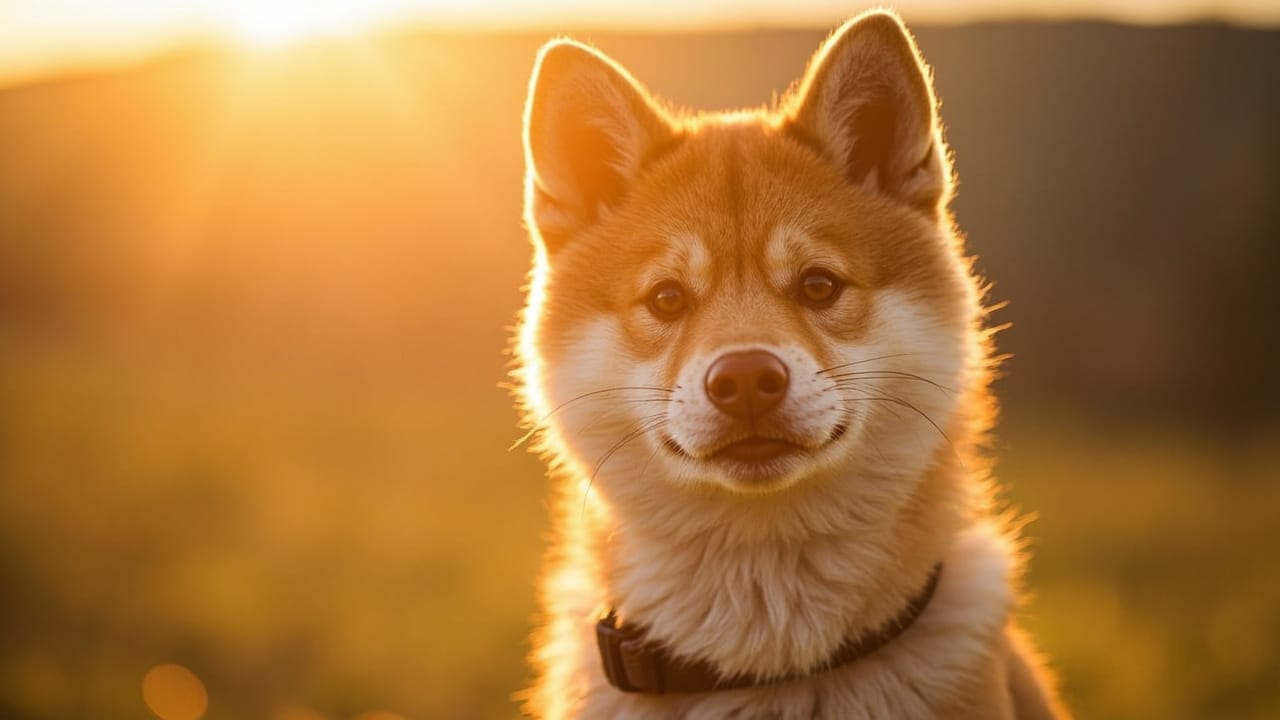
2025년 이탈리아에서 신뢰할 수 있는 ENCI 등록 시바견 자견은 일반적으로 €2,000–€3,500이며, 쇼 품질 혈통은 €4,000–€5,500에 달합니다. 반드시 의무 건강 검사를 시행하는 ENCI/FCI 제휴 브리더로부터 구매하고, €1,500 미만의 가격을 제시하는 판매자는 피하세요. 거의 항상 위험 신호입니다.
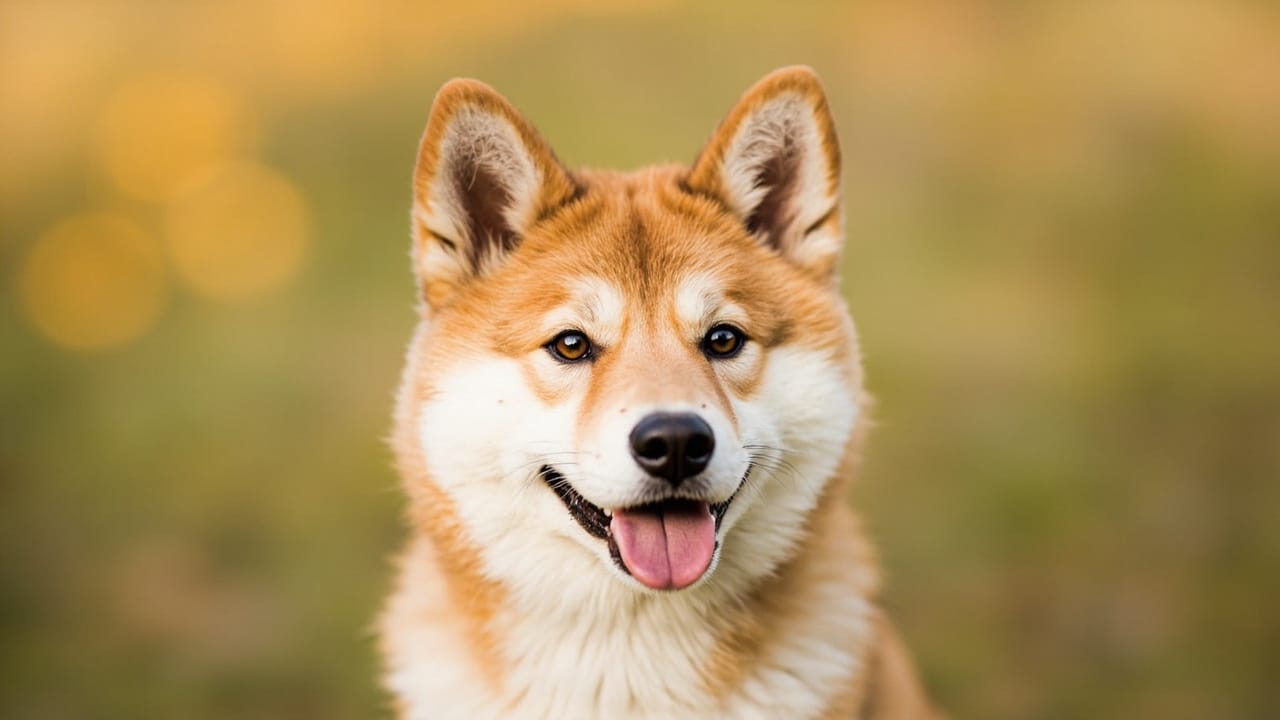
스칸디나비아에서 신뢰할 수 있는 시바견 브리더를 찾는 방법
북유럽 반려동물 연맹(NKU)와 각 국가의 국가 켄넬 클럽 — SKK(스웨덴), NKK(노르웨이), DKK(덴마크), Suomen Kennelliitto(핀란드) — 에서 시작하여 FCI 및 품종 클럽 기준을 따르는 브리더를 찾아보세요. 스칸디나비아의 평판 좋은 시바 브리더들은 엉덩이, 슬개골, 눈 건강 검사를 진행하고, 공식 품종 클럽에 소속되어 있으며, 분양 전 수개월 동안 기꺼이 자신의 개를 보여주고 질문에 답해줄 것입니다.
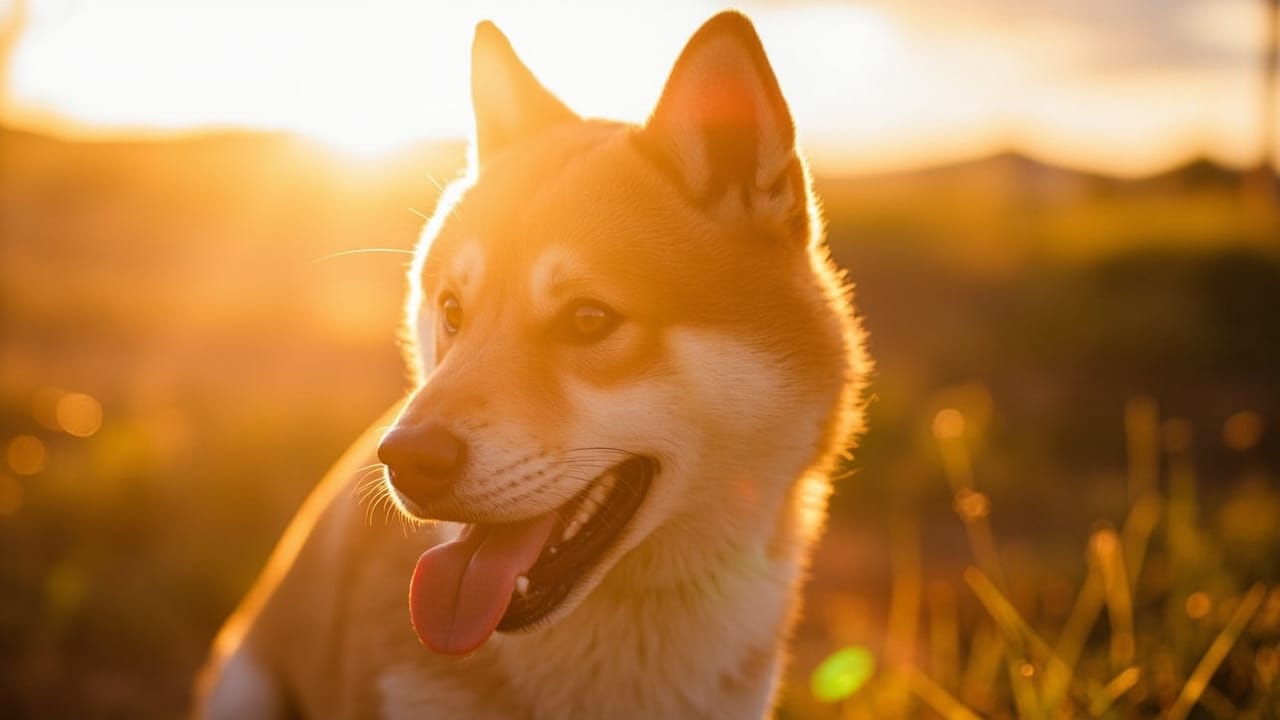
폴란드에서 신뢰할 수 있는 시바견 브리더 찾기: 종합 가이드
폴란드의 신뢰할 수 있는 시바견 브리더는 폴란드 켄넬 클럽(ZKwP/FCI)에 등록되어 있고, 건강 검진(고관절, 슬개골, 안과)을 실시하며, 브리더 시설 방문을 허용하고, 혈통서와 예방접종 기록을 제공합니다. 건강 검진을 거친 책임감 있는 브리더로부터 반려견 품질의 강아지를 입양할 경우 약 4,000–8,000 PLN($1,000–$2,000)을 예상하세요.
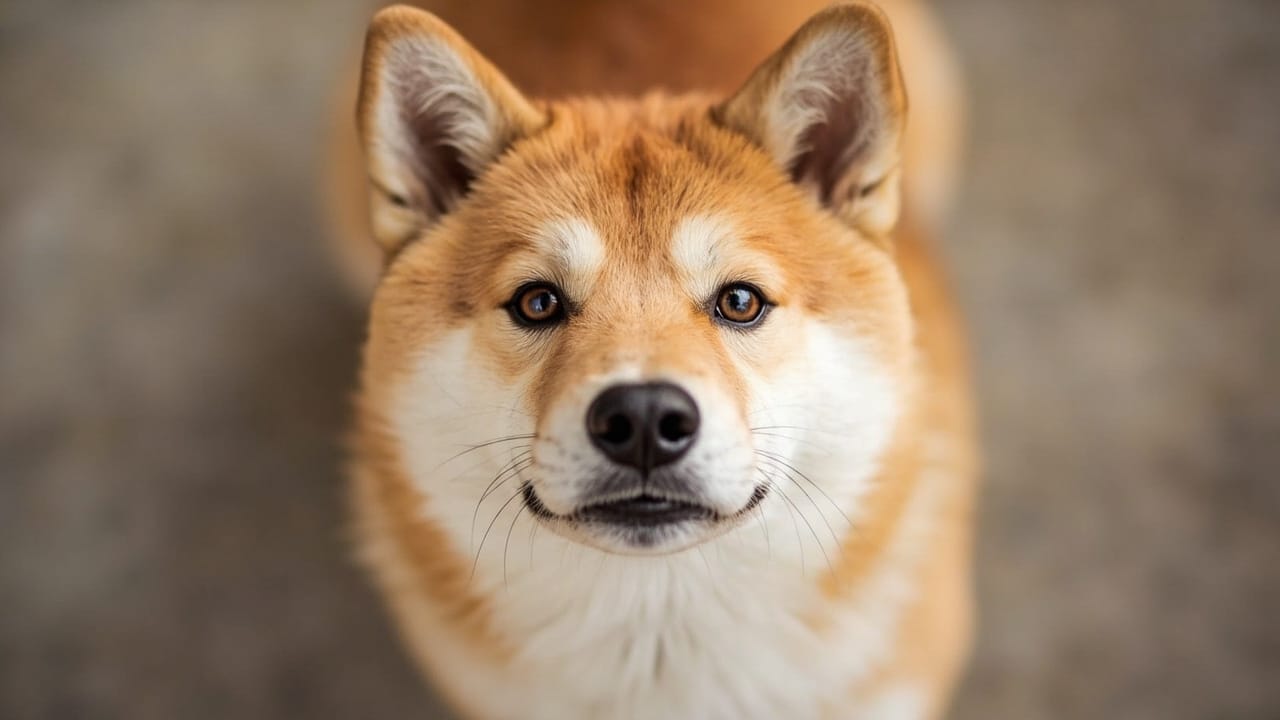
네덜란드에서 신뢰할 수 있는 시바견 브리더 찾기
신뢰할 수 있는 네덜란드 시바견 브리더는 Raad van Beheer 같은 공인된 애견 협회에 등록되어 있고, 건강 검진(OFA 엉덩이, 무릎뼈, CERF/안과 검사)을 실시하며, 가정 방문을 허용하고, 반환 정책을 포함한 계약서로 puppies를 분양합니다. 잘 사육된 puppy의 가격은 €1,800–€3,000이며, 6–18개월 대기자 목록은 정상입니다.
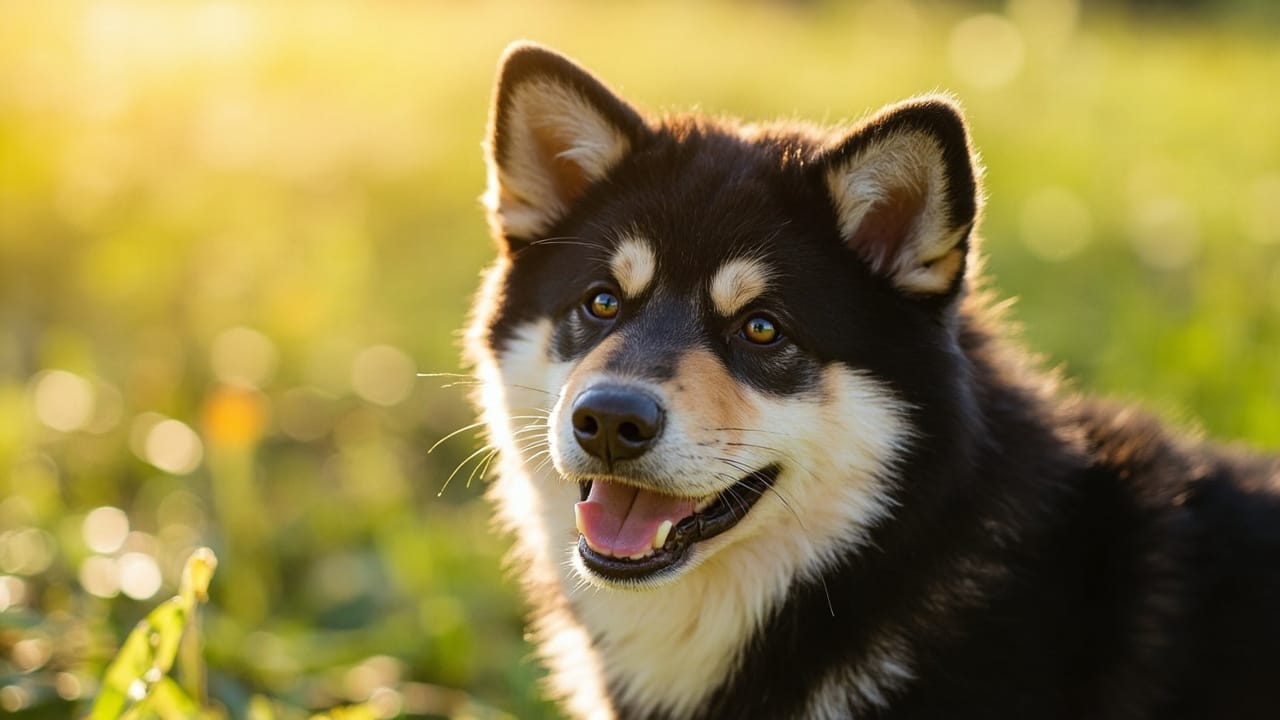
프랑스에서 신뢰할 수 있는 시바견 브리더 찾기
프랑스에서 신뢰할 수 있는 시바견 브리더를 찾으려면, SCC 산하 품종 클럽 자격을 가진 Club Français des Chiens Nordiques et de Type Spitz(CFCNSJ)에 문의하세요. LOI/LOF 등록, 엉덩이 및 무릎뼈(슬개골) 스크리닝, 안과 검진을 수행하고, 자신의 사육장을 방문하게 해주며, 서면 건강 보증을 제공하는 브리더를 찾으세요.
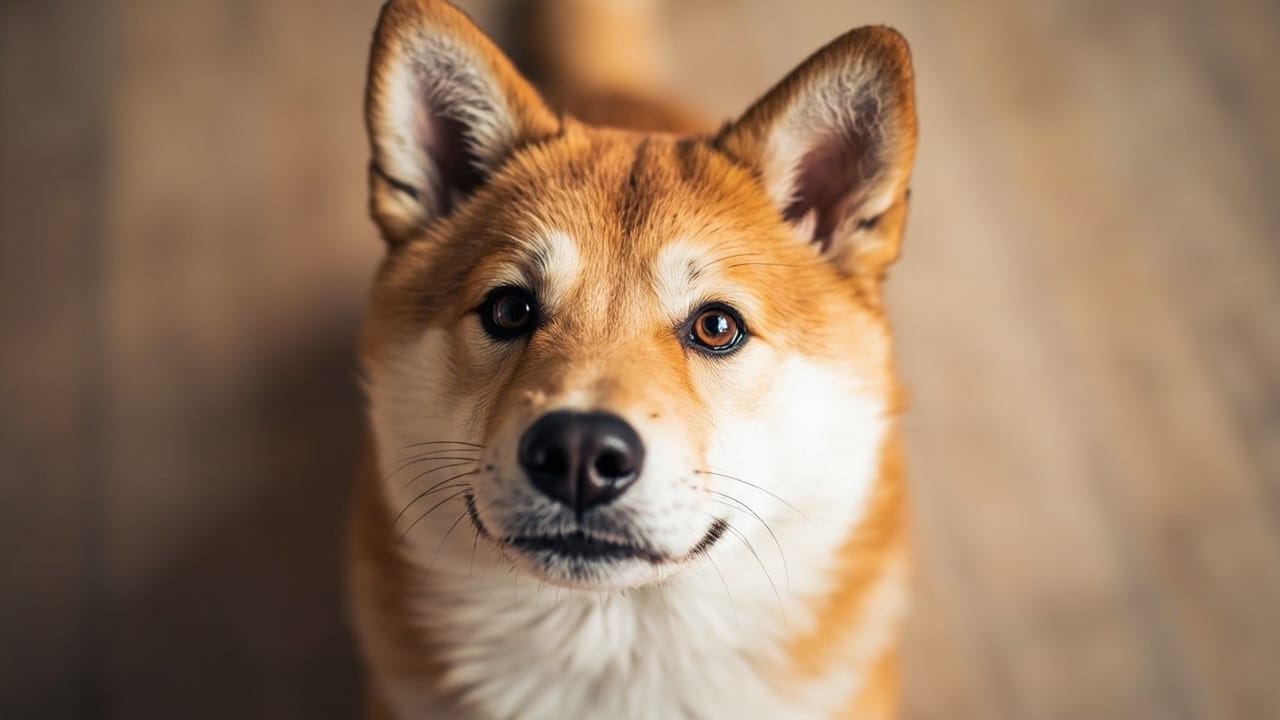
영국에서 신뢰할 수 있는 시바견 브리더 찾기: 2025년 완벽 가이드
영국의 신뢰할 수 있는 시바견 브리더는 더 케널 클럽 어슈어드 브리더 스킴(Assured Breeder Scheme) 회원이며, 엉덩이·슬개골·눈에 대한 건강 검사를 실시하고, 집에서 강아지를 사회화시키며, 언제든지犬을 다시 데려갈 수 있도록 해주는 사람입니다. 잘 사육된 케널 클럽 등록 강아지 가격은 £1,800~£3,500 정도이며, 서류 없이, 질문 없이, 애완동물 가게를 통해 판매하는 사람은 피해야 합니다.
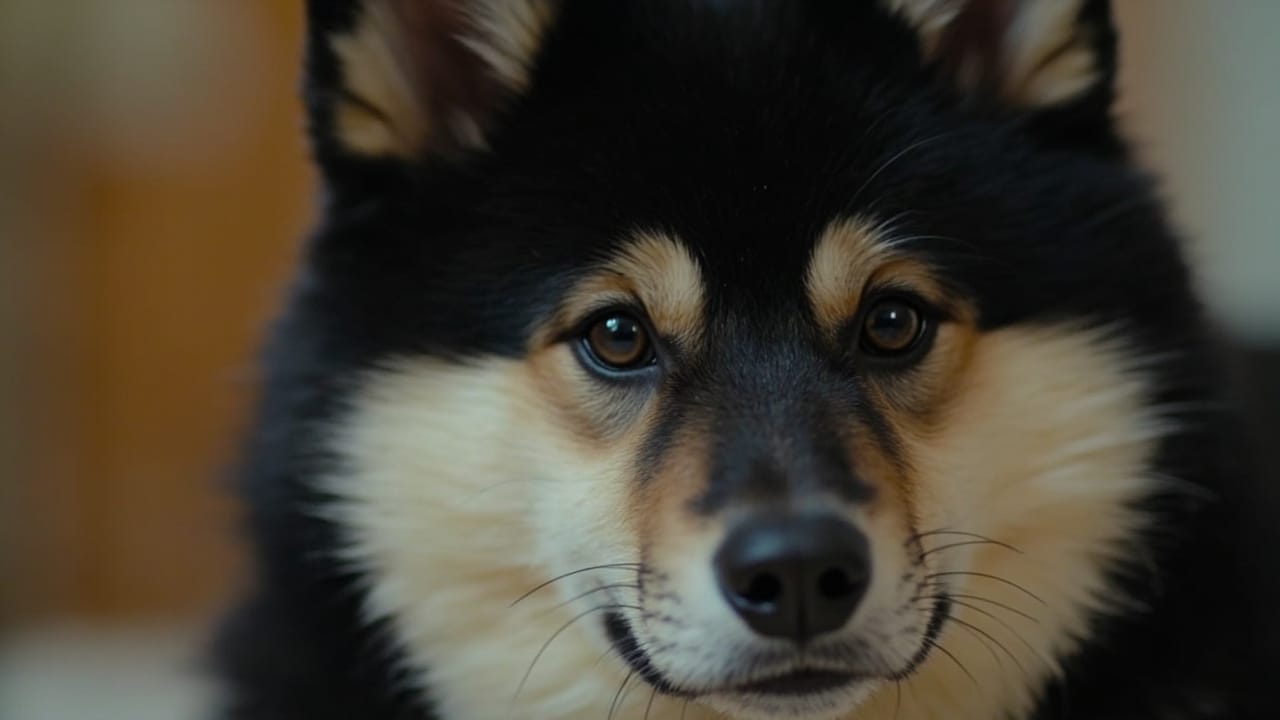
독일에서 신뢰할 수 있는 시바견 브리더 찾기: 종합 가이드
독일 켄넬 클럽(VDH)과 그 산하 시바 회원 클럽인 CfCNH(Club für Chinesische und Nordsibirische Hunde)에 등록된 브리더를 찾으세요. 직접 방문해 부모견을 만나고, 건강 관련 서류를 요청하며, 가격은 1,200–2,500€ 범위를 기대하세요. 강아지가 EU 반려동물 여권, 예방접종 기록, FCI/VDH 혈통서를 함께 받는지 반드시 확인하세요.
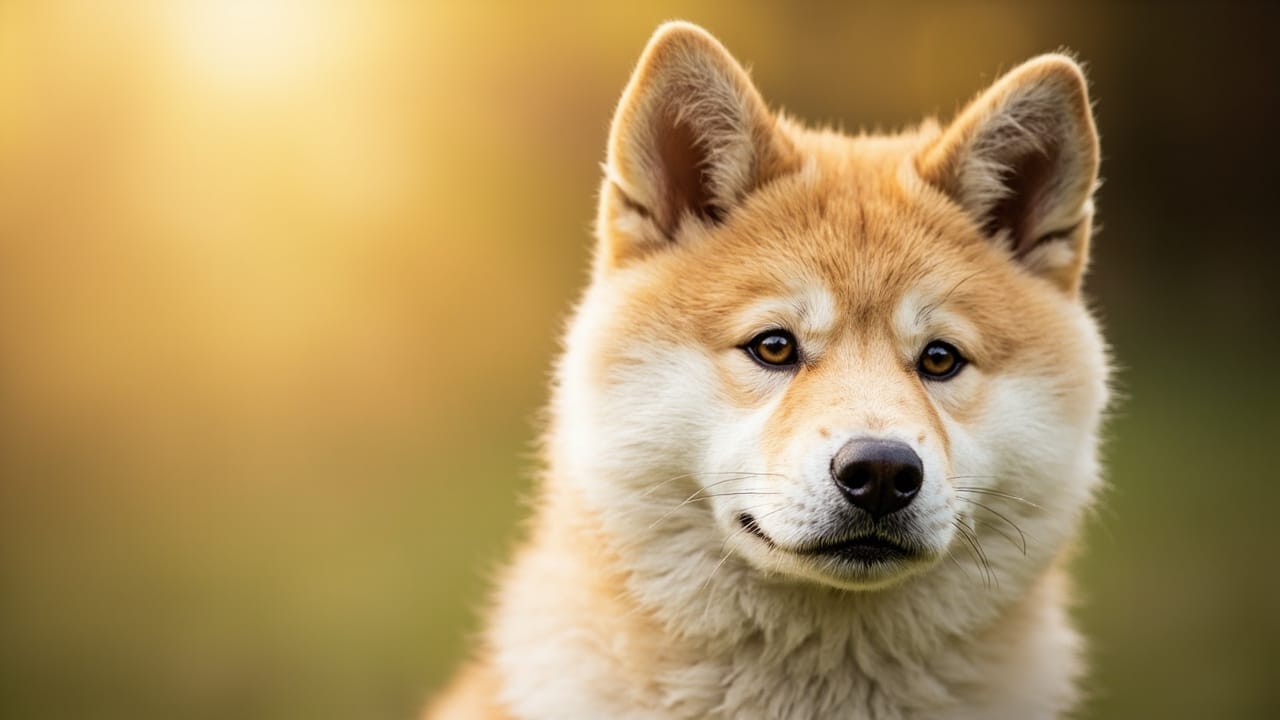
유럽에서 시바견(Shiba Inu)을 위한 반려동물 보험: 작동 방식
유럽에서 시바견 보험은 일반적으로 연간 자기부담금을 납부한 후 수의사 비용의 70~100%를 환급해 줍니다. 대부분의 보험은 사고와 질병을 보장하며, 웰니스, 치과, 녹내장이나 고관절 이형성증처럼 이 품종에서 흔한 유전 질환까지 보장하는 선택형 추가 항목을 제공합니다.
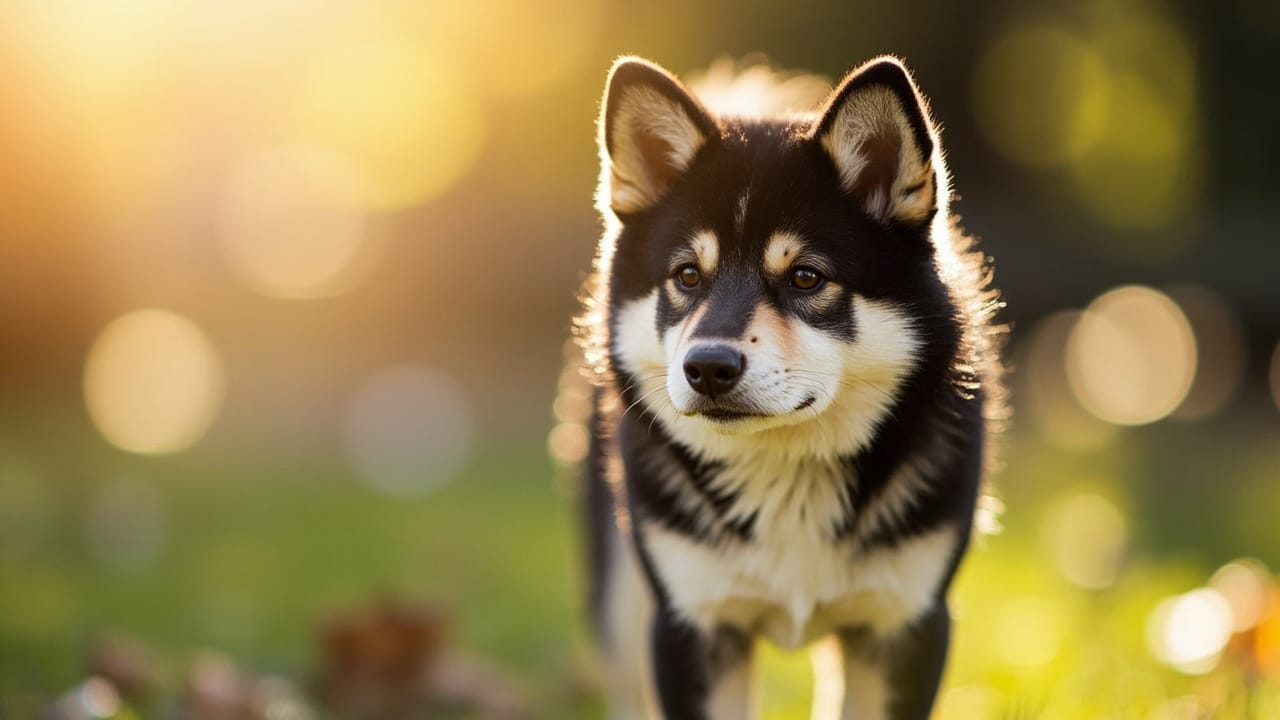
유럽 최고의 시바견 도그쇼 및 클럽: 2024 완벽 가이드
유럽은 FCI 체계를 통해 시바견 종을 국제적으로 인정받는 여러 주요 시바견 specialty 쇼와 종 클럽을 개최하고 있습니다. 주요 대회로는 월드독쇼, 유러피언독쇼, NIPPO Europe 쇼가 있으며, 일본 시바견 클럽 오브 그레이트 브리튼(Japanese Shiba Inu Club of Great Britain)이나 클뤼 프랑세 뒤 시바 인뤼(Club Français du Shiba Inu)와 같은 종 클럽이 견주와 브리더를 위한 주요 자료가 됩니다.
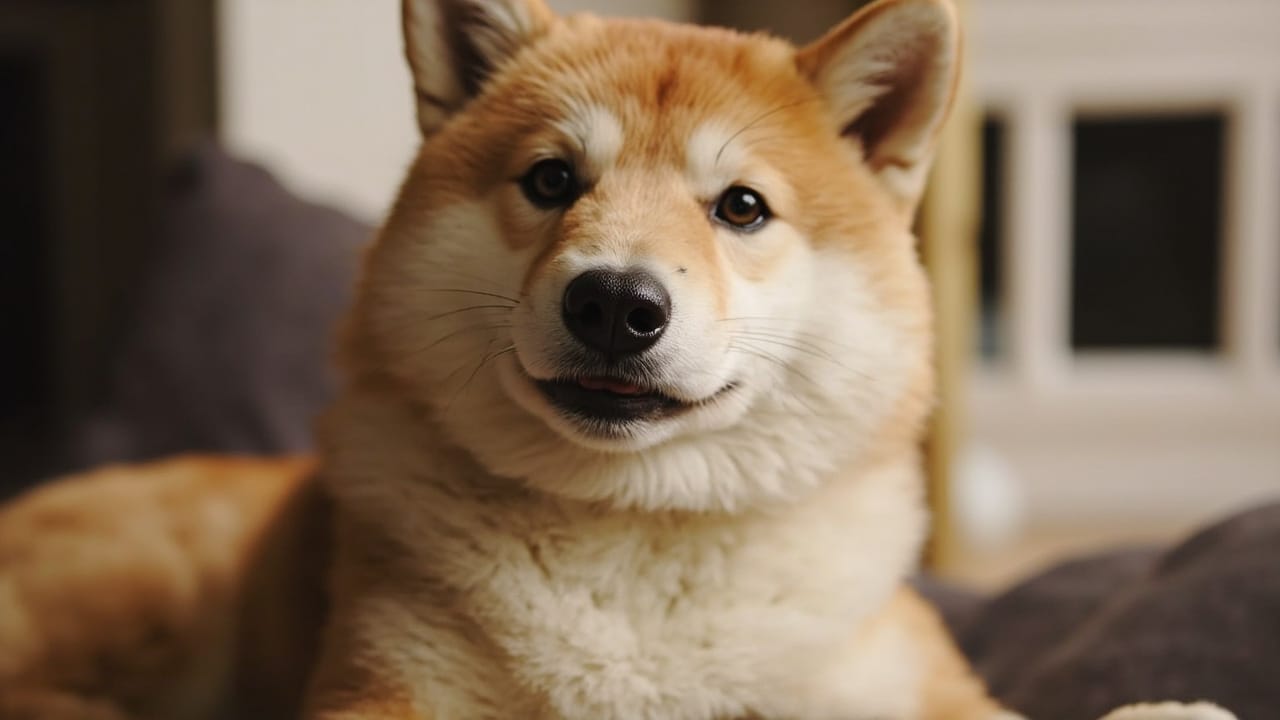
유럽의 시바견 소유자: 마이크로칩 등록 및 반려견 세법
유럽의 모든 시바견 소유자는 국경을 넘는 이동에 의무화된 EU 규정 998/2003에 따라 반려견을 마이크로칩으로 등록해야 합니다. 이 외에도 각 국가가 자체적으로 시행하는 국가 등록부, 반려견 세금, 품종별 제한, leash·입마개 규정 등이 있으며, 시바견 소유자는 이를 모두 준수해야 합니다.
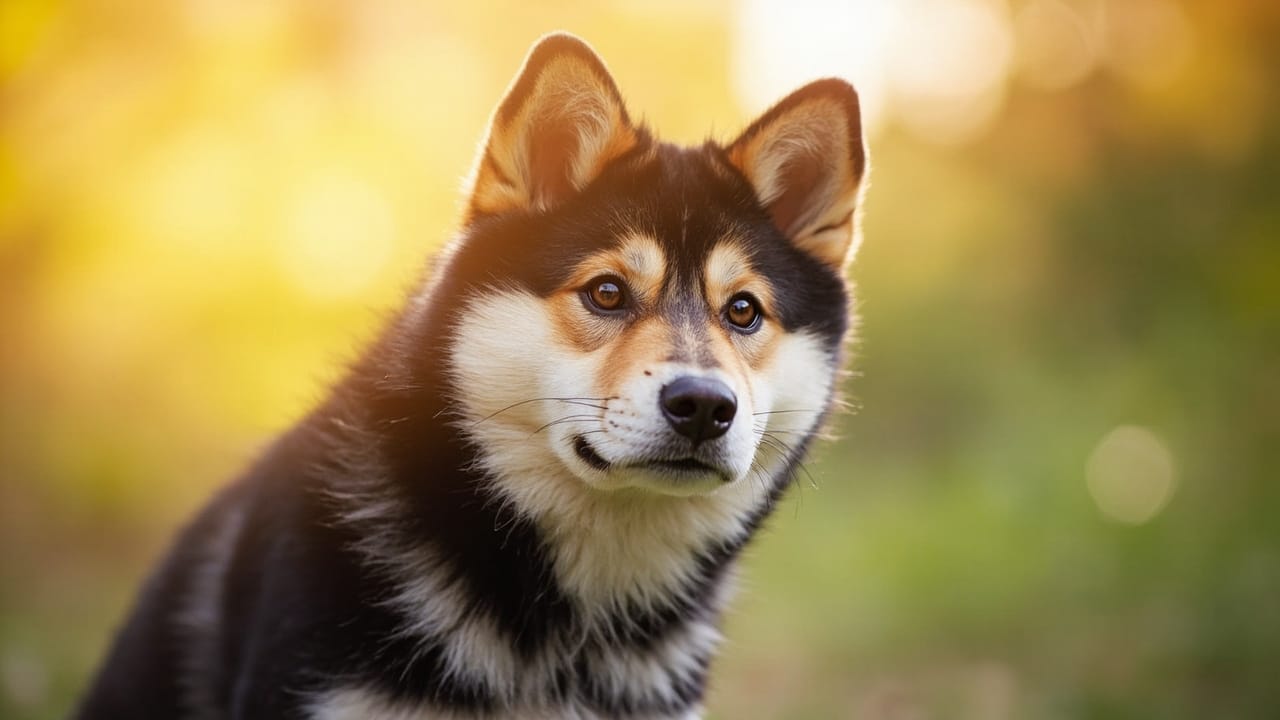
브렉시트 후 영국으로 시바견 수입하기: 종합 안내서
브렉시트 이후 영국으로 시바견을 수입하려면 공인 수의사가 발급한 유효한 EU 건강 증명서, 여행 최소 21일 전에 접종한 최신 광견병 백신, ISO 15자리 칩을 이용한 마이크로칩 삽입, 그리고 승인된 영국 경로로의 입국이 필요합니다. 6개월 미만의 어린 강아지와 미허용 국가에서 오는 대부분의 성견 시바는 히드로 공항 동물접수센터(ARC)를 통해 상업 수입 절차로 입국해야 하며, 서류 준비에 4~8주, 비용은 £200~£800 이상이 듭니다.
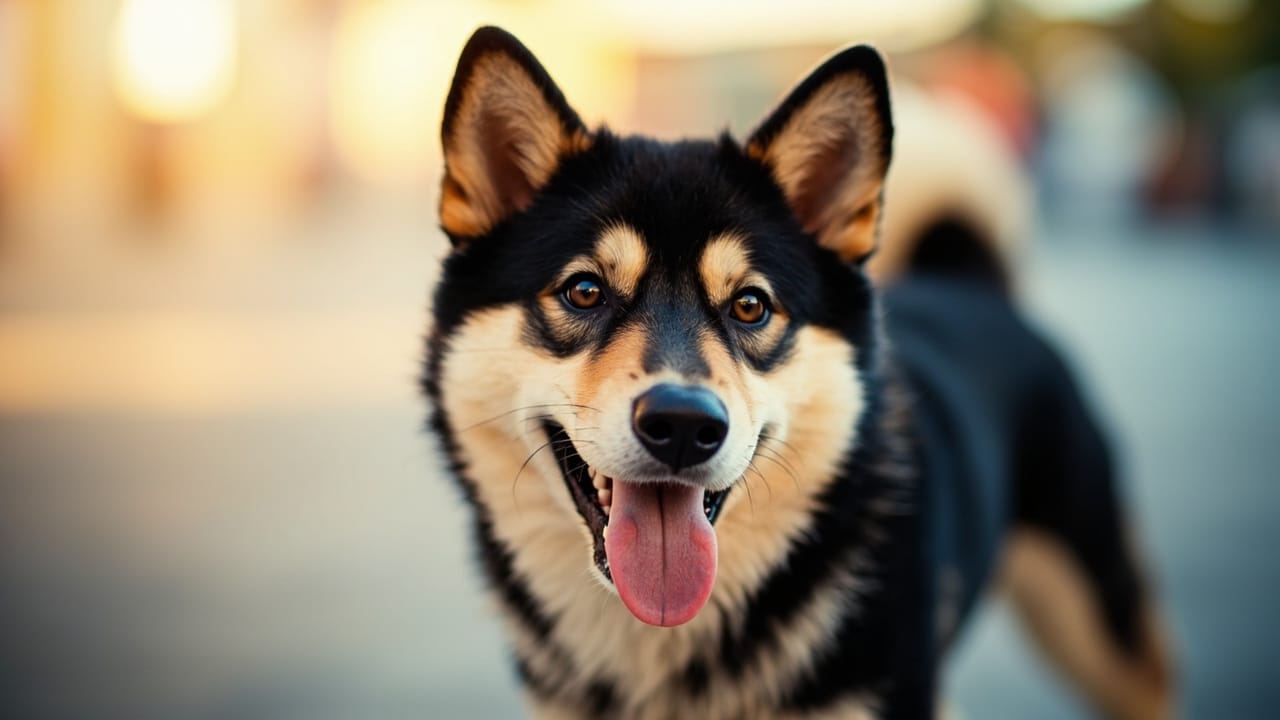
EU로 시바견 수입하기: 완전 소유자 가이드
예, 시바견을 EU로 수입할 수 있지만, 강아지는 ISO 15자리 마이크로칩, 마이크로칩 이후에 접종한 유효한 광견병 백신(첫 백신은 21일 대기 기간 필요), 그리고 EU 규정을 준수하는 반려동물 여권 또는 AHC를 보유해야 합니다. 강아지는 입국 전에 최소 15주 이상이어야 하며, 승인된 여행자 입국지점을 통해 입국해야 합니다.
시바견을 위한 EU 반려동물 여권: 규정, 비용, 단계별 안내서
EU 반려동물 여권은 공인된 수의사가 발급하는 공식 문서로, 시바견의 마이크로칩, 광견병 예방접종, 신원 정보를 기록합니다. EU에 입국하려면 개가 마이크로칩을 이식받고, 광견병 예방접종을 완료해야 하며(첫 접종인 경우 21일 대기 필요), 지정된 비EU 국가에서 EU가 승인한 경로로 입국해야 합니다. 2022년 1월 이후, EU 외 지역에서 입국할 때는 EU 건강증명서가 필요합니다.
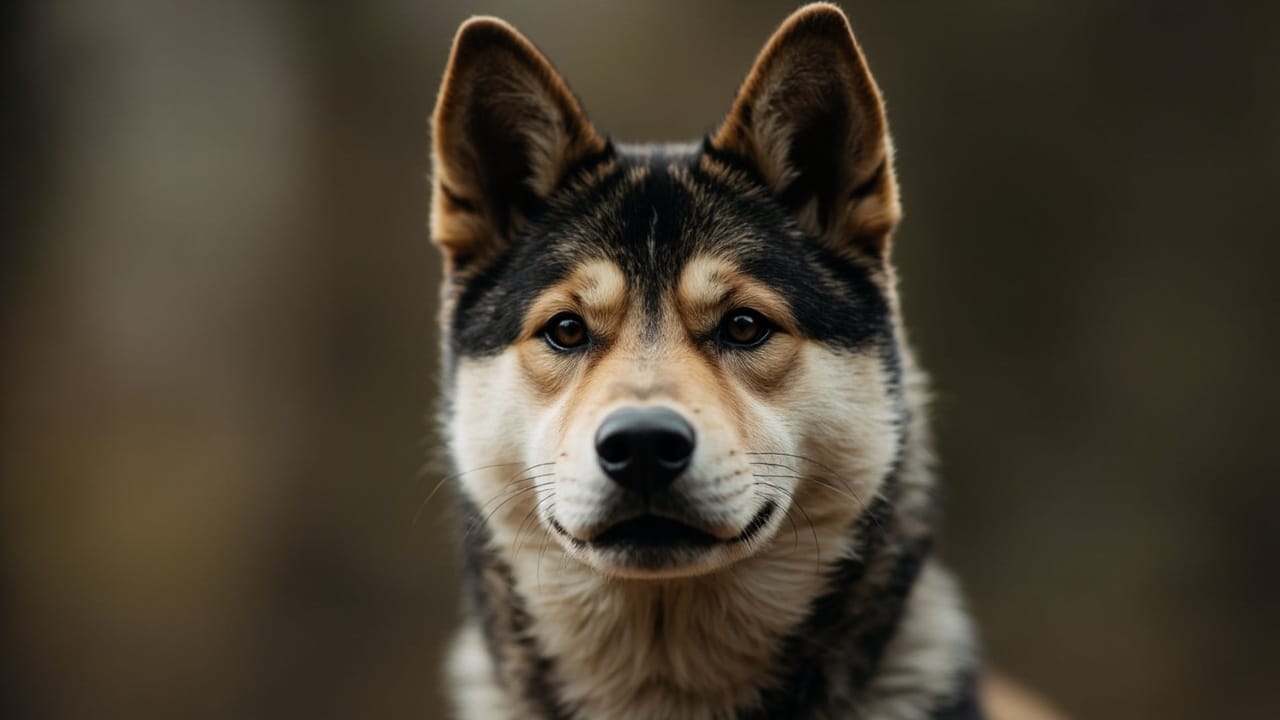
유럽 시바견 가격: 국가별 총 비용 분석 (EUR & GBP)
평판 좋은 유럽 브리더로부터 시바견을 구매할 경우 일반적으로 €1,400–€2,800 (£1,200–£2,400)이며, 쇼 퀄리티 강아지는 €4,000–€5,500에 달합니다. 입양 시바견은 €300–€600 (£250–£500)으로 훨씬 저렴합니다. 수입 비용, 브리더 수, 현지 수요에 따라 국가별로 가격이 크게 달라집니다.
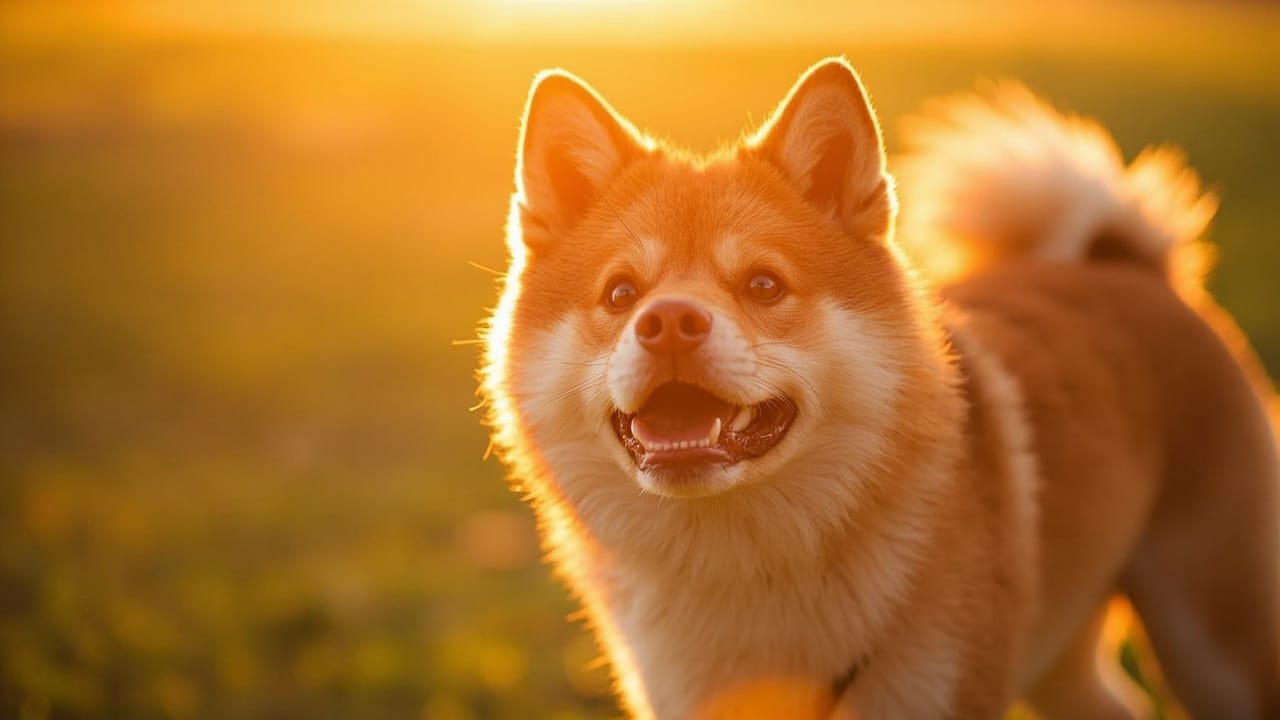
유럽에서 시바견 구입하는 방법: 국가별 가이드
유럽에서 시바견을 구매하려면 해당 국가의 견종 클럽(FCI 산하)에 연락하고, NIPPO 또는 FCI 기준을 따르는 브리더 목록을 요청하며, 건강 검사를 거친 강아지에 €1,500–€3,500를 예상하고, 현지에서 새끼를 구할 수 없을 경우 수입 비용을 예산에 포함해야 합니다. 입금 전에 항상 고관절, 슬개골, 안과 검진을 확인하세요.
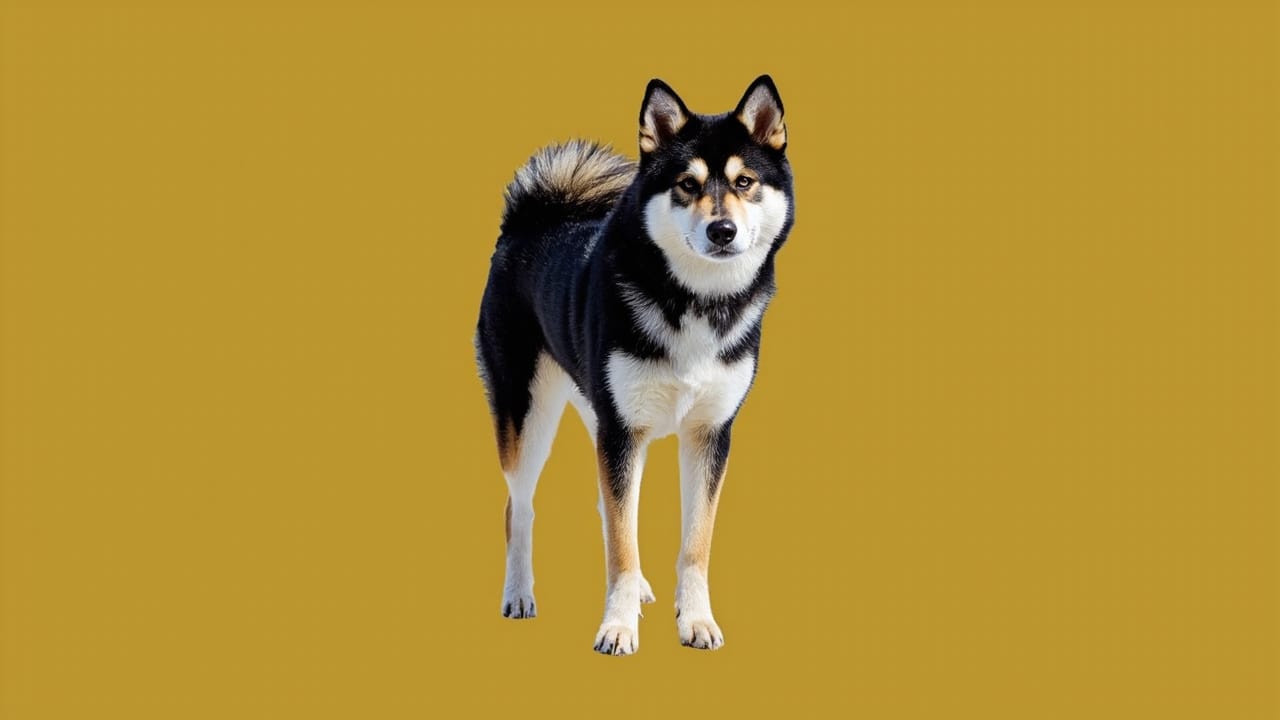
FCI 품종 표준 No. 257: 공식 시바견 표준
FCI 품종 표준 No. 257은 시바견의 공식적인 국제 표준으로, 1995년 6월 15일에 마지막으로 업데이트되었으며 NIPPO의 일본어 원문을 번역한 것입니다. 이 표준은 모든 시바견 브리더와 심사원이 따라야 할 품종의 기원, 기질, 크기, 털 색, 우라지로 마킹, 해부학적 비율을 정의합니다.
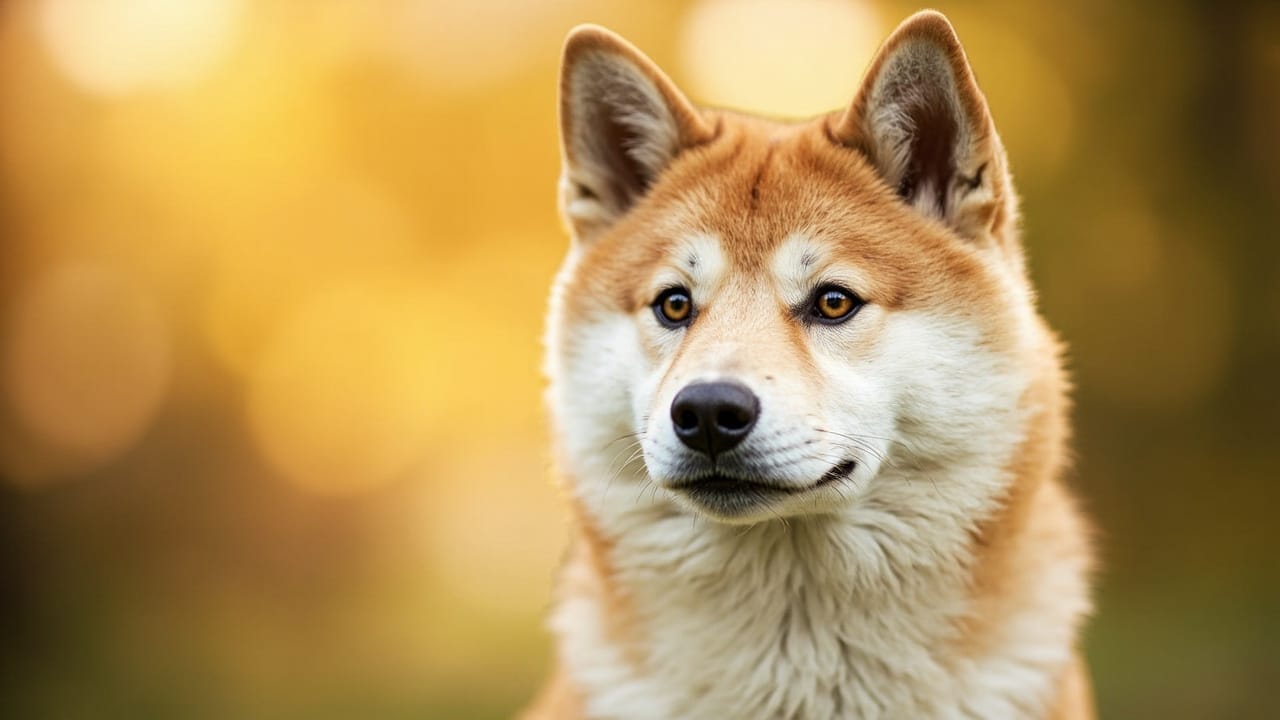
유럽의 시바견 등록 기관: FCI와 각국 켄넬 클럽 안내
유럽에서 시바견(Shiba Inu)의 혈통서는 벨기에에 본부를 둔 세계 애견 연맹인 Fédération Cynologique Internationale(FCI) 산하의 각국 켄넬 클럽에서 발급됩니다. FCI 자체는 개체를 직접 등록하지 않으며, 프랑스의 Société Centrale Canine이나 이탈리아의 ENCI 같은 각국 클럽을 인정하고, 이 클럽들이 스터드북을 관리하며, 수출 혈통서를 발급하고, 품종 표준을 제정합니다.
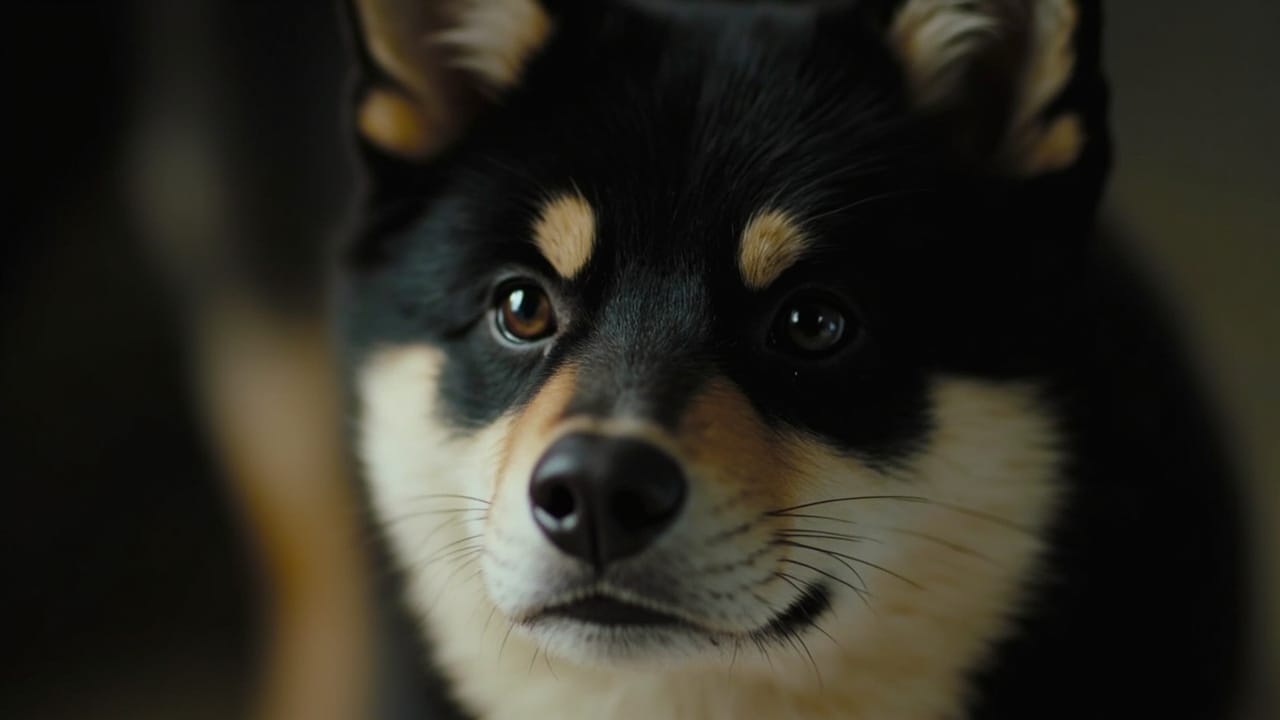
시바견 NIPPO 기준: 일본 심사위원들이 시바견을 어떻게 평가하는가
NIPPO 기준은 1928년에 설립되어 일본의 6가지 토종견을 보존하기 위해 설립된 일본견보존회(日本犬保存会, 닛폰켄 호존카이)가 작성한 공식 일본 품종 표준입니다. 쇼 링에서 심사위원들은 고대 '숲속의 개' 원형에 뿌리를 둔 이상적인 모습에 비추어 시바견을 평가합니다. 이는 균형, 올바른 우라지로(裏白), 그리고 간이 무치 료세이(悍威・良性・遒性)라고 불리는 기품 있고 영웅적인 기질을 강조합니다.
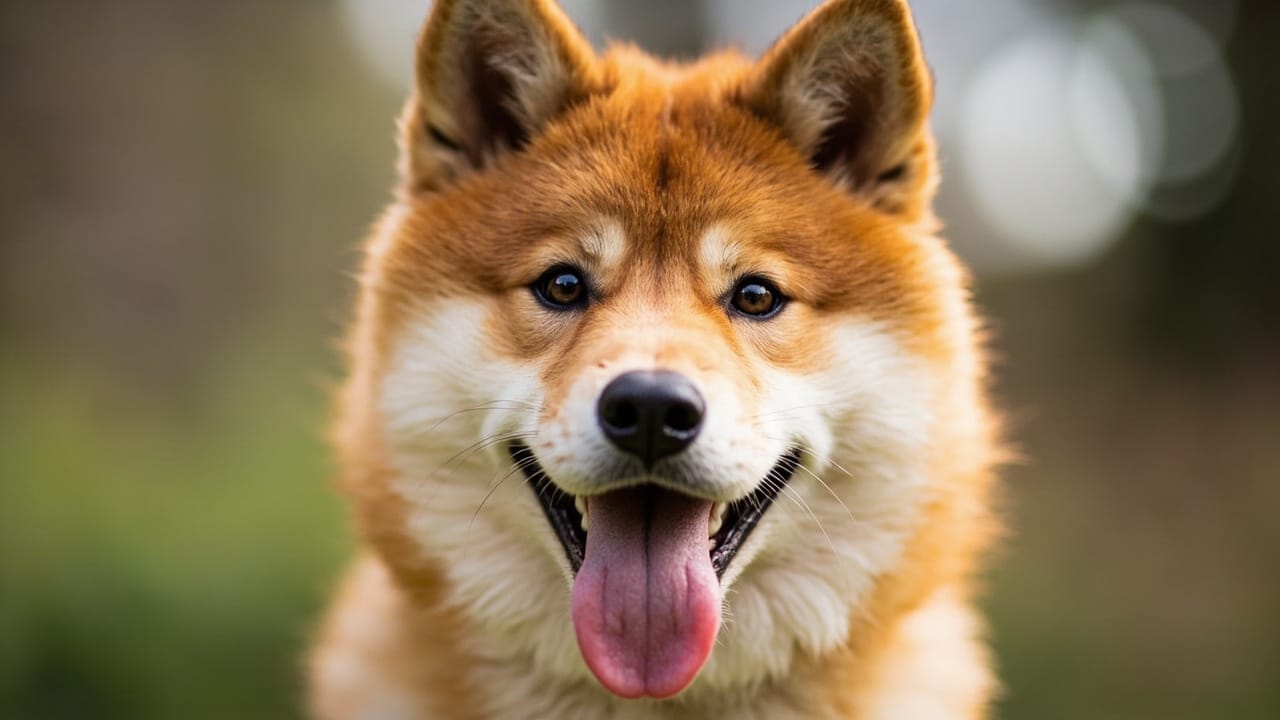
가장 유명한 시바견: 카보스, 마루, 도지 그리고 인터넷의 전설들
가장 유명한 시바견으로는 카보스(‘도지’ 밈과 도지코인의 얼굴), 마루(수백만 팔로워를 거느린 모자를 쓴 인스타그램 스타), 그리고 보디 ‘맨즈웨어 독(Bodhi Menswear Dog)’와 스키(Suki) 같은 다른 인기 강아지들을 꼽을 수 있습니다. 이 시바들은 한때 일본에서는 보기 드문 스피츠였던 이 품종을 2010년대와 그 이후를 대표하는 글로벌 인터넷 아이콘으로 변화시켰습니다.
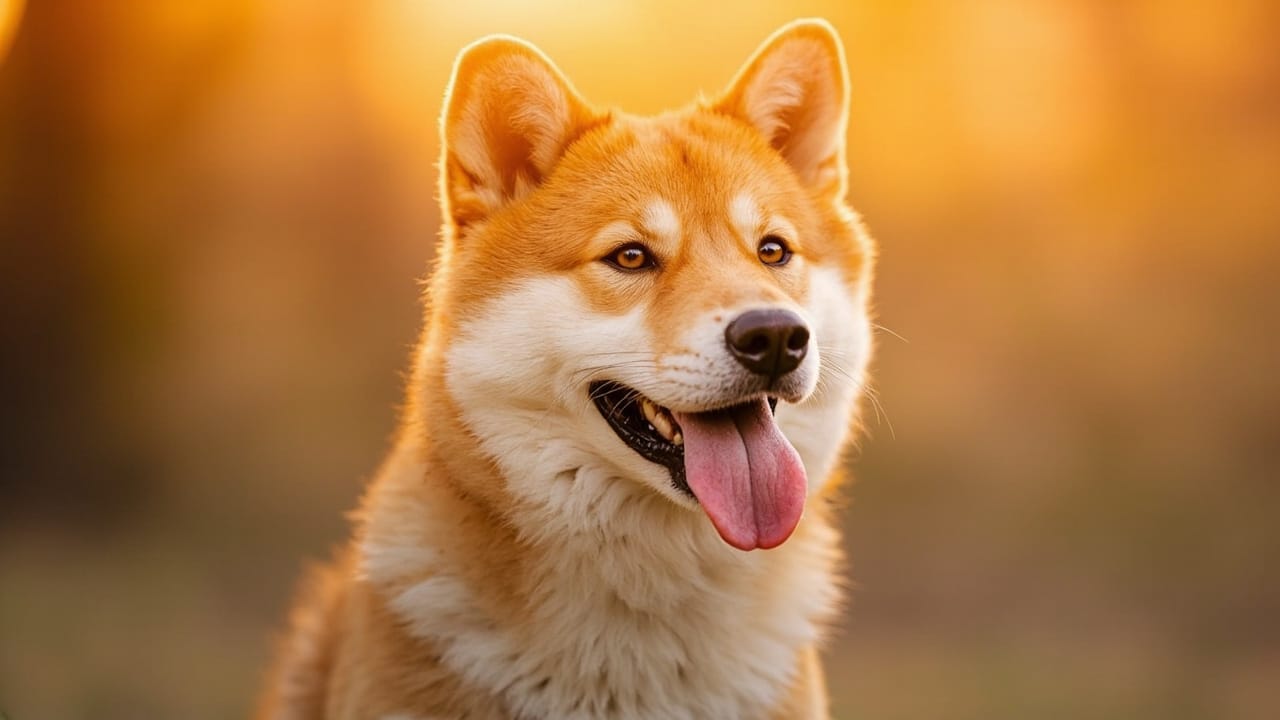
150개 이상의 최고 일본식 시바견 이름과 그 의미 (2025 가이드)
일본식 시바견 이름은 한자, 자연, 음식, 사무라이 전통에서 따온 것으로, 견종의 당당하고 여우 같은 기질과 잘 어울립니다. 인기 있는 이름으로는 Hoshi(별), Yuki(눈), Kuma(곰), Sora(하늘), Aiko(사랑하는 아이)가 있습니다. 올바른 이름은 짧아야 하며(1-2음절), 개공원에서 부르기 쉬워야 하고, 시바의 불 같은 성격을 반영해야 합니다.
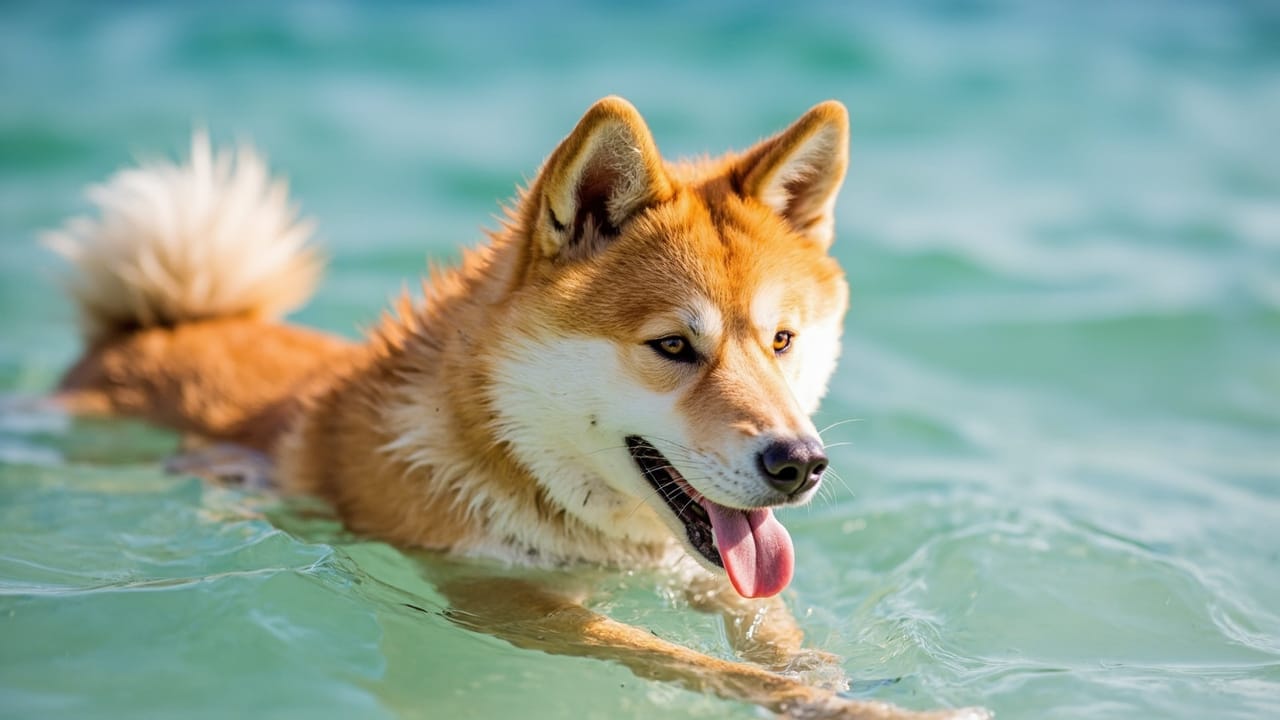
시바견은 수영할 수 있고 물을 좋아할까? (솔직한 가이드)
대부분의 시바견은 신체적으로 수영할 수 있지만, 이 품종은 물을 싫어하는 것으로 잘 알려져 있습니다. 강한 사냥 본능, 독립적인 성격, 물을 흡수하면 무거워지는 이중 털, 그리고 목욕을 피하려는 본능적인 습관 때문에 시바견이 아무런 훈련 없이 수영장, 호수, 바다에 기꺼이 들어갈 것이라고 절대 가정해서는 안 됩니다.
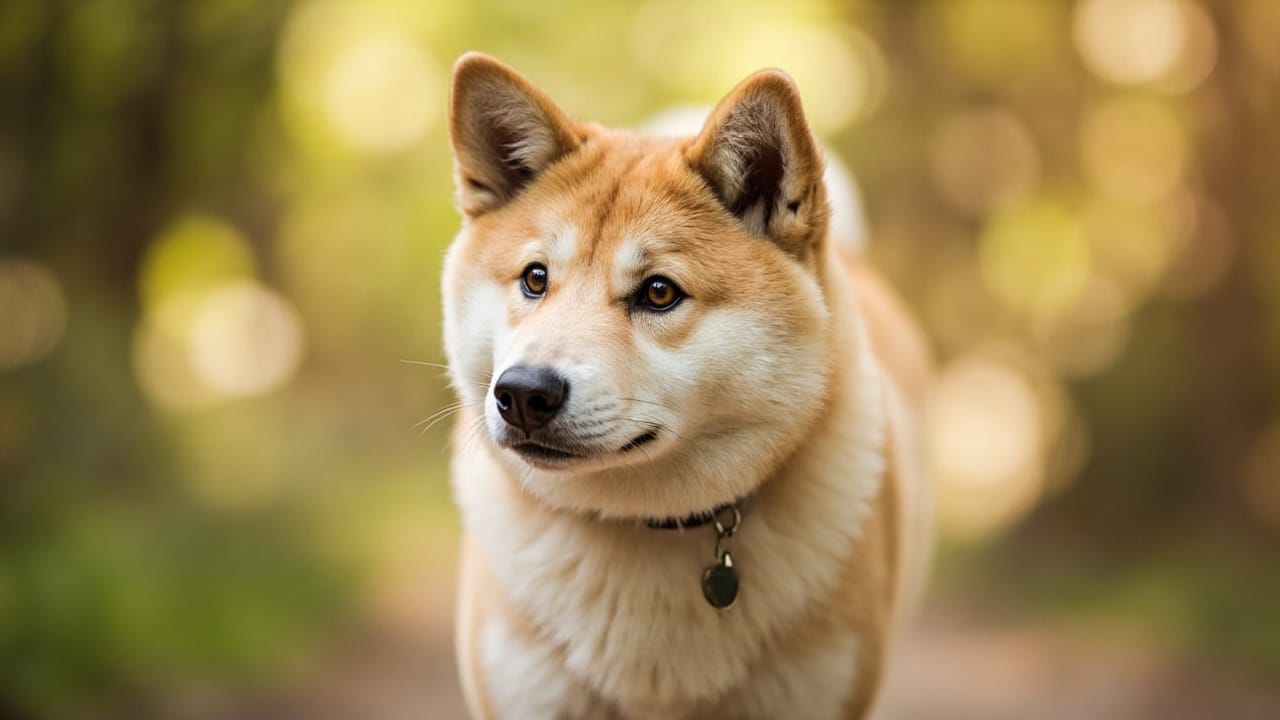
시바견은 좋은 등산 동반자인가? 안전하게 시작하는 법
네, 시바견은 튼튼하고 민첩한 체격과 뛰어난 체력 덕분에 훌륭한 등산 파트너가 될 수 있습니다. 짧고 낮은 고도의 트레일부터 시작하고, 거리를 점진적으로 늘려가며, 긴 코스에 도전하기 전에召回 훈련과 리드 컨트롤을 우선적으로 연습하세요.
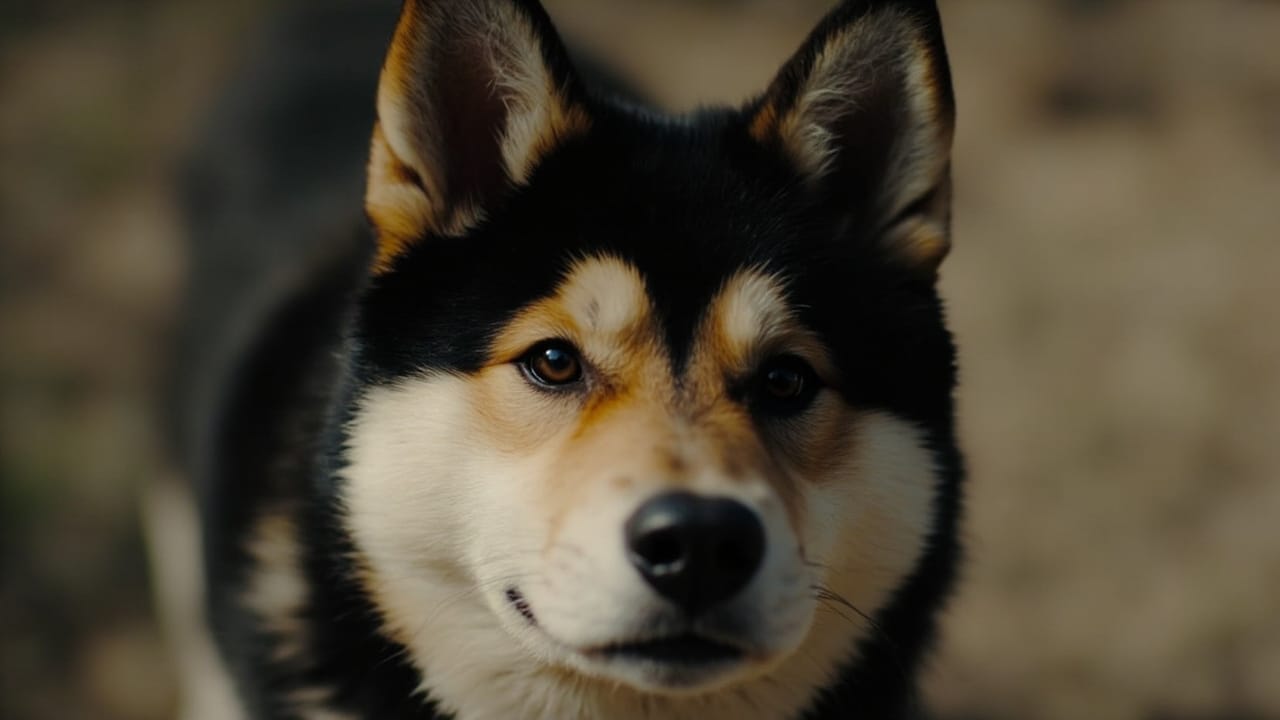
시바견 하루 권장 운동량 완벽 가이드
건강한 성견 시바견은 하루에 45~60분의 구조적인 운동이 필요하며, 이를 두 차례로 나누어 진행하는 것이 좋습니다. 강아지는 더 짧고 부드러운 활동(월령당 5분)이 필요하고, 노령견은 관절 건강과 체중 유지를 위해 30분의 저강도 운동을 계속해야 합니다.
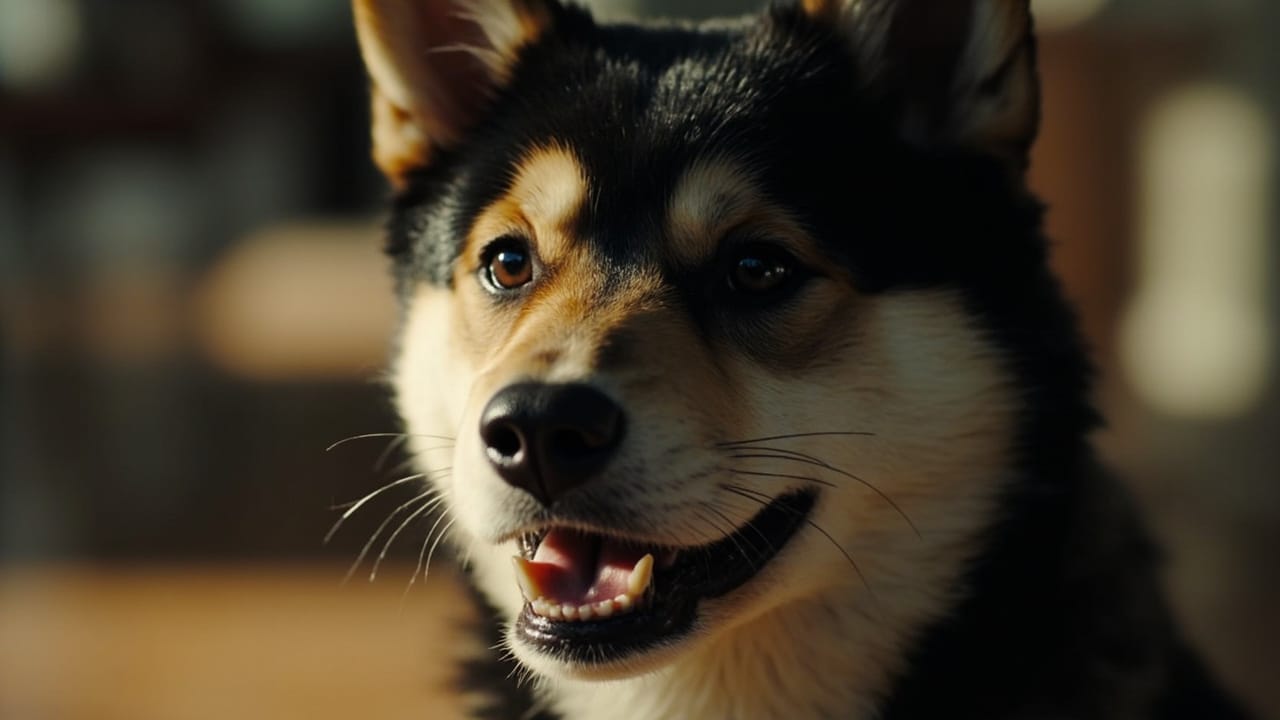
시바견을 위한 최고의 퍼즐 및 환경 강화 활동
시바견은 퍼즐 피더, 후각 활동, 독립적 문제 해결 게임에서 큰 만족을 느낍니다. 환경 강화 활동을 주당 3-4회씩 돌려가며 실시해 그들의 날카로운 지능과 높은 사냥 본능을 건설적인 방향으로 이끌어 주세요. 이는 유명한 '시바 500' 돌진 행동과 도주 시도를 유발하는 지루함을 예방합니다.
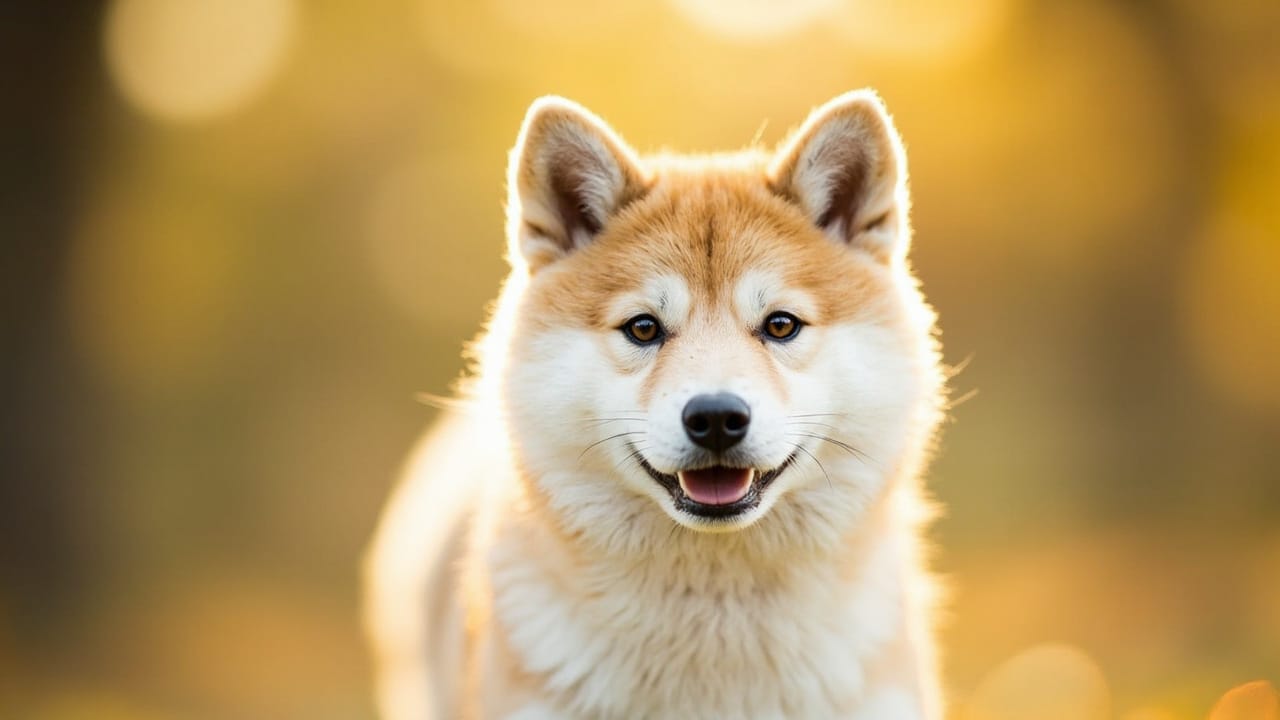
시바견을 위한 최고의 장난감: 2025년 구매자 가이드
시바견에게 가장 좋은 장난감은 내구성이 뛰어나고, 정신적으로 자극을 주며, 강한 턱과 높은 사냥 본능을 버틸 수 있도록 만들어진 것입니다. 평소처럼 곧게 찢어버리는 약한 봉제 인형보다 질긴 고무 씹는 장난감, 간식 분배 퍼즐, 플리트 폴, 스너플 매트를 우선적으로 선택하세요.
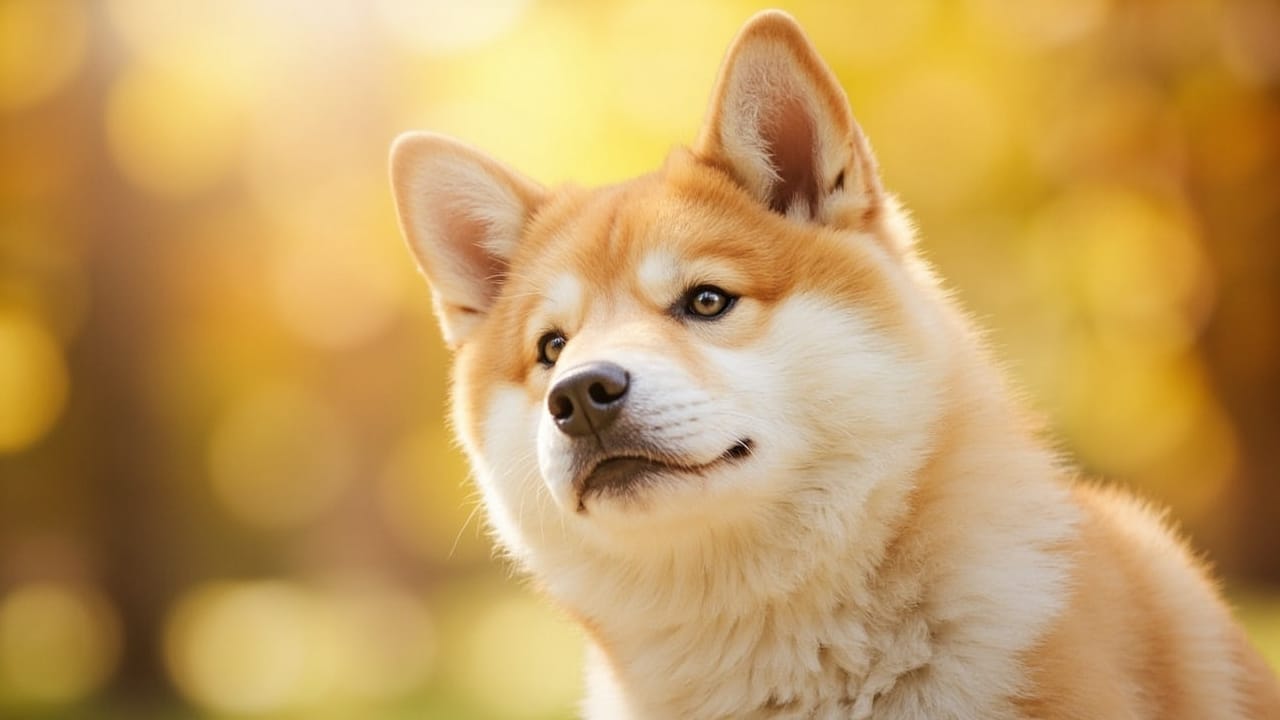
시바견을 위한 최고의 사료: 완벽한 급여 가이드
시바견에게 가장 좋은 사료는 고단백, 중간 정도의 지방 함량을 가진 건사료 또는 생식 사료로, 첫 번째 원료로 명시된 동물성 단백질(닭고기, 연어, 양고기)을 포함하고, 충전재는 적으며, 피모 건강을 위한 오메가-3가 추가된 것입니다. 대부분의 성견 시바는 하루에 고품질 건사료 1~1.5컵을 두 끼로 나누어 급여하며, 체중과 활동량에 따라 대략 400~560칼로리 정도가 적당합니다.
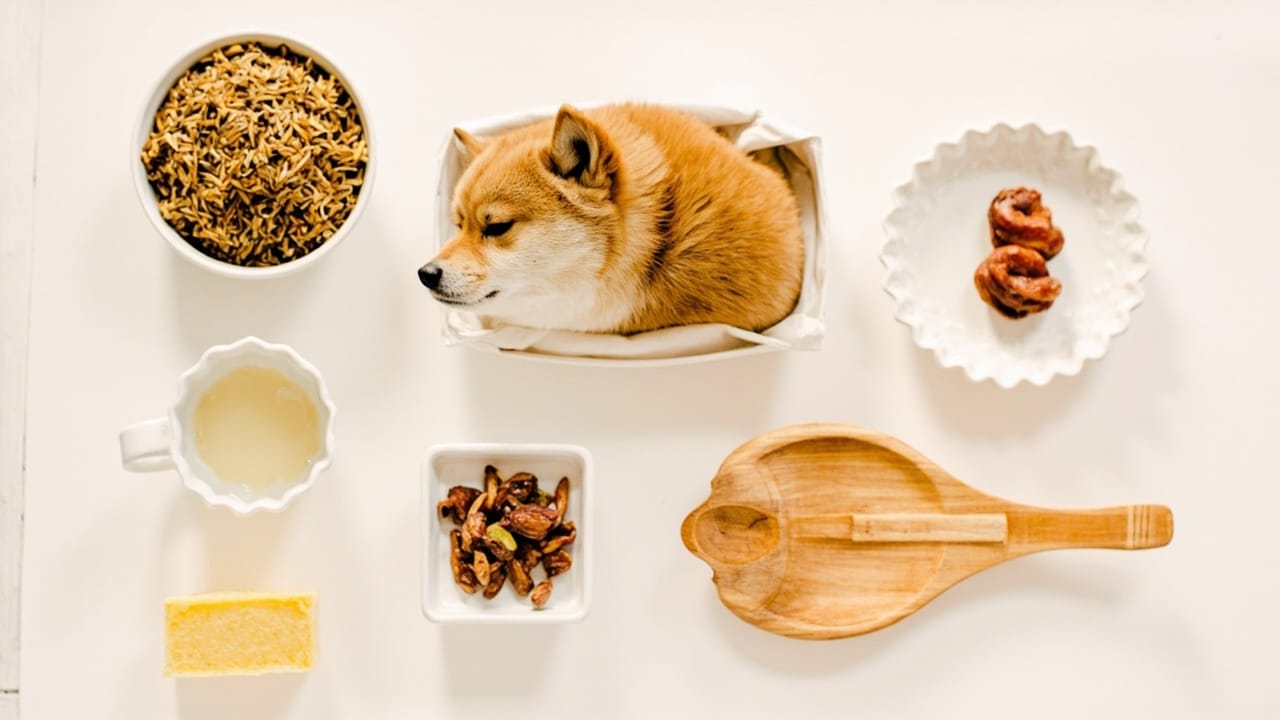
시바견(Shiba Inu)은 하루에 얼마나 먹어야 할까? (체중별 급여량 차트)
성체 시바견은 보통 고품질 건사료를 하루에 약 1~1.5컵(230~340g) 정도 먹으며, 이를 두 끼로 나눠 급여합니다. 어린 시바견은 하루에 약 1.5~2.5컵을 3~4끼에 나눠 먹이고, 노령기 시바견은 보통 0.75~1컵 정도로 줄입니다. 정확한 양은 체중, 활동량, 비만도, 사료의 칼로리 함량에 따라 달라집니다.
시바견에게 좋은 보조제: 무엇을 먹이고 왜 먹여야 할까
시바견은 피부와 모질 건강을 위해서는 오메가-3 지방산이, 관절 지원에는 글루코사민과 콘드로이틴이, 소화를 위해서는 프로바이오틱스가 가장 큰 도움이 됩니다. 완전하고 AAFCO 공인 식이를 먹고 있는 건강한 시바견의 경우, 일반 종합비타민보다는 털갈이, 알레르기, 관절 노화와 같은 특정 문제를 위한 표적 보조제만 필요합니다.
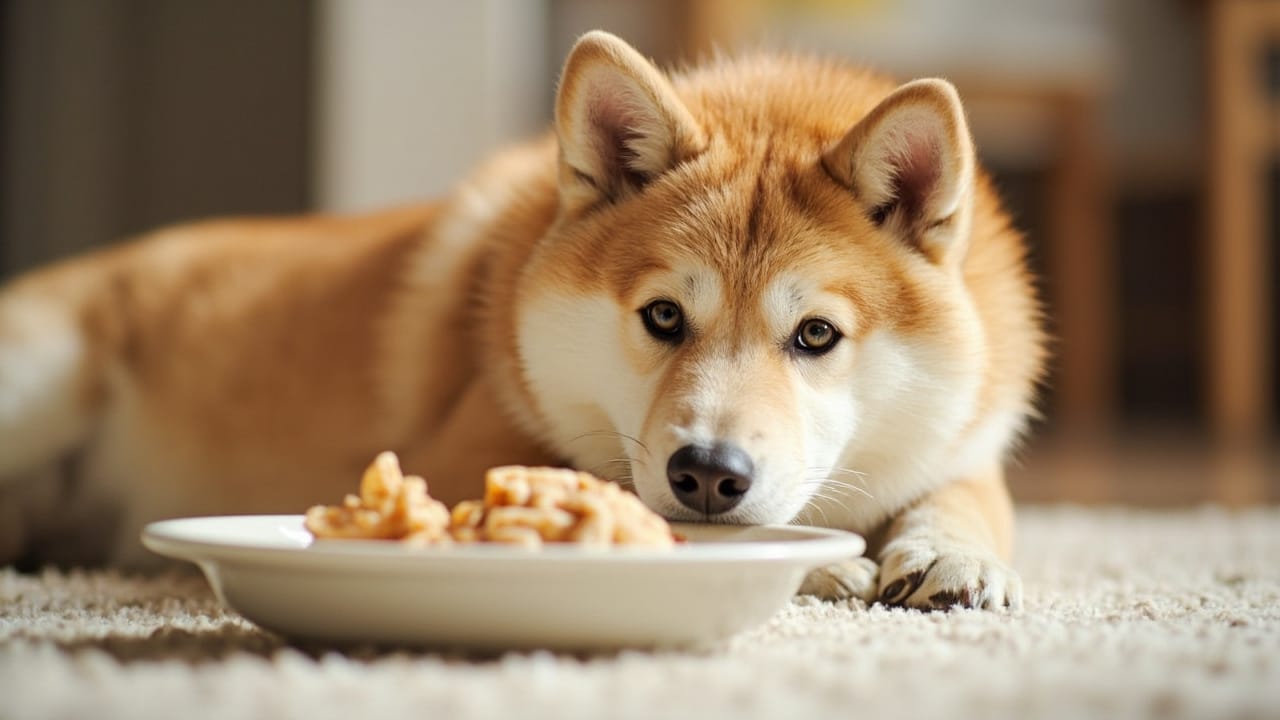
시바견에게 최고의 간식: 2025년 수의사 승인 가이드
시바견에게 최고의 간식은 북미, EU 또는 기타 반려동물 사료 안전 기준이 엄격한 나라에서 만들어진 소형의 저칼로리, 단일 원료 옵션입니다. 인공 첨가제가 들어간 제품은 피하고, 간식은 체중 증가를 방지하기 위해 하루 권장 칼로리의 10%를 넘지 않아야 한다는 점을 기억하세요. 시바견은 본래 마른 체형인 품종입니다.
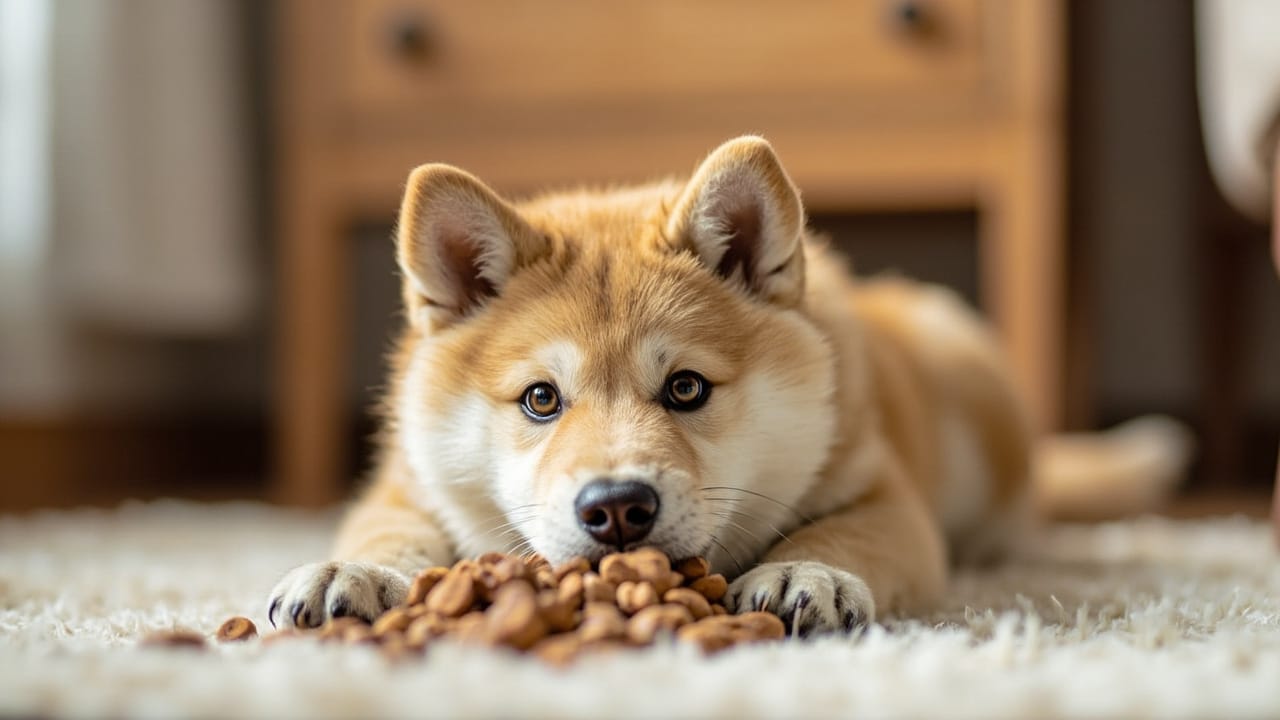
시바견에게 생식 vs 건사료: 어느 쪽이 더 나을까?
생식과 건사료 어느 쪽이 시바견에게 universally 우월하다고 할 수는 없습니다. 균형 잡힌 생식은 피모 상태와 근손실 없는 근육 형성을 지원하지만 신중한 위생 관리와 영양 보충이 필요하며, 반면에 고품질 건사료는 더 안전하고 편리하며 생식에서 발생할 수 있는 영양 결함을 예방하도록 설계되어 있습니다. 가장 좋은 선택은 매일 안전하게 준비하고 보관할 수 있는 식단입니다.
시바견에게 독성이 있는 음식: 완벽한 안전 가이드
초콜릿, 포도, 건포도, 양파, 마늘, 마카다미아, 자일리톨, 알코올, 생반죽 등은 시바견에게 가장 위험한 음식 중 하나입니다. 자일리톨이나 포도는 소량만으로도 생명을 위협하는 반응을 일으킬 수 있으므로, 사람이 먹는 간식은 반드시 잠금 보관하고 종에 맞는 식단을 제공하세요.
시바견이 안전하게 먹을 수 있는 사람 음식 (수의사 권고 종합 목록)
시바견은 담백한 익힌 살코기(닭고기, 칠면조, 소고기), 흰살생선, 계란, 흰 쌀밥, 귀리, 일부 과일(블루베리, 사과 슬라이스, 바나나, 수박), 그리고 개에게 안전한 채소(당근, 호박, 고구마, 풋콩, 오이) 등 다양한 사람 음식을 안전하게 먹을 수 있습니다. 항상 담백하고, 익힌, 뼈와 씨를 제거한 상태로适量 제공하세요. 초콜릿, 포도, 양파, 마늘, 자일리톨, 마카다미아 견과류 등 독성이 있는 음식은 절대 피해야 합니다.

새로운 아기를 위한 시바견 준비: 완벽 가이드
아기가 오기 몇 달 전부터 시바견 훈련을 시작하세요. 차분한 인사법 가르치기, 아기 소리에 민감도를 낮추기, 새로운 경계 설정하기, 그리고 routines을 점진적으로 바꾸는 데 집중하면, 아기가 집에 돌아왔을 때 반려견이 정신적으로 준비된 상태가 될 것입니다.
시바견을 고양이에게 소개하는 방법: 단계별 가이드
시바견을 고양이에게 소개할 때는 2~4주에 걸쳐 천천히, 향기 교환, 물리적 차단, 짧은 병행 세션을 통해 직접 접촉 전에 진행하세요. 시바견은 사냥 본능이 강하기 때문에 무리하게 강제하지 말고 초기 상호작용은 항상 감독해야 합니다. 인내심을 가지고 구조적으로 계획을 세우면 평온한 평생 반려동물 가정을 만들 확률이 크게 높아집니다.
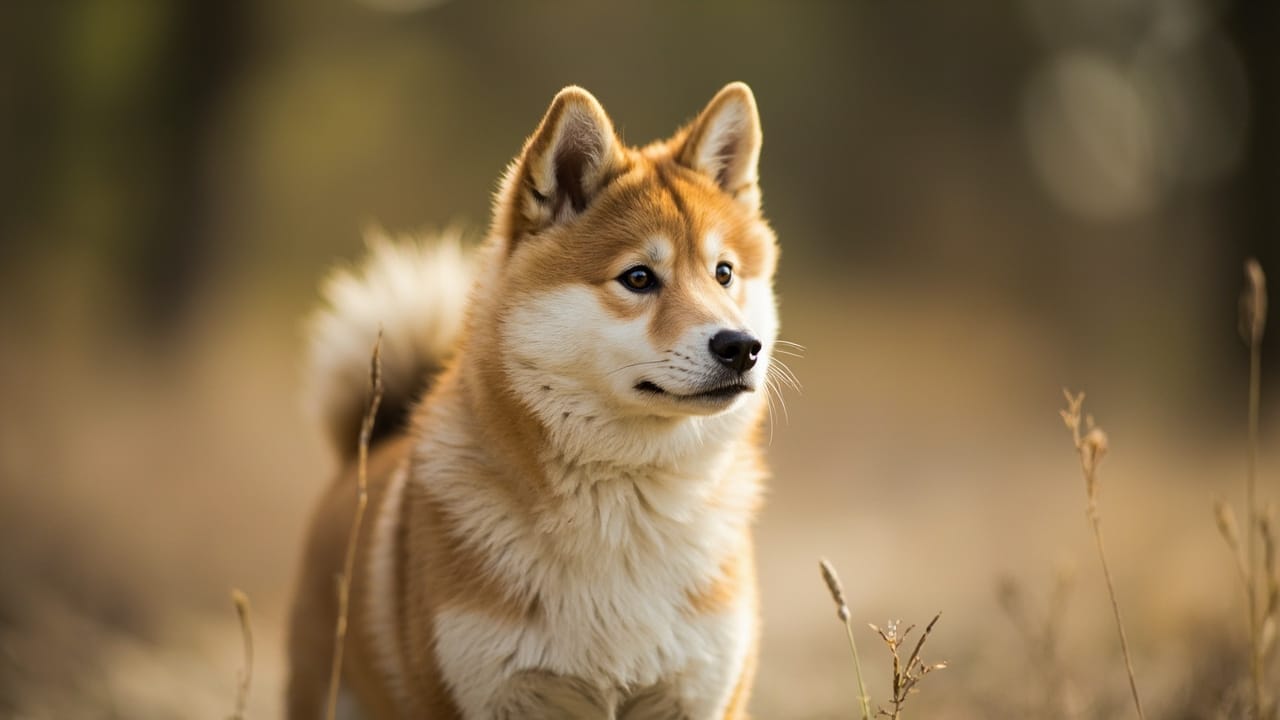
시바견에게 두 번째 강아지를 소개하는 방법
중립적인 장소에서 평행 산책 방식으로 새 강아지를 시바에게 소개하고, 두 강아지 모두 헐거운 리드줄에 묶어두며, 그들 스스로 페이스를 정하도록 하세요. 대부분의 시바는 도입 과정이 차분하고 짧으며 며칠에 걸쳐 반복되었을 때, 잘 어울리는 두 번째 강아지를 2~4주 이내에 받아들입니다.
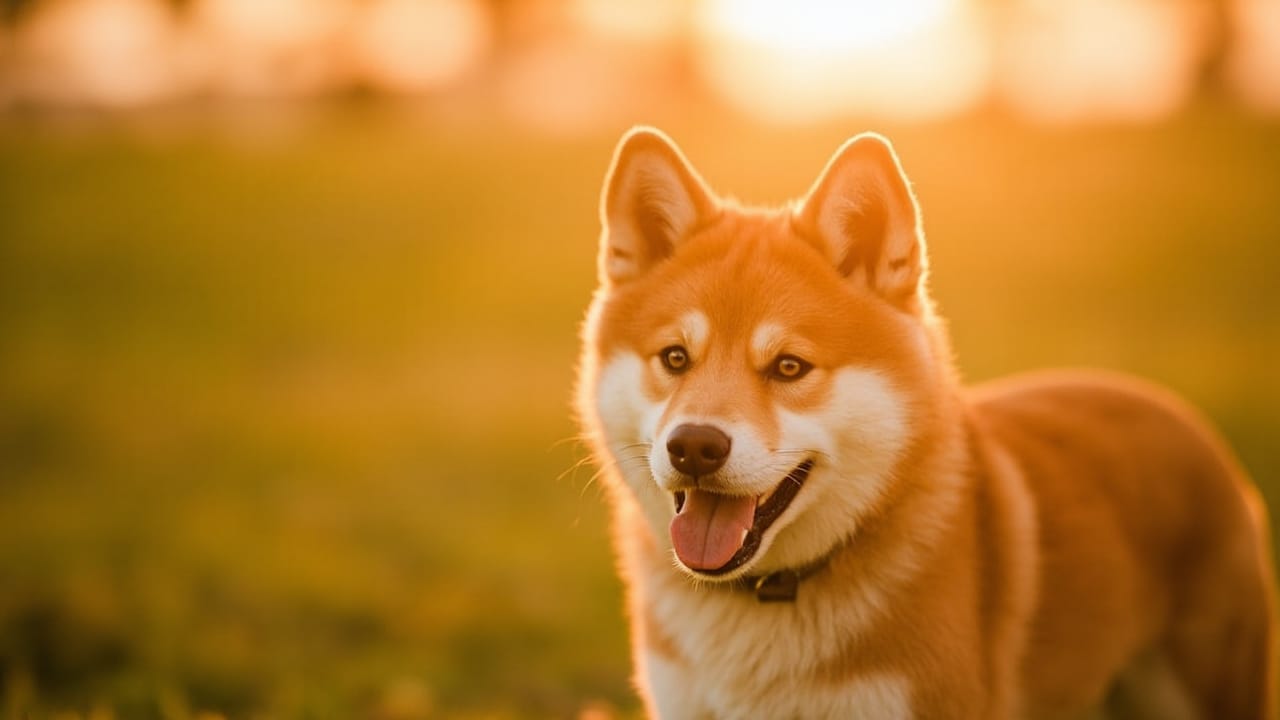
시바견을 위한 집 puppy-proofing: 완벽한 안전 가이드
시바견 강아지는 호기심이 많고, 민첩한 탈주 예술가이며, 강한 사냥 본능과 씹는 것을 좋아하는 타고난 재능을 가지고 있습니다. Puppy-proofing이란 아기 안전문으로 모든 방을 안전하게 하고, 독성 음식과 식물을 치우며, 전기 코드를 숨기고, 화학제품을 잠그고, 삼킬 수 있을 만큼 작은 물건은 손이 닿지 않는 곳에 보관하는 것을 의미합니다.
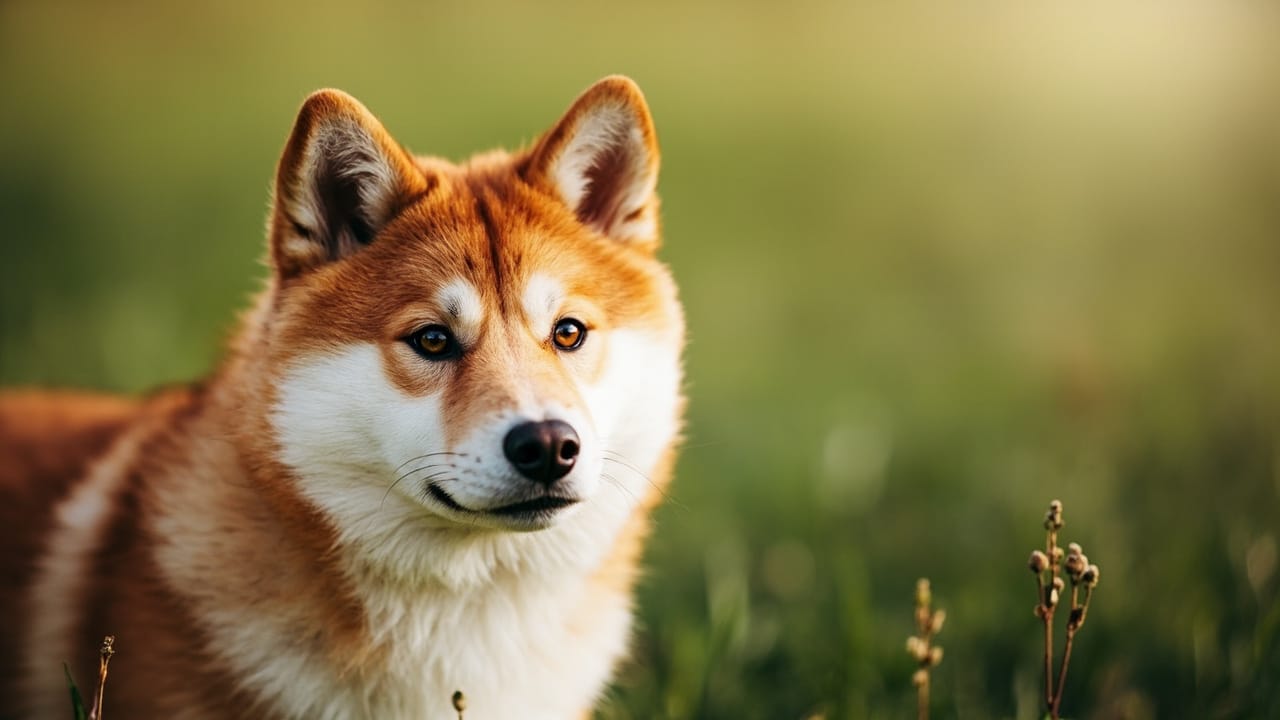
시바견에게 최고의 샴푸: 피모와 피부 관리를 위한 수의사 가이드
시바견에게 가장 좋은 샴푸는 부드럽고 pH 균형이 잡힌 (이상적으로는 pH 6.0–7.5) 민감성 피부용 오트밀 또는 알로에 성분이 함유된 강아지용 샴푸입니다. 사람의 샴푸나 강한 황산염 성분은 피해야 합니다. 시바의 이중 피모와 피부 장벽은 쉽게 손상되며, 이 품종에서는 아토피 피부염이 이미 흔하기 때문입니다.
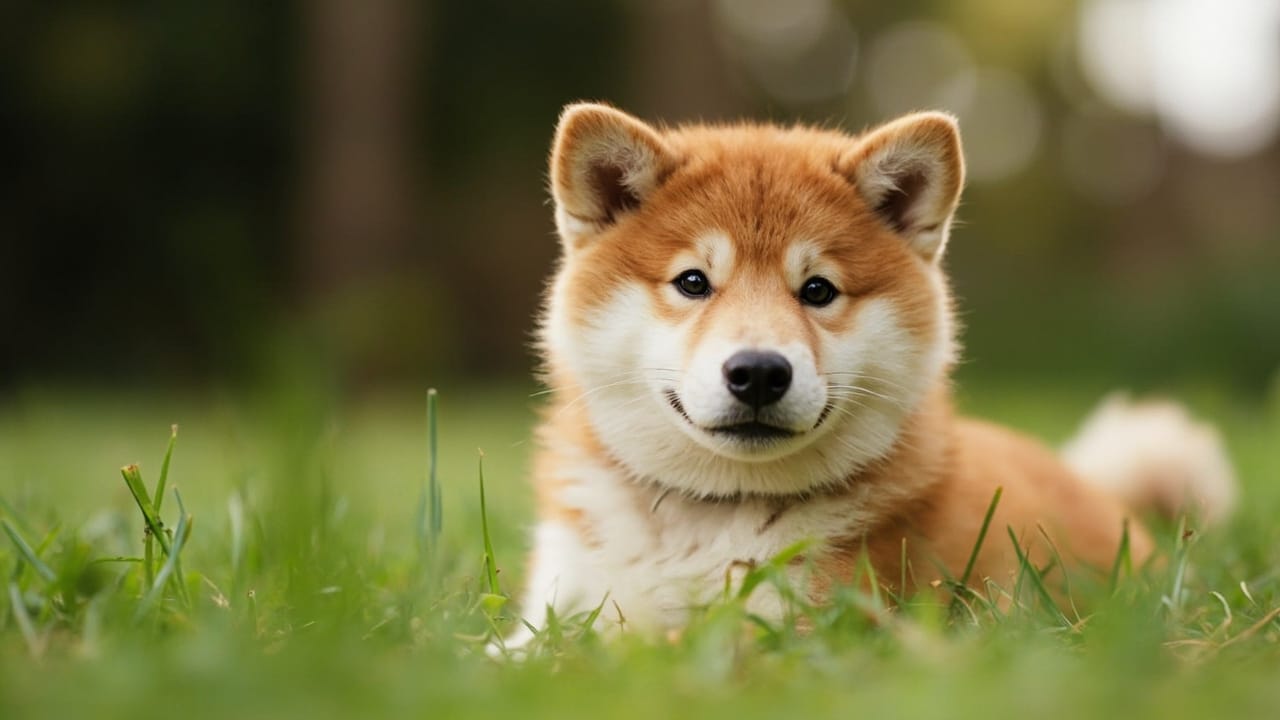
시바견(시바 이누)에게 가장 좋은 크레이트 크기: 완벽한 사이즈 가이드
시바견에게 가장 좋은 크레이트 크기는 길이 30~36인치(약 76~91cm) 크레이트이며, 36인치가 대부분의 성체 수컷에게 이상적이고, 30인치가 일반적으로 암컷과 작은 수컷에게 적합합니다. 시바견은 크레이트 안에서 편하게 서서, 돌아서며, 완전히 누울 수 있어야 합니다.
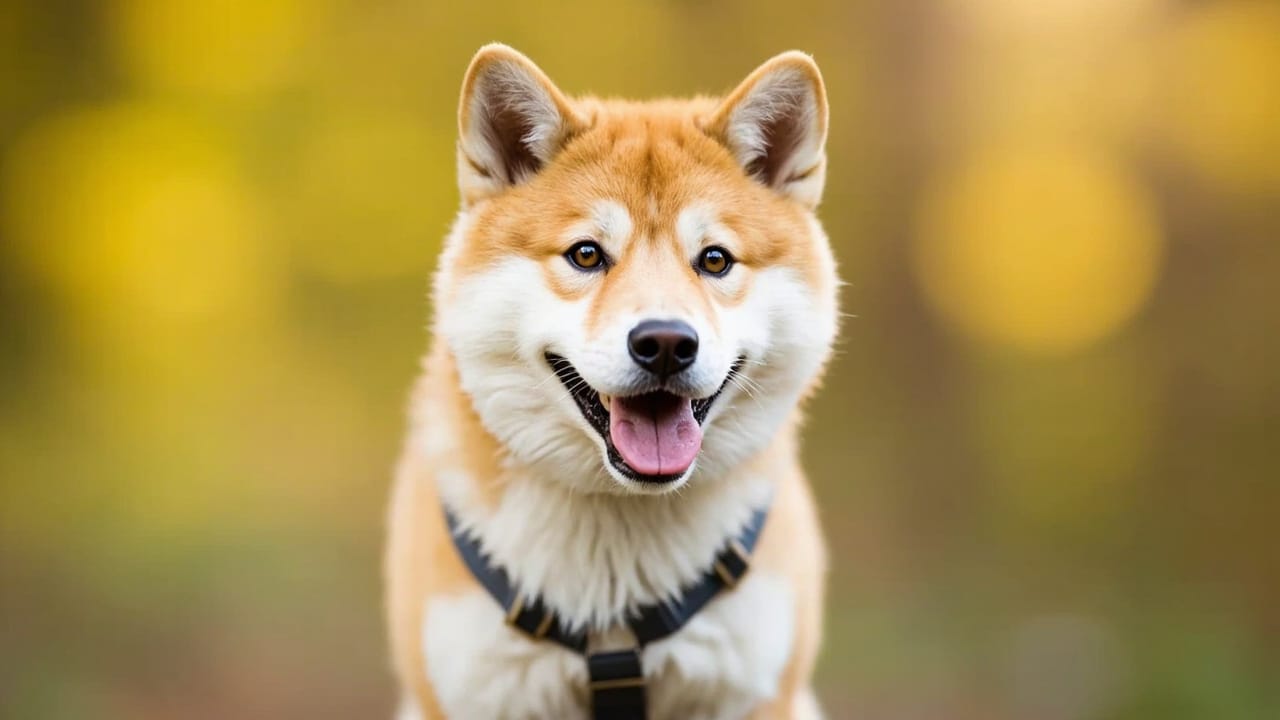
시바견을 위한 최고의 하네스: 호두까기 인형 같은 탈주 방지 선택
시바견에게 최고의 하네스는 여러 지점에서 조절이 가능하고, 마팅게일 백 스트랩, 그리고 단단히 고정된 D링이 등 부분에 부착된 Y프론트 방식의 탈주 방지형 스테핀 또는 오버더헤드 스타일입니다. 시바는 진정한 탈주 예술가이기 때문에 일반적인 H자형 하네스로는 충분하지 않습니다. 시바가 하네스를 빠져나가지 못하도록 하고 안전하게 보호하려면 탈주 방지 기능과 마팅게일 흉부 스트랩이 반드시 필요합니다.
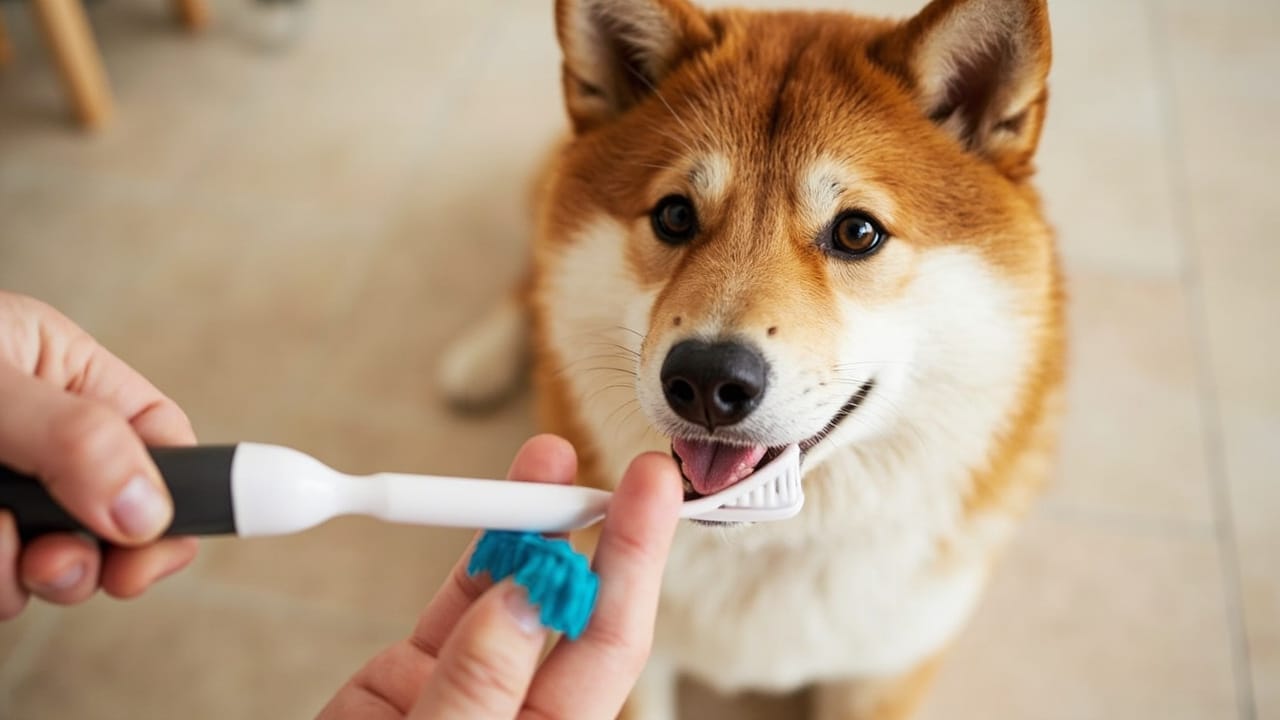
시바견 치아 닦기: 완벽 가이드
시바견 전용 칫솔과 효소 치약(절대 사람용 치약을 사용하지 마세요)을 사용하여 주 3-5회 치아를 닦아 주세요. 매일 양치가 가장 이상적이지만, 대부분의 시바견은 일관된 격일 루틴에서도 잘 적응하며, 이를 통해 치태, 치석, 치주 질환의 위험을 크게 줄일 수 있습니다.
시바 이누는 항문낭挤压이 필요할까? (안전하게 하는 방법)
대부분의 시바 이누는 정기적인 항문낭挤压이 필요하지 않습니다. 건강한 시바는 보통 배변 시에 자연적으로 항문낭을 비웁니다. 다만 시바가 엉덩이를 끌거나, 항문을 핥거나, 비린내가 난다면 수의사, 그루머, 혹은 올바른 외적 또는 내적 방법으로 가정에서 항문낭을挤压해야 할 수도 있습니다.
시바견 발톱 다듬기: 클리퍼 vs 그라인더 가이드
날카로운 강아지 발톱 가위나 드레멜 스타일 그라인더를 사용해 시바견의 발톱을 7-10일마다 조금씩 잘라 퀵(혈관) 바로 위까지 정리해 주세요. 클리퍼는 더 빠르고 저렴하며, 그라인더는 더 매끄럽고 둥근 마감을 제공하며 어두운 발톱에서 퀵을 피하기 더 쉽습니다. 대부분의 시바 견주들은 일상 관리에는 클리퍼를, 주간 스무딩에는 그라인더를 함께 사용하는 것이 가장 좋습니다.
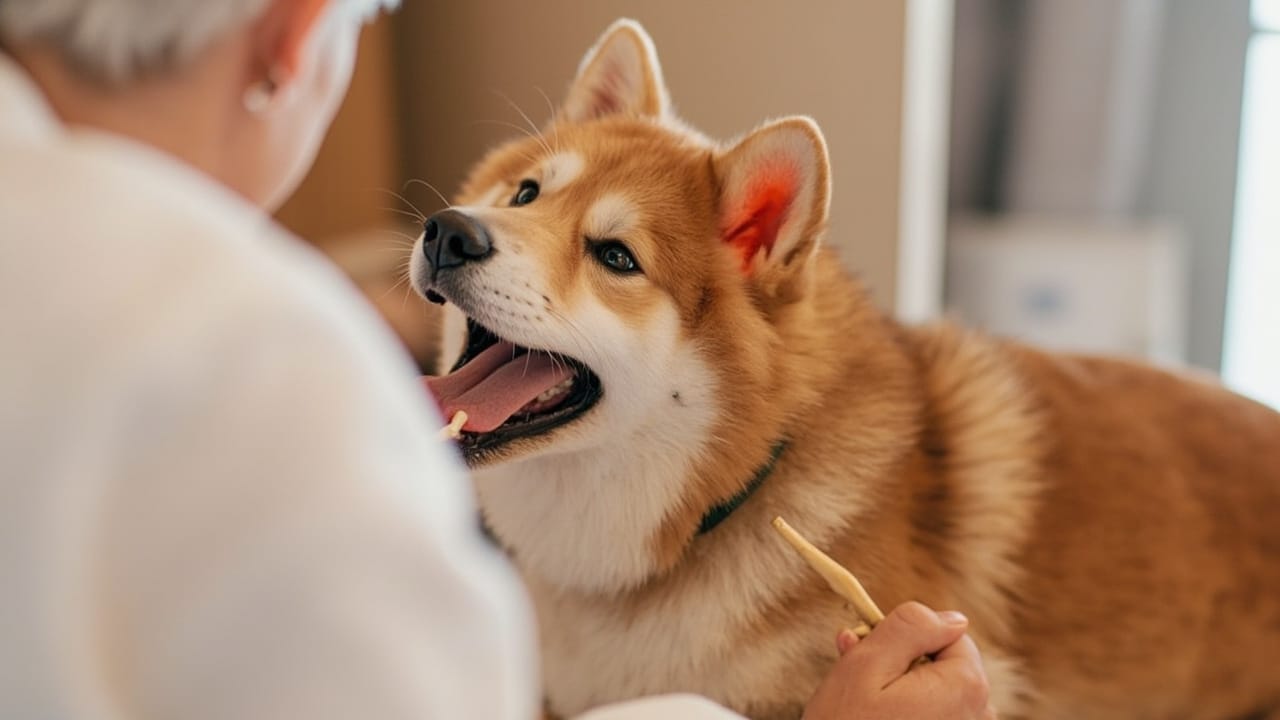
집에서 시바견 귀 청소하는 방법: 단계별 가이드
수의사가 승인한 강아지 귀 세정제, 면봉, 부드러운 테크닉을 사용해 집에서 시바견 귀를 청소하세요. 귀 플랩을 들어 올리고, 세정제로 외이도를 채운 뒤, 밑동을 20–30초 마사지하고, 시바가 털어내도록 한 다음 잔여물을 닦아냅니다. 눈에 띄게 더러울 때나 2–4주마다 한 번만 청소하세요. — 지나친 청소는 귀의 자연 균형을 깨뜨립니다.
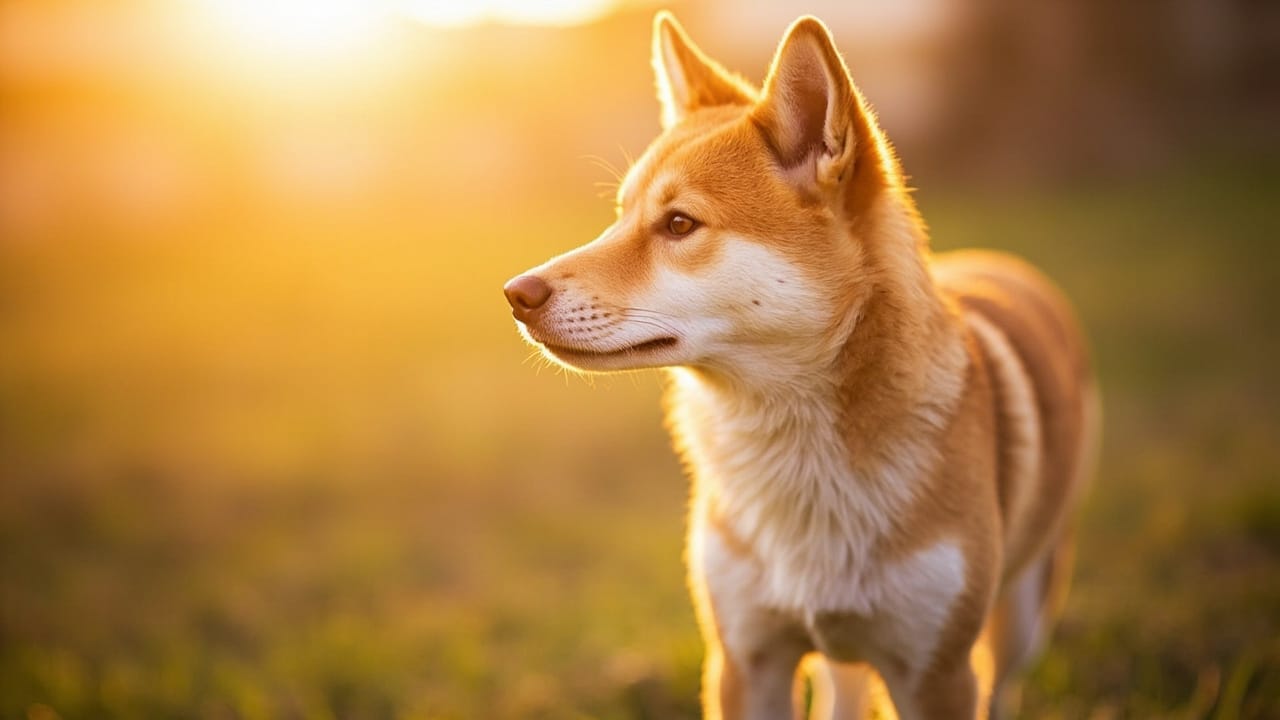
시바견의 열사병: 경고 신호와 예방법
시바견의 열사병은 심한 헐떡임, 끈적한 침, 밝은 빨강 잇몸, 무기력, 구토, 쓰러짐 등으로 나타나는 생명을 위협하는 응급 상황입니다. 이 품종은 이중 코트를 가지고 있고 더위에 민감하기 때문에, 예방은 그늘, 시원한 물, 새벽과 황혼 시간대로 산책을 제한하는 것, 그리고 — 단 1분이라도 — 주차된 차에 시바견을 두지 않는 것에 달려 있습니다.
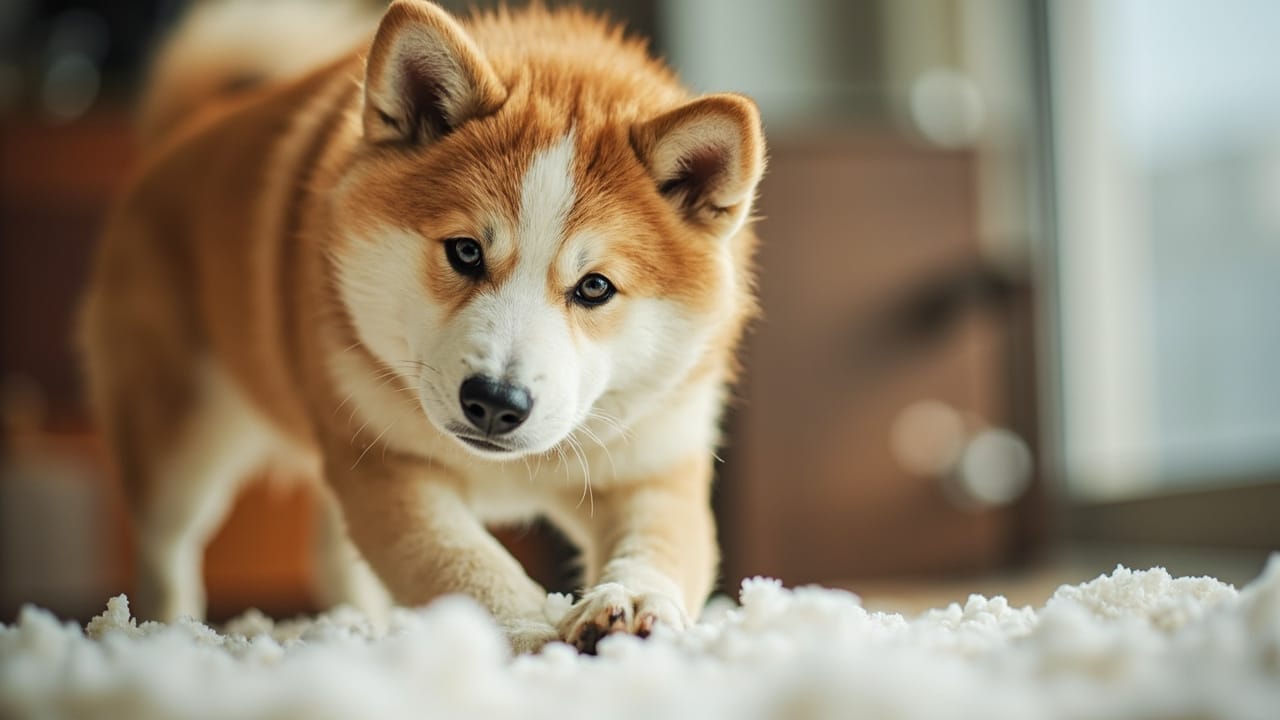
시바견 겨울 발 관리: 눈과 염화칼슘 보호 가이드
시바견의 발은 겨울의 눈, 얼음, 도로용 염화칼슘으로부터 보호가 필요한데, 이는 갈라짐, 화학적 화상, 자극을 일으킬 수 있습니다. 산책 후마다 발을 닦아주고, 발 밤이나 머셔즈 왁스를 보호막으로 바르며, 염화칼슘에 많이 노출되는 경우에는 강아지용 부츠를 사용하세요. 발바닥 패드 사이의 털을 잘라줘서 눈덩이가 뭉치는 것을 예방하세요.
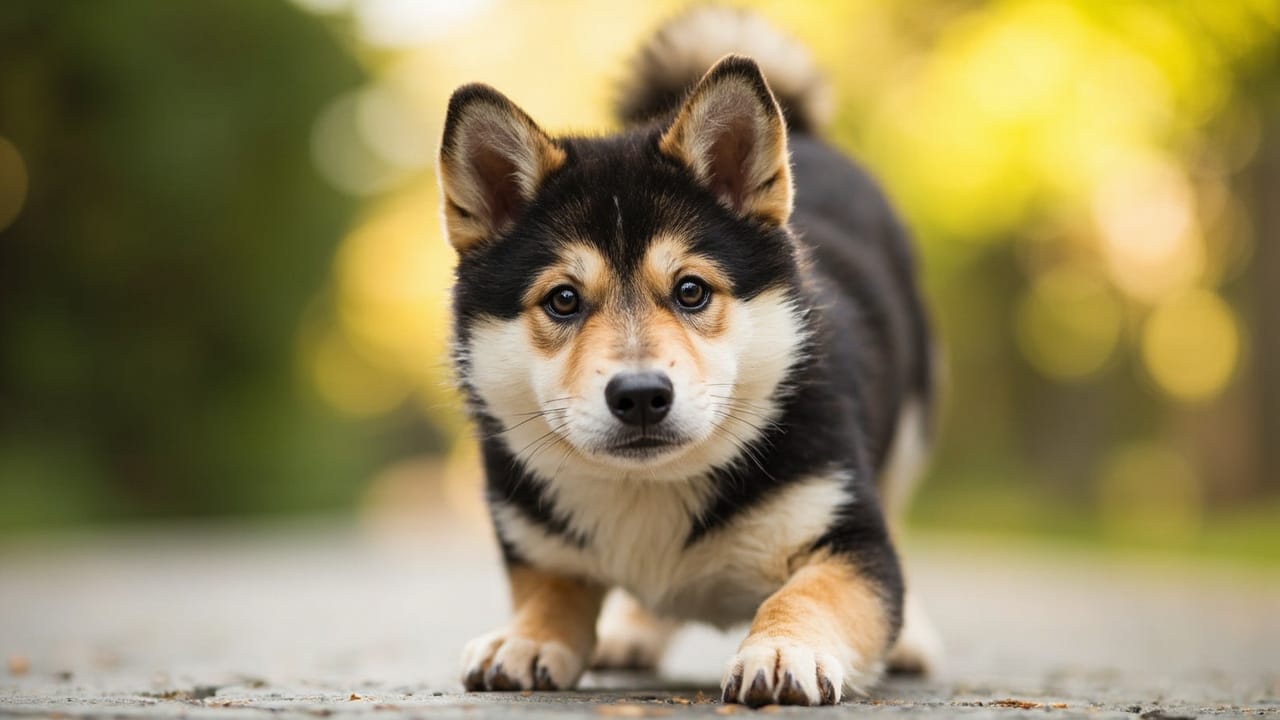
더운 포장도로로부터 시바견의 발바닥을 보호하는 방법
여름 기온이 25°C(77°F)를 넘어가면 뜨거운 아스팔트가 단 몇 초 만에 시바견의 발바닥 패드를 데칠 수 있으므로, 산책 전마다 손등으로 모든 표면을 테스트해 보세요. 이른 아침이나 일몰 후에 산책하고, 보호용 강아지 부츠나 발 왁스를 사용하며, 가능하면 항상 잔디와 그늘진 흙길로 다녀오세요.
천둥번개를 무서워하는 시바견 돕기: 실용 가이드
시바견의 천둥번개 불안은 흔하며 충분히 관리할 수 있습니다. 안전한 덴(den)을 만들고, 압박 랩(pressure wrap)을 사용하며, 화이트 노이즈나 음악으로 외부 소음을 덮어주고, 천둥을 고가치 보상과 연결하세요. 증상이 심한 경우 수의사에게 항불안제 처방이나 수의 행동학전문의 referral을 문의하세요.
시바견을 폭죽에서 진정시키는 방법: 검증된 7가지 팁
폭죽이 시작되기 최소 이틀 전부터 안전하고 방음이 된 아지트를 만들어 두고, 창문과 커튼을 닫아 주며, 하루 일과를 일찍 시작해 시바견의 에너지를 충분히 소진시켜 주세요. 여기에 선드라쉴트, 백색소음기, 고가 간식 같은 진정 보조를 곁들이고, 가장 중요한 것은 보호자 분이 평정심을 유지하는 것입니다 — 시바견은 보호자의 말보다 보호자의 기분을 더 잘 읽어냅니다.
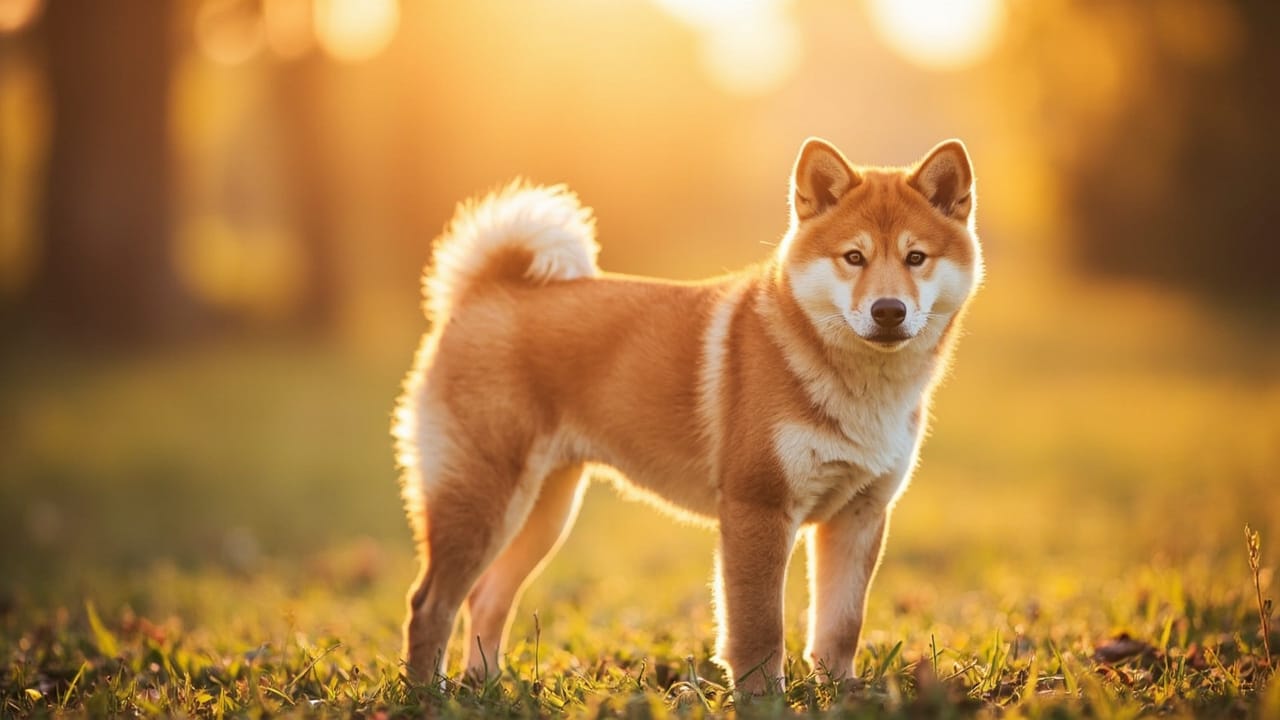
시바견 체중 & 성장 차트 (월령별): 종합 가이드
건강한 성체 시바견의 일반적인 체중은 8–10 kg(17–22 lbs)이며, 수컷은 약 10 kg, 암컷은 약 8 kg입니다. 어린 시바견은 생후 6개월까지 급격히 체중이 증가하고, 7개월이 되면 성체 크기의 약 80%에 도달하며, 12–18개월이 되면 완전히 자리를 잡습니다.
시바견 임신과 분만: 브리더를 위한 종합 가이드
시바견의 임신 기간은 약 63일이며, 일반적인 한 배 새끼 수는 2~4마리입니다. 브리더는 임신 25~28일경에 초음파로 임신을 확인하고, 임신 7주까지 조용한 분만 상자를 준비해야 하며, 시바견은 머리 크기가 비례적으로 큰 편이어서 난산이 비교적 흔하기 때문에 합병증 발생 여부를 면밀히 관찰해야 합니다.
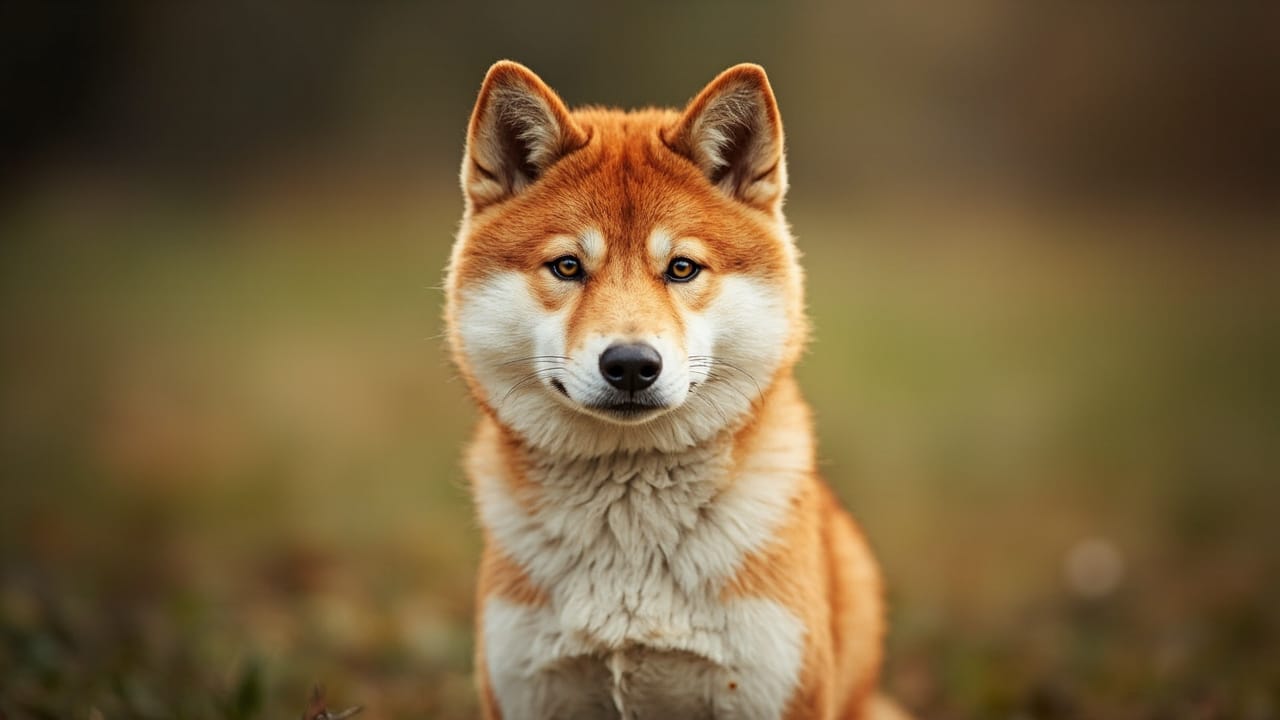
암컷 시바견은 언제 발정기를 시작하나요? 반려인을 위한 완벽 가이드
암컷 시바견은 보통 생후 6개월에서 12개월 사이에 첫 발정기를 경험하며, 이후 약 6개월 주기로 발정 주기가 반복됩니다. 한 번의 발정기는 대략 2~4주 동안 지속되며, 가임기(수태 가능 시기)는 보통 발정 9일째에서 14일째 사이에 해당합니다. 이 기간에는 외음부 부종, 혈성 분비물, 기분 변화, 그리고 놀라울 정도로 강해진 탈출 본능과 이성 파트너를 찾아야 하는 욕구가 나타나는 것을 예상하셔야 합니다.
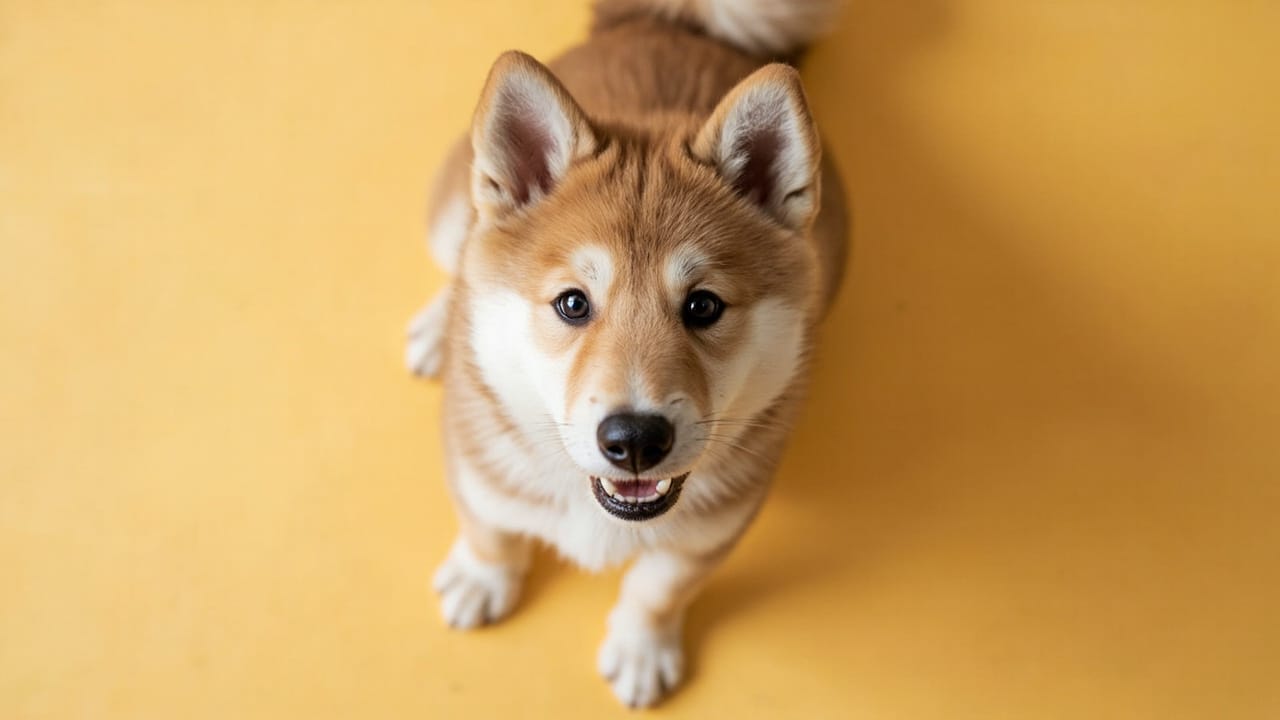
시바견 이유(젖니 교체): 시기 및 통증 완화 방법
시바견 강아지의 이유기는 두 단계로 나뉩니다. 젖니는 생후 3~6주 사이에 나고, 영구치는 약 4~7개월 사이에 올라옵니다. 영구치 42개가 모두 자리 잡는 7~8개월 무렵이면 이유가 끝납니다. 냉동 콩(Kong), 안전한 고무 씹는 장난감, 차가운 당근, 냉동 젖은 수건은 통증을 확실히 줄여주며, 얼음이나 딱딱한 물건, 그리고 씹는 것에 대한 벌주는 피해야 합니다.
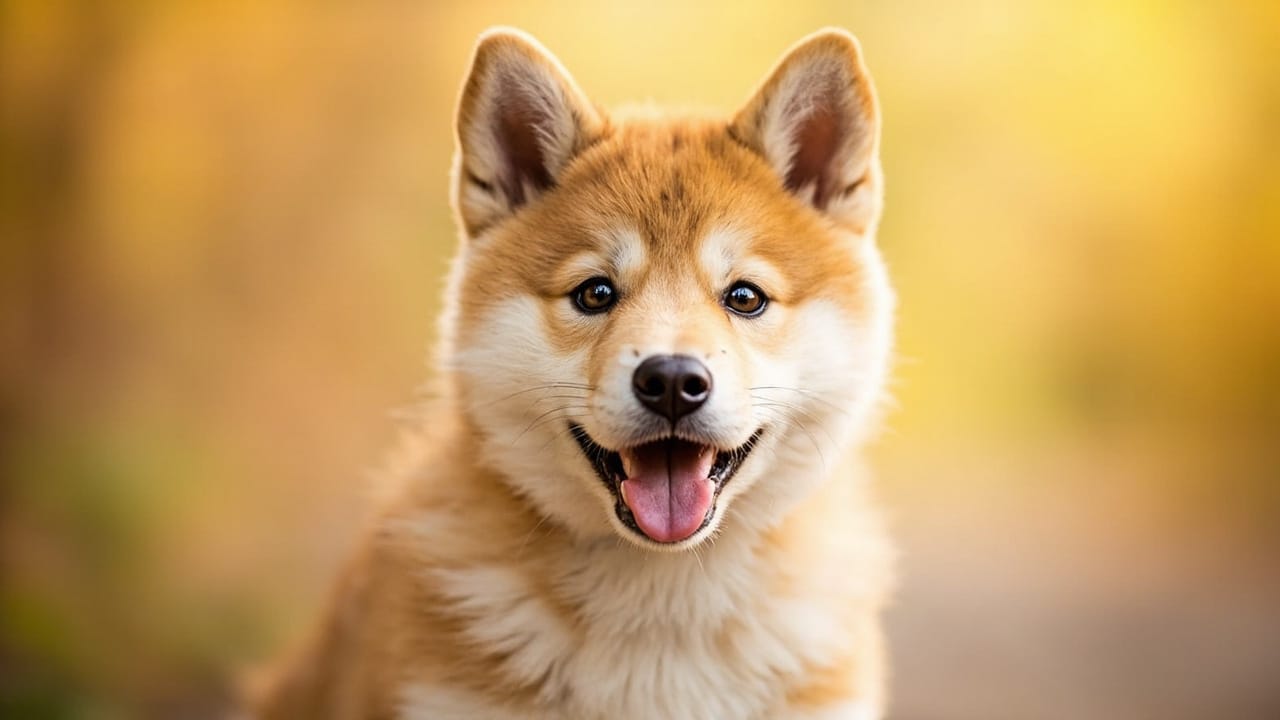
시바견(Shiba Inu) 새끼 발달 단계: 주간 가이드
시바견 새끼는 출생부터 1년까지 빠르게 발달하며, 2주마다 중요한 변화가 일어납니다. 가장 중요한 사회화 시기는 3주에서 12주 사이이며, 공포기와 '시바 500' 단계는 보통 8~16주 사이에 나타납니다. 대부분의 시바견은 12~18개월 사이에 성체 크기와 정서적 성숙에 도달합니다.
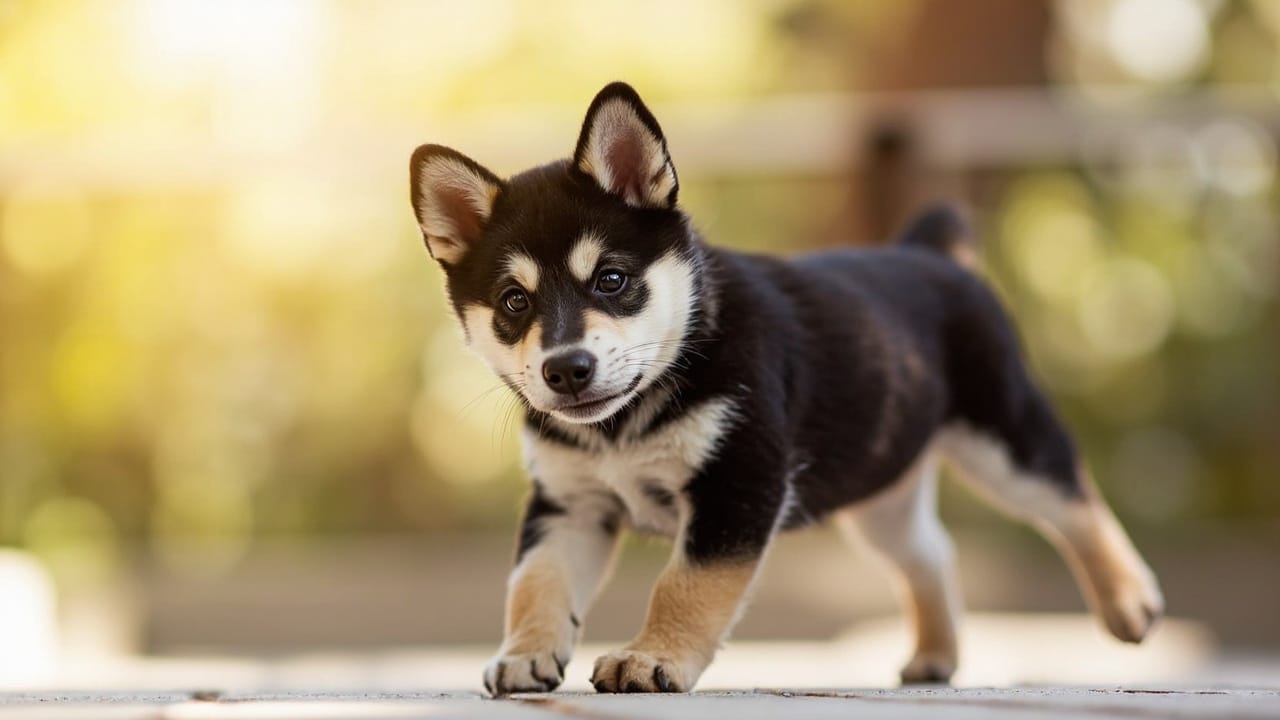
시바견(shiba inu) 강아지의 물기와 까물거림을 멈추는 방법
시바견 강아지가 물지 않도록 하려면 이빨이 피부에 닿는 순간 즉시 관심을 거두고, 장난감으로 물기를 유도하며, 차분한 입에 대한 행동을 간식으로 강화하세요. 시바는 독립적이고 사냥 본능이 강한 견종이므로 일관성, 매일 입 물기 억제 훈련, 충분한 유산소 운동은 필수입니다. 대부분의 강아지는 가족 모두 같은 규칙을 따르면 5~6개월쯤이면 세게 물기를 멈춥니다.
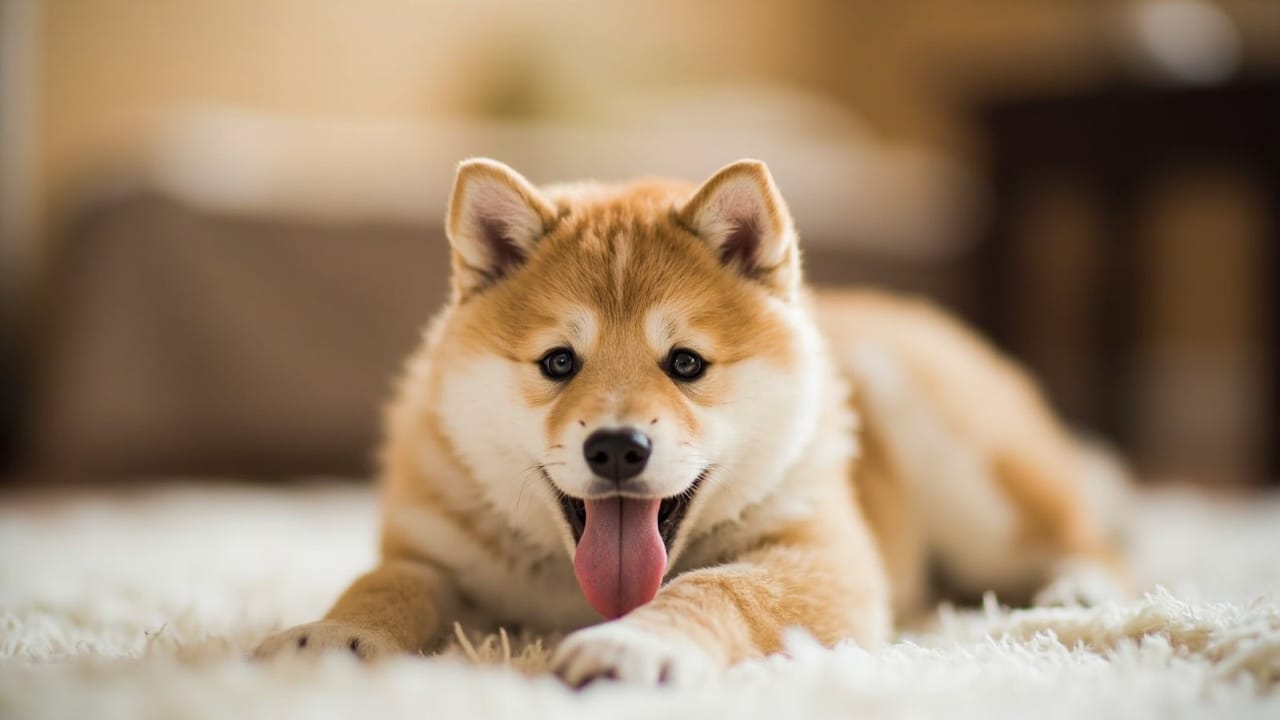
시바견(시바 이누) 강아지의 공포기: 견주를 위한 완벽 가이드
시바 이누 강아지의 공포기는 비교적 짧은 발달 단계(보통 8~11주, 6~14개월)로, 이전에는 자신감 있었던 강아지가 갑자기 새로운 사람, 소리, 사물, 상황에 대해 불안하거나, 수줍어하거나, 과민 반응을 보이는 시기입니다. 평정심을 유지하고, 강제로 노출시키지 말아야 하며, 무서운 것과 고가치 간식을 짝지어 주세요. 절대로 공포를 처벌해서는 안 됩니다. 이 시기 견주의 반응이 시바의 평생 자신감과 기질(템퍼먼트)을 직접적으로 결정합니다.
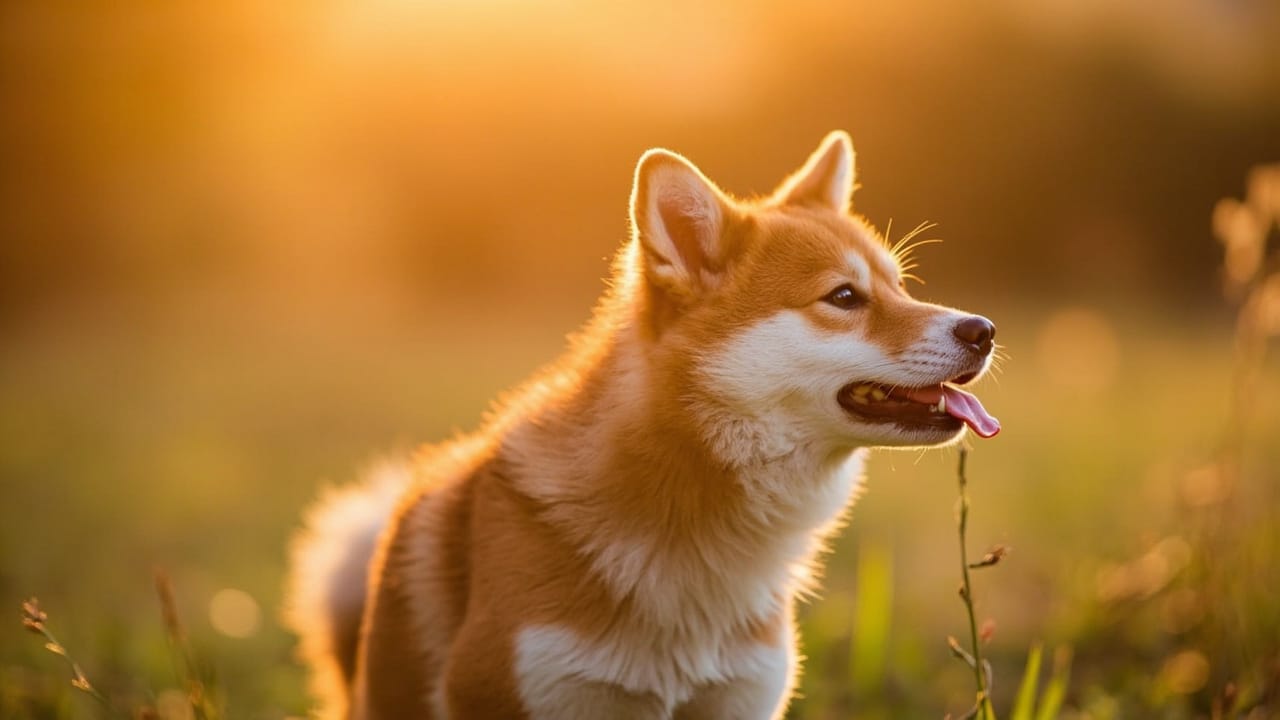
시바견이 카운터 위에 올라와 음식을 훔치는 것을 막는 방법
시바견이 카운터 위에 올라가는 이유는 이 견종이 똑똑하고, 음식에 대한 동기가 강하며, 본능적으로 기회를 잘 잡기 때문입니다. '심술궂어서'가 아닙니다. 해결책은 일관된 관리(음식에 접근할 수 없게 하기), '놓아라(leave it)'와 '떼라(off)' 명령 훈련, 그리고 대체 행동을 보상해주는 것입니다. 대부분의 시바는 엄격한 접근 차단 가정 환경을 2~4주 유지하면 훔치는 행동을 멈춥니다.
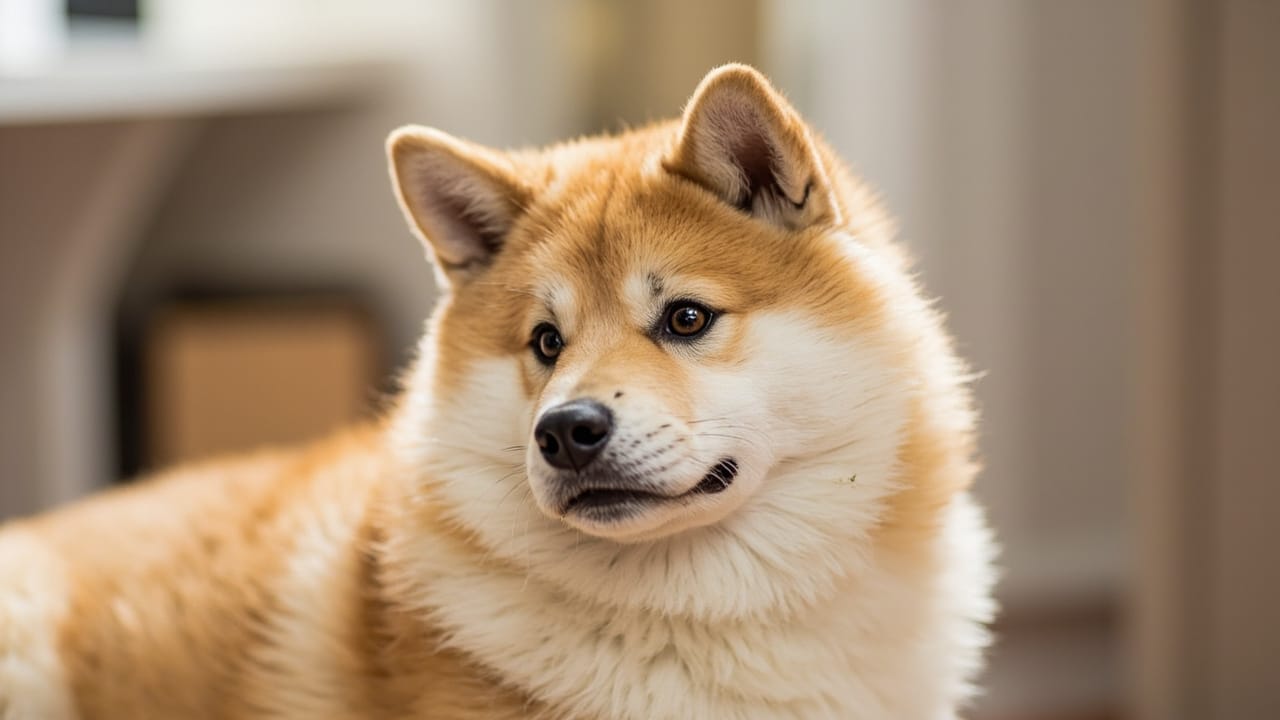
왜 우리 시바견은 허핑(올라타기) 행동을 할까? 원인과 중단하는 방법
시바견은 여러 가지 이유로 허핑 행동을 합니다. 가장 흔한 원인은 과각성, 흥분, 스트레스, 사회적 통제 시도이며, 중성화된 개체에서는 성적인动机일 경우는 거의 없습니다. 행동 유발 요인을 파악하고, 보상 기반의 대체 행동으로 유도하며, 차분하게 중단시키고, '장소' 지정이나 '네 발 바닥에 붙이기' 같은 양립 불가능한 행동을 강화함으로써 멈출 수 있습니다. 먼저 수의사에게 의학적 원인(요로감염, 지속발기증, 알레르기 등)을 확인받아야 합니다.
시바견이 실내에서 마킹하거나 소변을 보는 것을 막는 방법
시바견의 실내 배뇨 및 마킹을 중단시키려면 먼저 의학적 원인을 배제해야 하며, 이후 일관된 훈련을 적용해야 합니다. 소변 묻은 자리를 효소 세정제로 철저히 청소하고, 엄격한 스케줄에 따라 실외 배변 시 보상하며, 마킹한 구역의 접근을 제한하고, 중성화하지 않았다면 중성화를 고려합니다. 대부분의 시바는 루틴이 일관되면 2–6주 이내에 개선되는데, 이는 이 견종이 똑똑하지만 완고하기로 유명하기 때문입니다.
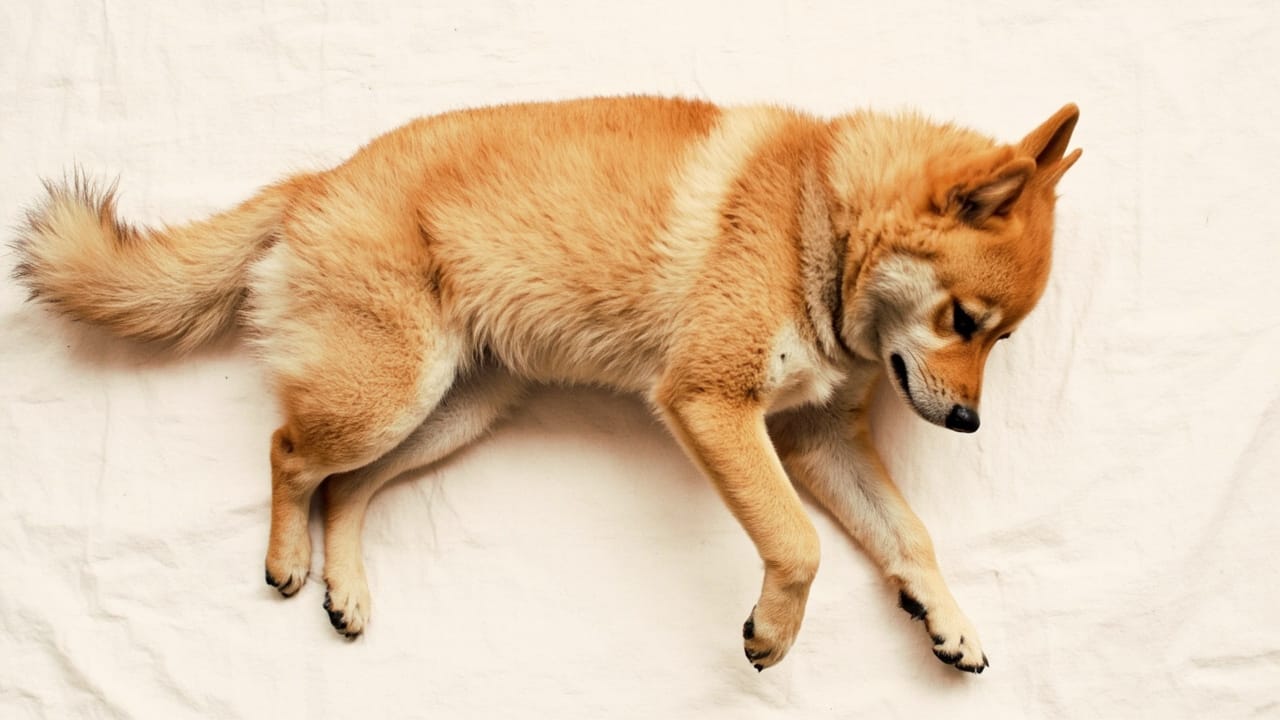
왜 시바견은 땅을 파는 걸까? 원인과 해결법
시바견은 뿌리 깊은 본능 — 사냥 본능, 둥지 만들기, 체온 조절, 지루함, 스트레스 해소 — 때문에 땅을 팝니다. 시바견의 신체적·정신적 필요를 채워주고, 마당을 안전하게 보호하며, 처벌 대신 행동을 다른 방향으로 유도함으로써 파는 행동을 줄일 수 있습니다. 기대치 설정이 중요합니다. 시바견은 산악 지대의 덤불에서 사냥하도록 사육되었기 때문에 일관된 해소 방법을 제공하지 않고는 절대 완전히 파는 습관을 없앨 수 없습니다.
왜 우리 시바견은 다른 개에게 공격적인가요? 원인과 해결책
다른 개에 대한 시바견의 공격성은 보통 강한 사냥 본능, 동성 간의 갈등, 선택적 사회화 본능에서 비롯됩니다. "나쁜" 개이기 때문이 아닙니다. 대부분의 반응성 행동은 조기 사회화, 체계적인 훈련, 그리고 시바견이 부담을 느끼는 리드줄 없는 강아지 공원 상황을 피함으로써 줄일 수 있습니다.
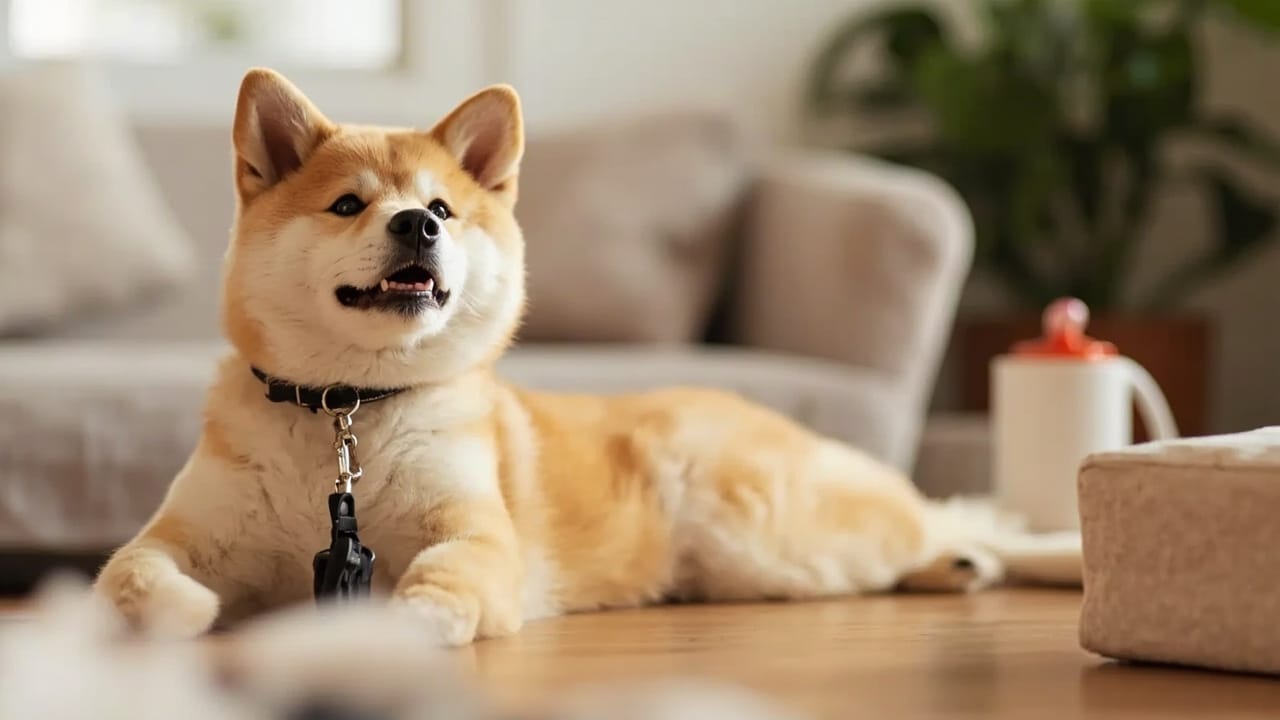
왜 내 시바견은 리드 줄에서 흥분반응을 보이며, 어떻게 고칠 수 있을까?
시바견의 리드 줄 흥분반응(leash reactivity)은 보통 좌절감, 공포, 또는 강한 사냥 본능에서 비롯되며 공격성과는 관련이 없습니다. 거리 기반 감작탈감습(desensitization), 트리거에 대한 역조건형성(counter-conditioning), 그리고 당기는 행동에 대한 보상을 제거하는 프론트 클립 하네스나 헤드 홀터를 사용해 해결하세요. 대부분의 리드 줄에 흥분반응을 보이는 시바견은 꾸준한 훈련을 하면 4–8주 안에 개선됩니다.
시바견의 분리불안 대처법
시바견은 독립적인 견종이지만 그래도 분리불안이 생길 수 있습니다. 해결책은 일관된 둔감화 프로그램입니다. 짧은 외출부터 시작해 점차 길이를 늘리고, 과장된 작별 인사는 하지 않으며, 외출 전 충분한 운동을 시키고, 보상 기반 크레이트 또는 매트 훈련을 합니다. 대부분의 경우 4~8주 안에 개선되며, 심한 경우 수의사나 수의행동전문의의 도움이 필요합니다.
시바견의 창백한 잇몸과 응급 증상: 그 의미는 무엇인가
시바견의 창백하거나 하얗거나 푸르거나 노란 잇몸은 수의사 응급 상황을 의미합니다. 이는 보통 쇼크, 심한 빈혈, 산소 공급 불량, 또는 장기 부전을 나타내며 즉시 치료가 필요합니다. 쓰러짐, 호흡 곤란, 복부 팽만과 같은 증상이 동반된다면 가장 가까운 응급 동물병원으로 즉시 가야 합니다.
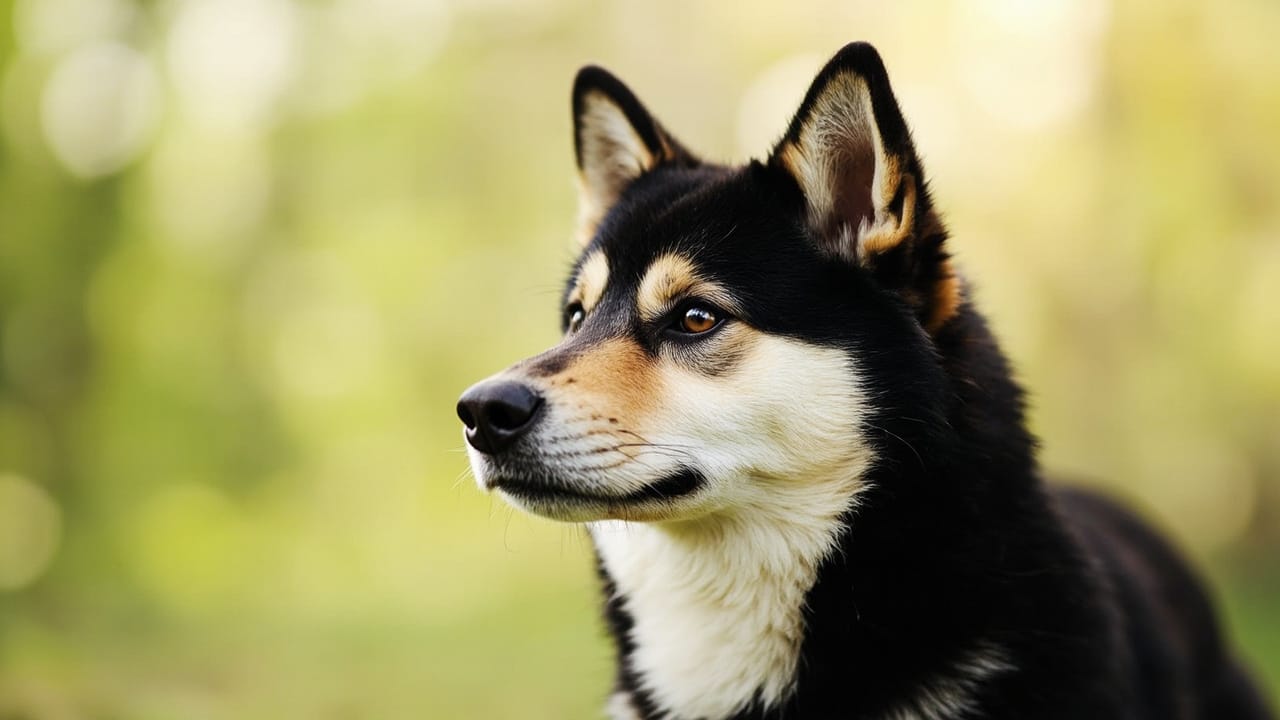
시바견은 복부 팽만(블로트)에 걸릴 수 있나요? 모든 보호자가 반드시 알아야 할 경고 증상
예, 시바견은 복부 팽만(위 확장-염전증, GDV)에 걸릴 수 있으며, 시바견에게 가장 흔한 응급 질환은 아니지만 생명에 위협이 됩니다. 경고 증상에는 시각적으로 부풀거나 단단해진 복부, 헛구역질, 불안, 침흘림, 갑작스러운 쓰러짐이 포함됩니다. GDV는 진정한 응급 상황입니다 — 의심되는 즉시 동물병원으로 가야 합니다.
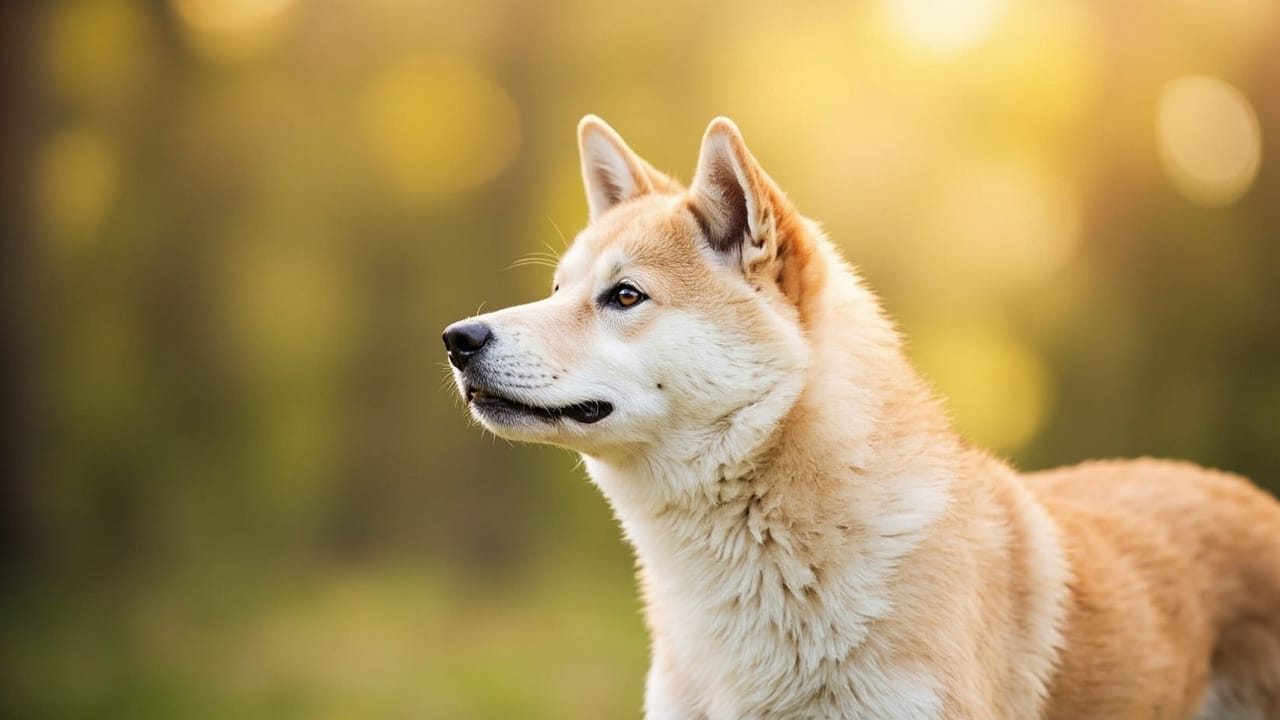
시바견이 양파와 마늘에 왜 그렇게 민감한가?
시바견이 다른 견종에 비해 양파와 마늘에 유독 민감한 것은 아닙니다. 모든 개가 마찬가지로 민감합니다. Allium과에 속하는 이 식물들은 N-propyl disulfide라는 화합물을 함유하고 있으며, 이 성분이 적혈구를 산화시키고 파괴하여 용혈성 빈혈을 유발합니다. 소량이더라도 반복적으로 노출되면(체중 kg당 약 15–30 g) 독성이 나타날 수 있으며, 시바견을 비롯한 일본 견종에게는 생양파, 생마늘, 대파, 부추, 샬롯 등 어떠한 형태로든 절대 먹여서는 안 됩니다.
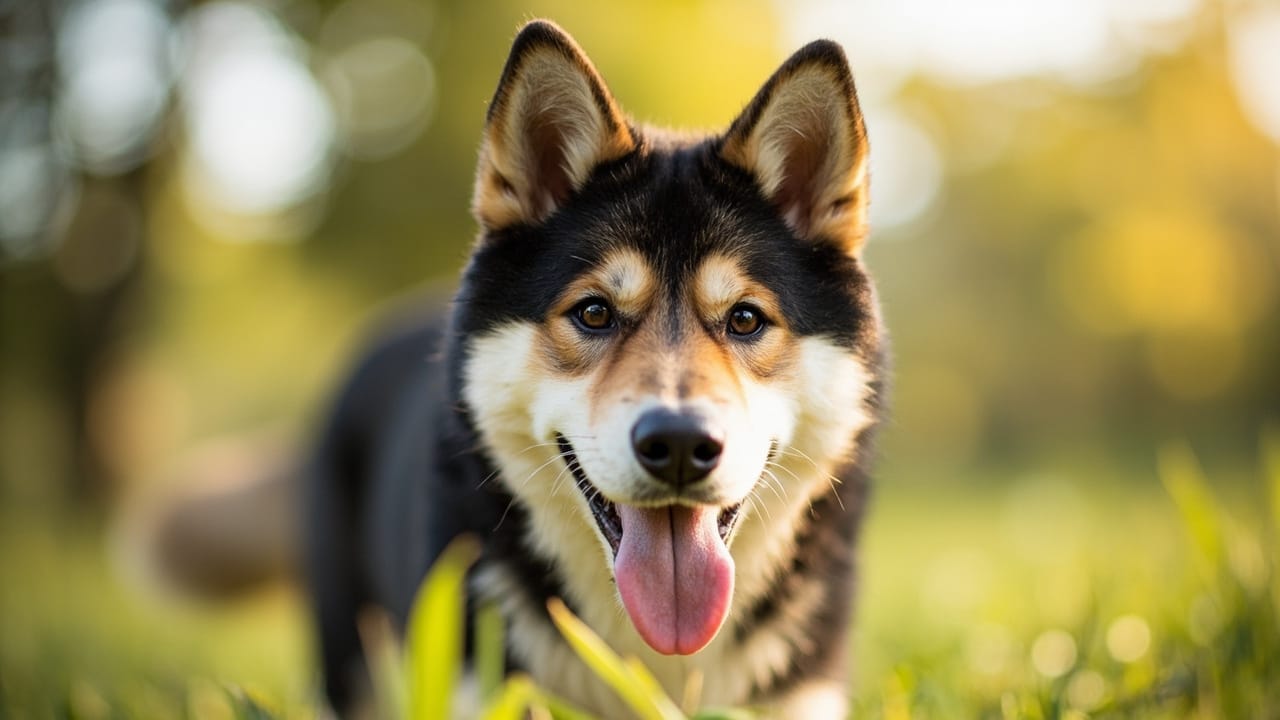
시바견이 과체중인가요? 징후, 이상적인 체중, 안전한 다이어트 계획
시바견이 과체중인지 확인하는 방법은 늑골을 만져보는 것입니다(얇은 지방층 아래에서 쉽게 만져져야 함), 위에서 보였을 때 허리 라인이 잘록한지 확인하고, 견종 표준인 약 8–10kg(17–22lb)과 비교하여 체중을 재보는 것입니다. 대부분의 시바는 측정된 고단백 식단, 매일 유산소 운동, 테이블 스크랩(사람 음식) 없이도 안전하게 체중이 빠지며, 갑상선 기능 저하증을 확인하기 위한 수의사 검진이 필요합니다.
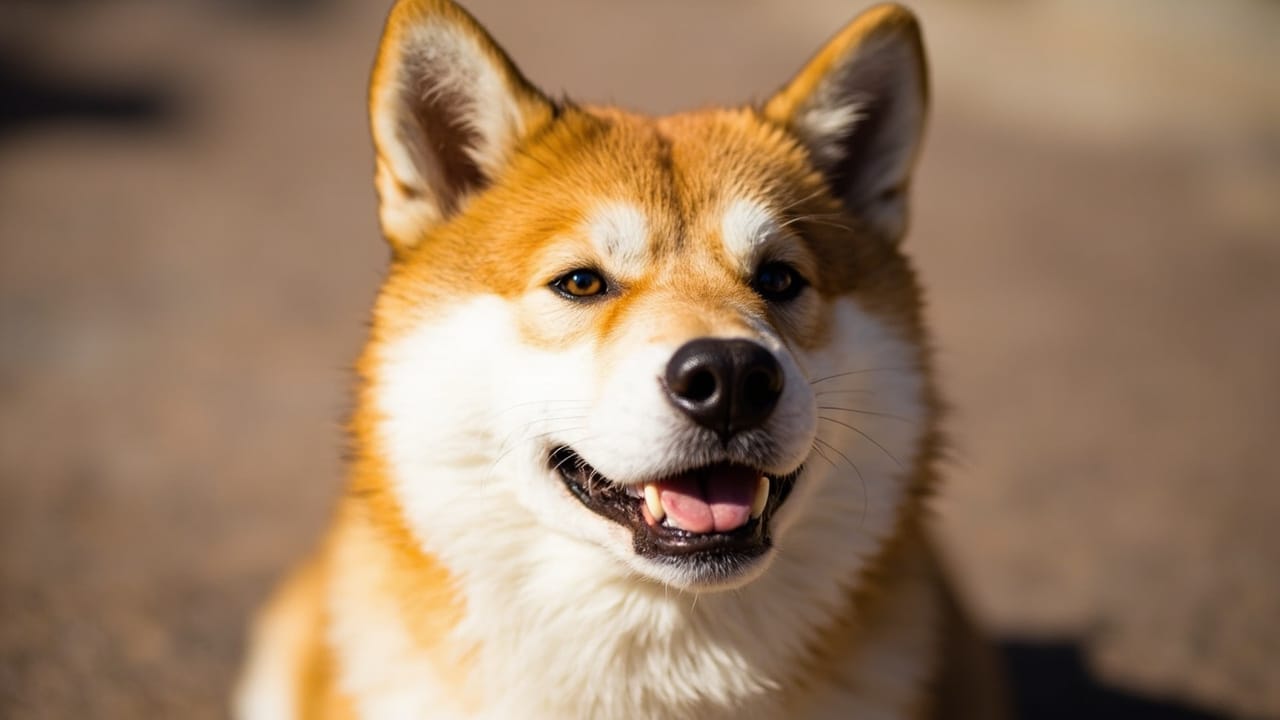
시바견 치주 질환: 심각성과 예방 방법
치주 질환은 시바견에게 가장 흔하고 심각한 건강 문제 중 하나로, 3세 이상 개체의 대다리가 영향을 받습니다. 매일 양치질과 정기적인 수의사 스케일링을 하지 않으면 플라그가 치태로 굳어져 통증, 치아 상실, 그리고 심장·간·신장을 손상시킬 수 있는 감염으로 이어집니다.
시바견은 고관절형성이상증에 잘 걸리나요? 증상, 통계, 그리고 대처법
네, 시바견은 고관절형성이상증에 잘 걸리지만, 대형견보다는 흔하지 않습니다. 동물정형외과재단(OFA) 스크리닝을 받은 시바의 약 7.6%가 고관절형성이상증을 보이는 것으로 나타나며, 이는 해당 품종에서 공식적으로 인정되는 유전성 질환 중 하나입니다. 초기 증상으로는 토끼 점프 걸음걸이, 계단 오르기 거부, 뒷다리 절음이 있으며, 이러한 증상이 나타나면 즉시 수의사 진료가 필요합니다.
시바견 절뚝거리거나 다리를 들고 있는 경우: 원인과 대처법
시바견은 슬개골 탈구, 고관절 형성 부전, ACL 부상, 발바닥 문제로 인해 절뚝거리는 경우가 많습니다. 시바견이 갑자기 다리를 들고 있다면, 활동을 제한하고 24시간 이내에 수의사에게 연락하세요. 절뚝거림이 오래 지속되면 관절 손상과 만성 통증이 악화될 수 있습니다.
시바견 예민한 위장: 원인, 식단 및 관리 가이드
시바견은 식품 알레르기, 스트레스, 급격한 식단 변화로 인해 예민한 위장을 흔히 겪습니다. 관리의 핵심은 단일 재료, 고품질 단백질 식단으로의 전환, 점진적인 변경, 그리고 IBD나 췌장염 같은 의학적 원인을 수의사와 함께 배제하는 것입니다. 대부분의 경우 일관된 급여 루틴을 4–8주간 유지하면 개선됩니다.
시바견 설사: 원인, 가정 치료법, 동물병원 방문 시기
시바견이 설사를 한다면 12시간 동안 음식을 굶기되 물은 계속 제공하세요. 이후 삶은 닭고기와 흰쌀로 구성된 순한 식단을 소량씩 나눠 급여하세요. 대부분의 가벼운 증상은 24–48시간 이내에 호전되지만, 혈변, 구토, 무기력, 발열이 있거나 설사가 이틀 이상 지속되면 빠르게 동물병원에 내원하세요. 시바견은 체구가 작아 탈수가 빠르게 올 수 있습니다.
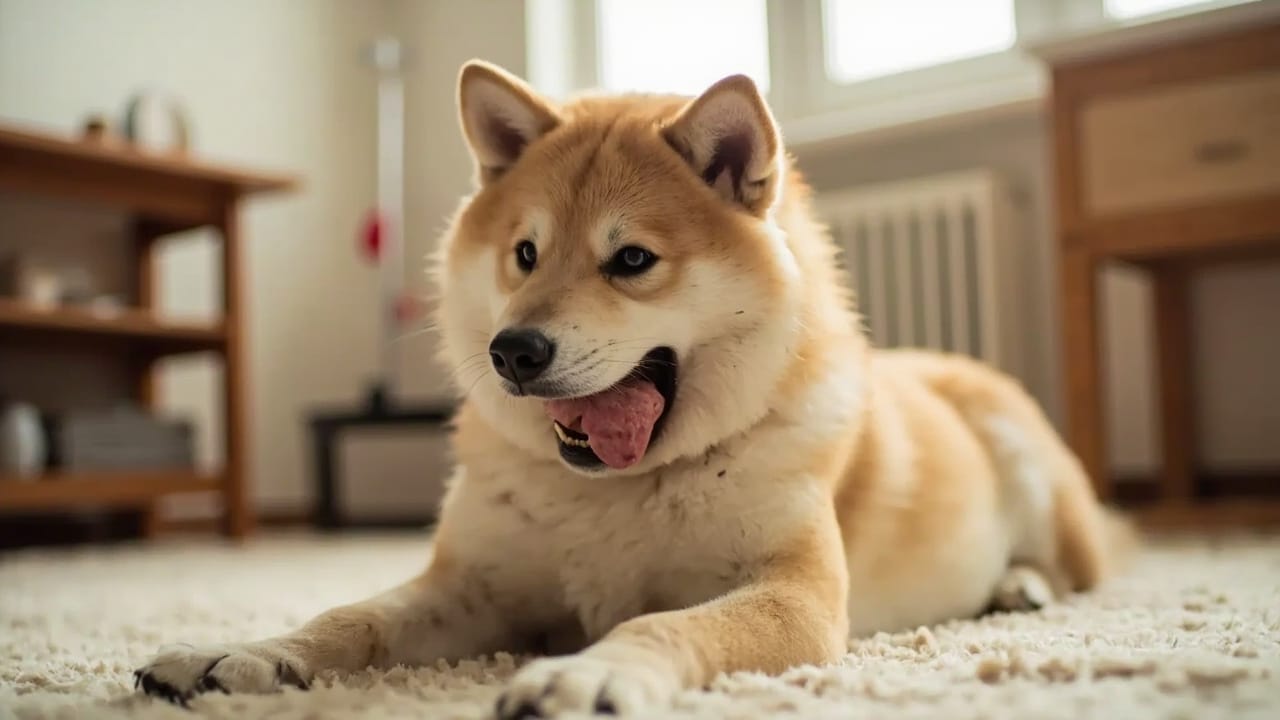
시바견(시바 이누) 구토: 원인, 가정护理, 수의사 호출 시기
시바견은 식사를 너무 빨리 먹거나 위장이 예민한 등 다양한 이유로 구토를 합니다. 하지만 반복적인 구토, 피, 기력 저하, 강아지의 구토는 응급 상황입니다. 구토가 24시간 이상 지속되거나 피가 섞여 나오거나 쇠약감이 동반된다면 즉시 수의사에게就诊해야 합니다.
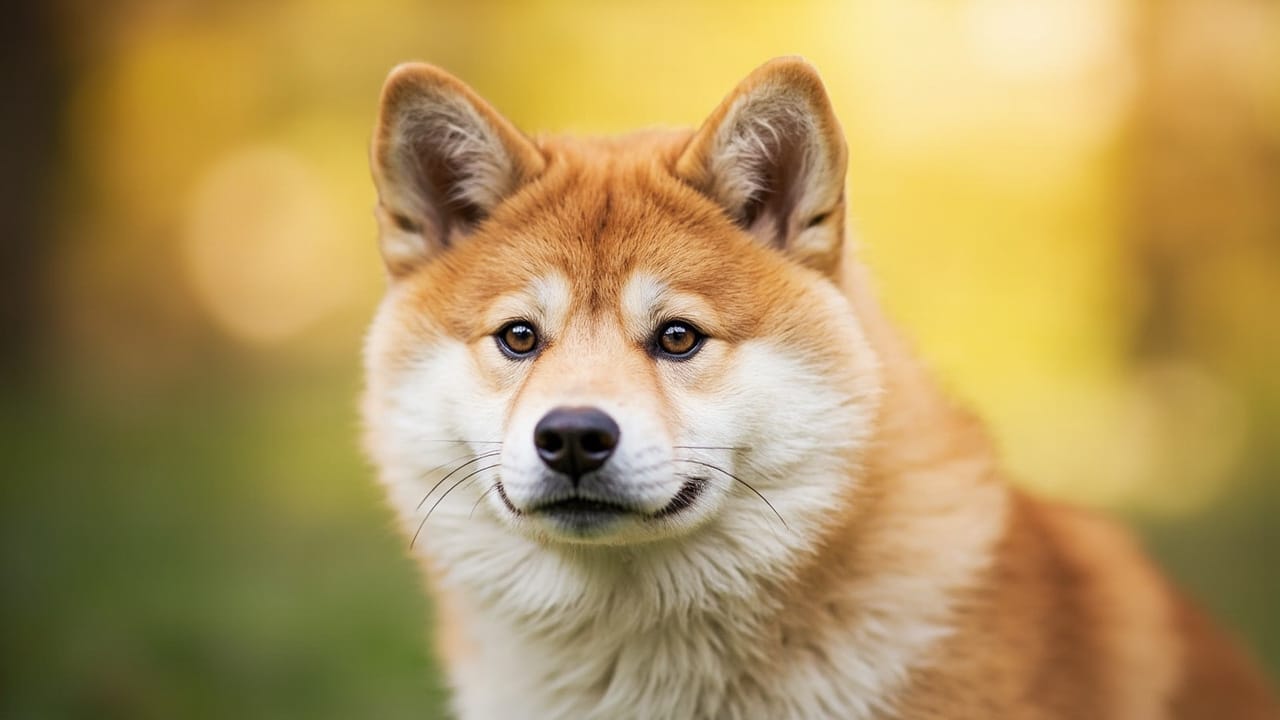
시바견 눈 분비물과 눈물 자국: 정상인가, 문제인가?
맑거나 약간 갈색의 적은 양의 눈 분비물은 시바견에게 정상이며, 특히 수면 후나 계절성 알레르기 시기에 흔히 나타납니다. 하지만 두껍고 노란색, 녹색이거나 갑자기 과도한 분비물 — 또는 얼굴 털을 태우는 적갈색 눈물 자국은 보통 알레르기, 녹내장, 안구건조증, 눈물관 막힘 같은 문제를 의미하므로 수의사 진료가 필요합니다.
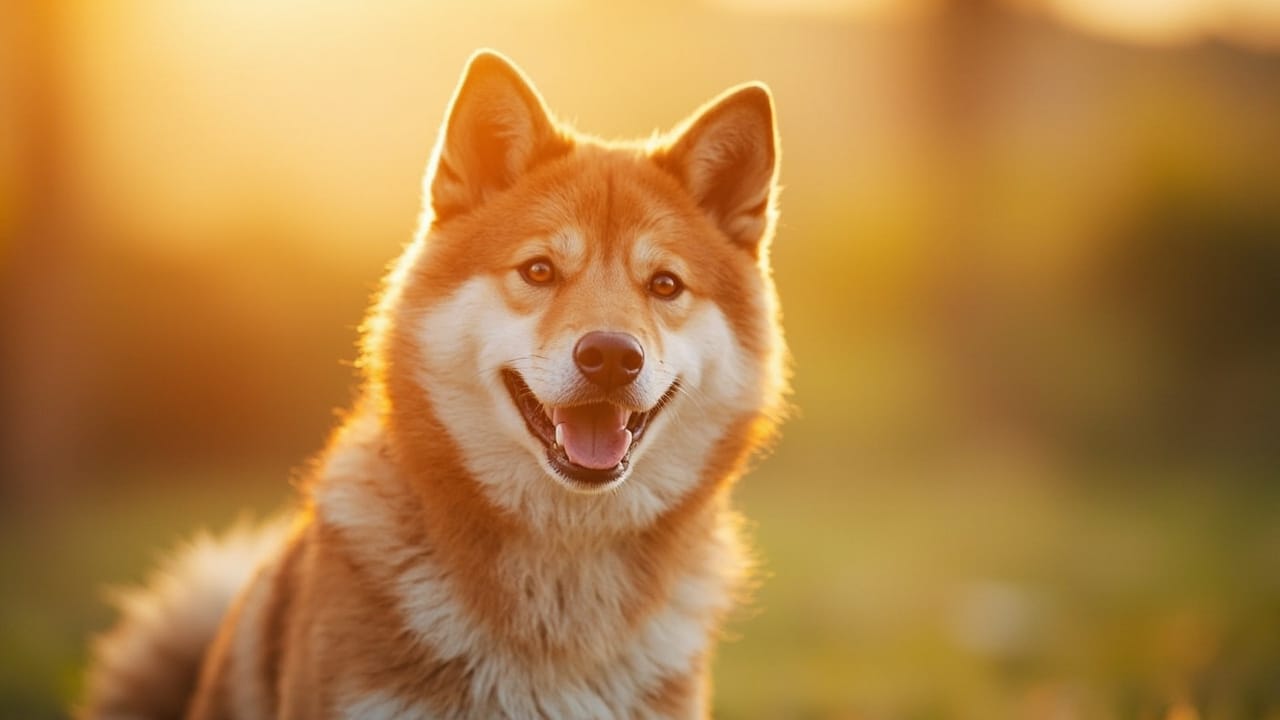
시바견의 건조하고 가려운 피부: 원인, 완화 및 예방
시바견의 건조하고 가려운 피부 증상 대부분은 환경 알레르기(아토피성 피부염), 잘못된 식단, 또는 계절성 털갈이(코트 블로우)로 인해 발생합니다. 완화 방법은 수의사 진단, 오메가-3가 풍부한 식단, 벼룩 관리, 저알레르기 샴푸, 그리고 일관된 코트 블로우 그루밍입니다. 아토피성 피부염은 이 품종에서 가장 흔한 만성 질환 중 하나이므로, 지속되는 가려움증은 가정 요법이 아닌 반드시 수의사 진료가 필요합니다.
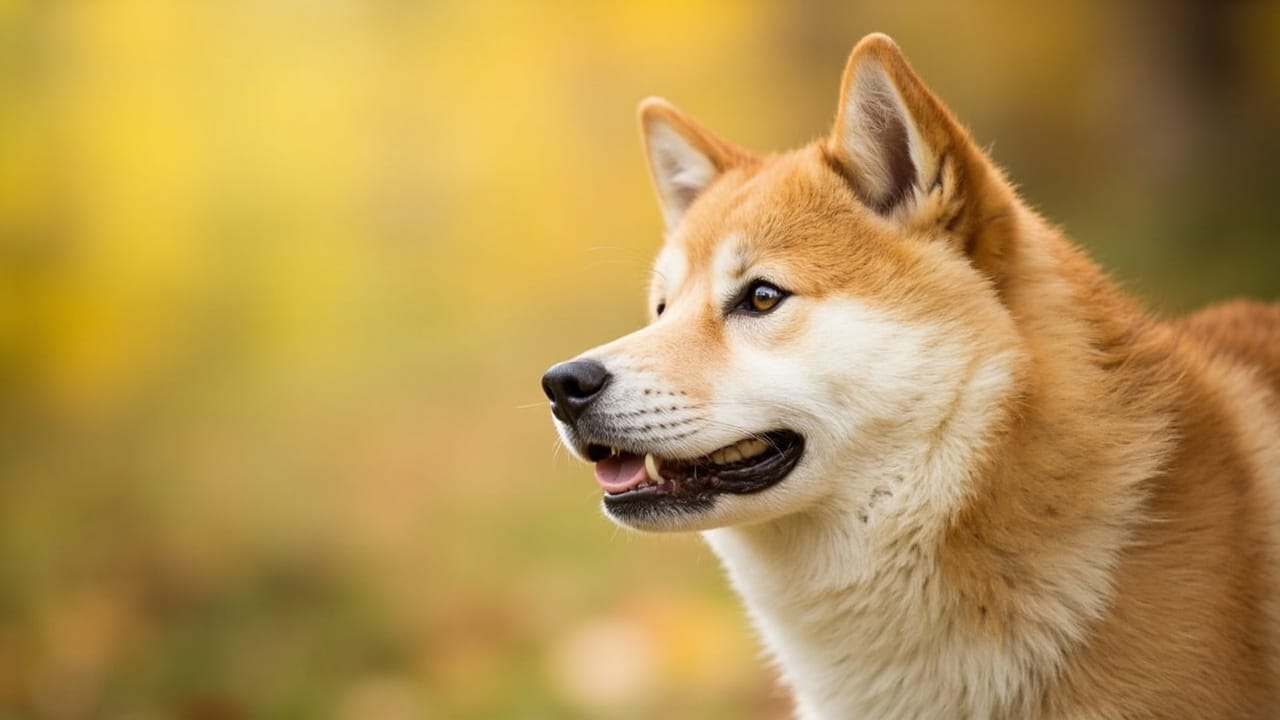
시바견의 계절성 옆구리 탈모증: 원인과 털 빠짐 해결책
계절성 옆구리 탈모증(SFA)은 시바견에서 반복적으로 나타나는 털 빠짐의 가장 흔한 원인입니다. 이는 미용적인 문제이며, 흉터를 남기지 않는 탈모로 겨울철 감소한 일조량에 의해 유발되고, 모낭 내 국소 멜라토닌 불균형이 관여하는 것으로 알려져 있습니다. 대부분의 경우 봄이면 자연 회복되지만 광선 치료, 멜라토닌 보충, 갑상선 기능 저하증 감별이 주요 관리 단계입니다.
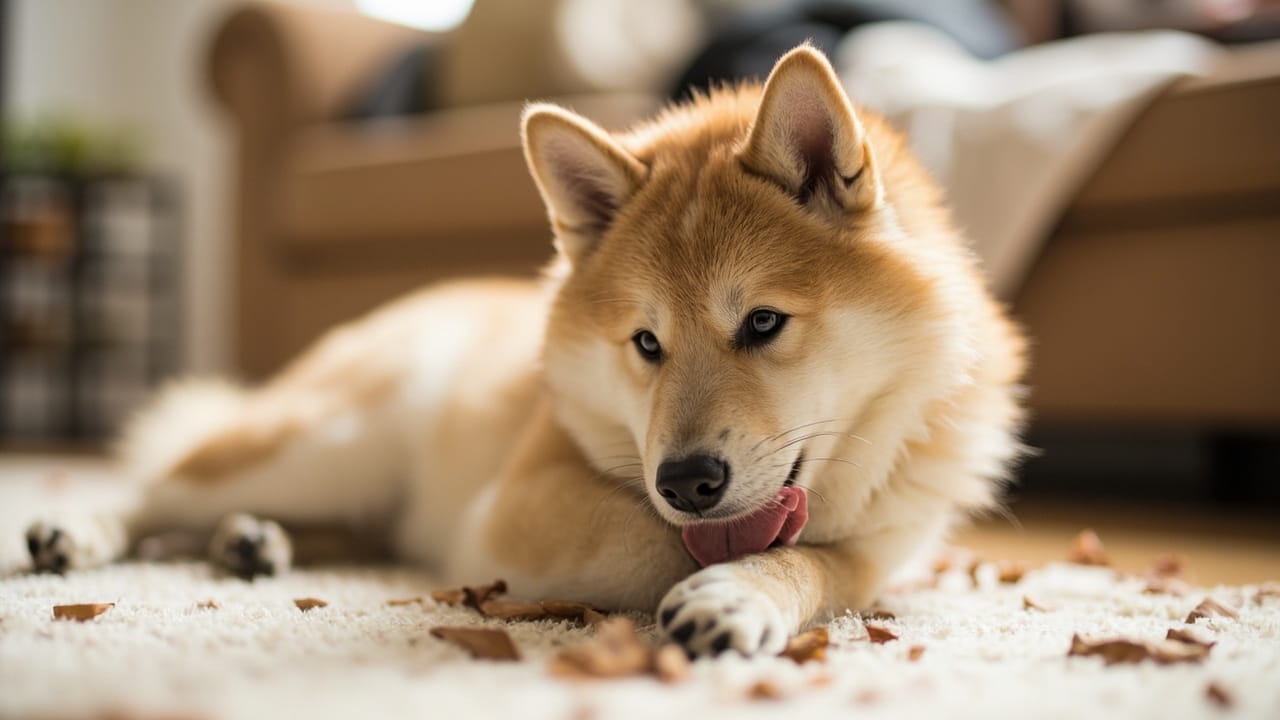
왜 내 시바견은 계속 발을 핥고 물어뜯을까?
시바견이 발을 물어뜯고 핥는 가장 흔한 이유는 아토피성 피부염(환경 알레르기)으로, 이 품종에서 가장 흔한 건강 문제 중 하나입니다. 이차적인 원인으로는 음식 알레르기, 효모 또는 세균 감염, 슬개골 탈구나 고관절 형성이상으로 인한 통증, 지루함, 스트레스가 있습니다. 피부가 빨갛게 부어오르거나, 부종이 있거나, 출혈이 있거나, 핥는 행동이 지속된다면 근본 원인을 파악하고针对性的인 치료를 시작하기 위해 수의사 방문이 필요합니다.
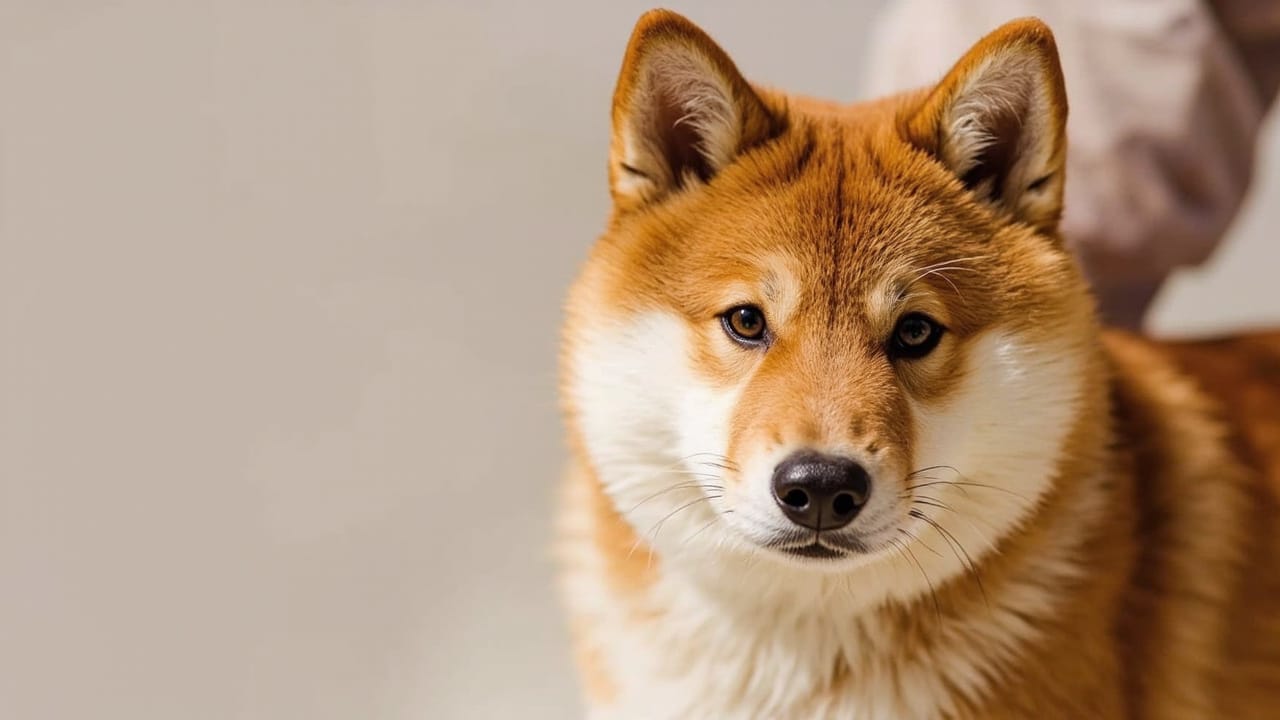
시바견 피부 알레르기 증상: 반려인을 위한 완벽 가이드
시바견에서 가장 흔한 피부 알레르기 증상으로는 심한 가려움증(특히 배, 발바닥, 사타구니, 얼굴), 붉고 염증이 생긴 피부, 반복되는 귀 감염, 긁기로 인한脱毛, 핫스팟, 그리고 분홍색으로 자극된 겨드랑이와 사타구니의 전형적인 "시바 발진"이 있습니다. 시바가 긁거나 발을 핥거나 카펫에 얼굴을 문지르는 모습을 보인다면 알레르기가 가장 흔한 원인입니다.
왜 우리 시바견은 자꾸 귀 염증이 생길까? 원인과 해결법
시바견에게 반복되는 귀 염증은 보통 기저 알레르기(특히 아토피성 피부염), 좁은 외이도로 인한 수분 고임, 수영이나 목욕 후의 효모 과증식이 원인입니다. 진단에는 수의사 세포학 검사가 필요하며, 예방은 알레르기 관리, 주 1회 귀 세척, 물에 노출된 후의 철저한 건조에 집중해야 합니다.

마메 시바(미니 시바 이누): 진실, 위험, 그리고 구매자 주의사항
"마메 시바(Mame Shiba)"는 공인된 시바 이누 품종이 아니라, 가장 작은 개체를 선택적으로 교배하여 작게 만든小型犬일 뿐입니다. 이 개체들은 슬개골 탈구, 치아 밀집, 고관절 형성이상, 저혈당, 출산 합병증의 위험이 높으며, 대부분의 권위 있는 켄넬 클럽 등록부에서 실격 처리됩니다. 작은 반려견을 원하신다면, 건강 검진을 거친 혈통의 표준 시바 이누를 입양하거나 구조견을 고려하시기 바랍니다.

시바견 puppy 구매 계약서에서 확인해야 할 사항
빈틈없는 시바견 puppy 계약서는 구매자와 브리더 모두를 보호하며, 반드시 건강 보증(고관절, 슬개골, 눈), 유전 질환 조항, 중성화 또는 쇼 권리 조항, 브리더 반환 정책, 그리고 환불·등록 서류·마이크로칩 양도에 대한 명확한 조건을 포함해야 합니다. 이러한 요소가 없거나 검토 없이 서명을 재촉하는 계약서는 거절하세요.

일본에서 시바견 수입하기: 완전 가이드
네, 일본에서 시바견을 수입할 수 있지만, 12~16주의 검역 기간, 총 $3,500~$8,000 이상의 비용, 엄격한 USDA/CDC 서류를 예상해야 합니다. 강아지는 최소 7개월 이상이어야 하며, ISO 11784/11785 마이크로칩을 삽입하고, 대부분의 국가 입국 전에 광견병 백신을 접종해야 합니다.

내 나라에서 신뢰할 수 있는 시바 이누 브리더를 찾는 방법
신뢰할 수 있는 시바 이누 브리더는 부모견에 대해 엉덩이, 슬개골, 눈(CHIC/OFA) 건강검사를 실시하고, 집 안에서 강아지를 사회화시키며, 전국 품종 클럽에 소속되어 있습니다. 6~24개월의 대기, 대면 또는 화상 미팅, 그리고 국가와 혈통에 따라 약 $1,400~$5,000의 가격을 기대하세요. 서류 없이 판매하거나 건강검사를 생략하거나 8~10주 전에 강아지를 떠나보내는 사람은 피하세요. ===EXCERPT===

시바견은 얼마나 오래 혼자 집에 남을 수 있을까요?
성인 시바견 대부분은 적절한 운동과 정신적 자극을 미리 받았다면 하루 4~6시간 정도 혼자 남겨둘 수 있습니다. 6개월 미만의 어린 강아지는 2시간 이상 혼자 두어서는 안 되며, 건강 문제가 있는 노령견은 점심 시간에 확인을 받거나 도그 워커가 필요할 수 있습니다.

시바견과 함께하는 로드트립: 자동차 여행 팁
네, 시바견은 적절히 준비하면 자동차 여행을 잘 합니다. 충돌 테스트를 거친 크레이트나 안전 하네스를 사용하고, 먼저 짧은 연습 주행을 한 후 물, 익숙한 담요, 청소용품을 챙기세요. 주차된 차량에 시바견을 혼자 두지 말고, 2~3시간마다 휴식 공간을 마련해 물, 화장실, 스트레칭을 할 수 있게 해주세요.

시바 이누와 함께 비행하기: 완벽한 항공사 여행 가이드
미국 항공사 대부분은 캐리어가 좌석 아래에 들어가 강아지의 무게(케이 포함)가 20파운드(약 9kg) 미만이면 시바 이누를 객실 반입을 허용합니다. 그 제한을 초과하는 시바는 화물로 위탁 수송해야 하며, 단두종(브라키케팔릭) airway risk 때문에 어떤 주요 미국 항공사도 단두종을 화물로 운송하지 않으므로 결국 집에 데려가지 않고는 선택지가 없습니다.

시바견이 유아와 어린 아이들에게 잘 맞을까요? 솔직한 가이드
시바견은 일반적으로 유아와 매우 어린 아이가 있는 가정에서 추천되지 않습니다. 시바견은 고대 품종이며 독립적인 성격 때문에 만지거나, 소음, 갑작스러운 움직임에 대한 내성이 낮습니다. 이는 어린아이 환경에서 스트레스 기반 반응을 자주 유발합니다. 많은 시바견은 시바견에 대해 이해가 있고 시바의 공간을 존중하도록 교육된 나이 든 아이들과는 평화롭게 공존할 수 있습니다.

시바견과 신생아: 안전한 공존을 위한 가이드와 핵심 팁
시바견은 보호자가 일찍부터 준비하고, 꾸준히 훈련하며, 개와 영아를 절대 혼자 둘 하지 않는다면 신생아와 안전하게 함께 지낼 수 있습니다. 이 견종은 공격적이기보다는 무관심한 편이지만, 강한 사냥 본능, 소음에 대한 민감성, 그리고 고양이 같은 독립성 때문에 처음 몇 달 동안은 천천히 소개하고, 엄격한 경계를 설정하며, 단단한 관리가 필수적입니다.

시바견 vs 한국 진돗개: 완벽한 품종 비교
시바견과 한국 진돗개는 모두 여우 같은 외모를 가진 오래된 스피츠형 사냥견이지만, 성격, 훈련 가능성, 입수 용이성에서는 큰 차이를 보입니다. 시바는 일본에서 소형 사냥감을 몰아내는 반려견으로培育된 독립적인 동반견이고, 진돗개는 한국 해안의 섬에서 세월을 보내며 형성된 강렬한 충성심의 무리 보호견으로, 낯선 사람에게는 경계심이 강하고 성격이 더 진지합니다.

시바견 vs 카이켄(토라견): 핵심 차이점 완벽 비교
시바견과 카이켄은 모두 일본 스피츠 계열 견종이지만, 크기, 성격, 희귀성에서 차이를 보입니다. 시바는 더 작고(8-10kg), 독립적이며 전 세계적으로 매우 흔한 반면, 카이켄은 중간 크기(14-18kg)로 더 무리 지향적이며, 일본 내에서도 여전히 희귀한 견종입니다.

시바견 vs 홋카이도견: 품종 완벽 비교
시바견과 홋카이도견은 모두 고대 일본 스피츠 계열 견종이지만, 크기, 체형, 성격에서 뚜렷한 차이를 보입니다. 시바는 더 작고(8-10kg), 독립적이며 전 세계적으로 훨씬 보편적인 반면, 홋카이도견은 중형(20-30kg)이며 무리 지향적이고 일본 밖에서는 여전히 희귀합니다. 두 품종 모두 고전적인 우라지로(배쪽 흰털) 마킹, 쫑긋 세운 귀, 그리고 강한 사냥 본능을 공유합니다.

시바견 vs 기슈견: 주요 차이점 완벽 비교 (2025 가이드)
시바견과 기슈견은 모두 오래된 일본 스피츠 계열 견종이지만, 시바는 더 작고 여우 같은 외모를, 기슈는 더 크고 차분하며 전통적으로 흰색을 띱니다. 시바는 전 세계적으로 훨씬 보편적인 반면, 기슈견은 본고장 일본에서도 여전히 희귀합니다.

끌어당기는 시바견 리드 훈련: 단계별 가이드
시바견이 리드를 당기는 이유는 칡덩굴 사이를 헤치며 움직이도록 만들어진, 강하고 독립적이며 사냥 본능이 강한 스피츠 견종이기 때문입니다. 리드 훈련은 리드가 팽팽해지는 순간 곧바로 앞으로의 움직임을 멈추고, 옆에 있을 때 주의를 집중하는 것에 보상하며, 전클립 하네스나 표준 6피트 리드를 사용하는 방식으로 작동합니다 — 초크, 프롱, 쇼크 칼라는 절대 사용하지 마십시오. 2-4주간의 일관된 훈련은 보통 차분하고 리드가 늘어뜨려진 산책을 만들어 줍니다.

시바견에게 신뢰할 수 있는 호출과 산책줄 없이 돌아오기 훈련시키기
시바견은 강한 사냥 본능과 독립적인 성격 때문에 산책줄 없이도 안정적으로 복종하는 경우는 드물지만, 매우 가치 있는 간식, 기본적인 복종 훈련, 그리고 산만함을 주는 환경에서의 장기적인 실전 검증(proofing)을 통해 달성하는 것이 가능합니다. 대부분의 시바는 먼저 안전하게 울타리로 둘러싸인 공간에서 12~24개월의 꾸준한 훈련을 거친 후에만 진정한 산책줄 없는 자유를 얻을 수 있습니다.

시바견 크레이트 훈련 방법: 단계별 가이드
시바견에게 어울리는 철망 또는 플라스틱 크레이트를 선택하고(서 있는 키 + 2-4인치), 간식과 식사로 긍정적인 den(안전한 은신처)으로 인식하게 한 뒤 점진적으로滞在 시간을 늘려가며 크레이트 훈련을 합니다. 대부분 시바는 1-3주 내에 크레이트를 받아들이는데, 절대 벌로 사용하지 않고 시바의 독립적인 성격을 존중하는 것이 핵심입니다.

시바견에게 가르칠 수 있는 재밌는 트릭: 이 품종이 좋아하는 똑똑한 게임 12가지
시바견(Shiba Inu)은 훈련 세션이 짧고 보상 기반으로, 그리고 이들의 독립적이고 음식에 동기부여되는 성질을 활용할 때 재밌는 트릭을 가장 빨리 배웁니다. 이름 인식, 회전, 손 주기, '예쁘게 앉기(sit pretty)'부터 시작한 다음, 물건 가져오기, 정리하기, 냄새 찾기 게임으로 나아가세요. 세션은 5분 이내로 유지하고 성공으로 끝내서, 시바견의 유명한 고집과 함께 일하도록 하세요.

시바견 중성화 시기는 언제?: 완벽한 타이밍 가이드
대부분의 수의사들은 시바견을 생후 6개월에서 9개월 사이, 암컷의 경우 첫 발정기 이전에 중성화 수술을 받기를 권장합니다. 그러나 최근 연구에 따르면 12~18개월까지 기다리는 것이 관절과 골격发育에 이로울 수 있으며, 특히 수컷에게 해당됩니다.

시바견 발톱을 안전하게 다듬는 법: 단계별 가이드
날카롭고 강아지 전용 발톱깎이나 그라인더를 사용하고, 각 발톱의 곡선 끝부분만 잘라 분홍색 퀵(혈관) 부분보다 충분히 짧게 멈추세요. 시바견은 검은색 발톱을 가지고 있으므로 아주 얇은 조각씩 깎고 회색이나 분홍색의 타원형 중심이 보이는지 확인한 후 더 잘라주세요. 차분한 행동에는 간식으로 보상하고, 시바 특유의 비명을 방지하기 위해 1-2분의 짧은 시간만 진행하세요.

시바견 치아 관리: 건강하게 유지하는 방법
반려견용 효소 치약과 부드러운 칫솔 또는 손가락 칫솔을 사용해 시바견의 치아를 주 2–3회(매일이 이상적) 양치해 주세요. 양치질과 함께 매년 받는 전문 스케일링, 적절한 씹을 장난감, 치아에 좋은 간식을 병행하면 치태, 치석, 치주 질환, 치아 손실을 예방할 수 있습니다. 이러한 문제는 대부분 개가 세 살이 되기 전에 발생합니다.

시바견이 나이 들고 있다는 신호: 시니어 케어 가이드
시바견은 보통 9-10세부터 시니어로 접어들지만, 많은 시바견이 13-16년까지 살기도 합니다. 회색으로 변하는 주둥이, 느려지는 움직임, 관절 경직, 수면 변화, 식욕이나 체중 변화를 주의 깊게 살펴보세요. 초반 시니어 케어는 관절 지원, 치아 건강, 연 2회 수의사 방문, 그리고 노령 시바견이 편안하도록 운동 조절에 집중합니다.

시바견 생애 단계별 급여 방법: puppy, adult, senior
시바견(Shiba Inu)은一生 동안 세 가지 distinct 한 식단이 필요합니다. 강아지(8주~12개월)는 고단백·고칼로리의 puppy formula를 하루 3~4회 급여해야 하며, 성견(1~7세)은 18~25% 단백을 함유한 양질의 maintenance food를 하루 2회 급여하는 것이 좋고, 노견(7세 이상)은 저칼로리에 관절 건강을 돕는 senior formula, 흔히 오메가-3와 소화하기 쉬운 ingredients가 added된 제품이 좋습니다.

시바견에게 마이크로칩을植入해야 할까요? 작동 원리
네, 시바견에게 마이크로칩을植入해야 합니다. 마이크로칩은 쌀알 크기의 영구적인 RFID 이식물로, 견갑골 사이 피부 아래에 삽입되며 반려동물 복원 데이터베이스의 고유 ID 번호와 연결됩니다. 이는 탈출의 달인인 시바가 마당에서 빠져나가거나, 문을 급습하거나, 여행 중 길을 잃었을 때 돌아올 확률을 극적으로 높여줍니다.

시바견 그루밍 일정: 월별 관리 가이드
시바견 그루밍 일정은 일년的大部分 동안 주 1회 빗질에 초점을 맞추고, 연간 두 차례의 무거운 털갈이 시기에는 매일 빗질이 필수입니다. 3-4주마다 정기적인 발톱 정리, 귀 점검, 주 2-3회 양치질, 6-8주마다 목욕은 시바견의 건강과 청결을 유지하면서도 코트의 자연스러운 방수 기능을 훼손하지 않습니다.

추운 날씨의 시바견: 브러시우드 독의 겨울 관리 가이드
시바견은 촘촘한 이중 모피 덕분에 추운 날씨를 잘 견디지만, 겨울 위험에서 완전히 자유롭지는 않습니다. -10°C(14°F) 이하의 기온이 장시간 지속되거나, 젖은 환경, 제설제 화학물질, 그리고 짧아진 일조 시간은 모두 시바견을 안전하고 편안하게 지키기 위해 적극적으로 관리해야 할 요소입니다.

시바견과 여름 더위: 완벽한 안전 가이드
시바견은 두꺼운 이중 코트가 열을 가두기 때문에 쉽게 과열될 수 있습니다. 산책은 이른 아침이나 일몰 후에 하고, 그늘과 신선한 물을 항상 제공하며, 코트를 절대 미용하지 말고, 헐떡임, 침 흘림, 쓰러짐 같은 열사병 증상을 주의 깊게 살펴보세요.

알레르기가 있는 사람도 시바견과 함께 살 수 있을까? 솔직한 가이드
네, 알레르기 환자 중 다수가 시바견과 편안하게 살고 있지만 시바는 저알레르기 견종이 아닙니다. 시바는 연중 털이 빠지며 일년에 두 번 털갈이를 하여 비듬과 대부분의 알레르기 반응을 유발하는 단백질 Can f 1을 방출합니다. 성공 여부는 본인의 알레르기 민감도, 가정 환경 관리, 그리고 그루밍 습관에 따라 달라집니다.

시바견(시바 이누) 월별 털 빠짐: 1년 내내 완벽 가이드
시바 이누는 일년的大部分 기간 동안 보통 정도의 털 빠짐을 보이다가, 보통 봄(3~5월)과 가을(10~11월)에 두 차례 과도한 언더코트를 “털갈이(블로우)”합니다. 이렇게 집중적으로 털이 빠지는 계절을 제외하면, 빠지는 털의 양은 꾸준히 적지만 그래도 주 1회 빗질이 필요합니다.
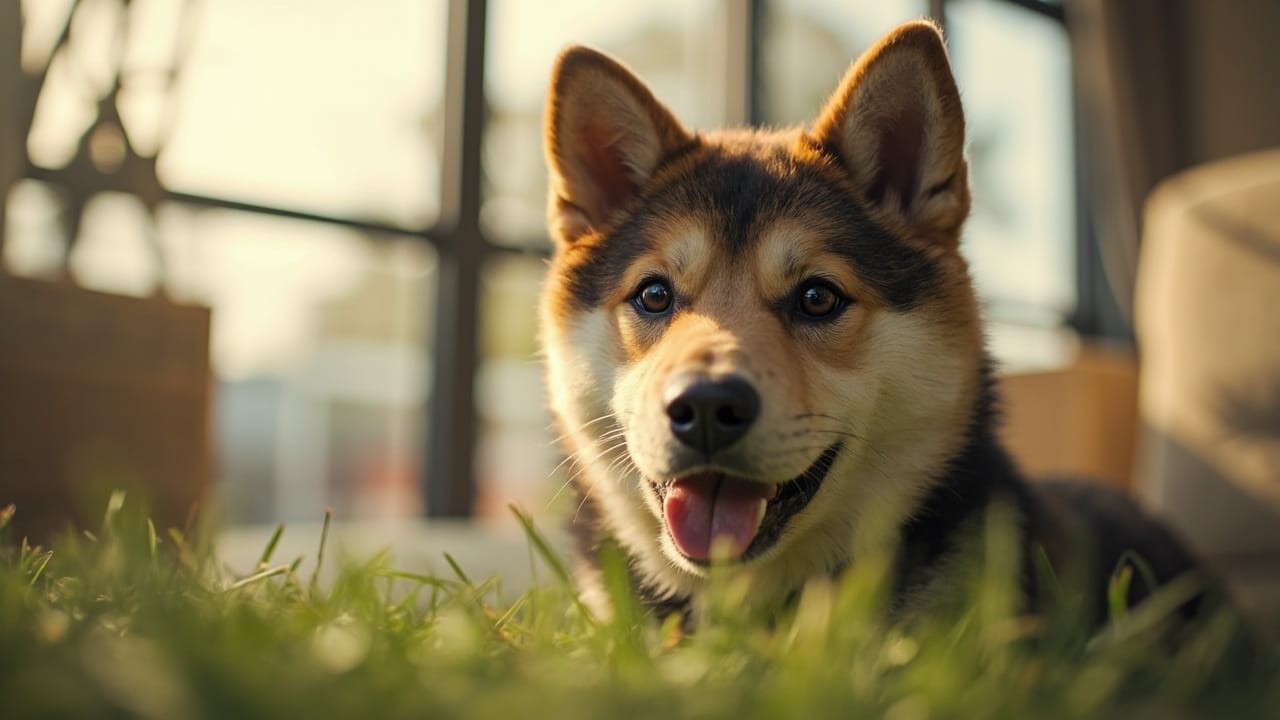
시바견이 왜 잔디를 먹고 토할까?
대부분의 시바견은 속이 불편할 때 잔디를 먹어 진정시키고, 그 뒤에 토하는 것은 보통 응급 상황이라기보다는 정상적인 자기 정화 반사입니다. 하지만 반복적인 구토, 혈변, 무기력, 식사 거부 등은 동물병원 방문이 필요하다는 신호입니다. 그 외에는 밝고 식사도 잘 하는 시바견이 가끔 잔디를 먹는 것은 일반적으로 해롭지 않습니다.
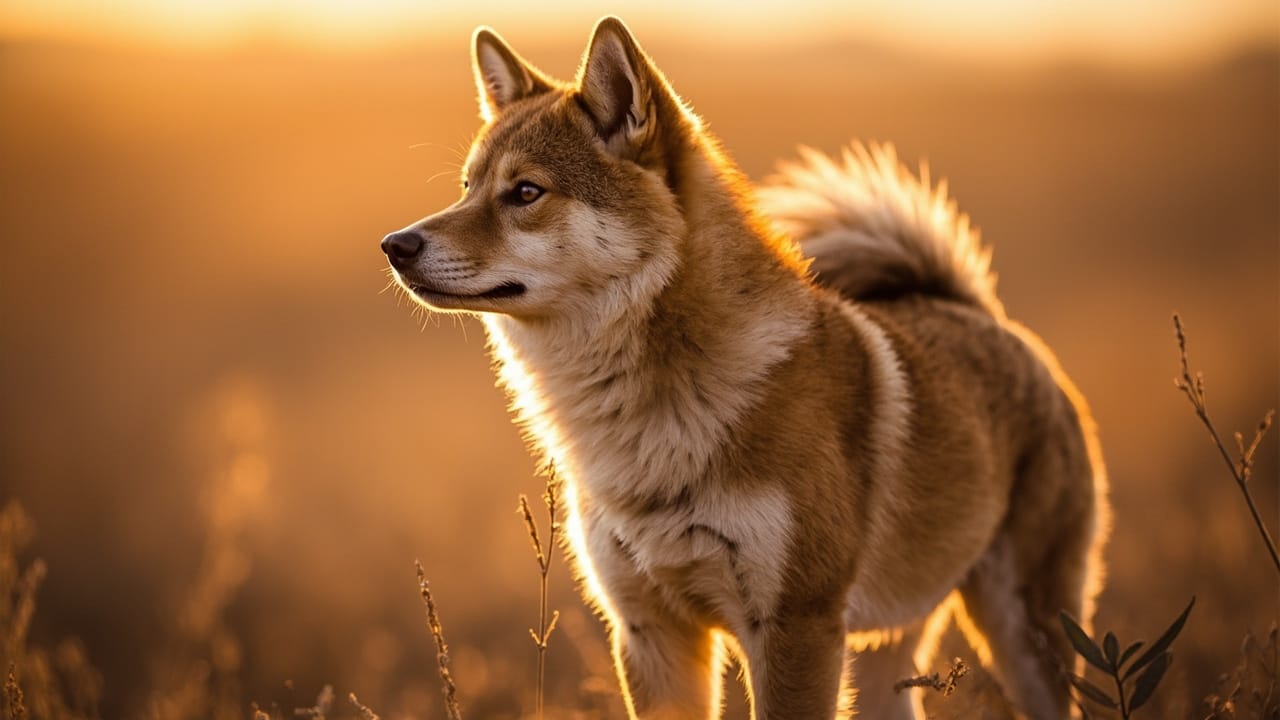
시바견은 여우와 관련이 있나요? 놀라운 답변
아니요, 시바견은 여우와 관련이 없습니다. 유명한 여우 같은 얼굴, 꼬불꼬불한 꼬리, 여우 같은 털 색깔에도 불구하고 시바견은 100% 가축견(Canis lupus familiaris)이며, 고대 아시아 스피츠 계열 조상에서 내려온 견종입니다. 여우와의 외형적 유사성은 수렴진화의 전형적인 예로, 서로 관련이 없는 두 종이 비슷한 생태적 지위를 차지하면서 비슷한 외모로 진화한 경우입니다.
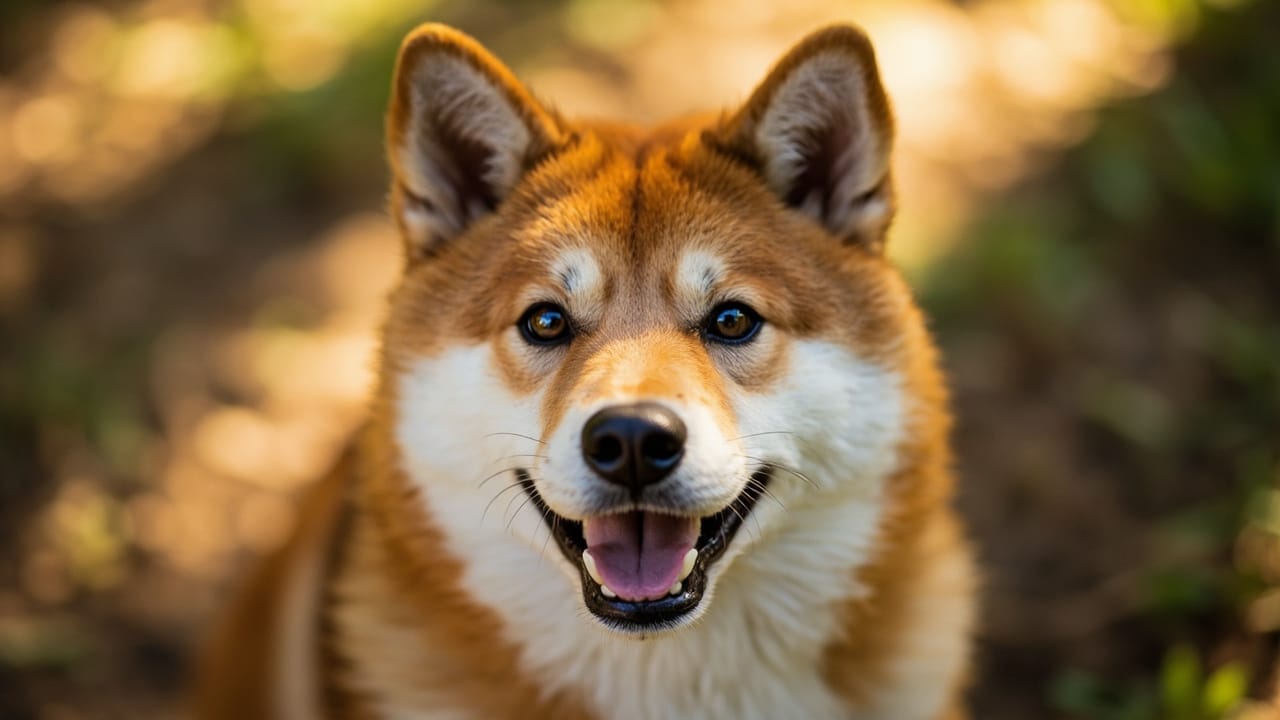
왜 시바견은 음식과 간식을 묻을까? (생존 본능 해설)
시바견이 음식과 간식을 묻는 이유는 풍요로운 시기가 아닐 때를 대비해 식량을 저장해두던 먼 조상들의 생존 본능이 유전되었기 때문입니다. 현대 가정에서는 스트레스, 과식, 지루함 또는 소중한 물건을 나중을 위해 숨기고 싶은 단순한 욕구로도 이 행동이 유발됩니다.
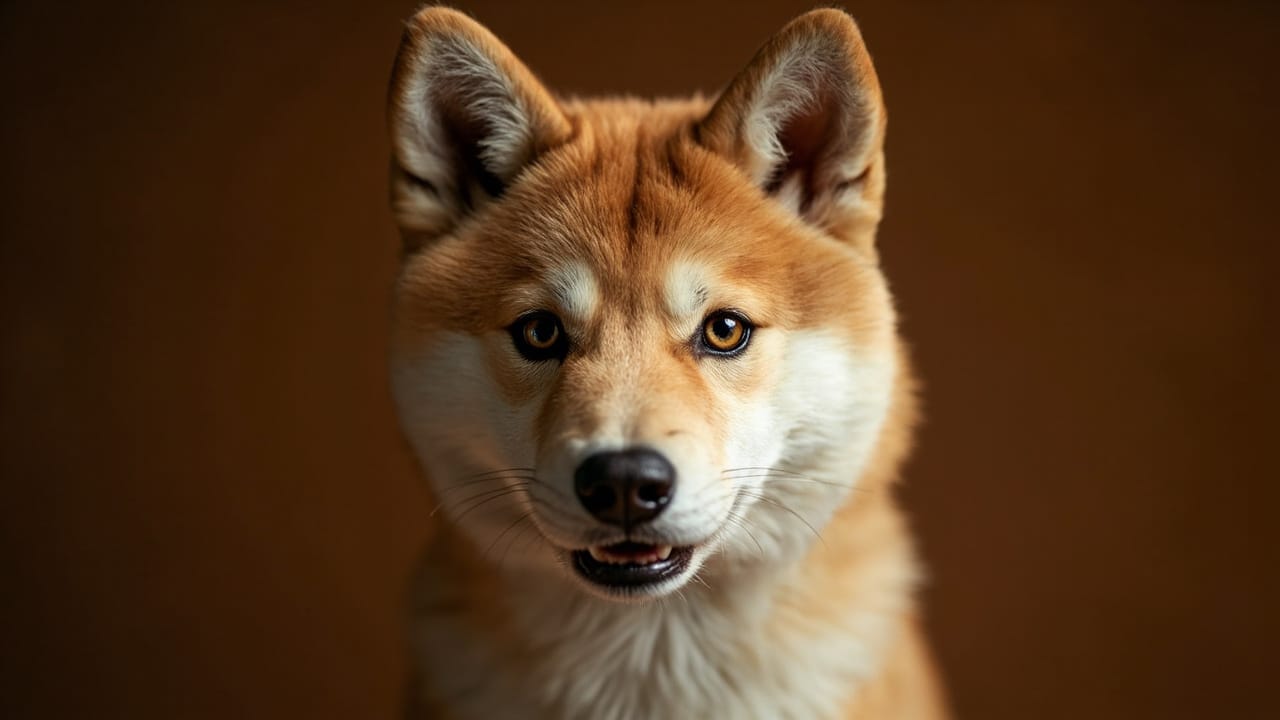
시바견의 사냥 본능은 얼마나 강한가요? 완전 가이드
시바견의 사냥 본능은 강합니다 — 반려 spitz 견종 중에서도 가장 높은 축에 속합니다. 일본의 산지 지형에서 작은 새와 동물을 몰아내는 사냥감으로 길러진 현대 시바는 다람쥐, 토끼, 고양이, 새, 설치류를 쫓고, 몰래 접근하고, 때로는 잡아 죽이는 강력한 본능을 그대로 간직하고 있습니다. 대부분의 시바는 리드줄 없이 놓아두는 것이 안전하지 않으며, 단단한 울타리는 필수입니다.
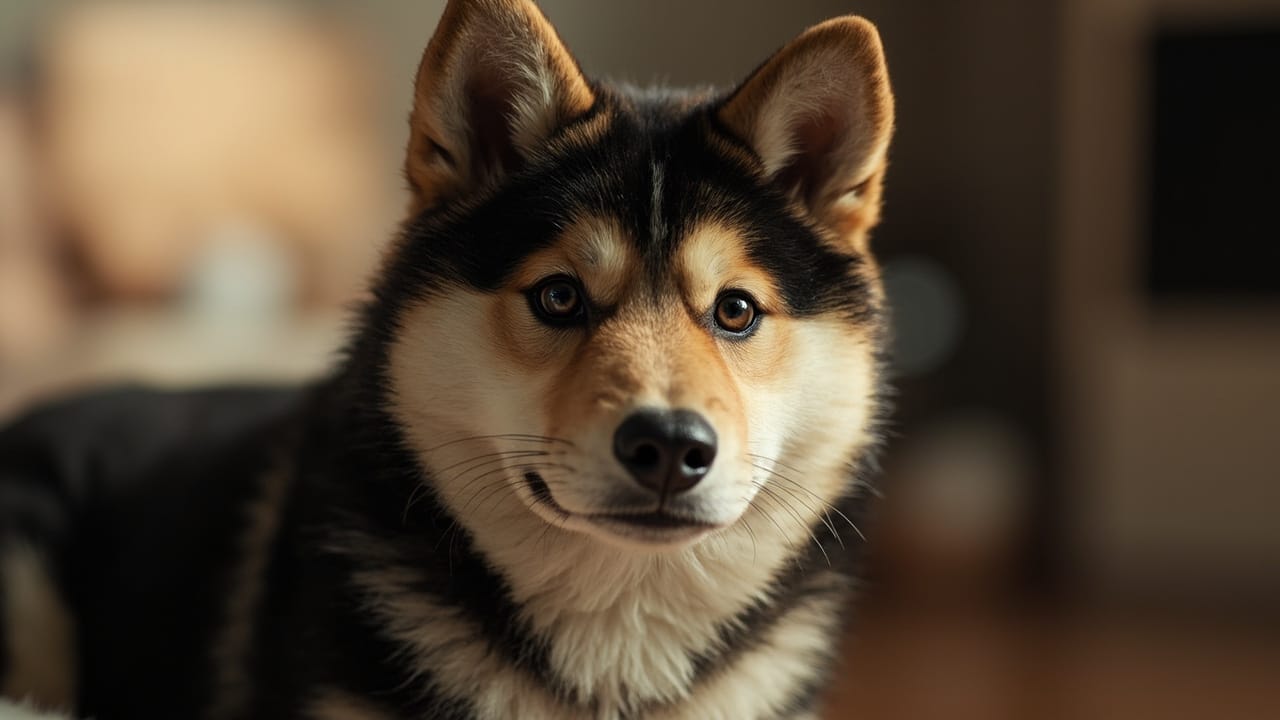
시바견이 토끼나 작은 반려동물과 안전하게 함께 살 수 있을까요?
가능합니다. 단, 신중한 관리가 필수입니다. 시바는 여전히 강한 사냥 본능을 가지고 있기 때문에 토끼, 기니피그, 햄스터 등 작은 반려동물과 절대 혼자 두어서는 안 됩니다. 성공적인 공존을 위해서는 초기의社会化, 안전한 우리, 일관된 훈련이 필요하며, 아무리 훈련해도 특정 개체는 작은 동물 주변에서 절대 안전하지 않을 수 있다는 점도 받아들여야 합니다.
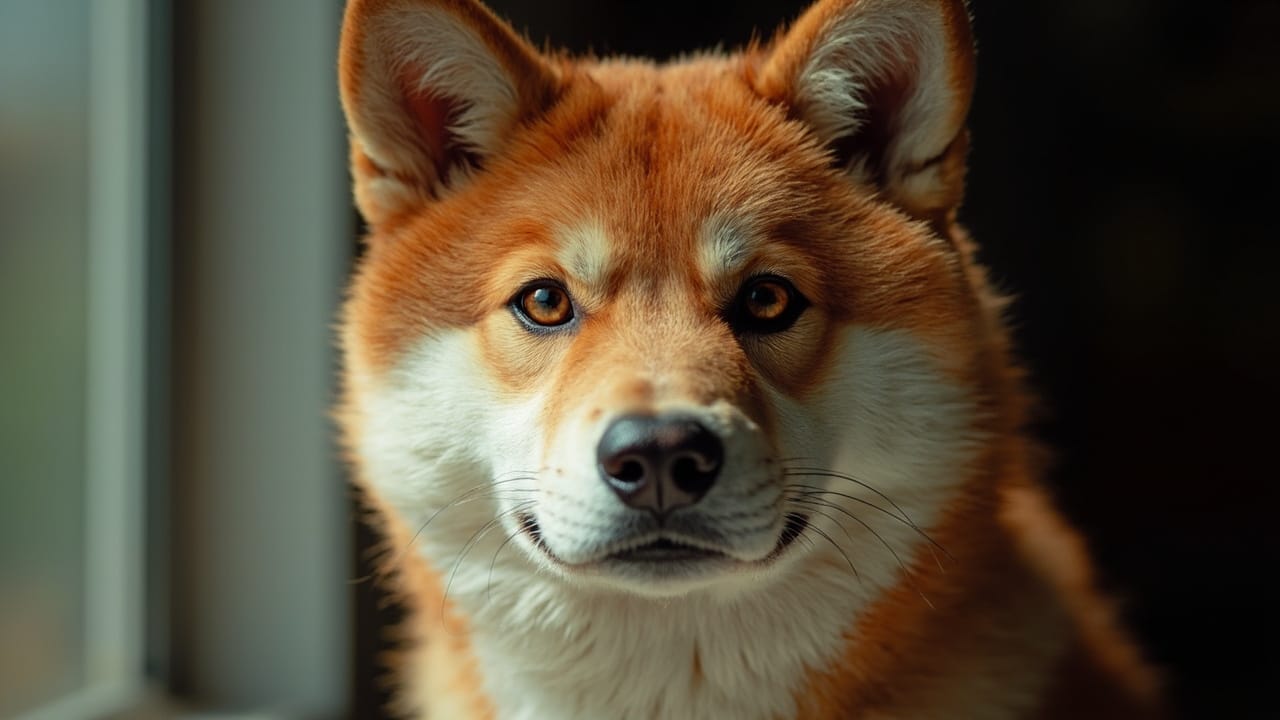
시바견의 소리와 발성: 각각의 의미
시바견은 놀라울 정도로 다양한 음역으로 소통하며, 유명한 '시바 스크림', 시바 500 하울, 날카로운 짖음, 찍어대는 소리, 불평 소리, 부드러운 낑낑거림을 포함합니다. 각 소리는 일반적으로 흥분과 경계부터 불편함, 불안, 만족감까지 특정한 감정이나 필요를 나타냅니다. 개체별로 시바의 발성 신호를 익히는 것이 필수적인데, 이는 이 품종이 표현력이 풍부하면서도 지나치게 짖지 않는 것으로 유명하기 때문입니다.
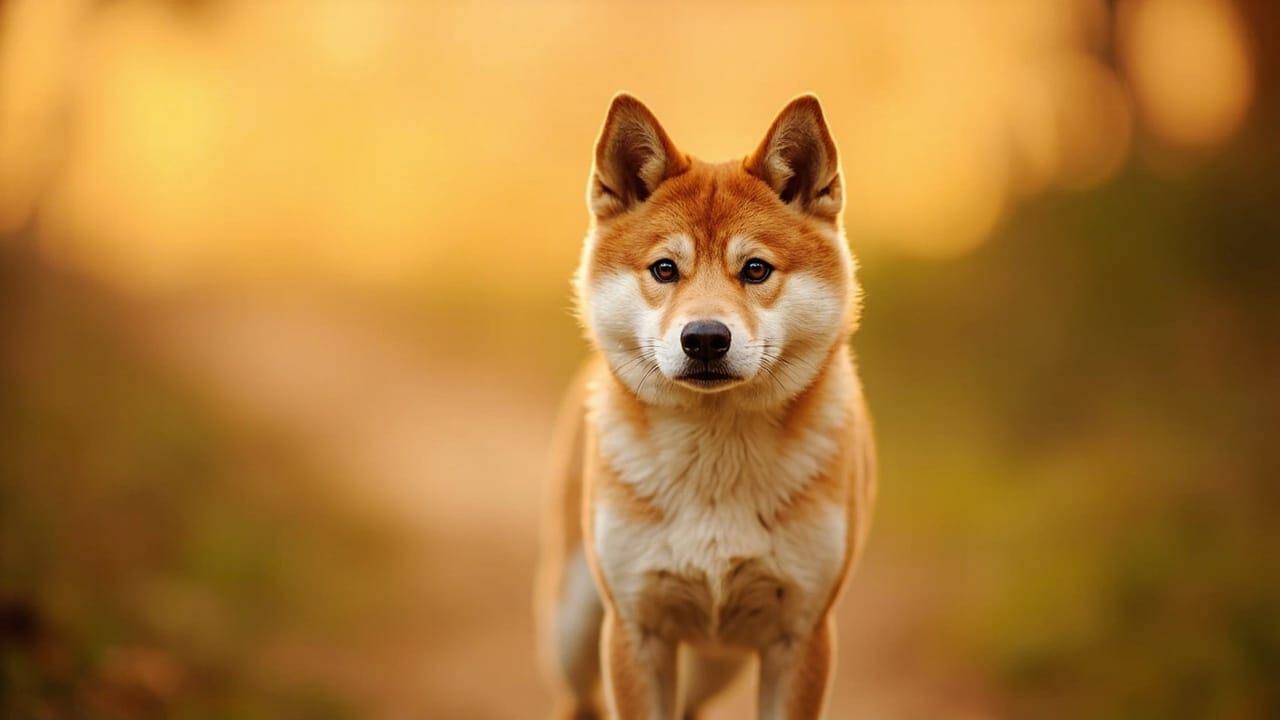
시바견에게 어울리는 최고의 반려견 스포츠: 그들의 품종에 맞는 활동
시바견은 민첩성, 루어 코싱, 바른 헌트, 노즈워크, 랠리 오디션에서 뛰어난 성과를 보입니다. 이는 민첩성, 사냥 본능, 그리고 독립적인 지능 덕분입니다. 이러한 스포츠는 시바견의 본능을 발휘하게 하고, 자신감을 높이며, 고에너지이며 고양이 같은 성격의 이 품종이 잘 살아가기에 필요한 정신적·신체적 자극을 제공합니다.
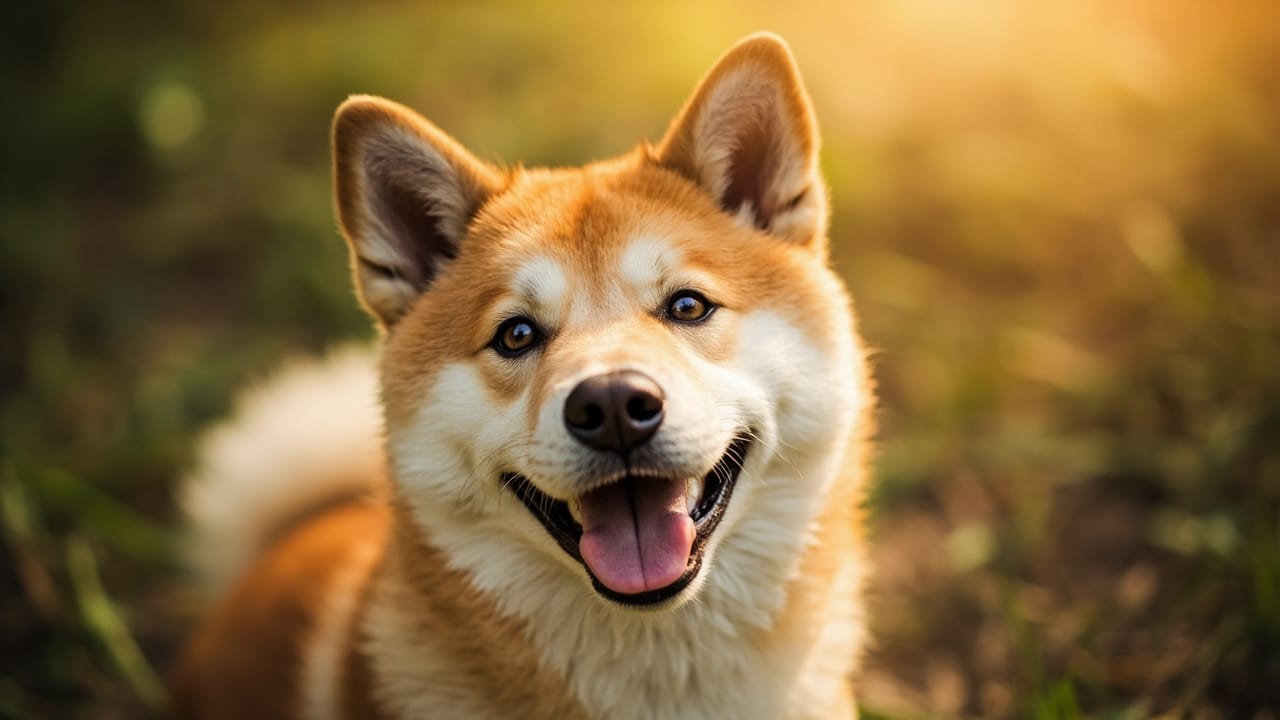
시바견이 정말 웃을까요? 시바견의 표정을 읽는 법
네, 시바견은 진짜로 웃습니다. 단, 사람처럼 웃는 것은 아닙니다. 유명한 그 휘어진 입은 '시바 스마일'이라 불리는, 편안하고 만족스러운 얼굴 자세이며, 이는 인간적인 감정이 아니라 평온함, 신뢰, 애정을 전달하는 여러 표정 중 하나입니다.
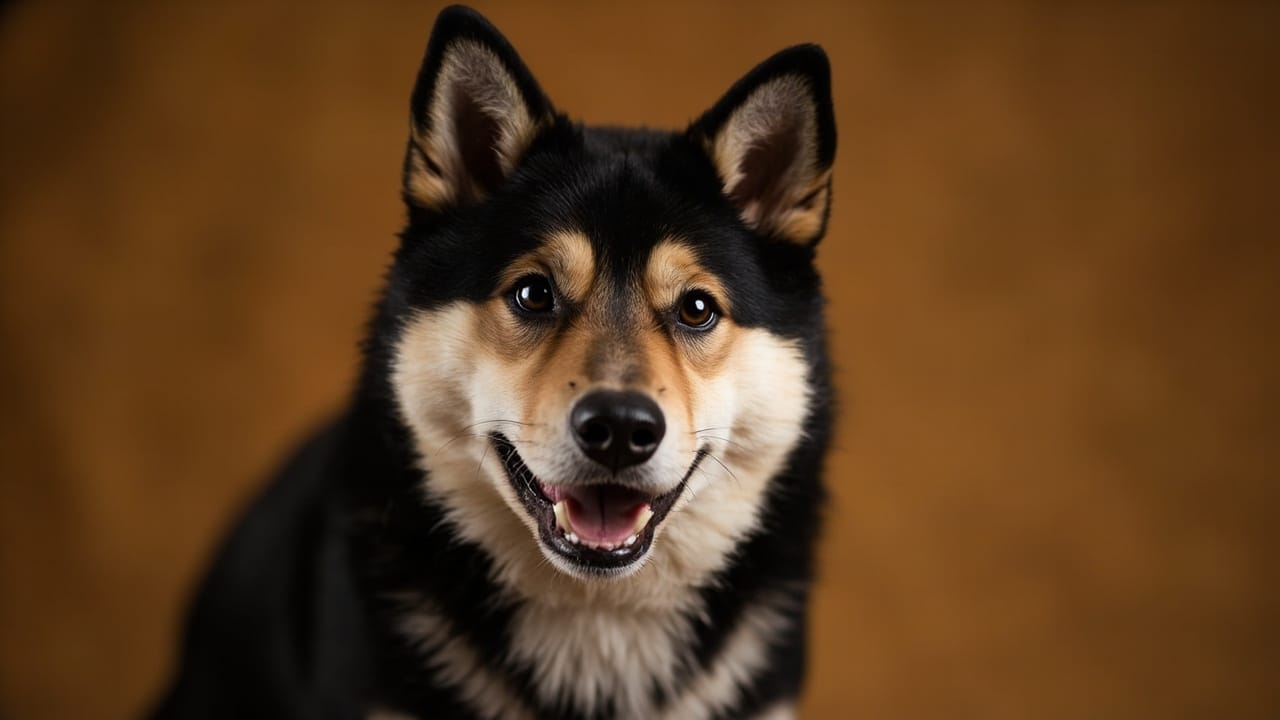
시바견 바디랭귀지 읽는 법: 완벽한 시각 가이드
시바견은 굉장히 표현력이 풍부한 바디랭귀지로 의사소통을 합니다. 넓고 자신감 있는 자세는 자존감을 나타내고, 엉덩이를 내리고 고개를 숙이며 눈길을 피하는 모습은 스트레스나 복종을 의미합니다. '시바 스크림', 과장된 자세, 미묘한 테일 플래깅 모두 스피츠 계통 유산에서 비롯된 독특하고 극적인 소통 방식의 일부입니다.
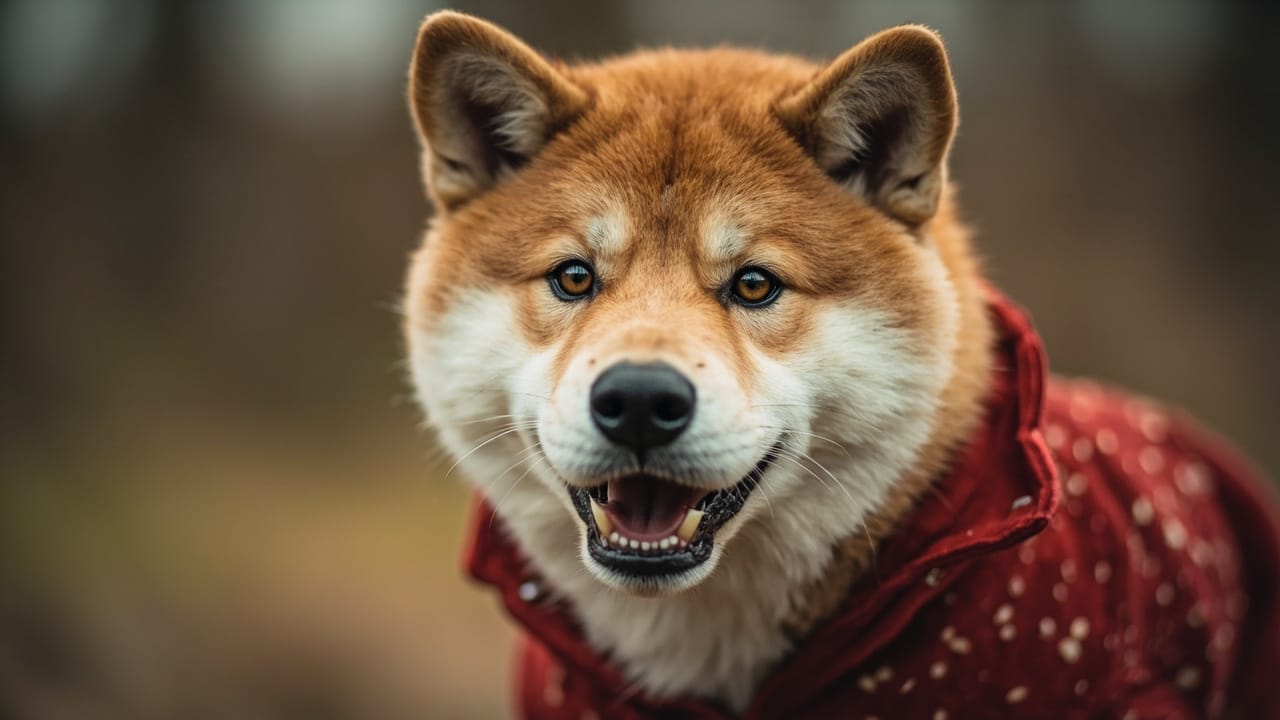
시바견에게 가르칠 수 있는 트릭은 무엇일까? 똑똑한 트릭 9가지
시바견은 sit(앉아)이나 paw(발주기) 같은 기초부터 fetch(물건 가져오기), spin(돌기), 정리 정돈 루틴 같은 고급 기술까지 다양한 트릭을 배울 수 있습니다. 높은 지능과 문제 해결 능력 덕분에 배우는 능력이 뛰어납니다. 다만 독립적이고 고집이 센 성격 때문에, 반복이 많은 훈련보다 짧고 보상 기반의 세션이 훨씬 효과적입니다.
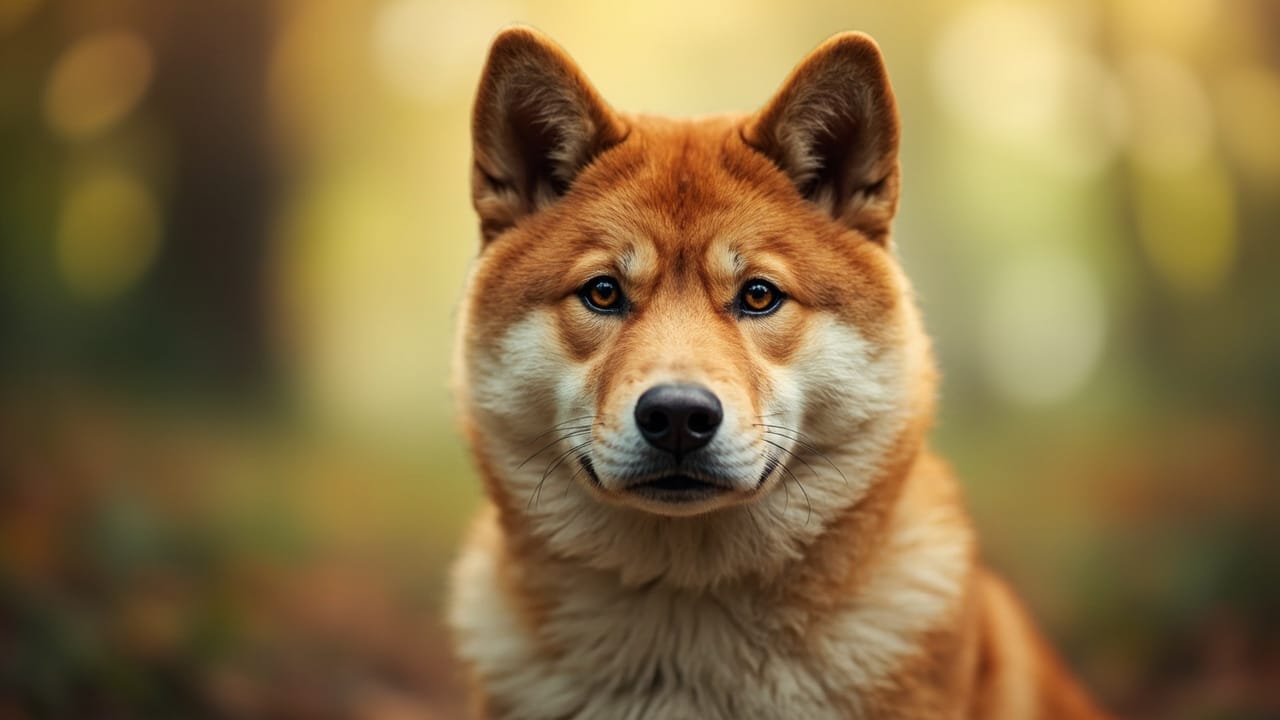
시바견이 치료견이 될 수 있을까? 솔직한 가이드
네, 시바견은 치료견이 될 수 있습니다. 하지만 클래식한 치료견 견종들에 비해 훨씬 어렵습니다. 독립적이고 고양이 같은 성격 때문에, 충분히 사회화되고 광범위하게 훈련받은 개체만이 성공할 수 있습니다. 성공은 견종보다 개별 개의 성격과 훈련 및 인증에 대한 여러분의 헌신에 더 달려 있습니다.
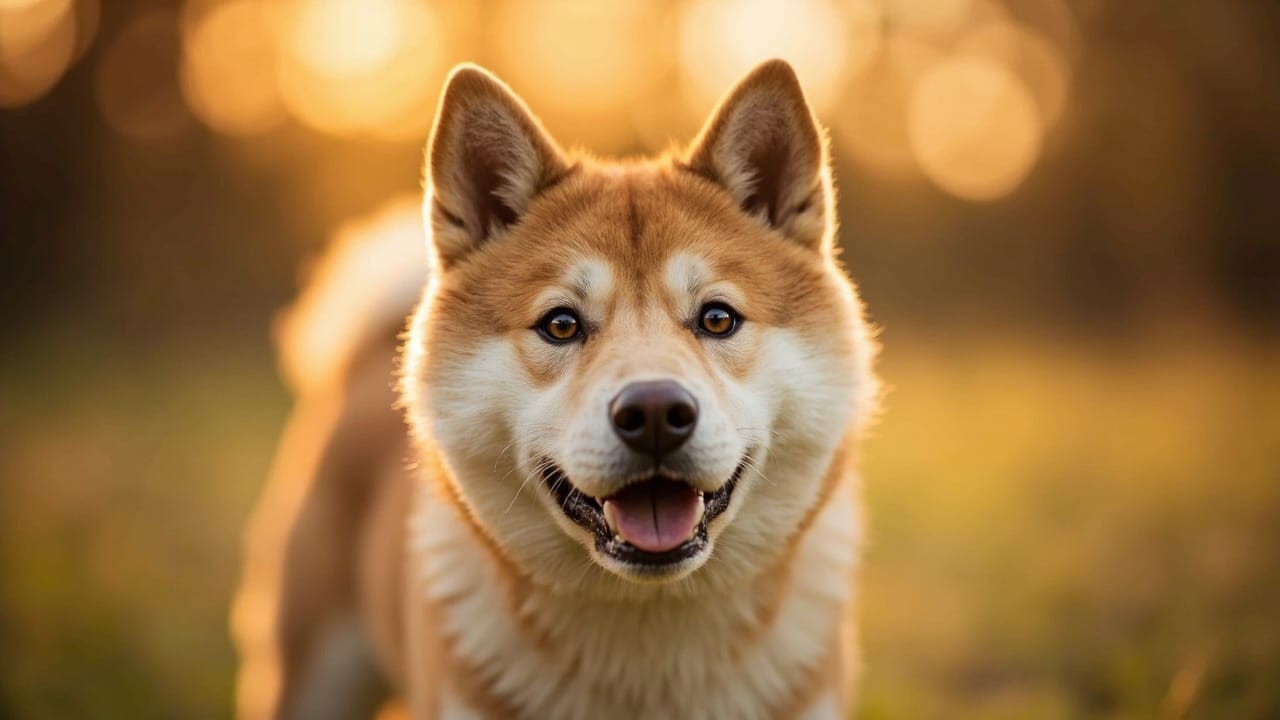
시바견은 어질리티를 할 수 있을까? 반려인을 위한 솔직한 가이드
네, 시바견은 분명히 어질리티를 할 수 있지만, 성공 여부는 개체에 따라 달라집니다. 시바는 똑똑하고 운동신경이 좋으며 빠르지만, 동시에 독립적이고 사냥 본능이 강하며 쉽게 지루해합니다. 핵심은 음식이나 놀이로 시바의 동기를 부여하고, 훈련 세션을 짧고 재미있게 유지하며, 개의 페이스에 맞춰주는 것입니다.
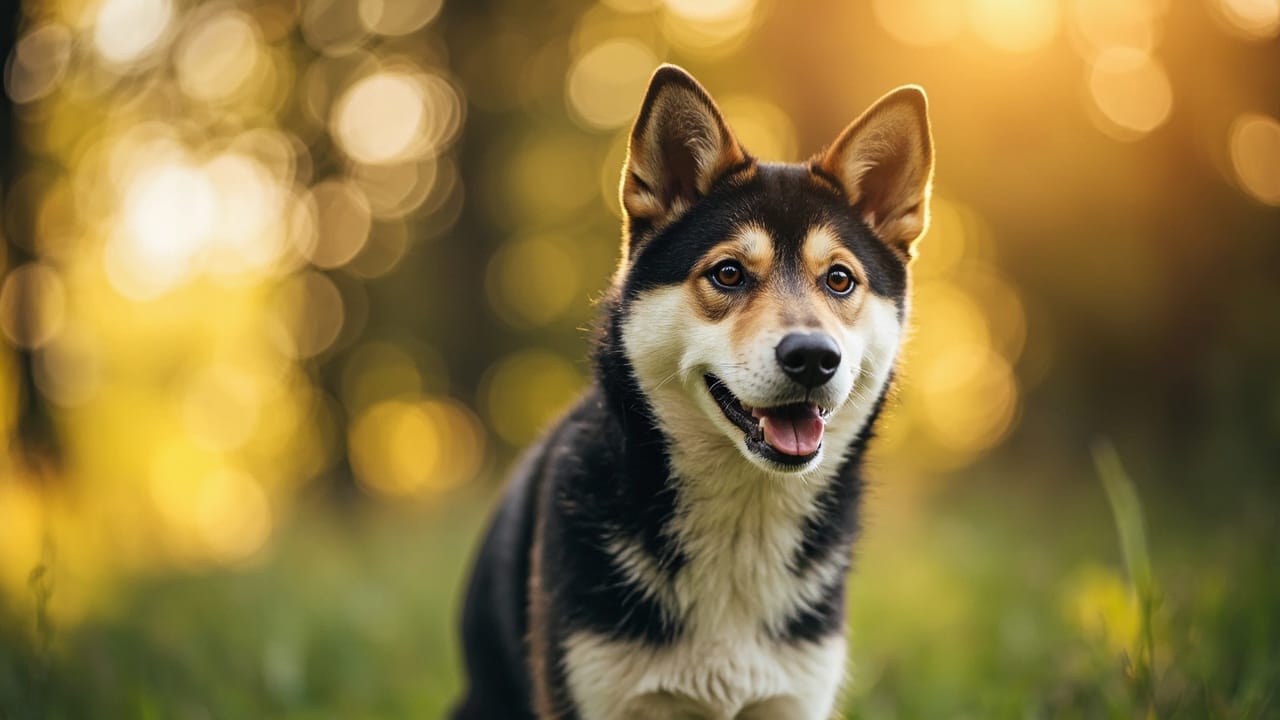
시바견은 좋은 러닝 파트너인가요? 솔직한 견종 가이드
시바견은 친숙한 지형에서 적당한 거리를 일정한 페이스로 조깅하는 동반자로서 좋은 러닝 파트너가 될 수 있지만, 천성적인 장거리 러너는 아닙니다. 단단한 체격, 강한 사냥 본능, 그리고 독립적인 성격 덕분에 시바견은 마라톤 스타일의 훈련보다는 자전거나 조거와 함께하는 30~60분 런닝에 더 잘 맞습니다.
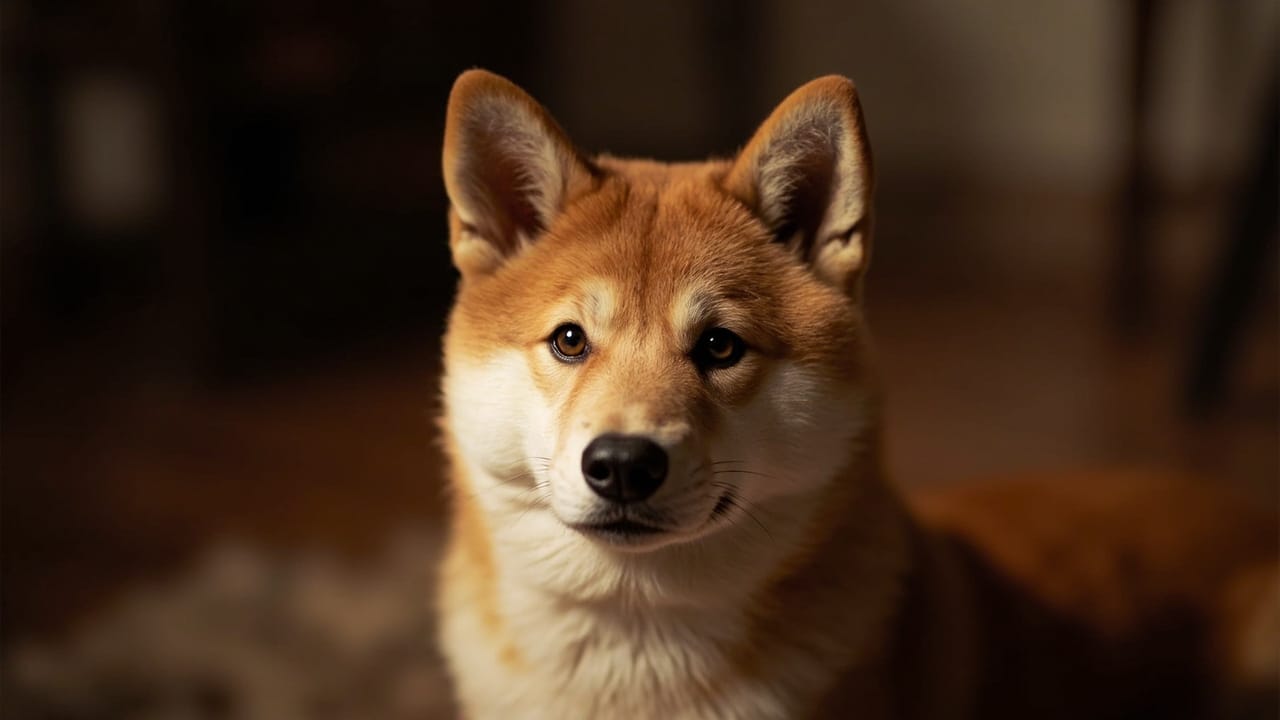
더티 레드 시바견: 의미와 관리 방법
"더티 레드(dirty red)" 시바견은 붉은색 털을 가진 시바가 햇볕에 바래거나 퇴색하여, 본래 시바견 특유의 선명하고 밝은 주황빛 붉은색이 아니라 칙칙한 갈색빛, 오렌지-러스트, 또는 탁한 톤으로 변한 상태를 말합니다. 이는 건강 문제가 아닌 외모적인 털 문제이며, 주로 햇빛 노출, 계절에 따른 털갈이, 또는 낮은 품질의 식사가 원인입니다.
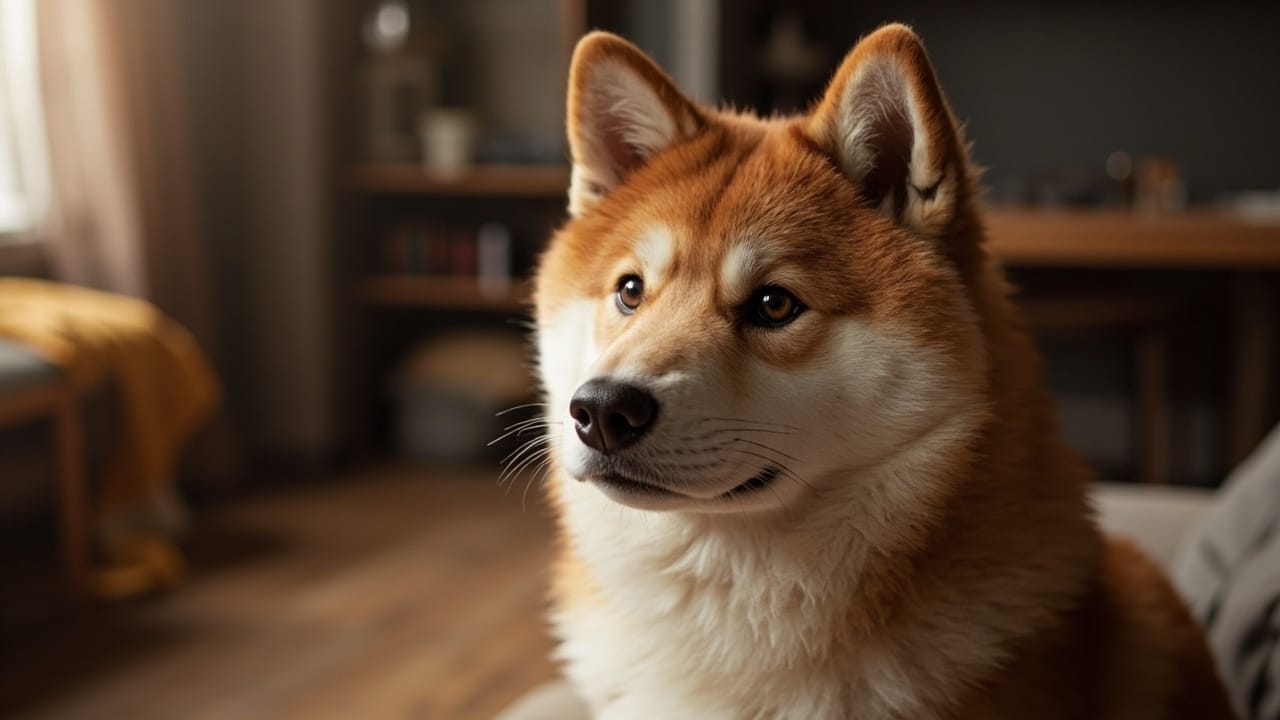
시바견에게 이중모(속털)가 있나요? 네 — 그게 무엇을 의미하는지 알려드립니다
네, 시바견은 부드러운 속털과 곧고 뻣한 겉털로 이루어진 두껍고 조밀한 이중모를 가지고 있습니다. 이 이중 구조는 이 품종을 정의하는 가장 핵심적인 특징이며, 일 년에 두 번 "코트 블로(coat blow, 털갈이)"라고 불리는 심한 털갈이가 일어나는 이유이기도 합니다.
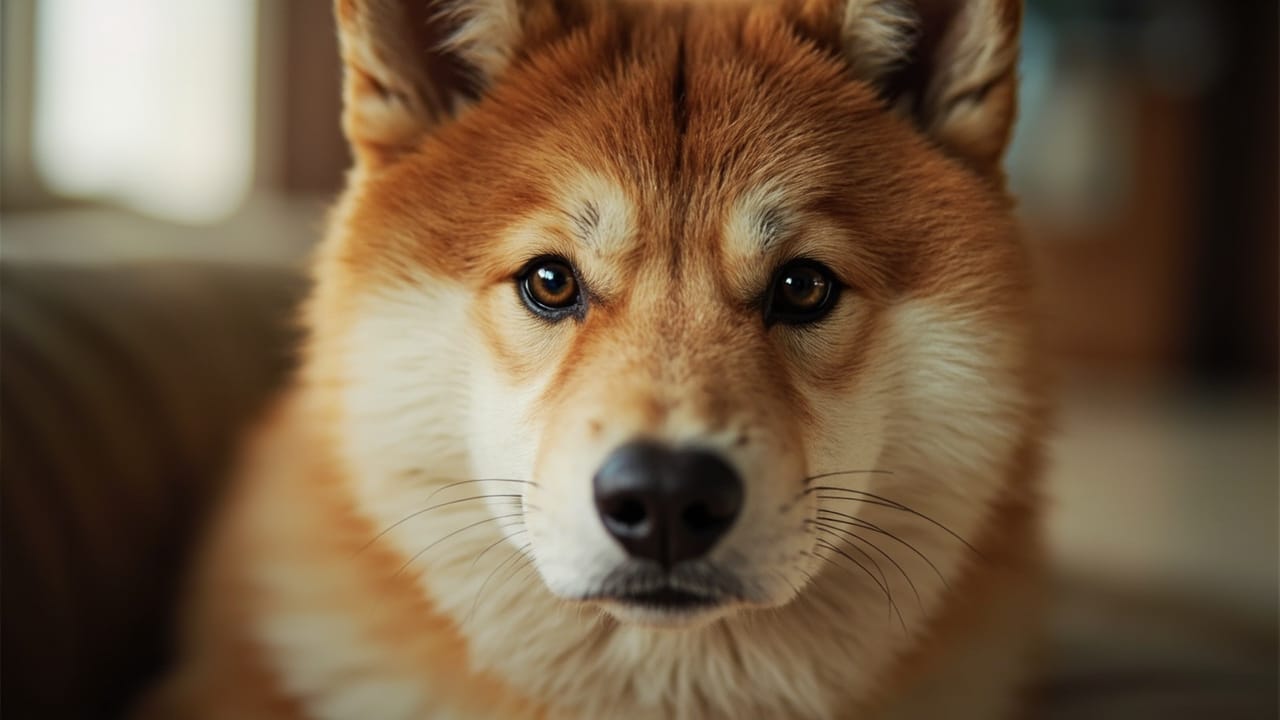
건강한 시바견의 모질은 어떤 느낌이 들까요? 모질 가이드
건강한 시바견은 stiff하고 곧은 외층被毛(겉털)와 부드럽고 촘촘한 솜 같은 내층被毛(속털)로 이루어진 이중 모피를 가지고 있습니다. 털은 몸에 납작하게 눕지 않고 약간 도드라져 있어, 더러기와 물을 쫓아내는 plush하고 솔잎 같은 질감을 만들어냅니다.

시바견 꼬리 유형: 말린 꼬리, 직선 꼬리, 낫 모양 꼬리 (사진 포함)
시바견 꼬리 유형은 말림 정도에 따라 말린 꼬리, 낫 모양 꼬리, 직선 꼬리로 분류됩니다. 등 위에 단단히 말려 올라간 꼬리가 품종 표준이며 가장 흔하고, 낫 모양 꼬리는 등에 닿지 않고 위로 휘어 올라가며, 직선 꼬리는 아래로 매달립니다. 쇼 링에서는 말린 꼬리와 낫 모양 꼬리만 허용되며, 단단히 말린 꼬리가 더 선호됩니다.
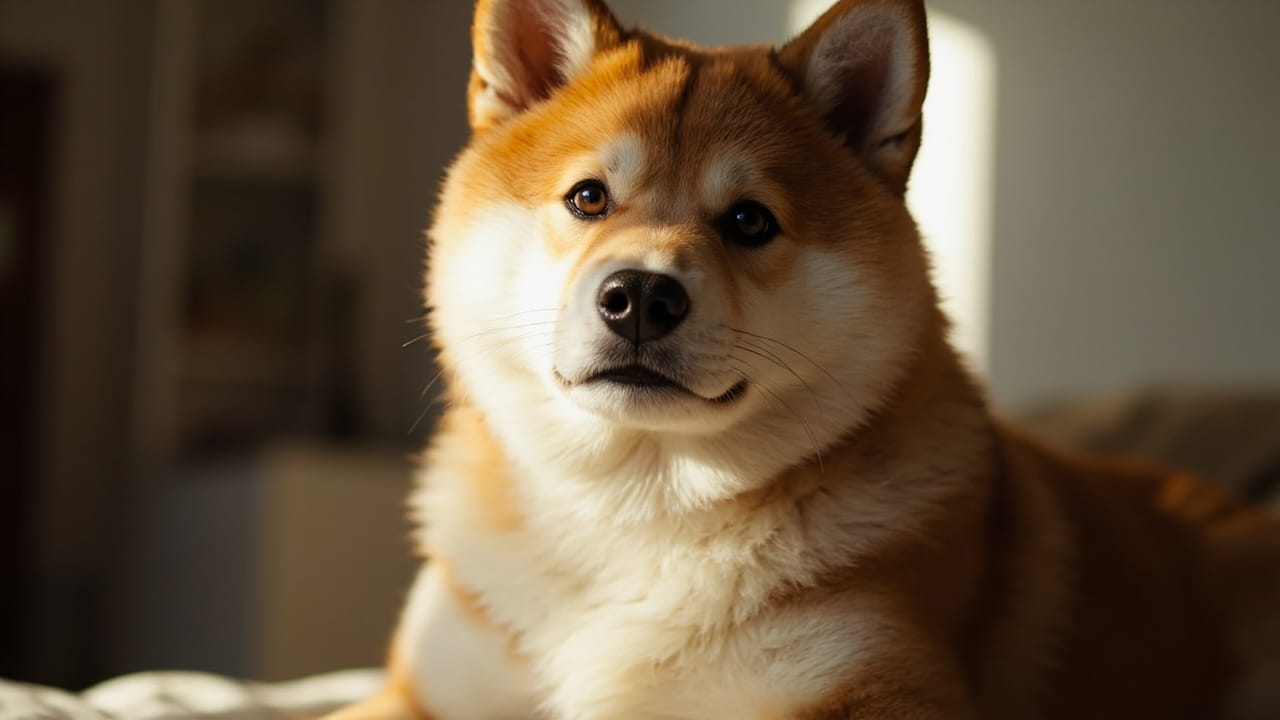
시바견(시바 이누) 털 색은 나이 들면서 변할까요? 완벽 가이드
네, 시바견의 털 색은 나이 들면서 변합니다. 강아지는 어두운 색으로 태어나 "코트 블로잉(blowing coat)"이라 불리는 큰 털갈이 단계를 거치며, 이때 강아지의 부드러운 솜털이 성체의 털로 교체됩니다. 빨간색과 고추색(세사미) 시바는 보통 밝아지고, 흑갈색은 부드러운 톤으로 옅어지며, 우라지로(urajiro) 무늬는 성숙하면서 더 뚜렷해집니다.
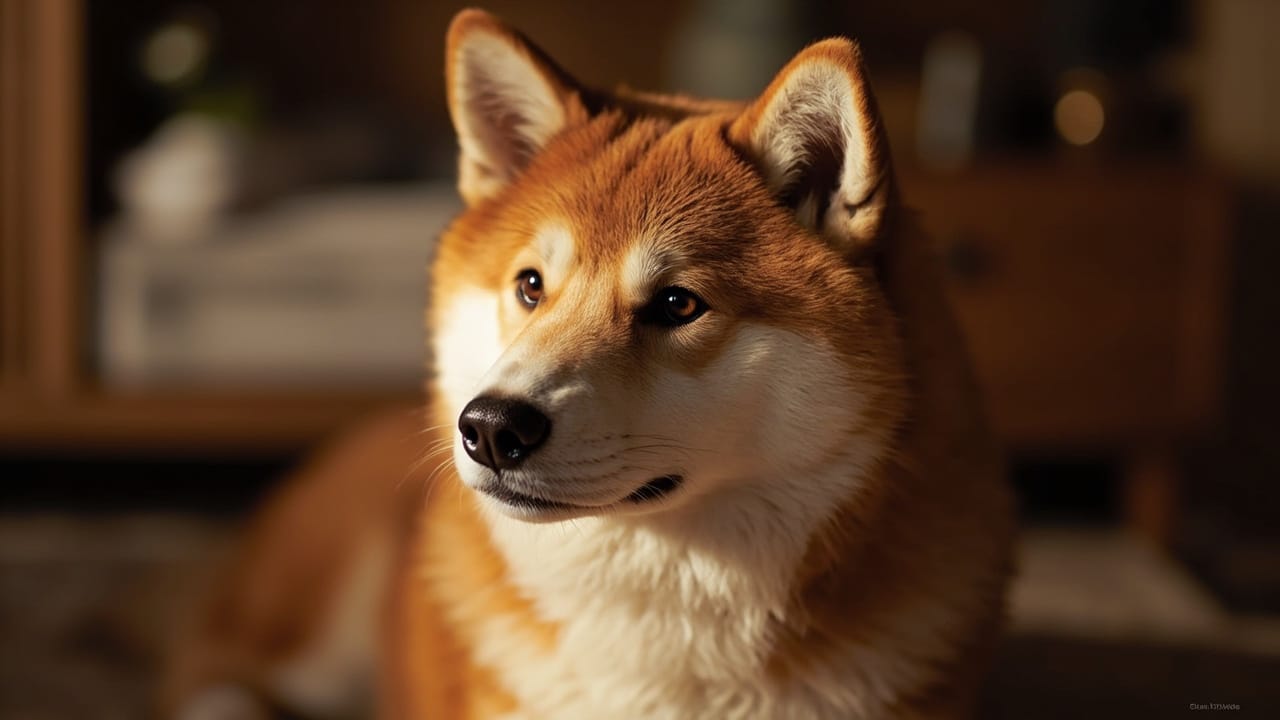
크림색 또는 흰색 시바견은 왜 논란이 될까요?
크림색 시바견은 화려하고 인기 있음에도 불구하고 논란의 여지가 있는데, 그 이유는 일본의 원래 NIPPO 기준에서는 이 색상을 심각한 결함으로 간주하며 컨포메이션 타이틀을 받을 수 없기 때문입니다. 순수 혈종 옹호자들은 이 색이 시바견의 특징인 우라지로(크림-흰색 배쪽 표백)가 사라졌음을 나타낸다고 주장하는 반면, 반려인들은 그 아름다움과 희소성 때문에 옅은 털을 사랑합니다.
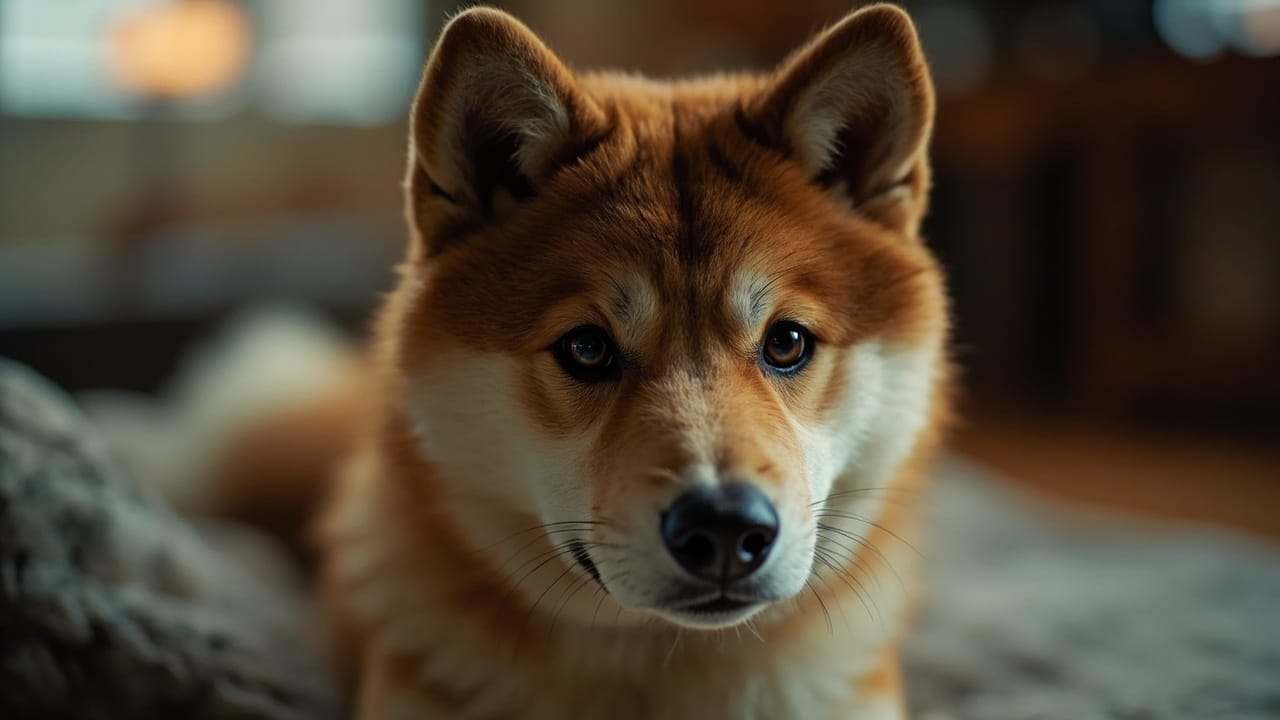
검은깨 시바견: 가장 희귀한 색상 완벽 해설 (사진 포함)
검은깨(흑고) 시바견은 붉은색 기본 털 위에 끝이 검은 색의 잔털이 겹쳐 겉보기에 독특한 회백색 또는 소금후추 같은 외모를 만들어내는 희귀한 색상 변형입니다. 진정한 검은깨는 시바 색상 중 정확하게 번식시키기 가장 어려운 색 중 하나로, 특정 NIPPO 및 AKC 기준에 따라서만 쇼 링에서 허용됩니다.
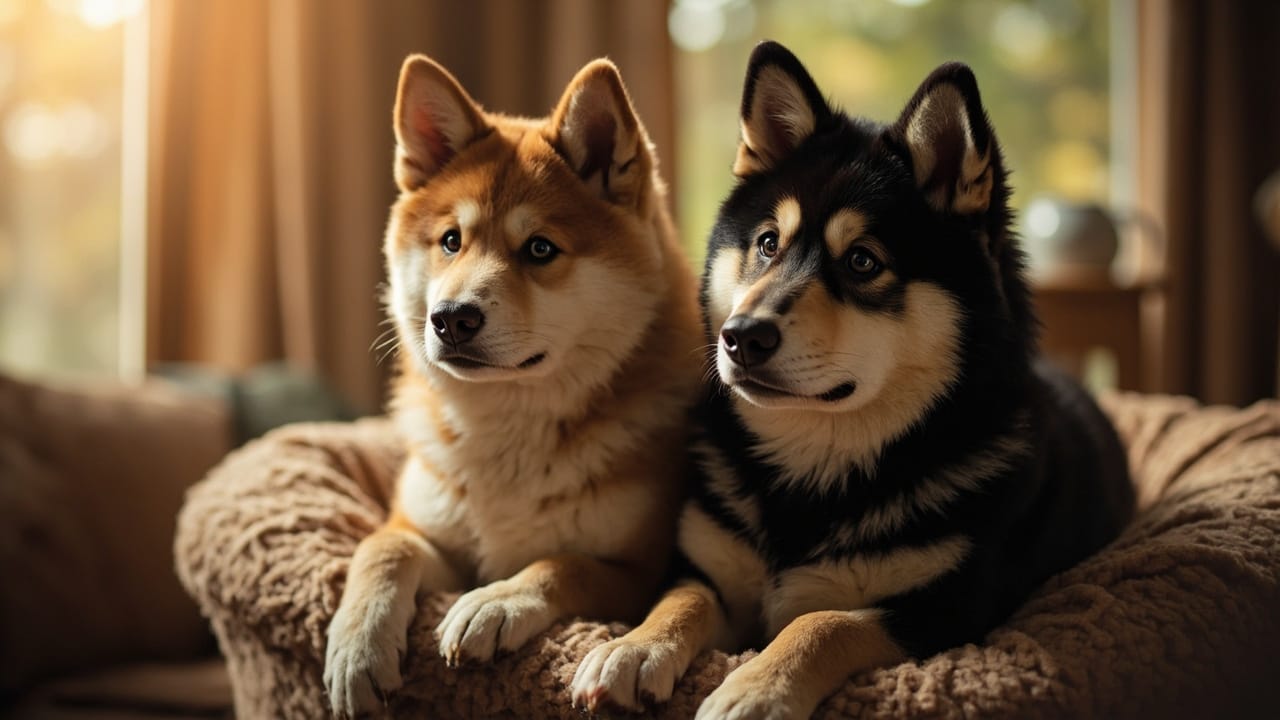
세서미 vs 레드 세서미 시바견: 모색 차이점 완벽 정리
진짜 세서미 시바견은 붉은 바탕에 검은색 끝부분을 가진 모발이 붉은 배경 위에 균일하게 분포된 반면, 레드 세서미 시바견은 대부분 붉은 모색에 가볍거나 최소한의 검은 끝부분만을 보입니다. 두 색상 모두 NIPPO와 FCI 기준에서 인정받지만, 검은색과 붉은색 오버레이의 비율이 이 둘을 구분합니다.
시바견 백선 치료 방법: 실용 가이드
시바견의 백선은 수의사에게 방문해 진단받은 후, 국소 항진균제(미코나졸 또는 클로르헥시딘 워시)를 바르고, 이트라코나졸 같은 경구약을 4–8주간 투여하며, 가정 내 소독을 병행해 치료합니다. 회복에는 보통 6–12주가 걸리며, 두 번의 음성 배양 결과가 확인될 때까지 치료를 계속해야 합니다.
시바견 핫스팟 치료법: 종합 가이드
시바견의 핫스팟은 병변 주변 털을 잘라내고, 클로르헥시딘 또는 소독액으로 부드럽게 세척한 후 수의사가 권장하는 국소 항생제 또는 스테로이드 스프레이를 바르는 방식으로 치료합니다. 알레르기, 이중 코트에 갇힌 수분, 벼룩 등 근본 원인을 해결하고, 두꺼운 털이 다시 자라나는 동안 해당 부위를 건조하게 유지하며 관찰하면 재발을 예방할 수 있습니다.
시바견 지루증 관리: 원인, 증상 및 치료
시바견에게서 나타나는 지루증은 비늘, 유분, 또는 각질이 있는 피부를 유발하는 만성 피부 질환으로, 알레르기, 갑상선 기능 저하증, 호르몬 불균형이 원인이 되는 경우가 많습니다. 치료는 약용 샴푸, 필수 지방산 보충제, 근본 원인 해결을 병행하며, 꾸준한 치료를 시작한 지 4-8주 이내에 대부분의 개체가 눈에 띄는 호전을 보입니다.
시바견의 건안증(각결막염): 증상, 치료 및 관리
시바견에게서 발생하는 건안증, 즉 각결막염건조증(KCS)은 눈물샘이 충분한 눈물을 생산하지 못해 각막이 건조하고 자극을 받으며 손상될 수 있는 질환입니다. 자연 눈물 생성을 촉진하고 시력 손실을 예방하기 위해 주로 사이클로스포린이나 타크로리무스 같은 처방 안약을 사용해 평생 관리해야 합니다.
시바견의 체리 아이(셋째 눈꺼풀 탈출): 원인, 치료 및 회복
시바견의 체리 아이는 셋째 눈꺼풀선의 탈출로, 눈 안쪽 구석에 붉고 부어오른 덩어리처럼 나타납니다. 그 자체로는 통증이 없지만, 장기적인 안구 건조증과 자극을 예방하기 위해 수의안과 전문의의 외과적 교정이 필요합니다. 대부분의 시바견은 수술 후 2~3주 이내에 완전히 회복됩니다.
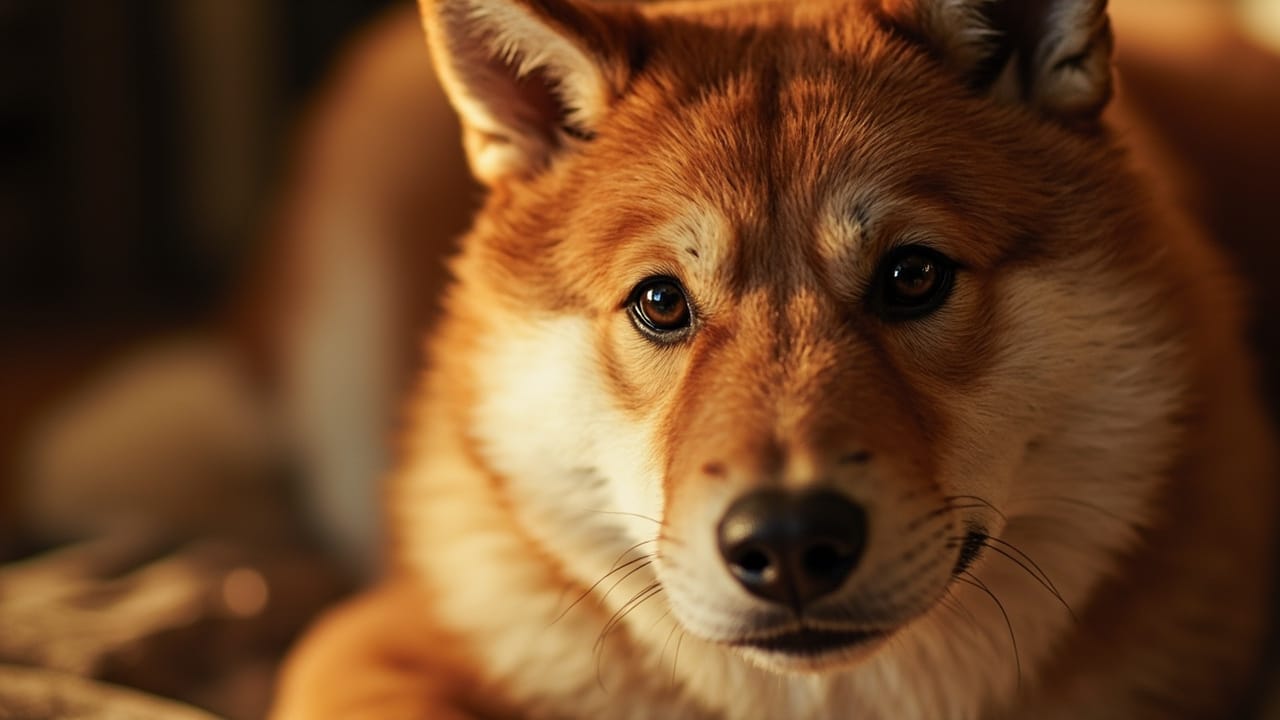
시바견의 뒷발톱(뒷쪽 부속 발톱) 관리: 완벽 가이드
시바견의 뒷발톱은 2~4주마다 정기적으로 잘라주고, 균열이나 갈라짐이 있는지 정기적으로 검사하며, 걸리거나 찢어졌을 때에는 즉시 조치를 취해야 합니다. 대부분의 시바견은 피부에만 느슨하게 붙어 있는 뒷발톱을 가지고 있어 부상 위험이 크기 때문에, 통증과 감염을 예방하려면 꾸준한 관리가 필수적입니다.
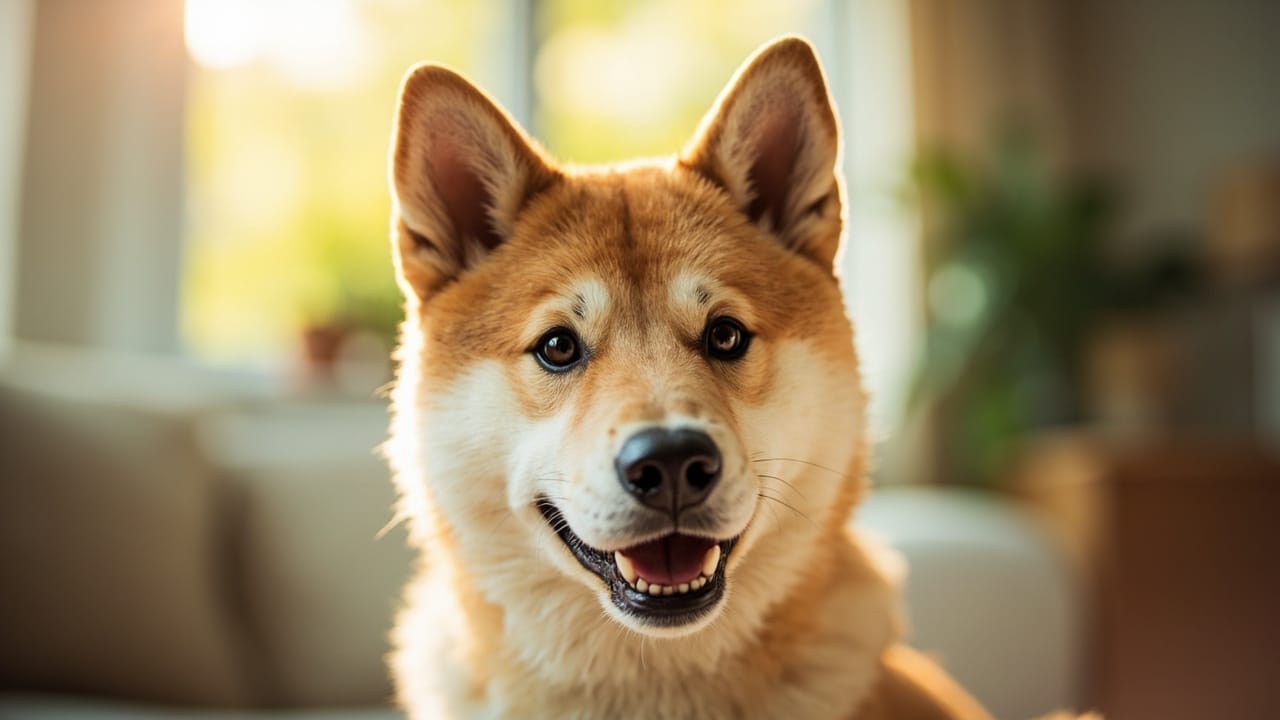
시바 이누에게 전문적인 치과 클리닝이 필요한가요?
네. 시바 이누는 약 3세부터 시작하여 대략 1~2년에 한 번씩 전신 마취 하에 수의사 전문 치과 클리닝이 필요합니다. 집에서 하는 양치만으로는 치주 질환(시바 이누에게 가장 흔한 건강 문제)으로 이어지는 플라그와 치석을 제거할 수 없기 때문입니다.
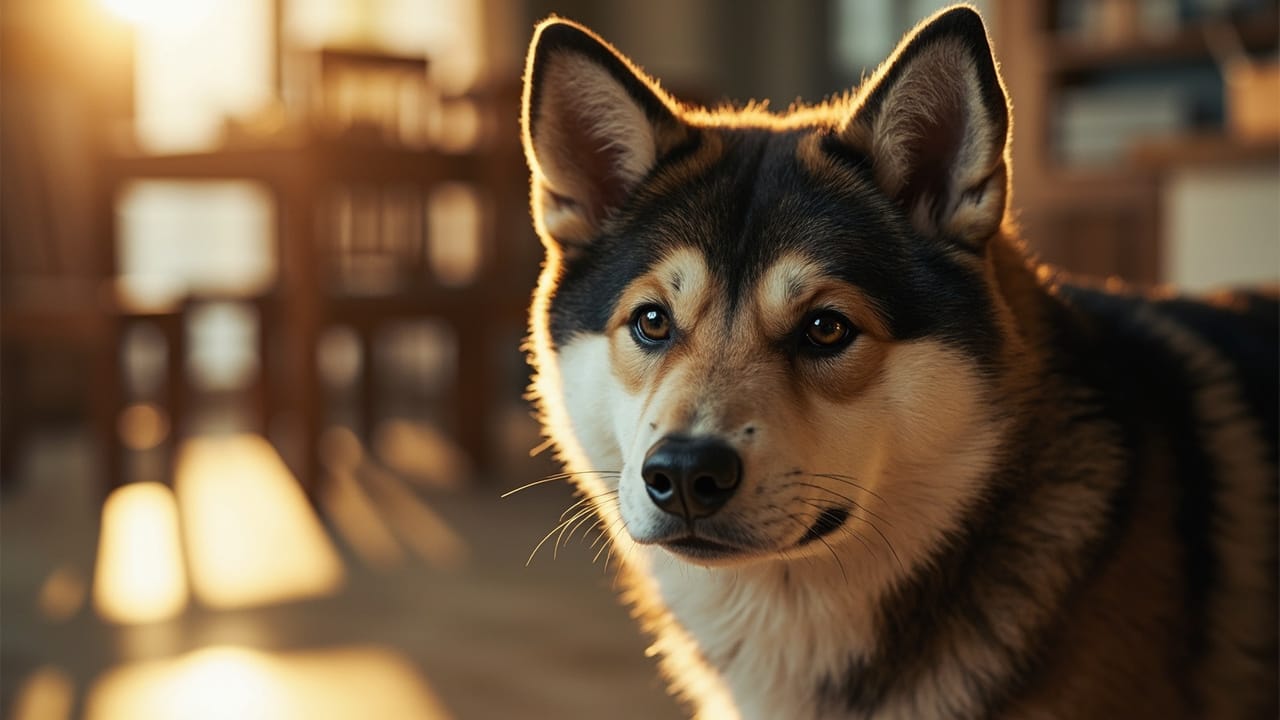
시바견의 진드기 매개 질환: 증상, 위험성 및 예방법
시바견은 다른 견종과 마찬가지로 진드기 매개 질환에 취약하며, 가장 흔한 질환은 라임병, 에를리히증, 아나플라즈마증, 바베스열원충증, 로키산홍열입니다. 시바견은 이중 모피가 두꺼워 진드기를 숨길 수 있기 때문에 실외 활동 후에는 세심하게 점검해야 합니다. 연중 시행하는 벼룩·진드기 예방과 신속한 진드기 제거가 시바견을 보호하는 가장 좋은 방법입니다.
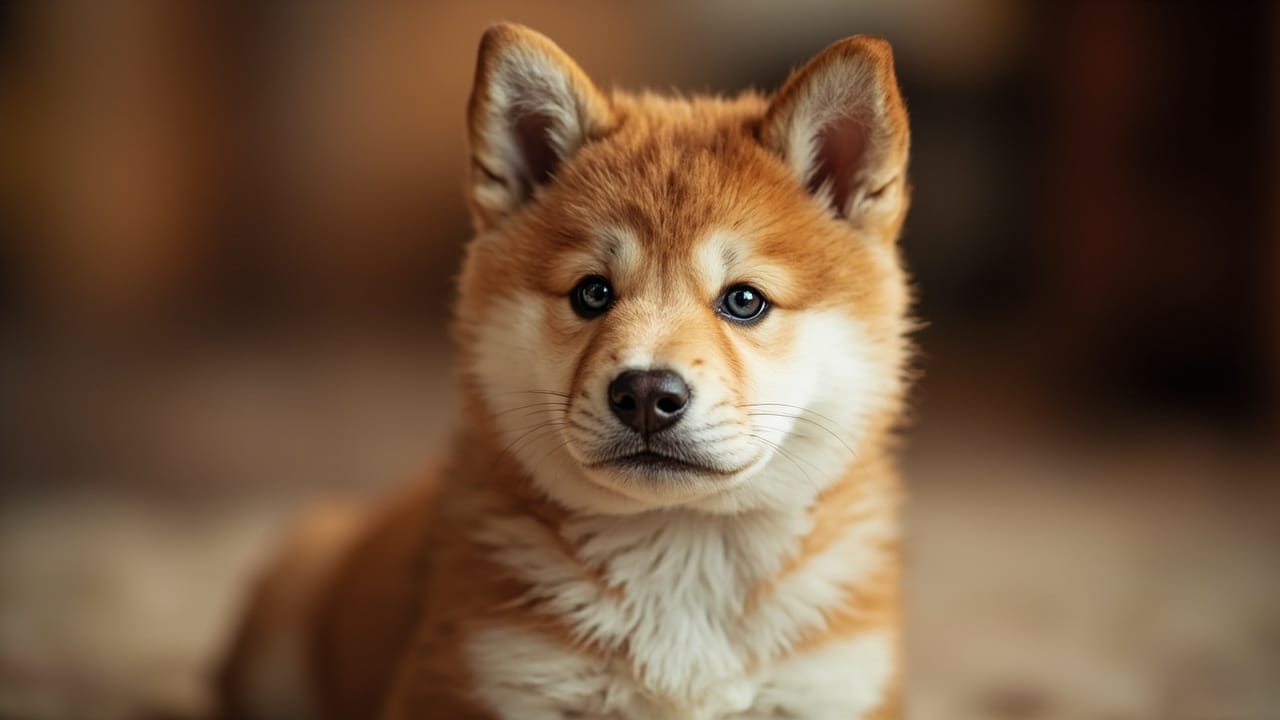
시바견(Shiba Inu) 어린 강아지의 파보 초기 증상: 완벽 가이드
시바견 어린 강아지에서 나타나는 파보(Parvo)의 가장 초기 증상은 무기력, 식욕 저하, 갑작스러운 기력 저하이며, 보통 12–24시간 이내에 구토와 혈변을 동반한 설사로 이어집니다. 파보는 매우 빠르게 진행되며, 대개 24–72시간 이내에 악화되기 때문에 의심이 조금이라도 들면 즉시 응급 동물병원에 방문해야 합니다. 한 시간이라도 치료가 늦어질수록 생존율은 급격히 떨어집니다.
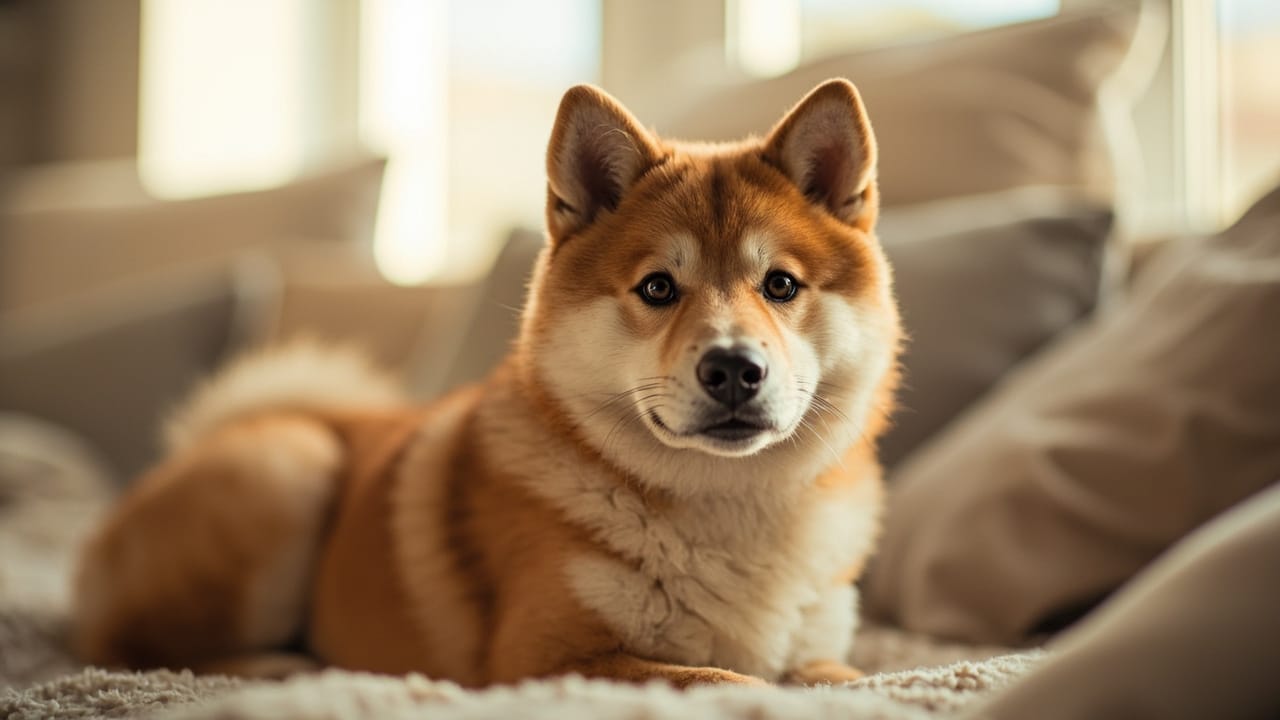
시바견의 켄넬 코프(전염성 기관기관지염) 치료법: 반려인을 위한 완전 가이드
대부분의 시바견은 휴식, 격리, 그리고 대증적 치료로 2-3주 이내에 켄넬 코프에서 회복되지만, 심한 경우에는 수의사가 처방한 항생제나 진해제가 필요합니다. 보르데텔라 브론키셉티카(Bordetella bronchiseptica) 감염이 폐렴으로 진행될 수 있으므로 특히 어린 강아지, 노령견, 스트레스를 받는 강아지의 경우 가능한 빨리 수의사에게 연락하시기 바랍니다.
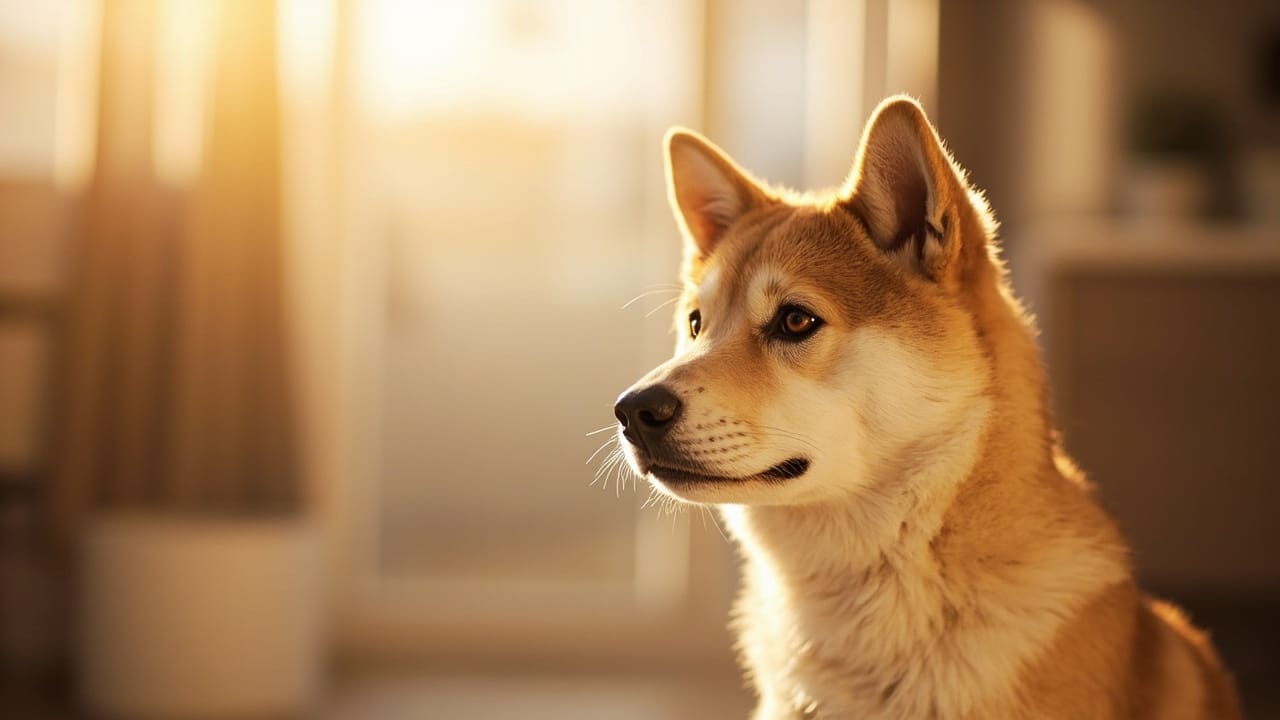
시바견의 요로감염: 주의해야 할 10가지 경고 신호
시바견의 요로감염(UTI)은 흔히 잦은 배뇨, 배뇨 시 힘주기, 혈뇨, 그리고 집안에서 실수로 소변을 보는 모습으로 나타납니다. 시바견은 매우 깔끔하고 실내 배변 훈련이 잘 되어 있는 것으로 유명하기 때문에, 배변 습관의 갑작스러운 변화는 가장 초기 경고 신호 중 하나입니다. 이러한 증상이 보라면 소변 배양 검사를 위한 동물병원 방문이 필수적입니다. 치료하지 않은 UTI는 신장까지 번질 수 있습니다.
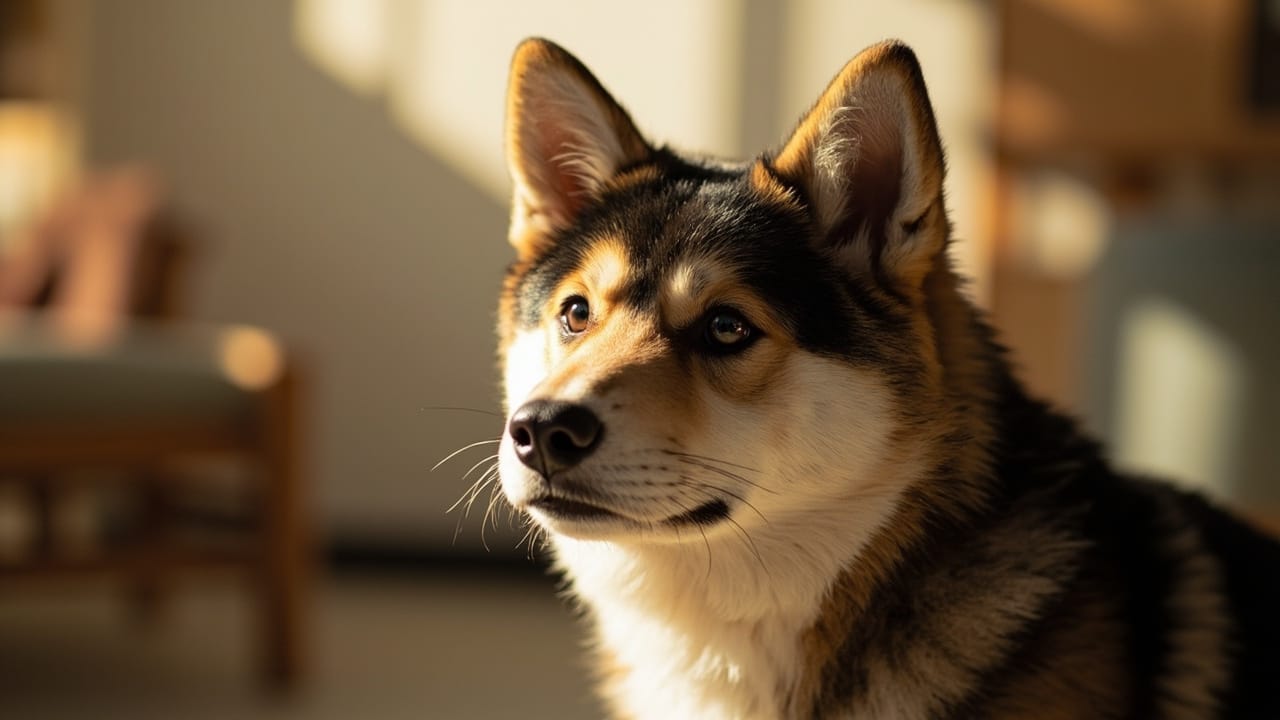
시바견 귀 감염증: 알아차리는 법과 치료법
시바견 귀 감염증은 머리 흔들기, 귀 긁기, 발적, 악취, 혹은 짙은 분비물로 나타납니다. 대부분은 효모균이나 세균에 의한 외이염으로, 세포학적 검사로 원인이 확인된 후 수의사가 처방한 귀 점적약으로 치료합니다. 치료하지 않으면 감염이 깊이 퍼질 수 있으니 증상을 발견한 후 24~48시간 이내에 수의사를 방문하세요.
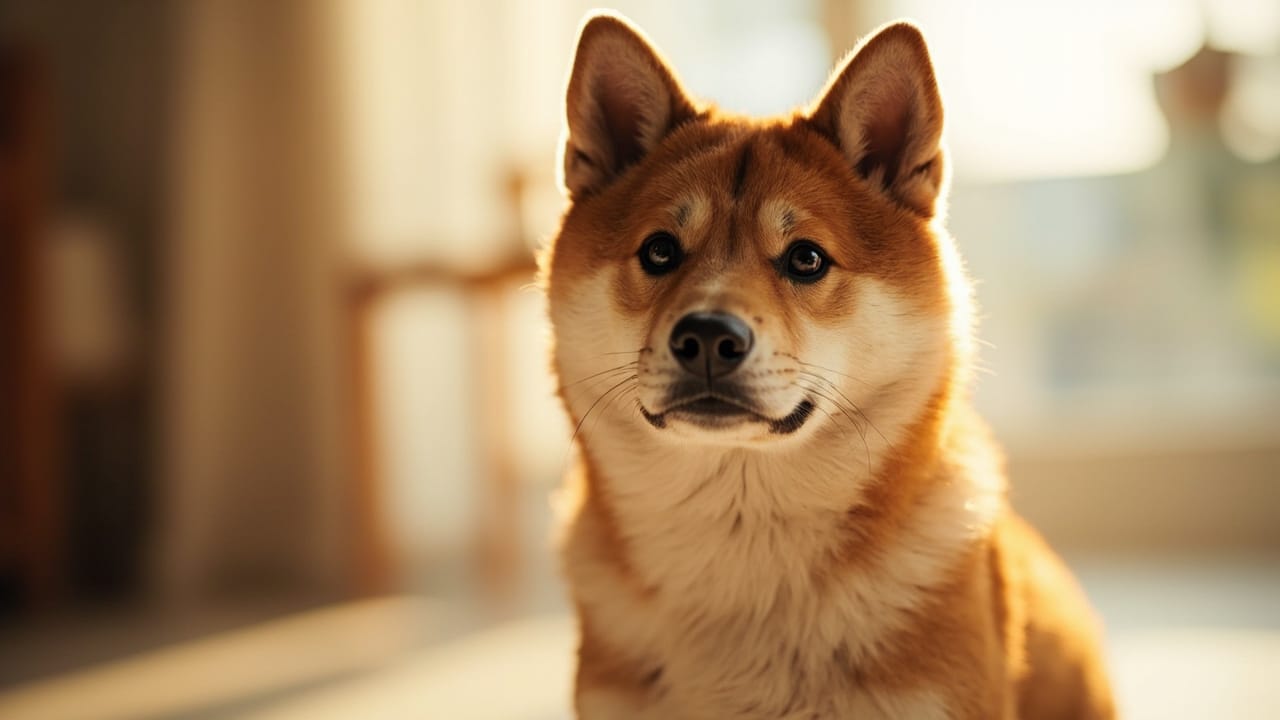
내 시바견이 음식 알레르기인가요, 환경 알레르기인가요? 완전 가이드
네, 시바견은 음식 알레르기와 환경 알레르기 모두 발병할 수 있으며, 아토피성 피부염은 실제로 이 품종에서 가장 흔한 피부 질환 중 하나입니다. 증상이 상당히 겹치기 때문에, 음식 알레르기는 수의사 감독下的의 제거 식이 요법으로, 환경 알레르겐은 피내 검사 또는 혈청 검사를 통해 진단해야 합니다.
구조된 시바견이 새 집에 정착하도록 돕기
구조된 시바견에게는 조용하고 강아지 안전이 확보된 공간을 마련하고, 처음 2주는 차분하게 보내도록 하며, 스스로 적응하는 속도에 맡기세요. 대부분의 시바견은 본래 성격을 드러내기까지 2–8주가 필요하며, 인내심, 규칙적인 루틴, 긍정적 강화가 원활한 전환의 열쇠입니다.
시바견을 입양할까, 구매할까? 완벽한 결정 가이드
두 가지 방법 모두 가능하지만, 정답은 예산, 일정, 그리고未知에 대한 수용도에 따라 달라집니다. 입양은 보통 $300–$500 정도이며, 새 가족을 기다리는 시바견을 만나게 해주고, 신뢰할 수 있는 브리더로부터 구매하는 경우에는 $1,400–$3,500, 쇼 품질 라인이라면 그 이상이 들기도 합니다. 입양은 생명을 살리고 강아지 시기를 건너뛸 수 있고, 구매는 예측 가능한 건강 기록과 브리더로부터 받는 초기 사회화를 제공합니다.

시바견 책임감 있게 다시 입양 보내는 방법: 종합 가이드
시바견을 책임감 있게 다시 입양 보내는 것은 정직한 평가, 적절한 동물병원 진료, 신중한 심사, 그리고 체계적인 전환을 통해 강아지의 복지를 최우선으로 고려하는 것을 의미합니다. 좋은 집에 무료로 준다는 게시판 같은 비공식적인 채널은 피하고, 가능하면 견종 전용 구조 단체와 협력하며, 입양 계약서에는 반드시 반환 조항을 포함하세요.
노년 시바견 입양: 알아두어야 할 사항
노년 시바견(보통 8세 이상)은 보호소에서 종종 외면받지만, 차분하고 충성스럽며 놀라울 정도로 적응력이 좋은 반려견이 됩니다. 활동량이 줄고, 성격이 알려져 있으며, 평균 남은 수명이 4~7년이라는 점을 감안하고, 높은 수의과 진료비도 예산에 반영해야 합니다.
시바견 임시 보호 가정 되기: 먼저 알아야 할 것들
시바견 임시 보호란 독립심이 강하고, 사냥 본능이 강하며, 때때로 큰 소리로 울부짖는("시바 스크림") 것으로 유명한 품종을 임시로 돌보는 것을 의미합니다. 고양이처럼 탈출을 잘하는 반려견이므로, 서약서에 서명하기 전에 단단한 울타리, 인내심을 가진 훈련, 그리고 낯선 사람에 대한 품종 특유의 거리감에 대한 이해가 필요합니다.
신뢰할 수 있는 시바견 보호소(리큐)의 신호: 확인해야 할 9가지
신뢰할 수 있는 시바견 보호소는 강아지의 건강과 행동을 심사하고, 입양 신청서와 가정 방문을 요구하며,完整的한 수의 진료 기록을 제공합니다. 또한 입양 후에도 지속적인 관여를 이어갑니다. 이런 곳은 절대 강아지를 판매하지 않고, 구매자를 압박하지 않으며, puppy mill(강아지 공장)의 앞단으로 운영되지도 않습니다. 만약 어떤 '보호소'가 건강 검진을 거치지 않은 강아지를 배송하고, 전화를 받기를 거부하며, 현금만 받으려고 한다면 즉시 거리를 두십시오.
큰 마당 없이 시바 이누를 키워도 될까? 솔직한 아파트 가이드
네, 큰 마당 없이도 시바 이누를 기르는 것이 충분히 가능합니다. 시바는 하루 30-60분의 운동, 꾸준한 정신적 자극, 단호한 규칙만 지켜주면 아파트나 작은 집에서도 잘 적응합니다. 마당의 크기보다 중요한 것은 일상 루틴, 훈련에 대한 commitment, 안전한 리드 핸들링입니다.
시바견(시바 이누)은 은퇴자와 노년층에게 좋은 반려견인가요?
네, 다만 적절한 기대치가 전제됩니다. 시바 이누는 조용하고 독립적인 반려견을 선호하며 활동적이고 경험이 풍부한 은퇴자에게 잘 맞을 수 있지만, 고집, 사냥 본능, 체계적인 훈련의 필요성 때문에 기동성이 제한적이거나 초보 반려견 주인에게는 잘 맞지 않을 수 있습니다.
두 번째 시바견을 입양해야 할까요? 완전한 견주 가이드
두 번째 시바견은 자신감 있고 경험이 풍부한 견주가 충분한 시간, 공간, 예산을 가지고 있다면 좋은 선택이 될 수 있지만, 두 마리의 시바는 그만큼의 관리, 털갈이 시기의 그만큼의 그루밍, 그리고 동성 간 공격성의 실제 위험을 수반합니다. 대부분의 브리더와 견주들은 첫 번째 시바견이 최소 2-3세 이상이고, 기본 훈련이 잘 되어 있으며, 다른 개 앞에서 안정적으로 반응할 수 있을 때까지 기다릴 것을 권장합니다.
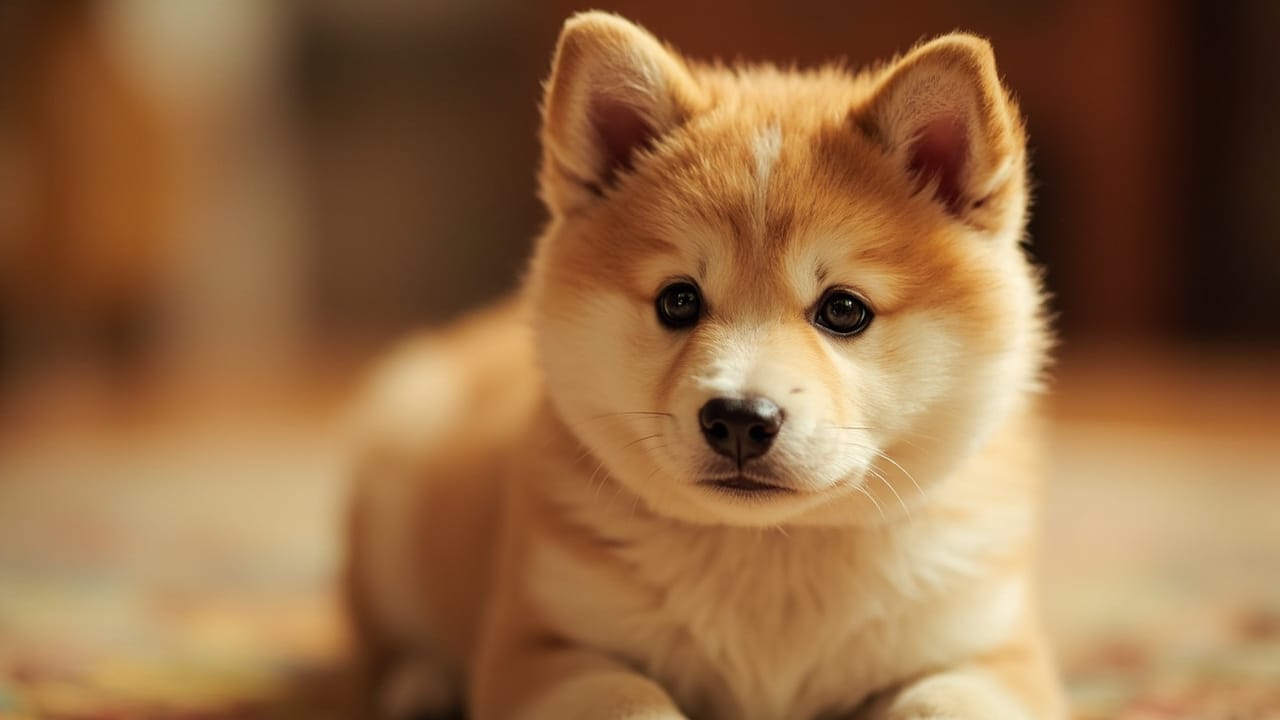
아기가 있는 집에서 시바견을 키워도 될까요? 솔직한 가이드
솔직한 답은 이렇습니다. 대부분의 브리더, 구조 단체, 행동학자들은 영유아와 시바견을 함께 키우는 것을 권장하지 않습니다. 시바견은 소형(약 8–10kg)이고, 독립적이며, 사냥본능이 강하고, 거친 행동을 잘 참지 못하기 때문에 아이와 강아지 모두 위험에 처할 수 있습니다. 많은 가정에서 아이가 최소 5–7세가 될 때까지 시바견을 들이는 것을 미룹니다.
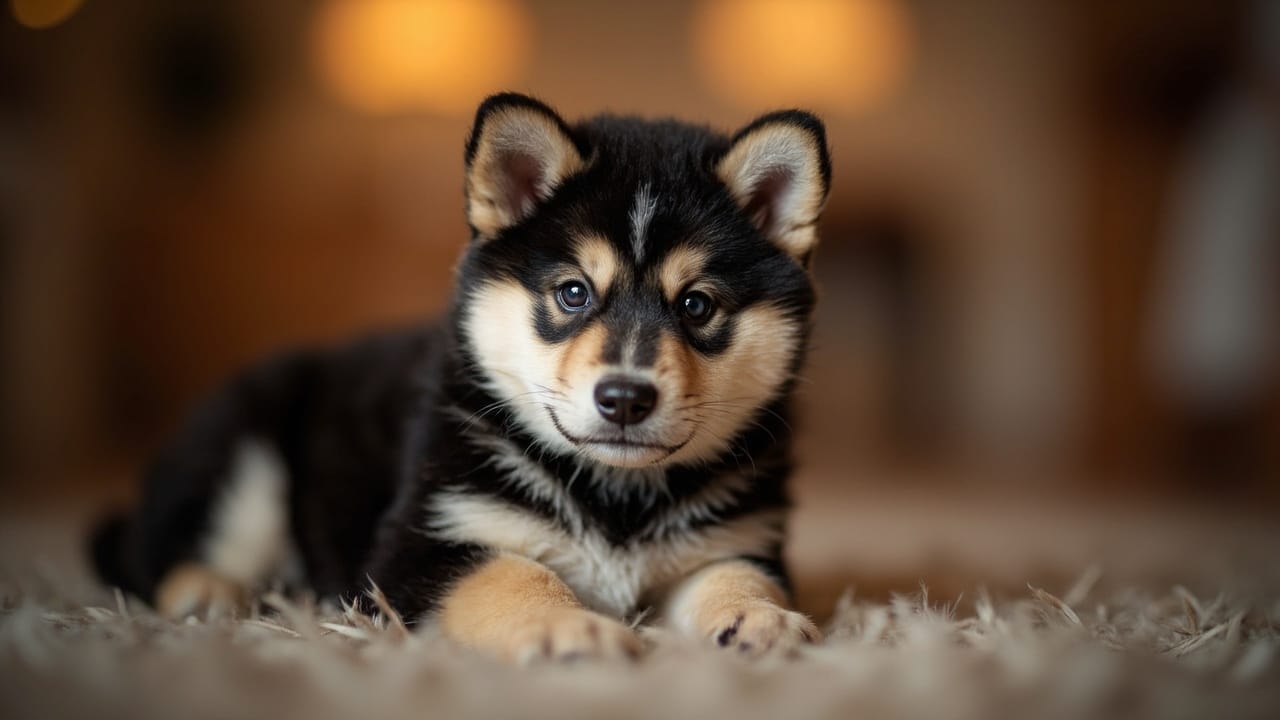
고양이가 있는 집에서 시바견을 키워도 될까? 솔직한 궁합 가이드
네, 시바견과 고양이는 함께 키울 수 있지만, 성공 여부는 개个体的 사냥 본능, 초기 사회화, 그리고 신중한 첫 만남에 달려 있습니다. 시바는 본능적으로 사냥을 하던 원시견종으로 추격 습관이 강하기 때문에 천천히 구조화된 소개 과정이 필수입니다. 특히 강아지 시절부터 함께 자란 경우, 많은 시바들이 고양이室友와 평화롭게 살고 있습니다.
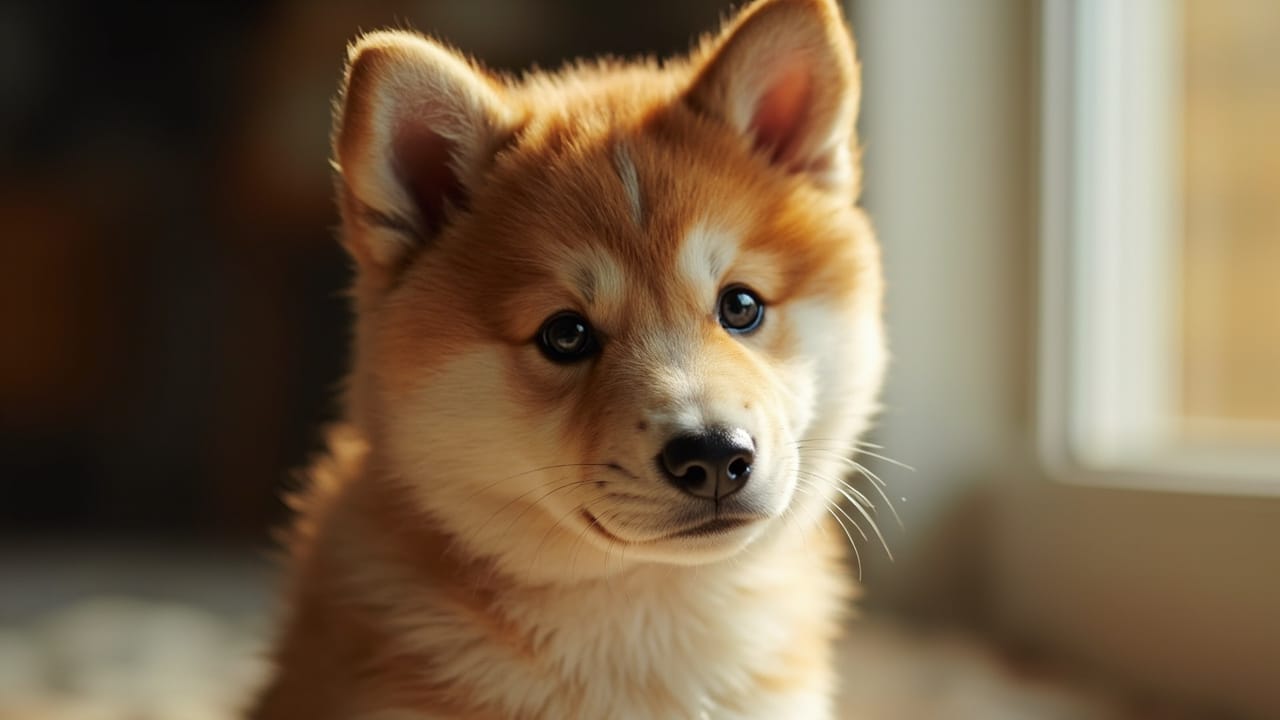
정직한 가이드: 풀타임으로 일하는데 시바견을 키워도 될까?
풀타임으로 일하면서 시바견을 키울 수는 있지만, 매일 2~3시간의 집중적인 상호작용, 안전한 물리적 환경, 신뢰할 수 있는 한낮 돌봄을 반드시 제공해야 합니다. 시바견은 독립적이지만 관리가 쉬운 견종은 아닙니다 — 지루함, 고립, 사회화 부족은很快 곧 비명 소리, 탈출 시도, 파괴적 행동으로 이어집니다.
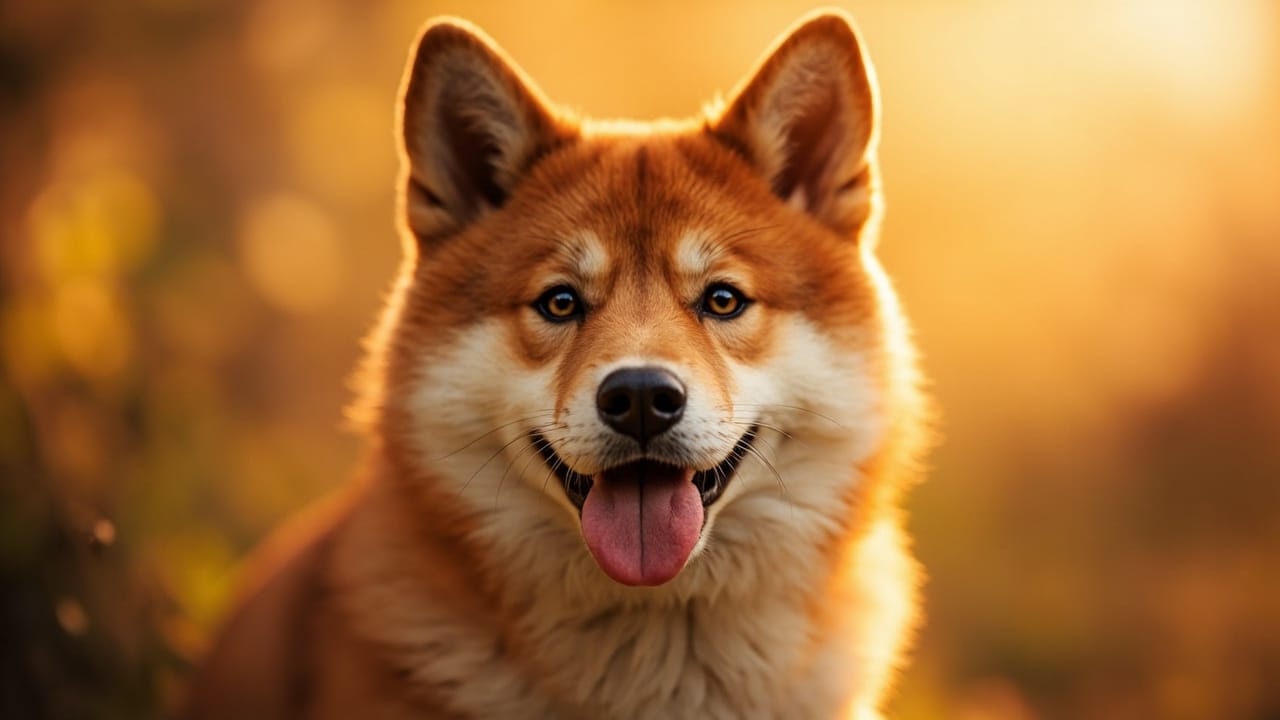
시바견 키우기의 숨겨진 비용: 전체 내역
1,400~5,000달러의 구매 가격之外에도, 시바견 소유자는 첫해에 약 1,200~2,500달러, 이후 매해 900~1,800달러를 사료, 수의사 진료, 그루밍, 훈련, 펫시팅에 지출합니다. 응급 수의비, 울타리 보강, 털갈이철 그루밍 비용 폭증은 대부분의 새 소유자가 예상치 못한 항목입니다.
시바견은 돈 값어치를 할까? 실제 비용 대비 보상 (2025 가이드)
네, 시바견은 13~16년이라는 긴 수명, 고양이 같은 성격, 적은 그루밍을 원하는 보호자에게는 돈 값어치를 합니다. 다만 선불 비용($1,400~$5,000)에 평생 관리비($18,000~$30,000)까지 더하면, 고집스럽고 독립적인 성격을 감당할 수 있을 때만 의미가 있습니다. 시바견은 저렴한 첫 번째 개品种가 아니며, 가장 싼 선택이 최선인 경우는 거의 없습니다.
시바견 프로 미용 비용은 얼마인가요? (2024 가격 가이드)
시바견 프로 미용은 회당 $50~$120이며, 대부분의 보호자는 표준 목욕, 블로우아웃, 발톱 정리, 귀 세척에 약 $65~$85를 지불합니다. 시바는 일년에 두 번 심하게 털이 빠지며 매년 3~4회의 전체 미용 세션과 주 1회의 가정용 브러싱이 필요하고, 평균 연간 프로 미용 비용은 $300~$500입니다.

시바견(SHIBA INU)에게 가장 좋은 펫보험: 2025년 구매자 가이드
시바견에게 가장 좋은 펫보험은 Healthy Paws, Trupanion, Embrace 같은 평판 좋은 보험사의 종합 사고·질병 플랜으로, 보상률은 80–90%, 자기부담금은 $250–$500, 상한 연령 제한이 없는 상품입니다. 시바는 슬개골 탈구, 고관절 이형성증, 알레르기, 녹내장, 갑상선 기능 저하증에 잘 걸리므로, breed exclusion(품종 제외 조항) 없이 유전성·만성 질환을 보장하는 플랜을 선택하세요.
시바견 동물병원 비용은 평균적으로 얼마일까?
시바견 소유자는 정기적인 수의사 진료에 보통 연간 $500~1,200을 지출하며, 첫해 비용은 예방접종, 중성화 수술, 초기 검진까지 포함하면 종종 $1,500~3,000에 달합니다. 평생 수의사 비용은 보통 $10,000~20,000 사이이며, 시바견 특유의 건강 문제로 인해 특정 연도의 연간 비용이 더 높아질 수 있습니다.

시바견(시바 이누) 평생 사육 비용 전체 내역
시바견의 평생 사육 비용은 보통 13~16년의 수명 동안 25,000달러에서 50,000달러 사이입니다. 여기에는 1,500~2,500달러의 구매 비용, 연 1,200~1,800달러의 정기 관리 비용, 그리고 사료, 미용, 훈련, 보험, 임종 비용이 포함됩니다. 더 높은 품질의 번식, 건강 보험, 만성 질환 여부에 따라 총 비용이 60,000달러를 훨씬 넘을 수도 있습니다.

시바견 월 비용: 한 달 예산은 얼마 정도 잡아야 할까
건강한 성견 시바견은 한 달에 약 $80~$250, 첫해 강아지는 $150~$400 이상을 예산으로 잡아야 합니다. 월 비용에는 사료, 예방 진료, 그루밍 용품, 펫 보험, 간식과 장난감 같은 일상적인 추가 비용이 포함됩니다. 강아지, 노령견, 건강 문제가 있는 강아지는 더 많은 비용이 듭니다.
시바견을 위한 최고의 언더코트 레이크: 2025년 완전 가이드
시바견에게 가장 좋은 언더코트 레이크는 길고 약간 곡선을 가진 핀(약 1~1.5인치)과 인체공학적 미끄럼 방지 손잡이가 달린 2열 스테인리스 스틸 디셰딩 레이크입니다. 최고의 추천 제품으로는 FURMAX 양면 언더코트 레이크, Maxpower Planet 양면 언더코트 레이크, 그리고 Pat Your Pet 양면 디셰딩 레이크가 있습니다. 시바견의 격년성 폭발적 털갈이에 대비해 슬리커 브러시와 그레이하운드 빗과 함께 사용하세요.
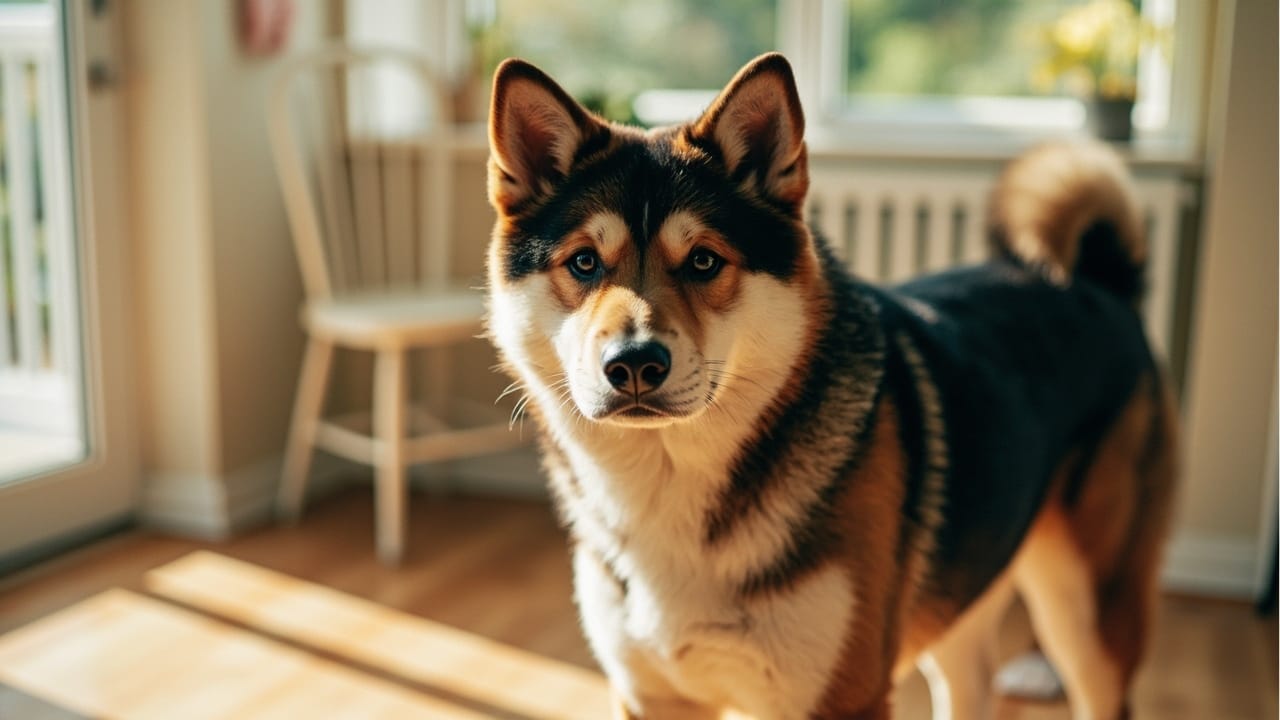
시바견을 위한 최고의 퍼즐 피더: 똑똑하고 고집 센 견종을 위한 검증된 7가지 추천
시바견에게 최고의 퍼즐 피더는 튼튼한 내구성, 조절 가능한 난이도, 미끄럼 방지 바닥을 갖추고 있어야 합니다. 시바는 발이 무거운 문제 해결사라서 조잡한 장난감은 순식간에 무력화하기 때문입니다. 추천 제품으로는 아웃워드 하운드 브릭 퍼즐, 콩 클래식, 스너플 매트, 웨스트 파우 토플, 니나 오토손 토네이도, 스타마크 밥어랏, 그리고 급식을 빨리하는 아이들을 위한 슬로우 피더 볼이 있습니다.
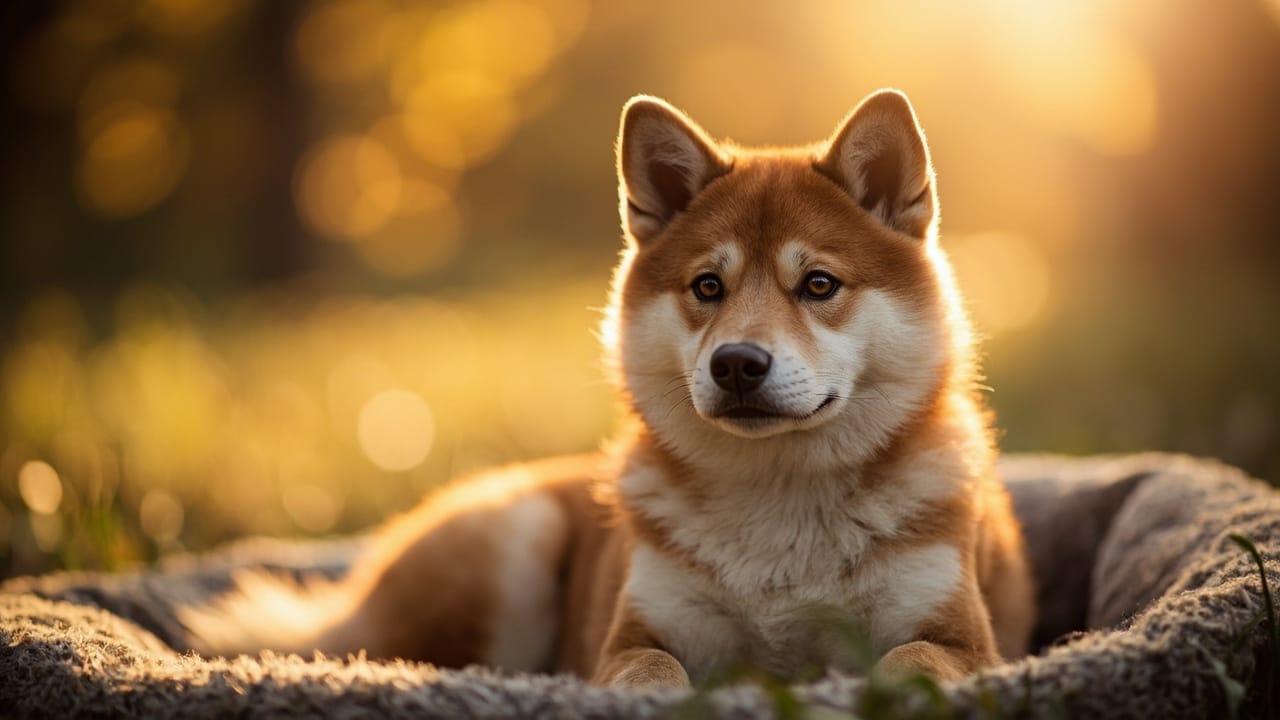
시바견을 위한 최고의 강아지 침대: 완벽한 구매 가이드
시바견에게 가장 좋은 강아지 침대는 세탁 가능하고 내구성이 있는 커버를 갖춘 중간 크기의 지지력 있는 보스터 또는 정형외과용 침대입니다. 이상적으로는 메모리폼 또는 하이브리드 폼이고, 안정감을 주는 높은 측벽, 그리고 이 품종의 단단한 8~10kg 체구에 맞게 약 76 × 51cm(30 × 20인치) 크기여야 합니다. 시바는 더위를 잘 타고 두꺼운 이중 털을 일년에 두 번 빗질(코트 블로우)하기 때문에 통기성이 좋은 시원한 소재를 우선적으로 선택하세요.
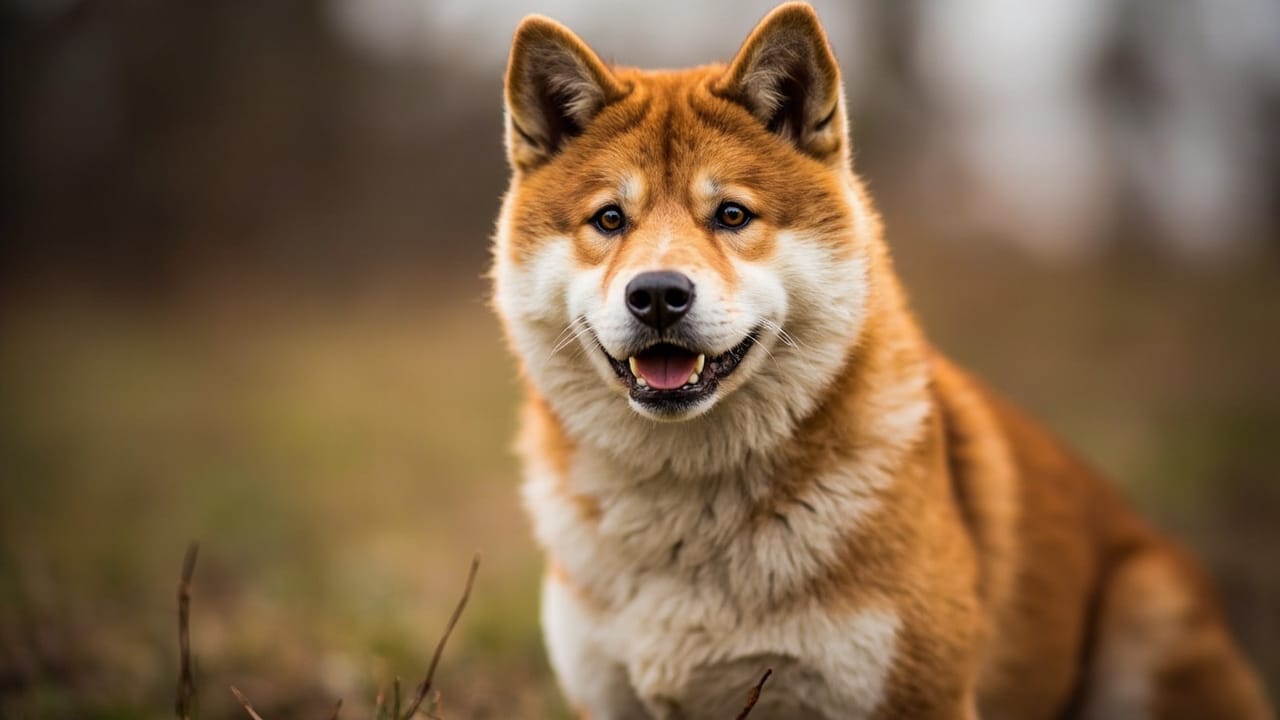
씹는 시기 시바견을 위한 최고의 씹기 장난감: 물림을 견뎌내는 안전한 선택
씹는 시기 시바견에게 가장 좋은 씹기 장난감은 단단하지만 지나치게 딱딱하지 않은 고무 장난감(Kong Classic 또는 Kong Extreme), 천연 고무 링, 냉동 가능한 씹기 링, 회전시켜 사용하며 관리 감독할 수 있는 잘 바느질된 봉제 인형입니다. 항상 10kg 체구의犬에 맞게 크기를 선택하고, 사슴뿔, 단단한 나일론 뼈, 진짜 뼈는 피하세요. 그리고 바늘 같은 젖니가 보이기 시작하는 순간 장난감으로 빨려들게(redirect) 유도하세요.

시바견 아파트 최적 셋업: 완전 가이드
시바견은 세 가지를 관리하면 아파트에서도 잘 삽니다. 충분한 운동(60–90분), 정신적 자극, 소음/이탈 관리. 크레이트, 안전 발코니, 수직 공간, 일관된 배변 루틴만 갖춰주면 작은 집도 집만큼 잘 맞습니다.
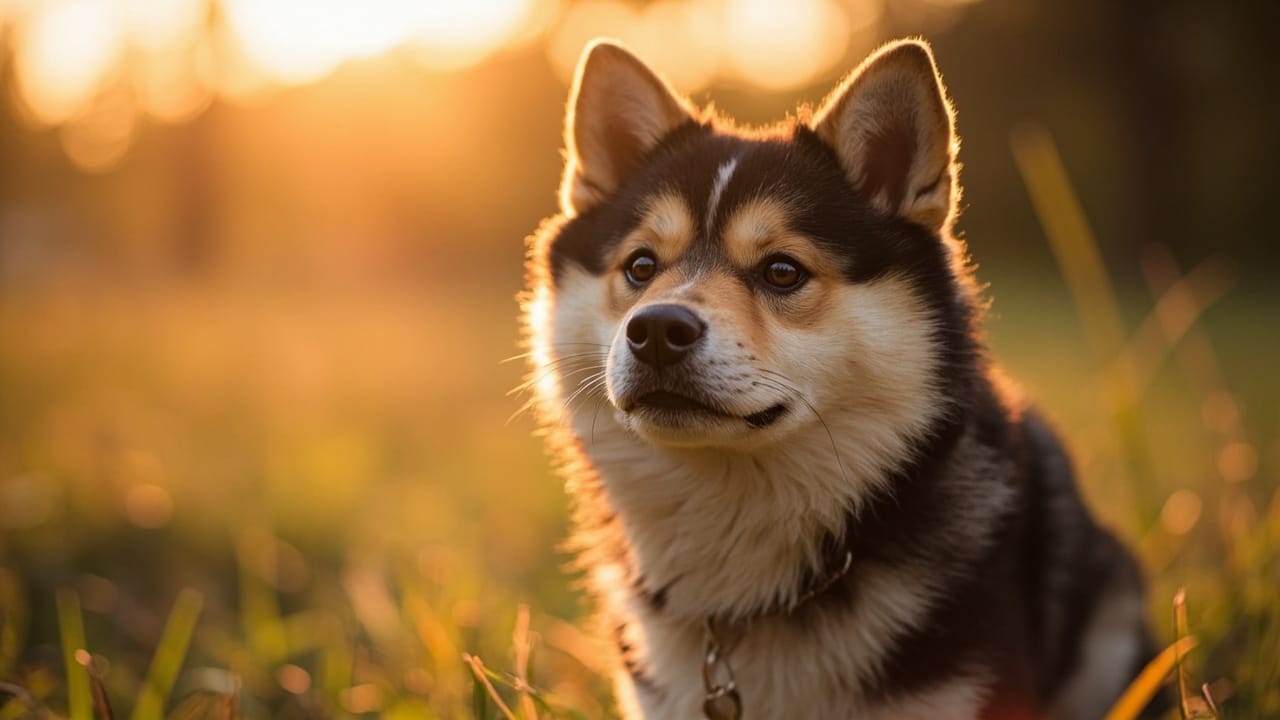
시바견에게 가장 좋은 도어: 크기, 종류 및 구매 가이드
시바견에게 가장 좋은 도어는 중간 크기이며 튼튼하고 잠금 장치가 있는 패널로, 플랩 높이는 약 8-9인치, 폭은 6-7인치 정도이며, 시바견의 독립적이고 탈출을 잘하는 성격에 맞게 전자식 또는 자석식이 이상적입니다. 최고의 추천으로는 내구성과 단열성을 갖춘 Endura Flap Thermo Panel, High Tech Pet Power Pet, PlexiDor Performance Door가 있습니다.
도주癖가 있는 시바견을 위한 최고의 GPS 추적기 (2025 가이드)
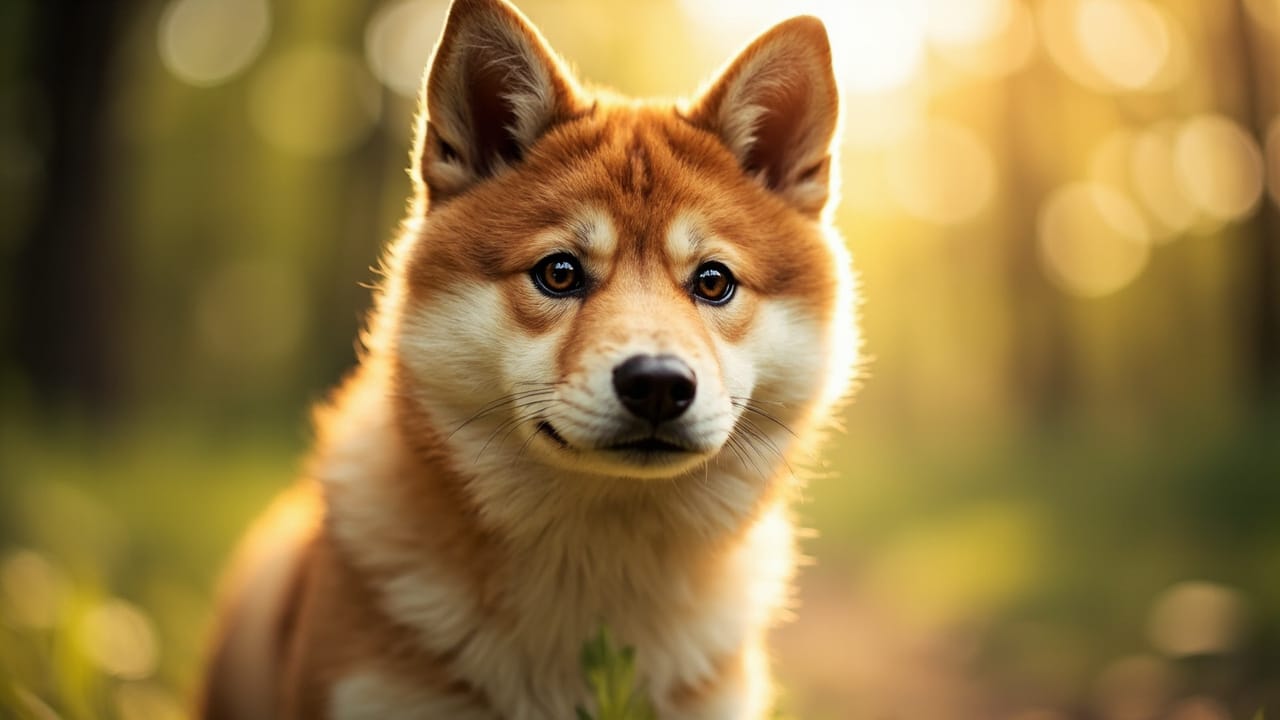
도주癖가 있는 시바견에게 최고의 GPS 추적기는 실시간 추적 기능과 월 구독료 없이 무제한 범위를 제공하는 제품입니다. Tractive GPS와 Apple AirTag(칼라 홀더 포함)가 최고의 선택이지만, AirTag는 시바의 정확한 위치를 파악하기 위해 근처에 보조 블루투스 기기가 필요합니다.
시바견을 위한 최고의 샴푸: 완벽한 구매 가이드
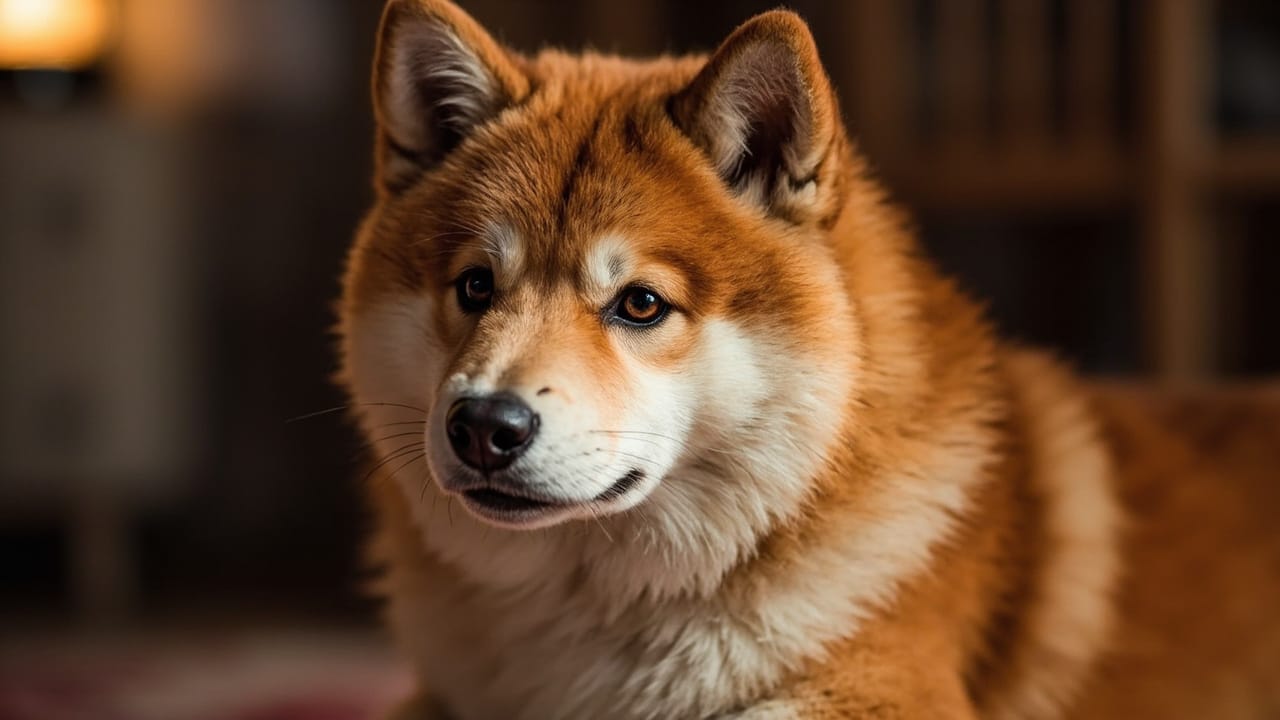
시바견에게 가장 좋은 샴푸는 순하고 pH 균형이 잡힌 비누 성분이 없는 개 전용 포뮬러입니다. 이상적으로는 민감성 피부를 가진 시바를 위해 귀리, 알로에, 또는 코코넛 계면활성제가 포함된 것이 좋습니다. 시바는 아토피성 피부염과 건성 피부를 잘 일으키므로 사람용 샴푸, 강한 황산염 계면활성제(SLS/SLES), 강한 향료는 피하세요.
시바견을 위한 최고의 슬로우 피더 그릇: 완전한 구매자 가이드
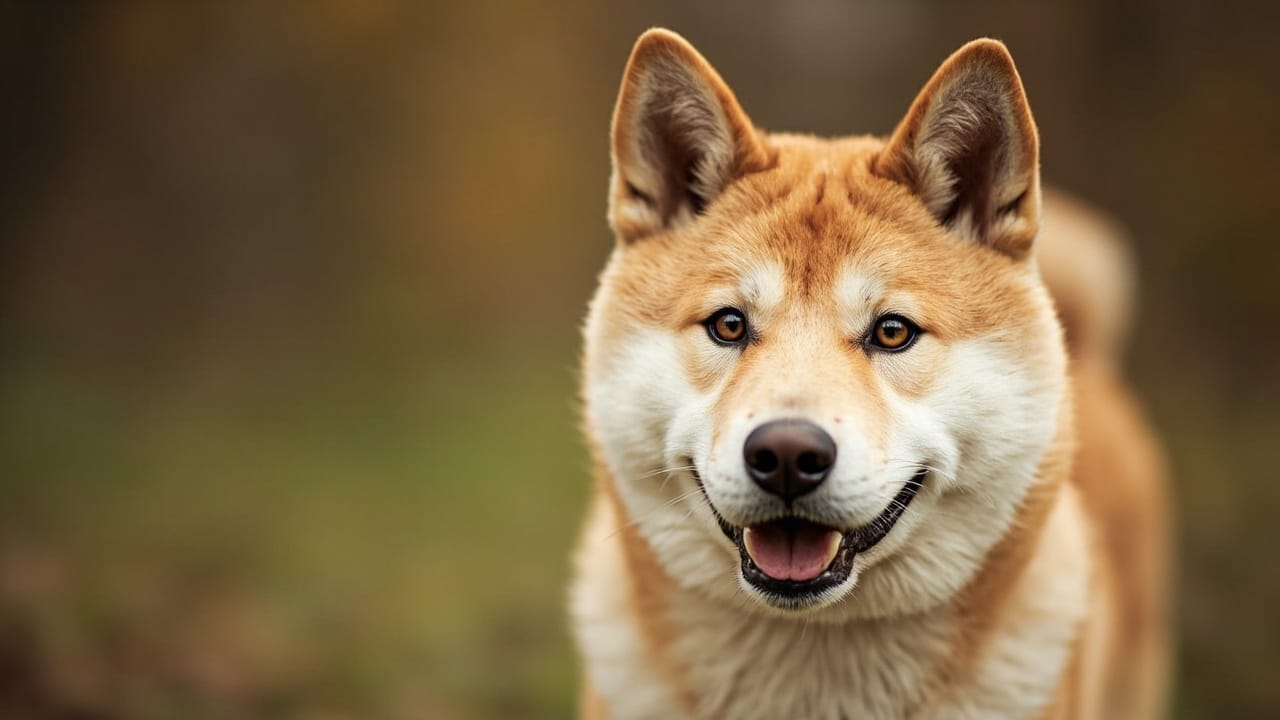
시바견에게 가장 좋은 슬로우 피더 그릇은 시바의 중간 크기 코에 맞는 거친 퍼즐 모양의 융기가 있는 미끄럼 방지 스테인리스 스틸 또는 세라믹 그릇입니다. 시바는 음식을 빨리 삼키는 경향이 있어 팽만감, 질식, 역류 같은 문제를 일으킬 수 있으므로, 슬로우 피더는 식사 속도를 2~5배 줄이고 식사 시간을 가벼운 정신적 자극의 시간으로 바꿔줍니다.
시바견을 위한 최고의 쿨링 매트: 실용적인 구매자 가이드
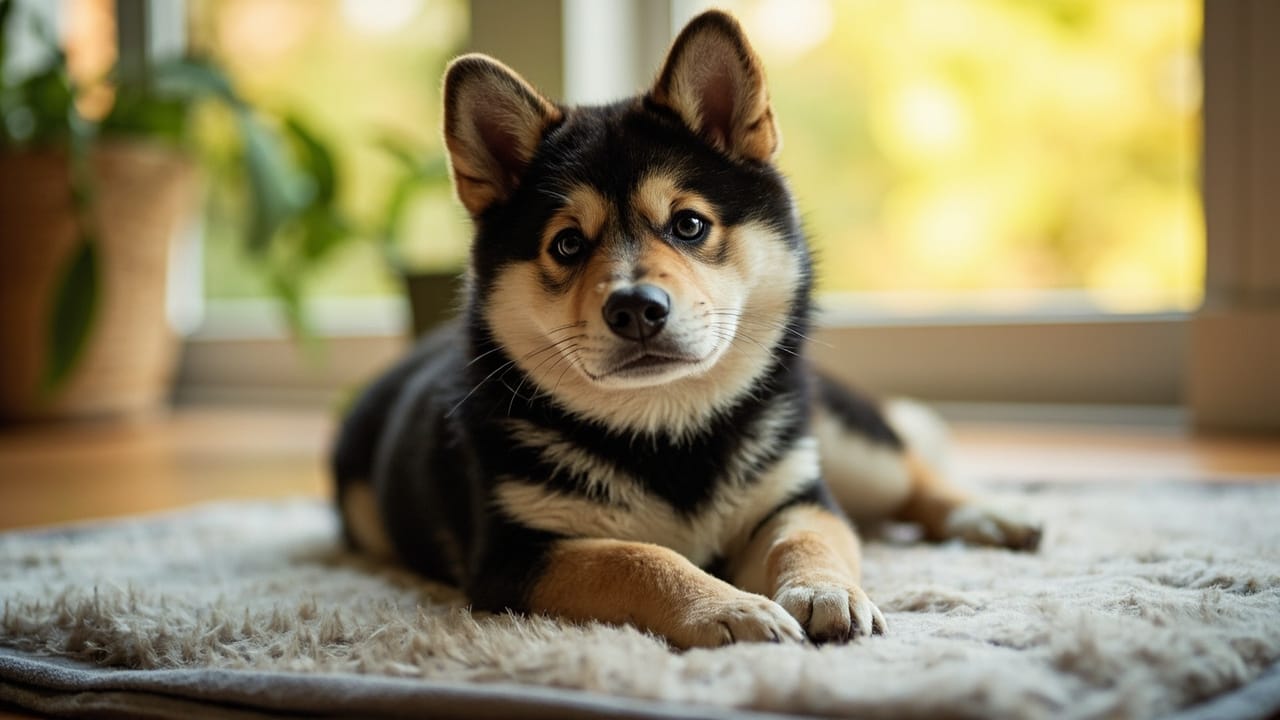
시바견에게 가장 좋은 쿨링 매트는 (냉장 없이 만져도 서늘한) 압력 작동식 젤 매트로, 튼튼하고 무독성이며, 개가 완전히 뻗어서 눕기엔 충분한 크기인 제품입니다. 더블코트가 두꺼운 시바에게는 서큘레이터가 있는 통풍형 쿨링 베드와 함께 사용하거나 선풍기 앞에 배치하면 가장 좋은 효과를 얻을 수 있습니다.
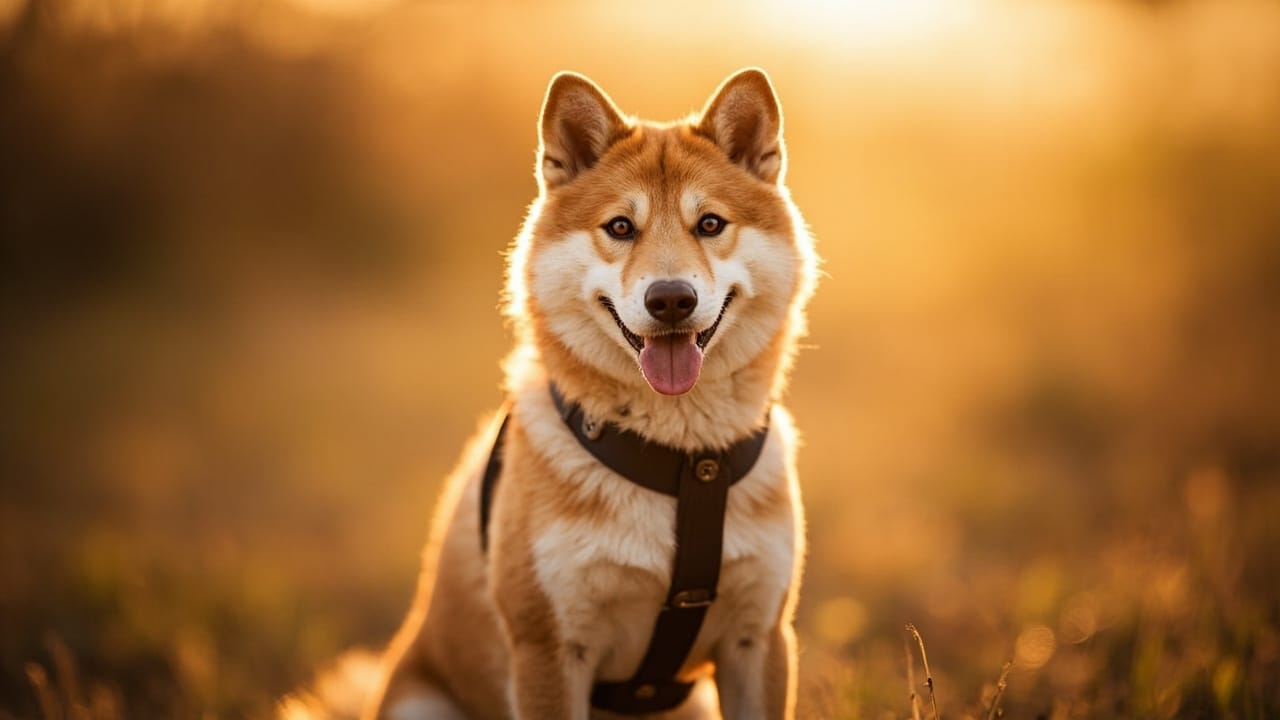
시바견을 위한 최고의 노풀 하네스: 추천 제품 & 착용 가이드
시바견에게 가장 좋은 노풀 하네스는 패딩된 가슴판과 조절 가능한 배 strap이 있는 Y프론트·전면클립 디자인으로, Ruffwear Front Range, Blue-9 Balance, Rabbitgoo No-Pull 같은 제품이 대표적입니다. 시바에게는 목에 압박을 주지 않고 앞으로의 당김을 멈추게 하면서도 높이 위치한 어깨가 우라지로(胸元の白い毛) 속털에 쓸림 없이 자유롭게 움직일 수 있도록 해주는 하네스가 필요합니다.
새 집에 적응하도록 시바 이누 돕기: 완벽 가이드
대부분의 시바 이누는 새로운 집에 완전히 정착하는 데 2~4주가 필요합니다. 일상을 동일하게 유지하고, 첫날에는 침대와 크레이트가 있는 조용한 '안전한 방'을 마련하며, 탐색하는 모습을 면밀히 감독하고, 첫 7~10일간은 사람, 반려동물, 새로운 야외 공간과의 부담스러운 만남을 피하세요.
시바견과 캠핑 및 하이킹을 다녀올 수 있을까요? 완벽 가이드
네, 시바견은 운동 능력이 뛰어나고 방수 기능이 있는 이중 코트, 그리고 고양이 같은 민첩성 덕분에 캠핑과 하이킹에 아주 훌륭한 동반자가 됩니다. 적절한 컨디셔닝, 올바른 장비, 그리고 강한 사냥 본능과 탈주 성향에 대한 주의만 기울이면 대부분의 시바견은 트레일과 캠핑장에서 매우 잘 적응합니다.
시바견을 해변에서 안전하게 지키는 방법 (완전 가이드)
시바견은 사전 준비만 잘 하면 해변을 안전하게 즐길 수 있지만, 항상 면밀한 보호자가 필요합니다. 주요 위험 요소로는 열사병, 바닷물 섭취, 모래 장폐색, 우라지로(흰색) 부위의 일사병, 귀 감염 등이 있습니다. 그늘, 신선한 물, 사이즈에 맞는 구명조끼를 반드시 준비하고, 해변을 다녀온 후에는 시바견을 신선한 물로 깨끗이 씻겨주세요.
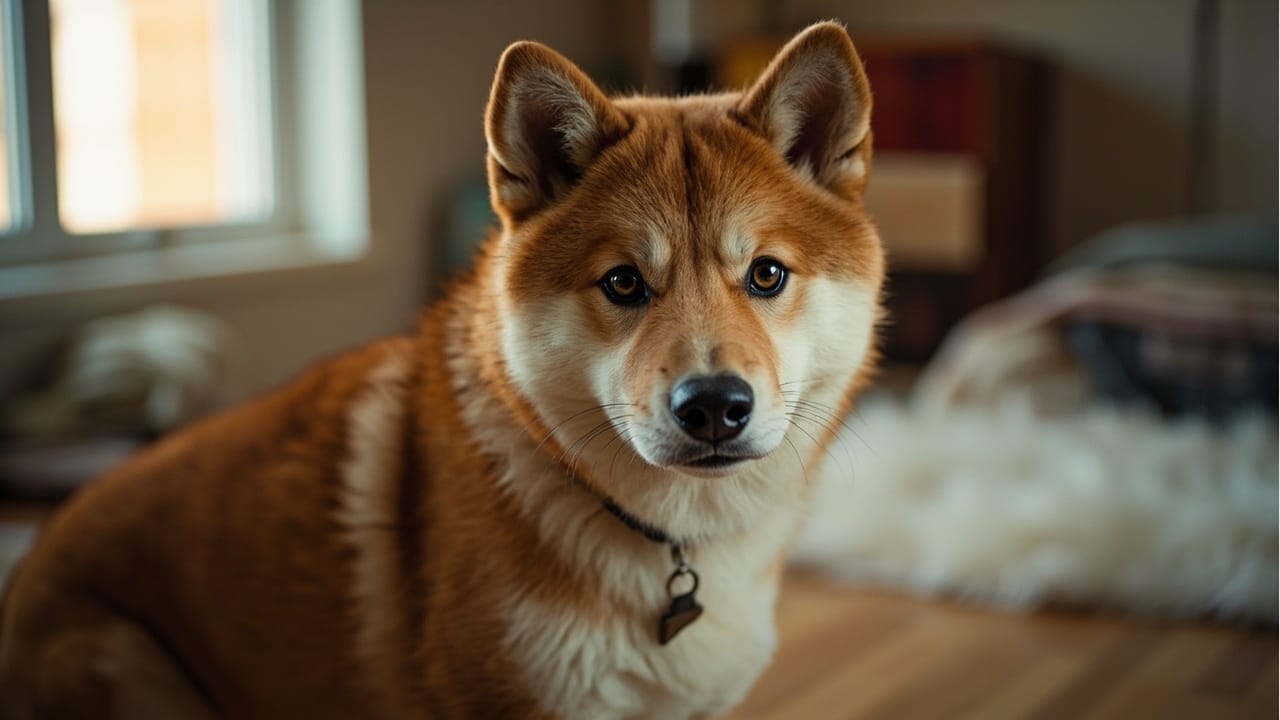
시바견의 발을 겨울 도로 소금으로부터 보호하는 방법 (7가지 실용적인 팁)
겨울 산책 후에는 시바의 발을 즉시 젖은 수건으로 닦아 피부에 자극을 주기 전에 도로 소금을 제거하고, 외출 전에는 발 전용 밤 또는 머셔스 왁스를 보호 장벽으로 발라주세요. 부츠는 완전한 보호의 표준이지만, 대부분의 시바는 견딜 수 있도록 짧은 감각 적응 훈련이 필요합니다.
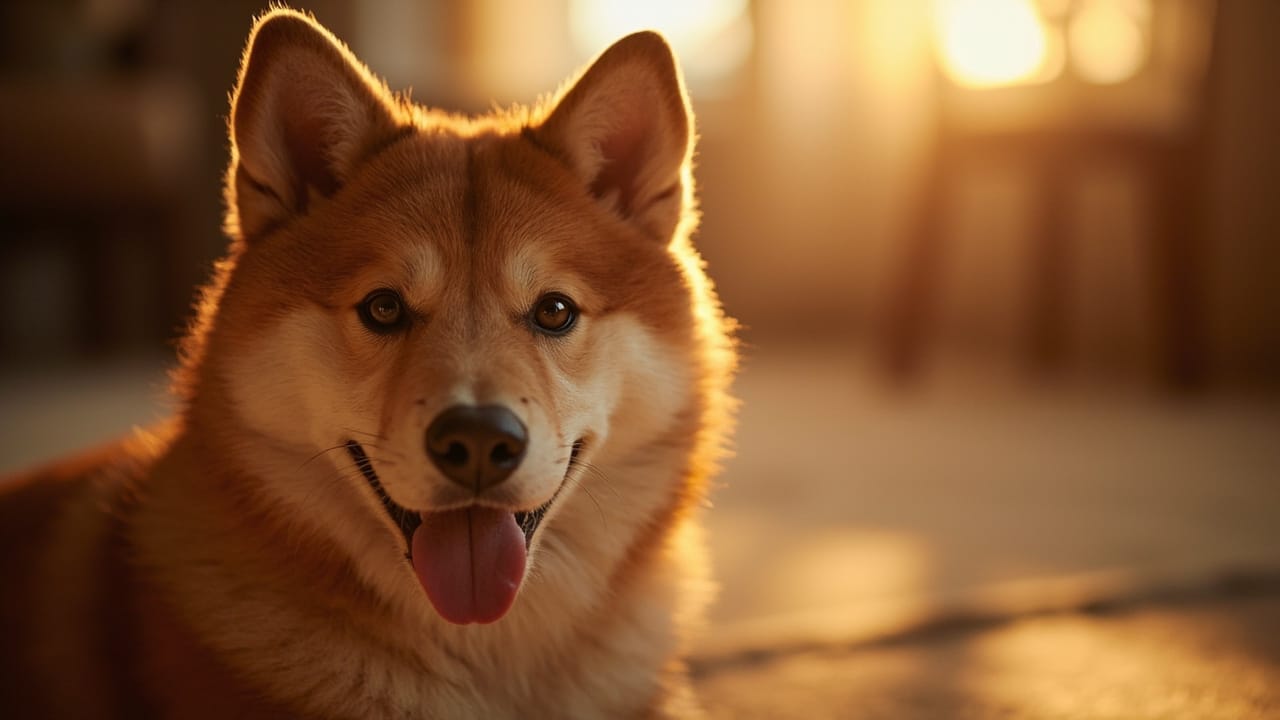
시바견의 발을 뜨거운 아스팔트로부터 보호하는 방법
뜨거운 아스팔트는 시바견의 발바닥을 단 몇 초 만에 화상 입힐 수 있습니다. 가장 서늘한 시간대에 산책하고, 바닥면에 7초 등 손등 테스트를 사용하며, 폭염일에는 보호 부츠나 발왁스를 선택하세요. 접촉 시간을 제한하고, 매 산책 후 발을 헹궈 도로의 화학 물질을 제거하세요.
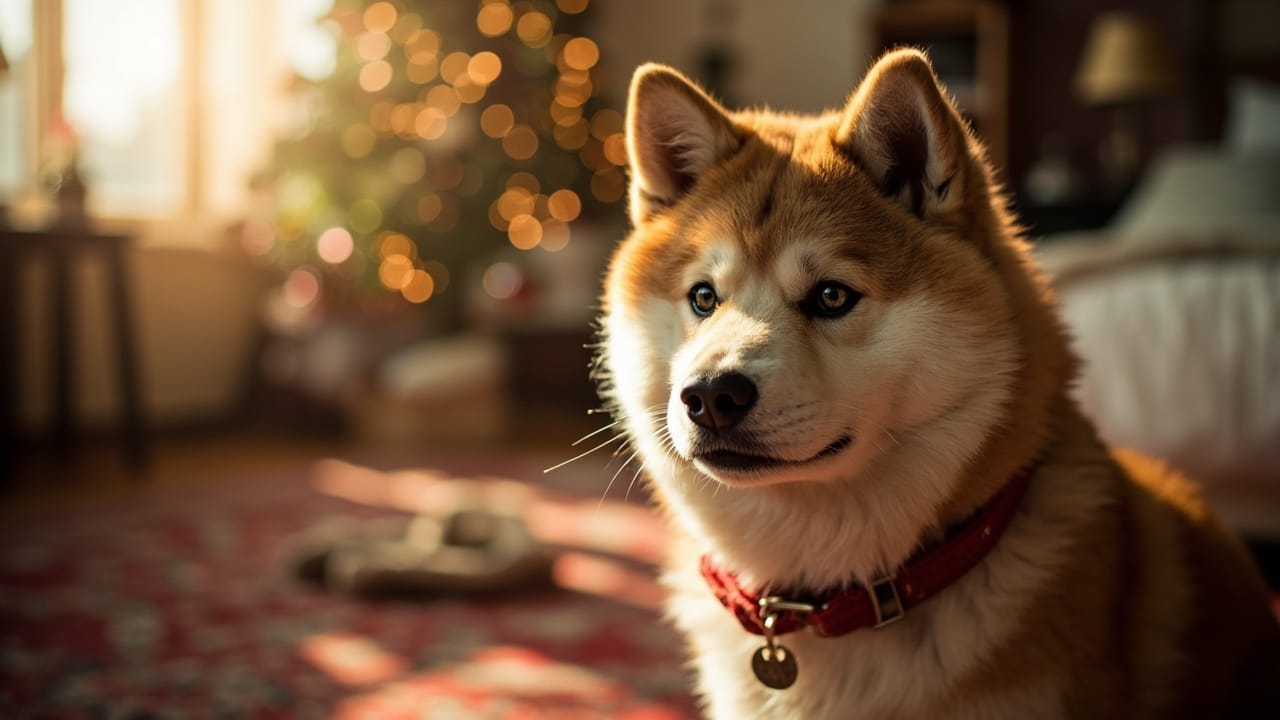
시바견 주인들이 반드시 피해야 할 크리스마스와 연말연시 위험 요소
시바 이누는 초콜릿, 자일리톨, 건포도, 장식용 골판지 테이프(틴셀), 리본, 익힌 뼈, 그리고 방문객들의 출입으로 인한 탈출 기회 등 연말연시의 실제 위험에 직면합니다. 사람의 음식은 닿지 않는 곳에 보관하고, 트리와 장식을 안전하게 고정하며, 모임이 있을 때 문을 주의 깊게 살피야 시바 500과 같은 추운 날씨 속 질주를 예방할 수 있습니다.
시바견이 차멀미를 하지 않게 하는 방법
시바견의 차멀미는 보통 미숙한 전정계(주로 12개월 미만에서 가장 흔함)와 낮은 좌석, 따뜻한 공기, 불안 같은 움직임 유발 요인이 결합되어 발생합니다. 출발 4-6시간 전부터 음식 급여를 중단하고, 고정된 크레이트나 충돌 테스트를 거친 하네스를 사용하며, 차창을 약간 내려 기압을 균일하게 맞추고, 짧은 연습 주행을 하는 방법으로 예방할 수 있습니다. 증상이 지속된다면 수의사에게 세레니아(마로피탄) 또는 메클리진에 대해 문의하고, 민감화 훈련으로 문제의 절반인 불안을 해결해 주세요.
시바견을 폭우/천둥번개 중 진정시키는 방법: 종합 가이드
시바견의 폭풍 소리 불안에는 다층적인 접근이 가장 효과적입니다. 동굴처럼 안락한 안전한 공간을 만들어 주고, 폭풍철이 몇 주 전에 미리 둔감화(desensitization) 훈련을 시작하며, 압박 밴드(compression wrap)나 수의사가 승인한 진정 보조제를 고려해 보세요. 떨림을 벌주거나 폭풍 중에 두려움을 "훈련으로 없애려" 하지 마세요. 차분한主人的 존재감이 어떤 제품보다 중요합니다.

시바견이 폭죽 소리에 잘 대처하도록 돕는 방법
시바견이 폭죽 소리에 잘 대처하려면, 소리가 시작되기 훨씬 전부터 안전하고 밀폐된 실내 공간을 마련하고, 둔감화 훈련과 진정 보조제(길링 에이즈)를 함께 사용하며, 절대 폭죽이 터지는 동안 밖에 두어서는 안 됩니다. 시바견의 경계심이 강하고 원시적인 기질 덕분에 소리 공포증에 특히 취약하기 때문에, 조기 준비가 필수적입니다.
시바견은 추운 기후에 얼마나 잘 적응할까? 완벽 가이드
시바견은 두꺼운 이중 모피와 일본 북부 출신의 유전적 특성 덕분에 추운 기후에 놀라울 정도로 잘 적응하며, 약 -7°C(20°F)까지의 기온에서는 편안하게 활동합니다. 짧은 시간であれば 더 추운 날씨도 견딜 수 있지만, 극심한 영하 환경에 맞게 만들어진 것은 아니므로 기온이 -18°C(0°F) 이하로 내려가면 추가적인 주의가 필요합니다.

시바 이누는 더운 날씨에 어떻게 대처하나요? 기후 가이드
시바 이누는 더운 나라에서도 살 수 있지만, 일본의 추운 산악 지대를 위해 만들어진 이중 털을 가진 견종이므로 적극적인 냉각 관리가 필요합니다. 열대 지역에서는 일년 내내 심한脱毛이 발생하며, 여름철 털갈이 시기가 찾아오니 32°C(90°F)가 넘는 폭염에는 반드시 그늘, 신선한 물, 에어컨을 제공하세요.

시바견, 아파트 vs 단독주택: 어느 쪽이 더 좋을까?
시바견은 운동, 정신적 자극, 탈출 방지 요구가 충분히 충족된다면 아파트든 단독주택이든 어느 환경에서든 잘 적응할 수 있습니다. 소형~중형 크기(약 8-10kg), 조용한 실내 매너, 고양이 같은 깔끔한 습관은 아파트를 충분히 가능하게 하지만, 시바견 특유의 큰 울음, 사냥 본능, 열린 문을 통과해 뛰쳐나가는 재능 때문에 단단히 울타리가 설치된 단독주택이 더 쉬운 환경입니다.

시바견에게 평온하게 하네스를 신고 들어가는 법
시바견에게 하네스를 평온하게 신고 들어가는 법을 가르치는 것은 둔감화(desensitization), 고가치 간식으로 유인하기, 그리고 짧고 긍정적인 세션에서 행동을 형성(shaping)하는 데 달려 있습니다. 시바견은 독립적이고 예민하기 때문에, 밀거나 억지로 잡는 것보다는 강압을 배제한(force-free) 방법이 훨씬 효과적입니다. 대부분의 시바견은 매일 3–5분의 일관된 연습을 1–2주 정도 하면 이 루틴을 익힙니다.

시바견 발바닥 털 다듬기: 단계별 가이드
시바견의 발털을 다듬을 때는 먼저 빗으로 빗어주고, 둥근 끝의 안전 가위로 발바닥 쿠션과 같은 높이로 조심스럽게 잘라주세요. 발바닥 쿠션 사이 또는 그 너머로 자란 털만 다듬고, 절대로 전체 코트를 밀지 마세요. 또한 시바에게 간식을 줘서 마사지 세션을 차분하게 유지하세요.

실내에서 시바견을 지치게 하는 방법: 검증된 7가지 활동
시바견을 실내에서 지치게 하려면 15~30분씩 후각 활동, 플리트 폴 스프린트, 계단 달리기, 퍼즐 피더, 체계적인 훈련 세션을 활용하세요. 핵심은 고강도 놀이와 정신적 자극을 섞는 것입니다. 지친 시바의 몸은 지친 시바의 마음에서 시작되기 때문입니다.
흥분한 시바견 진정시키는 방법: 검증된 7가지 기법
매일 45~60분의 충분한 신체 운동과 구조화된 정신적 자극, 일관된 복종 신호, 예측 가능한 '캡처링 칼름(capturing calm)' 루틴을 결합하여 흥분한 시바견을 진정시키세요. 벌칙은 피하세요. 시바견은 위축되거나 더 흥분합니다. 대신 네 발로 바닥에 닿는 행동을 보상하세요. 대부분의 과각성 증상은 루틴이 자리 잡힌 후 2~3주 내에 해결됩니다.

성인 입양 시바견 줄 훈련: 단계별 가이드
성인 입양 시바견도 인내심, 일관성, 적절한 장비를 갖춘다면 줄을 매고 예의 바르게 걷는 법을 확실히 배울 수 있습니다. 프론트 클립 하네스나 일반 하네스를 사용하고(미늘 목줄이나 목 졸림 목줄은 절대 사용 금지), 줄이 느슨한 행동에 고가치 간식을 보상하며, 초기 훈련은 산만한 요소가 적은 곳에서 5~10분으로 제한하세요. 대부분의 입양 시바견은 매일 훈련하면 2~4주 안에 눈에 띄는 개선을 보입니다.

시바견 치아 닦는 방법: 종합 구강 관리 가이드
시바견의 치아를 일주일에 3-4회 부드러운 칫솔모 칫솔이나 핑거칫솔, 그리고 개 전용 효소 치약(절대 사람용 치약 사용 금지)을 사용하여 닦아주세요. 핑거로 문지르는 것부터 천천히 시작해 점차 2분 동안 닦는 것으로 늘리고, 칭찬과 고가형 간식을 함께 제공하여 긍정적인 습관으로 만들어 주세요.

시바견 크레이트 훈련 방법: 단계별 가이드
시바견을 크레이트 훈련할 때는 크레이트를 긍정적인 공간으로, 절대 벌을 주는 공간이 아닌 곳으로 만들어 주세요. 식사를 안에서 주고, 고가치 간식을 던져 주고, 매우 짧은 시간부터 시작하며, 절대 억지로 들어가게 하지 마세요. 시바견은 본래 독립적이고 깨끗한 성격이기 때문에, 자율성을 존중하고 둥지 본능을 지켜주면 다른 견종보다 빠르게 크레이트를 받아들이고, 심지어 좋아하게 됩니다.

시바견 카운터 서핑 잡는 방법: 실용 가이드
시바견은 똑똑하고, 음식에 대한 욕구가 강하며, 높은 표면에 닿을 만큼 운동 능력이 뛰어나기 때문에 카운터 서핑을 합니다. 해결책은 관리(접근 차단), 일관된 훈련('leave it'과 'off' 명령), 그리고 보상을 제거해 행동이 더 이상 효과가 없도록 하는 것의 조합입니다.

시바견에게 화장실 종을 울리도록 훈련하는 방법: 단계별 가이드
시바견에게 화장실 종을 울리도록 훈련하려면, 외출할 때 사용하는 문에 코 높이로 종을 걸어주고, 종에 닿을 때마다 좋은 간식을 보상한 뒤, 구어 신호("터치" 또는 "배변")를 추가하고 종이 울린 후에만 문을 열어주세요. 대부분의 시바는 꾸준한 짧은 세션으로 1–3주 안에 전체 과정을 익히지만, 독립심이 강한 성격 때문에 후하게 보상하고 실수를 절대 벌주어서는 안 됩니다. ===EXCERPT (수정됨)=== (생략 - 원문 구조 유지)

시바견을 발톱깎이에 적응시키는 방법: 단계별 가이드
시바견을 발톱깎이에 적응시키는 데는 2~6주간의 인내심 있는 긍정적 반복 훈련이 필요합니다. 강아지가 발톱깎이를 단순히 쳐다보는 것부터 보상하기 시작해, 발톱깎이 접촉, 발 만지기, 그리고 마침내 깎는 소리와 간식을 연결하는 단계로 진행하세요. 첫 발톱은 절대 강제로 자르지 마세요. 시바견은 독립심이 강하기로 유명하므로, 짧은 일일 세션(2~5분)이 긴 세션보다 훨씬 효과적입니다.

두 마리 시바견을 소개하는 방법: 단계별 가이드
두 마리 시바견은 중립적인 장소에서 둘 다 산 채로, 대면 접촉 전에 나란히 산책시키는 방식으로 만나게 하세요. 세션은 짧게 유지하고, 침착한 행동에는 고가치 간식을 주어 보상하세요. 절대로 강제로 상호작용시키지 마세요. 시바견은 독립적이고, 같은 성끼리의 짝짓기, 특히 암컷끼리는 종종 충돌합니다. 두 마리 개가 완전히 적응하기까지는 여러 주에 걸친 조정 기간을 예상하세요.

왜 우리 시바견은 냄새나는 것들 위에서 굴러다닐까요? 7가지 진짜 이유
시바견은 야생 조상에게서 물려받은 깊은 본능 때문에 냄새나는 것들 위에서 굴러다닙니다. 야생 조상으로부터 내려온 냄새 위장 습성, 무리에게 '소식'을 전하는 정보 수집 행동, 관심 끌기, 남아 있는 사냥 본능, 그리고 단순한 감각적 즐거움 때문입니다. 이는 정상적인 개의 행동이며 훈련 실패의 신호가 아닙니다. 물론 일관된 '놓아' 신호와 위험한 지역에서의 리드줄 통제로 관리할 수는 있습니다.

시바견이 침대에서 왜 파고 원을 그리며 돌까? 6가지 진짜 이유
시바견이 침대를 파고 원을 그리는 것은 야생 캔이드(Canidae)로부터 물려받은 생존 본능 때문입니다. 야생 개과 동물들은 안전한 편안한 둥지를 만들기 위해 풀을 밟아 눌렀고, 위협이 없는지 확인하기 위해 땅을 긁었으며, 바람이나 무리 멤버의 방향과 맞춰 자리하려고 원을 그렸습니다. 집 안에서 보이는 이 행동들은 바로 잠자리에 들기 전 자기 위안 의식이며, 시바견이 그 공간에서 충분히 안전하다고 느낀다는 신호입니다.

왜 시바견은 내가 부를 때 무시할까? (그리고 고치는 방법)
시바견은 본래 일본 산속의 덤불에서 혼자 사냥하도록育成된 독립적이고 고양이 같은 품종이기 때문에 호출을 자주 무시합니다. 선택적 청각장애는 보통 반항이 아니라 훈련, 동기부여, 또는 유전된 기질 문제입니다. 해결책은 고가치 보상, 짧은 긍정 세션, 그리고 당신이 환경보다 더 흥미롭다는 것을 증명하는 것입니다.

왜 우리 시바견은 나를 그렇게 많이 핥을까요? 7가지 실제 이유
시바견이 주인을 핥는 것은 애정을 표현하거나, 관심을 끌기 위해, 또는 피부의 소금기와 잔여 맛을 느끼기 위해서입니다. 또한 스트레스나 복종의 의사소통, 자위적 위안, 일상의 신호에 반응하는 것일 수 있으며, 알레르기나 메스꺼움 같은 기저 질환의 신호일 수도 있습니다. 가끔 핥는 것은 정상이며, 집착적으로 핥는 행동은 수의사 진료가 필요합니다.

왜 우리 집 시바 이누는 장난감을 가져올까요? 5가지 이유를 알려드립니다
시바 이누가 장난감을 가져오는 행동은 함께하는 의식의 표현이거나, 놀아달라는 요청, 신뢰와 자원 공유의 표시, 관심을 얻고 싶은 마음, 혹은 활동적인 성격이기에 에너지를 발산하려는 행동일 수 있습니다. 이 장난감을 물어오는 행동은 시바의 차분하지만 충성스러운 성격을 보여주는 가장 사랑스러운 표현 중 하나입니다.

왜 우리 시바견은 고개를 갸우뚱할까? 알아야 할 6가지 실제 이유
시바견은 주로 소리, 특히 보호자의 휘파람이나 삑삑거리는 장난감 같은 높거나 낯선 소리의 위치와 의미를 더 정확하게 파악하기 위해 고개를 갸우뚱합니다. 또한 고개를 갸우뚱하는 동작은 보호자의 표정과 감정적 신호에 더 집중하게 해주며, 긍정적인 관심을 받으면서 학습된 행동으로 굳어지기도 합니다. 가끔 고개를 갸우뚱하는 것은 이 품종에서 완전히 정상적인 행동입니다.

왜 우리 시바견은 내 침대에서 자고 싶어 할까? 7가지 진짜 이유
시바견은 본능적으로 굴을 찾는 동물이며, 주인과 깊은 유대를 형성하고, 따뜻함과 안전감을 추구하며, 무리를 지키고 싶기 때문에 당신의 침대로 올라옵니다. 유명할 정도로 독립적인 성격임에도 불구하고, 당신의 침대를 선택한 시바견은 신뢰, 애정, 그리고 가족으로 여기는 사람과 함께 있고 싶다는 강한 욕구를 보여주는 것입니다.

시바견을 안으려 하면 왜 으르렁거릴까?
시바견은 독립적이고 몸에 민감한 품종이기 때문에 안아 올리면 으르렁거립니다. 안기는 동작이 자기 통제력을 빼앗기 때문에 방어적인 경고가 발동됩니다. 훈련, 감각둔화, 그리고 경계심 존중을 통해 보통 이 행동은 해결됩니다.

왜 우리 시바견은 가구 밑에 숨을까? 7가지 실제 이유
시바견이 가구 밑에 숨는 주된 이유는 스트레스, 불안, 과도한 자극을 느낄 때 안전하고 밀폐된 동굴 같은 공간을 찾거나, 단순히 시원하고 조용한 곳에서 쉬기 위해서입니다. 이 고대 'brushwood dog(잡목림의 개)'의 행동은 본능적으로 내재되어 있으며 보통은 정상입니다. 하지만 갑작스럽거나 지속적인 숨기는 행동은 통증, 질병, 혹은 심각한 불안 문제를 알리는 신호일 수 있어 수의사 진료가 필요합니다.

왜 내 시바견은 산책할 때 집 쪽으로 되돌아가려고 할까?
시바견이 집 쪽으로 당기는 이유는 이 품종이 후각 중심의 집 지향적 사냥꾼이며 독립성이 강하기 때문이지, 함께 걷는 산책을 즐기는 성격이 아니기 때문입니다. 집 쪽으로 당기는 행동은 거의 공포나 통증의 신호가 아니며, 일반적으로 시바견의 사냥 본능, 선택적 애착, 그리고 자기 영역을 순찰하고 알려진 영토로 돌아가려는 본능의 정상적인 표현입니다.
왜 갑자기 우리 시바견이 산책을 거부할까요? 7가지 흔한 이유
시바견이 갑자기 산책을 거부하는 이유는 견종 특유의 고집, 공포, 통증, 또는 강한 사냥 본능이 활성화되었기 때문입니다. 대부분의 경우 인내심, 부상 확인, 그리고 강압이 아닌 일관된 훈련으로 해결됩니다.

왜 시바견은 목욕을 싫어할까? 진짜 이유를 알려드립니다
시바견이 목욕을 싫어하는 이유는 자정 능력이 뛰어난 원시견종으로 물을 피하도록 진화했고, 강아지의 민감하고 독립적인 성격이 강제적인 다루는 행위를 위협으로 느끼기 때문입니다. 목욕은 천연 유지를 벗겨내고 강한 사냥 본능 경보 체계를 자극하며, 물과 관련된 부정적인 경험과 겹치는 경우가 많습니다. 인내심, 긍정적 conditioning, 그리고 최소한의全身 목욕이 해결책입니다.
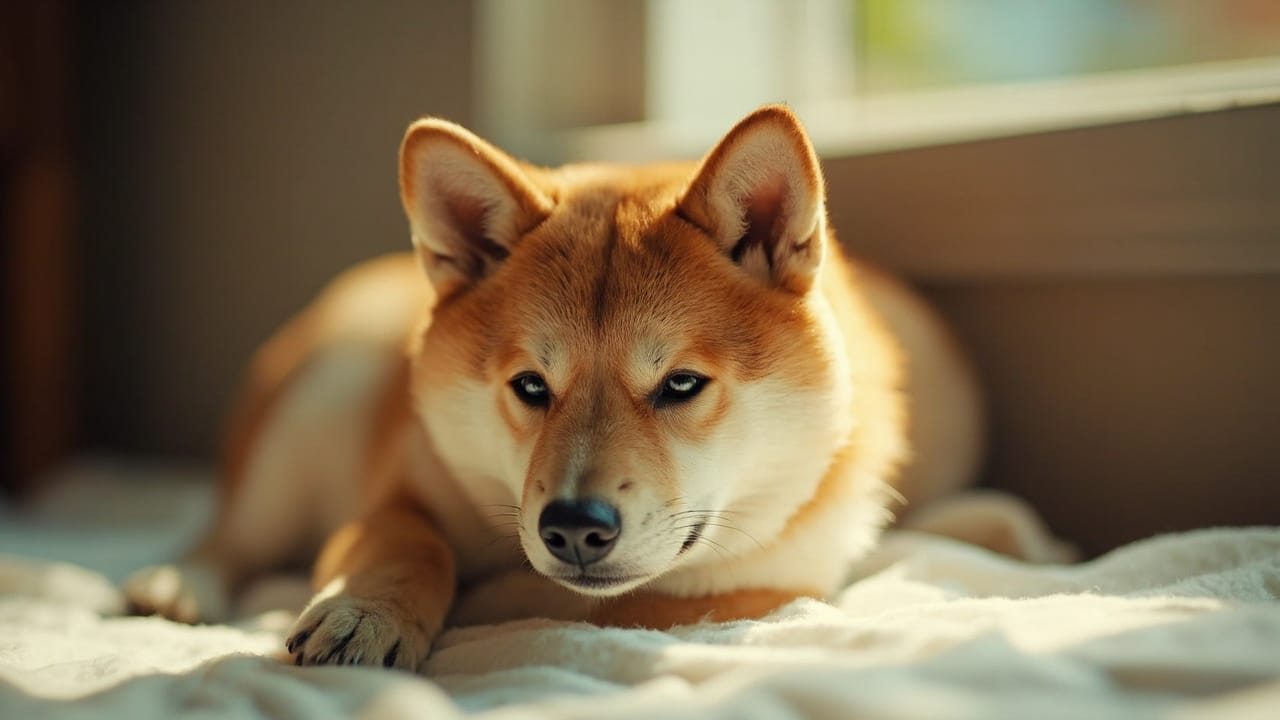
시바견이 왜 이렇게 많이 자요? 수의사가 검토한 7가지 이유
시바견은 하루 평균 12~16시간을 자는데, 이는 이 품종에게 완전히 정상적인 일입니다. 성견 시바는 박명성 동물로, 새벽과 황혼에 가장 활발하게 움직이기 때문에 긴 한낮의 낮잠은 본능적으로 짜여진 것입니다. 강아지, 노령견, 그리고 춥거나 비가 오는 날에는 그 시간이 더 길어질 수 있습니다.

왜 우리 시바견은 한숨을 이렇게 자주 쉬는 걸까? 시바견의 소리 읽기
시바견은 만족감, 약간의 좌절감, 지루함, 관심을 요청하는 정상적인 vocal 소통의 한 형태로 한숨을 쉽니다. 잦은 한숨은 보통 의료적인 문제보다는 감정적인 표현이지만, 갑자기 늘어났으면서 동시에 무기력증이나 식욕 변화가 동반된다면 동물병원에 방문해야 합니다.
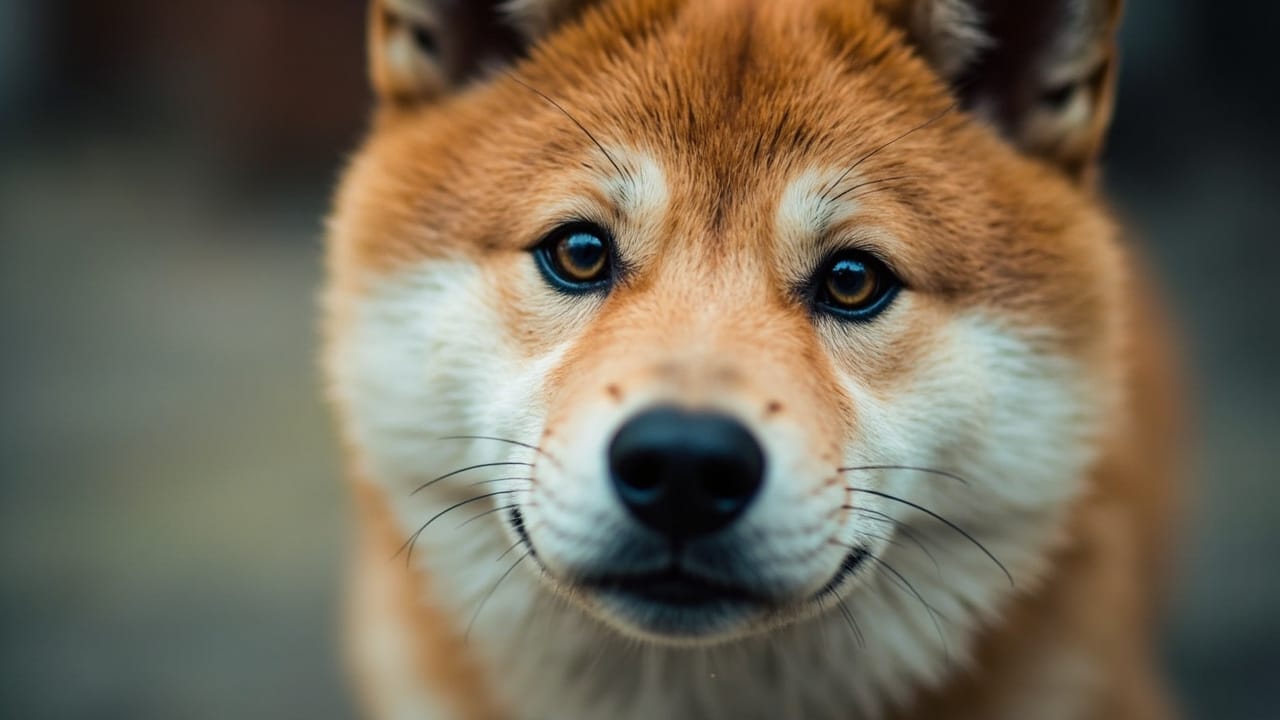
왜 우리 집 시바견은 나에게 기대어 있을까요? 6가지 이유 설명
시바견은 신뢰, 애정, 그리고 무리 본능의 표현으로 주에게 몸을 기대어 합니다. 집착이 강한 견종과 달리, 절제된 성격의 이 견종은 신체 접촉을 통해 편안함을 전달하고, 당신을 '자기 사람'이라고 표시하며, 피곤하거나 불안할 때, 혹은 단지 곁에 있고 싶을 때 안정을 추구합니다.
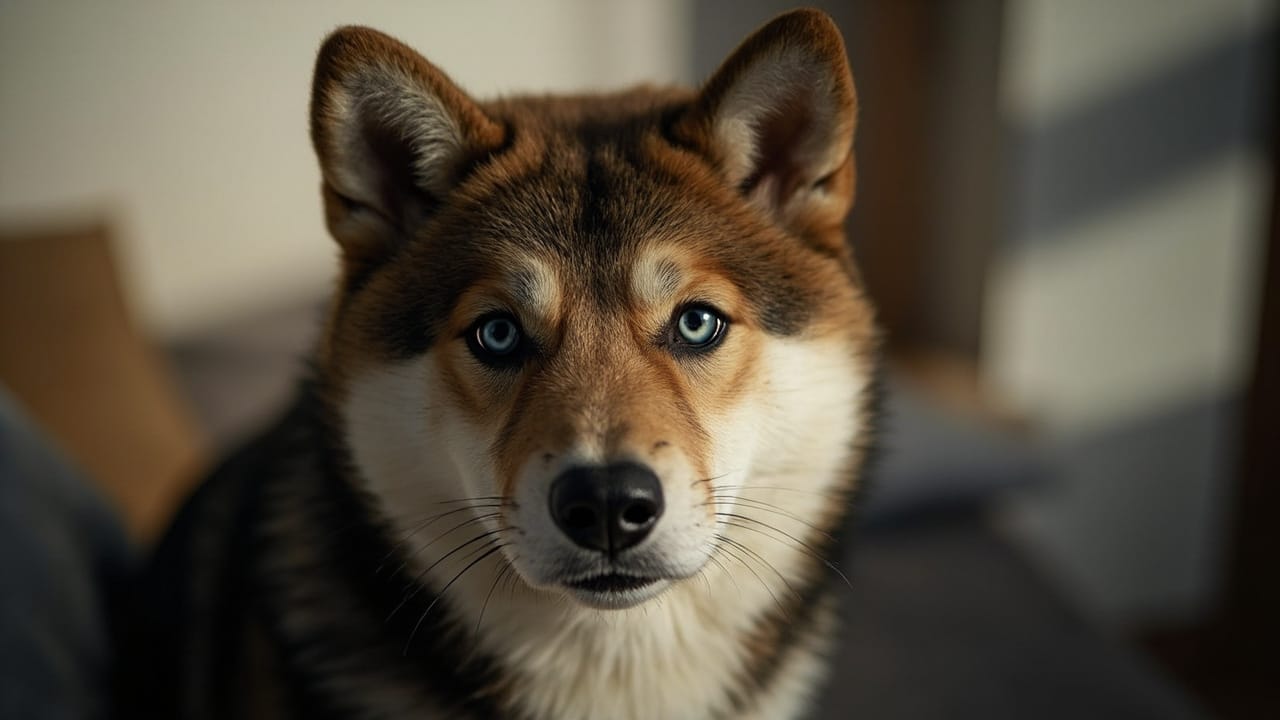
왜 내 시바견(Shiba Inu)은 나를 바라볼까요? 7가지 진짜 이유
시바견이 당신을 바라보는 것은 의사소통을 위해서입니다. 대부분의 경우 당신의 감정을 읽거나, 밥이나 놀이를 요청하거나, 지시를 구하거나, 단순히 유대를 쌓기 위해서입니다. 시바견의 지속되는 눈 맞춤은 신뢰와 주의의 신호입니다. 이 품종은 본래 사람에게 무관심한 성격이라 낯선 사람과는 눈을 거의 맞추지 않기 때문입니다.
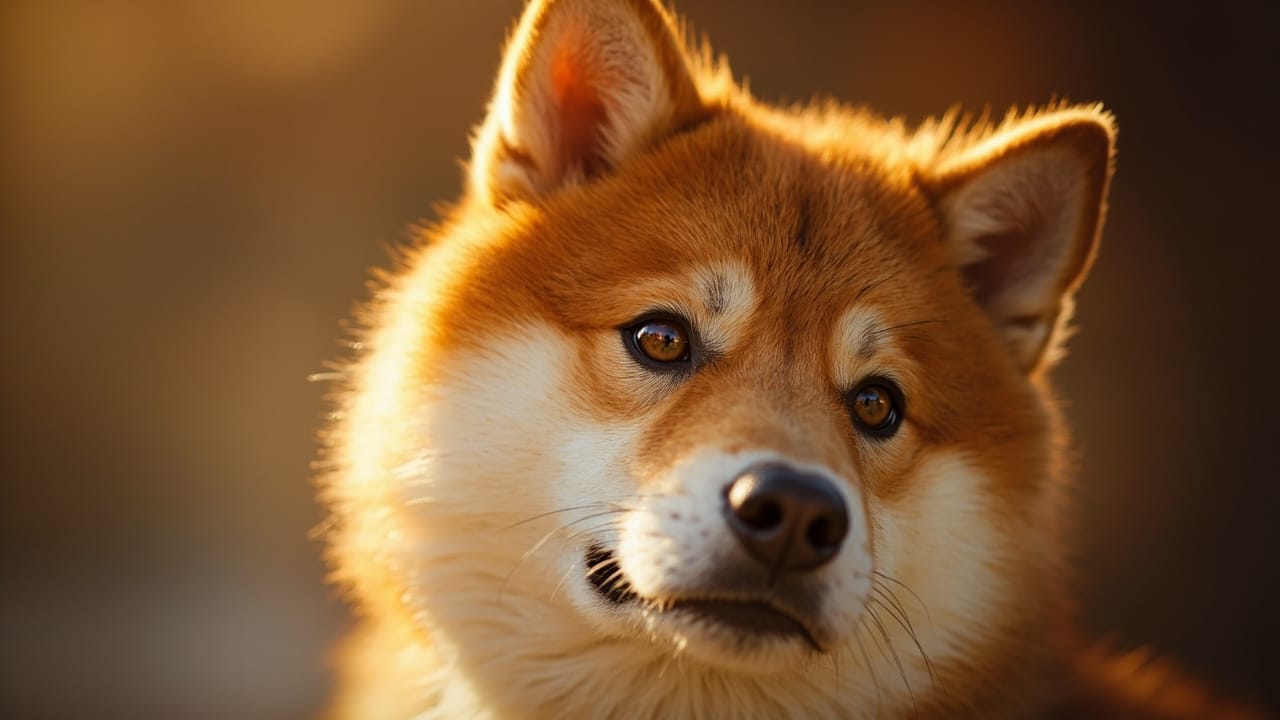
왜 내 시바견이 어디든 나를 따라올까? (그냥 사랑 때문만은 아닙니다)
시바견은독립심이강하기로유명하기때문에, 집착적인행동은대부분맹목적인애정이아닌구체적인필요를나타냅니다. 가장흔한이유는유대감, 일상루틴, 충족되지않은운동이나정서적자극, 분리불안, 혹은기저질환등입니다. 그상황을파악하면애정을만끽할지문제를해결해야할지를알수있습니다.
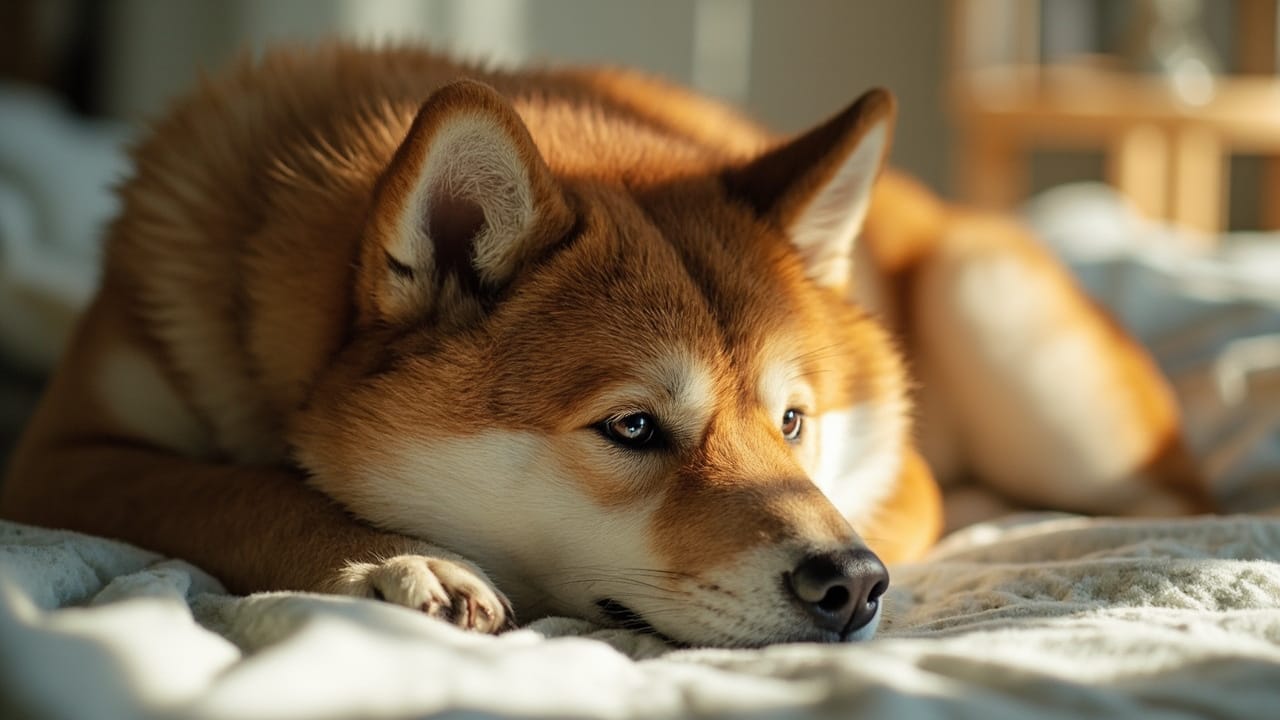
왜 우리 시바견은 잠자는 동안 떨릴까요? (수의사 정보 가이드)
시바견은 잠결에 꿈을 꾸기 때문에 — 대부분 렘수면 단계에서 — 딸꾹질처럼 몸을 떨고, 발을 버둥거리며, 작은 신음소리까지 내는 경우가 많습니다. 가끔 나타나는 수면 떨림은 개의 수면 주기에서 정상적인 현상이며, 보통 걱정할 필요가 없습니다. 그러나 지속적으로 나타나거나, 심하게 떨리거나, 잠에서 깬 뒤에도 온몸이 흔들리는 경우에는 동물병원 진료가 필요합니다.

시바견 귀가 빨갛고 가려운 이유 (수의사監修 가이드)
시바견의 빨갛고 가려운 귀는 대부분 귀 진드기, 세균 또는 효모 감염, 알레르기성 피부 질환(특히 이 품종에서 흔한 아토피 피부염)이 원인입니다. 시바는 귀 통이 작고 깊으며 알레르기 체질이 강하기 때문에 증상이 빠르게 악화되어 신속한 세척과 24~48시간 이내의 동물병원 진료가 필요합니다.

시바견이 이렇게까지 물을 많이 마시는 이유가 뭘까? 7가지 흔한 원인
시바견에서 갈증이 심해지는 현상(다음증이라 부릅니다)은 종종 더위, 운동, 식이 때문에 나타나지만, 신장 질환, 당뇨, 쿠싱증후군 같은 의학적 문제의 신호일 수도 있습니다. 시바견이 실제로 얼마나 물을 마시는지 기록해 보고, 하루 체중 kg당 약 50–60ml를 넘게 마시거나 다른 증상이 동반된다면尽快 수의사와 상의하세요.
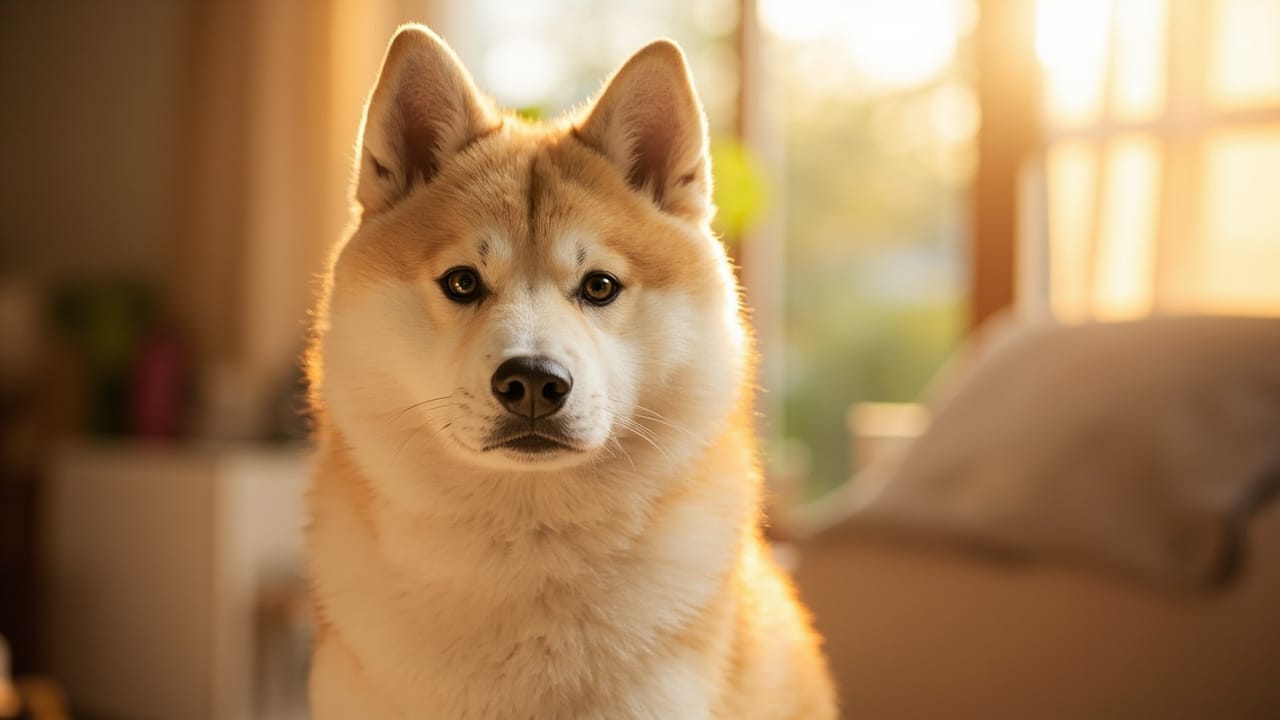
시바견이 역기침을 하는 이유는 무엇인가요? 원인, 완화법, 그리고 주의해야 할 때
시바견의 역기침은 연골 연구개의 경련으로 인해 발생하는 갑작스럽고 날카로운 흡입으로, 보통 후비강 자극, 알레르기, 흥분 등에 의해 유발됩니다. 소리가 놀라울 수 있지만 거의 항상 무해하며 수 초에서 1분 이내에 저절로 멈춥니다.

왜 우리 시바견은 딸꾹질을 할까요? 원인, 예방 및 관리 방법
시바견의 딸꾹질은 보통 걱정할 필요가 없으며, 너무 빨리 먹거나 마시는 것, 흥분, 갑작스러운 온도 변화 등이 원인이 됩니다. 일반적으로 몇 분 이내에 저절로 멈춥니다. 하지만 몇 시간 이상 지속되는 딸꾹질이거나 호흡 곤란, 침흘림, 무기력과 함께 나타난다면 동물병원 진료를 받아야 합니다.

왜 시바견의 코가 건조하고 갈라져 있을까요?
시바견의 건조하고 갈라진 코는 보통 무해하며,脱水(탈수), 수면, 햇볕 노출, 또는 추운 겨울 공기 등으로 인해 자주 발생합니다. 하지만 지속되는 갈라짐, 딱지, 궤양, 또는 색소 손실은 감염, 자가면역 질환, 또는 비과각화증(nasal hyperkeratosis)이라는 질환의 신호일 수 있으며, 수의사 진료가 필요합니다.

시바견의 부분적 탈모: 원인과 대처법
시바견에서 국소적으로 나타나는 부분 탈모는 일반적인 계절성 털갈이가 아닌 다른 원인이 있을 가능성이 큽니다. 가장 흔한 원인으로는 알레르기(특히 아토피성 피부염), 호르몬 불균형, 모낭충증( демодек스 ), 백선과 같은 진균 감염, 그리고 스트레스성 과도한 그루밍이 있습니다. 피부 긁어내기 검사, 세포학적 검사 또는 진균 배양 검사를 동반한 수의사 방문이 원인을 파악하고 치료를 시작하는 가장 빠른 방법입니다.

왜 시바견은 눈물이 많을까요? 7가지 흔한 원인과 주의해야 할 때
시바견의 눈물은 보통 환경 자극(먼지, 바람, 알레르겐), 품종 특유의 얼굴 구조로 인한 눈물 자국, 또는 가벼운 결막염 때문에 발생합니다. 지속되는 눈물, 충혈, 찡그림, 또는 짙은 분비물은 수의사 방문이 필요한데, 아토피 피부염, 녹내장, 각막 궤양, 치주 질환과 같이 이 품종에서 흔히 나타나는 질환의 신호일 수 있습니다.
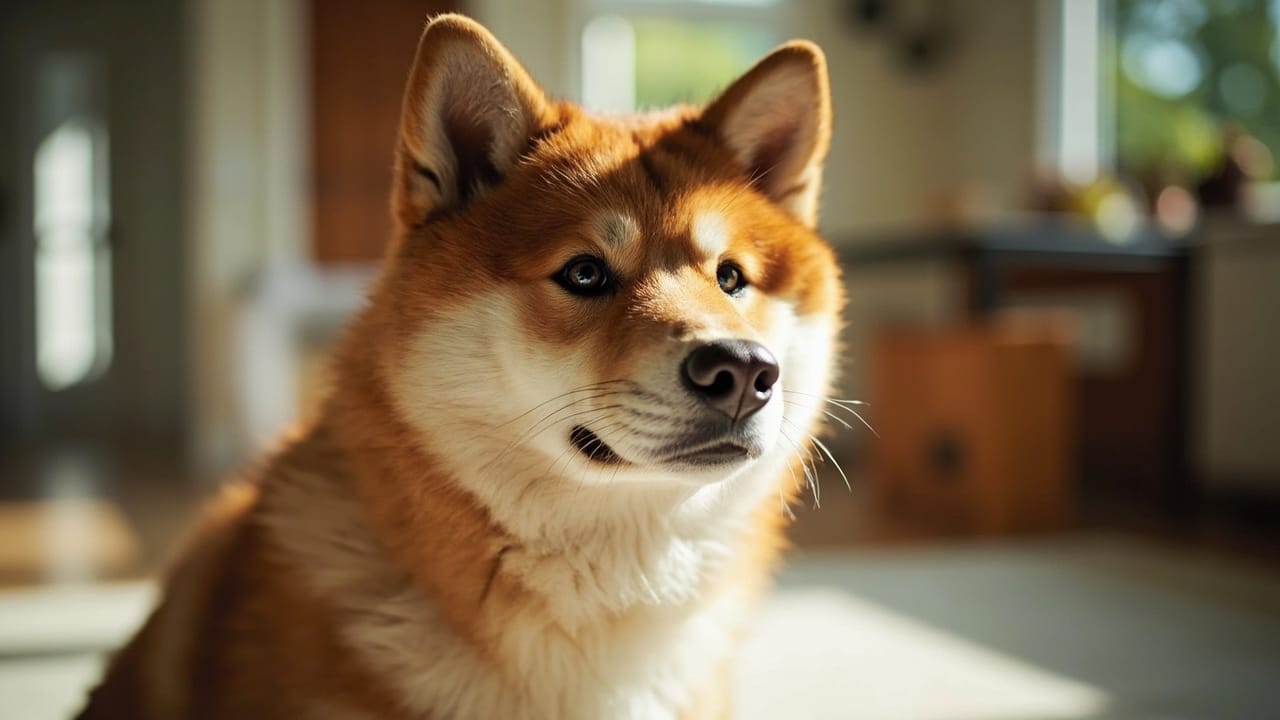
왜 우리 시바견은 입 냄새가 날까? 원인, 해결법, 그리고 병원 가야 할 때
시바견의 입 냄새는 대부분 치주 질환 — 치석 축적, 치은염, 또는 치주 감염 — 이 원인이며, 소화기 문제, 신장이나 간 질환, 또는 단순히 잘못된 식단 때문일 수도 있습니다. 냄새가 갑자기 심해지거나 평소와 달리 매우 불쾌하며 침 흘림, 구토, 식욕 부진을 동반한다면 24~48시간 이내에 동물병원에 내원하세요.

왜 우리 시바견은 잔디를 먹을까요? 7가지 흔한 이유
시바견이 잔디를 먹는 데에는 자연 본능, 식이 섬유 필요, 지루함, 또는 단순히 맛이 좋아서 등 여러 가지 정상적인 이유가 있습니다. 가끔 잔디를 먹는 것은 보통 무해하지만, 갑자기 증가하거나 먹고 난 후 자주 구토를 하거나 다른 질병 징후가 있다면 동물병원에 방문해야 합니다.

시바견이 노란쓸개를 게워내는 이유는? 원인, 치료, 그리고 병원에 가야 할 때
시바견의 노란쓸개 토사물은 보통 빈속을 의미합니다. 배고픔, 늦은 야식, 위산 역류가 가장 흔한 원인이지만, 췌장염, 장폐색, 간 질환, 애디슨병도 이를 유발할 수 있습니다. 토사가 잦거나 혈액이 섞여 나오거나, 기력 저하가 동반된다면 즉시 수의사에게 보여주십시오.

시바견이 왜 밥을 안 먹을까? 원인, 위험 신호, 그리고 대처법
시바견이 사료를 거부하는 경우는 보통 스트레스, 더위, 치통, 위장관 장애, 또는 단순히 까다로운 품종 특성 때문에 발생합니다. 시바가 두 끼 이상을 거르거나, 기력 저하, 구토, 설사, 체중 감소를 보이면 즉시 수의사에게 연락하세요. 장기적인 금식은 소형 품종에서 위험한 저혈당증을 유발할 수 있습니다.

시바견이 바닥에 엉덩이를 끌고 다닐 때: 원인과 대처법
시바견이 엉덩이를 끌고 다니는 행동은 대부분 항문선(항문낭)이 가득 차거나 막혀서 발생하지만, 알레르기, 기생충, 또는 더러운 항문 부위 때문일 수도 있습니다. 한두 번이 아니라 반복적으로 나타난다면, 수동으로 항문선을 짜내고 감염 여부를 확인하기 위해 동물병원에 방문해야 합니다.

왜 내 시바견은 계속 발을 핥을까요? 7가지 흔한 원인
시바견이 발을 핥는 가장 흔한 이유는 아토피성 피부염(환경 알레르기)인데, 이는 이 품종에서 가장 흔한 피부 질환입니다. 그 외 흔한 원인으로는 음식 알레르기, 벼룩, 지루함이나 스트레스, 부상으로 인한 통증, 또는 호라버박스와 같은 이물질이 박힌 경우 등이 있습니다. 핥는 행동이 계속되고, 피부가 빨갛게 되거나, 발에서 효모 냄새가 난다면 동물병원에 내원해야 합니다.
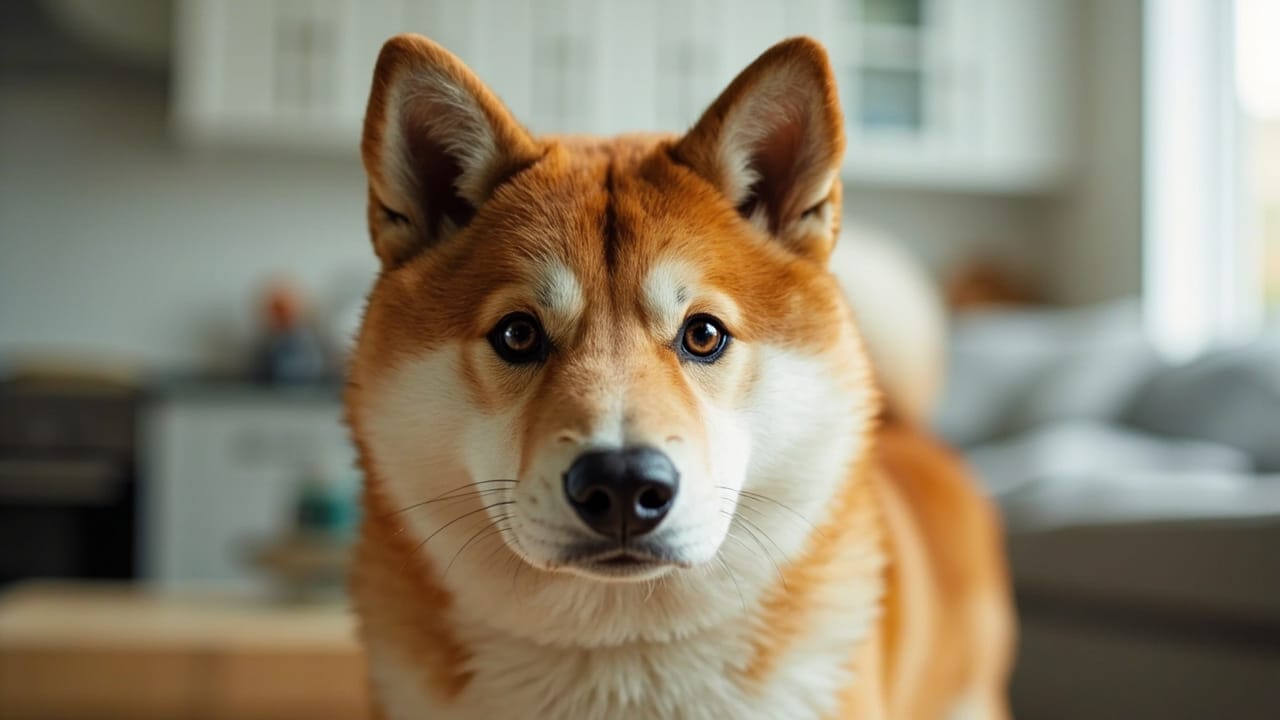
왜 내 시바견은 이렇게 심하게 헐떡이는 걸까? 9가지 흔한 이유
시바견의 심한 헐떡임은 보통 개가 사람처럼 땀을 흘릴 수 없기 때문에 나타나는 정상적인 체온 조절 메커니즘입니다. 하지만 과도하거나 갑작스러운 헐떡임은 열사병, 통증, 스트레스, 심장 문제, 또는 쿠싱 증후군과 같은 대사 질환을 의미할 수 있습니다. 시바견이 쉬고 있는데도 심하게 헐떡이거나, 고통스러워 보이거나, 잇몸 색이 변했다면 즉시 수의사에게就诊하세요.

왜 우리 시바견은 떨릴까? 흔한 원인 8가지와 주의해야 할 때
시바견은 추위, 흥분, 스트레스, 통증, 노화, 저혈당, 귀 감염, 또는 신경계 문제 등 여러 이유로 떨립니다. 목욕이나 폭죽놀이 중에 가끔 떨리는 것은 정상이지만,持续的(지속적인) 떨림, 고개 기울임, 또는 무기력과 함께 나타나는 떨림은 긴급한 동물병원 방문이 필요합니다.
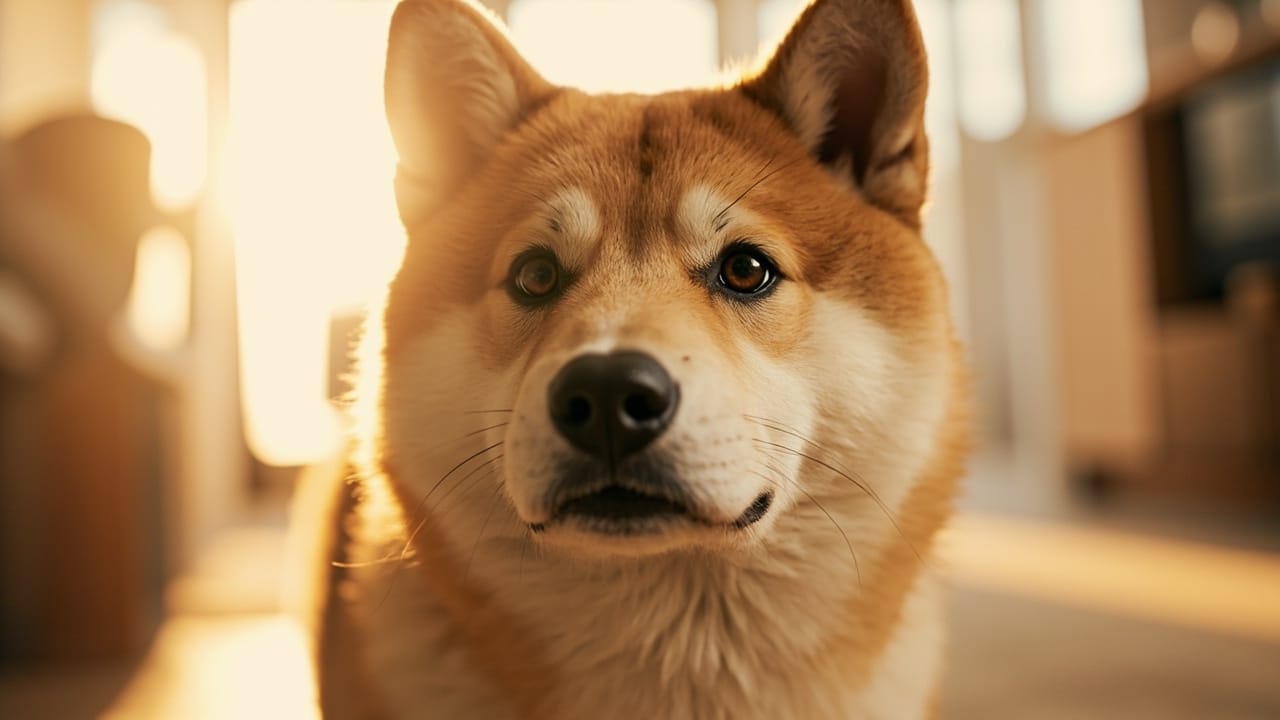
왜 우리 시바견은 기침을 할까? 원인, 치료법, 그리고 주의해야 할 시점
기침하는 시바견은 가장 흔하게 켄넬코프, 심장질환, 심장사상충, 기관지 허탈(기관지 함몰), 또는 만성 기관지염을 앓고 있을 수 있습니다. 2-3일 이상 지속되는 새로운 기침, 또는 호흡 곤란, 푸른 잇몸, 실신, 낮은 활동량을 동반하는 기침이 있다면 당일 동물병원 진료가 필요합니다.

왜 우리 시바견은 계속 재채기를 할까? 원인,缓解 방법, 그리고 병원에 가야 할 때
시바견의 잦은 재채기는 보통 환경 자극, 계절성 알레르기(이 품종에서 흔한 아토피 피부염), 또는 상기도 감염 때문에 발생합니다. 가끔 재채기는 정상이지만, 반복적인 재채기, 코 분비물, 호흡 곤란이 나타난다면 수의사 진료가 필요합니다. 겉보기에는 심하게 들리는 역재채기는 별개의 반사작용으로, 일반적으로 무해합니다.

왜 우리 시바견은 절뚝거릴까요? 원인, 응급 처치, 그리고 수의사에게 연락해야 할 때
시바견의 절뚝거림은 발 부상, 슬개골 탈구, 고관절 형성 부전, 십자 인대 파열, IVDD, 또는 관절염에서 비롯될 수 있습니다. 시바견이 다리에 체중을 싣지 않으려 하거나, 다리가 부어 있거나, 증상이 24시간 이상 지속된다면 즉시 수의사에게 보여주셔야 합니다. 가볍고 간헐적인 절뚝거림은 보통 24~48시간의 휴식으로 개선되지만, 관절 질환의 조기 진단은 장기적인 기동성을 위해 매우 중요합니다.

2개월 vs 3개월 시바견 puppy: 핵심 차이점 설명
2개월 시바는 불안정하고 완전히 이유식을 시작하는 신생아이며, 3개월 시바는 자신감 있고 백신接种 준비가 된 어린 개로, 입 질 금지를 배우고, 실내 배변 훈련을 시작했으며, 품종 특유의 독립적인 성향을 보이기 시작합니다. 12주에는 체중이 거의 두 배가 되고 감각이 더 예리해지며 주의 지속 시간이 훨씬 길어집니다.

시바견 귀가 언제쯤 서나요? 전체 타임라인 가이드
시바견 귀는 보통 생후 7~12주 사이에 서기 시작하지만, 일부 강아지는 6개월까지도 걸릴 수 있습니다. 6~7개월이 지나도 귀가 여전히 눌려 있다면 연골이 완전히 굳었기 때문에 그대로 남아있을 가능성이 높습니다.

시바견 새끼와의 첫째 밤: 생존 가이드
시바견 새끼는 동료들로부터 떨어져 나온 첫날 밤에 유난히도 목소리가 크고 독립적인 것으로 유명합니다. 가장 중요한 단 하나의 규칙: 울음에 관심을 줘서 보상하지 마세요. 그렇지 않으면 시바견에게 비명이 가장 빠르게 주인을 불러내는 방법이라는 것을 가르치게 됩니다. 침실에 크레이트나 펜을 설치하고, 항의는 무시하며, 시바가 자리 잡기까지 2~4시간의间歇적 울음을 예상하세요.

암컷 시바견은 언제 발정기에 들어가나요? 나이, 증상 및 주기
대부분의 암컷 시바견은 생후 6개월에서 12개월 사이에 첫 발정을 겪으며, 평균적으로는 약 7~9개월에 시작됩니다. 체구가 작은 개체는 5개월이라는 이른 시기에 시작할 수도 있고, 체구가 크거나 늦게 성숙하는 시바의 경우 12~15개월이 되어서야 주기가 시작되지 않을 수도 있습니다. 15개월이 되도록 첫 발정이 나타나지 않았다면 수의사 진료가 권장됩니다.

시바견 발정기: 보호자가 꼭 알아야 할 4단계
시바견 암컷의 발정기는 4단계로 나뉩니다: 발정전기(7~10일, 부기와 출혈), 발정기(5~9일의 가임기, 이때 수컷을 받아들임), 발정휴지기(임신 여부와 관계없이 약 60일), 무발정기(4~6개월의 휴식기). 대부분의 시바견 암컷은 생후 6~12개월에 첫 발정을 시작한 뒤 6개월 주기로 발정기가 찾아옵니다.
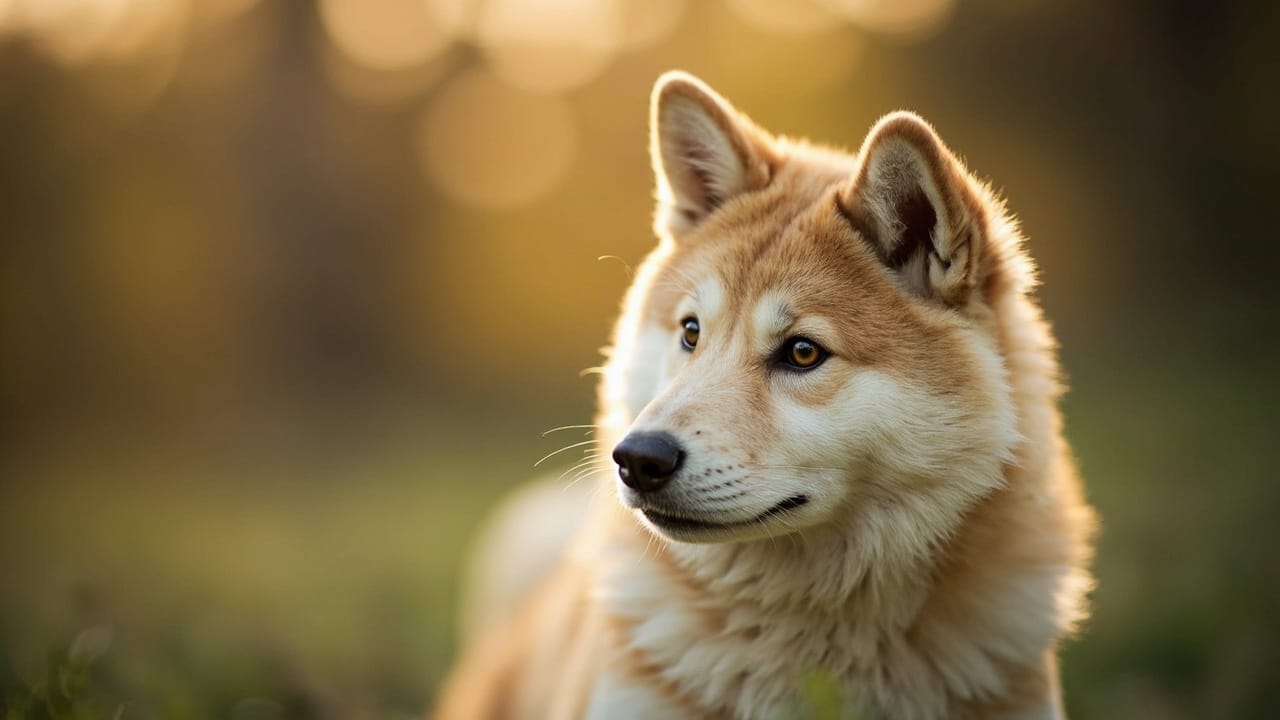
시바견 사춘기 단계: 반항적인 시기 생존 가이드
시바견의 사춘기 단계는 보통 6개월에서 18개월 사이에 이어지며, 선택적 청각, 경계선 테스트, '시바 500'의 돌발 행동을 특징으로 합니다. 호출 훈련을 강화하고, 풍부한 활동을 두 배로 늘리며, 탈출 시도로부터 집을 보호하고, 차분하고 일관되게 대처하세요. 대부분의 시바는 2~3세쯤 눈에 띄게 안정됩니다.

시바견(Shiba Inu)은 언제 이유(teething)를 마치는가? 전체 타임라인 & 관리 가이드
시바견 강아지는 보통 생후 6~7개월경에, 42개의 영구치가 모두 나온 뒤에 이유를 마칩니다. 성치(adult teeth)의 앞니와 송곳니는 보통 5개월까지 나고, 몇 주 뒤에 전체 치아가 완성됩니다. 대부분의 시바는 첫 생일이 지나면 파괴적인 씹기 행동을 멈춥니다.
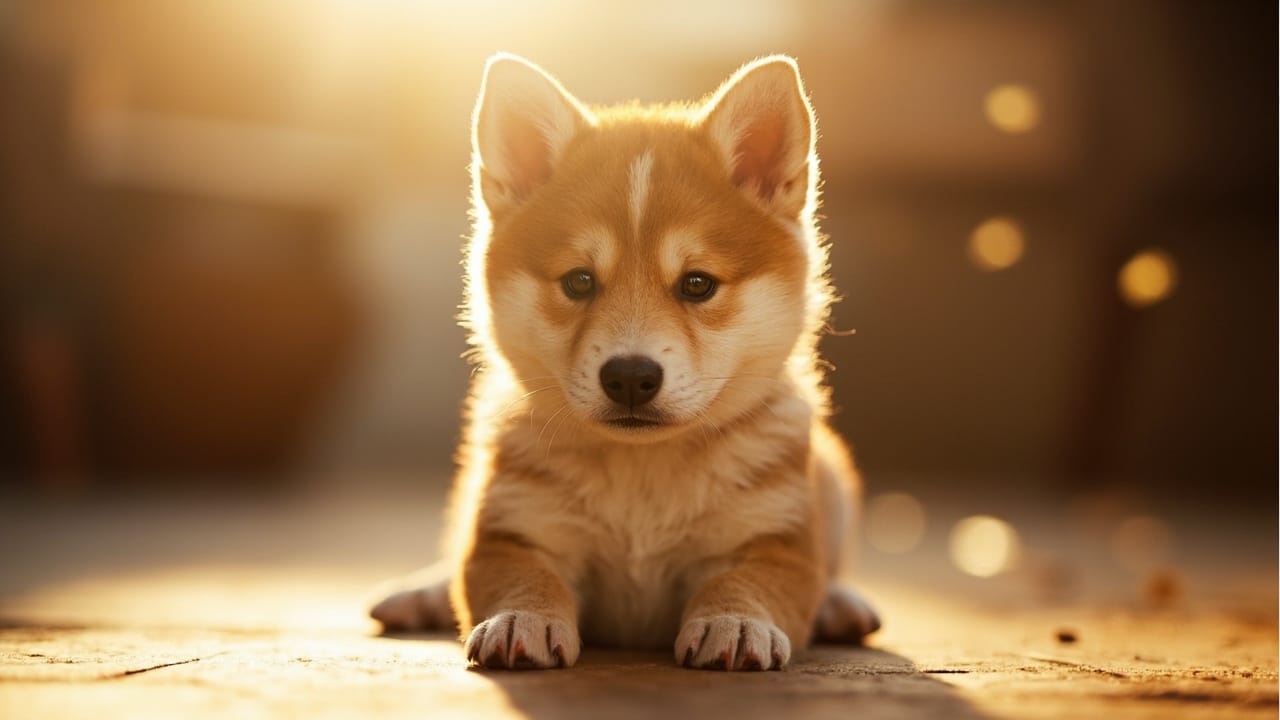
시바견幼犬 발달: 주간별 가이드 (0–16주)
시바견 강아지는 1주차의 눈도 못 뜨고 귀도 들리지 않는 신생아 단계에서, 16주차에는 자신감 있고 독립적인 어린 개로 변하는 예측 가능한 발달 곡선을 따릅니다. 가장 중요한 사회화 시기는 3주에서 12주 사이이며, 이때 사람, 소리, 표면, 다루는 경험을 통해 시바견 특유의 무관심하고 원시적인 기질을 직접적으로 형성하게 됩니다.

7살 시바견: 건강, 행동 및 관리 변화
7살이 되면 시바견은 노년기에 접어듭니다. 느린 신진대사, 회색이 도는 털(특히 주둥이 주변), 체력 저하, 관절·눈·갑상선 문제의 위험 증가를 예상할 수 있습니다. 대부분의 7살 시바견은 여전히 마음만은 어리지만, 이 나이부터는 선제적인 수의사 관리가 필수입니다.

1살 시바견은 어떤 상태여야 할까? 완전 가이드
1살 시바견은 사실상 십대입니다. 키는 다 자라 수컷 35–43 cm, 암컷 33–41 cm이며 몸무게는 약 8–10 kg이고, 성적으로는 성숙했지만 정서적으로는 아직 미성숙합니다. 높은 에너지, 고집스러운 행동, 계속되는 이유기, 그리고 강아지 시절의 난잡함은 점차 사라지고 보다 독립적이고 경계심 강한 성견 기질로 변화합니다.

6개월 된 시바견: 변화와 예상해야 할 점
6개월이 되면 시바견은 사춘기에 접어듭니다. 호르몬 변화로 마킹, 마운팅, 선택적 청각이 나타나고, 성장 곡선은 평평해지며, 성모의 색상이 자리 잡고, 강아지 사회화 시기가 닫힙니다. 이때부터 일관된 훈련, 안전한 사육 환경, 중성화 수술 결정은 선택이 아닌 필수입니다.

4개월령 시바견은 어떤가요? 완전 반려인 가이드
4개월령 시바견은 호기심 많고 영리하며, 놀라울 정도로 독립적인 강아지로, 중요한 사회화기와 생이 빠지는 시기에 접어듭니다. 짧고 강렬한 에너지 폭발, 유명한 시바견적 기질의 첫 징후, 빠른 학습력, 그리고 첫 큰 털갈이 전의 아직 부드러운 털을 기대하세요.

8주령 시바견 새끼: 집에 데려온 첫 몇 주간 기대할 점
8주령 시바견은 약 1.5-2.5kg 정도의 작고 폭신하며 빠르게 학습하는 새끼로, 엄마 곶을 떠나 새로운 가족과 유대감을 맺을 준비가 되어 있습니다. 자신감 있고 고양이 같은 성격, 배변 훈련의 좋은 시작, 초기 사회화, 그리고 유명한 시바독의 독립성과 사냥 본능의 첫 징후를 기대하세요.

시바견은 얼마나 크게 자라나요? 성장과 체급 완전 가이드
성체 시바견은 어깨 높이가 보통 33-43cm(13-17인치)이며 몸무게는 8-11kg(17-24파운드)이고, 수컷이 암컷보다 눈에 띄게 큽니다. 9-12개월 사이에 성체 크기에 도달하지만, 근육과 가슴 폭이 18개월까지充实되는 경우도 있습니다.
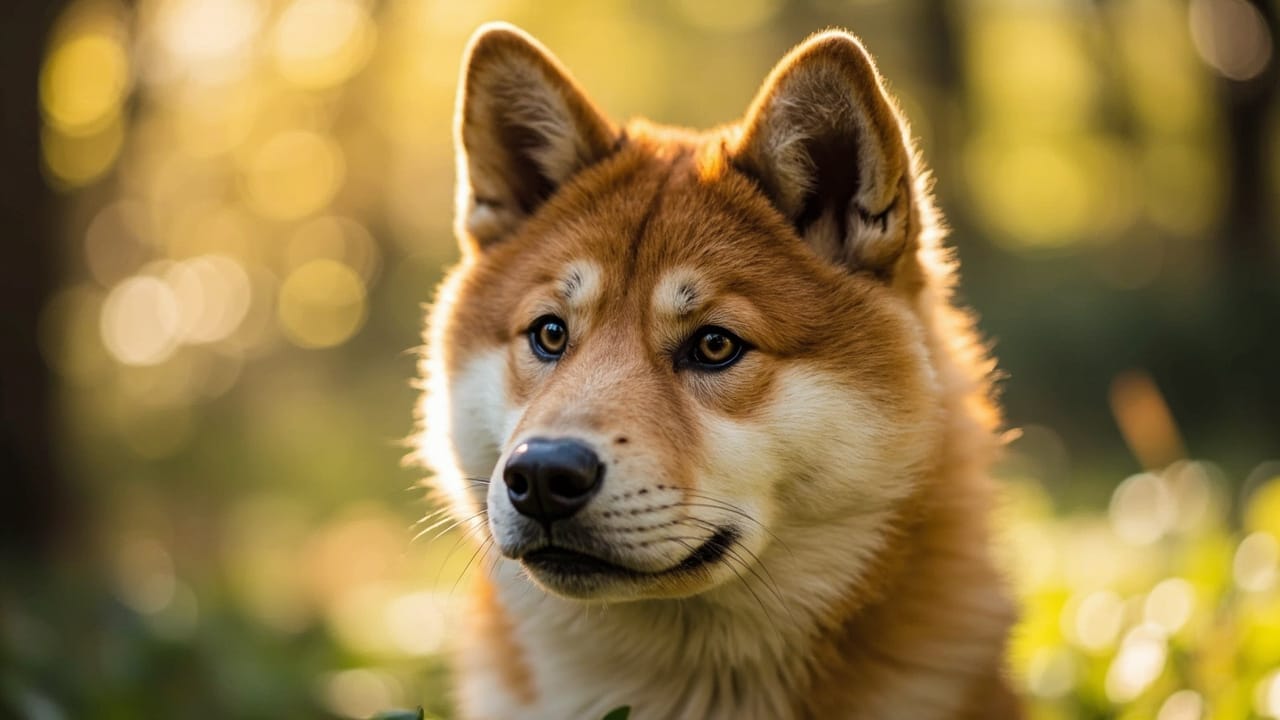
시바견은 몇 살에 완전히 자라나요? 완전한 성장 타임라인
시바견은 보통 12~18개월 사이에 완전히 자라며, 9~12개월에 최종 키에 도달하고 18개월까지 근육과 체중으로 성체 몸매를 채워갑니다. 일부 시바는 2~3세까지 미세한 체중 증가와 털 성숙을 계속합니다.

시바견 나이별 성장 및 체중 차트: 완전 가이드
시바견은 보통 12-14개월이면 성인 체중 8-10kg에 도달하지만, 어떤 개체는 18개월까지 충실해집니다. 어린 시기에는 매주 약 0.5-1kg씩 증가하며, 키 성장은 9개월 이후부터 느려집니다.
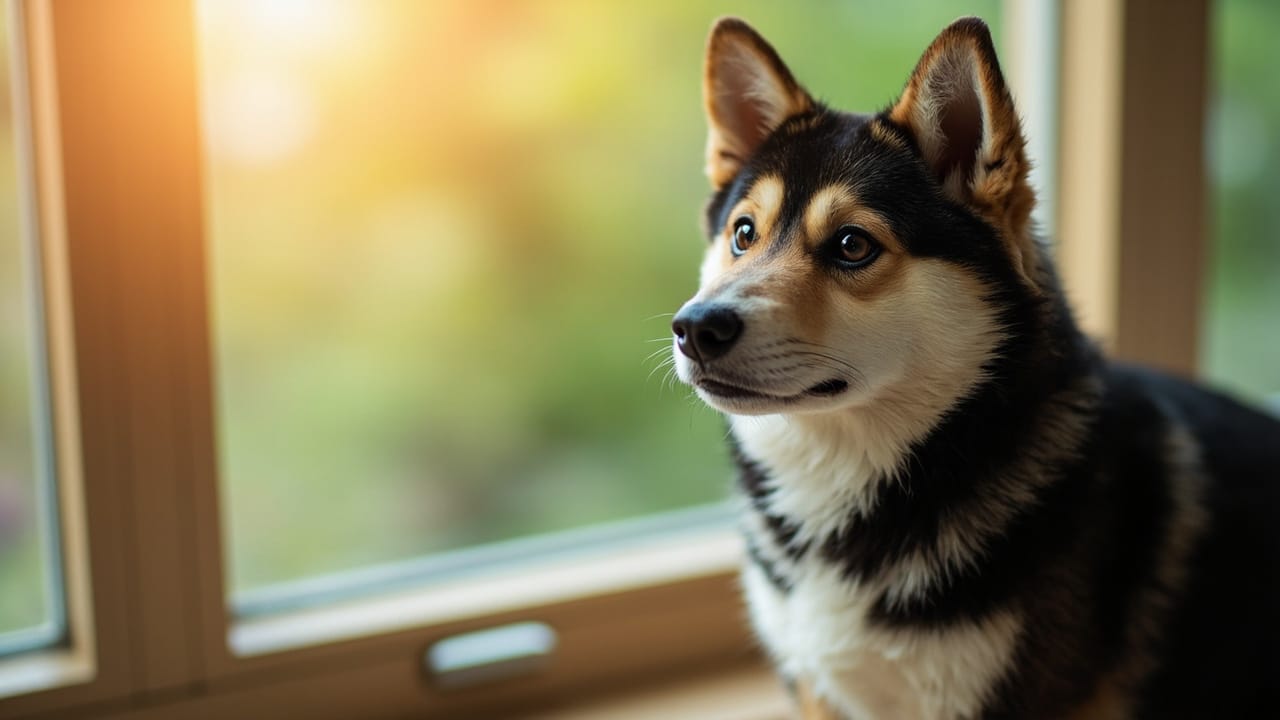
티컵 시바견은 실존할까? 미니 시바에 대한 진실
아닙니다 — 티컵 시바견은 실제로 존재하며 인정받는 품종 변형이 아닙니다. 시바견의 품종 표준에는 '티컵' 크기 범주가 없으며, 티컵 시바로 홍보되는 개는 모두 혼혈종이거나, 그저 표준보다 작은 일반 시바이거나, 비윤리적인 번식의 결과물입니다. 진짜로 작은 시바를 원한다면, 평판이 좋은 브리더와 일하고 해당 품종의 자연스러운 크기 범위를 수용하세요.

마메 시바 vs 스탠다드 시바 이누: 핵심 차이점 설명
마메 시바는 스탠다드 시바 이누의 소형화 버전으로, 표준 체중 8-10kg에 비해 훨씬 작은 크기(보통 4-7kg 미만)로 교배되었습니다. 두 견종 모두 동일한 성격과 외모를 공유하지만, 마메 시바는 주요 애견 클럽에서 공식적으로 인정하지 않으며, 진정한 견종이 아닌 별개의 디자이너 변형으로 간주됩니다.

일본 문화 속의 시바견: 역사, 상징성 그리고 현대적 명성
시바견은 일본에서 가장 오래된 반려견 중 하나로, 산악 지대에서 소형 사냥을 하던 품종으로 일본 문화에 깊이 자리 잡고 있습니다. 일본의 천연기념물로 지정받아 경축을 받는 존재이며, 도지 밈과 도지코인 마스코트와 같은 아이콘을 통해 대중문화에서도 숭배의 대상이 되었습니다. 충성심, 기개, 조용한 독립성을 상징하는 강력한 문화 수출품으로 인정받고 있습니다.
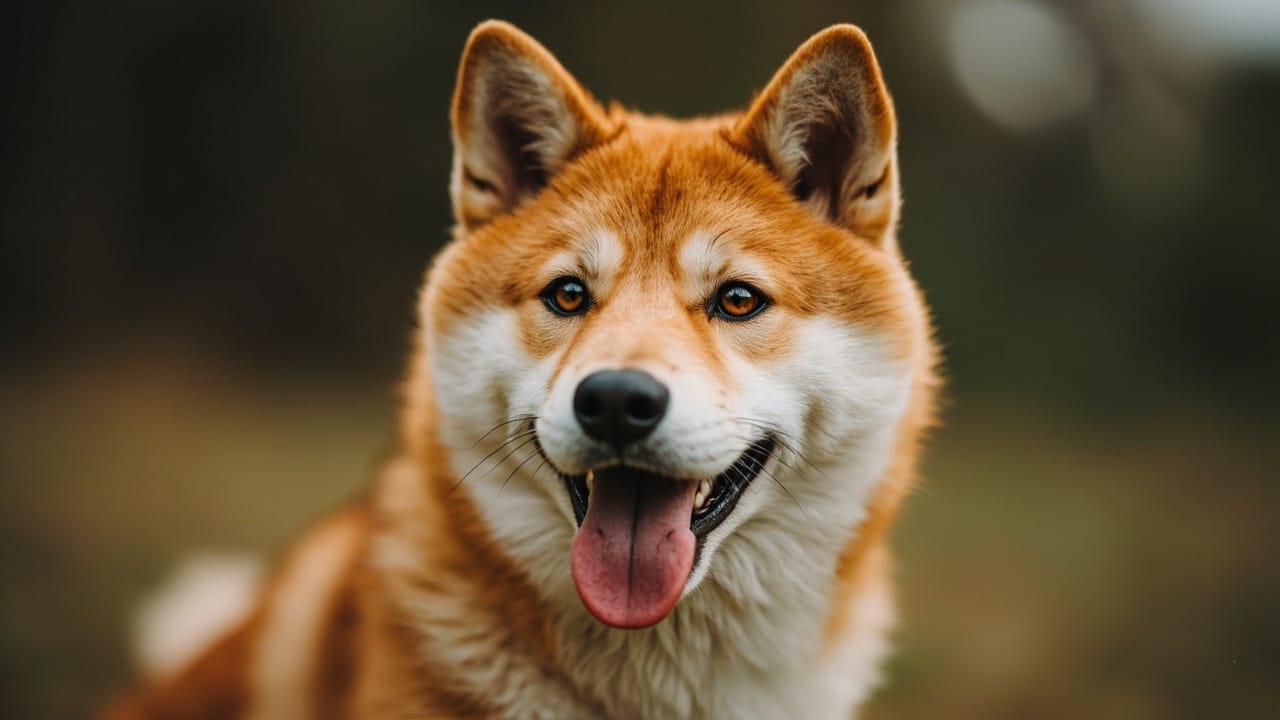
시바견에 관한 놀라운 사실 10가지 (아마 모르고 계셨을 것들)
시바견은 일본에서 가장 오래되고 가장 작은 스피츠 견종 중 하나로, 제2차 세계 대전 이후 거의 멸종 위기에 처했다가 단 세 개의 살아남은 혈통에 의해 구출되었습니다. 또한 세계에서 가장 유명한 밈인 카보주를 탄생시켰고, 이는 Dogecoin 암호화폐를 탄생시키는 계기가 되었습니다.

시바견은 얼마나 똑똑할까? 지능 순위 해설
시바견은 스탠리 코렌의 개 지능 순위에서 138개 품종 중 약 93위로, '평균 이상의 작업/순종 지능' 등급에 속합니다. 하지만 코렌의 테스트는 순종도만 측정하며, 시바견은 적응 지능과 본능 지능에서 가장 스마트한 품종 중 하나로 널리 알려져 있어, 대략 2~2.5세 인유아 수준으로 평가됩니다.

가장 유명한 시바견 인스타그램과 인터넷 스타
가장 유명한 시바견 인터넷 스타로는 원조 '도지' 밈이자 도지코인 얼굴인 카보수, 그리고 바이럴 감동인 보디 '맨즈웨어 독( Menswear Dog)', 마루, 그리고 많은 인기 인스타그램 계정이 있습니다. 이 강아지들은 시바견을 세계적인 문화 아이콘으로 만들었고, 수십억 건의 밈 조회수를 기록하며 암호화폐에 영감을 주었습니다.

카보수: 도지 밈과 도지코인의 뒤에 있는 시바견
카보수는 2005년 11월 2일경 일본에서 태어난 여섯 시바견으로, 유치원 교사 아쓰코 사토에게 강아지 공장에서 구조되었습니다. 2010년에 찍힌 그녀의 엇갈린 앞발과 궁금한 표정의 사진이 '도지' 밈이 되었고, 이후 도지코인 암호화폐와 전 세계적인 인터넷 현상을 탄생시켰습니다.

허스키와 시바견 믹스: 이 멋진 교배종에서 기대할 수 있는 점
허스키와 시바견 믹스(일부에서는 "허스키 이누" 또는 "시바 허스키"라고도 함)는 시베리안 허스키의 외향적 에너지와 수다스러운 성격을 시바견의 독립성과 고양이 같은 청결함과 결합한 중형 스피츠 타입 교배종입니다. 15-35파운드의 이중 코트를 가진 강아지를 기대할 수 있으며, 사냥 본능이 강하고, 훈련 가능성이 중간 정도이며, 상당한 그루밍이 필요합니다. 일반적으로 12-15년을 살며, 작은 반려동물이 없는 활동적인 소유주에게 적합합니다.

저먼 셰퍼드 시바 이누 믹스: 품종 프로필, 성격 & 관리
저먼 셰퍼드 시바 이누 믹스(Shepherd Inu라고도 불림)는 중간~대형 사이즈의 디자이너 교배종으로, 저먼 셰퍼드의 충성스럽고 훈련이 잘 되는 성질에 시바 이누의 독립적이고 경계심 강한 기질을 결합한 견종입니다. 그 결과는 지능적이고 운동 능력이 뛰어나며, 가족과 깊은 유대를 형성하지만 낯선 사람에게는 다소 냉담하게 반응하는 개입니다. 일관된 훈련, 어린 시기의 사회화, 그리고 충분한 일일 운동이 필요한 에너지가 높은 이중 피모 동반자가 될 것으로 기대하세요.

코기이누: 시바견과 웰시코기의 믹스 견종 가이드
코기이누는 시바견과 펨브로크 웰시코기(때로는 카디건)를 교배해 만든 디자이너 믹스견입니다. 작고 여우 같은 외모에 대담하고 독립적인 성격, 강한 목축 본능과 사냥 본능, 그리고 일년에 두 번은 집중적으로 빗질이 필요한 털 빠짐이 특징입니다. 성격은 똑똑하고 애정 깊은 편부터 고집이 세고 건방진 편까지 다양하므로, 훈련에 적극적이며 도전하는 재미를 즐기는 활동적인 소유자에게 잘 맞습니다.

폼시(Pom-Shi): 시바견과 포메리안 믹스 견종 가이드
폼시(Pom-Shi, 샤이러니안(Shiranian)이라고도 함)는 시바견과 포메리안을 교배해 만든 디자이너 견종으로, 일반적으로 몸무게가 5~15파운드이며 붉은색, 주황색, 크림색, 세이블, 블랙앤탄 등 두꺼운 이중 피모를 가지고 있습니다. 시바견의 자신감 있고 경계심 강한 성격과 포메리안의 대담하고 사람을 좋아하는 성격을 결합하여, 활발한 가정에 잘 어울리는 에너지 넘치는 반려견이 됩니다.

시바도르(Shibador): 시바견과 래브라도 믹스는 어떤 성격일까?
시바도르는 순종 시바견과 순종 래브라도 리트리버를 교배한 디자이너 믹스로, 시바의 여우 같은 외모와 독립성에 래브라도의 친근하고 기쁘게 해주려는 성격을 결합한 견종입니다. 체중 13-22kg 정도의 중형 고에너지 견종으로, 개성이 강하고 중간 정도의 털 빠짐이 있으며 평균 수명은 약 12-15년입니다. 성격은 예측하기 어려운 편인데, 어떤 개체는 시바처럼 다소 냉담한 편이고, 어떤 개체는 래브라도처럼 사교적이며, 대부분은 그 중간 어딘가에 해당합니다.

시바키타: 시바견과 아키타 믹스의 진짜 모습은?
시바키타는 시바견과 아키타견을 교배한 디자이너 혼혈종으로, 시바의 작은 체격과 여우 같은 민첩함에 아키타의 크고 차분하며 보호적인 성격을 결합한 견종입니다. 충성스럽고 독립적이며 이중모로 인해 털이 많이 빠지는 개로, 일년에 두 번 심하게 털이 빠지며 보통 14-23kg 정도 나가고, 경험 많은 소유자에게 가장 적합합니다. 성격은 낯선 사람에게는 경계심이 깊지만 가족에게는 헌신적이며, 강한 사냥 본능과 뚜렷한 고집을 가지고 있습니다.

시바견 vs 알래스칸 클리카이: 품종 전체 비교
시바견과 알래스칸 클리카이는 외모가 비슷하지만 체고, 기원, 관리 면에서 큰 차이를 보입니다. 시바는 사냥용으로 길러진 중형의 오래된 일본 스피츠(8–10kg)이고, 클리카이는 1970대에 만들어진 소형의 현대 미국 반려견 품종(4–11kg)입니다. 두 품종 모두 스피츠형 특징(곧선 귀, 이중 피모, 독립적인 성격)을 공유하지만 운동, 훈련, 건강 프로필은 크게 다릅니다.

시바견 vs 포메라니안: 품종 완전 비교
시바견과 포메라니안은 모두 여우 같은 외모를 가진 소형 스피츠 계열 견종이지만, 성격에는 큰 차이가 있습니다. 시바견은 독립적이고, 내성적이며, athletically 활발한 반면(8-10kg), 포메라니안은 매우 작고(1.5-3kg) 외향적이며, 사람을 기쁘게 하려 합니다. 고양이처럼 조용한 반려견을 원한다면 시바견을, 발랄하고 무릎 위에서도 노는 외향적인 반려견을 원한다면 포메라니안을 선택하세요.

시바견 vs 웰시코기: 어떤 품종이 당신에게 맞을까요?
시바견과 웰시코기는 모두 빅 퍼스낼리티를 가진 소형~중형 스피치형 견종이지만, 성격, 훈련성, 관리 필요성에서 큰 차이를 보입니다. 시바는 독립적이고 무관심하며 고양이 같은 반면, 코기는 외향적이고 사람에게 잘 보이며 끊임없는 동료애를 갈구합니다. 두 품종 모두 초보 반려인에게 이상적이지 않지만, 이유는 전혀 다릅니다.

시바견 vs 시베리안 허스키: 주요 차이점, 성격, 크기 & 관리
시바견은 일본 원산의 소형 독립적인 스피츠 견종(8~10kg)으로 여우 같은 외모와 고양이처럼 내성적인 성격을 가지고 있으며, 시베리안 허스키는 중대형 작업용 썰매견(16~27kg)으로 지구력과 무리 사교성을 위해 길러졌습니다. 시바견은 조용하고 청결하며陌生人에게 매우 냉담한 반면, 허스키는 울음소리가 많고 사교적이며 더 많은 운동과 동반을 필요로 합니다.

의미가 담긴 최고의 수컷 시바견 이름 (150개 이상의 아이디어)
멋진 수컷 시바견 이름은 일본 유산(쿠로, 유키, 소라), 여우 같은 외모(페넥, 키츠네), 그리고 활발한 성격(토라, 카이다)에서 영감을 얻습니다. 가장 좋은 이름은 짧고(1-2음절), 공원에서 부르기 쉬우며, 강아지만의 독특한 외모나 성격을 반영합니다.

150개 이상의 여성 시바견 이름과 의미 (귀엽고, 독특하고, 일본식 아이디어)
여성 시바견에게 가장 좋은 이름은 일본어 의미, 여우 같은 아름다움, 그리고 독립적인 '시바 정신'에서 따옵니다. 최고의 선택으로는 Akari(밝은), Kiko(희망의 아이), Yuki(눈), Hoshi(별), Suki(사랑하는) 등이 있으며, 각각은 이 품종의 경계심 강하고 여우 같은 성격과 striking한 외모에 맞춰 선정되었습니다.

시바견을 위한 최고의 일본식 이름과 그 의미 (2024 가이드)
시바견의 일본식 이름은 종종 자연, 계절, 그리고 전통 한자에서 따옵니다. 인기 있는 선택으로는 Hoshi(별), Yuki(눈), Kuma(곰), Kiko(희망/기록의 아이) 등이 있으며, 모두 의미 있는 뜻과 시바견의 활기찬 성정을 잘 어울리게 합니다.

왜 시바견이 고양이와 자주 비교되는가: 7가지 고양이 같은 특징
시바견이 고양이와 비교되는 이유는 그들이 놀라울 정도로 고양이다운 행동을 공유하기 때문입니다. 스스로를 집요하게 그루밍하고, 무관심한 독립성을 보이며, 갑작스럽게 질주(zommies)를 시작하고, 높은 자리를 선호하며, 자기 기준에 따라 애정을 요구합니다. 그러나 고양이 같은 외면 아래에는 여전히 충성스럽고 경계심이 강하며 사람들과 깊이 유대감을 형성하는 성격이 남아 있습니다.

시바 이누는 애교가 많고 다정한가요? 솔직한 가이드
시바 이누는 가족에게는 다정하지만 전통적인 의미에서는 거의 애교가 많지 않습니다. 이들은 끊임없는 무릎 위 시간이 아니라, 근접성, 충성심, 조용한 동반을 통해 사랑을 표현하기 때문에 '고양이 같은 개'라는 별명을 얻었습니다. 헌신적인 유대를 기대하되, 벨크로 같은 개는 기대하지 마세요.

시바견과 새 아기의 첫 만남: 단계별 안내서
아기가 오기 몇 달 전부터 시바견을 아기의 소리와 냄새에 익숙하게 하고, 새로운 경계와 일과를 미리 정립하며, 산줄을 찬 상태에서 중립적인 장소에서 첫 만남을 항상 감독하세요. 일관된 훈련과 인내심만 있다면 대부분의 시바견은 몇 주 안에 새 아기에 잘 적응합니다.

시바견 두 마리 이상 키우기: 기대해야 할 점
시바견 여러 마리를 키우는 것은 보람 있지만 힘든 일입니다. 같은 성별의 쌍은 자주 충돌하기 때문에, 대부분의 경험 많은 보호자는 수컷 한 마리와 암컷 한 마리를 함께 키웁니다. grooming, 훈련, 수의사 비용이 두 배가 되며, 집에서는 자원 지키기와 전설적인 'Shiba 500'을 방지하기 위해 확실한 관리가 필요합니다.

수컷 vs 암컷 시바견: 크기, 성격, 관리의 핵심 차이
수컷 시바견은 눈에 띄게 크고 체격이 당당한 반면, 암컷은 작고 독립적이며 감정적으로 더 빨리 성숙하는 경향이 있습니다. 두 성별 모두 견종 특유의 고양이 같은 무관심한 태도를 공유하지만, 수컷은 일반적으로 더 애정표현이 많고 덜렁대는 면이 있으며, 암컷은 더 날카롭고 경계심이 강하며 다른 개에게 영역 지배적 태도를 보이는 경우가 많습니다.

시바견에게 어떤 종류의 울타리가 필요한가요? 완전 가이드
시바견에게는 최소 6피트(약 1.8m) 높이의 단단한 목재, 비닐, 용접 금속 같은 튼튼한 소재로 만든 솔리드 또는 반투명 울타리가 필요하며, 틈새, 올라갈 수 있는 발판, 밑부분의 부드러운 흙이 없어야 합니다. 체인 링크 울타리만으로는 충분하지 않습니다. 시바견은 울타리를 타거나, 파고들거나, 빠져나가는 도주 예술가이기 때문입니다. 야외活动时间에는 항상 supervision(감독)해야 하며, 절대 보이지 않는 울타리에 의존해서는 안 됩니다.
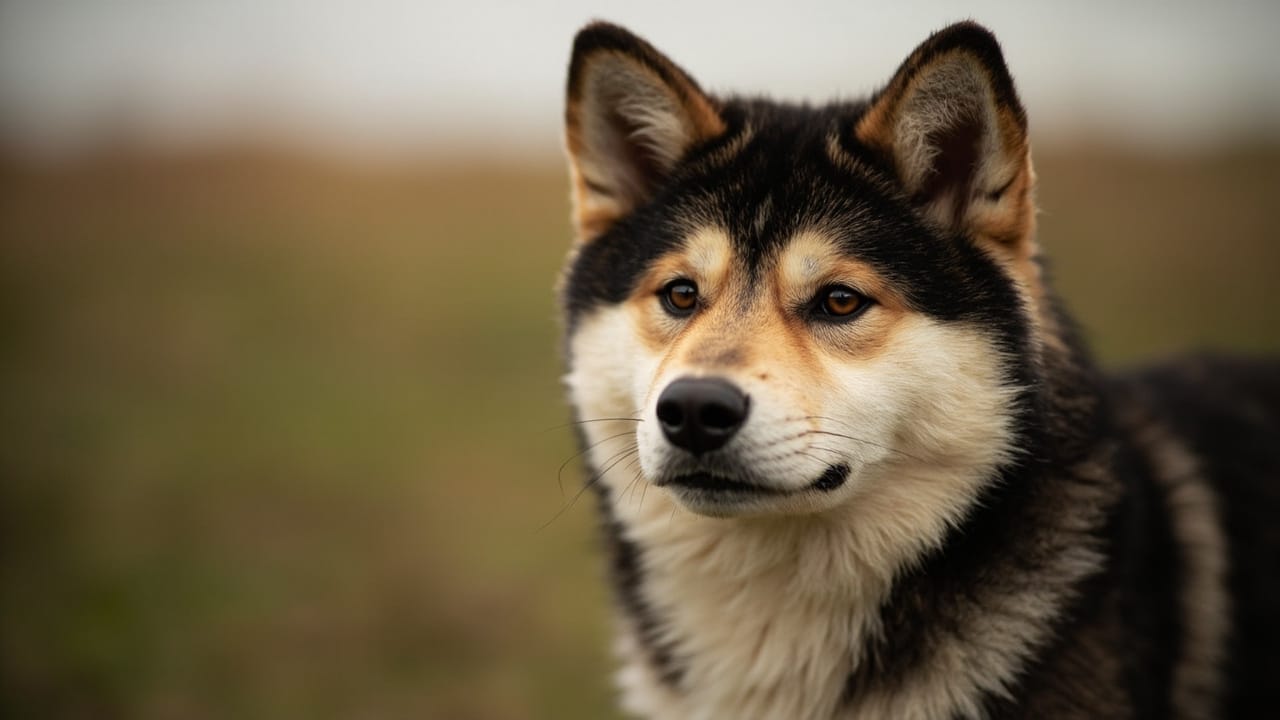
시바견에 가장 좋은 크레이트 사이즈: 완벽한 사이즈 선택 & 구매 가이드
대부분의 성체 시바견은 30인치(76 cm) 크레이트에 가장 잘 맞지만, 체구가 작은 암컷에게는 잘 맞는 24인치(61 cm) 크레이트가, 체구가 큰 수컷에게는 36인치(91 cm) 크레이트가 적합합니다. 적절한 크레이트는 시바견이 편안하게 일어서고, 돌아서며, 눕을 수 있게 해주며, 화장실 실수를 유발할 수 있는 여분의 공간이 없어야 합니다.

시바견에게 의상이나 옷을 입혀야 할까요? 실용 가이드
대부분의 시바견은 옷이 필요하지 않으며, 독립적인 기질과 밀도가 높은 이중 모피 때문에 옷 입기를 적극적으로嫌아하는 경우가 많습니다. 특정 상황(추운 비, 눈, 노령견의 보온)을 위한 가볍고 잘 맞는 의류는 괜찮지만, 무거운 코스튬과 장시간 착용은 피해야 합니다. 왜냐하면 이 견종은 스스로 체온을 조절하는 능력이 이미 매우 뛰어나기 때문입니다.

시바견은 더운 기후에서도 잘 적응할 수 있을까요? 완벽 가이드
네, 시바견은 더운 기후에서도 살 수 있지만, 두꺼운 이중 모피 때문에 열에 민감합니다. 적절한 그늘, 항상 신선한 물, 한낮 운동 제한, 주차된 차 안에 절대 혼자 두지 않는다면 대부분의 시바는 미국 남부, 호주, 지중해 지역과 같은 따뜻한 곳에서도 잘 적응합니다.

시바견(시바 이누)은 추운 날씨를 얼마나 잘 견딘다? 완벽 가이드
시바견은 풍성한 이중모 덕분에 대부분의 개보다 추운 날씨를 잘 견디지만, 극심한 추위, 장시간의 야외 노출, 습한 환경에는 적합하지 않습니다. 쾌적한 범위는 대략 -1~10°C이며, 영하 7°C 이하가 되면 대부분의 시바는 코트 착용, 야외 활동 시간 제한, 또는 실내에서 쉬는 것이 좋습니다.

시바견은 좋은 경비견 혹은 와치독인가요? 솔직한 답변
시바견은 놀라울 만큼 뛰어난 와치독이지만, 경비견으로는 부적합합니다. 경계심이 강하고, 영역의식이 있으며, 낯선 사람이나 평소와 다른 소리에 바로 짖어 알리는 능력이 뛰어납니다. 하지만 몸집이 작고 독립적이며, 사람에게 공격적이지 않아서 재물을 지키거나 침입자를 제압하는 물리적 보호 능력은 부족합니다.

시바 이누는 물을 좋아하나요, 수영을 할 수 있나요? 솔직한 답변
대부분의 시바 이누는 물을 싫어하고 수영을 꺼리지만, 필요할 때는 물리적으로 수영을 할 수 있습니다. 이중 털, 낮은 체지방, 강한 사냥 본능 덕분에 할 수는 있지만 자연스러운 물을 좋아하는 개는 아닙니다. 훈련 없이 시바가 안전하게 수영할 것이라고 절대 가정하지 마세요. 수영장, 호수, 바다 주변에서는 항상 강아지용 구명조끼를 사용하세요.

시바견을 위한 최고의 장난감: 내구성 있고 풍부한 자극을 주는 선택 (2024 가이드)
시바견에게 가장 좋은 장난감은 Kong 스타일 충전식 장난감, 플irt 폴, 스너플 매트, 튼튼한 퍼즐 급식기처럼 내구성이 강하고 정신적으로 자극을 주는 옵션입니다. 시바견은 지능이 높고 사냥 본능이 강한 견종으로, 지루함과 악名 높은 '시바 500'을 예방하기 위해 신체적 활동(플irt 폴, 줄다리기, 쳐다보기)과 인지적 도전(퍼즐, 후각 활동)이 모두 필요합니다.

시바견을 위한 최고의 목줄과 리드줄: 완벽한 장비 가이드
시바견에게 가장 좋은 목줄은 넓고 패딩된 마르티게일 목줄이거나 잘 맞는 플랫 목줄(목 둘레 기준 1.5–2cm)이며, 여기에 1.2–1.5m의 일반 리드줄 또는 하이킹용 핸즈프리 허리 리드줄을搭配하는 것입니다. 시바견은 두꺼운 목과 강한 사냥 본능을 가진 유명한 탈주 전문가이기 때문에, 산책 시에는 하네스가 더 안전하지만, 질식 없이 목줄을 유지하는 데는 마르티게일이 이상적입니다.

시바견 탈주 마술사를 위한 최고의 하네스: 안전한 착용 가이드
시바견 탈주 마술사에게 가장 좋은 하네스는 마르티엔가 스타일의 등 스트랩과 완전 패딩된 가슴판을 갖춘 Y자형 노슬립 디자인으로, Ruffwear Front Range, Blue-9 Pet Products Balance Harness, Kurgo Tru-Fit 같은 제품이 대표적입니다. 시바견은 목과 두개골의 비율이 좁고, 머리가 가늘며, 의외로 힘이 세기 때문에 일반적인 스텝인 하네스는 단 몇 초 만에 뒤로 빠져나갈 수 있습니다. 목과 가슴 모두에서 조절이 가능한 지점, 이중 리드 클립, 최소 10kg의 당기는 힘에 견디는 튼튼한 나일론 웨빙을 갖춘 제품을 선택하세요.
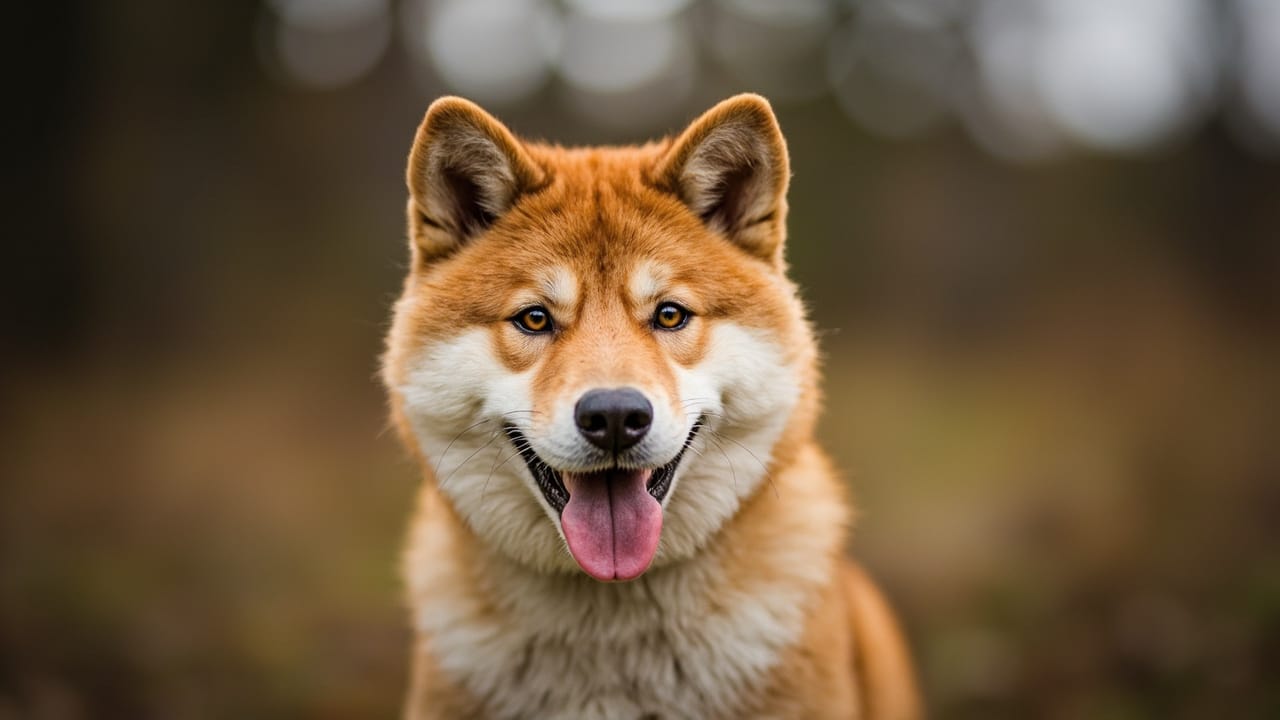
시바견은 등산용 견종으로 좋을까? 솔직한 견주 가이드
맞습니다 — 시바견은 적합한 견주에게 훌륭한 등산 파트너입니다. 콤팩트한 체격, 운동 능력이 뛰어난 체형, 놀라운 지구력 덕분에 중간 난이도의 트레일에서 이상적인 동반자가 될 수 있습니다. 다만 강한 사냥 본능, 독립적인 성격, 그리고 리콜(불러오기) 명령을 무시하는 경향 때문에, 리드줄이나 롱라인을 사용하는 경험 많은 등산객에게 가장 잘 맞습니다.

시바견과 함께하는 로드 트립: 완벽 가이드
시바견과의 성공적인 로드 트립은 준비에서 결정됩니다. 충돌 테스트를 거친 크레이트나 하네스, 익숙한 담요, 잠긴 창문, 3-4시간 간격의 휴식, 멀미 대책. 시바는 루틴, 안전, 사냥 본능까지 미리 챙기면 훌륭하게 여행합니다.
시바견과 비행기 타기: 항공사 규정, 캐리어, 그리고 팁
시바견은 캐리어에 함께 넣어 좌석 아래에 들어가는 경우(보통 반려견+캐리어 합쳐 17-19파운드) 대부분의 미국 항공기 내 캐빈에서 비행할 수 있습니다. 더 큰 시바견은 화물칸이나 지상 운송을 이용해야 하는데, 이 품종은 캐빈에 들어가기에는 너무 크고, 단두종 스타일의 호흡 위험 때문에 대부분의 화물칸에서는 단두종 반려견 반입 금지 규정이 적용되기 때문입니다.

시바견 임신 타임라인: 주별 가이드
시바견 임신은 수태 시점부터 약 63일(9주) 동안 지속됩니다. 핵심 마일스톤으로는 25-28일경의 임신 확인, 6주차의 눈에 띄는 복부 변화, 8주차의 분만 준비가 있습니다. 일반적으로 한 배에 1-5마리의 강아지가 태어나며, 시바견의 평균은 세 마리입니다.
시바견 한 배 새끼 수: 일반적인 한 배에 새끼가 몇 마리인가
일반적인 시바견 한 배는 평균 3마리의 새끼를 포함하며, 정상 범위는 1~6마리입니다. 한 배 새끼 수는 엄마견의 나이, 건강, 유전, 그리고 교배 시기에 따라 영향을 받으며, 초산모와 연령이 많은 암컷은 일반적으로 더 적은 수의 새끼를 출산합니다.

시바견(Shiba Inu) 새끼 출산 및 키우기: 브리더를 위한 완벽 가이드
시바견 새끼의 출산과 양육은 63일의 임신 기간과 체온 모니터링을 동반한 분만부터 이유기, 예방접종, 그리고 신중한 검증을 거친 새 가정으로의 입양까지 약 8~10주간의 집중적인 관리가 필요합니다. 브리더는 부모견에 대해 고관절 이형성증, 슬개골 탈구, 안과 질환을 사전에 검사해야 하며, 임신 55일경에는 조용한 분만 상자를 준비하고, 새끼가 떠나기 전 8~10주까지는 초기 사회화, 적절한 영양 공급, 그리고 CHIC 건강 검사를 제공해야 합니다.

시바견 스터드 서비스는 어떻게 작동하나요? 완전 소유자 가이드
시바견 스터드 서비스는 검증되고 건강 검사를 마친 수컷을 발정기 중인 암컷과 교배시키는 것입니다. 스터드 수수료는 보통 $1,500–$3,500이며, 과정에는 건강 검진, 타이밍 조절, 프로게스테론 검사, 그리고 양쪽 소유자 간의 명확한 계약이 포함됩니다.

윤리적인 시바견(Shiba Inu) 번식: 완전한 소유자 가이드
윤리적인 시바견 번식은 수익보다 건강, 기질, 그리고 품종 표준을 우선시하는 것을 의미합니다. 책임 있는 브리더는 유전 질환을 검사하고, 컨포메이션(conformation)이나 퍼포먼스(performance)赛事에서 자신의 개를 증명하며, 적절한 사회화를 통해 강아지를 키웁니다. 이들은 언제든 개를 다시 데려가며, 반려동물 가게나 중개상에게는 절대 판매하지 않습니다.

구조 시바 이누 입양: 서약 전에 알아야 할 것들
구조 시바 이누를 입양한다는 것은 강한 사냥 본능, 탈주 예술가 기질, 그리고长达 13–16년의 장기적인 책임을 받아들일 준비가 된 가정으로, 똑똑하고 독립적이며 종종 오해받는 개를 맞이한다는 뜻입니다. 2–4주에 이르는 적응 기간, 가능한 행동 문제, 그리고 대략 $200–$600의 입양 비용을 예상하세요. 구조 시바는 초보자에게 적합하지 않지만, 알맞은 가정에게는 시바를 집으로 데려오는 가장 보람 있는 방법 중 하나입니다.

시바견(Shiba Inu) 강아지를 데려오기 전에 무엇이 필요한가요?
시바견 강아지를 데려오기 전에, 안전하게 갖추어진 집 환경, 품종에 맞는 용품, 수의사와의 관계, 그리고 훈련과 사회화 계획이 필요합니다. 시바견은 탈출의 달인이며 강한 사냥 본능과 고집이 강한 성격을 가지고 있으므로, 안전과 구조에 초점을 맞춘 준비는 필수입니다.

시바견 puppy 가격: 왜 이렇게 비쌀까 & 적정 가격은 얼마인가
미국에서 평판 좋은 브리더의 시바견 강아지는 보통 $1,400–$2,500이며, 쇼 품질의 개는 $3,500–$5,000까지 오릅니다. 이 가격에는 건강 검사, 작은 litter size(보통 1–3마리), 제한된 혈통, 그리고 Hip dysplasia(고관절 이형성증)나 녹내장 같은 질환에 대한 유전 검사에 대한 브리더의 투자가 반영되어 있습니다.

시바견 puppy mill 또는 뒷마당 브리더 알아보는 법 (위험 신호)
위험 신호로는 8~10주 이전에 판매하는 강아지, 엉덩이·슬개골·눈에 대한 건강검진 미실시, 혈통서류 또는 등록 미보유, 여러 품종 동시 판매, 빠른 결제를 강요하는 경우 등이 있습니다. 신뢰할 수 있는 시바견 브리더는 방문을 환영하고, OFA/CHIC 서류를 보여주며, 구매자분을 꼼꼼하게 심사합니다.

쇼 퀄리티 vs 펫 퀄리티 시바견: 차이는 무엇인가요?
쇼 퀄리티 시바견은 견종 표준에 충실하게 부합하여 컨포메이션 대회(구조 심사에서 경쟁 가능한 수준이며, 일반적으로 $3,500~$5,000 이상에 판매됩니다. 펫 퀄리티 시바견은 외모상 사소한 결점(털색, 꼬리 위치, 교합 등)이 있지만 건강이나 성격에는 영향을 주지 않으며, 보통 $1,400~$2,500에 판매됩니다. 두 품질 모두 동등하게 사랑스러운 반려견이 될 수 있으며, 그 차이는 건강이나 성격이 아니라 외모와 번식 가능성에서 나타납니다.

시바견 보증금 및 강아지 사기를 피하는 방법: 구매자 가이드
시바견 사기를 피하려면 절대 Zelle, Venmo, Cash App 같은 앱으로 송금하거나 보증금을 보내지 마세요. 반드시 NIPPO, AKC, 미국 시바견 협회(National Shiba Club of America)를 통해 브리더를 확인하고, 화상 통화를 요구하며, 가능하면 직접 방문하고, 서명한 계약서와 건강 검사 결과를 검토한 후 신용카드 같은 추적 가능한 결제 수단으로만 결제하세요.
시바견 자견 계약서: 절대 서명해서는 안 되는 9가지 조항
시바견 자견 계약서에는 자견의 신원, 양쪽 부모의 건강 검사 결과(OFA 엉덩이, 슬개골, 눈), 유전 질환에 대한 12~24개월의 건강 보장, 중성화 또는 번식 조항, 브리더에게 반환 의무, 그리고 보증금/비용 내역이 명확히 기재되어야 합니다. 이 중 하나라도 빠져 있다면, 그 브리더와는 거래를 중단하고 더 투명한 시바견 브리더를 찾아야 합니다.

일본에서 시바견 수입하기: 완전 소유자 가이드
일본에서 시바견을 수입하려면 등록된 일본 브리더로부터 구매하고, NIPPO 또는 JKC 혈통을 확인하며, 수출 혈통서와 USDA/APHIS 서류를 확보하고, 인가된 애완동물 운송업체를 통해 IATA 규격 화물 항공을 예약한 뒤, 30일 CDC 광견병 항체가 검사 또는 6개월 검역 조건에 따라 미국으로 입국 절차를 완료해야 합니다. 총 비용은 보통 $4,000~$8,500이며, 여기에 1~3개월의 준비 기간이 추가됩니다.
NIPPO vs AKC 시바견 등록: 핵심 차이점 완벽 정리
NIPPO는 일본 모견 클럽(1936년 천연기념물 지정)으로, 시바견의 최초 견종 표준을 작성하고 시바견의 실용형(working type) 보존에 집중합니다. AKC는 1992년에 시바견을 공식 인정한 미국 등록 기관으로, 약간 다른 표준과 등록 절차를 따릅니다. 양쪽 모두 순종 시바를 등록하지만, NIPPO는 견종 보존 행사(보존회)를 우선시하는 반면, AKC는 컨포메이션 쇼와 글로벌 혈통 데이터베이스에 중점을 둡니다.

시바견 혈통서와 등록: 그것이 진짜로 의미하는 것
시바견 혈통서는 등록된 조상을 보여주는 문서화된 가계도이며, 보통 3-5세대까지 거슬러 올라갑니다. AKC, NIPPO, FCI 같은 기관에 등록하면 품종, 혈통, 그리고 컨포메이션, 퍼포먼스 대회, 브리딩 프로그램 출전 자격이 검증된다는 공식적인 증거가 됩니다.

시바견은 창자염전(GDV)인 더부룩이(블로트) 위험이 있을까? 수의사 정보 기반 가이드
시바견은 더부룩이(위 확장-염전) 고위험 품종은 아니지만, 특히 노령견, 가슴이 깊은 개체, 하루에 한 번 큰 식사를 하는 개체에서는 여전히 발생할 수 있습니다. 조기 징후를 알고 몇 분 안에 대응하는 것이 생명을 살리는 열쇠입니다. GDV는 명백한 외과적 응급 상황이니까요.

시바견 암 위험: 모든 보호자가 알아야 할 사항
시바견은 림프종(림프육종 및 비만세포종 포함), 혈관육종(비장이나 심장에 흔히 발생), 구강 흑색종에 가장 취약합니다. 암은 보통 중년기에서 노년기(대략 9~12세)에 나타나며, 정기적인 수의사 검진을 통한 조기 발견이 예후를 크게 개선합니다.

시바견 연간 동물병원 비용: 2025년 상세 가격 분석
건강한 성년 시바견의 연간 동물병원 비용은 정기 진료(검진, 예방접종, 예방약, 혈액검사) 기준으로 보통 **연간 $500–$900** 정도입니다. 여기에 사료비 $300–$700, 그루밍/치과 관리비 $200–$600을 더하면, 총 **연 $1,200–$2,500** 정도를 예산으로 잡으셔야 합니다.幼犬과 노령견은 비용이 더 들어 연간 $2,000–$4,500+ 이상になることもあります。

시바견 설사 및 위장 장애 대처법 (수의사 자문 가이드)
시바견이 가벼운 설사나 위장 장애를 보일 때는 12시간 동안 음식을 끊고 물만 자유롭게 마시게 한 다음, 삶은 닭고기와 흰 쌀로 만든 부드러운 식이를 소량부터 다시 먹이세요. 설사가 24시간 이상 지속되거나 혈변이 보이거나, 구토·무기력·음수 거부 증상이 동반된다면 즉시 수의사에게 진료를 받으세요.

시바견의 흉막유미증: 원인, 증상 및 치료
흉막유미증(chylothorax)은 림프액(유미)이 흉강에 축적되어 폐를 압박하는 질환입니다. 시바견은 좁은 가슴 구조와 심장 질환, 폐엽 염전과 같은 동반 질환의 발생률이 높아 유미가 누출되기 쉬워 이 질환에 걸리기 쉽습니다. 흉막유미증은 심각하고 잠재적으로 생명을 위협하는 질환이므로 신속한 수의학적 처치가 필요합니다.

시바견의 GME: 증상, 진단, 치료 가이드
육아종성 수막뇌척수염(GME)은 중추신경계에 발생하는 심각한 염증성 질환으로, 시바견에서 비정상적으로 높은 빈도로 나타나는 것으로 알려져 있습니다. 이 질환은 면역체계가 뇌와 척수를 공격하게 만들어, 빠르게 진행되는 신경학적 증상을 일으키며 즉각적인 수의학적 치료가 필요합니다. 강력한 면역억제 치료를 통해 많은 시바견이 관해(remission)에 도달할 수 있지만, 잠재적으로 생명을 위협하는 질환입니다.

시바견 건강 응급 상황: 모든 반려주가 반드시 알아야 할 것
시바견에게 가장 흔한 건강 응급 상황은 위창자성 팽만-염전(블로트), 열사병, 독소 섭취, 외상, 아나필락시스, 그리고 녹내장을 포함한 급성 안구 손상입니다. 시바견은 또한 아토피 피부염 급성 악화, 슬개골 탈구, 고관절 이형성증에 취약하며, 이 모든 질환은 치료하지 않으면 응급 상황이 될 수 있습니다.

시바견 펫보험, 진짜 가치가 있을까? 솔직한 비용 분석
시바견에게는 일반적으로 펫보험이 가치가 있습니다. 평균 수명이 13~16년이고 슬개골 탈구, 녹내장, 아토피 피부염 같은 질환에 걸릴 가능성이 높기 때문에, 단 한 번의 수술만 해도 3,000~5,000달러를 넘길 수 있습니다. 탄탄한 보험 플랜 하나면 예측 불가능한 응급 상황을 관리 가능한 월 비용으로 바꾸어 주며, 단 한 번의 동물병원 방문으로도 본전 이상의 가치를 돌려받을 수 있습니다.

시바견 중성화 수술을 해야 할까요? 완전 가이드
대부분의 시바견 소유자는 반려견을 중성화해야 하지만, 수술 시기가 중요합니다. 전통적인 6개월 중성화 시기는 품종 특유의 근골격계 및 암 위험 때문에 재고되고 있으며, 많은 수의학 전문가들이 현재는 수컷의 경우 12~18개월, 암컷의 경우 첫 발정기 이후로 미루는 것을 권장하고 있습니다.

시바견은 언제 중성화手术을 해야 할까요? 수의사 기반의 시기 가이드
대부분의 수의사들은 시바견을 생후 6개월에서 9개월 사이에 중성화할 것을 권장하지만, 최근 연구에 따르면 골격 성숙기(12~18개월)까지 기다리면 정형외과적 문제와 특정 암의 위험을 줄일 수 있다고 합니다. 최적의 시기는 개체군 건강, 행동상의 이점, 슬개골 탈구 및 고관절 이형성증과 같은 품종 특이적 위험 사이의 균형을 맞춰야 합니다. 반려견 개별 상황에 맞게 결정을 내리려면 반드시 수의사와 상담하세요.
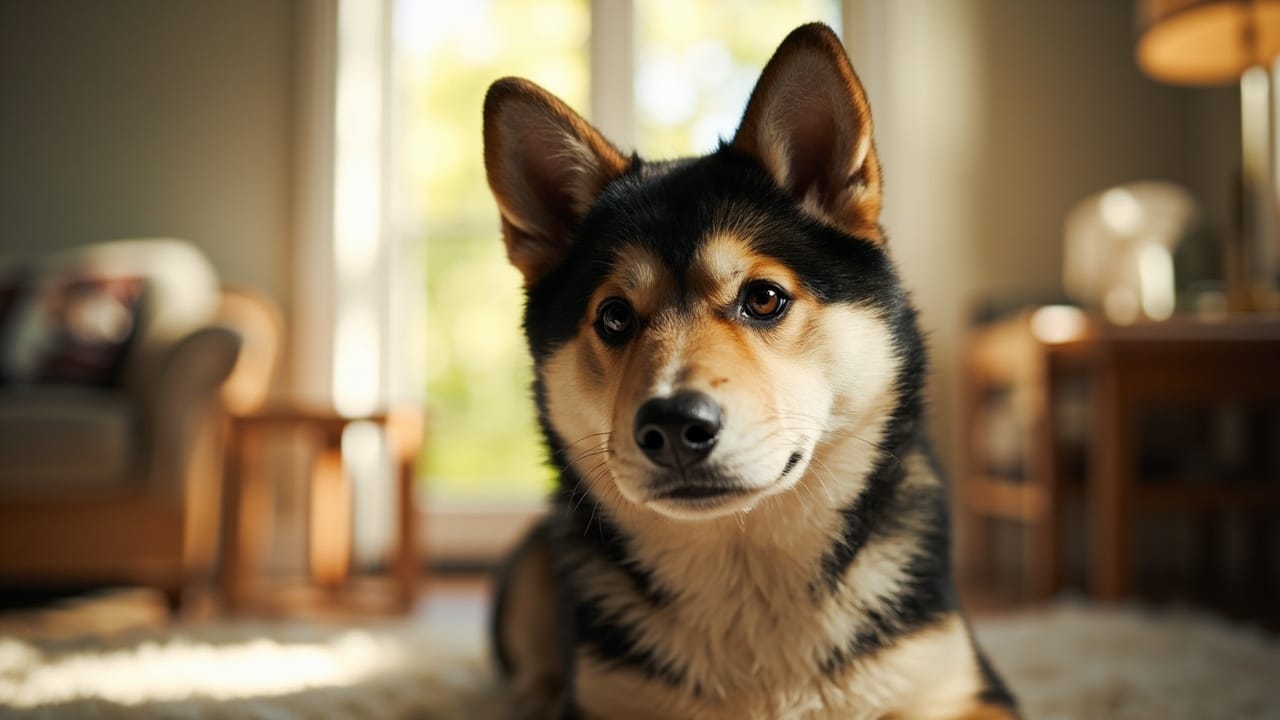
시바견(Shiba Inu)을 벼룩, 진드기, 기생충으로부터 보호하는 방법: 종합 가이드
시바견을 위한 종합 기생충 보호 계획은 연중 항시 사용하는 벼룩·진드기 예방약, 월 1회 심장사상충 예방약, 그리고 분변 검사를 기반으로 한 정기적인 구충을 결합합니다. 시바견은 아토피 피부염 발병 위험이 높아 벼룩 물림이 심각한 피부 발작을 유발할 수 있으므로, 사후 대응보다는 일관된 예방이 필수적입니다.
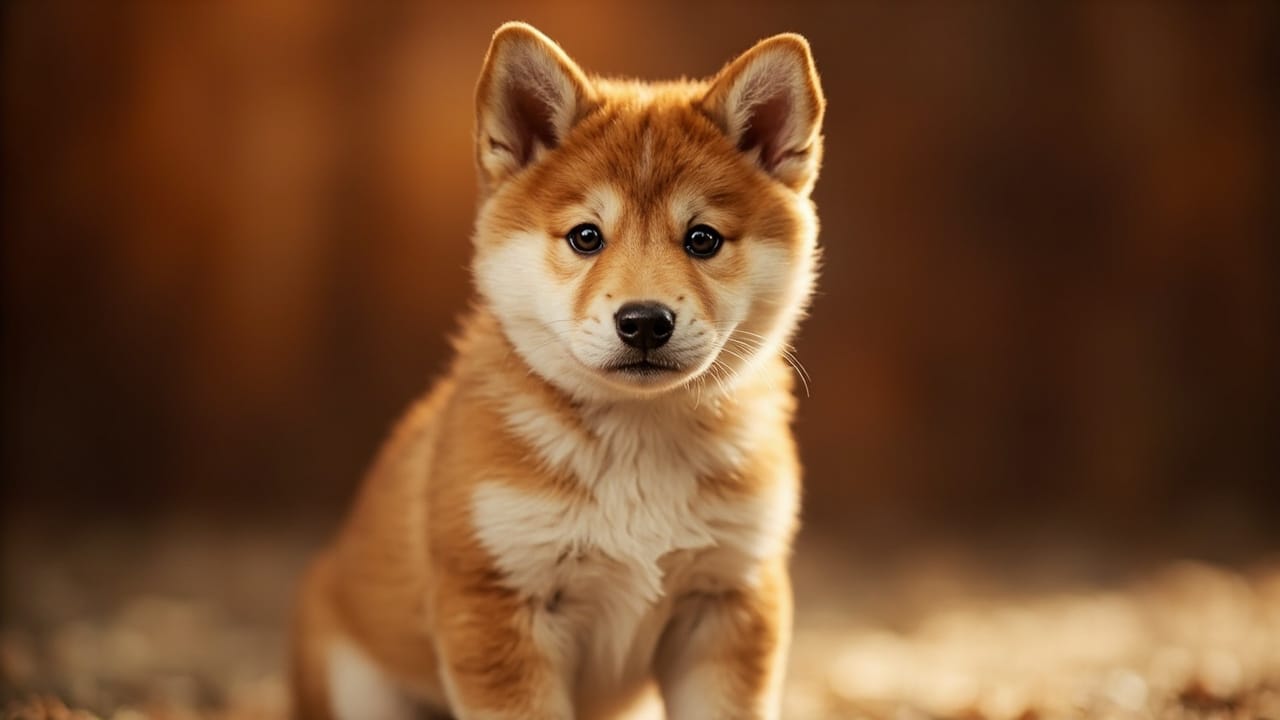
시바견 puppy 예방접종 일정: 신규 보호자를 위한 완벽 가이드
시바견 puppy는 표준 canine 예방접종 일정을 따릅니다. 6-8주에 첫 핵심 백신(DHPP)을 접종하고, 16-20주가 될 때까지 2-4주 간격으로 부스터를 맞으며, 광견병 백신은 보통 12-16주에 투여합니다. 매년 또는 3년마다 부스터를 접종하여 13-16년의 수명 동안 보호를 유지합니다.

시바견 음식 알레르기 위한 제거 식이: 종합 가이드
시바견을 위한 제거 식이란 단일 신선한 단백질과 탄수화물 사료를 8–12주 동안 급여한 후, 성분을 하나씩 다시 추가해 원인을 찾아내는 과정입니다. 시바는 특히 아토피성 피부염과 음식 민감성이 잘 생기는 편이므로, 수의사 감독하에 엄격한 시험을 진행하는 것이 진단의 황금 표준입니다. ===EXCERPT_END===

시바견에게 곡물이 들어 있지 않은 사료를 먹여야 할까요? 수의사監修 가이드
대부분의 시바견은 곡물이 들어 있지 않은 사료가 필요하지 않으며, 쌀, 보리, 귀리 같은 양질의 곡물이 포함된 식단에서 잘 자랍니다. 곡물이 들어 있지 않은 사료는 드물게 확인된 곡물 알레르기나 불내증이 있을 때에만 정당화되며, FDA는 콩류가 많은 일부 곡물 무함유 사료가 개에게 DCM이라는 심장 질환과 연관되었다고 발표한 바 있습니다.

시바견 노령기 최고의 사료: 완벽한 영양 가이드 (2024)
노령 시바견에게 최고의 사료는 고품질 동물성 단백질을 우선으로 하고, 적당한 지방, 관절 건강을 돕는 첨가물(글루코사민, 콘드로이틴, 오메가-3), 그리고 소화하기 쉬운 재료로 구성된 식단입니다. 대부분의 노령 시바견은 노년용으로 설계된 프리미엄 건사료를 기본으로 하되, 습식 사료, 신선한 토퍼, 또는 균형 잡힌 생식/자가 조리 식단으로 보충하면 건강하게 유지됩니다.

까다롭게 먹는 시바견: 원인, 해결법, 그리고 병원에 가야 할 때
대부분의 시바견은 진짜로 까다로운 것이 아니라, 더 좋은 음식을 기다리는 법을 배운 똑똑하고 규칙적인 습관을 가진 견종입니다. 식탁에서 떨어진 음식과 간식을 없애고, 고단백 사료로 하루 두 번 정해진 시간에 급여하며, 거부한 음식을 24시간 이내에 교체해 주지 않는 것으로 해결할 수 있습니다. 식사 거부 상태가 48시간 이상 지속되거나 체중 감소, 구토, 무기력이 동반된다면 수의사에게 진료를 받으세요.

시바견에게 독성 있는 음식: 완전 안전 가이드
초콜릿, 포도, 건포도, 양파, 마늘, 마카다미아, 자일리톨, 술 등 흔한 인간 음식 여러 가지가 시바견에게 독성이 있습니다. 이 음식들은 소량으로도 신부전부터 발작까지 심각한 건강 문제를 일으킬 수 있으므로, 시바의 식기와 모든 조리 공간에서 반드시 멀리 두어야 합니다.
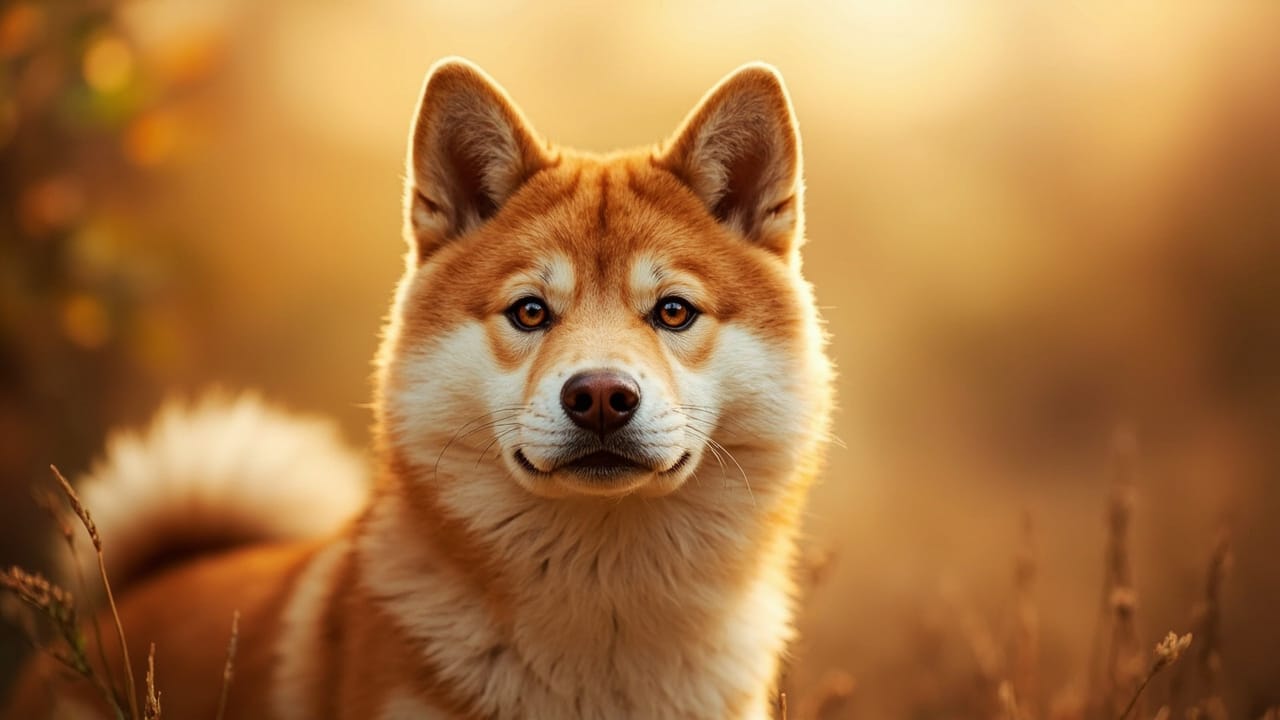
시바견을 위한 최고의 보조제: 완전 소유자 가이드
시바견에게 가장 좋은 보조제는 이 품종에서 흔히 나타나는 건강 위험을 겨냥한 것입니다: 피부와 털을 위한 오메가-3 생선 기름, 관절 건강을 위한 글루코사민과 콘드로이틴, 소화를 위한 프로바이오틱스. 완전하고 AAFCO 승인 식이를 먹고 있는 대부분의 건강한 시바는 긴 목록이 아니라 몇 가지 핵심 보조제만 필요합니다.

시바견이 과체중인가요? 알아보는 방법과 다이어트 도움말
시바견이 과체중인지 확인하는 방법은 위에서 보았을 때 허리 라인이 보이는지, 모래시계 형태의 윤곽이 나타나는지, 갈비뼈가 만져지지만 튀어나오지 않는지 살펴보는 것입니다. 대부분의 시바는 하루 300–550 kcal의 정량 급여, 식탁 음식 제거, 그리고 빠른 산책이나 조절된 프레이 같은 20–30분의 저충격 활동으로 효과적으로 살을 뺍니다.

시바견을 위한 최고의 훈련 간식: 추천 제품, 크기, 그리고 팁
시바견에게 가장 좋은 훈련 간식은 작고, 부드러우며, 저칼로리이고, 고가치여야 합니다 — 보통 완두콩 크기, 냄새가 강한, 단백질이 풍부한 것이 이상적입니다. 동결 건조 고기, 부드러운 미니 훈련 간식, 그리고 작은 조각의 익힌 닭고기나 치즈가 특히 효과적이며, 하루 간식 섭취량은 칼로리의 10% 미만으로 유지해야 합니다.
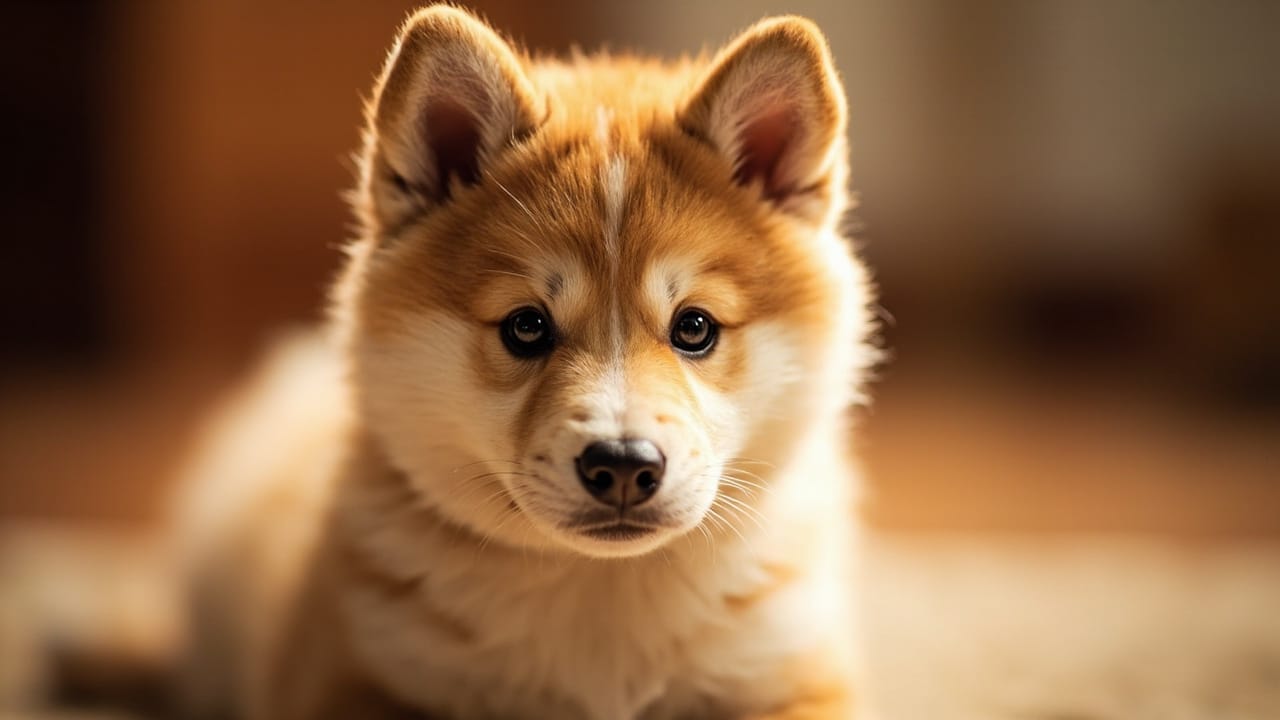
시바견 새끼 먹이 급여 일정: 무엇을, 얼마나 먹일까
생후 8주에서 6개월까지는 시바견 새끼에게 하루에 3~4회 정해진 양의 식사를 제공하세요. 이후에는 하루 2회로 전환합니다. 첫 번째 원료로 동물성 단백질이 들어 있는 고품질 퍼피 사료를 사용하고, 포장의 권장량만이 아니라 체중과 체형 상태를 기준으로 급여량을 조절하세요.
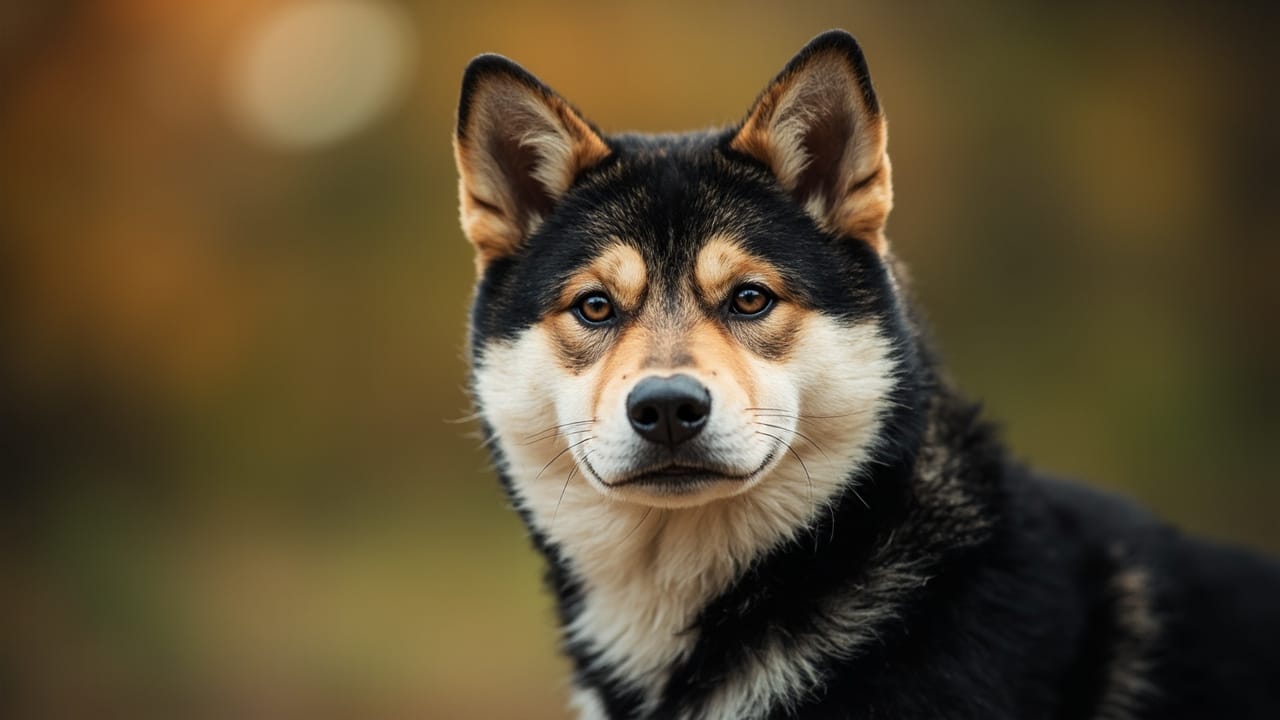
시바견 하루 권장 사료량은 얼마인가요? (완벽 가이드)
성체 시바견은 하루에 고품질 건사료 1~1.5컵을 두 끼로 나눠 급여하는 것이 일반적입니다. 자견은 하루 3~4끼的大型犬 전용 퍼피 사료를 먹여야 하며, 노령이거나 활동량이 적은 시바는 1컵에 가깝게 급여하는 것이 좋습니다. 정확한 급여량은 체중, 활동량, 사료의 칼로리 밀도, 체형 점수에 따라 달라집니다.

시바견을 위한 생식 vs 건사료: 어떤 식단이 더 나을까?
생식과 건사료 어느 쪽이 시바견에게 universally 우월하다고 할 수는 없습니다. 두 식단 모두 제조 방식에 따라 영양학적으로 완전할 수도, 위험할 정도로 불완전할 수도 있습니다. 생식은 품종의 조상적 생물학적 특성과 잘 맞으며 피모와 배변 상태를 개선하는 경우가 많지만, 건사료는 더 안전하고 저렴하며 일관되게 균형을 맞추기 쉽습니다. 가장 좋은 선택은 영양 결함 없이 안전하게 조달하고, 준비하고, 보관할 수 있는 식단입니다.

시바견을 위한 최고의 사료: 수의사 권장 급여 가이드
시바견에게 가장 좋은 사료는 고품질의 동물성 단백질을 우선으로 하는 건사료(또는 균형 잡힌 생식/프레시 식단)로, 중소형 활동 견종용으로 제조된 제품입니다. 첫 번째 원료로 명시된 고기가 포함되어야 하며, 피모 건강을 위한 어유와 같은 건강한 지방이 들어 있고, 충전재, 인공 색소, 과도한 곡물이 없어야 합니다. 건강한 성견 시바는 보통 하루에 프리미엄 건사료 약 1~1.5컵을 두 끼로 나누어 급여하며, 양은 체중, 나이, 활동량에 따라 조절합니다.

시바 이누는 항문腺을 짜주어야 할까요? 완전 가이드
대부분의 시바 이누는 정기적인 항문腺 압출이 필요하지 않습니다. 건강한 개는 배변할 때 자연스럽게 항문腺을 비웁니다. 그러나 일부 시바는 항문腺 충혈이나 감염이 잘 생길 수 있으며, 4-8주마다 수의사나 숙련된 미용사에게 수동 압출을 받아야 할 수도 있습니다.

집에서 하는 시바견 그루밍 루틴: 완벽 가이드
시바견을 위한 완전한 집에서 하는 그루밍 루틴은 슬리커 브러시와 언더코트 레이크로 주 1회 빗질, 6-8주마다 목욕, 2-3주마다 발톱 정리, 매일 양치질, 귀와 눈 점검을 포함합니다. 일년에 두 번 있는 털갈이 시기에는 매일 라인 브러싱과 탈모 관리가 두꺼운 언더코트를 관리하는 데 필수입니다.

시바견을 미용해야 할까요? 수의사가 알려주는 코트 관리 가이드
아니요, 건강하고 털이 좋은 시바견의 이중 코트는 절대 미용으로 밀면 안 됩니다. 이중 코트는 더위와 추위를 차단하고, 피부를 자외선과 상처로부터 보호하며, 다시 제대로 자라기까지 수년이 걸립니다. 미용은 수의사가 의학적인 이유로 특별히 권고할 때만 적절합니다.

겨울철 시바견 관리: 추운 날씨를 위한 주인용 케어 가이드
시바견은 조밀한 이중 털 덕분에 대부분의 개들보다 추운 날씨를 잘 견뎌내지만, 야외 노출 시간 제한, 발 보호, 그리고 루틴 조정은 여전히 필요합니다. 야외 활동 시간은 적절히 유지하고, 떨림 증상을 주의 깊게 살피며, 영하의 기온이 길게 지속되기 전에 집 안으로 데려오세요.

여름 더위에서 시바견을 시원하고 안전하게 지키는 법
시바견은 이중 코트를 가지고 있어 더운 날씨에 쉽게 과열될 수 있으므로, 기온이 80°F(27°C) 이상으로 올라가면 그늘진 휴식 공간, 항상 신선한 물, 제한된 야외活动时间이 필요합니다. 절대 털을 미용하지 마세요 — 실제로는 열로부터 보호해 줍니다 — 그리고 과도한 헐떡임, 침 흘림, 또는 쓰러짐을 열사병의 경고 신호로 주시하세요.

시바견 계절별 관리: 완전 그루밍 가이드
시바견의 이중 피모는 사시사철 손을 써야 하는 것이 아니라, 계절에 맞게 관리해야 합니다. 일 년 대부분은 주 1회 빗질, 춘추 연 2회 털갈이 시기에는 매일 빗질, 목욕은 2-3개월에 한 번만, 그리고 절대 미용을 위해 털을 깎지 마세요. 털은 체온을 조절하고 자외선과 피부 알레르기로부터 보호해 줍니다.

시바견 발 관리: 건강한 발바닥과 발을 위한 완전 가이드
시바견 발 관리는 매주 발을 검사하고, 발바닥 사이의 털을 정기적으로 다듬으며, 마르거나 갈라진 발바닥에 발 발림제나 코코넛 오일로 보습하는 것에서 시작됩니다. 뜨거운 포장도로, 제설제, 거친 지형 위에서의 산책이 발바닥 건강에 가장 큰 위협이므로, 산책 후에는 매번 발을 닦아주고 베인 상처, 찢어진 발톱, 이물질이 없는지 확인하세요.

시바견 치아 관리: 건강한 치아를 위한 완벽 가이드
주 2~3회 강아지 전용 효소 치약으로 시바견의 이빨을 닦아주고, 매일 치아 간식을 제공하며, 1~2년마다 마취 하 전문 스케일링을 받게 하세요. 시바견은 보통 3세 무렵부터 치주 질환에 잘 걸리므로, 13~16년의 수명을 위해서는 꾸준한 가정 관리가 필수입니다.

시바 이누 귀 청소 방법과 감염 예방법
수의사가 승인한 강아지 귀 세정제와 면봉을 사용해 2~4주에 한 번 시바 이누의 귀를 청소하세요 — 면봉은 절대 사용하지 마세요. 주 1회 시각적 점검, 목욕이나 수영 후 철저한 건조, 그리고 정기적인 그루밍이 시바 이누가 잘 걸리는 외이염과 효모 감염을 예방하는 가장 좋은 방법입니다.

시바견 발톱 안전하게 다듬는 방법 (단계별 가이드)
시바견의 발톱은 3-4주마다 날카로운 guillotine 또는 가위형 클리퍼로 잘라주고, quick(발톱 안쪽의 분홍색 혈관) 바로 앞 2-3mm 정도만 잘라주세요. 시바의 발톱이 투명하거나 흰색이라면 quick이 보이므로 그대로 자르지만, 검은색 발톱인 경우 1-2mm씩 아주 조금씩 잘라가며 자른 단면이 분필 같은 흰색 고리 모양이 되는 지점에서 멈추면 통증과 출혈을 피할 수 있습니다.
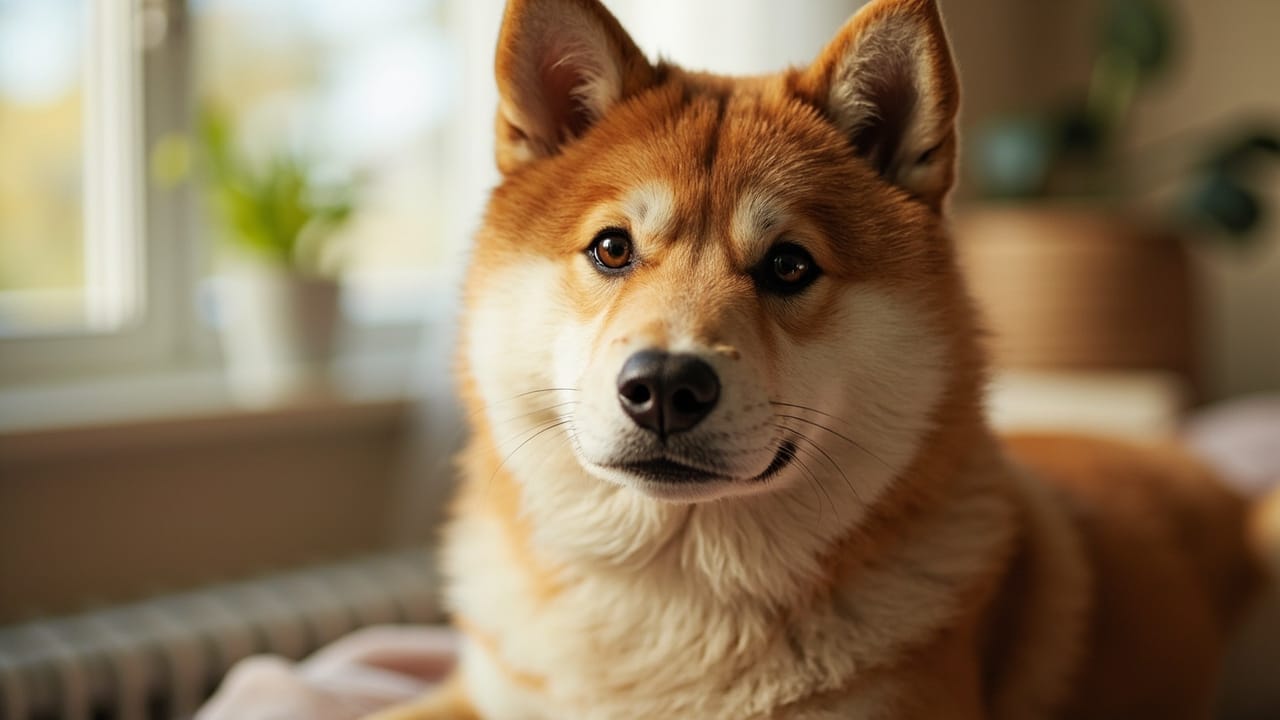
시바견은 얼마나 자주 목욕시켜야 할까요? 전문가 그루밍 가이드
시바견은 보통 6~8주에 한 번, 또는 진짜로 더러워지거나 냄새가 날 때만 목욕을 시키세요. 너무 자주 목욕시키면 털의 천연 유분이 빠져 건조한 피부와 푸석한 모피를 유발합니다. 목욕 사이에는 주 2~3회 빗질해 주면 털을 깨끗하고 건강하게 유지할 수 있습니다.

시바견에게 가장 좋은 브러시와 탈모 도구: 전문가 가이드
시바견에게 가장 좋은 브러시와 탈모 도구는 일상의 관리용 슬리커 브러시(혹은 핀 브러시)와, 연 2회 진행되는 털갈이 시기(coat blow)에 사용할 언더코트 레이크 또는 FURminator 같은 탈모 도구의 조합입니다. 마지막에는 스테인리스 스틸 빗으로 마무리하여 촘촘한 이중 피모를 사시사철 건강하게 유지해 줍니다.

시바견의 도어대싱(문으로 돌진해 나가는 행동)과 탈출을 막는 방법
시바견의 도어대싱을 막으려면 다층적인 시스템이 필요합니다. 견문(犬門)·리드줄·크레이트 같은 안전한 물리적 차단장치, 고가치 보상으로 강화한 확고한 호출 반응과 '잠깐(wait)' 명령, 그리고 시바견이 침착해질 때까지 문을 절대 열지 않는 일관된 프로토콜이 그것입니다. 시바견은 독립적으로 일하도록 사육된 탈출의 명수이기 때문에, 훈련만큼이나 관리가 중요합니다.
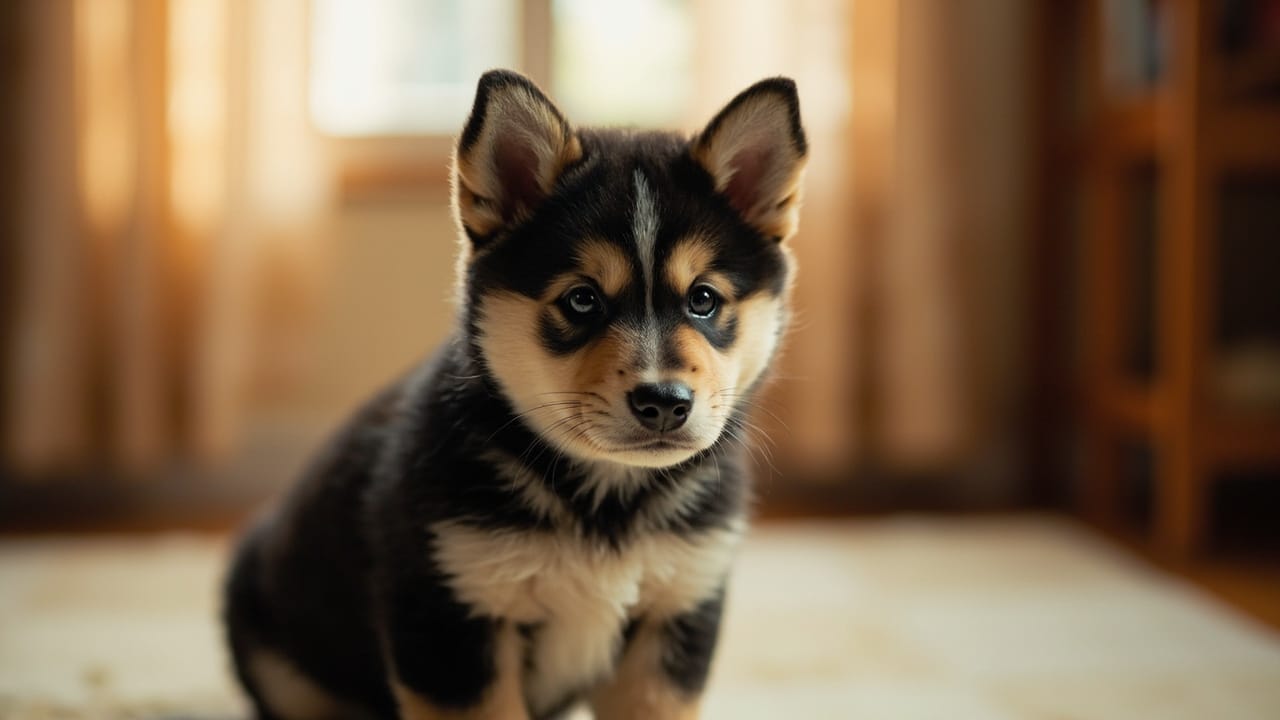
시바견 puppy 첫 주 훈련 일정: 하루하루 계획
첫 주 시바견 훈련 계획은 하루에 5분씩 세 번의 세션에 집중하며, 이름 인식, 크레이트 적응, 배변 훈련, 기본적인 '앉아'를 다룹니다. 세션은 짧게 유지하고, 고가치 간식으로 보상하며, puppy가 그만하고 싶어하기 전에 항상 세션을 끝내세요. 이 짧고 일관된 구조는 시바견의 독립적인 성향을 존중하며, 대부분의 새 주인을 좌절시키는 고집을 예방합니다.

시바견을 더 나쁘게 만들지 않으면서 훈육하는 방법: 현실적인 가이드
시바견을 훈육한다는 것은 환경을 관리하고, 원하는 행동을 강화하며, 물리적 위협이나 공포를 주는 처벌을 절대 사용하지 않는다는 뜻입니다. 시바는 민감하고 자치적인 견종이기 때문에 거친 교정은 신뢰를損하고 자원 지키기(guarding)나 반응성 같은 문제를 악화시킵니다. 긍정적 강화, 일관성, 인내심은 이 견종에게 선택이 아닌 유일하게 작동하는 방법입니다.
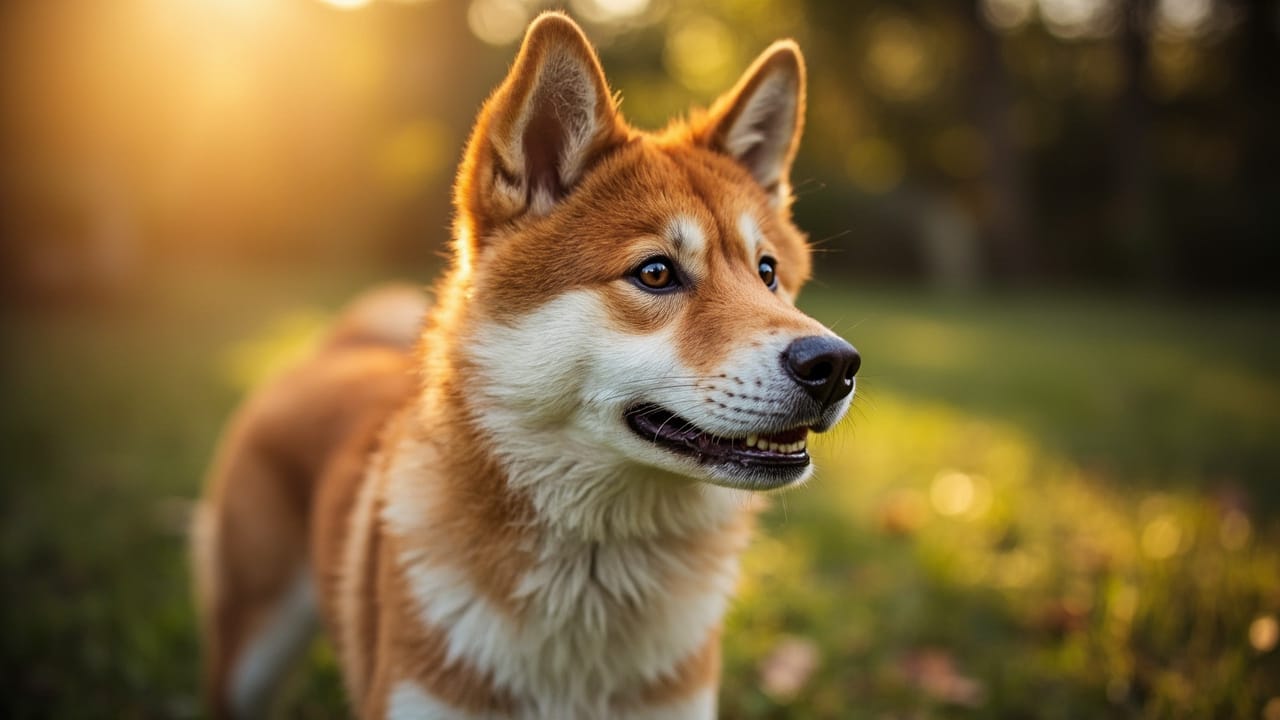
시바견 충동 조절 훈련법: 완벽 가이드
시바견의 충동 조절은 '잇아', '놓아', '기다려' 같은 매일의 체계적인 훈련과 보상 기반 훈련, 그리고 일관된 환경 관리를 통해 길러집니다. 시바견은 독립심이 강하고 사냥 본능이 강한 오래된 품종이기 때문에, 훈련 세션은 짧고 긍정적으로, 그리고 자주 반복되어야 합니다. 대부분의 보호자들은 일관되게 훈련한 지 8-12주 안에 신뢰할 수 있는 결과를 보기 시작합니다.

시바견을 위한 최고의 정신 자극 및 퍼즐 게임
시바견에게 가장 좋은 정신 자극은 후각 훈련, 간식 배분 퍼즐, 그리고 짧은 문제 해결 게임(10~20분)을 결합한 것입니다. 시바견은 지능적이지만 독립적인 견종이므로, 활동을 자주 교체하고 퍼즐을 보상 기반 훈련과 함께 진행하여 지루함과 '시바 500'을 예방하세요.

시바견 줄 반응성 교정법: 단계별 훈련 계획
시바견의 줄 반응성은 리드를 더 세게 당겨서가 아니라, 유발 자극에 대한 새로운 감정 반응을 가르쳐서 교정합니다. 높은 가치의 간식을 사용해 둔감화와 반조건화를 진행하세요. 시바가 알아차리지만 폭발하지 않는 '임계 거리'를 유지하고, 차분한 행동에 보상하세요. 대부분의 시바는 4~12주간의 일관된 훈련으로 개선됩니다.

시바견(Shiba Inu) 강아지 리드 훈련 방법: 단계별 가이드
시바견 강아지 리드 훈련은 긍정적 강화, 짧고 빈번한 세션, 그리고 잘 맞는 하네스를 기반으로 합니다. 시바견은 독립적이고 사냥본능이 강하며 리드 위를 걷는 것을 유난히 꺼리기 때문입니다. 실내에서 시작하고, 옆에 있는 모든 발걸음을 보상하며, 공공장소에서 차분하게 산책하기 전에 점차 방해 요소를 추가하세요. 처음 8-12주 동안의 일관성이 고집 센 강아지를 신뢰할 수 있는 산책 파트너로 만들어 줍니다.

시바견에게 '놓아' 명령 가르치는 방법: 단계별 가이드
시바견에게 '놓아'를 가르치는 것은 충동 조절 게임, 고가치 보상, 그리고 일관성에 달려 있습니다. 시바는 독립적이고 쉽게 지루해하기 때문에, 짧은 훈련 세션과 산만함을 이길 수 있는 보상이 신뢰할 수 있는 결과를 내기 위해 필수적입니다.

시바견에게 앉기와 stay를 가르치는 법: 단계별 가이드
코 위에서 간식으로 유인하여 엉덩이가 바닥에 닿는 순간을 표시하고 보상하여 시바견에게 앉기를 가르칩니다. 방해 요소가 적은 방에서 1초의 짧은 시간부터 시작하여 점차 거리, 지속 시간, 방해 요소를 더해 가며 'okay'와 같은 명확한 해제어를 사용하면서 신뢰할 수 있는 stay를 만드세요.

시바견 클릭커 훈련: 실제로 효과가 있는 단계별 가이드
시바견에게 클릭커 훈련을 하는 방법은 작은 클릭 소리와 treats를 짝지어 원하는 행동을 하는 정확한 순간을 표시한 다음, 점진적으로 더 복잡한 행동을 형성해 나가는 것입니다. 시바는 이 방법이 정확하고 공정하며, 그들의 독립적인 사고방식이 두려움에 복종하는 것이 아니라 스스로 참여하도록 허용하기 때문에 잘 반응합니다. 훈련 세션은 짧게 유지하고, 고가치 treats를 사용하며, 항상 먼저 클릭한 후 보상하세요.

시바견이 호출 시 돌아오도록 가르치는 최고의 리콜 게임
시바견은 악명 높게 독립적이기 때문에 리콜 훈련은 그들이 이기고 싶어하는 게임처럼 느껴져야 합니다. 최고의 리콜 게임은 그들의 강한 사냥 본능과 음식 동기를 짧고 고가치의 보상 폭발과 결합시켜, 다른 무엇이 일어나든 당신에게로 돌진하는 반사 신호를 만들어냅니다. 하루에 3-5개의 게임을 번갈아 사용하면 4-8주 안에 '내가 원하는 때에 돌아올' 시바의 태도를 무력화할 수 있습니다.

시바견이 사람에게 점프하는 것을 멈추게 하는 법: 검증된 훈련 계획
시바견의 점프를 멈추게 하려면 점프를 무시하고(돌아서기, 눈 마주치지 않기, 만지지 않기) 네 발이 바닥에 닿았을 때 보상하세요. 모든 방문객의 일관성은 필수입니다. 단 한 번의 강화된 점프라도 그 습관을 살려두기 때문입니다. 매일 '인사할 때 앉기' 규율과 방문객이 오기 전에 사냥 본능 에너지를 소진시키는 예방적 운동 루틴을 추가하세요.

시바견 실내 마킹 행동 멈추는 법 (완벽 가이드)
시바견의 실내 마킹은 먼저 중성화 수술을 통해 멈추게 한 뒤, 엄격한 청소 루틴(효소 기반 세정제만 사용), 리드줄을 이용한 밀착 관리, 날카로운 '아니'로 즉각적인 중단, 올바른 장소에서 보상하는 '배변' 훈련 명령을 병행하세요. 본능적으로 청결한 이 품종에서 2~6주간의 일관성 있는 훈련이 대부분의 마킹 문제를 해결합니다.

시바견이 마당을 파헤치는 것을 막는 방법
시바견이 마당을 파헤치는 것을 멈추게 하려면, 하루 60~90분의 운동을 시키고, 흙을 충분히 채운 전용 파기 장소를 만들어 주고, 마당에서 놀 때 곁에서 지켜보며, 유혹 요소(쥐, 갓 갚아엎은 흙)를 제거하세요. 시바의 파기 충동은 유전적인 것이지 심술이 아니기 때문에, 일관성이 벌보다 더 중요합니다.

시바 이누 분리불안 대처법: 완벽 가이드
시바 이누의 분리불안은 점진적인 감수성 낮추기, 크레이트 훈련, 일관된 혼자 있는 시간 루틴으로 관리합니다. 시바는 독립적이면서도 강하게 애착을 맺는 견종이기 때문에, 짧고 반복적인 외출과 고가치 보상, 풍부한 자극을 함께 제공하면 가장 빠르게 개선됩니다. 대부분의 경우 구조화된 훈련을 시작하면 4–12주 안에 해결됩니다.

시바 이누 밤에 짖는 문제: 원인과 해결 방법
시바 이누는 본래 조용한 견종이며 별다른 이유 없이 짖는 일이 거의 없기 때문에, 밤에 짖는 것은 보통 채식 부족, 지루함, 불안, 쌓인 에너지, 혹은 실제 경고 신호처럼 충족되지 않은 요구가 있음을 의미합니다. 먼저 원인(필요 vs 경고 vs 행동 습관)을 파악한 뒤, 일정한 루틴, 저녁 enrichment 활동, 크레이트 훈련, 요구 짖음 무시하기 등으로 해결하세요.

시바견(시바 이누) 강아지의 물기와 깨무는 행동을 멈추는 방법
시바 이누 강아지는 세상을 탐험하는 수단이 입이기 때문에, 그리고 시바견이 강한 사냥 본능과 빠른 반사신경을 가진 오래된 원시 품종이기 때문에 물고 깨물곤 합니다. 장난감으로 관심을 돌리고, 이빨이 살갗에 닿는 순간 놀이를 끝내며, 6~8개월간 일관되게 대처하여 이 시기를 무사히 보내도록 하세요.

시바견이 줄을 당기는 행동을 고치는 방법
시바견의 줄 당김 행동은 체계적인 롤즈-리쉬 훈련 프로그램으로 교정할 수 있습니다. 프론트클립 하네스나 표준 6피트 줄을 사용하고(리트랙트 러시는 절대 사용하지 않음), 눈이 마주치는 순간과 허리 옆에서 줄이 느슨해지는 순간에 보상을 제공하며, 줄이 팽팽해지는 즉시 움직임을 멈추세요. 2~4주간 일관성 있게 실천하면 안정적인 결과를 얻을 수 있지만, 이 독립적인 견종은 평생에 걸쳐 규칙을 시험할 것입니다.

일본 원산 토종 견종 6종: 시바의 위치
일본에는 시바, 시코쿠, 기슈, 아키타, 홋카이도, 카이 등 천연기념물로 공식 지정된 6종의 토종 견종이 있습니다. 시바 이누는 그중 가장 작은 견종으로, 험준한 산악 지형에서 소형 동물을 몰아내는 사냥용으로 처음 사육된 소형 스피츠형 견종입니다. 이 6종은 모두 공통의 유전적 조상을 공유하며, 시각적으로 연결해 주는 시그니처 우라지로 무늬를 가지고 있습니다.

도지 밈, 도지코인, 카보수와 치즘: 시바의 인터넷 명성
도지 밈은 일본의 구조견 시바 이누 카보수의 2010년 사진에서 탄생했으며, 이 한 사진이 수십억 달러 규모의 암호화폐, 글로벌 밈 제국, 그리고 치즘이라는 두 번째 바이럴 스타를 탄생시켰습니다. 시바 이누는 인터넷의 비공식 마스코트가 되었고, 이 품종의 실제 역사는 바로 그들의 얼굴이 웹을 점령한 이유를 명확히 설명해 줍니다.

"시바견"은 무슨 뜻이고, 발음은 어떻게 하나요?
"시바 이누(Shiba Inu)"는 일본어로 "brushwood dog(낮게 자라는 관목 속의 사냥개)"라는 뜻입니다. "shiba"는 관목灌木이나 붉은색을 의미하고, "inu"는 단순히 "개(dog)"라는 뜻입니다. 발음은 "SHEE-bah EE-noo"로, "Shiba"의 두 음절에 같은 강세를 두고 끝의 "noo"는 분명하게 발음합니다("new"가 아님).

시바견을 혼자 둘 수 있나요? 가능한 시간, 팁, 그리고 알아야 할 점
네, 시바견은 혼자 둘 수 있지만 짧은 시간 동안만 가능합니다 — 보통 성견은 4~6시간, 어린 강아지는 최대 2시간까지입니다. 시바견은 고독에 비교적 잘 견디는 독립적인 견종이지만, 파괴적 행동과 분리 불안을 예방하려면 매일 컴패니언십, 정신적 자극, 안전한 환경이 여전히 필요합니다.

시바견이 첫 반려견으로 적합한가요? 초보자를 위한 솔직한 가이드
솔직히 말하면, 그렇지 않습니다. 시바견은 보통 첫 반려견으로 적합하지 않습니다. 똑똑하지만 매우 독립적이고 고집이 세며 훈련이 notoriously 어렵기 때문에 초보 반려인에게 큰 부담이 될 수 있습니다. 시바견은 강아지 행동心理를 이해하고, 단호하고 일관된 경계를 설정할 수 있으며, 복종을 요구하는 대신 시바의 존경을 천천히 얻을 수 있는 인내심을 가진 경험 많은飼育자에게 가장 잘 맞습니다.

시바견이 아파트에서 살 수 있을까? 가능합니다, 방법은 다음과 같습니다
네, 시바견은 아파트에서도 잘 적응하며 살 수 있습니다. 이 작고 조용하며 깨끗한 품종은 세심한主人的 꾸준한 관심 아래 운동·정서 자극·사회적 욕구가 충족된다면 작은 생활 공간에도 매우 잘 어울립니다.

시바 이누는 고양이나 다른 개와 잘 지낼 수 있을까? 완전 가이드
시바 이누는 고양이나 다른 개와 잘 지낼 수 있지만, 성공 여부는 초기 사회화, 개체의 기질, 그리고 구체적인 역학관계에 크게 좌우됩니다. 많은 시바가 함께 자란 고양이와는 평화롭게 공존하지만, 같은 성별의 개체끼리의 조합이나 작은 반려동물은 강한 사냥 본능을 자극할 수 있습니다. 신중하고 점진적인 소개 과정은 다중 반려동물 가정에서 필수적입니다.

시바견이 나와 잘 맞을까? 솔직한 견주 가이드
시바견은 독립적이고 깨끗하며 고양이 같은 성격의 반려견을 소중히 여기고, 일관된 훈련과 안전한 환경, 그리고 시바견 특유의 강한 개성을 받아들일 수 있는 분께 잘 맞습니다. 초보 견주, 아주 어린 자녀가 있는 가정, 훈련에 투자할 의지가 없는 아파트 거주자, 또는 애교 많고 즉시 순종하는 리트리버 계열 견종을 기대하시는 분에게는 적합하지 않습니다.

시바견 vs 핀란드 스피츠, 포메라니안 & 여우 얼굴 견종 비교
시바견은 체력과 독립성에 맞춰 사육된 중형 사이즈의 원시적 일본 스피츠 사냥견인 반면, 핀란드 스피츠, 포메라니안, 아키타 같은 외형 유사종들은 여우 같은 얼굴을 공유하지만 크기, 성격, 용도에서 큰 차이를 보입니다. 약 10kg 패키지의 고양이 같은 운동선수 반려견을 원하신다면 시바견이 확실한 선택이며, 초소형 토이 견종, 수다스러운 사냥견, 또는 대형 경비용 스피츠를 원하신다면 다른 견종들이 더 적합합니다.

시바견 vs 홋카이도, 기슈 및 기타 일본 견종
시바견은 일본 토착 스피츠 6종 가운데 가장 작은 견종으로, 체고 35-43cm에 체중 8-10kg인 반면, 홋카이도, 기슈, 시코쿠, 카이, 아키타는 모두 중대형 사냥개로, 더 큰 사냥감과 험난한 지형에 맞게 만들어졌습니다. 외형은 비슷하지만 성격은 분명히 다른데, 시바는 경계심이 강하고 아파트에 적합한 반려견인 반면, 더 큰 일본 견종들은 더 낯을 많이 끼고, 더 무리 지향적이며, 다루기에도 더 까다로운 경향이 있습니다.

시바견 vs 한국 진돗개: 어떻게 구별할까
시바견과 한국 진돗개는 놀라울 정도로 비슷해 보이지만, 핵심적인 차이점이 있습니다. 시바견은 더 작고(8-10kg), 빨강, 깨씨, 블랙앤탄, 크림색이 있으며 눈이 더 둥근 반면, 진돗개는 더 크고(15-23kg), 주로 흰색이나 브린들이며, 아몬드형 눈을 가진 더 운동선수다운 다리가 긴 체형입니다. 성격도 다릅니다. 시바견은 유명할 정도로 독립적이고 고양이 같은 반면, 진돗개는 한 주인과 강렬하게 유대감을 형성하며 낯선 사람에게는 더 경계가 많습니다.

시바견 첫해 실제 사육 비용 (2025년 분석)
시바견을 키우는 첫해에 약 $3,800~$6,800 정도를 지출할 것으로 예상하시면 됩니다. 이 중 큰 비중을 차지하는 항목은 강아지 자체($1,400~$5,000), 핵심 수의 진료비($400~$900), 용품($300~$600), 사료($300~$500), 훈련($150~$1,200), 미용($150~$300)입니다. 쇼 퀄리티 강아지를 챔피온 혈통 브리더에게서 구하거나 생활비가 비싼 도시에 살 경우에는 상위 예산을 잡으시는 것이 좋습니다.

시바견 브리더에게 puppy 구매 전 꼭 물어봐야 할 질문들
평판이 좋은 시바견 브리더라면 건강, 유전, 성격에 대한 질문을 환영할 것입니다. 양쪽 부모 모두의 OFA/CHIC 검사 결과를 요구하고, 사회화 증명 자료, 건강 보증이 포함된 서면 계약서, 그리고 이전 구매자들의 참고인을 요청하세요. 서류를 제공할 수 없거나 제공하려 하지 않는 사람, 8~10주 이전에 puppy를 분양하는 사람, 항상 puppy를 보유하고 있는 사람과는 거래를 피하십시오.
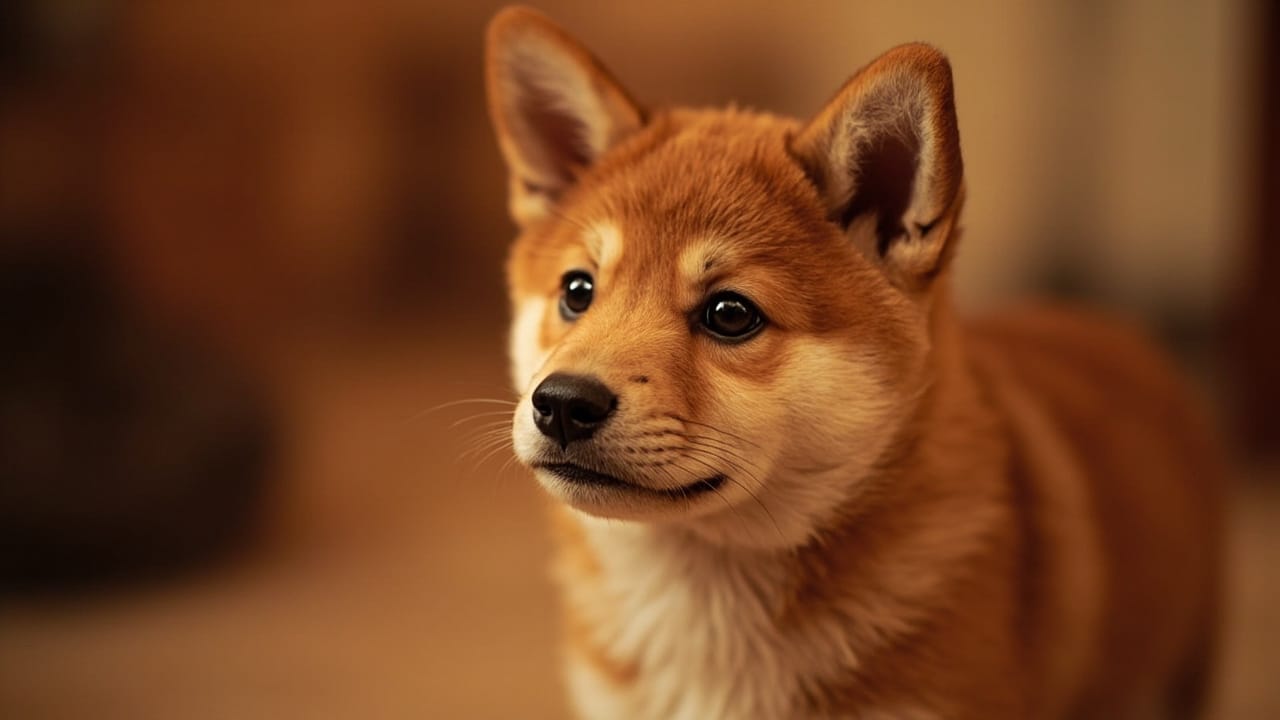
마메 시바 완벽 해설: 미니 시바, 콩 시바, 그리고 왜 논란이 되는가
마메 시바(Mame Shiba)는 선별적으로 사육된 표준 미달 크기의 시바견으로, 보통 어깨 높이가 9-14인치, 체중이 5-12파운드로 공식 품종 표준보다 훨씬 작습니다. 어떤 주요 애견 클럽에서도 인정하지 않으며, 평판 좋은 브리더들 사이에서 논란이 되고, 슬개골 탈구와 약한 뼈를 비롯한 심각한 건강 문제와 관련이 있습니다.

시바견의 우라지로: 그것이 무엇이며 품종 표준에서 중요한 이유
우라지로는 모든 시바견에게서 요구되는 크림색부터 흰색까지의 복부 마킹으로, 볼, 주둥이, 가슴, 배, 다리 안쪽, 꼬리 아래쪽에서 나타납니다. 이는 NIPPO와 AKC 품종 표준에서 모두 필수적인 형질이며 품종의 올바른 '우라지로' 표현을 정의하는 시각적 특징입니다. 올바른 우라지로가 없으면 시바견은 컨포메이션 링에서 챔피언 타이틀을 획득할 수 없습니다.

시바견(Shiba Inu) 털 색상 총정리: 레드, 블랙앤탄, 세사메, 크림
시바견은 레드, 블랙 앤 탄, 세사메, 크림 네 가지 털 색상이 있습니다. 그중 레드가 가장 흔하고 대표적인 색이며, 모든 인정받는 색상은 반드시 우라지로(urajiro) — 볼, 가슴, 배, 안쪽 다리에 나타나는 크림빛 흰색 무늬 — 를 품고 있어야 합니다(품종 표준에서 요구).

시바견을 구매하거나 입양하는 방법: 브리더 대비 구조견
시바견을 만나는 두 가지 윤리적인 경로는 평판 좋은 브리더($1,400~$3,500+) 또는 품종 전문 구조견($300~$500)입니다. 평판 좋은 브리더는 부모견에 대해 엉덩이, 슬개골, 눈 건강 검사를(CHIC) 진행하는 반면, 구조견은 알려진 성격을 가진 성견을 제공합니다. 반려동물 가게, 온라인 게시판, 건강 검사 증명서를 보여줄 수 없는 사람은 피하세요.

시바견 최고의 훈련 방법: 종합 가이드
시바견은 긍정적 강화 훈련에 가장 잘 반응하며, 이는 그들의 독립적이고 고양이 같은 성격을 존중하는 방식입니다. 고가치 간식을 사용하고 일관된 경계를 설정하는 짧은 보상 기반 세션이 벌 기반 훈련보다 훨씬 효과적인데, 벌 기반 훈련은 신뢰를損치고 고집스러운 무반응을 유발하는 경우가 많습니다. 초기 사회화와 자신감 있고 침착한 핸들러는 예의 바른 시바를 키우는 데 필수 불가결합니다.

시바견 크레이트 훈련: 단계별 가이드
시바견 크레이트 훈련은 1~3주에 걸쳐 작고 보상 기반의 단계를 통해 크레이트를 반려견의 삶에서 가장 긍정적인 공간으로 만듦으로써 이루어집니다. 시바견은 독립적이고 유난히 깨끗한 성격 덕분에, 크레이트를 절대 벌로 사용하지 않는다면 많은 견종보다 더 빨리 적응하는 경우가 많습니다.

시바견을 오프리시(줄 없이)로 훈련할 수 있을까? 호출과 사냥 본능
네, 시바견은 줄 없이 훈련할 수 있지만, 성공이 보장되는 것은 아니며 개체의 기질, 사냥 본능의 강도, 초기 사회화와 훈련의 질에 크게 좌우됩니다. 대부분의 시바는 울타리가 없거나 개방된 공간에서 100% 신뢰할 수 있는 호출 반응을 보이지 않으며, 많은 숙련된 보호자들은 안전을 위해 리드를 사용하거나 안전하게 둘러싸인 공간에 가둡니다.

시바견 자원 지키기 및 음식 공격성 해결 방법
시바견의 자원 지키기와 음식 공격성은 감작(desensitization) 및 역조건화(counter-conditioning) 프로그램에 가장 잘 반응합니다. 더 가치 있는 아이템으로 교환(trade up)하기, 강한 '놓아라(drop it)'와 '그만 둬(leave it)' 단어를 가르치기, 환경 관리를 통해 유발 요인을 차단하기, 그리고 지키는 행동을 보이는 개를 절대 처벌하지 마세요. 대부분의 시바는 일관된 훈련을 시작한 후 4-8주 이내에 개선되지만, 이 품종은 독립적인 성격 때문에 진전이 거의 선형적이지 않습니다.

시바견을 사회화하는 방법: 결정적인 16주 윈도우
시바견 강아지를 사회화한다는 것은 생후 3주에서 16주 사이에 새로운 사람, 개, 환경, 소리, 표면을 안전하게 경험하도록 하는 것을 의미합니다. 시바견은 유전적으로 무관심하고 경계심이 강하며 반응성, 공포성 공격성, 동성 간 개 공격성을 보이는 경향이 있기 때문에 초기의 사회화가 자신감 있고 안정적인 성견으로 키울 수 있는 유일하고도 신뢰할 수 있는 방법이므로 이는 매우 중요합니다.

시바견 노후 관리: 노화의 징후와 말기 지원
시바견은 13~16년의 수명을 자랑하는长寿 품종 중 하나로, 대부분 9~10세경에 노년기에 접어듭니다. 양질의 말기 지원은 노화 징후의 조기 인식, 선제적인 수의학적 관리, 가정에서의 이동성과 편안함 조정, 그리고 삶의 질이 저하될 때 정보를 바탕으로 한 자비로운 결정을 중심으로 이루어집니다.

시바견 브리더 건강 검사: OFA, CHIC, 그리고 슬개골 가이드
책임감 있는 시바견 브리더는 최소한 OFA 엉덩이, OFA 슬개골, CAER(구 CERF) 안과 검사를 실시합니다 — 이 세 가지가 전국 견종 클럽에서 요구하는 CHIC 인증을 구성합니다. PRA, 녹내장, 갑상선 기능을 위한 유전자 검사도 breeding 전에 강력히 권장됩니다.

시바견 갑상선 기능 저하증: 증상, 진단 및 관리
네, 시바견은 갑상선 기능 저하증에 유전적으로 predisposed되어 있으며, 보통 4세에서 10세 사이에 발병합니다. 원인 불명의 체중 증가, 무기력, 양쪽 대칭성脱毛(특히 꼬리와 옆구리), 추위에 대한 민감성, 반복되는 피부 또는 귀 감염이 나타나는지 주시하세요. 진단에는 혈액 검사(T4, TSH, free T4)가 필요하며, 치료는 매일 복용하는 levothyroxine 정제로, 보통 몇 주 내에 정상적인 에너지가 회복됩니다.

시바견 눈 질환: 녹내장, 백내장, PRA 상세 설명
시바견은 유전성으로 발생하는 세 가지 주요 눈 질환에 취약합니다. 원발성 폐쇄각 녹내장, 백내장, 그리고 진행성 망막 위축(PRA)입니다. 이 세 가지 질환 모두 치료하지 않으면 실명으로 이어질 수 있지만, 매년 CERF/OFA 눈 검진을 통한 조기 발견이 예후를 크게 개선합니다. 책임 있는 브리더는 번식용 개체를 선별 검진하고, 신속한 수의학적 치료를 통해 affected dogs도 종종 편안한 일상을 영위할 수 있습니다.

시바견 고관절 이형성증과 슬개골 탈구: 관절 건강 완벽 가이드
시바견은 견종에서 가장 흔한 두 가지 정형외과적 관절 질환인 고관절 이형성증과 슬개골 탈구를 발병할 수 있습니다. 고관절 이형성증은 고관절 구멍에 영향을 미치며 OFA에서 검사한 시바견의 약 7.6%에서 발생하고, 슬개골 탈구는 무릎뼈가 제자리에서 벗어나는 질환으로 중증도에 따라 I등급부터 IV등급까지 분류됩니다.

시바견은 알레르기가 있나요? 시바견 피부 문제 & 아토피 피부염 가이드
네, 시바견은 알레르기와 피부 문제가 잘 생기는 품종이며, 그중에서도 아토피 피부염(환경 알레르기)이 가장 흔한 질환 중 하나입니다. typical signs include itching, redness, ear infections, and "hot spots" on the belly, paws, and face. Management combines allergy testing, diet, medicated baths, and—in moderate-to-severe cases—immunotherapy or Apoquel.

더블코트 시바견을 더위와 추위에서 편안하게 유지하기
시바견의 더블코트는 스스로 온도를 조절하는 단열재입니다. 여름에는 시원한 공기를 가두고 겨울에는 따뜻한 공기를 가둡니다. 당신의 역할은 이 코트와 함께 일하는 것이지, 거스르는 것이 아닙니다 — 절대 미용하지 마세요. 더운 날에는 그늘, 물, 환기를 제공하고, 추운 날에는 마른 언더코트와 적절한 레이어링에 의존하세요.

시바견 밥 주기: 연령과 체중별 완벽 급여 가이드
성견 시바에게는 고품질 건사료(또는 동일 칼로리량)를 1일 1~1.5컵 정도를 두 끼로 나눠 급여하되, 체중, 연령, 활동량에 따라 조절합니다. 자견은 3~4끼의 성장기 전용 사료가 필요하고, 노령견은 저칼로리·관절 보조 식단이 좋습니다. 급여량은 사료 뒷면 라벨이 아닌 체형 컨디션을 기준으로 정하세요.
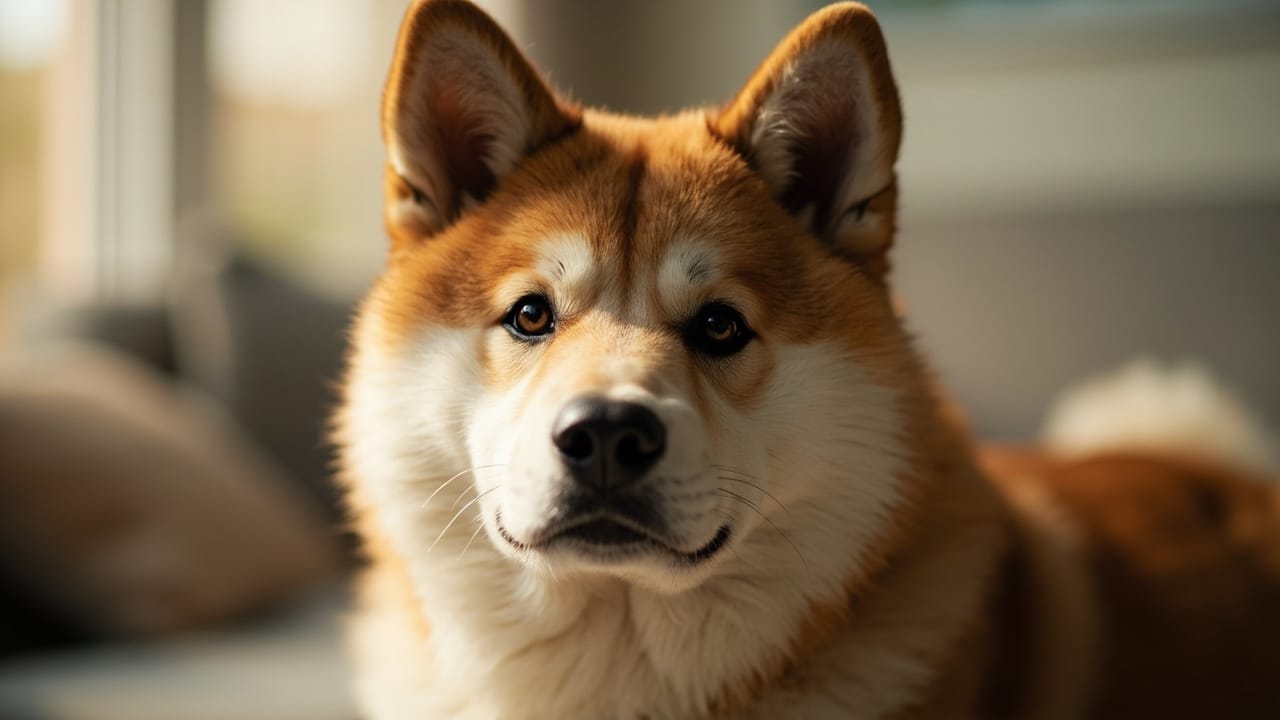
시바견은 냄새가 날까? 목욕 빈도 & 코트 관리 가이드
시바견은 깨끗하고 고양이 같은 자체 그루밍 습관과 자연 방수 이중 코트 덕분에 가장 냄새가 적은 견종 중 하나입니다. 대부분의 시바는 6~8주에 한 번(대략 한 달에 한 번) 전체 목욕이 필요하며, 그 사이에는 부분 세척과 타월로 닦아주면서 코트의 자연 유지를 보존해야 합니다.
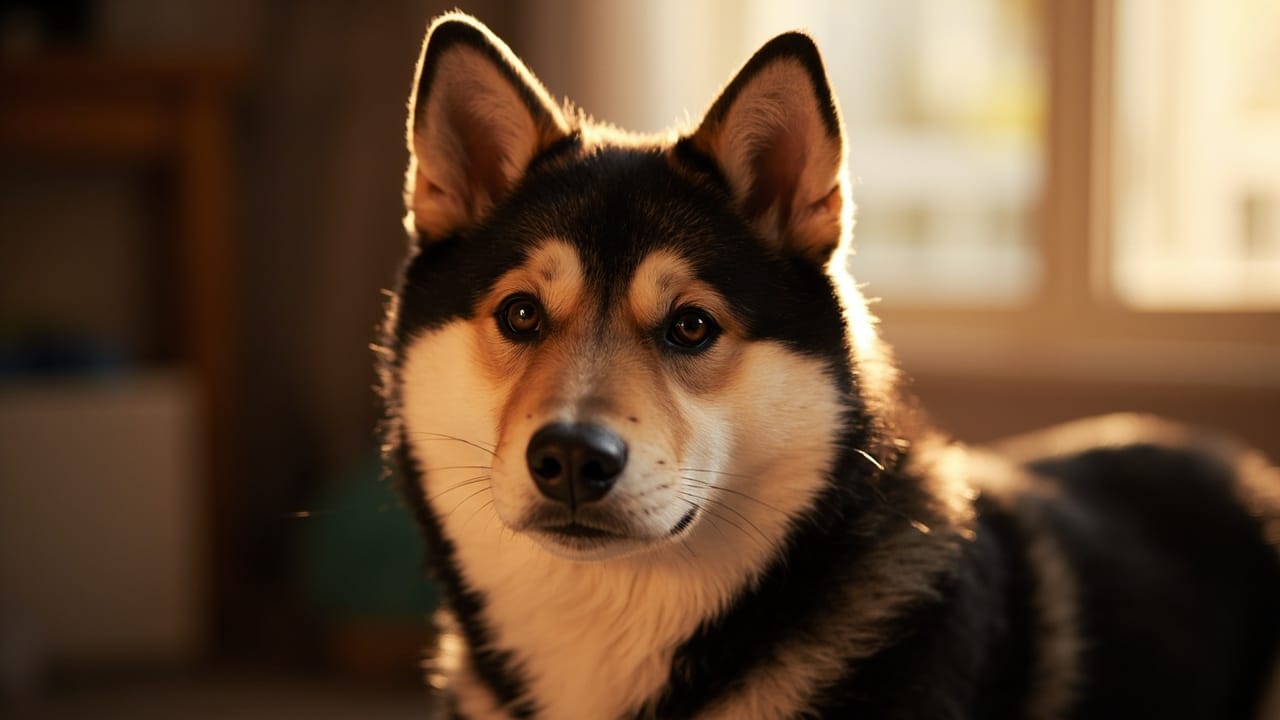
시바견 운동 필요량: 하루에 얼마나 활동해야 할까?
건강한 성체 시바견은 하루에 구조화된 운동을 45~60분 정도 해야 하며, 두 번의 세션으로 나누고, 가능하면 안전한 공간에서 리드줄 없이 자유롭게 뛰어다니게 해주는 것이 좋습니다. 강아지는 자라는 관절을 보호하기 위해 짧고 신중한 세션(개월 수당 5분)이 필요하며, 노견도 가볍게 20~30분 정도 움직여야 유연하고 마른 체형을 유지할 수 있습니다.

시바견 그루밍: 빗질, 목욕, 그리고 그 상징적인 털 관리 방법
시바견은 일년 중 대부분 주 1~2회 빗질해 주세요. 그리고 털이 많이 빠지는 환절기(연 2회)에는 매일 빗질해 주세요. 목욕은 6~8주에 한 번(필요할 때만), 발톱은 2~4주마다, 양치는 일주일에 여러 번, 귀는 매주 점검해 주세요. 시바견은 깨끗하고 체취가 거의 없는 견종으로, 이중 모피는 최소한의 관리로 가장 좋은 상태를 유지합니다.

시바 이누는 저알레르기 견종인가요? 솔직한 답변
아니요, 시바 이누는 저알레르기 견종이 아닙니다. 이 견종은 짙은 이중모피를 가지고 있어 일년 내내 심하게 털이 빠지며, 일년에 두 번 털갈이를 하면서 상당량의 비듬과 주요 개 알레르겐인 Can f 1을 집 안에 퍼뜨립니다. 알레르기가 있는 사람은 반응을 예상해야 하지만, 개인의 민감도에 따라 차이는 있습니다.

시바견이 탈출하는 이유와 예방법
시바견은 독립적이고 사냥본능이 강한 견종으로, 일본의 산악지대를 자유롭게 돌아다니도록 사육되어 왔기 때문에 고집스럽고 고양이 같은 자립성을 지니고 있어 탈출을 시도합니다. 이들은 기어오르고, 땅을 파고, 점프하고, 작은 틈으로도 빠져나갑니다. 예방을 위해서는 6피트 이상의 울타리, 매설된 하드웨어 메시, 기어오를 수 있는 물건 제거 등 물리적 보안이 필수적이며, 정신적·신체적 피로 누적, 리콜 훈련, 지속적 감독이 함께 이루어져야 합니다.

시바 이누는 집착형인가요, 무관심형인가요? 그들의 애착 방식을 이해하기
시바 이누는 집착형이 아니라 유명한 무관심형입니다. 가족과 깊은 유대를 형성하지만 보통 한 명의最喜欢的 사람을 선택하며, 고전적인 '시바의 충성심'을 보여줍니다 — 스스로의 방식대로 애정 표현, 본능적으로 독립적, 그리고 랩독처럼 늘 달라붙는 일은 거의 없습니다.
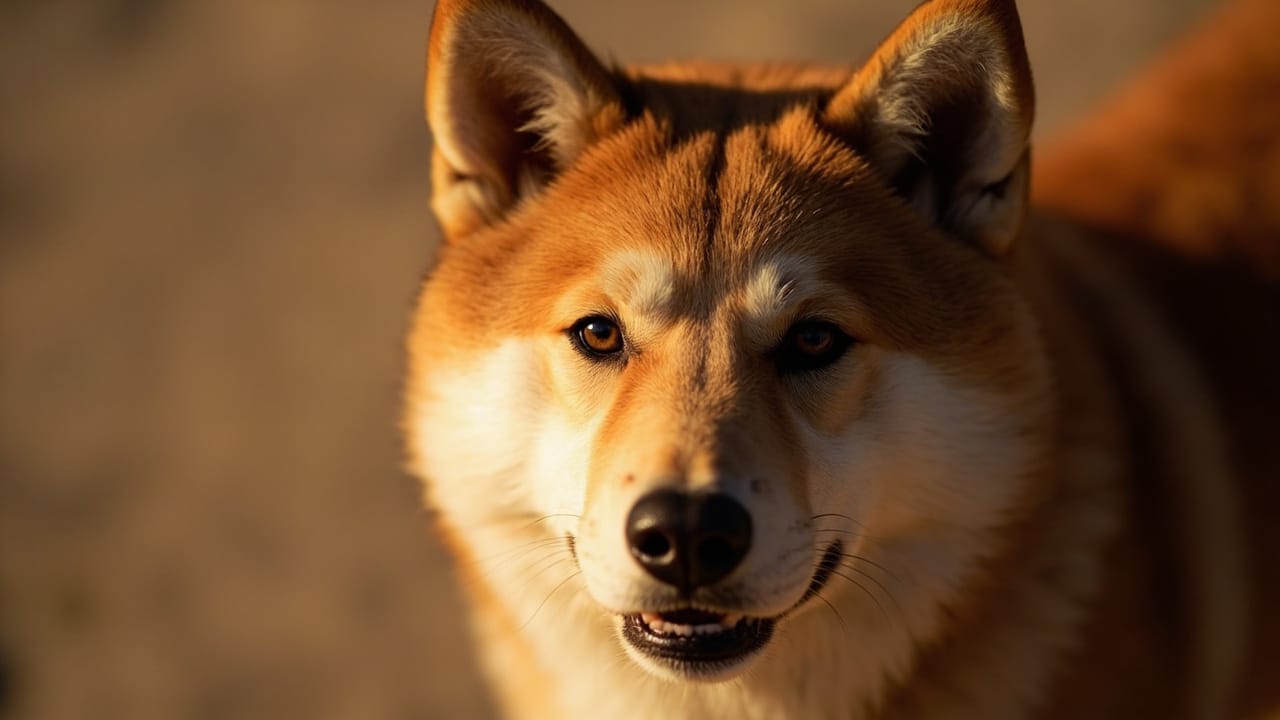
시바견은 많이 짖을까? 시바견의 울음소리에 대한 진실
시바견은 일반적으로 조용한 견종이며 대부분의 견종에 비해 많이 짖지 않습니다. 시바견은 과도한 짖음보다는 고음의 '시바 스크림(Shiba scream)'으로 대표되는 다양한 소리를 통해 의사소통하기 때문에, 올바르게 훈련받으면 아파트 생활에 놀라울 만큼 잘 어울립니다.

시바견은 왜 시바 500을 할까? 줌미(Zoomies)의 과학적 원리
'시바 500'은 쌓여 있던 정신적·신체적 에너지가 갑자기 분출되면서 일어나는 격렬하고 기쁨에 찬 짧은 질주입니다. 이는 개의 생물학에 근거한 정상적이고 건강한 행동이며, 문제 행동의 신호가 아닙니다. 대부분의 시바견은 매일, 특히 목욕 후, 식사 후, 혹은 이른 아침에 시바 500을 합니다.

시바견이 왜 이렇게 고집이 세고 독립적인가: 고양이 같은 기질의 모든 것
시바견은 일본 산악지대의 잡목숲에서 혼자 사냥하는 사냥개로 길러졌지, 사람과 함께 일하도록 키워진 것이 아닙니다. 그래서 독립성, 자립심, 강한 의지력은 결점이 아니라 생존을 위한 특성이었습니다. 여기에 자율성에 맞춰진 원시 스피츠형 뇌 구조, 강한 사냥 본능, 수 세기에 걸친 '스스로 생각하는 개'로의 선택적 육종이 더해지면서, 유명한 '고양이 같은' 시바가 탄생한 것입니다. 무뚝뚝하고 위엄 있으며, 선택적으로 애정을 표현하고, 언제나 본인 생각이 옳다고 믿는犬.

시바견 역사: 고대 일본에서 멸종 위기와 부흥까지
시바견은 일본에서 가장 오래된 견종 중 하나로, 2,000년 이상 전 산악 지대에서 소형 사냥감을 사냥하기 위해 만들어졌습니다. 제2차 세계대전 동안 거의 멸종 위기에 처했지만, 살아남은 세 혈통의 신중한 결합을 통해 구조되었으며, 현재는 전 세계에서 사랑받는 반려견이 되었습니다.

시바견은 좋은 가족견인가요? 부모를 위한 솔직한 가이드
시바견은 적절한 가정에서는 좋은 가족견이 될 수 있지만, 흔히 말하는 '가족 친화적' 품종은 아닙니다. 시바견은 보통 6세 이상의 또래이면서 서로를 존중할 줄 아는 아이들과, 집착형 리트리버 성격이 아니라 독립적이고 고양이 같은 기질을 좋아하는 소유자에게 가장 잘 맞습니다.

Shiba Inu vs Akita: 차이점은 무엇인가요? (체형, 성격, 돌봄)
Shiba Inu와 Akita는 모두 고대 일본 스피츠 계열 견종이지만, 체형, 성격, 돌봄 필요성에서 큰 차이를 보입니다. Shiba는 소형(8-11kg)에 고양이처럼 독립적인 반면, Akita는 대형(32-59kg)으로 대형 맹수 사냥과 보호를 위해培育된 강력하고 위엄 있는 수호견입니다.

신뢰할 수 있는 시바견 브리더를 선택하고 puppy mill의 경고 신호를 알아보는 방법
신뢰할 수 있는 시바견 브리더는 번식용 개체에 대해 건강 검사를(OFA 엉덩이, 슬개골, CERF/CAER 눈) 실시하고, 집 안에서 강아지를 사육하며 초기 사회화를 진행하고, 전국 또는 견종 클럽에 소속되어 있으며, 모든 것을 기꺼이 보여줍니다. 경고 신호로는 건강 검사 미실시, 항상 구매 가능한 강아지, 한 장소에서 여러 견종 사육, 방문 거부, 인터뷰 없이 펫샵이나 온라인 배송 판매 등이 있습니다.
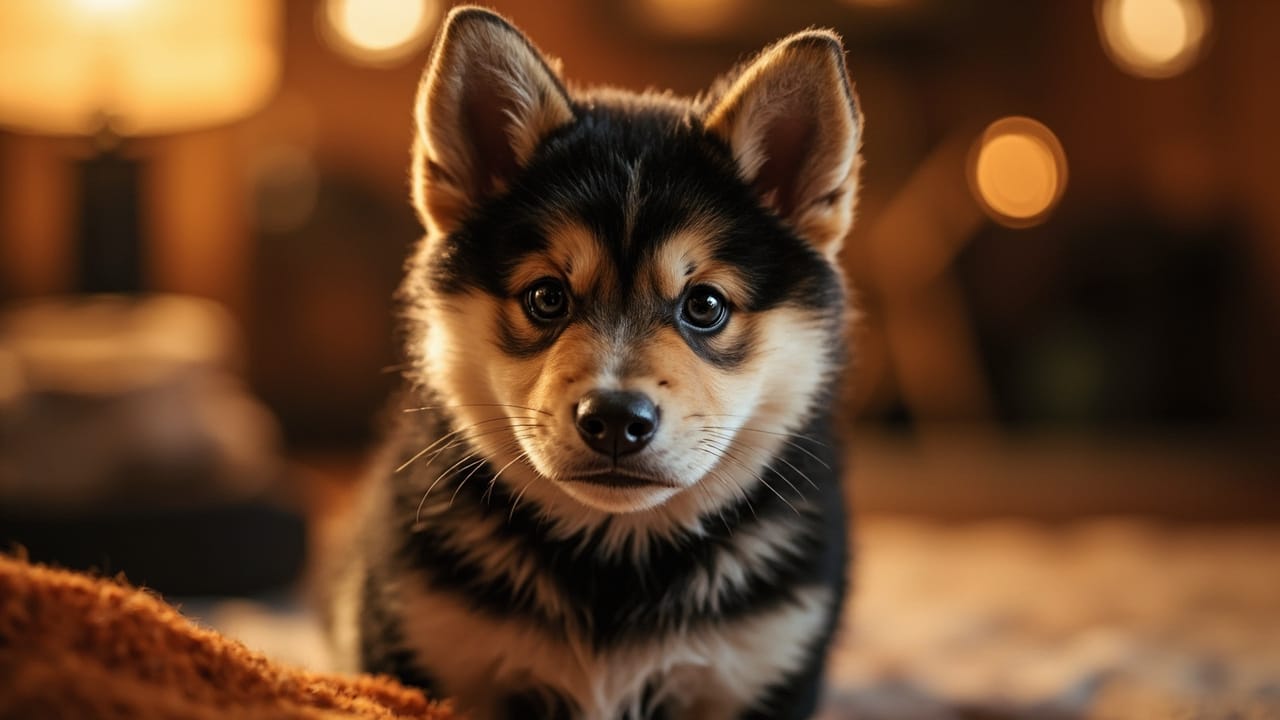
시바견 가격: 2024년 구매자를 위한 완벽한 비용 분석
미국에서 평판 좋은 브리더의 시바견 가격은 1,400달러에서 2,500달러이며, 쇼 품질의 강아지는 3,500달러에서 5,000달러까지 올라갑니다. 구조 보호를 통한 입양 비용은 약 300달러이며, 유전자 검사, 기본 용품, 첫해兽医 진료 같은 숨겨진 비용이 추가로 1,500~2,500달러가 될 수 있습니다.

시바견 새끼 배변 훈련 완벽 가이드
엄격한 스케줄, 끊임없는 관리, 야외 배변 즉시 보상을 통해 시바견 새끼를 배변 훈련시키세요. 대부분의 시바견은 생후 4~6개월이면 안정적으로 실내 배변을 배우지만, 이 품종의 독립적인 성격 때문에 다른 쉬운 품종보다 1~2개월 더 걸릴 수 있습니다.

시바견은 훈련시키기 어렵나요? 솔직한 견주 가이드
시바견은 독립적이고 고양이 같은 성격 때문에 훈련하기 어려운 견종 중 하나로 널리 알려져 있습니다. 단순히 고집이 세서 그런 것이 아니라, 일본의 산속에서 홀로 사냥하고 사람의 지시 없이 스스로 판단하도록 길러진 견종이기 때문입니다. 짧은 보상 기반 훈련, 초기 사회화, 일관된 규칙을 적용하면 대부분의 시바는 기본 복종과 집 안 규칙을 배우지만, 언제나 기꺼이 순종하는 래브라도가 되지는 않을 것입니다.

모든 소유자가 알아야 할 시바견의 흔한 건강 문제
시바견은 장수 품종(13~16년)이지만 특정 건강 문제에 취약합니다. 가장 흔한 질환으로는 아토피성 피부염, 슬개골 탈구, 고관절 형성 부전, 원발성 폐쇄각 녹내장, 백내장, 진행성 망막 위축증(PRA), 갑상선 기능 저하증이 있습니다. 책임감 있는 브리더는 CHIC(OFA 고관절, 슬개골, CERF/CAER 안과 검사)을 통해 검사를 시행하여 이러한 위험을 줄입니다.

시바견 수명: 시바는 얼마나 오래 살까? (13-16년)
시바견의 수명은 보통 13~16년으로, 가장 오래 사는 견종 중 하나입니다. 잘 돌본 시바는 대부분 최소 12년 이상을 살며, 적절한 영양, 정기적인 수의사 진료, 적절한 운동을 제공받으면 14세 이상까지 사는 경우도 많습니다.

시바견은 많이 털이 빠지는가? 코트 블로우 이해하기
네, 시바견은 일년 내내 심하게 털이 빠지며, 보통 봄과 가을에 두 번 걸쳐 극적인 '코트 블로우(coat blow, 대량의 털갈이)'를 겪습니다. 코트 블로우 기간에는 아우터코트가 거대한 뭉치로 2~4주 동안 빠지므로 매일 빗질을 해주어야 합니다. 시바견은 저알레르기성 견종이 아니며, 어떤 그루밍 루틴으로도 털갈이 주기를 멈출 수 없습니다.

시바 이누의 비명: 시바 이누가 비명을 지르는 이유와 대처법
'시바 비명'은 시바 이누가 강한 감정—보통은 반발, 공포, 통증, 과도한 자극—을 표현할 때 내는 독특하고 고주파의 발성입니다. 공격 신호가 아니라, 놀라울 정도로 큰 소리로 내는 극적인 의사소통 신호이기 때문에 처음 키우는 owner들을 자주 놀라게 합니다.

시바 이누는 공격적인가? 이 품종의 진짜 성격 이해하기
시바 이누는 사람에게 공격적인 경우는 드물지만, 강한 자존심을 가진 원시 품종으로, 특히 사회화가 제대로 이루어지지 않았을 때 반응적이며, 보호욕이 강하고 다른 개에게 공격적일 수 있습니다. 보호자들이 보고하는 대부분의 '공격성'은 사람 대상의 적대감보다는 자원 지키기, 같은 성별 개 간의 갈등, 또는 공포 기반 반응에서 비롯됩니다.

시바견 성격: 함께 살아보면 어떤 존재인지
시바견의 성격은 독립적이고, 경계심이 강하며, 고양이 비슷하기로 유명합니다. 가족에게는 다정하지만 낯선 사람에게는 낯을 가리며, 흔히 개 품종 중 가장 고양이답다고 묘사됩니다. 깔끔하고 조용하며 충성스럽지만, 고집이 세어서 첫 반려견으로 키우는 사람에게는 매력 sekaligus 도전이 됩니다.