시바견이 왜 잔디를 먹고 토할까?
대부분의 시바견은 속이 불편할 때 잔디를 먹어 진정시키고, 그 뒤에 토하는 것은 보통 응급 상황이라기보다는 정상적인 자기 정화 반사입니다. 하지만 반복적인 구토, 혈변, 무기력, 식사 거부 등은 동물병원 방문이 필요하다는 신호입니다. 그 외에는 밝고 식사도 잘 하는 시바견이 가끔 잔디를 먹는 것은 일반적으로 해롭지 않습니다.
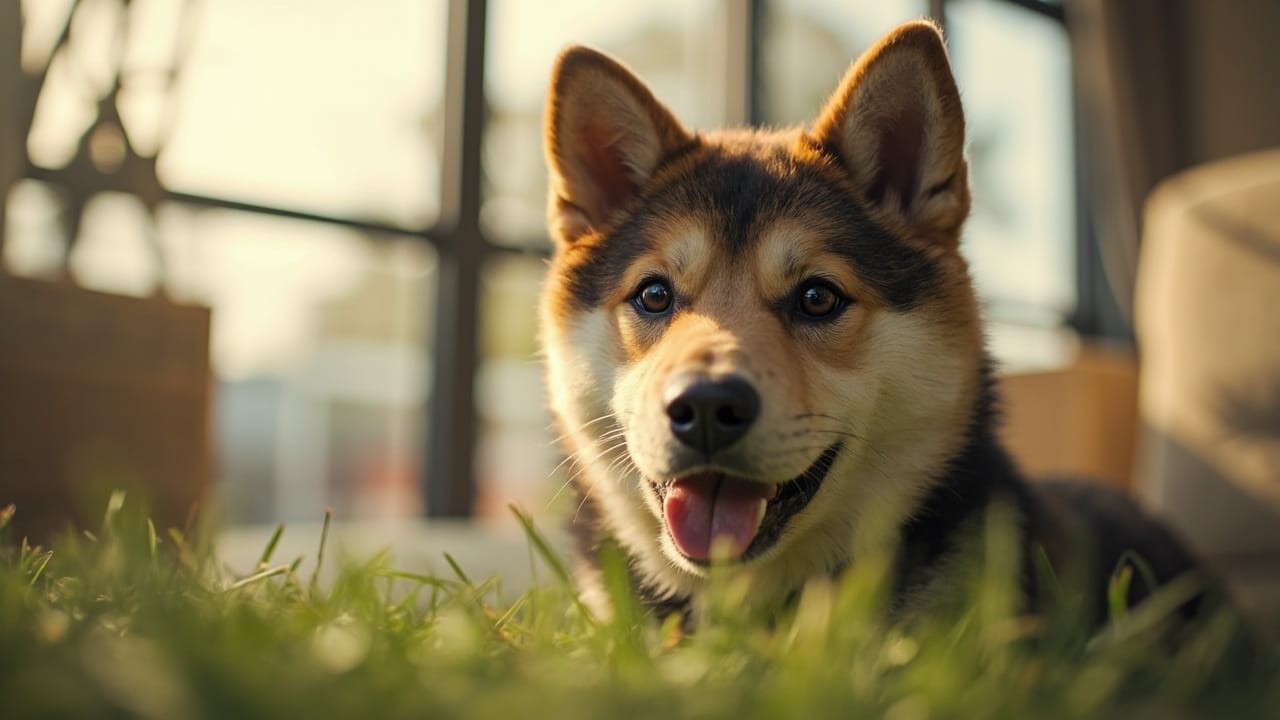
시바견이 미니어처 소처럼 잔디를 뜯어 먹고 다시 게워내는 모습을 보면 불안하지만, 대부분의 경우 심각한 질환의 신호가 아니라 정상적인 개의 행동입니다. 자기관제가 강한 시바견을 포함한 개들은 때때로 위장이 불편할 때 토하기를 유도하는 자연스러운 방법으로 잔디를 이용하거나, 단순히 섬유질을 보충하고 위장에 안 맞는 것을 배출합니다. 건강하고 활기 넘치며 식욕이 왕성한 시바견의 경우 한 달에 한두 번 정도의 잔디 섭취 후 구토는 일반적으로 걱정할 수준이 아닙니다. 하지만 구토가 잦아지거나 혈액이 섞여 나오거나, 함께 쇠약감, 설사, 식사 거부 등이 나타난다면 상황은 빠르게 달라집니다.
시바견이そもそも잔디를 먹는 이유
여러 이론이 겹쳐 있으며, 시바견이 잔디를 먹는 행동은 아마도 여러 이유가 복합적으로 작용한 결과일 것입니다.
- 위장 진정. 풀의 잎맥이 목과 위장 내벽을 간질여 구토 반사를 유발할 수 있습니다. 많은 시바견이 너무 빨리 먹거나, 의심스러운 것을 먹거나, 가벼운 역류성 식도염으로 약간 메스꺼울 때 일부러 잔디를 찾아 먹는 것처럼 보입니다.
- 식이 섬유. 야생의 개과 동물은 식물성 물질을 식단의 일부로 섭취합니다. 가정에서 기르는 시바견도 섬유소를 보충하려고 푸른 채소를 갈망할 수 있으며, 특히 건사료 위주의 식단으로 잎이 많은 성분이 부족할 때 그러합니다.
- 지루함이나 관심. 마당에 혼자 둔 지루한 시바견이 습관적으로 잔디를 뜯어 먹을 수 있으며, 특히 한가한 여름 시간대에 그렇습니다. 시바견은 또한飼い主의 반응을 파악하기로도 악명 높습니다.
- 맛과 질감. 새순의 어린 풀은 일부 개에게는 진짜 맛있습니다. 시바견은 입맛이 까다롭기로 유명하며, 이슬이 맺힌 잔디밭이 단순히 감각적으로 매력적일 수 있습니다.
- 진화적 흔적. 모든 가축화된 개의 조상은 늑대이며, 늑대는 초식성 먹잇감의 위 내용물(식물성 물질이 풍부함)을 정기적으로 섭취합니다. 잔디를 먹는 행동은 그 행동의 저수준 잔재일 수 있습니다.
구토가 일어나는 이유
잔디 섭취 후 구토는 대개 독성 반응이라기보다는 물리적 메커니즘입니다. 잔디 자체가 개에게 독성이 있지는 않습니다. 시바견이 길고 섬유질인 풀잎을 씹지 않고 삼키면 다음과 같은 일이 일어날 수 있습니다.
- 위장 내벽을 자극해 구역 반사를 유발합니다.
- 위 내용물과 함께 덩어리를 이루어 몸이 배출하려 합니다.
- 위장이 이미 약간 불편했다면 담즙, 거품, 또는 이전에 먹은 음식을 함께 게워냅니다.
결과는 보통 한 번의 구토로 불편함이 해소됩니다. 건강한 시바견은 보통 몇 분 안에 회복되어 정시로 다음 식사를 원합니다.
위험 신호인 경우
잔디를 먹는 것 자체는 별개의 문제이며, 반복적이거나 비정상적인 구토는 또 다른 문제입니다. 시바견이 다음 중 하나라도 보인다면 즉시 수의사와 상담하세요.
- 24시간 이내에 두세 회 이상의 구토
- 신선한 혈액, 어두운 커피 찌꺼기 같은 물질, 또는 황색 담즙이 반복적으로 섞인 구토
- 특히 혈변이나 흑변이 있는 동반된 설사
- 12시간 이상 지속되는 무기력, 숨는 행동, 또는 식사 거부
- 독성 물질, 식물, 버섯, 이물질 섭취 의심
- 체중 감소, 탈수(피부 탄력 및 잇몸 수분도 확인), 또는 갑작스러운 음수량 변화
이러한 징후는 시바견이 특히 잘 걸리는 질환, 예를 들어 식이 민감성, 위장관 증상을 동반한 아토피 피부염 악화, 췌장염, 이물질 폐쇄(시바견은 이상한 것을 씹고 삼킵니다), 애디슨병, 신장 문제 등을 가리킬 수 있습니다. 강아지, 노령견, NSAID 계열 약물을 복용 중인 개는 구토로 인한 탈수에 더 취약하므로 더 빨리 진료를 받아야 합니다.
잔디 섭취와 위장 장애를 줄이는 방법
몇 가지 실질적인 조정만으로도 이 행동을 절반으로 줄일 수 있습니다.
- 급식을 천천히. 스너플 매트, 릭 매트, 또는 슬로우 피드 밥그릇을 사용하세요. 많은 시바견 구토 사례가 폭식에서 시작됩니다.
- 섬유질 보강. 죽순호박(파이 필링이 아닌 순수한 것), 강낭콩, 또는 살짝 익힌 잎채소를 식사에 추가하세요. 이것이 영양학적으로 잔디 갈망을 충족시켜 줍니다.
- 정해진 시간에 급식. 하루에 2~3회 정해진 양의 식사는 산 생성을 줄이고 무작위 먹이찾기를 줄입니다.
- 마당 관리. 시바견이 특정 구역을 노린다면 비료, 제초제, 살충제가 처리된 잔디를 피하고, 관상용 식물과 버섯에서 멀리하세요.
- 야외 시간 감독. 시바견은 탈주본능이 강하고 사냥 본능이 강하므로, 마당에서 산책 끈을 풀고 놀게 할 때는 울타리로围い 관찰해야 합니다.
- 정기적인 진료. 매년 혈액검사와 CHIC 패널(OFA 엉덩이, 슬개골, 안과 검사)을 유지하여 기본 건강 문제를 조기에 발견하세요.
시바견 사육자를 위한 결론
가끔 잔디를 먹었다가 게워내는 시바견은 거의 확실히 가벼운 위장 불편을 가라앉히는 본능적 자연 방법으로 잔디를 이용하는 것이지 위험한 상태가 아닙니다. 단발성 사건이 아니라 패턴을 주목하세요. 반려견이 밝고, 잘 먹고, 물도 잘 마시고, 정상적인 배변을 한다면 메모만 하고 넘어가도 됩니다. 구토가 잦아지거나, 격렬해지거나, 다른 증상과 동반된다면 실제 증상으로 다루고 수의사 진료 조치를 받으세요. 시바견의 전반적인 기분, 활력, 식욕을 신뢰하는 것이 보통 가장 신뢰할 만한 지침입니다.
FAQ
시바견이 계속 잔디를 먹게 둬도 될까요?
처리되지 않은 무화학 잔디를 가끔 뜯어 먹는 것은 일반적으로 안전하며 정상적인 개의 행동입니다. 시바견이 처리된 잔디밭, 독성 식물, 날카로운 풀잎을 먹지 않도록 감독하고, 행동이 잦다면 호박과 같은 섬유질을 식사에 추가해 보세요.
시바견이 토하는 것인지 단순히 잔디를 역류하는 것인지 어떻게 구별하나요?
구토는 능동적인 헐떡임과 복부 힘이 들어가며, 보통 황색 담즙이나 음식이 나옵니다. 역류는 수동적이며 힘이 들지 않고, 잔디가 삼켰을 때와 거의 비슷한 모습으로 다시 나옵니다. 둘 다 잔디와 함께 일어날 수 있지만, 반복적인 구토가 수의사 진료가 필요한 경우입니다.
시바견이 식단에서 무언가가 빠져서 잔디를 먹는 건가요?
때때로 그렇습니다. 잔디 먹는 행동은 시바견이 특히 올-키블 식단에서 더 많은 섬유질이나 거친 사료를 원한다는 신호일 수 있습니다. 익힌 호박, 강낭콩, 잎채소를 추가하면 그 충동을 줄이는 경우가 많습니다. 습관이나 위장이 불편할 때 구토를 유도하는 방법일 수도 있습니다.
시바견에서 잔디 섭취와 구토가 응급 상황인 경우는 언제인가요?
구토가 잦거나 혈액이 섞여 나오거나, 설사, 무기력, 식사 거부, 의심되는 독소 섭취가 동반되거나, 강아지, 노령견, 약물 복용 중인 개에게 해당된다면 수의사에게 가세요. 시바견과 같은 소형견은 탈수가 빠르게 진행되므로, 의심스러우면 진료를 받는 쪽으로 기울이세요.
⚕️ This article is researched from the AKC and NIPPO breed standards, OFA/CHIC health data and veterinary sources. It is for general information only and is not a substitute for advice from your own veterinarian.