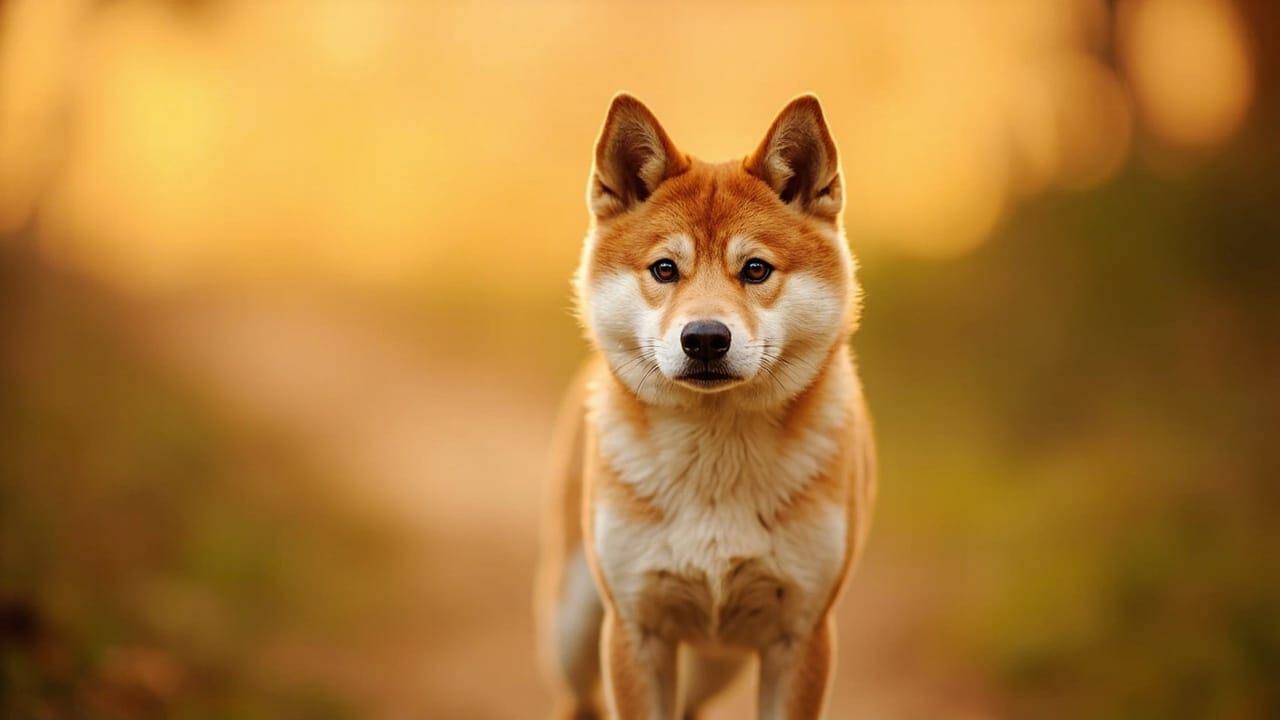
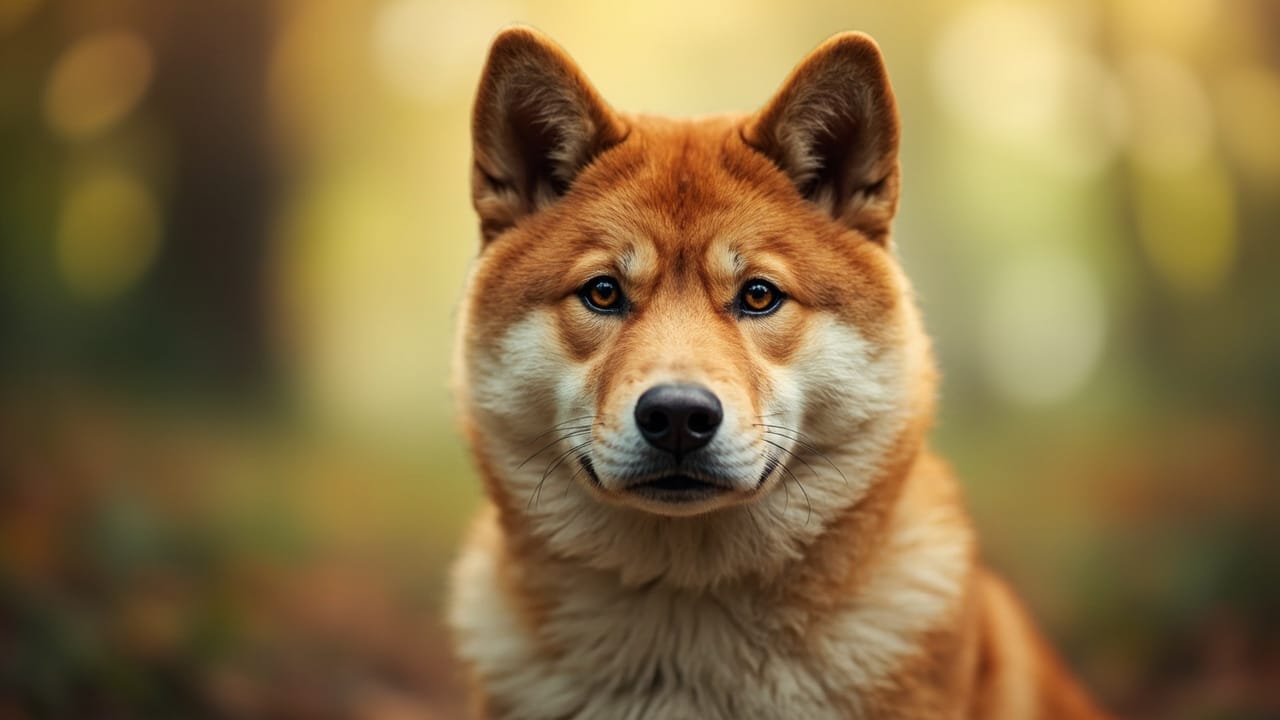
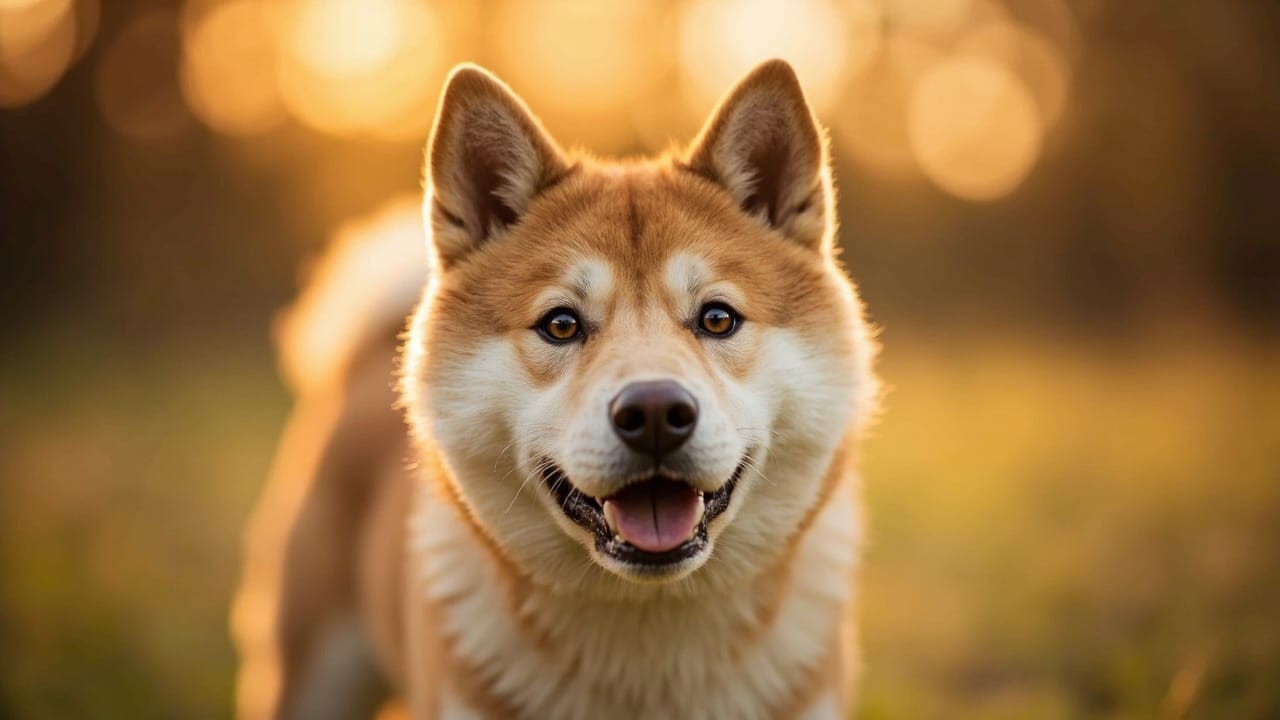
시바견은 등산용 견종으로 좋을까? 솔직한 견주 가이드
맞습니다 — 시바견은 적합한 견주에게 훌륭한 등산 파트너입니다. 콤팩트한 체격, 운동 능력이 뛰어난 체형, 놀라운 지구력 덕분에 중간 난이도의 트레일에서 이상적인 동반자가 될 수 있습니다. 다만 강한 사냥 본능, 독립적인 성격, 그리고 리콜(불러오기) 명령을 무시하는 경향 때문에, 리드줄이나 롱라인을 사용하는 경험 많은 등산객에게 가장 잘 맞습니다.
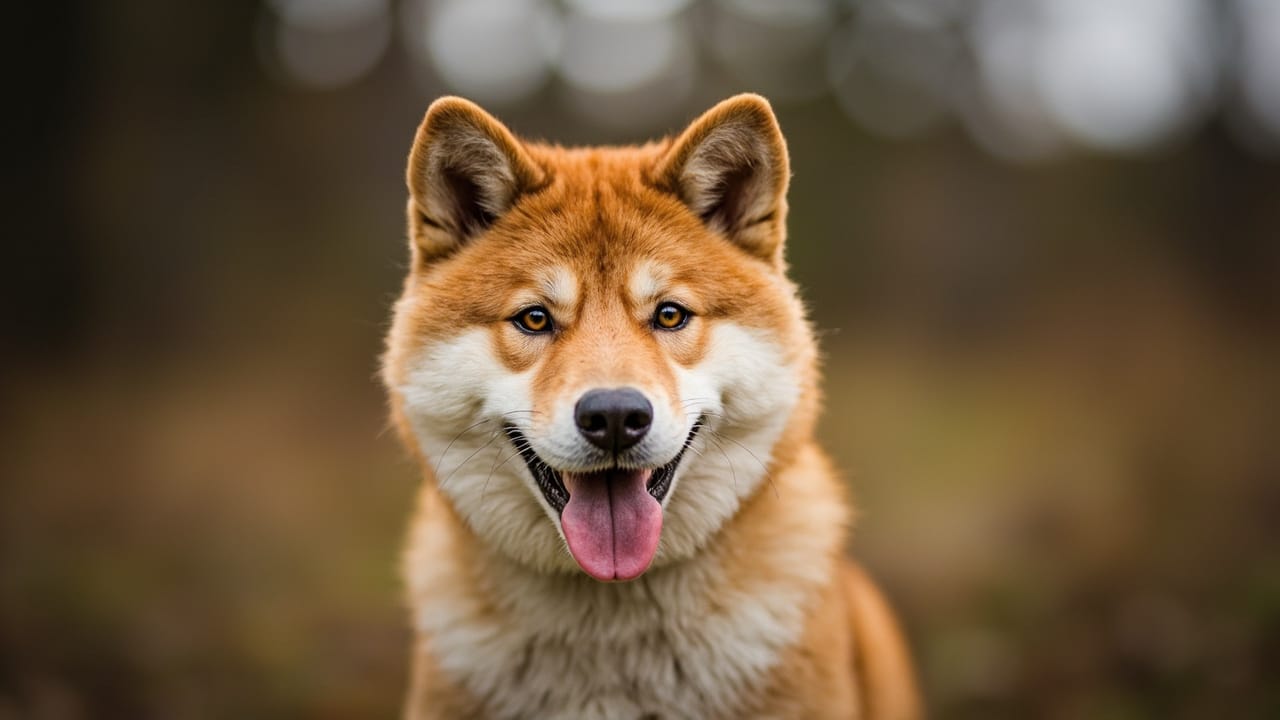
시바견은 분명히 좋은 등산용 견종이 될 수 있으며, 많은 시바견 견주들은 자신의 강아지가 그토록 좋은 트레일 파트너였다고 입을 모읍니다. 체중이 대략 8–10 kg 정도이고, 훨씬 큰 스피츠 계열 견종 못지않은 체력을 갖추고 있어, 컨디션이 좋은 성인 시바견은 하루에 중간 난이도 지형을 10–15 km 정도 거뜬히 소화합니다. 다만 "좋은 등산견"이라는 말이 "쉬운 등산견"이라는 뜻은 아닙니다. 시바견은 독립적인 사고방식을 가진 견종으로, 강한 사냥 본능, 유명한 탈주벽, 그리고 갈림길마다 본인의 이익을 견주와 저울질하는 경향이 있습니다.
만성적이고 일관된 훈련을 하면서 롱라인으로 함께 산책하고, 견종의 특이한 성격을 존중해 주는 활동적인 견주라면, 시바견은 수년간 열정적인 트레일 시간을 보답해 줄 것입니다. 붐비는 공원을 리드줄 없이 산책하거나, 등산 전 chaotic한 household(복잡한 가정환경)을 잘 견디는 강아지를 찾고 있다면, 이 견종과 끊임없이 싸워야 할 것입니다.
시바견의 체형과 트레일 적합성
시바견은 일본의 산간 지역에서 덤불 속의 소형 동물을 내쫓는 사냥견으로 길러졌으며, "Shiba"라는 이름 자체가 정확히 그런 의미를 담고 있습니다. 이러한 기원은 등산 스탯에서도 그대로 드러납니다.
- 콤팩트하고 운동 능력 좋은 체격: 성견의 체중은 약 8–10 kg, 체고는 35–43 cm로, 낮은 무게중심 덕분에 바위와 나무뿌리 사이를 능숙하게 헤쳐나갑니다.
- 이중모피의 보온성: 두꺼운 방모(속털)는 추위, 바람, 가벼운 비를 잘 견디지만, 대략 22 °C / 72 °F를 넘는 환경에서는 쉽게 과열됩니다.
- 속도보다 지구력: 컨디션을 잘 갖춘 시바견은 수시간 동안 일정한 페이스를 유지할 수 있으며, 단거리 전력질주형은 아닙니다.
- 13–16년의 수명 덕분에 잘 돌본 시바견은 인생의 대부분 기간 동안 등산 동반자가 되어줄 수 있습니다.
시바견이 트레일에서 빛나는 순간
- 봄과 가을의 서늘한 날씨 등산 — 이 견종이 가장 좋아하는 조건입니다.
- 중간 난이도의 다양한 지형: 숲 속 싱글트랙, 능선 산책, 바위 절벽 등반.
- 5–15 km의 데이하이킹 — 중간중간 물과 그늘에서의 휴식 포함.
- 소형 배낭을 짊어지는 백패킹 여행 — 처음에는 가볍게 시작하며, 체중의 약 5–10% 정도부터 시작하세요.
- 유대감이 형성된 견주와의 단독 등반 — 시바견은 복잡한 그룹이 아닌, 명확한 한 명의 핸들러와 함께할 때 가장 좋은 성과를 냅니다.
시바견이 어려움을 겪는 순간
이 견종을 부풀려서 이야기하는 것보다 솔직하게 이야기하는 것이 더 중요합니다.
- 사냥 본능은 실재합니다: 다람쥐, 사슴, 새, 그리고 심지어 불어가는 나뭇잎까지도 추격 본능을 유발할 수 있습니다. 리드줄 없이 길을 신뢰하기는 쉽지 않으며, 절대 그렇게 가정해서는 안 됩니다.
- 리콜은 선택 사항입니다: "들었는데, 생각 중이야"라는 시바견의 태도가 밈이 된 이유는 사실이기 때문입니다. 대부분의 트레일에서는 5–10 m 훈련용 롱라인이 필수입니다.
- 열에 민감함: 조밀한 이중모피는 여름철 등산을 위험하게 만듭니다. 더운 시기에는 새벽이나 해질녘 산책을 계획하고, 직사광선 아래 흑갈색 시바견은 피하세요.
- 탈주의 대가: 등산용 하네스는 반드시 탈출 방지 구조여야 합니다 — 마팅게일형 가슴 스트랩이 달린 스텝인 H자형 또는 Y프론트 디자인이 잘 맞습니다. 일반적인 백클립 하네스는 흔들어 벗는 경우가 많습니다.
- 반응성(Reactivity): 사회화가 부족한 시바견은 좁은 트레일에서 낯선 강아지나 등산객에게 짖거나, 돌진하거나, 얼어붙는 행동을 보일 수 있습니다.
시바견을 위한 트레일 준비 용품
- 탈출 방지 하네스 (Ruffwear Flagline, Hurtta Weekend Warrior 또는 유사한 Y프론트 제품)
- 리드줄 없이 걷는 듯한 느낌을 주는 5–10 m 훈련용 롱라인
- 휴대용 물그릇 및 등산 시간당 최소 500 ml의 물
- 자체 물그릇과 배변봉투를 휴대할 경우, 경량형 강아지 배낭
- 더워진 포장도로, 날카로운 바위, 얼어붙은 트레일을 위한 보호 부츠
- 어두운 환경에서의 고가시성 조끼 또는 목줄 라이트
- 진드기 예방제 및 등산 후 진드기 점검, 특히 삼림 지역에서 필수
트레일에 나서기 전 필수 훈련
다음 기본기가 갖춰지지 않은 상태에서 시바견을 본격적인 등반에 데려가서는 안 됩니다.
- 안정적인 리드줄 매너 — 체구 대비 당기는 힘이 상당히 셉니다.
- 가벼운 산만 요소 속에서의 리콜 — 울타리가 있는 마당에서 롱라인으로 먼저 검증할 것.
- 야생동물에 대한 "놓아라(Leave it)" 명령 — 잘 훈련된 시바견도 가끔 사슴에 집중력을 잃습니다.
- 단계적인 컨디셔닝 — 처음에는 2–3 km의 산책부터 시작하고, 수주에 걸쳐 거리를 점차 늘려갈 것.
- 차량 또는 크레이트 훈련 — 트레일헤드까지 이동 시간이 30분을 초과할 경우 필수.
등반 중인 시바견의 건강 주의사항
트레일에서 주의해야 할 견종 특이적 질환들을 확인하세요.
- 고관절 이형성증 (OFA 검사 대상 시바견의 약 7.6%가 해당) — 브리더에게 OFA 점수를 요청하세요.
- 슬개골 탈구 — 이 견종에서 흔하며, 울퉁불퉁한 지형이 증상을 악화시킬 수 있습니다.
- 눈 질환 (PRA, 백내장, 녹내장) — 최신 CERF/CAER 검사는 권장 CHIC 패널의 일부입니다.
- 관절 마모 — 노령 시바견(10세 이상)은 더 짧고 부드러운 등산이 필요합니다.
솔직한 최종 결론
시바견은 트레이드오프를 받아들일 수 있는 견주에게 좋은 등산견입니다. 즉, 튼튼하고, 민첩하며, 사진을 찍기 좋고 경고 능력이 뛰어난 트레일 동반자라는 거대한 보상을 받는 대신, 리드줄 없이 절대 믿지 않고, 날씨를 세심하게 살피며, 첫 봉우리 도전 전 실질적인 훈련을 감수해야 합니다. 올바른 견주에게는 이 체급에서 더 나은 등산 견종은 없습니다. 리드줄 없이 다닐 수 있는 등산견을 원하는 첫 반려견 입양자에게는 골든 리트리버나 보더 콜리가 훨씬 안정적인 선택이 될 것입니다.
롱라인을 챙기고, 물을 넉넉히 준비하면, 시바견은 당신과 함께 수천 마일의 트레일을 기꺼이 누빌 것입니다.
FAQ
시바견은 하루에 얼마나 멀리 등산할 수 있나요?
컨디션이 좋은 성견은 서늘한 날씨에 보통 10–15 km의 중간 난이도 지형을 소화할 수 있습니다. 수주에 걸쳐 거리를 점진적으로 늘려가고, 한여름 더위 속이나 10세가 넘는 노령견의 경우에는 거리를 크게 줄여야 합니다.
시바견은 리드줄 없이 등산할 수 있나요?
대부분의 시바견은 트레일에서 리드줄 없이 신뢰해서는 안 됩니다. 강한 사냥 본능과 상황 판단이 들어맞는 리콜 능력(자주 무시하는 경향)이 있어, 5–10 m 훈련용 롱라인이 더 안전한 선택이며 대부분의 리드줄 의무 구역에서 합법적입니다.
시바견은 더운 날씨 등산에도 잘 적응하나요?
그렇지 않습니다. 조밀한 이중모피는 시바견을 열에 민감하게 만드며, 약 22 °C / 72 °F를 넘어가면 쉽게 과열됩니다. 여름에는 새벽이나 해질녘에 등산하고, 물을 넉넉히 준비하며, 과도한 헐떡임, 침 흘림, 비틀거리는 증상을 면밀히 살피세요.
시바견에게 등산용 특수 하네스가 필요한가요?
네. 시바견은 유명한 탈주범이므로, 마팅게일형 가슴 스트랩이 달린 탈출 방지 Y프론트 또는 H자형 등산용 하네스를 선택하세요. 단순한 백클립 하네스는 트레일에서 흔들어 벗는 경우가 많습니다.