겨울철 시바견 관리: 추운 날씨를 위한 주인용 케어 가이드
시바견은 조밀한 이중 털 덕분에 대부분의 개들보다 추운 날씨를 잘 견뎌내지만, 야외 노출 시간 제한, 발 보호, 그리고 루틴 조정은 여전히 필요합니다. 야외 활동 시간은 적절히 유지하고, 떨림 증상을 주의 깊게 살피며, 영하의 기온이 길게 지속되기 전에 집 안으로 데려오세요.

시바견은 단모종에 비해 놀라울 정도로 추위에 강하지만, 겨울에도 절대 무적이지는 않습니다. 두꺼운 이중 털이 훌륭한 보온 기능을 제공하며, 대부분의 건강한 성견은 약 -6°C(20°F)까지의 기온에서 짧은 산책은 편하게 보낼 수 있습니다. -12°C(10°F) 이하, 또는 바람, 젖은 눈, 얼음이 있는 모든 환경에서는 산책 시간을 줄이고, 자견·노령견·마른 체형의 개에게는 코트를 입히는 것을 고려해야 합니다.
시바견의 겨울용 기본 장비를 이해하세요
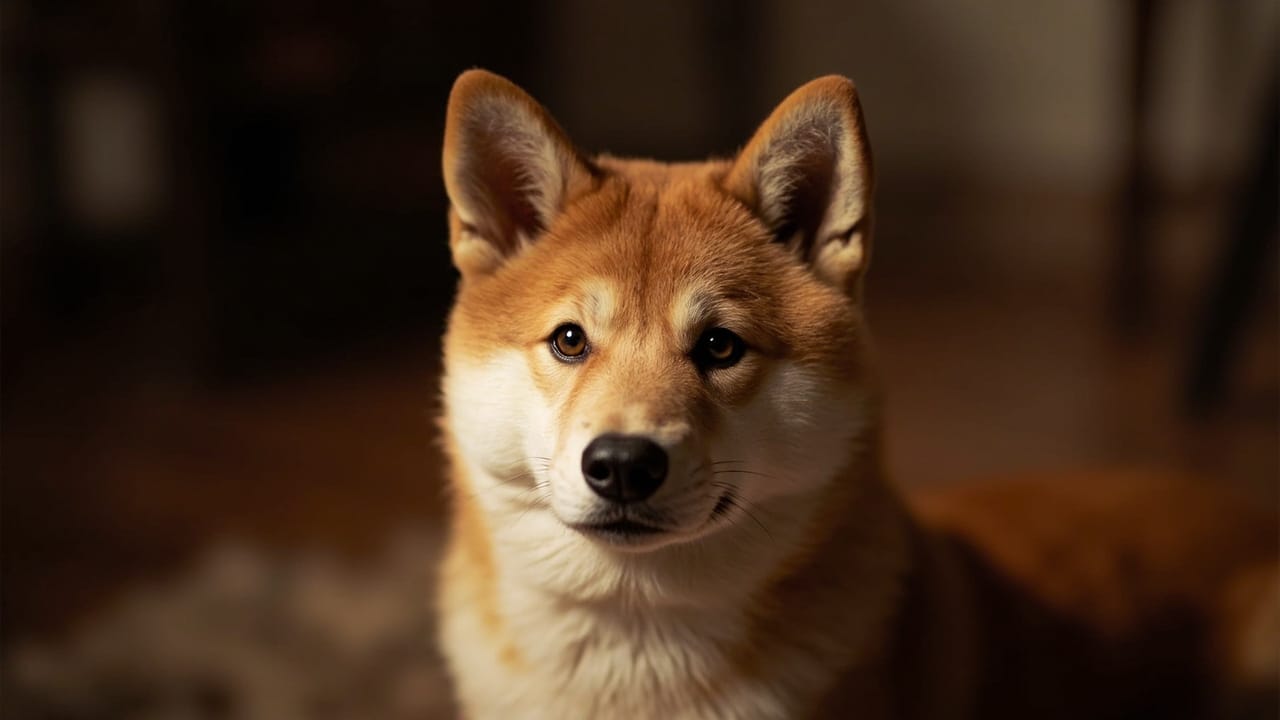
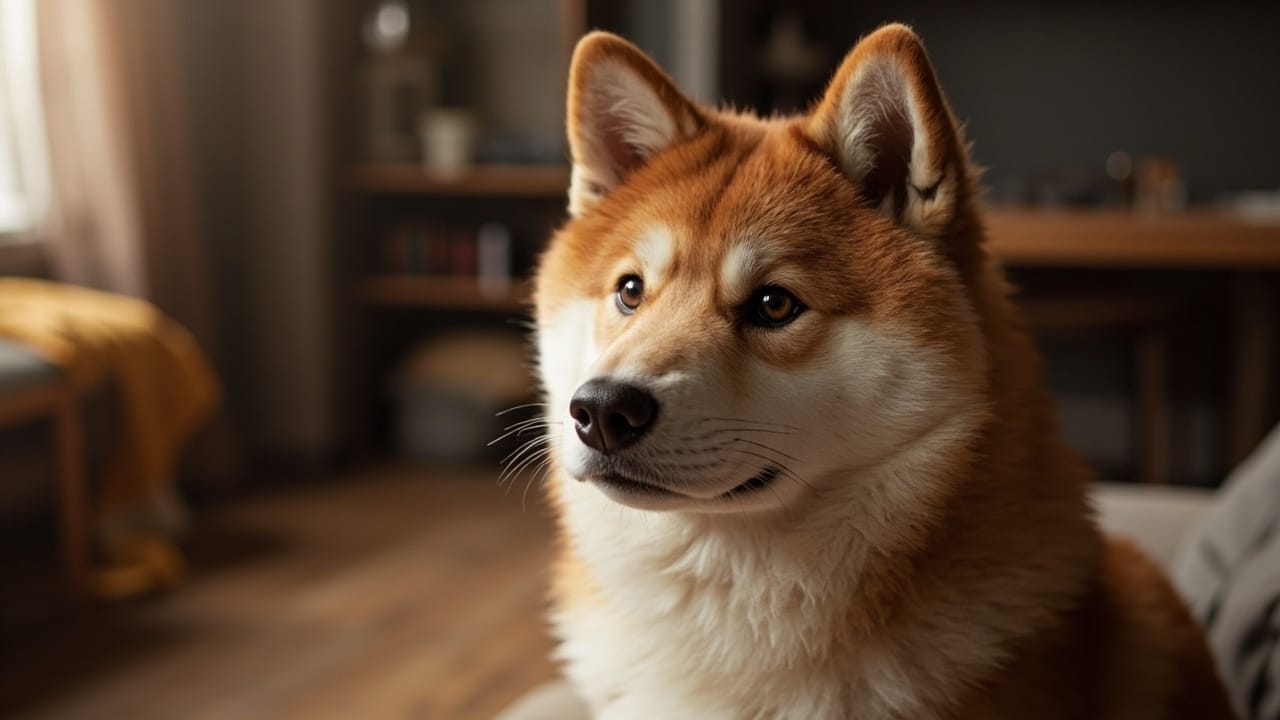
시바견의 털은 두 층으로 구성됩니다. 부드럽고 보온 작용을 하는 언더코트와, 뻣뻣하면서 물을 튕겨내는 외피입니다. 이것은 북방 썰매개들이 사용하는 것과 정확히 같은 시스템이며, 그래서 털 상태가 좋은 성견은 떨림 없이도 눈 위에 앉아 있을 수 있습니다. 겨울은 언더코트가 가장 두꺼운 시기로, 특히 봄철 털갈이 직전에 가장 풍성해집니다.
다만 털은 몸을 보호할 뿐, 팔다리 끝은 보호하지 못합니다. 귀, 꼬리 끝, 발, 배는 여전히 취약합니다. 털이 얇은 시바, 병에서 회복 중인 개, 12개월 미만의 자견, 10세 이상의 노령견은 굳이 강한 척한다고 해도 추위에 민감한 개체로 다루어야 합니다.
야외 활동 시간과 산책 안전
- 추위 한계: 대부분의 성견은 -6°C 이상의 기온에서 20~40분 산책이 괜찮습니다. -12°C 미만이거나 체감온도 -18°C(0°F) 미만에서는 산책 시간을 절반으로 줄이세요.
- 행동을 주의 깊게 관찰하세요: 발을 들거나, 몸을 웅크리거나, 울거나, 속도를 늦추는 것은 집에 갈 시간이라는 신호입니다.
- 깊은 눈에서는 리드줄 없이 뛰지 마세요. 눈이 냄새를 가리고 야생동물의 흔적에서 사냥 본능을 자극할 수 있으므로, 구역이 완전히 울타리로 둘러싸여 있지 않은 한 피하세요.
- 얼어붙은 연못, 소금을 뿌린 보도, 제설차에 의해 사각지대가 된 도로 근처에서는 짧은 리드줄을 사용하세요.
시바견은 어느 계절이든 탈출의 대가이지만, 울타리 쪽에 쌓인 눈은 겨울철에 전형적인 터널 파기 기회를 제공합니다. 첫 큰 눈이 내리기 전에 울타리 선을 확인하고 틈을 막아두세요.
발, 발바닥, 제설제 보호
발 관리는 겨울에 가장 중요한 루틴입니다.
- 매 산책 후 젖은 천으로 발을 닦아주세요. 발바닥을 자극하고, 핥으면 독성이 있는 암염과 화학 제설제를 제거해야 합니다.
- 발가락 사이의 털을 정리하세요. 얼음 뭉치가 형성되어 발가락 사이에 끼지 않도록 합니다.
- 시바견이 잘 받아들이면 개용 부츠를 사용하세요. 먼저 짧은 시간과 treats(간식)를 주며 실내에서 연습하세요. 많은 시바견이 처음에는 반대하므로, 깊은 겨울이 오기 전에 시작하는 것이 좋습니다.
- 발바닥에 발 전용 밤(beeswax 또는 shea butter 기반)을 발라주세요. 건조하거나 갈라진 발바닥에 좋습니다.
- 본인 집 진입로에는 반려동물에게 안전한 제설제 사용을 고려하세요. 일반 암염은 발바닥을 태울 수 있고 콘크리트를 부식시킬 수 있습니다.
코트, 스웨터, 그리고 "옷이 필요한가요?"라는 질문
대부분의 건강한 성견은 건조하고 바람이 잔잔한 추위에서는 스웨터가 필요하지 않습니다. 다만 다음과 같은 상황에서는 코트가 도움이 됩니다.
- 눈이나 비가 активно 내리고 있을 때(외피는 마른 눈은 튕겨내지만 젖은 진창은 막지 못합니다)
- 기온이 -12°C 이하로 떨어질 때
- 자견, 노령견, 아픈 개, 또는 저체중인 개일 때
- 카페나 스포츠 행사처럼 야외에서 오래 서 있어야 할 때
코트를 입힐 때는 방수 기능이 있고 통기성이 좋은 외부 소재에 부드러운 안감이 있는 제품을 선택하세요. 하네스 부위에 마찰을 주거나 시바견 특유의 말린 꼬리(둥글린 꼬리) 움직임을 제한하는 것은 피하세요.
실내에서의 겨울철 조정
추운 날씨는 사람들이 생각하는 것 이상으로 실내 생활을 변화시킵니다.
- 난방이 되는 집에서는 습도가 떨어져 피부 건조와 아토피성 피부염(시바견에게 흔한 문제)을 유발할 수 있습니다. 반려견이 잠을 자는 방에 가습기를 가동하세요.
- **오메가-3 보충제(생선기름)**는 건조한 몇 달 동안 털과 피부 장벽을 보호하는 데 도움이 됩니다.
- 털갈이 시기가 변합니다. 기온 변화가 뚜렷하지 않은 지역의 많은 시바견은 무거운 계절 털갈이를 미루거나 나누어 진행합니다. 겨울철 일반적인 관리로서 언더코트 레이크로 주 2~3회 빗질하는 것이 정상입니다.
- 운동은 여전히 중요합니다. 춥고 어두운 저녁은 운동 부족인 시바견으로 이어지며, 이는 밤 11시의 "시바 500" 돌진 행동으로 나타납니다. 폭풍이 부는 날에는 실내 냄새 찾기 게임, 플리르트 폴(flirt pole) 세션, 그리고 푸드 퍼즐이 그 빈자리를 채워줍니다.
추운 계절의 식이 및 수분 보충
개들은 겨울에 체온을 유지하기 위해 약간 더 많은 칼로리를 소모합니다. 특히 활동량이 많은 개들에게 그렇습니다. 대부분의 시바견은 평소 급여량으로 충분하지만, 작업견이나 매우 활동적인 개에게는 5~10%의 증량이 필요할 수 있습니다. 더 큰 겨울철 위험은 탈수입니다. 차가운 물그릇은 얼고, 개들은 물이 얼음처럼 차가우면 물을 덜 마십니다. 보온 그릇을 사용하거나 하루에 두 번 물을 갈아주고, 물 마시기를 꺼리는 시바견에게는 사료에 약간의 따뜻한 물을 더해 주세요.
추위 관련 문제의 경고 신호
- 따뜻하게 해주면 멈추는 떨림이나 전율
- 창백하거나 푸르스름한 잇몸 또는 귀 안쪽
- 발가락 사이에 끼어 절름거림을 유발하는 얼음 뭉치
- 갈라져 출혈되는 발바닥
- 24시간 이상 지속되는 기침, 재채기, 또는 무기력증(켄넬 코프 및 호흡기 감염 여부 확인 필요)
- 엉덩이나 무릎의 갑작스러운 관절 경직(추위는 고관절 형성 부전 및 슬개골 탈구의 증상을 악화시키며, 이는 모두 시바견에게서 나타나는 질환입니다)
이러한 증상 중 하나라도 나타나면, 시바견을 따뜻한 방으로 데려와 닦아주고, 1~2시간 내에 증상이 호전되지 않으면 동물병원에 연락하세요.
겨울철 빠른 체크리스트
- 매 산책 후 발 닦기
- 매월 발바닥 사이의 털 정리
- 언더코트 레이크로 주 2~3회 빗질
- 신선하고 녹지 않은 물을 24시간 제공
- -12°C 이하의 기온에서 자견, 노령견, 얇은 털의 성견에게 코트 착용
- 눈이 덮인 개방된 지역에서 리드줄 해제 금지
- 주요 생활 공간에서 가습기 가동
- 눈더미로 인한 울타리 틈새 확인
FAQ
시바견은 겨울에 밖에서 자도 되나요?
안 됩니다. 두꺼운 이중 털이 있더라도 시바견은 동반견이며 가족과 함께 실내에서 생활해야 합니다. 영하의 기온에서 밤새 야외에서 자는 것은 저체온증의 위험이 있으며, 특히 자견, 노령견, 건강 문제가 있는 개들에게 위험합니다.
시바견에게 어느 정도 기온이 너무 추운가요?
대부분의 건강한 성견은 -6°C(20°F) 정도까지의 일반 산책에서 편하게 지냅니다. -12°C(10°F) 이하에서는 외출 시간을 줄이고 코트를 추가하세요. 체감온도, 젖은 눈, 얼음은 어떤 기온이든 더 추운 것으로 만듭니다.
시바견은 눈 위에 부츠가 필요한가요?
소금을 뿌리거나 제설제를 처리한 보도에서는 부츠 착용이 매우 권장되며, 발가락 사이의 얼음 뭉치 예방에도 유용합니다. 많은 시바견이 처음에는 부츠를 불편해하므로, 야외에서 의지하기 전에 간식을 주며 실내에서 점진적으로 적응시키세요.
시바견은 겨울에 더 많이 털이 빠지나요?
시바견은 보통 한겨울에 언더코트가 가장 풍성해졌다가, 봄에 무겁게 털을 빠뜨립니다. 겨울철 털 빠짐은 급격하기보다는 일정하게 유지되지만, 언더코트 레이크로 매주 빗질하면 헝클어진 털과 엉킴을 관리할 수 있습니다.