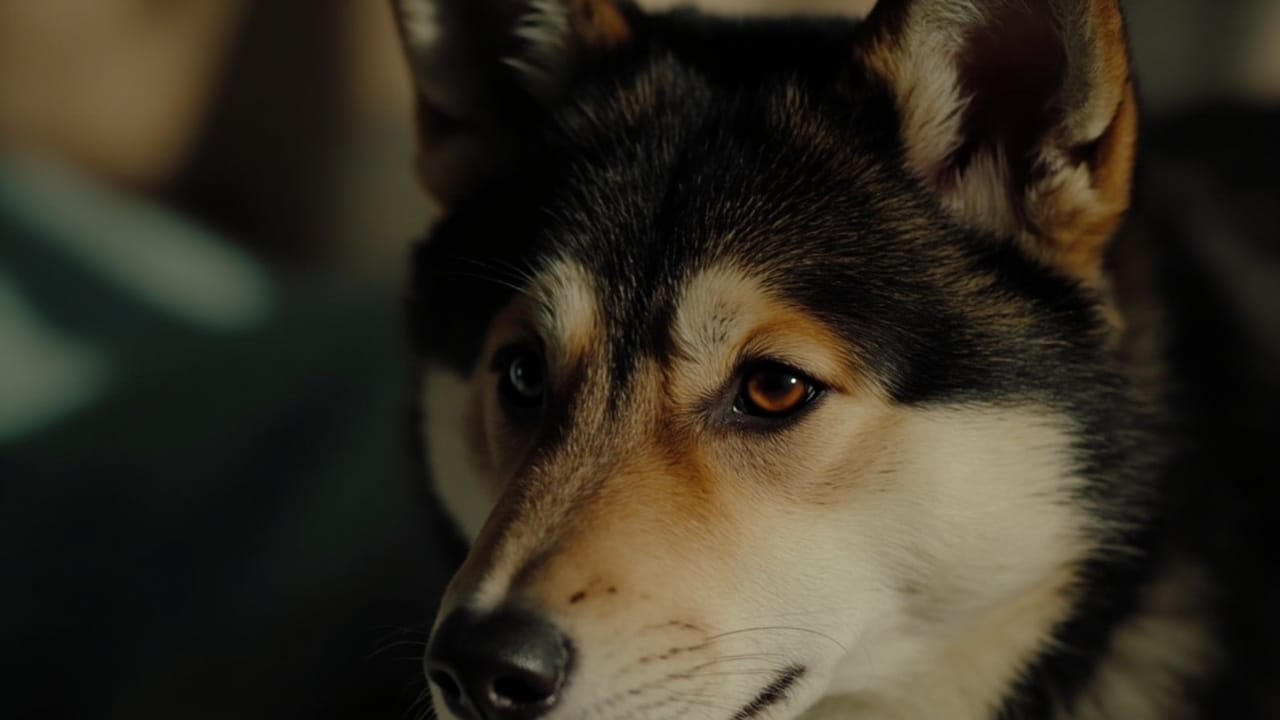
시바견 브리더 건강 검사: OFA, CHIC, 그리고 슬개골 가이드
책임감 있는 시바견 브리더는 최소한 OFA 엉덩이, OFA 슬개골, CAER(구 CERF) 안과 검사를 실시합니다 — 이 세 가지가 전국 견종 클럽에서 요구하는 CHIC 인증을 구성합니다. PRA, 녹내장, 갑상선 기능을 위한 유전자 검사도 breeding 전에 강력히 권장됩니다.

시바견에서 브리더 건강 검사가 중요한 이유
시바견이 breeding 되기 전에, 양쪽 부모 모두 표준화된 건강 검진 세트를 통과해야 합니다. 동물정형외과재단(Orthopedic Foundation for Animals, OFA)이 중앙 등록부를 관리하며, 해당 견종의 CHIC(Canine Health Information Center) 프로그램이 시바 브리더가 완료해야 할 최소 패널을 정의합니다. 이러한 검사를 생략하면 가장 장수하는 견종 중 하나(13–16년)의 다음 세대로 고관절 이형성증, 슬개골 탈구, 진행성 안구 질환이 전파됩니다.
시바견을 위한 CHIC 필수 검사
CHIC 인증은 강아지가 모든 필수 검진을 완료했을 때 부여됩니다 — 강아지가 모든 검사를 통과할 필요는 없으며, 단지 검사를 받고 공개적으로 기록되기만 하면 됩니다. 시바견의 경우, CHIC는 다음을 요구합니다:
- OFA 엉덩이 — 이과 전문의가 평가한 방사선 사진. OFA에 제출된 시바의 약 7.6%가 고관절 이형성증을 보이기 때문에 검진은 선택이 아닙니다.
- OFA 슬개골 — 수의사에 의한 수동적 탈구 등급 평가. 슬개골 탈구는 이 견종에서 가장 흔한 정형외과적 문제 중 하나입니다.
- CAER 안과 검사 — 이전에는 CERF라고 불렸으며, 이과 전문의 자격을 가진 수의 안과 전문의가 수행하는 Companion Animal Eye Registry 검사이며 12개월간 유효합니다(breeding 스톡의 경우 매년 재검사가 일반적입니다).
이 세 가지 검사에서 CHIC 번호를 획득한 강아지는 개별 강아지가 경미한 영향을 받은 것으로 평가되더라도, 브리더가 결과를 투명하게 공개하고 있음을 나타냅니다.
강력히 권장되는 추가 검사
책임감 있는 시바견 브리더는 일반적으로 CHIC 최소 기준을 넘어섭니다. 이러한 추가 검사들은 견종 커뮤니티에서 널리 인정됩니다:
- OFA 팔꿈치 — 고관절 문제와 동반될 수 있는 팔꿈치 이형성증을 선별합니다.
- OFA 갑상선(자가면역 갑상선염) — 이 견종에서 갑상선 기능 저하증이 보고됩니다.
- DNA 패널 — 진행성 망막 위축증(PRA), 원발성 폐쇄각 녹내장 위험 마커, 그리고 퇴행성 척수증(DM)을 다룹니다.
- 심장 평가 — 특히 나이 많은 sire/dam을 짝짓기하기 전에 OFA 심장 청진 검사를 실시합니다.
브리더의 결과를 확인하는 방법
웹사이트의 숫자는 증거가 아닙니다. 모든 구매자는 5분 이내에 브리더의 주장을 확인할 수 있습니다:
- ofa.org에 접속하여 강아지의 등록된 이름 또는 AKC 번호를 검색합니다.
- CHIC 아이콘, 각 검진 날짜, 그리고 실제 등급(예: 엉덩이의 경우 Excellent, Good, Fair; 슬개골과 안과의 경우 Normal)을 찾습니다.
- CAER 데이터베이스로 직접 연결되는 https://ofa.org/eye에서 안과 검사를 교차 확인합니다.
- OFA/CHIC의 이름을 명시하지 않고 "수의사 검진 완료" 또는 "건강 검사 완료"라고만 말하는 브리더에게는 주의하십시오 — 이것들은 동등한 것이 아닙니다.
위험 신호와 물어봐야 할 사항
검증된 OFA/CHIC 서류를 보여주기를 거부하거나, 24개월 미만의 강아지를 breeding 하거나, 업데이트된 검진 없이 동일한 sire/dam 짝짓기를 반복하는 브리더에서는 떠나야 합니다. 직접 물어보세요:
- 양쪽 부모의 OFA 결과 페이지를 볼 수 있을까요?
- 고관절 등급은 무엇이며, 슬개골 등급은 무엇인가요?
- 가장 최근 CAER 안과 검사는 언제였나요?
- PRA와 녹내장에 대한 DNA 검사를 실시하시나요?
준비된 브리더는 몇 초 안에 대답할 것이며, 종종 요청하기 전에 OFA 링크를 보내줍니다. 미국에서 완전히 건강 검사를 마친 부모로부터 나온 강아지를 사는 데 대략 $1,400–$2,500을 예상하십시오; 현저히 낮은 가격은 보통 여기서 설명한 검사에서 생략되었다는 것을 나타냅니다.
강아지가 집에 온 후
브리더의 검사는 혈통을 보호합니다; 이것이 일상적인 관리를 대신하지는 않습니다. 슬개골 안정성을 확인하고, 매년 안과 검사를 시작하며, 예방적 피부 알레르기 검진에 대해 논의하기 위해 첫해 수의사 방문을 예약하십시오 — 아토피 피부염은 가장 많이 보고된 시바 건강 문제 중 하나이며 조기 관리의 이점을 누립니다. 부모의 OFA/CHIC 결과 사본을 강아지 폴더에 보관하십시오; 이것은 수의사가 미래의 관절, 안구, 갑상선 소견을 해석하는 데 도움이 되며, 시바견을 쇼, 스포츠, 또는 breeding할 계획이 있다면 지속적으로 가치가 있습니다.
FAQ
시바견에게 CHIC 인증은 무엇을 의미합니까?
그것은 강아지가 엉덩이, 슬개골, 안과에 대해 OFA/CHIC 데이터베이스를 통해 검사받았다는 것을 의미합니다 — 세 가지 필수 시바 검진입니다. 강아지가 모든 검사를 통과할 필요는 없지만, CHIC 번호를 받기 위해서는 모든 검사 결과가 공개적으로 기록되어야 합니다.
CERF가 OFA 안과 검사와 같은 것입니까?
아닙니다. CERF는 CAER(Companion Animal Eye Registry)로 이름이 변경되었으며 현재 OFA 시스템 내에서 호스팅됩니다. 더 오래된 시바 페디그리에는 여전히 'CERF'가 기재되어 있을 수 있지만, 검사 자체와 안과 전문의 요건은 변하지 않았습니다.
시바견은 breeding을 위해 몇 살에 건강 검사를 받을 수 있습니까?
엉덩이는 4개월부터 preliminary 평가가 가능하지만 24개월에 공식 인증됩니다. 슬개골은 12개월부터 인증 가능합니다. 안과 검사(CAER)는 매년 갱신해야 하며 최소 연령 요건이 없습니다.
시바견 브리더는 PRA와 녹내장에 대한 DNA 검사가 필요합니까?
이것은 CHIC 최소 항목의 일부는 아니지만, 대부분의 평판 좋은 브리더는 PRA와 녹내장 DNA 패널, 그리고 OFA 갑상선 검사를 추가합니다. 두 안과 질환 모두 이 견종에서 나타나며 명확한 DNA 결과는 미래의 새끼들을 보호하기 때문입니다.
⚕️ This article is researched from the AKC and NIPPO breed standards, OFA/CHIC health data and veterinary sources. It is for general information only and is not a substitute for advice from your own veterinarian.