Adakah Shiba Inu Perah Kelenjar Anus? (Bagaimana Melakukannya Dengan Selamat)
Kebanyakan Shiba Inu tidak perlu perahan kelenjar anus secara rutin — Shiba yang sihat biasanya mengosongkan kelenjar mereka secara semula jadi semasa buang air besar. Walau bagaimanapun, jika Shiba anda menggeserkan punggungnya, menjilat, atau mempunyai bau seperti ikan, kelenjar tersebut mungkin perlu diperah secara manual oleh doktor haiwan, groomer, atau di rumah menggunakan teknik luaran atau dalaman yang betul.
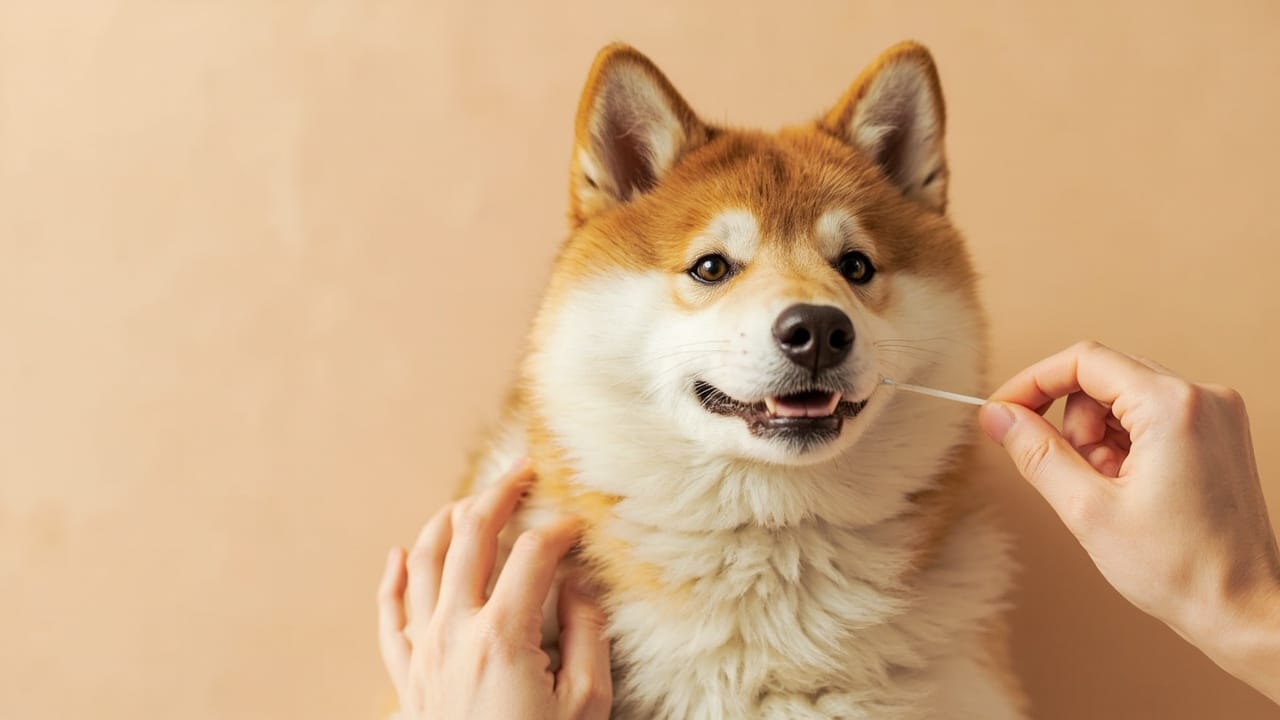
Shiba Inu yang sihat biasanya tidak perlu kelenjar anus mereka diperah secara manual, tetapi apabila simptom muncul, mengetahui teknik yang betul — dan bila perlu berjumpa doktor haiwan — dapat mencegah kesakitan, jangkitan, dan impakan dalam baka yang kompak serta teliti tentang kebersihannya ini.
Shiba Inu terkenal dengan tabiat dandanan seperti kucing, dan ramai pemilik menganggap ini bermakna kelenjar anus mereka menjaga diri mereka sendiri. Bagi kebanyakan Shiba, ini sebenarnya benar: najis yang keras dan terbentuk dengan baik yang melalui rektum secara semula jadi memampatkan kantung anus dan mengeluarkan kandungannya. Masalah timbul apabila najis secara konsisten lembut, apabila anjing berlebihan berat badan, apabila alahan meradangkan kulit perianal, atau apabila duktus secara anatominya sempit — semua senario yang agak kerap berlaku dalam baka ini, memandangkan predisposisinya yang terkenal kepada dermatitis atopik dan sensitiviti makanan.
Tanda-Tanda Kelenjar Anus Shiba Anda Perlukan Perhatian
Perhatikan tanda amaran biasa ini, terutamanya semasa penumpahan bulu bermusim apabila bulu bawah yang longgar boleh merengsakan kawasan tersebut:
- Menggeser punggung — menyeret bahagian belakang di atas lantai atau permaidani
- Menjilat atau menggigit berlebihan pada anus atau pangkal ekor
- Bau yang kuat, seperti ikan atau logam yang bukan bau badan biasa
- Bengkak atau asimetri pada satu atau kedua-dua belah anus (lebih kurang pada posisi jam 4 dan 8)
- Kesukaran membuang air besar, meneran, atau menghasilkan najis seperti reben
- Menyalak apabila ekor atau bahagian belakang disentuh
Jika anda melihat darah, nanah, atau kawasan merah yang membonjol, kelenjar tersebut mungkin dijangkiti atau bernanah — langkau perahan di rumah dan terus pergi ke doktor haiwan.
Patutkah Anda Memerahkannya Secara Rutin?
Tidak. Perahan rutin atau profilaksis tidak disyorkan oleh kebanyakan pakar dermatologi veterinar. Memerah kelenjar yang sihat secara berlebihan boleh menyebabkan mikro-trauma, keradangan, parut pada duktus, dan secara ironiknya menjadikan impakan lebih berkemungkinan berlaku dari masa ke masa. Perahan hanya perlu dilakukan apabila simptom hadir, atau apabila doktor haiwan anda telah mengesahkan isu kronik yang memerlukan pengosongan berjadual (contohnya, setiap 4–6 minggu dalam kes atresia duktus yang disahkan).
Bagaimana Perahan Kelenjar Anus Dilakukan
Terdapat dua kaedah yang diterima. Kedua-duanya memerlukan sarung tangan, pelincir, dan pengendalian yang tenang serta yakin — Shiba sensitif dan mungkin bertindak defensif.
Kaedah Luaran (Luaran Sahaja)
- Angkat ekor dengan lembut dan pegang ia ke atas serta jauh dari kawasan tersebut.
- Letakkan ibu jari dan jari telunjuk anda lebih kurang pada posisi jam 4 dan 8 tepat di bawah anus, pada kedua-dua belah sfinkter anus.
- Beri tekanan yang stabil, ke dalam dan ke atas dengan kedua-dua jari serentak.
- Gunakan kain yang hangat dan lembap untuk mengelap cecair yang keluar — biasanya berwarna coklat kekelabuan dan pekat.
- Beri ganjaran kepada Shiba anda serta-merta dengan hidangan bernilai tinggi; ini mengekalkan kepercayaan untuk pengendalian pada masa hadapan.
Kaedah ini terbaik untuk kes ringan yang tidak terimpak dan merupakan teknik yang paling kerap digunakan oleh groomer semasa mandi.
Kaedah Dalaman (Rektal)
- Lakukan ini hanya jika anda telah dilatih oleh doktor haiwan — ia lebih menyeluruh tetapi membawa risiko kecederaan yang lebih tinggi.
- Pakai jari telunjuk yang bersarung tangan dan berlubrikasi.
- Masukkan jari lebih kurang 1 cm ke dalam rektum dan cari kantung bersaiz kacang pea hingga anggur pada posisi jam 4 atau 8.
- Picit antara jari dalaman dan ibu jari luaran anda untuk memerah kelenjar dari dalam ke luar.
- Ulangi pada sebelah yang bertentangan, kemudian bersihkan kawasan tersebut dengan teliti.
Kaedah dalaman lebih diutamakan untuk impakan kronik, rembesan yang pekat atau seperti pes, dan apabila pendekatan luaran gagal mengosongkan kantung sepenuhnya.
Bila Perlu Jumpa Doktor Haiwan Sebaliknya
Buat temujanji veterinar jika Shiba anda menunjukkan mana-mana yang berikut:
- Menggeser punggung berulang lebih daripada sekali sebulan
- Darah, nanah, atau lelehan kuning-hijau yang busuk
- Bengkak yang kelihatan, kemerahan, atau benjolan panas berhampiran anus (mungkin abses)
- Tanda-tanda kesakitan semasa duduk atau berjalan
- Sebarang syaki tumor kelenjar anus (jarang, tetapi lebih biasa pada anjing yang lebih tua)
Doktor haiwan boleh membilas kelenjar yang terimpak di bawah sedasi, memberi antibiotik atau anti-radang, dan menolak alahan yang menyumbang kepada najis lembut kronik. Oleh kerana Shiba cenderung kepada dermatitis atopik, merawat kegatalan yang mendasari sering menyelesaikan isu kelenjar juga.
Tips Pencegahan Untuk Pemilik Shiba Inu
- Beri diet tinggi serat (atau tambah labu tin kosong atau sekam psyllium) untuk memadatkan najis — langkah pencegahan #1.
- Kekalkan berat badan yang sihat; obesiti adalah faktor risiko utama untuk impakan.
- Urus alahan secara agresif — lebih sedikit episod keradangan kulit bermakna lebih sedikit suar kelenjar.
- Kekal terkini dengan pemeriksaan doktor haiwan, termasuk pemeriksaan mata tahunan dan saringan OFA yang disyorkan oleh CHIC, supaya doktor haiwan anda dapat mengesan isu berkaitan lebih awal.
- Elakkan perahan yang tidak perlu — biarkan badan Shiba anda menjalankan tugasnya apabila boleh.
Kesimpulan: jangan jadualkan perahan kelenjar anus sebagai tambahan dandanan lalai untuk Shiba Inu anda. Hanya bertindak apabila simptom muncul, gunakan kaedah paling lembut yang berkesan, dan libatkan doktor haiwan anda untuk apa-apa selain penyelenggaraan rutin.
FAQ
Berapa kerap kelenjar anus Shiba Inu perlu diperah?
Hanya apabila bergejala. Kebanyakan Shiba tidak pernah memerlukan perahan manual. Kes kronik mungkin memerlukannya setiap 4–6 minggu, tetapi ini harus diputuskan oleh doktor haiwan, bukan groomer.
Bolehkah saya memerah kelenjar anus Shiba saya di rumah?
Ya, menggunakan kaedah luaran untuk kes ringan, dengan syarat anjing anda tenang dan anda menggunakan sarung tangan serta pelincir. Kaedah dalaman hanya boleh dilakukan selepas doktor haiwan menunjukkan teknik tersebut kepada anda, kerana pemasukan yang tidak betul boleh mencederakan tisu rektal.
Seperti apa cecair kelenjar anus yang terimpak pada Shiba?
Cecair normal adalah nipis dan coklat kekelabuan. Cecair yang terimpak menjadi pekat, seperti pes, dan berwarna coklat gelap atau tan, dan mungkin mempunyai bau ikan yang kuat. Lelehan berwarna nanah atau berdarah menandakan jangkitan dan memerlukan rawatan veterinar segera.
Adakah Shiba Inu lebih mudah mengalami masalah kelenjar anus berbanding baka lain?
Mereka bukan antara baka yang paling kerap terjejas (baka kecil seperti Cocker Spaniel dan Bichon adalah), tetapi Shiba yang mempunyai alahan, najis lembut, atau gaya hidup sedentari berisiko lebih tinggi berbanding anjing purata.