Shiba Inu Muntah: Punca, Penjagaan di Rumah, dan Bilakah Perlu Panggil Doktor Veterinar
Shiba Inus muntah atas pelbagai sebab — daripada makan terlalu laju hingga perut sensitif — tetapi muntah berulang, darah, kelesuan, atau muntah pada anak anjing adalah kecemasan. Jika muntah berlarutan lebih daripada 24 jam, mengandungi darah, atau disertai kelemahan, jumpa doktor veterinar dengan segera.
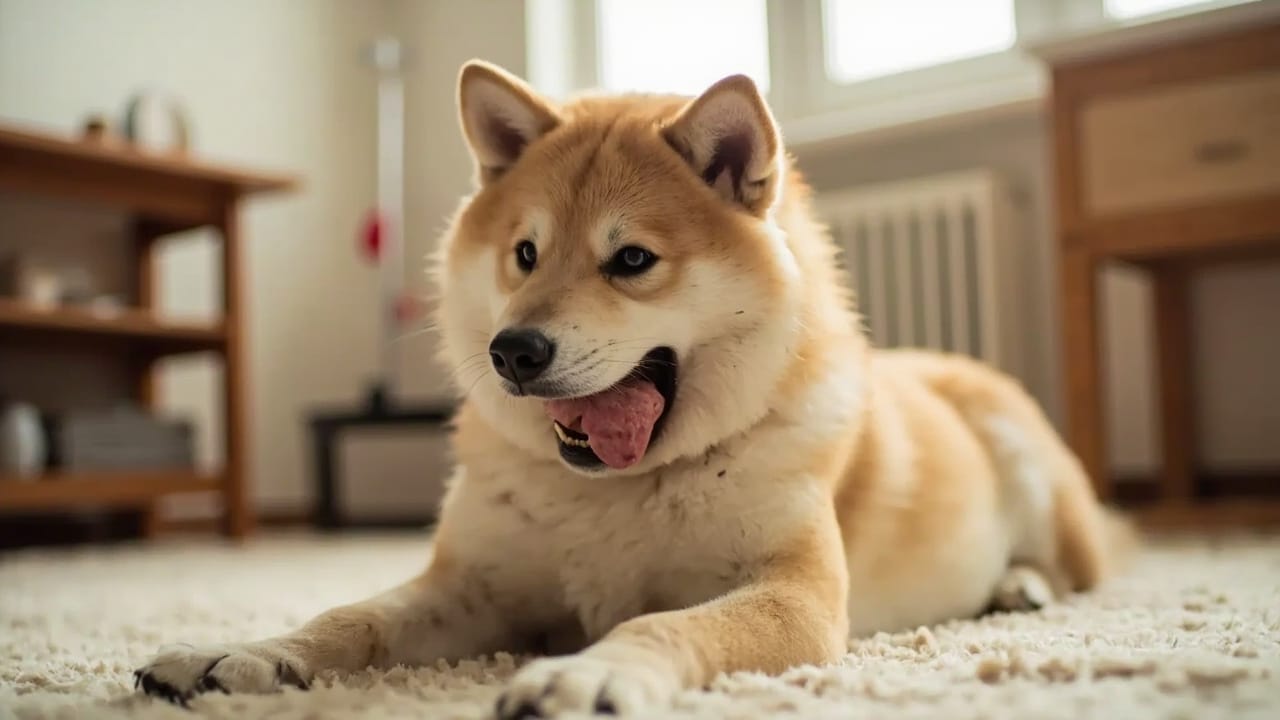
Shiba Inu yang muntah tidak semestinya kecemasan. Muntah sekali-sekala adalah biasa dalam baka ini kerana Shiba adalah pemakan yang cepat, mempunyai perut sensitif, dan terkenal kerana makan benda yang sepatutnya tidak — stoking, rumput, batu, dan serpihan rawak. Satu episod muntah yang diikuti anjing yang bertindak normal biasanya bukan krisis. Muntah berulang, muntah berdarah, anak anjing yang muntah lebih daripada sekali, atau muntah yang disertai kelemahan, kesakitan, atau kembung adalah cerita berbeza dan memerlukan rawatan veterinar segera.
Sebab Biasa Shiba Inus Muntah
- Makan terlalu laju. Shiba sering menelan makanan dengan cepat, dan pemuntahan semula sejurus selepas makan adalah salah satu aduan paling kerap daripada pemilik. Makanan keluar semula kelihatan hampir tidak dikunyah.
- Pemakanan secara cuai. Sampah, sisa meja, makanan berlemak, ranting, sungkupan, baja, antibeku, atau bangkai haiwan liar boleh mencetuskan muntah. Shiba mempunyai naluri mangsa yang kuat dan akan menyiasat (dan makan) hampir apa sahaja.
- Pertukaran diet secara mendadak. Menukar jenama kibbel secara tiba-tiba boleh menyebabkan gangguan gastrousus. Sentiasa lakukan peralihan dalam tempoh 7–10 hari.
- Kembung / kilasan perut (GDV). Kurang biasa pada Shiba berbanding baka besar, tetapi mungkin berlaku. Perut yang membesar dan keras dengan retas tetapi tiada muntah yang keluar adalah kecemasan yang mengancam nyawa.
- Parasit. Cacing gelang, cacing cangkuk, atau giardia, terutamanya pada anak anjing atau anjing yang baru diadopsi.
- Jangkitan. Parvo, distemper, atau batuk kennel pada anjing yang tidak divaksinasi atau yang terdedah kepada anjing lain.
- Alahan makanan atau IBD. Shiba mudah mendapat dermatitis atopik dan sering mempunyai sensitiviti gastrousus yang berkaitan.
- Halangan benda asing. Stoking, batu, mainan, atau tulang yang tersangkut dalam usus. Shiba adalah pelarian ulung dan pengunyah yang terkenal.
- Pankreatitis. Dicetuskan oleh makanan berlemak; gejala termasuk muntah, postur bongkok, dan enggan makan.
- Penyakit kronik. Hipotiroidisme, penyakit buah pinggang, penyakit hati, atau kanser pada Shiba yang lebih tua (jangka hayat 13–16 tahun, tetapi penyakit berkelompok pada anjing senior).
- Strok haba atau pendedahan toksin. Sangat relevan memandangkan baka ini mempunyai bulu ganda yang tebal.
Pemuntahan Semula lwn. Muntah pada Shiba Inus
Adalah berguna untuk membezakan keduanya. Pemuntahan semula adalah pasif — makanan atau air keluar semula tanpa dicerna, sering sejurus selepas makan, tanpa hentakan perut. Ini menunjukkan makan terlalu laju atau masalah esofagus. Muntah sebenar melibatkan retas aktif dan kandungan tercerna (hempedu kuning atau makanan yang diproses sebahagian), mencadangkan penyakit perut atau usus. Kedua-duanya memerlukan perhatian jika berulang.
Apa yang Boleh Anda Lakukan di Rumah (Kes Ringan Sahaja)
- Tahan makanan selama 12 jam tetapi kekalkan sedikit air tersedia. Jika air mencetuskan muntah, tawarkan ketulan ais sebaliknya.
- Perkenalkan semula diet hambar — ayam tanpa kulit rebus dan nasi putih dalam bahagian kecil, 2–3 kali sehari selama 2 hari.
- Perlahan pemakan cepat dengan mangkuk pemakan perlahan, tikar snuffle, atau dengan meletakkan batu besar (terlalu besar untuk ditelan) dalam mangkuk makanan.
- Periksa sebab yang jelas — makanan baru, sisa meja, mainan hilang, barangan rumah yang dikunyah.
- Pantau dengan rapi untuk 12–24 jam seterusnya.
Jangan berikan ubat anti-loya manusia yang dijual bebas (Pepto-Bismol, Imodium) tanpa panduan veterinar.
Bilakah Perlu Risau: Tanda Amaran Merah
Hubungi doktor veterinar atau klinik kecemasan dengan segera jika Shiba anda menunjukkan mana-mana tanda berikut:
- Muntah lebih daripada 2–3 kali dalam 24 jam
- Darah dalam muntah (merah cerah atau rupa serbuk kopi)
- Muntah ditambah cirit-birit, terutamanya pada anak anjing
- Kelesuan, kelemahan, atau pengsan
- Perut kembung, keras, atau sakit
- Retas berulang tanpa apa-apa yang keluar (mungkin kembung)
- Disyaki pengambilan toksin atau benda asing
- Gusi pucat, pernafasan cepat, atau demam tinggi
- Anak anjing di bawah 6 bulan — anak anjing mengalami dehidrasi berbahaya dengan cepat
- Shiba senior dengan muntah kronik
Diagnosis Doktor Veterinar: Apa yang Dijangkakan
Doktor veterinar anda berkemungkinan akan melakukan pemeriksaan fizikal, kemudian mungkin mengesyorkan ujian darah, ujian najis, sinar-X, atau ultrasound bergantung kepada tahap keterukan. Untuk muntah yang berulang, mereka juga mungkin menguji penyakit Addison, pankreatitis (cPL/Spec cPL), dan hipotiroidisme — semua keadaan yang dilihat pada Shiba. Bersedia untuk berkongsi bila muntah bermula, kekerapan, kandungan (makanan, hempedu, buih, darah), dan sebarang perubahan diet atau tingkah laku.
Tips Pencegahan untuk Pemilik Shiba
- Berikan diet berkualiti tinggi yang konsisten dan lakukan peralihan makanan secara perlahan
- Gunakan pemakan perlahan untuk pemakan cepat
- Kunci sampah, bahan kimia, antibeku, dan objek boleh kunyah yang kecil
- Kekalkan pemeriksaan CHIC tahunan (OFA pinggul, patela, pemeriksaan mata) dan ujian darah
- Berus bulu secara berkala, terutamanya semasa penumpahan bulu dua kali setahun
- Elakkan sisa meja, terutamanya makanan berlemak atau pedas
Kebanyakan episod muntah pada Shiba dapat diselesaikan dengan puasa mudah dan diet hambar. Mengetahui perbezaan antara gangguan sekali-sekala dan kecemasan adalah kemahiran paling penting yang boleh dibina oleh seorang pemilik.
Soalan Lazim
Berapa lama saya patut menunggu sebelum memanggil doktor veterinar jika Shiba saya muntah? Jika Shiba dewasa yang sihat muntah sekali dan bertindak normal, tunggu dan pantau selama 12–24 jam. Jika muntah berterusan, mengandungi darah, atau anjing menjadi lesu, hubungi doktor veterinar anda dengan segera.
Mengapa Shiba saya muntah hempedu kuning pada waktu pagi? Muntah hempedu perut kosong adalah biasa. Ia biasanya bermakna jarak antara waktu makan terlalu lama. Membahagikan makanan harian kepada 3 hidangan lebih kecil atau memberikan snek kecil sebelum tidur sering menyelesaikannya.
Bolehkah tekanan menyebabkan Shiba saya muntah? Ya. Shiba sensitif terhadap perubahan persekitaran, perjalanan, dan perpisahan. Muntah akibat tekanan biasanya ringan dan akan berhenti apabila punca tekanan dialihkan.
Adakah Shiba Inus mudah mendapat masalah perut? Ya. Baka ini terkenal dengan pencernaan sensitif, sensitiviti makanan, dan masalah gastrousus berkaitan atopik, sebab mengapa diet yang konsisten dan peralihan perlahan penting.
Adakah normal untuk anak anjing Shiba muntah? Anak anjing lebih mudah muntah disebabkan parasit, perubahan diet, atau parvo. Sebarang anak anjing yang muntah lebih daripada sekali perlu dibawa ke doktor veterinar pada hari yang sama.
FAQ
Bilakah saya perlu membawa Shiba Inu yang muntah ke doktor veterinar kecemasan?
Pergi dengan segera jika muntah mengandungi darah, Shiba anda adalah anak anjing di bawah 6 bulan, terdapat perut yang kembung atau sakit, retas berulang tidak menghasilkan apa-apa, atau anjing anda lemah, lesu, atau pengsan.
Mengapa Shiba saya muntah buih kuning atau hempedu?
Hempedu atau buih kuning biasanya bermakna perut kosong. Memberi snek kecil sebelum tidur atau membahagikan hidangan kepada tiga bahagian lebih kecil sehari biasanya mencegahnya.
Bolehkah Shiba Inus muntah disebabkan kebimbangan atau tekanan?
Ya. Shiba sensitif secara emosi, dan perjalanan, tempat penitipan, atau perubahan isi rumah boleh mencetuskan muntah ringan yang akan berhenti apabila punca tekanan berlalu.
Bagaimana saya boleh menghentikan Shiba saya daripada makan terlalu laju dan muntah?
Gunakan mangkuk pemakan perlahan, tikar snuffle, atau pemakan teka-teki. Anda juga boleh memberi makan secara manual atau meletakkan batu besar yang bersih (terlalu besar untuk ditelan) dalam mangkuk untuk memperlahan pengambilan.
⚕️ This article is researched from the AKC and NIPPO breed standards, OFA/CHIC health data and veterinary sources. It is for general information only and is not a substitute for advice from your own veterinarian.