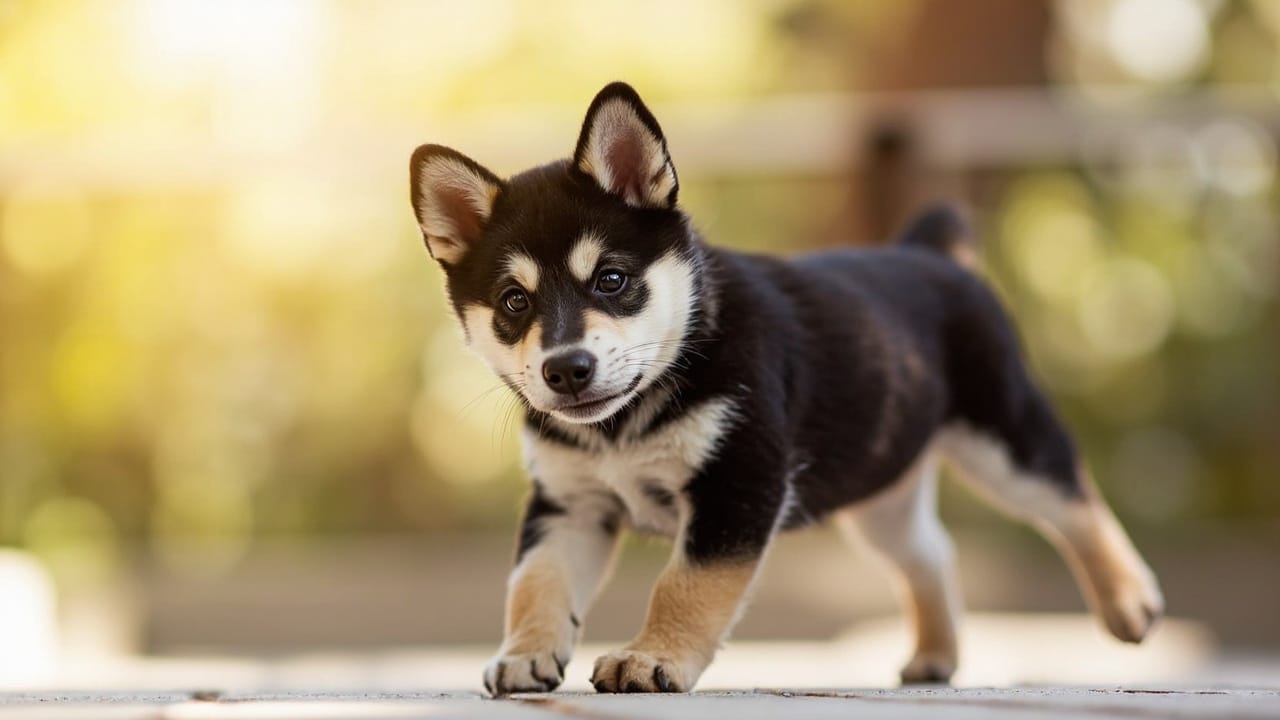
Hvordan stoppe en Shiba Inu-valp fra å bite og nappe
Shiba Inu-valper biter og napper fordi biting er måten de utforsker verden på, og fordi Shibaer er en gammel, primitiv rase med et naturlig sterkt jaktinstinkt og raske reflekser. Stopp bitingen ved å omdirigere til leker, avslutte leken idet tennene berører hud, og være konsekvent de første 6–8 månedene til fasen går over.

Shiba Inu-valper biter og napper av samme grunn som alle valper biter: munnen er måten de utforsker verden på, melketennene gjør vondt, og de har ennå ikke lært bittkontroll. Hos Shibaer kan atferden føles skarpere enn hos mange andre raser fordi de er en primitiv spitz-type med sterkt jaktinstinkt, lynraske reflekser og et kjent uavhengig lynne. Det gode nyttet er at biting er en utviklingsfase, ikke en personlighetsfeil, og en konsekvent respons fra dag én vil føre deg gjennom det.
Hvorfor Shiba-valper biter hardere enn andre raser
Shibaer ble avlet for å jage småvilt i det fjellrike krattet i Japan, så jakt, grep og risting er hardkodet. En vrikkende hånd eller en bevegelig ankel ser nøyaktig ut som bytte for en ung Shiba, og det er derfor nap på hender, føtter og klær er så vanlige mellom 8 og 16 uker. Legg til rasens naturlige reservasjon, og du får en valp som er mindre interessert i å gjøre deg fornøyd enn en Lab ville vært, så leksjonen må gjentas tålmodig.
Dette er også alderen der valpetenner faller ut og voksne tenner kommer inn, noe som faktisk gjør vondt. Tygging og biting er også lindring av tannfrembrudd.
Omdirigeringsmetoden (den desidert mest effektive teknikken)
Kjerneregelen: idet tennene berører hud, stopper leken.
- Ha en myk leke eller et tau i lommen hver gang du samhandler med valpen.
- Når valpen biter hånden din, stå stille, si en rolig "au" eller "ingen biting", og tilby leken umiddelbart.
- Hvis valpen ignorerer leken og går tilbake til huden, reis deg opp, snu deg bort, og ignorer valpen i 20–30 sekunder.
- Kom tilbake og prøv igjen. Gjenta 5–10 ganger per økt.
Dette lærer bittkontroll, som er hundens evne til å kontrollere trykket i kjeven. Valper lærer faktisk dette av kullsøsknene sine: når en biter for hardt, piper den andre og går sin vei. Din jobb er å være kullsøskenen.
Tidsfrister fungerer fordi Shibaer er uavhengige
Mange raser responderer best på ros, men Shibaer responderer sterkt på konsekvenser. En kort, kjedelig tidsfrist er svært effektiv. Idet tennene berører hud:
- Si "for ille" i en flat tone.
- Plasser valpen forsiktig i en løpegård, bur eller et valpesikret rom i 60 sekunder.
- Gå din vei. Ingen øyekontakt, ingen prat.
- Slipp ut og prøv igjen.
Innen en uke lærer de fleste Shiba-valper at biting betyr at moroa slutter, noe som er det verste mulige utfallet for en hund som lever for å leke.
Omdiriger jaktinstinktet med riktige leker
Ettersom bitingen delvis er jaktinstinkt, kan du ikke trene den bort med bare "nei". Du må gi instinktet et sted å lande.
- Flirtstang (en lang stang med et bytte på et tau): 10 minutter med jakt to ganger daglig tapper overraskende mye biterateergi.
- Kong fylt med frossen tørrfôr eller peanøttsmør: gir kjeven et lovlig utløp, spesielt under tannfrembrudd.
- Myke, plystre leker av stoff: tilfredsstiller gripe-og-riste-instinktet uten å involvere hånden din.
- Tauleker for tautrekking: Shibaer elsker tautrekking. Lek det, men stopp idet tennene skraper hud.
En sliten Shiba-valp er en myk-munnet Shiba-valp. Sikte på minst 20 minutter med strukturert lek pluss en kort tur i tillegg til fri lek.
Vanlige feil som gjør Shiba-biting verre
- Vrikking med fingrene for å lokke til lek: du lærer valpen bokstavelig talt å jakte hånden din.
- Ruffing eller bryting: forsterker at hender er leker.
- Kjefting eller fysisk straff: Shibaer er kjent for å være følsomme for rettferdighet og vil enten eskalere eller stenge av.
- Inkonsekvente regler: hvis ett familiemedlem tillater biting og et annet ikke gjør det, lærer valpen aldri.
- Å hoppe over valpekurs: et godt drevet valpekurs lærer bittkontroll langt raskere enn hjemmetrening alene.
Når fasen vanligvis slutter
De fleste Shiba-valper viser en kraftig nedgang i biting mellom 5 og 6 måneder når de voksne tennene er på plass og tannfrembruddssmerten er borte. Ved 8–12 måneder er atferden vanligvis sjelden og forbeholdt overstimulering. En liten prosentandel av ungdoms-Shibaer går gjennom en ny nappebølge rundt 8–10 måneder under de såkalte "Shiba 500"-raceriene; de samme omdirigeringsreglene gjelder.
Hvis bitingen fortsatt er intens og hyppig etter 6 måneder, forårsaker stikk, eller er ledsaget av vaktsomhet eller frykt, bør du bestille en konsultasjon med en sertifisert, kraftfri trener eller en veterinær atferdsspesialist for å utelukke en underliggende årsak.
Konsistens de første seks månedene er prisen. En rolig, bittfri voksen Shiba er belønningen.
FAQ
Ved hvilken alder slutter Shiba Inu-valper å bite?
De fleste Shiba-valper viser en kraftig nedgang i biting mellom 5 og 6 måneder når de voksne tennene er på plass og tannfrembruddssmerten avtar. Ved 8–12 måneder er napping vanligvis sjelden og begrenset til overstimulering.
Biter Shiba Inu mer enn andre raser?
Shibaer biter ikke nødvendigvis oftere, men bittene føles skarpere fordi de er en primitiv spitz-rasen med sterkt jaktinstinkt, raske reflekser og et uavhengig temperament. De responderer best på rolig omdirigering og korte tidsfrister heller enn ros-baserte metoder.
Er Shiba Inu-skriket relatert til biting?
Ikke direkte. Shiba-skriket er en vokalisering Shibaer lager når de er frustrerte, engstelige eller blir håndtert. Biting er en egen atferd, selv om begge kommer fra rasens primitive, uttrykksfulle temperament.
Bør jeg bruke bitter spray eller munnkurv for å stoppe Shiba-valpen min fra å bite?
For de fleste valper er bitter spray unødvendig, og munnkurver bør forbeholdes veterinærbesøk eller sikkerhetskriser. Omdirigering, tidsfrister og tilstrekkelig mosjon løser problemet for det store flertallet av Shiba-valper innen 4–6 måneder.