FCI-Rasestandard Nr. 257: Den offisielle standarden for Shiba Inu
FCI-Rasestandard Nr. 257 er den offisielle globale grunnplanen for Shiba Inu, sist oppdatert 15. juni 1995 og oversatt fra den originale japanske teksten til NIPPO. Den definerer rasens opphav, temperament, størrelse, pelsfarger, urajiro-tegninger og anatomiske proporsjoner som enhver Shiba-oppdretter og dommer bør følge.
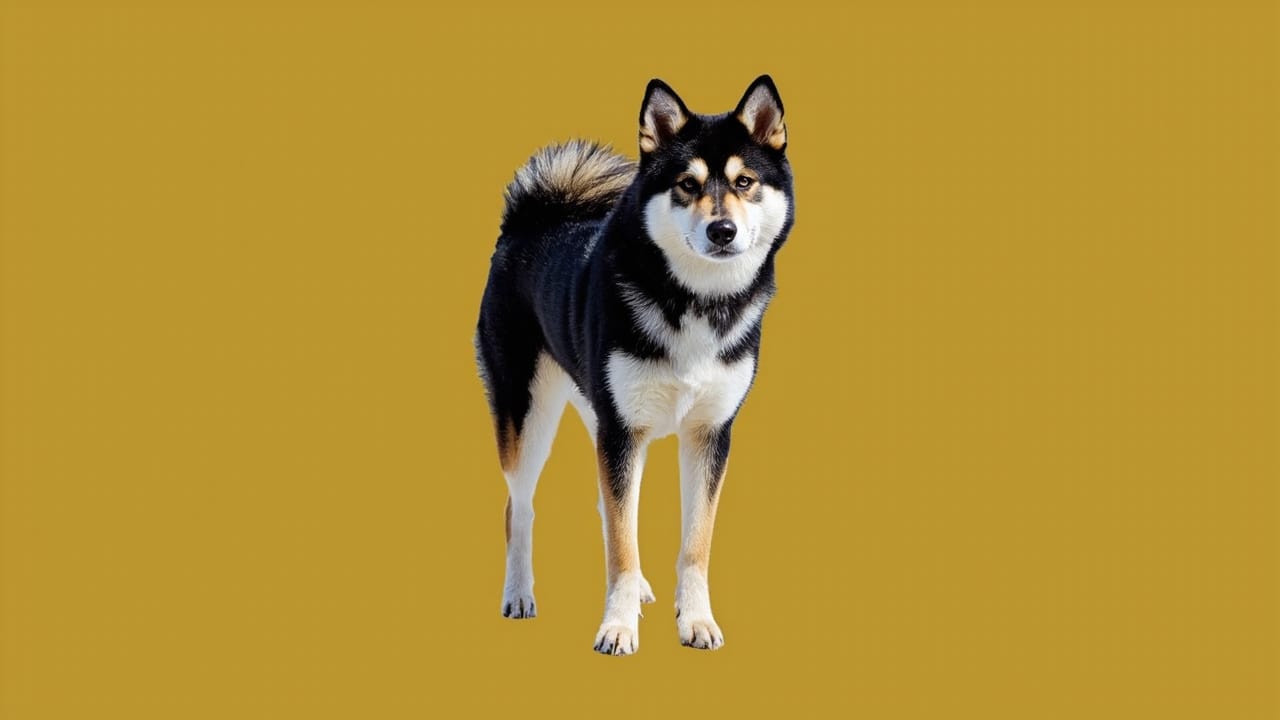
FCI-Rasestandard Nr. 257 er den internasjonalt anerkjente grunnplanen for Shiba Inu. Utgitt av Fédération Cynologique Internationale og hentet fra den japanske kennelklubben (JKC) / NIPPO, er den nåværende engelske versjonen datert 15. juni 1995. Den finnes for å bevare Shibaen som en japansk arbeidende jakthund – en «kratt hund» med korrekt størrelse, konstruksjon og ånd. Hver offisiell standard verden over er bygget på den.
Opphav og historisk formål
Ifølge FCI-standarden er Shibaen en innfødt japansk rase som har eksistert i tusenvis av år. Standarden identifiserer eksplisitt tre historiske blodslinjer – Shinshu Shiba (fra Nagano, den største), Mino Shiba (fra Gifu, med en karakteristisk sigdformet hale) og San'in Shiba (fra nordøst, større og noen ganger helsvart). Den moderne Shibaen ble rekonstruert fra disse linjene etter nesten-utryddelse etter andre verdenskrig. Japan utpekte rasen som et naturminne i 1936, og FCI-standarden bemerker at den opprinnelig ble brukt til å jakte småvilt og skremme opp fugler i Japans fjellrike terreng. Denne jakten forklare flere av standardens mest karakteristiske krav: et sterkt jaktinstinkt, atletisk smidighet, værbestandig pels og et modig men kontrollert temperament.
Temperament: Den berømte Shiba-karakteren
Standardens temperamentseksjon er kort, men ladet. Den krever en hund som er «trofast, med skarpe sanser og høy årvåkenhet». Shibaen skal være reservert og verdig overfor fremmede, aldri aggressiv eller engstelig, og selvbehersket i alle situasjoner. Dette er seksjonen som forklarer rasens rykte for å være kattelignende, uavhengig og verdig. Det er også seksjonen som forklarer hvorfor en dårlig sosialisert Shiba kan vise reservert oppførsel som noen ganger forveksles med aggresjon i utstillingsringen.
Størrelse og proporsjoner (hannhunder vs tisper)
Standarden gir Shibaen et bevisst smalt størrelsesområde:
- Hannhunder: 39,5 cm (med tillatt variasjon på 38–41,5 cm)
- Tisper: 36,5 cm (med tillatt variasjon på 35–38,5 cm)
Standarden understreker at hunder med korrekt høyde skal foretrekkes fremfor de som ligger ved størrelsesgrensene. I praksis betyr dette en hannhund på rundt 35–43 cm ved manken og en tispe på rundt 33–41 cm, med typisk vekt på henholdsvis 10 kg og 8 kg.
Pels, farge og urajiro
Shibaen har en dobbel pels: grov, rett ytterpels og en myk, tett underull. Tre farger er godkjent ifølge FCI-standarden:
- Rød (den vanligste og mest ikoniske)
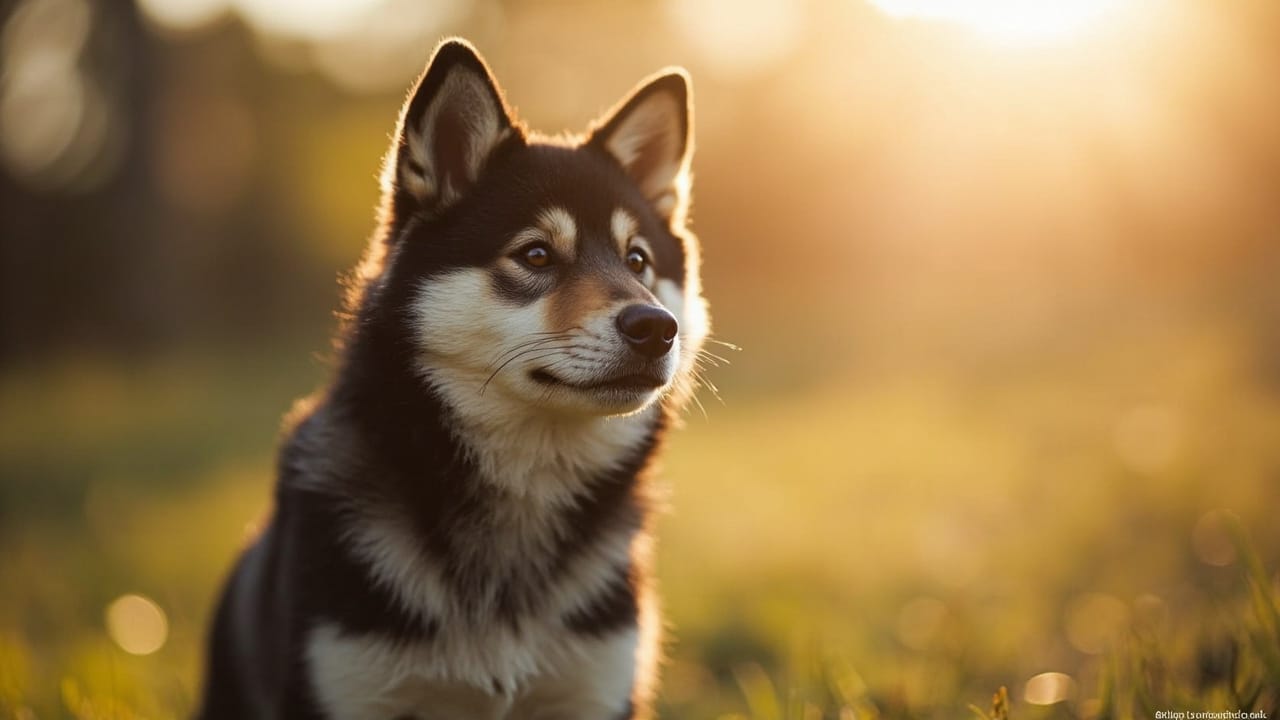
- Sort og tan (ofte kalt «sort og tan» med urajiro)
- Sesam (jevn blanding av sort-spissede og røde hår, godt definert)
Krem / hvit Shiba er en diskvalifiserende feil ifølge FCI-reglene, til tross for at de er populære som kjæledyr. Amerikanske og kanadiske standarder avviker noe på dette punktet.
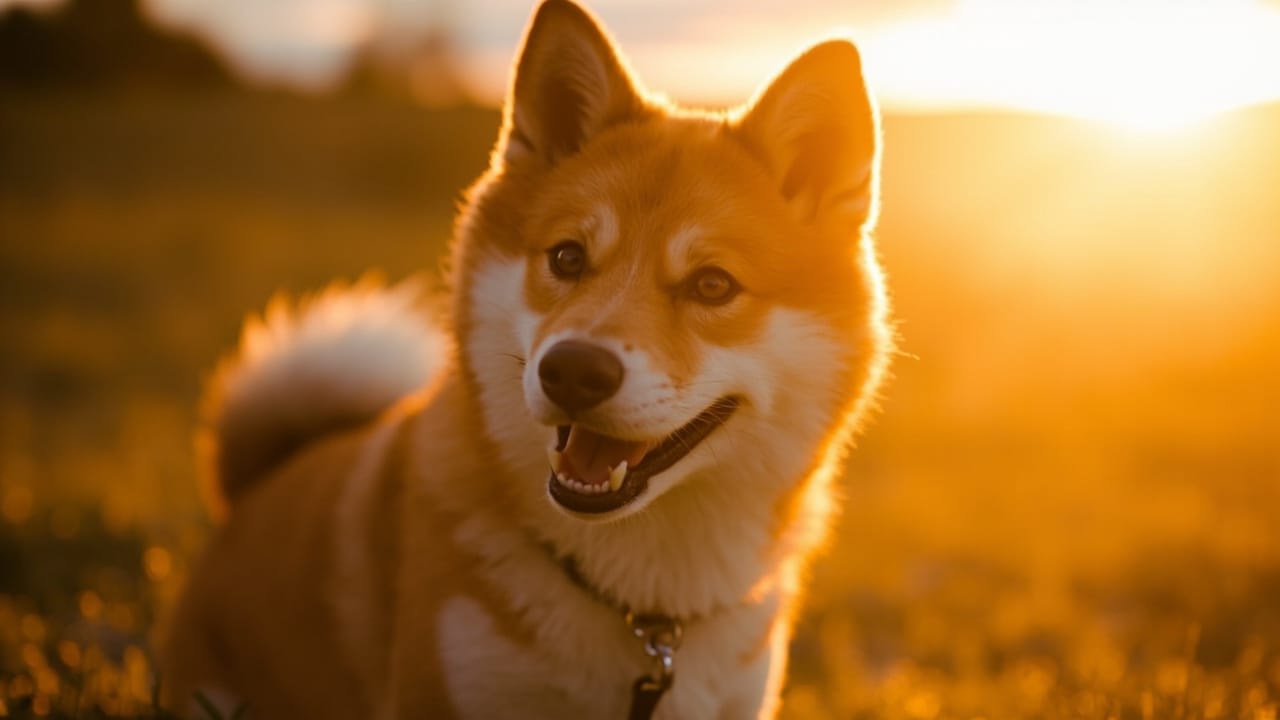
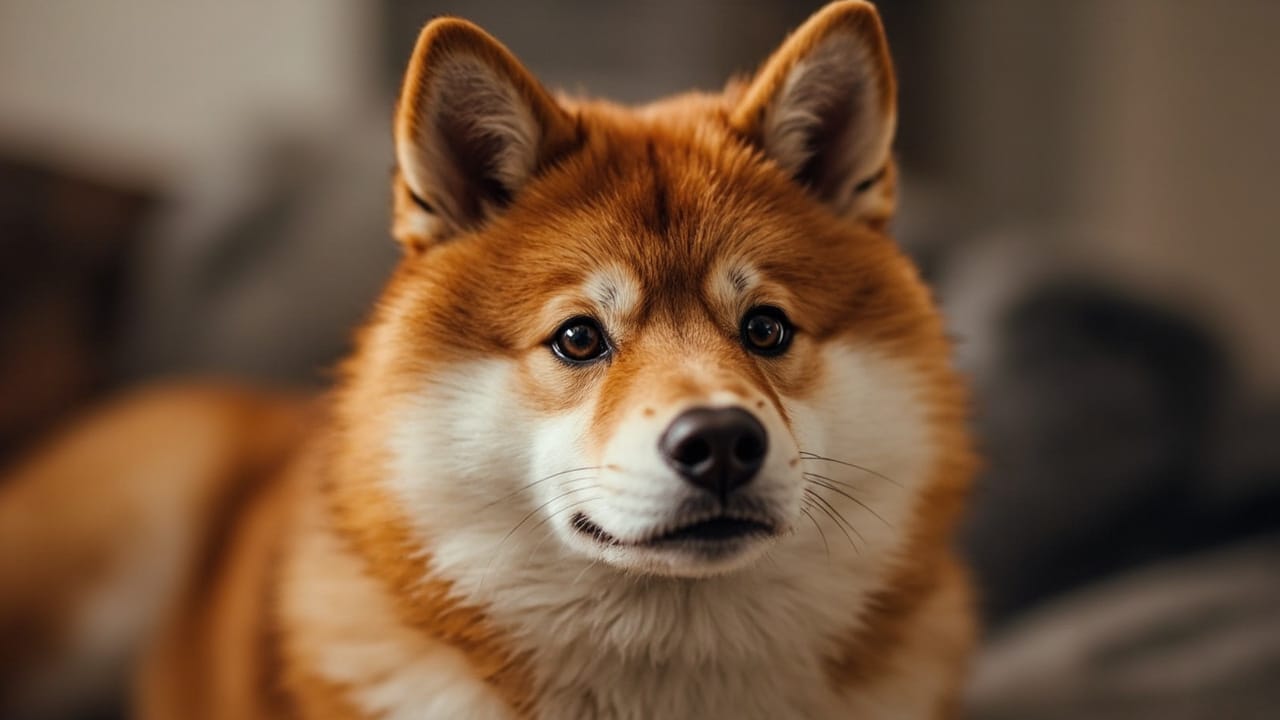
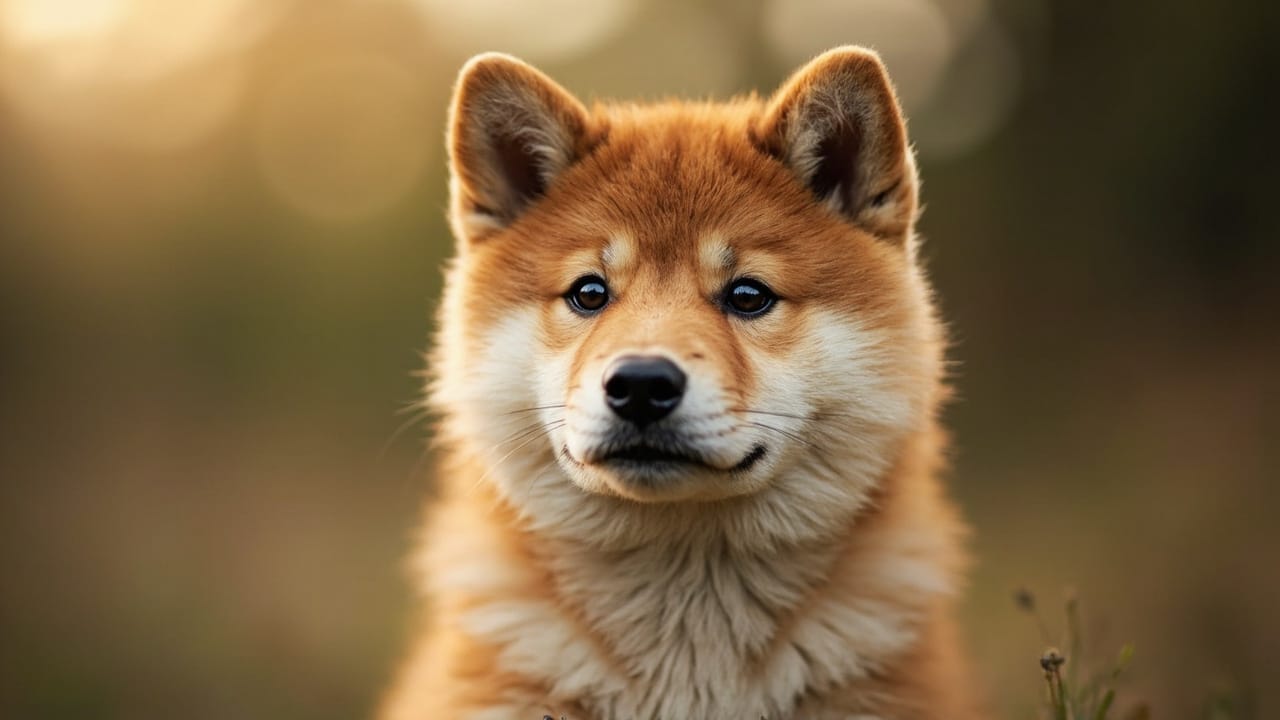
Det mest berømte kravet i Standard Nr. 257 er urajiro – den kremfargede til hvite ventrale skyggen som finnes på kinnene, snuten, brystet, magen, innsiden av beina og undersiden av halen. Standarden slår fast at urajiro er påkrevd på røde og sesam-hunder, og at de hvite tegningene i ansiktet ideelt sett skal danne det klassiske «gara»- eller «fire-eye»-mønsteret.
Anatomi og rasetypiske kjennetegn
Standarden beskriver en balansert hund som er litt lengre enn høy (tisper kan være litt lengre). Viktige rasetypiske trekk inkluderer:
- Hode: bred skalle, moderat stop, rett snute som utgjør ca. 40 % av hodets lengde
- Ører: små, trekantede, stivt stående, lett foroverlutende
- Øyne: relativt små, trekantede, mørkebrune, med et selvsikkert, vennlig uttrykk
- Tenner: sterke, saksebitt («Shiba-smilet» er tillatt, ikke straffbart)
- Hale: tykk, høyt ansatt, båret over ryggen i sigd- eller krøllet posisjon; halespissen bør ideelt sett nå hasen
- Bevegelser: lette, kvikke, elastiske – aldri tunge
Helhetsinntrykket skal være en kompakt, muskuløs, velbalansert hund med en jakthunds mot og smidighet kombinert med en selskapshunds verdighet.
Hvorfor Standard Nr. 257 er viktig for eiere
Selv for eiere som aldri skal stille ut en Shiba, er FCI-standarden et nyttig målestokk. Den er den mest pålitelige referansen for hvordan en korrekt, sunn, langlivet Shiba skal se ut og oppføre seg. Anerkjente oppdrettere i USA, Storbritannia og Europa bruker alle Standard Nr. 257 som sin veiledning for avlsbeslutninger, og nasjonale kennelklubber som AKC baserer sin egen Shiba-standard på FCI-teksten. Hvis du vurderer et kull, sammenligner blodslinjer, eller bare vil forstå hvorfor Shibaen din ser ut som den gjør, er Standard Nr. 257 kilden.
FAQ
When was FCI Standard No. 257 last updated?
Den nåværende engelske versjonen ble publisert 15. juni 1995, oversatt fra den originale japanske standarden vedlikeholdt av NIPPO og den japanske kennelklubben.
Are cream / white Shiba Inus allowed under FCI Standard 257?
Nei. Kremfarget pels er en diskvalifiserende feil ifølge FCI-standarden. Rød, sort og tan, og sesam (med påkrevde urajiro-tegninger) er de eneste godkjente fargene.
What size does FCI Standard 257 specify for a Shiba Inu?
Hannhunder 38–41,5 cm ved manken (ideelt 39,5 cm); tisper 35–38,5 cm (ideelt 36,5 cm). Hunder ved ideell høyde foretrekkes fremfor de ved grensene.
What is urajiro and why does the standard require it?
Urajiro er den kremfargede til hvite skyggen på kinnene, snuten, undersiden og beina. Standarden krever det på røde og sesam-Shibaer fordi det er et definerende rasetypisk trekk arvet fra de opprinnelige japanske jakthundene.