Hvorfor reverserer Shiba Inuen min nysing? Årsaker, lindring og når du bør bekymre deg
En Shiba Inu revers-nysing er en plutselig, skarp innånding forårsaket av en krampe i den bløte ganen, vanligvis utløst av postnasal irritasjon, allergier eller begeistring. Det høres alarmerende ut, men er nesten alltid ufarlig og går over av seg selv i løpet av sekunder til et minutt.
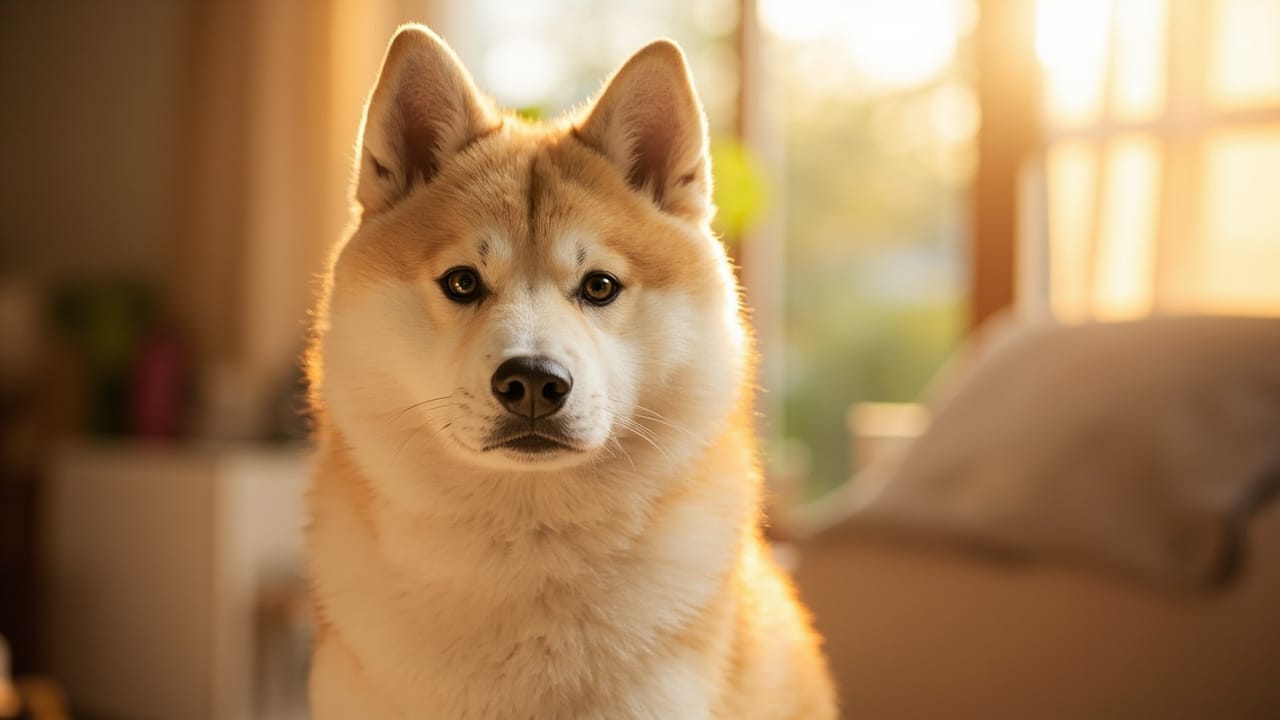
Hvordan revers-nysing ser ut (og høres ut) hos en Shiba Inu
En revers-nysing er en rask, gjentatt innånding gjennom nesen, ofte beskrevet som snøfting, snorking eller brekning. Shibaen din vil vanligvis stå stille, strekke nakken, trekke leppene tilbake og lage en høy, rytmisk "snork-snork-snork"-lyd som kan vare fra noen få sekunder til omtrent et minutt. Selv om det kan skremme nye eiere, er episoden ikke smertefull, og de fleste Shibaer returnerer til det normale umiddelbart etterpå.
Hvorfor Shiba Inu er utsatt for revers-nysing
Selve revers-nysingen er en mekanisk hendelse: den bløte ganen bakerst i halsen får et kort krampeanfall og blokkerer delvis luftveiene, noe som skaper det undertrykket som trekker luft inn skarpt. Shiba Inu ser ut til å oppleve dette oftere enn mange andre raser av noen sammenhengende grunner:
- Smal, raffinert hodeskallestruktur. Rasestandarden krever et reve-lignende ansikt med en tett, veldefinert stopp. Samme elegante konformasjon gir relativt liten plass i nasofarynks, så selv mild irritasjon kan utløse en ganekrampe.
- Bløtvev i brachycephal-stil uten flatt ansikt. Shibaer er ikke brachycephale, men den bløte ganen deres er forholdsvis lang i forhold til skallen, noe som gjør dem disponert for krampen.
- Atopisk dermatitt og miljøallergier. Allergier er et av de mest rapporterte helseproblemene i rasen. Postnasalt drypp fra innåndede allergener (støv, pollen, gress, mugg, røyk) er en av de sterkeste utløserne for revers-nysing.
- Begeistring eller plutselige temperaturskift. Hardt båndtrekk, rask drikking, for rask spising, eller bevegelse fra varm til kald luft kan alle starte en episode.
Vanlige utløsere å se etter
- Støv, husholdningsrengjøringsmidler, parfymer, stearinlys, eteriske oljediffusere
- Pollen og gress (spesielt på turer vår og høst)
- Kraftig postnasalt drypp fra allergier eller mild irritasjon i øvre luftveier
- Å trekke i et halsbånd som presser mot halsen (en sele hjelper ofte)
- Plutselig begeistring, mosjon, eller slurping av mat og vann
- Irritanter som røyk, røkelse, eller aerosolsprayer
Hvis du legger merke til et mønster knyttet til en av disse, er løsningen ofte enkel: bytt til en sele, bruk en luftrenser, tørk Shibaens ansikt etter utendørsturer, eller mat fra en sakte-matskål.
Hvordan stoppe en revers-nysing-episode
De fleste episoder stopper av seg selv, men du kan forkorte en ved å oppmuntre Shibaen din til å svelge, noe som slapper av den bløte ganen:
- Hold deg rolig og snakk rolig; stress forlenger krampen.
- Masser halsen lett med en nedover-bevegelse.
- Dekk neseborene kort med fingertuppene i ett til to sekunder for å oppmuntre til svelging.
- Tilby litt vann å drikke.
- Blås et lett puff med luft mot ansiktet (noen hunder svelger refleksmessig).
Unngå å klemme snuten kraftig eller holde munnen lukket, da dette kan forårsake angst og sjelden hjelper.
Når en revers-nysing er en grunn til å kontakte veterinær
Revers-nysing er et symptom, ikke en sykdom, og hos Shibaer er det vanligvis godartet. Imidlertid bør du bestille en veterinærtime hvis du også ser noe av det følgende:
- Episoder som plutselig blir hyppige, varer lenger enn et minutt, eller skjer flere ganger daglig
- Neseflod, spesielt hvis den er blodig, tykk, farget, eller ensidig
- Hevelse i ansiktet, elveblest, eller tegn på allergisk reaksjon
- Pustevansker i hvile, blå tannkjøtt, eller kollaps
- Nysing (fremover) som ikke stopper, eller enhver endring i bjeff eller stemme
- Samtidige øyeforandringer som rødhet eller uklarhet, ettersom Shibaer er disponert for primær trangvinklet glaukom og andre øyeproblemer som kan vise seg med ansiktsubehag
Veterinæren din kan undersøke nese og hals, utelukke fremmedlegemer, infeksjoner, kollapsende luftrør, eller tannsykdom, og diskutere allergihåndtering. For en rase med 13–16 års levetid lønner det seg å få grunnlaget riktig tidlig i mange år fremover.
Rask forebyggingssjekkliste
- Bruk en godt tilpasset sele i stedet for et halsbånd på turer
- Kjør en HEPA-luftrenser i rommet der Shibaen din sover
- Unngå røyking, sterk parfyme, og aerosolprodukter nær hunden din
- Tørk snute og poter etter utendørs tid i høypollensesonger
- Hold deg oppdatert på rutinemessige helseundersøkelser, inkludert CHIC-anbefalte OFA-evalueringer av hofter, kneskåler og øyne
Ofte stilte spørsmål
Er revers-nysing smertefullt for en Shiba Inu? Nei. Selv om det ser og høres foruroligende ut, er det en refleksiv krampe i den bløte ganen og er ikke smertefullt. Shibaen din er klar over hva som skjer og restitueres i løpet av sekunder.
Kan allergier forårsake revers-nysing hos Shiba Inu? Ja. Atopisk dermatitt og innåndede allergier er vanlige i rasen og er en av hovedårsakene til postnasal irritasjon som utløser revers-nysing. Å håndtere den underliggende allergien reduserer vanligvis hyppigheten.
Bør jeg bytte fra halsbånd til sele for min Shiba? For enhver Shiba som revers-nyser etter turer eller trekker i båndet, er en frontklips- eller Y-formet sele en billig, effektiv endring som fjerner trykk på halsen og ofte reduserer episoder.
Hvordan skiller revers-nysing seg fra kennelhoste eller kollapsende luftrør? En revers-nysing er en kort, inspiratorisk snøfting som går raskt over. Kennelhoste gir en hakkete, produktiv hoste ofte med øyeflod. Et kollapsende luftrør gir en tørr, gåse-honking-hoste som forverres med trykk på halsen og er sjelden hos Shibaer. Vedvarende symptomer krever alltid et veterinærbesøk.
FAQ
Hvor lenge varer vanligvis Shiba Inu revers-nysing-episoder?
De fleste episoder varer 5 til 60 sekunder og stopper av seg selv. Hvis en episode varer lenger enn et minutt eller blir en daglig hendelse, bør du oppsøke veterinær for å utelukke underliggende årsaker.
Er revers-nysing et tegn på et alvorlig helseproblem hos Shiba Inu?
Sjelden. Det utløses vanligvis av postnasal irritasjon, allergier, begeistring, eller halstrykk fra et halsbånd. Virkelige nødstilfeller innebærer blå tannkjøtt, kollaps, eller ensidig blodig neseflod, som alle er uvanlig ved revers-nysing.
Revers-nyser valper oftere enn voksne Shiba Inu?
Mange Shiba-valper revers-nyser oftere fordi den bløte ganen og luftvevsvevet deres fortsatt utvikler seg, og de har en tendens til å utforske verden munn-først. Hyppigheten avtar vanligvis med alderen med mindre allergier er involvert.
Kan mat eller spisevaner forårsake revers-nysing hos Shibaer?
Ja. Å sluke mat eller vann, spise for fort, eller inhalere finstøv fra tørrfôr kan irritere den bløte ganen. Sakte-matskåler og lett fukting av tørrfôret med vann hjelper ofte.
⚕️ This article is researched from the AKC and NIPPO breed standards, OFA/CHIC health data and veterinary sources. It is for general information only and is not a substitute for advice from your own veterinarian.